
As an Amazon Associate, Chasing Cherry Blossoms earns from qualifying purchases. We may also earn from other affiliate links on this page at no extra cost to you.
What Do Cherry Blossoms Symbolize?
The first time I stood under a sakura tree in full bloom, petals drifting down onto my shoulders, I understood why people in Japan stop everything for a week or two each spring. Cherry blossoms (sakura) are far more than pretty pink flowers. In Japan, and in other parts of East Asia, they stand for life, beauty, renewal and the bittersweet fact that nothing lasts.
In this post I’ll walk you through what sakura symbolize, where those ideas come from, and how you can experience them yourself on a trip to Japan.
The Short Answer: What Sakura Mean
The blossoms open and fall within roughly one to two weeks, which is why they have become a symbol of the impermanence of life. Alongside that core idea, sakura are commonly linked with:
- Renewal and new beginnings, since they arrive with spring.
- Beauty and fragility, thanks to their delicate petals.
- Purity and innocence, from their soft white and pale pink colors.
- Love and femininity, a more modern, popular association.
Sakura in Japanese History and Culture
The Origins of Hanami
Hanami (flower viewing) is often traced back to the Nara period (710-794), though early admiration of flowers in that era focused partly on plum blossoms, and sakura took over as the favorite later, in the Heian period. Cherry blossoms were also tied to the farming calendar, as their bloom was seen as a sign that rice planting season was near.
Mono no Aware and the Beauty of Impermanence
Mono no aware is often translated as “the pathos of things” or a gentle sadness at the passing of things. It is one of the most important ideas in Japanese aesthetics, and sakura are its most famous emblem. The blossoms are loved because they don’t last.
Samurai and Wartime Associations
Sakura were also linked with the samurai ideal of facing death without clinging to life. It’s worth knowing that in the 20th century this imagery was used in military propaganda, so for some Japanese people the flower carries more complicated feelings than the cheerful tourist image suggests.
Cherry Blossoms and Buddhism
In Buddhist thinking, the short life of the blossoms is a natural metaphor for impermanence and for living in the present moment. You’ll often see cherry trees planted around temples and shrines, which makes those places lovely for a quiet moment of reflection. Many temple grounds are free or charge only a small entry fee, but check each site’s official page for current hours and fees before you go.
A Symbol of Love and Romance
Sakura season is a popular time for couples to stroll beneath the trees or share a picnic. Cherry blossoms also appear throughout classical Japanese poetry (especially waka) and in art, including woodblock prints, often to express longing and the ache of fleeting beauty.
Renewal and Rebirth
Spring is a time of fresh starts in Japan. The fiscal year and the school year both begin in April, so cherry blossoms often show up in entrance ceremonies and first-day photos. Depending on the region and the year, that means the trees may be in bloom, or already scattering petals, right as people start something new.
Impermanence and Transience
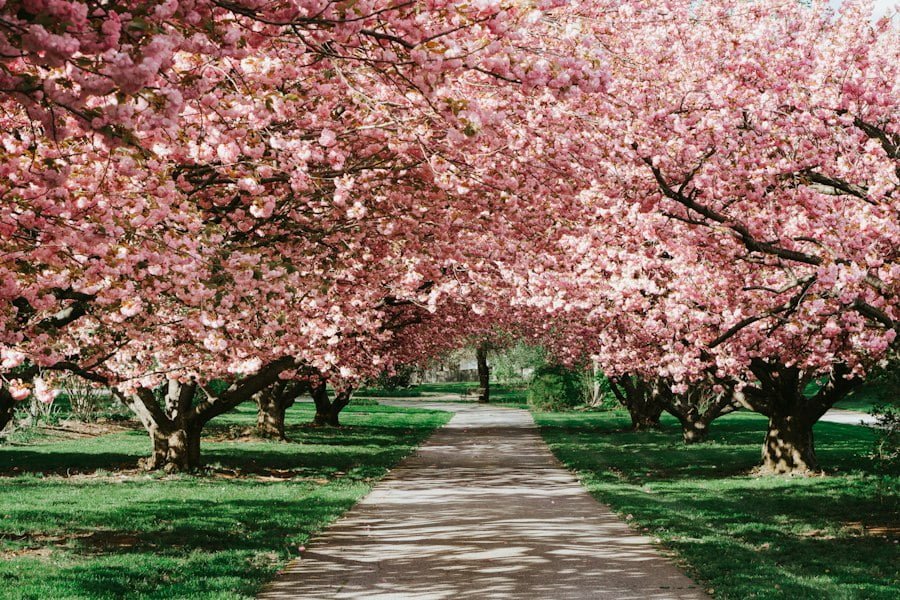
If there is one lesson sakura teach, it’s this: nothing stays the same. When the petals fall in a flurry, known as sakura fubuki (“cherry blossom snowstorm”), it’s honestly one of the most moving sights you can see in Japan. Locals and travelers alike tend to go quiet for a moment. It’s a reminder to enjoy what’s in front of you right now.
Sakura in Literature and Art
Cherry blossoms have inspired poets, painters and novelists for centuries. The Tale of Genji by Murasaki Shikibu, from the Heian period, is a classic that includes a chapter named for a cherry blossom banquet (“Hana no En”). Woodblock prints from the Edo period also feature blossom-viewing scenes.
One correction to a common claim: Hokusai’s “The Great Wave off Kanagawa” does not feature cherry blossoms, so it’s not a good example. Arthur Golden’s Memoirs of a Geisha is a modern novel that uses Japanese seasonal imagery, but it isn’t really a sakura story.
Cherry Blossom Festivals Around the World
Japan’s hanami season is the main event, but sakura celebrations take place worldwide. Washington, D.C., hosts the National Cherry Blossom Festival, and cities in Canada and Europe hold their own events. They usually feature performances, food stalls and Japanese crafts; check each event’s official site for dates and details.
Sakura in Modern Culture
Today, sakura appear on everything from fashion and wedding themes to anime, films and music videos. In Japan, you’ll also see limited-edition spring snacks and drinks every year, from sakura-flavored sweets to seasonal coffee drinks, which is a fun way to taste the season.
Experiencing Sakura in Person: Planning Your Trip
When to Go
Blooming generally starts in the warmer south and moves north. In Tokyo, Kyoto and Osaka, peak bloom usually falls in late March to early April, while northern areas like Hokkaido see blossoms around late April to early May. Exact dates change every year, and the first forecasts usually appear in winter and are updated through March, so check the latest ones before you finalize flexible plans for 2027.
Getting Around: JR Pass and Alternatives
The Japan Rail Pass became considerably more expensive in October 2023. Bought on the official site, a 7-day ordinary pass costs 50,000 JPY (Green car 70,000), a 14-day pass is 80,000 / 110,000 and a 21-day pass is 100,000 / 140,000, with children aged 6-11 at half price. Exchange orders from overseas agents cost slightly more, and Nozomi and Mizuho trains need an extra ticket for pass holders. Because of that, it only pays off if you plan several long-distance bullet train rides. For a simple Tokyo-Kyoto-Osaka route, it’s worth comparing the cost of individual tickets before buying.
Staying Connected and Where to Sleep
Sakura season is the busiest time of year, so book hotels early, often many months ahead for popular cities. If you want to get live bloom updates and navigate easily, an eSIM is convenient.
Hanami Etiquette
- Bring a tarp or mat and take all your trash with you.
- Don’t shake branches or pick blossoms.
- Some parks have opening hours or evening illumination (yozakura), so check the official site before visiting.
Recommended reading

Hardcover book (item type, not the exact product). Photo: PediaPress, CC BY-SA 3.0, via Wikimedia Commons
The Sakura Obsession by Naoko Abe
The real story of the Englishman who helped save Japan’s cherry varieties.
Check price on Amazon
Picture book (item type, not the exact product). Photo: Kids association, CC BY-SA 4.0, via Wikimedia Commons
Cherry Blossoms Say Spring (National Geographic Kids)
A simple picture book that introduces young readers to sakura.
Check price on AmazonFAQ
What do cherry blossoms symbolize?
Mainly the beauty and brevity of life, as well as renewal, purity and love. In Japan, they’re closely connected with mono no aware, the gentle sadness of impermanence.
When do cherry blossoms bloom in Japan?
Usually from late March to early April in major cities like Tokyo and Kyoto, earlier in the south and later in the north. Dates vary each year, so check the forecast close to your trip.
How long do the blossoms last?
Typically about one to two weeks from first bloom to falling petals, depending on weather.
What is hanami?
Hanami is the tradition of enjoying cherry blossoms, usually with friends, family or colleagues, and often with food and drinks under the trees.
Is sakura season expensive?
It is one of the most popular times to visit, so hotels and flights cost more and sell out early. Booking ahead helps a lot.
Final Thoughts
Sakura remind us to slow down and notice the beauty around us before it’s gone. If you ever get the chance to sit beneath the blossoms in Japan, I hope you’ll stay a little longer than planned. It’s worth it.
Comment (1)