
Disclosure: this post may contain affiliate links. If you buy through them, Chasing Cherry Blossoms may earn a commission at no extra cost to you. Affiliate disclosure.
What Is Hanami in Japanese? A Friendly Guide to Cherry Blossom Viewing
Hanami (花見) literally means “flower viewing.” In practice, it is the centuries-old Japanese custom of gathering with friends, family, or coworkers under blooming cherry trees to enjoy the blossoms, and usually a good picnic too. When I first joined a hanami picnic, I expected a quiet walk among the trees. What I found was a joyful, slightly chaotic party with blue tarps, snacks, and a lot of laughter. In this guide I’ll walk you through what hanami means, where it came from, where to go, what to eat, how to behave, and how to plan a trip.
What Hanami Means and Why It Matters in Japan
The word combines hana (flower) and miru (to see). While “hana” can refer to any flower, in spring it almost always means sakura, the cherry blossom.
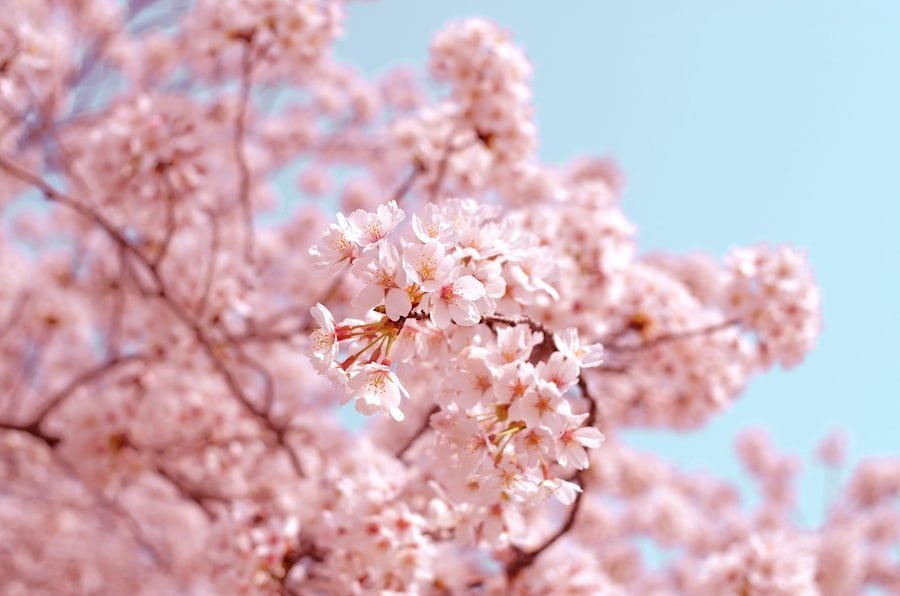
Cherry blossoms carry deep symbolism in Japanese culture. They bloom for only a short time before the petals fall, which reflects the idea of mono no aware, a gentle awareness of the impermanence of things. Sakura also mark the start of spring and the new school and business year in April, so they are tied to fresh starts and hope.
Hanami is as much about the people as the flowers. It is a time to slow down, catch up, and enjoy a shared moment before it passes.
Cherry Blossoms: The Symbol Behind Hanami
Sakura typically stay in full bloom for roughly a week, and the whole flowering period at one location lasts around one to two weeks, depending on the weather. Rain and wind can shorten it quickly.
Popular Cherry Blossom Varieties
- Somei Yoshino: The most common variety in Japan, with pale pink-white, five-petaled flowers that bloom before the leaves appear.
- Yamazakura: A wild mountain cherry with pale pink flowers, often found in forested areas.
- Shidarezakura: The weeping cherry, with cascading branches. It often blooms a little earlier than Somei Yoshino.
A Short History of Hanami
The practice of enjoying blossoms in Japan is very old. Early on, in the Nara period (710-794), the aristocracy admired plum blossoms, influenced by Chinese culture. By the Heian period (794-1185), cherry blossoms had taken over as the favorite, and the imperial court in Kyoto held blossom-viewing gatherings with poetry and feasting.
Over the following centuries hanami spread beyond the court. By the Edo period (1603-1868), ordinary townspeople were picnicking under the trees, and many cherry trees were planted in public spaces so everyone could enjoy them. Today, millions of people take part every spring.
Best Places to Experience Hanami in Japan
Here are some classic spots. I’ve included notes on what makes each one special, but always check current details before you go.
Ueno Park (Tokyo)
One of Tokyo’s best-known hanami spots, with hundreds of cherry trees (counts vary by source) lining the main path. It gets very crowded at peak bloom, so go on a weekday morning if you can.
Maruyama Park (Kyoto)
Next to Yasaka Shrine, this park is famous for its large weeping cherry tree, which is lit up in the evening during the season.
Philosopher’s Path (Kyoto)
A peaceful walking path along a canal, lined with cherry trees that form a pink tunnel at peak bloom. It is lovely early in the morning.
Hirosaki Castle Park (Aomori)
Home to a famous cherry blossom festival, usually held from mid-April into early May, with around 2,600 trees and views of the castle. It is a good choice if you miss the earlier bloom further south.
Yoshinoyama (Nara)
A mountain covered with thousands of cherry trees planted in different areas, which bloom at different altitudes over a few weeks. It is one of Japan’s most celebrated viewing spots.
Hanami Food and Drinks
Food is a big part of the fun. Seasonal sakura sweets appear in convenience stores and supermarkets as soon as late winter, and many cost only a few hundred yen. Typical favorites include:
- Sakura mochi: A sweet rice cake with red bean paste wrapped in a salted cherry leaf. In the Kanto style it is made with a rice-flour crepe, while the Kansai style uses a rounder mochi texture.
- Hanami dango: Three-colored skewered dumplings in pink, white, and green.
- Sakura tea (sakurayu): A lightly salty, floral drink made from salt-pickled cherry blossoms in hot water. It is often served at celebrations.
- Sake and seasonal drinks: Many people enjoy sake, beer, or limited-edition sakura drinks during their picnic.
- Bento and snacks: Picnic boxes from department stores, supermarkets, and convenience stores are an easy way to eat well without cooking.
What People Do During Hanami
- Picnics: Friends and families spread out a tarp or mat and share food under the trees.
- Hanami parties: Companies and school groups often hold outings. Newer employees are sometimes sent early to reserve the spot.
- Yozakura (night blossoms): Many parks light up their trees in the evening for a more atmospheric view.
- Festivals and performances: Many places have food stalls, and some hold cultural events during peak bloom.
Hanami Etiquette: Dos and Don’ts
Do
- Bring a mat or tarp, and make sure you don’t take up more space than you need.
- Take all your trash with you, or sort it properly if bins are provided.
- Keep the noise level reasonable, especially in the evening.
- Follow any signs and rules posted by the park or temple.
Don’t
- Don’t pick the blossoms or branches, or shake or climb the trees.
- Don’t step on tree roots, which are delicate.
- Don’t smoke or drink alcohol where it is prohibited. Some parks restrict alcohol or open fires.
- Don’t leave a mat unattended for hours to hold a spot if the park discourages it.
When to Go: Sakura Forecast Timing for 2027
As a general rule, cherry blossoms open in southern Japan first and move north. In Tokyo and Kyoto, full bloom usually falls in late March to early April. Kyushu is often a little earlier, while Tohoku and Hokkaido are usually mid-April to early May. Exact dates change from year to year with the winter and spring temperatures.
Japanese forecasters publish their first sakura forecasts in the early part of the year (usually between January and March) and update them regularly. Check the latest forecast a few weeks before your trip and stay flexible. If you can, plan a route that lets you shift your dates or move between regions.
Planning Your Hanami Trip: Costs and Practical Tips
- Book early: Hotels in Tokyo and Kyoto fill up fast and prices rise during the peak sakura weeks. Reserve as early as you can.
- Rail travel: After the October 2023 price increase, a 7-day ordinary Japan Rail Pass costs 50,000 JPY when bought on the official site (a bit more through overseas agents), and Nozomi and Mizuho trains need an extra ticket. Because of the higher price, it only pays off on routes with several long-distance bullet-train rides. For a Tokyo and Kyoto trip, compare it against individual tickets first.
- Stay connected: A travel eSIM is handy for checking bloom forecasts and maps on the go. Compare eSIM or pocket Wi-Fi options before you fly.
- Park hours: Many public parks are open all day, but some gardens and castle grounds charge admission and close in the late afternoon or evening. Check each site’s official page for current hours and prices before you go.
Hanami Around the World
You don’t have to travel to Japan to enjoy cherry blossoms. Many cities hold their own celebrations, such as the National Cherry Blossom Festival in Washington, D.C., the Vancouver Cherry Blossom Festival, and spring flower events in Seoul. Dates differ each year, so check the official festival pages. They show how widely the love of sakura has spread.
The Future of Hanami
Climate change is affecting the timing of the bloom, and in recent years sakura have tended to flower earlier in many places. Old cherry trees also need ongoing care. Local groups and cities plant new trees and look after existing ones, and visitors can help by respecting the trees and following the rules in parks.
FAQ
What is hanami?
Hanami is the Japanese custom of enjoying flowers, especially cherry blossoms (sakura), usually with a picnic and friends or family.
When does hanami take place?
It depends on the region and the year, but it usually runs from late March to early April in Tokyo and Kyoto, and into late April or May in northern Japan.
Where can I do hanami?
Almost anywhere with cherry trees: parks, riverbanks, castle grounds, shrines, and temples. Ueno Park, Maruyama Park, and Hirosaki Castle Park are some popular options.
What do people do during hanami?
They picnic, share food and drinks, take photos, and stroll under the trees. In the evening, they might enjoy illuminated cherry blossoms.
Do I need a tour?
No, but a guided tour can help with transport, timing, and cultural context, especially if it is your first time in Japan.
Why do cherry blossoms matter so much?
Their brief bloom reminds people that life is fleeting, and they mark the arrival of spring and new beginnings.
Final Thoughts
Hanami is more than looking at flowers. It is a way of pausing together and appreciating a moment that will not last. If you get the chance to join a picnic under the sakura, bring a snack, be kind to the trees and your neighbors, and enjoy it.