
As an Amazon Associate, Chasing Cherry Blossoms earns from qualifying purchases. We may also earn from other affiliate links on this page at no extra cost to you.
If you have a Japan trip booked and this week’s news made you nervous, you are not alone. A deep earthquake far out in the Pacific, a typhoon over the southwestern islands, a government call to stock up on supplies and a run of bear headlines all landed at once. Here is a calm, sourced look at what actually happened and what it means for visitors.
Quick answer: Yes. For most travelers, Japan is one of the safest countries you can visit right now. The US State Department rates it Level 1, its lowest advisory level, and Japan ranked 10th in the 2026 Global Peace Index. The realistic risks are natural hazards, not crime. Earthquakes can happen at any time, typhoons are most common from July to October, summer heat is serious and the north gets heavy winter snow. Bears are a real concern in rural and mountain areas of northern Japan, but not in the city sights where most visitors spend their time. Day to day, you are more likely to meet a nightlife overcharging scam. Register with your government, install the Safety tips app, save the emergency numbers and pack a small kit.
Japan travel safety at a glance (late 2026)
| Risk | How likely to affect a visitor | Where / when | What to do |
|---|---|---|---|
| Everyday crime | Low | Anywhere, mostly crowded stations and nightlife areas | Normal precautions; keep valuables zipped; call 110 for police |
| Earthquakes | Felt quakes are common; damaging ones are rare on any one trip | Nationwide, any time of year | Learn drop-cover-hold; install Safety tips; follow staff instructions |
| Tsunami | Low, but serious if you are on the coast after a strong quake | Coastal areas | After strong or long shaking near the sea, move to high ground at once |
| Typhoons | Moderate in season | Most frequent July to October; Okinawa and Kyushu are often hit first | Watch JMA forecasts; keep a buffer day before international flights |
| Bears | Very low for city travelers; real for hikers in the north | Rural and mountain areas of Tohoku and Hokkaido, spring to late autumn | Busy trails, groups, bear bell, check local closures |
| Heat and winter weather | Moderate in peak months | Heat in July and August; snow December to March in the north | Hydrate and rest; allow time for winter road and rail delays |
| Nightlife scams and drink spiking | Low overall, higher in specific districts | Kabukicho, Roppongi and similar Tokyo areas, late at night | Never follow street touts; watch your drink; check prices first |
| Food and water | Very low | Nationwide | Tap water is generally drinkable; ask about allergies in advance |
| Transport disruption | Moderate in storm and snow seasons | Island flights and ferries, mountain rail lines, Shinkansen after quakes | Build slack into your plan; check operator notices on the day |
Map of places in this guide
Map: places mentioned in this Japan safety guide
- Ikebukuro Life Safety Learning Center (Tokyo) – Free Tokyo Fire Department center with an earthquake simulator; book ahead; Japanese-only instructors Directions
- Sona Area Tokyo (Ariake, Tokyo) – Free disaster-preparedness tour in Japanese and English at Tokyo Rinkai Disaster Prevention Park; closed Mondays Directions
- Port of Kobe Earthquake Memorial Park (Kobe) – Free open-air memorial preserving quay damage from the 1995 Great Hanshin earthquake Directions
- Chichijima, Ogasawara Islands (Tokyo) – Felt shindo 3 in the deep M7.0 quake of 25 Oct 2026; no tsunami or damage reported Directions
- Ishigaki Island (Okinawa) – Island flights were cancelled 22-24 Oct 2026 as Typhoon Champi passed the Yaeyama Islands Directions
- Yonaguni Island (Okinawa) – Japan's westernmost inhabited island; flights cancelled during Typhoon Champi (Oct 2026) Directions
- Akita City (Akita) – Akita Prefecture was a center of FY2025's record bear sightings; hikers should check local closures Directions
This week’s news explained: confirmed vs reported
Here is where each story stood on 28 October 2026.
Confirmed: a deep M7.0 earthquake near the Ogasawara Islands (25 Oct)
At about 11:10 a.m. Japan time on Sunday 25 October, a quake with a preliminary magnitude of 7.0 struck west of the Ogasawara (Bonin) Islands, about 1,000 km south of Tokyo, according to the Japan Meteorological Agency (JMA) as reported by Xinhua. It was very deep, at about 470 km, so the strongest shaking was only shindo 3 on Japan’s 7-level scale, on Chichijima and Hahajima. JMA said there was no tsunami threat, and the reports we found mentioned no damage. The USGS estimated it lower, at about M6.5. Shindo matters more to you than magnitude.
Confirmed: Typhoon Champi and the Yaeyama Islands (22-24 Oct)
Typhoon Champi, Japan’s Typhoon No. 30 of 2026, hit Taiwan hard and brushed Japan’s far southwest. JAL cancelled many flights at Ishigaki, Yonaguni and other island airports from 22 to 24 October, and ANA cancelled all its Ishigaki and Miyako flights on 23 October. On the morning of 24 October, The Japan Times reported the storm moving north of the Sakishima Islands into the East China Sea. That is the usual pattern for Okinawa in autumn: a few days of cancelled island flights, then recovery.
Reported: a nationwide request to stock three days of supplies (planned for 2 Nov)
Disaster management minister Goshi Hosono says he will issue an “emergency request” on 2 November 2026, the day Japan’s new Disaster Management Agency launches. According to TV Asahi (ANN) and Fuji TV (FNN) reports from 27-28 October, it will ask households to keep water, food and portable toilets for at least three days, ideally a week. The request had not been issued when we wrote this, so treat the details as reported. Despite some alarming headlines, this is routine. Japan has told households to keep three days of supplies for years, and no one has pointed to any imminent event. For visitors, just carry water and a charged phone.
Confirmed: bear numbers are high again in 2026
Ministry of the Environment data shows fiscal 2025 was a record year, and early 2026 sightings ran ahead of it. Details are in the bear section below.
What the official travel advisories say
For US travelers, the State Department’s Japan advisory is Level 1, “Exercise normal precautions”. The advisory is dated 15 May 2025 and was still showing as current when we checked in late October 2026. Before you fly, enroll your trip in the free Smart Traveler Enrollment Program (STEP) at step.state.gov, so the US Embassy can reach you with alerts. Also buy travel insurance with medical and emergency evacuation cover, as your US health plan may pay little or nothing abroad. Check how it handles trip interruption and named storms.
Visiting from the US, the EU, Singapore, Australia, the UK or Canada
- United States: the State Department rates Japan Level 1, “Exercise normal precautions” (details above). Enroll in STEP at step.state.gov so the US Embassy in Tokyo can reach you in an emergency.
- European Union: there is no single EU travel advisory, so check your own foreign ministry’s Japan page, such as Germany’s Auswärtiges Amt or France’s Conseils aux voyageurs, and use its trip registration service (Elefand in Germany, Ariane in France). If your country has no embassy or consulate nearby, EU rules let you ask any other EU member state’s embassy for help.
- Singapore: register with MFA eRegister at eregister.mfa.gov.sg using Singpass. MFA warns that its officers will never ask you to transfer money over the phone.
- Australia: read Smartraveller’s Japan page (smartraveller.gov.au) and subscribe to updates. It notes bear encounters in rural Japan and tells hikers to follow local safety advice.
- United Kingdom: the FCDO’s Japan travel advice (updated 28 August 2026) does not advise against any travel to Japan. It flags drink spiking and card fraud in Kabukicho, Roppongi, Shibuya and Ikebukuro.
- Canada: Canada’s Japan advisory (updated 26 October 2026) says “Take normal security precautions” and notes higher bear activity in Akita, Niigata and Hokkaido. Sign up for Registration of Canadians Abroad via travel.gc.ca.
Earthquakes and tsunami: what shindo means and what to do
Japan has thousands of earthquakes a year, so the realistic goal is to know what to do. Most are small and over in seconds.
Shindo vs magnitude. Magnitude is the energy a quake releases. Shindo is how hard the ground shakes where you are. JMA’s scale has ten levels: 0 to 4, 5 lower, 5 upper, 6 lower, 6 upper and 7. Most people indoors notice shindo 3, but it does little harm. Dishes and books start falling off shelves at around 5 lower. JMA’s earthquake information page explains the scale and the warning system.
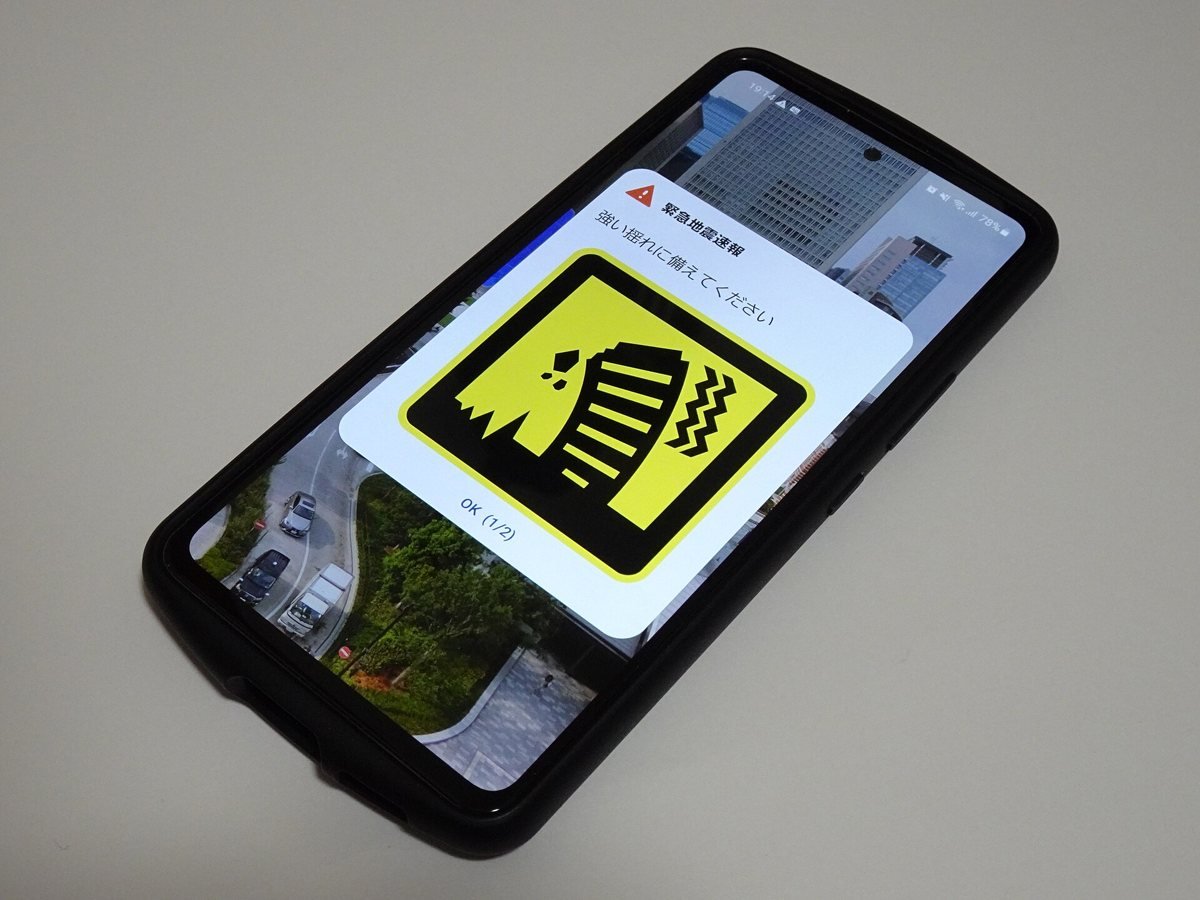
Alerts on your phone. JMA’s Earthquake Early Warning estimates the shaking and sends an alert seconds before strong shaking arrives, and Japanese carriers push it to phones with a loud tone. Many foreign iPhones and Android phones show these alerts while roaming or on a travel eSIM, but not every phone or plan will. Install Safety tips as a backup. This free app, made under the supervision of the Japan Tourism Agency, sends warnings for expected shaking of shindo 4 or more, plus tsunami warnings and heatstroke alerts, for up to five locations. Get it from the App Store or Google Play.
If you feel shaking:
- Indoors: drop, take cover under a sturdy table or protect your head, and hold on. Keep away from windows and tall shelves.
- Do not run outside during the shaking. Falling glass and signs are the bigger danger.
- Outdoors: move away from buildings, vending machines, block walls and power lines.
- In an elevator: press every floor button and get out at the first stop.
- Afterwards, follow hotel or station staff. Most hotels post an evacuation map on the room door, so read yours when you check in.
On the Shinkansen. Shinkansen lines have seismometers that detect the first, weaker waves of a quake. When strong shaking is coming, the system automatically cuts power to the trains and applies the emergency brakes. In the 2011 Great East Japan Earthquake, no Shinkansen derailed and no passengers died. If your train stops, stay seated, listen for announcements and expect delays while the track is inspected.
Tsunami basics on the coast
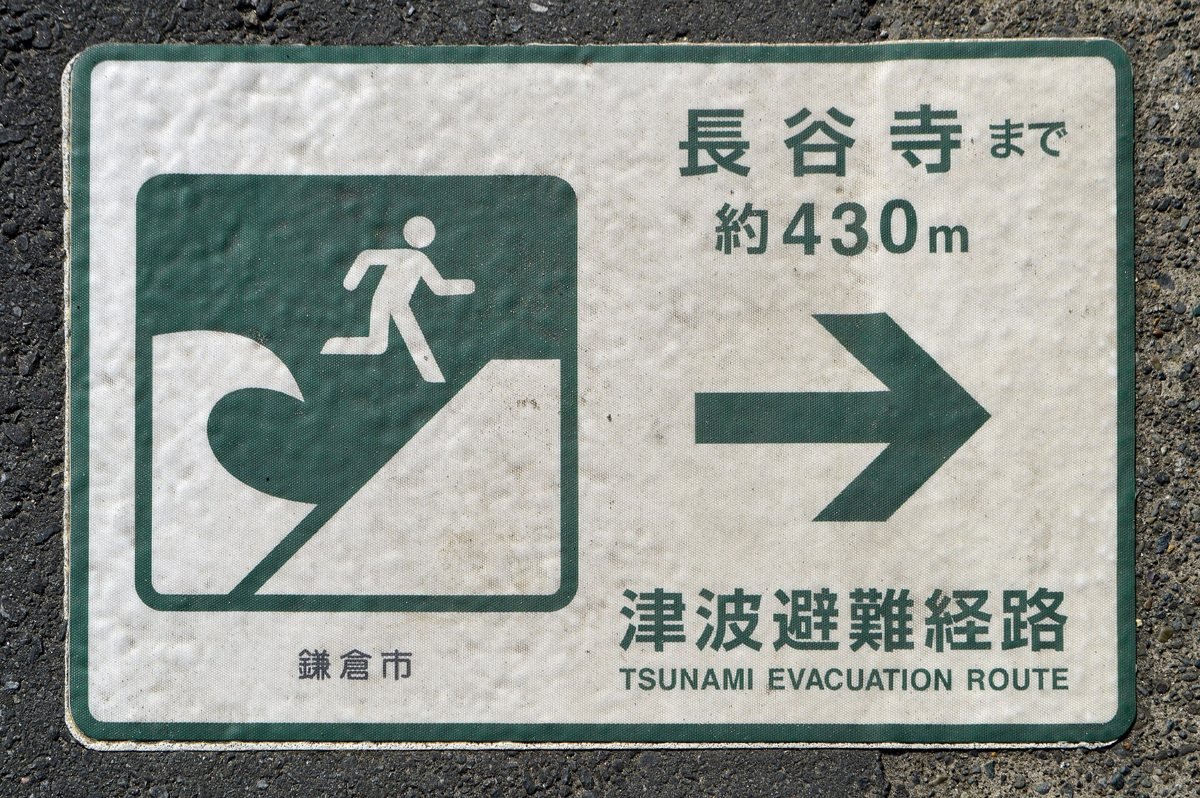
JMA issues tsunami warnings for each stretch of coast within about two to three minutes of a quake. But as Canada’s advice points out, a tsunami can arrive within minutes of a nearby quake, and the danger can last for hours. If you are by the sea and feel strong or long shaking, do not wait for an alert. Head inland or uphill, or go to the upper floors of a tall concrete building. Follow the blue tsunami evacuation signs and stay put until the warning is lifted. Our post on Kobe’s Port Earthquake Memorial Park shows how seriously Japan takes these lessons.
Free places to learn in Tokyo
The Tokyo Fire Department’s Ikebukuro Life Safety Learning Center is five minutes’ walk from Ikebukuro Station. Its free earthquake simulator recreates five kinds of shaking, including the 2011 quake. Book online at least five days ahead, because walk-ins may face a long wait. Instructors speak only Japanese, so bring an interpreter or a Japanese-speaking friend. It is closed on the first and third Tuesday of each month and the day after the third Tuesday.
Sona Area Tokyo, at the Tokyo Rinkai Disaster Prevention Park in Ariake, is easier for English speakers. Its free tour runs in Japanese and English and takes you through a simulated city in the first hours after a major quake. It is two minutes from Ariake Station on the Yurikamome line and closed on Mondays.
Typhoons, heat, snow and transport delays
JMA says typhoons form, approach and make landfall most often from July to October. On average (1991-2020), about 12 a year pass within 300 km of Japan and about 3 make landfall. Champi showed that late storms still happen, but by November the risk is much lower.
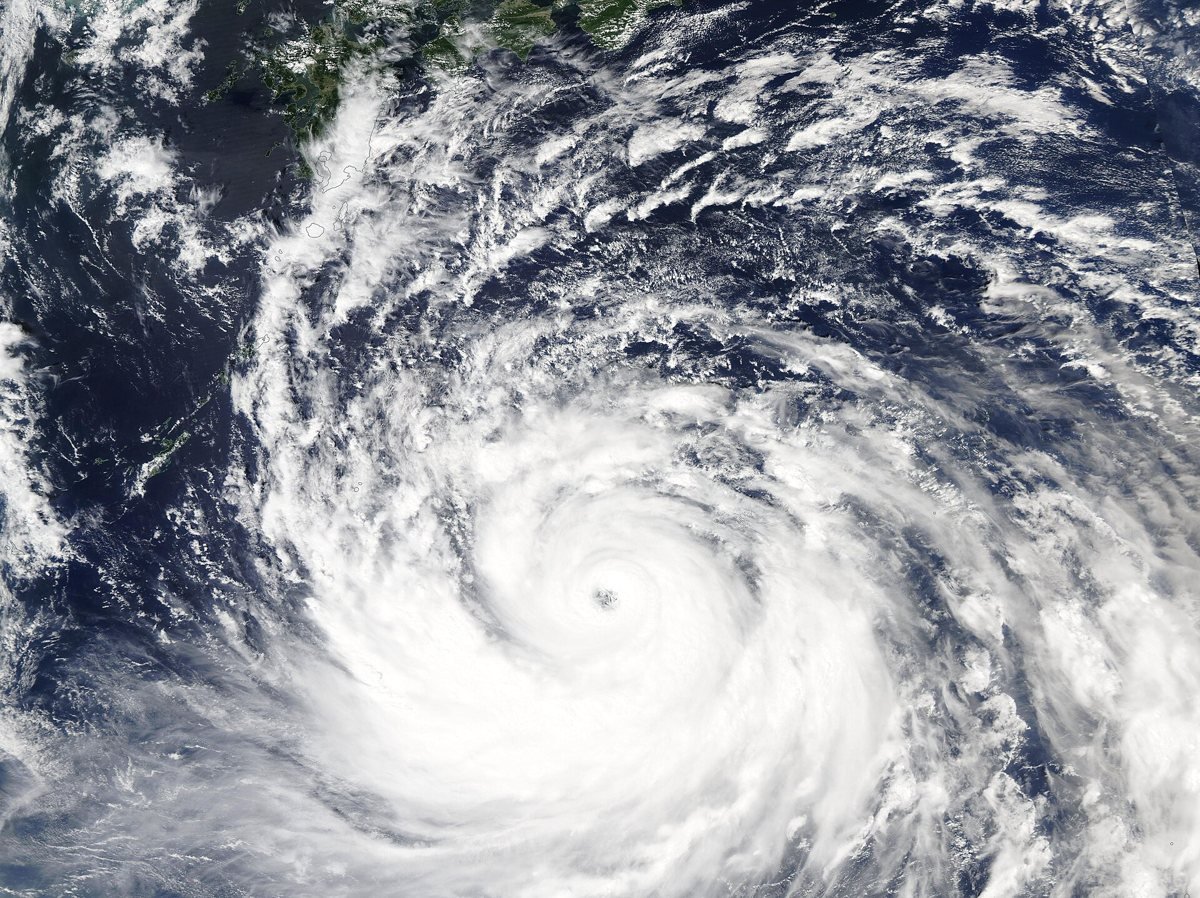
Typhoons rarely hurt visitors who stay indoors. Mostly they wreck schedules. Island flights to Ishigaki, Miyako and Yonaguni are often the first to go, then ferries, and trains may slow or stop in heavy rain. Check JMA forecasts and airline notices a few days out; for Champi, ANA offered free changes and refunds on affected routes. Keep a buffer day between an island stay and your flight home. During a storm, stay in, charge everything and stay away from beaches and rivers. Our Okinawa guide and best time to visit Japan guide cover the seasons in more detail.
| Hazard | Typical months | Most affected areas | Notes |
|---|---|---|---|
| Rainy season | Roughly May to late June in Okinawa; early June to mid or late July on much of Honshu | Most of Japan except Hokkaido | Dates vary each year; heavy rain can cause landslides |
| Typhoons | Most frequent July to October (JMA); possible June to December | Okinawa, Kyushu and the Pacific coast | Island flights and ferries usually cancel first |
| Heat | July and August, often into September | Nationwide, especially big cities | Safety tips shows heatstroke alerts |
| Heavy snow | December to March | Hokkaido, Tohoku and the Japan Sea side | Expect road closures and some rail delays |
| Bears | Spring to late autumn; casualties peaked in October in FY2025 | Rural and mountain areas, especially Tohoku and Hokkaido | Not a concern in central Tokyo, Kyoto or Osaka |
Summer heat is the most underrated risk. Drink before you are thirsty, take breaks in air-conditioned shops and do outdoor sights in the morning. In winter, plan for snow delays in the north. Food hygiene is excellent and tap water is generally drinkable. Bring prescription medicine in its original packaging. Japan bans some common US medicines, including stimulant ADHD drugs such as Adderall and some pseudoephedrine cold remedies, so check the rules before you pack. On disrupted days, a light bag helps; our train etiquette and luggage forwarding guide explains how to send your suitcase ahead.
Bears in northern Japan: hikers vs city travelers
The numbers behind the bear headlines are real. Ministry of the Environment figures for fiscal 2025 (April 2025 to March 2026) show 216 incidents, 238 people injured or killed and 13 deaths, all records. Sightings outside Hokkaido reached 50,776. Hokkaido does not publish a sightings count. Akita and Iwate were at the center, and casualties peaked in October 2025, when bears came down to feed after a poor beechnut and acorn crop, according to news reports.
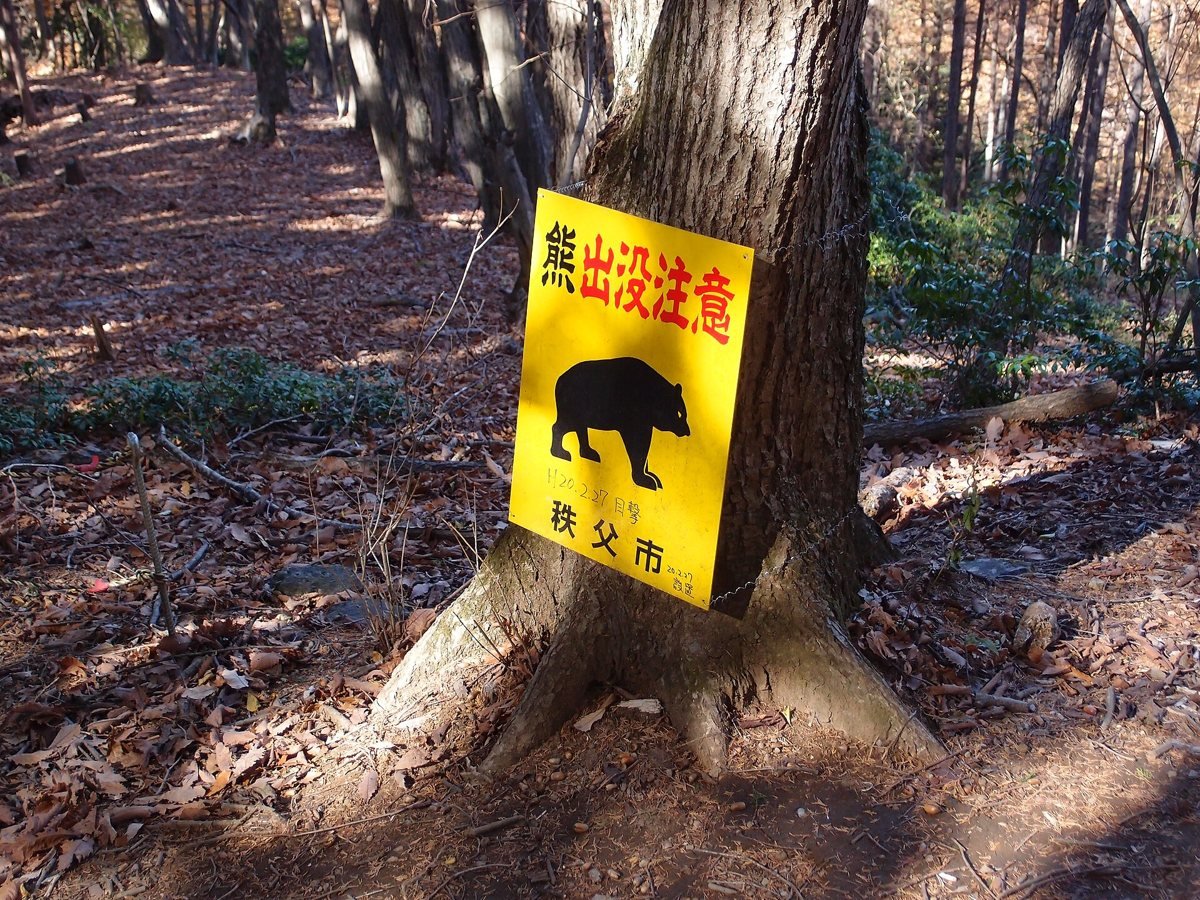
2026 started high too. The ministry’s July 2026 update shows 6,333 sightings in April and May, almost double the same months of 2025, and six deaths between April and July. Those deaths were in forests and farmland in Iwate, Yamagata, Akita and Aomori, mostly people foraging for wild mountain vegetables or bamboo shoots. Bears have also wandered into towns and resort areas in Tohoku, which is why Canada and the UK mention them. But the main sights of Tokyo, Kyoto and Osaka are not bear country, and Okinawa has no bears.
If you plan to hike, stay at a mountain onsen or road-trip through Tohoku or Hokkaido:
- Check the local town or park website for closures and recent sightings, and obey closure signs.
- Stick to busy, marked trails, go in a group and avoid dawn and dusk.
- Make noise with a bear bell (kuma-suzu) or by talking as you walk.
- Never leave food out, and never approach a bear or cub for a photo. If you see one at a distance, back away slowly. Do not run.
Self-drivers should take extra care on rural roads at dusk; see our guide to renting a car in Japan. Our Hokkaido ski and onsen itinerary focuses on winter resorts, where bears are far less of a concern, but follow resort guidance early and late in the season.
Crime and scams: is Tokyo safe at night?
For a city its size, Tokyo is remarkably safe after dark, and lost wallets and phones are often handed in. If you lose something, ask at the nearest koban (police box) or the station’s lost and found.
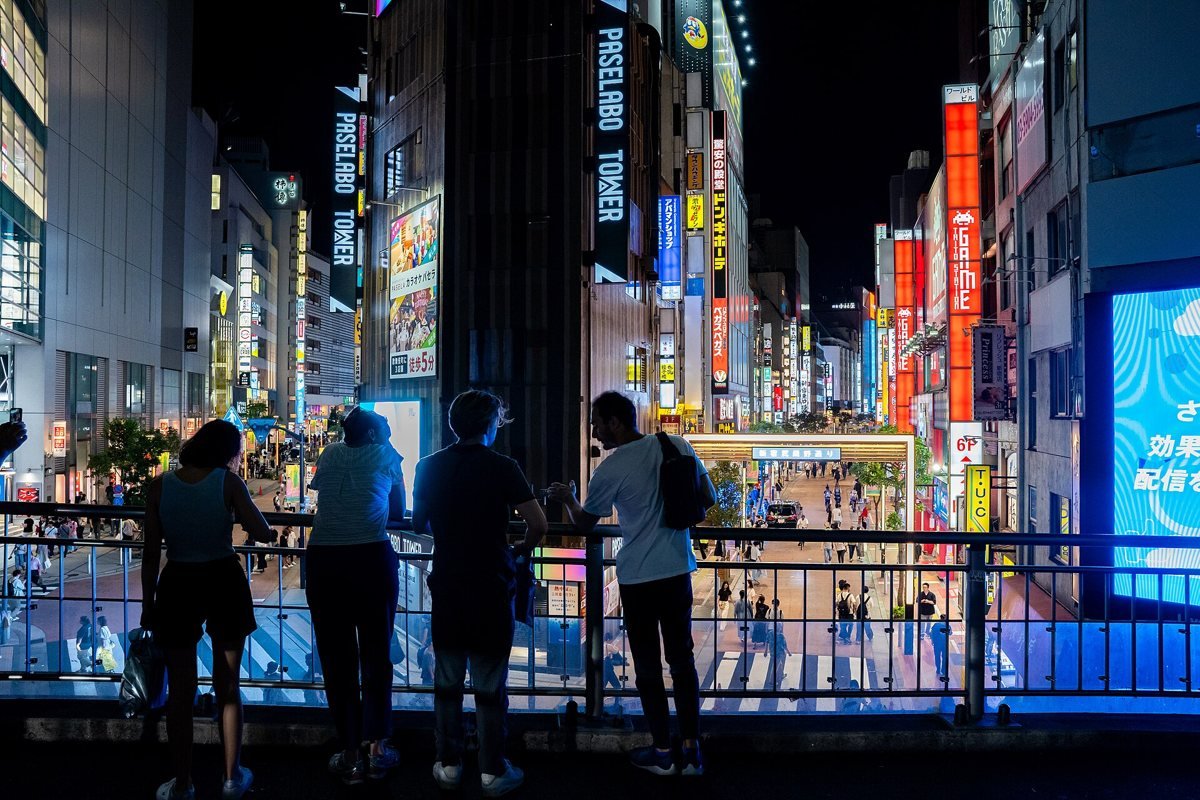
The one pattern to know about is in the nightlife districts. The UK and Canadian governments both warn about drink spiking and card fraud, with Kabukicho and Roppongi named most often. It often starts with a friendly street tout offering a cheap bar, and victims have later reported large credit card charges. Never follow a tout, choose your own venue, check prices before ordering and keep your drink in sight. Dial 110 for police and 119 for fire or ambulance; both are free and 24 hours. JNTO’s Japan Visitor Hotline (050-3816-2787, or +81-50-3816-2787 from abroad) runs 24 hours a day, 365 days a year in English, Chinese and Korean, and helps with accidents, illness and natural disasters.
What to pack: research-based picks for a small safety kit
You do not need a disaster backpack. Pack a power bank, a small flashlight, a refillable water bottle and snacks, some yen in cash in case card machines go down, spare prescription medicine and offline copies of your passport and insurance. Hikers in the north should add a bear bell. We have not tested the items below; they are research-based picks, so check the listing and your airline’s rules.
Compact power bank. A 10,000mAh bank with a built-in USB-C cable keeps your phone going all day; power banks must go in carry-on bags, and airlines have tightened in-flight rules, so check yours.
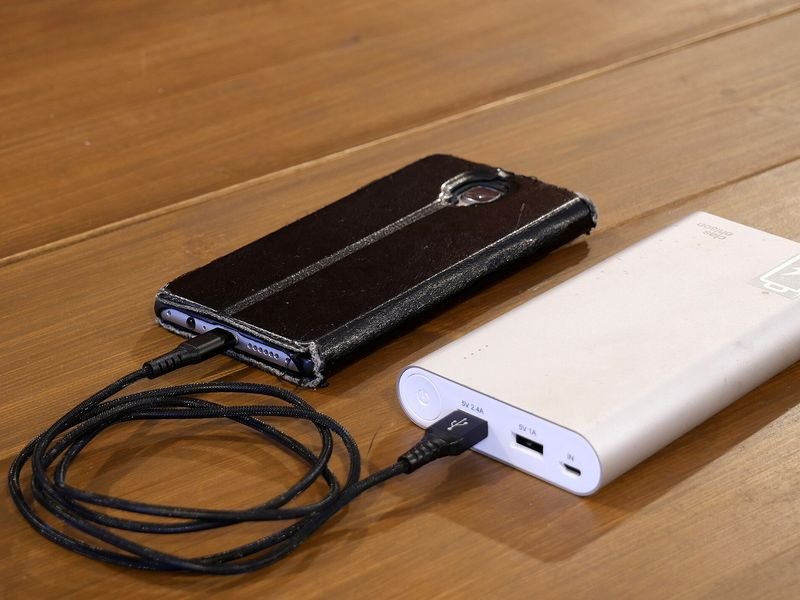
Power bank (item type, not the exact product). Photo: Santeri Viinamäki, CC BY-SA 4.0, via Wikimedia Commons
Anker Nano Power Bank (10,000mAh, 30W)
Slim battery with a built-in USB-C cable to keep maps, alerts and the Safety tips app running all day.
Check price on AmazonHand-crank radio-flashlight. A crank-and-solar unit with a light and USB output is a reasonable backup for longer stays or island trips in typhoon season.
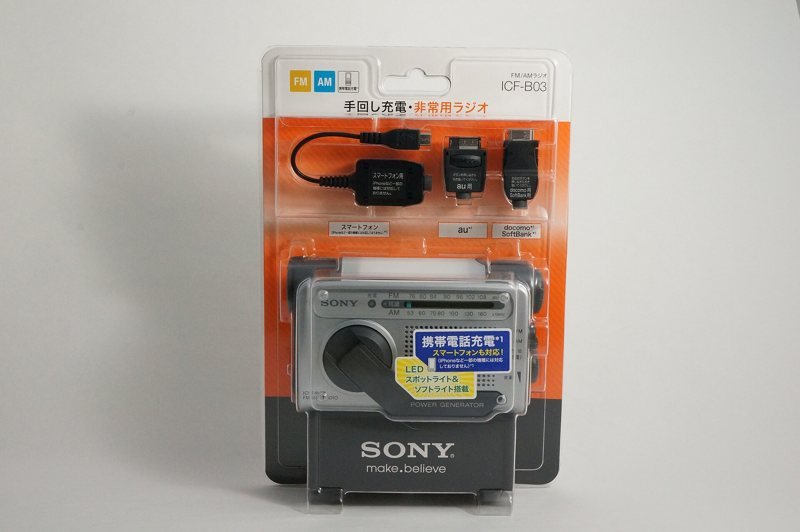
Emergency radio (item type, not the exact product). Photo: Hideto KOBAYASHI, CC BY-SA 2.0, via Wikimedia Commons
RunningSnail Hand Crank Radio with Flashlight
Crank, solar and USB-charged radio with a flashlight; a backup for longer stays or island trips.
Check price on AmazonSmall LED headlamp. A AAA-powered headlamp keeps both hands free in a dark stairwell and runs on batteries sold at any convenience store.
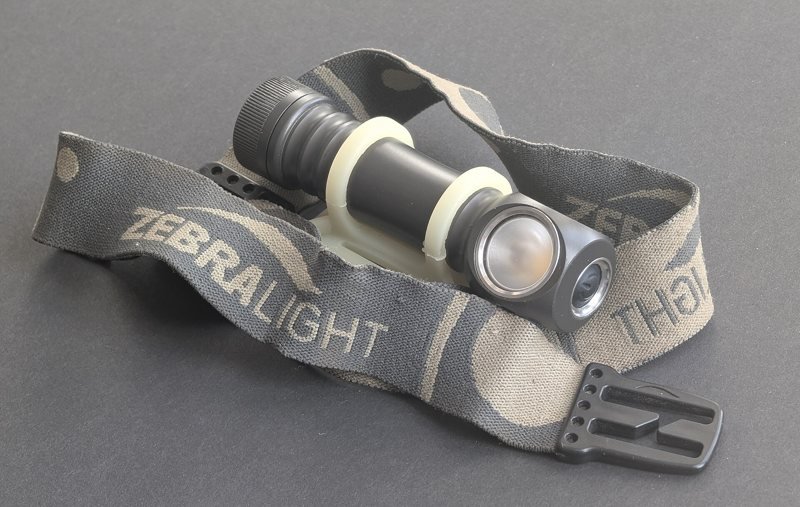
LED headlamp (item type, not the exact product). Photo: Siarhei Besarab, CC BY-SA 4.0, via Wikimedia Commons
Black Diamond Spot 400 Headlamp (AAA)
Hands-free light for a power cut or dark stairwell; runs on AAA batteries sold at any konbini.
Check price on AmazonFilter water bottle. Tap water is safe in Japan, so this is mainly for hikers who may refill from mountain streams.
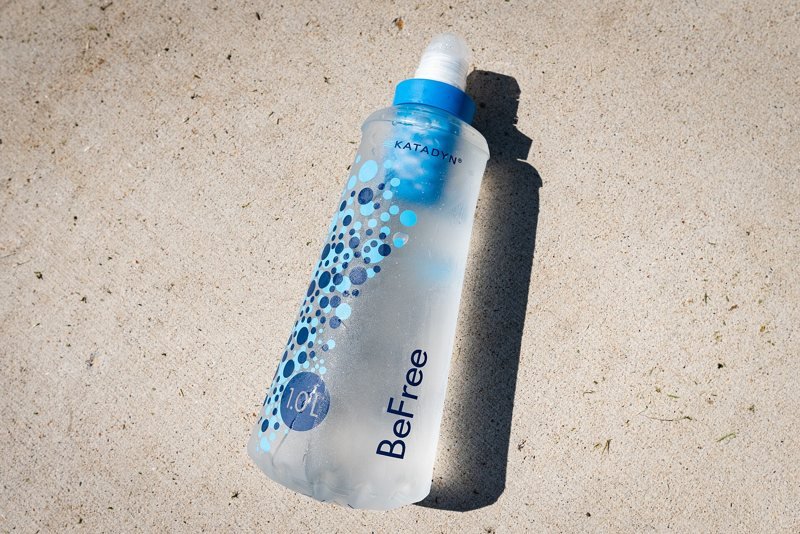
Filter water bottle (item type, not the exact product). Photo: Tony Webster, CC BY 2.0, via Wikimedia Commons
LifeStraw Go Series Water Filter Bottle (22 oz)
Filter bottle for hikers who refill from mountain streams; Japanese tap water is already safe.
Check price on AmazonBear bell for hikers. A loud brass Bohken Club bell made by Japan’s Nakabayashi, the style you will hear on trails in Tohoku and Hokkaido; only worth it if you hike in bear country.
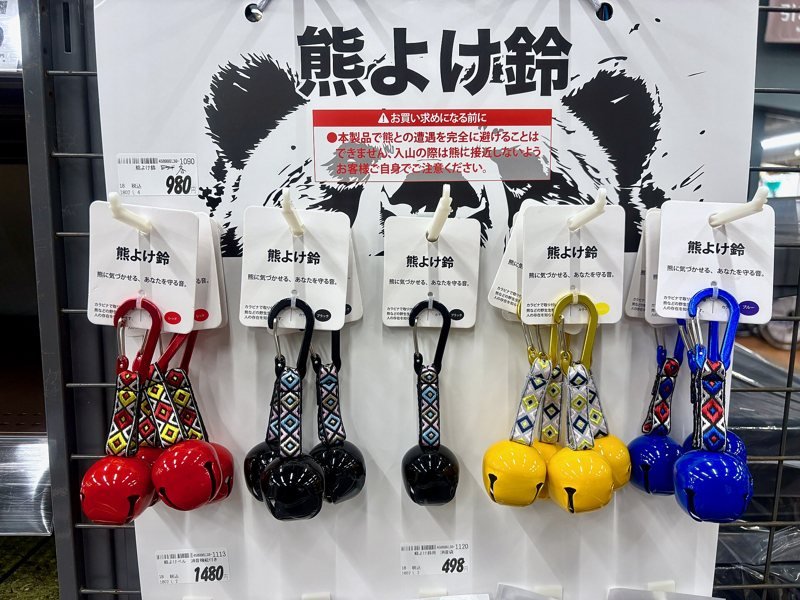
Bear bells (item type, not the exact product). Photo: Kyu3a, CC BY-SA 4.0, via Wikimedia Commons
Bohken Club Bear Bell, Large, with Carabiner
Loud brass kuma-suzu bear bell that clips to a pack; for hikers in Tohoku and Hokkaido only.
Check price on AmazonFAQ
Is it safe to travel to Japan right now?
Yes. As of late October 2026, the US and Canada rate Japan at their lowest advisory level, and the UK does not advise against any travel there. This week’s deep quake caused no damage, Typhoon Champi has passed and the stockpiling request is routine preparedness advice.
What is the US travel advisory for Japan?
Level 1, “Exercise normal precautions”, the lowest of the State Department’s four levels. Check travel.state.gov for the latest version and enroll in STEP before you go.
What should I do if an earthquake hits while I’m in Japan?
Drop, take cover and hold on until the shaking stops. Keep away from windows, do not run outside and then follow staff instructions. If you are on the coast and the shaking was strong or long, move to high ground right away.
Will I get earthquake alerts on my phone?
Often, but not always. Japanese carriers push Earthquake Early Warnings to phones in the area, and many foreign phones show them while roaming. To be sure, install the free Safety tips app and allow notifications.
Is typhoon season over?
Mostly. JMA says typhoons are most frequent from July to October, so November and December carry much lower risk. Late storms like Champi can still happen, especially near Okinawa.
Are bears a risk for tourists in Japan?
Not for typical city sightseeing. The risk is in rural and mountain areas of Tohoku and Hokkaido, where most victims were foraging or working outdoors. Hikers should use busy trails, go in groups, carry a bell and check closures.
Is Tokyo safe at night?
Yes, very. Just do not follow street touts into bars in Kabukicho or Roppongi, where drink spiking and overcharging have been reported.
Should I cancel my Japan trip because of earthquake news?
No. Japan has earthquakes all the time, and no one can predict when a large one will strike, so canceling over headlines does not make you meaningfully safer. Preparation does: get insurance, register your trip, install Safety tips and learn the basics.
Bottom line
Japan is as safe for travelers right now as it has been for years. This week’s news is worth understanding, not worth canceling over. Know the earthquake drill, keep your phone charged, leave some slack in your plans, respect bear country if you hike in the north and ignore the touts in Tokyo. Do that, and the biggest risk on your trip is probably eating too much at the konbini.
