As an Amazon Associate, Chasing Cherry Blossoms earns from qualifying purchases. We may also earn from other affiliate links on this page at no extra cost to you.
Quick answer: hot springs with monkeys in Japan
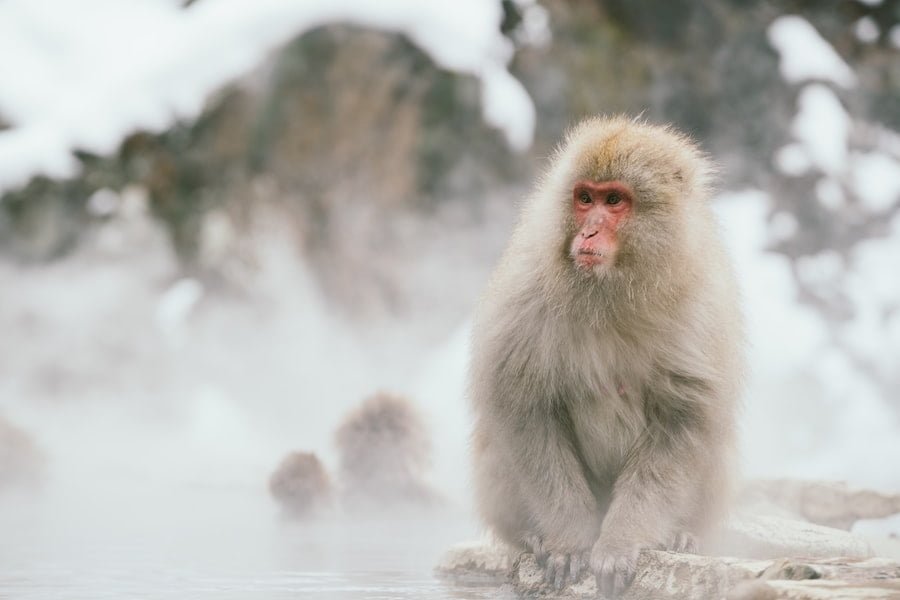
The famous hot springs with monkeys are at Jigokudani Yaen-koen (Snow Monkey Park) in Yamanouchi, Nagano. Wild Japanese macaques soak in a hot spring pool there, mostly from December to March.
- Hours: 8:30 a.m. to 5:00 p.m. (April to October); 9:00 a.m. to 4:00 p.m. (November to March). Open year-round.
- Tickets: adults 800 JPY until November 30, 2026, then 1,000 JPY (880 JPY online) from December 1, 2026.
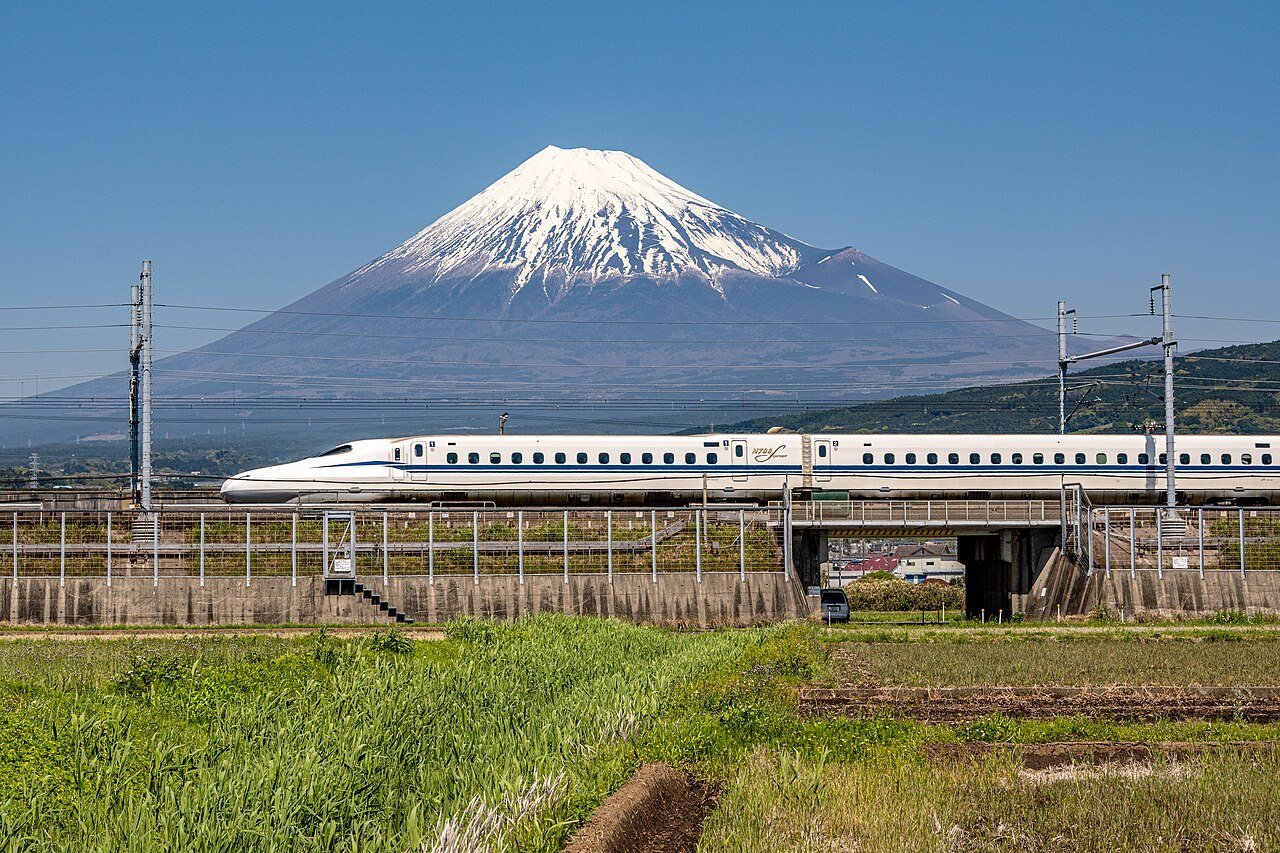
- From Tokyo: about 3 to 3.5 hours each way by shinkansen to Nagano, then train or bus, plus a 35-minute walk.
- Important: you can’t bathe with the monkeys. The pool is for them only.
Japan has thousands of onsen, but only one where wild monkeys are the main bathers. In this guide, you’ll find everything you need for a 2026 visit to the Jigokudani Snow Monkey Park: updated prices, opening hours, how to get there from Tokyo, the best season, and the park’s rules.
Where Are the Monkey Hot Springs? Jigokudani Snow Monkey Park
Jigokudani Yaen-koen (地獄谷野猿公苑, “Hell’s Valley Wild Monkey Park”) sits about 850 m up in the Yokoyu River valley in northern Nagano Prefecture, within Joshinetsu Kogen National Park. Snow covers the valley for roughly a third of the year. The name “Hell’s Valley” comes from the steam and boiling water that rise from the ground there.
The park opened in 1964. It is not a zoo: the macaques are wild and come and go freely, and staff draw them to the observation area with a regulated feeding routine. The park itself warns that on some days the monkeys don’t appear at all.
2026 Snow Monkey Park Hours and Ticket Prices
Opening hours: April to October, 8:30 a.m. to 5:00 p.m.; November to March, 9:00 a.m. to 4:00 p.m. The park has no regular closing days, but it may shorten hours or close without notice because of weather, the monkeys’ behavior or natural disasters. Arrive at least 30 minutes before closing time.
Admission (tax included): prices rise on December 1, 2026.
| Ticket | Until Nov 30, 2026 | From Dec 1, 2026 (gate) | From Dec 1, 2026 (web ticket) |
|---|---|---|---|
| Adult (18+) | 800 JPY | 1,000 JPY | 880 JPY |
| Child (elementary to high school) | 400 JPY | 500 JPY | 440 JPY |
| Under 6 | Free (with guardian) | Free | Free |
There is no senior discount, and discounts can’t be combined. The park accepts credit cards and e-money but not QR-code payments. It has also launched online ticketing. In winter (December to April), visitors with web tickets get priority entry, so buy online before a winter visit. Check the official guide page for updates.
How to Get to the Snow Monkey Park from Tokyo
All routes run through Nagano Station:
- Tokyo to Nagano: JR Hokuriku Shinkansen (Kagayaki, Hakutaka or Asama), fastest about 79 minutes. This leg is covered by the JR Pass.
- Nagano to the Snow Monkey Park stop: either
- the Nagano Electric Railway (Nagaden) limited express to Yudanaka (about 38 minutes), then a bus to the Snow Monkey Park stop (about 15 minutes); or
- the express bus toward Shiga Kogen directly to the Snow Monkey Park stop (about 41 minutes).
- Walk: about 35 minutes along an unpaved forest trail to the park entrance.
Nagaden trains and buses are run by private companies and are not covered by the JR Pass. In summer you can also take a taxi from Yudanaka to the Jigokudani parking lot and walk about 15 minutes from there. If you drive, park at Kanbayashi Onsen and walk about 30 minutes. Both approaches are unpaved, with steps, so wheelchairs and strollers can’t get through.
The trip takes roughly 3 to 3.5 hours each way, which makes it a long day trip from Tokyo. Staying a night in Nagano, Yudanaka or Shibu Onsen is more relaxed. See more ideas in my day trips from Tokyo guide.
Best Time to Visit the Snow Monkey Park
- Winter (December to March): the classic snowy-monkey-in-the-onsen photo. The monkeys bathe to stay warm, so this is when you’re most likely to see them in the pool. It is also the busiest season. Go early in the day and check the park’s crowd forecast calendar.
- Spring (April to May): baby monkeys are often seen in late spring and early summer, but bathing is much rarer.
- Summer: green and quieter. Monkeys still come to the park, but they rarely soak.
- Autumn: beautiful foliage, but the park says the monkeys show up most sporadically in autumn.
Before you set out, check the official live camera and the “monkeys’ appearance forecast” posts on the park’s website.
Snow Monkey Park Rules (Please Read)
- Don’t feed, show food to, or touch the monkeys.
- Don’t stare into their eyes or get too close. To a macaque, staring with an open mouth is a threat. If a curious baby approaches, step away.
- No pets of any kind, including guide dogs. Dogs are natural enemies of the monkeys.
- Photos and flash are allowed, but selfie sticks, drones and putting cameras into the bath are prohibited.
- No bathing: the park is not a hot spring for people, and bathing with the monkeys is strictly prohibited.
Visitors who break the rules are asked to leave. For onsen manners at the hot springs where you can soak, see my Japanese onsen etiquette guide.
What to Wear and Bring in Winter
The park recommends snow or rubber boots in winter and suggests buying simple crampons in advance, because the trail can be icy. Sneakers or hiking shoes are fine in the warmer months. (Affiliate links below: I may earn a small commission at no cost to you.)
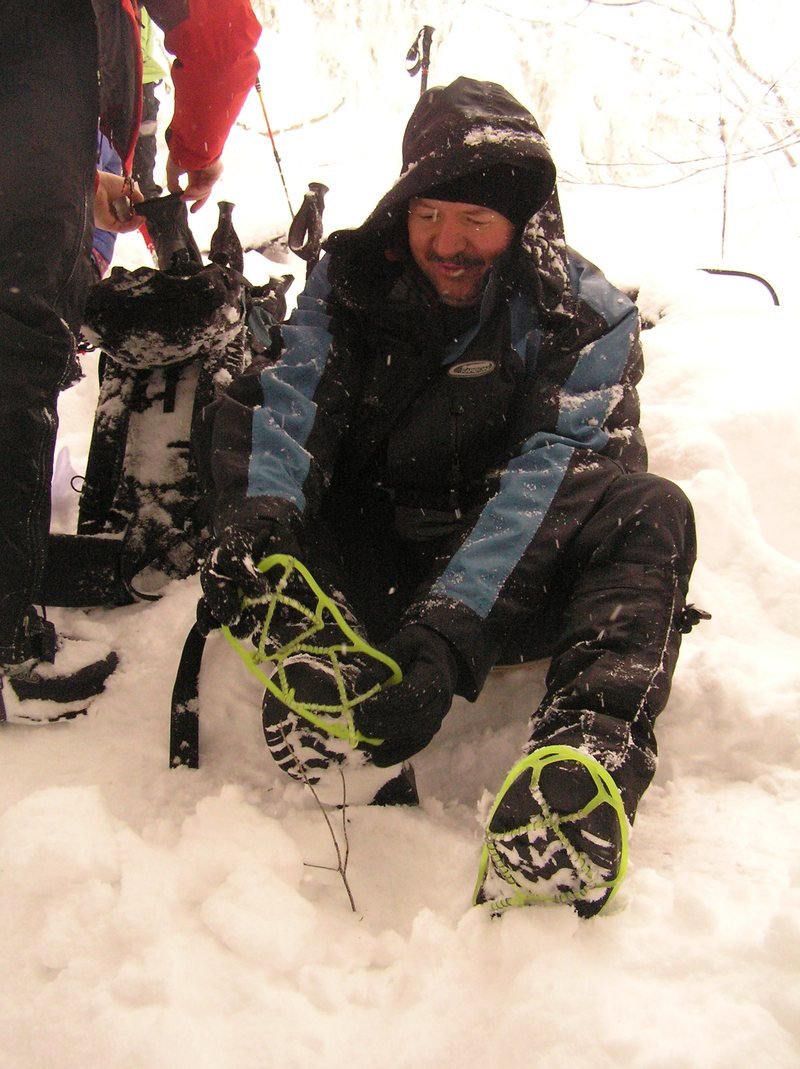
Traction cleats (item type, not the exact product). Photo: Laurel F, CC BY-SA 2.0, via Wikimedia Commons
Yaktrax Walk Traction Cleats
Slip-on coils that stretch over regular boots for the icy forest trail.
Check price on Amazon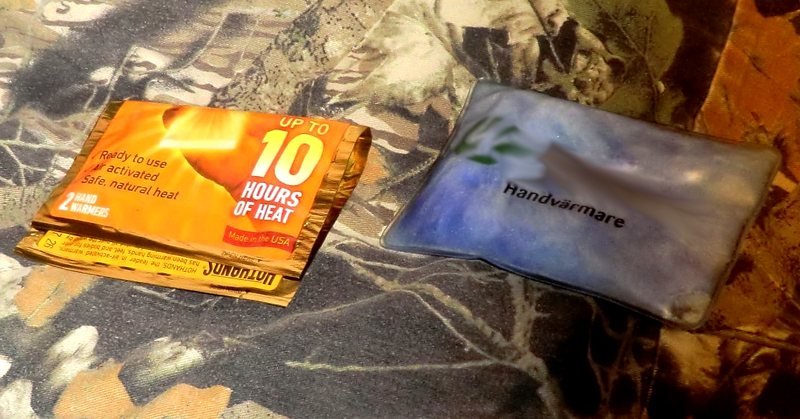
Hand warmers (item type, not the exact product). Photo: Deryni, CC BY-SA 4.0, via Wikimedia Commons
HotHands Hand Warmers (40 pairs)
Air-activated warmers to tuck into gloves or pockets on the cold walk to the monkeys.
Check price on AmazonWhat to pack
Hand warmers (item type, not the exact product). Photo: Deryni, CC BY-SA 4.0, via Wikimedia Commons
HotHands Hand Warmers (40 pairs)
Slip a pair into your gloves for snowy mornings in Nagano and Hokkaido.
Check price on Amazon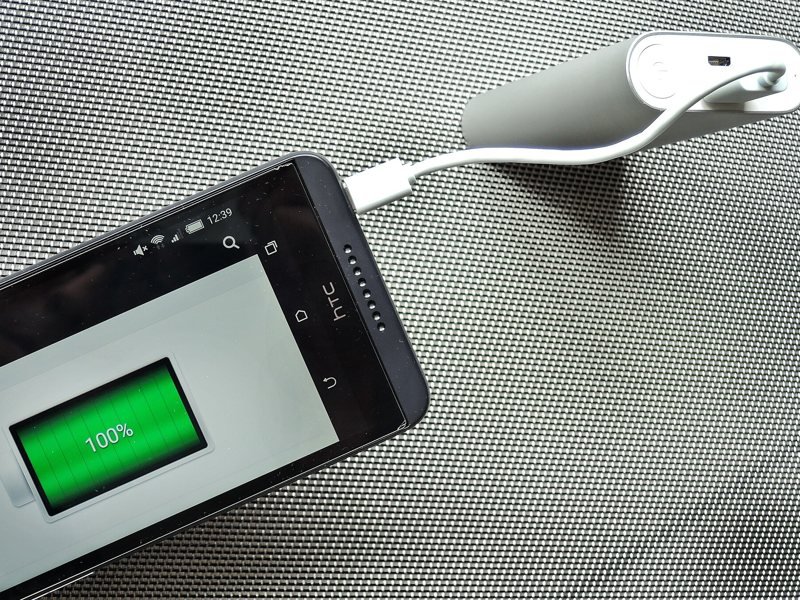
Power bank (item type, not the exact product). Photo: Mk2010, CC BY-SA 4.0, via Wikimedia Commons
Anker Nano 10,000mAh Power Bank (built-in USB-C)
Google Maps and translation apps drain your phone fast on a long day out.
Check price on Amazon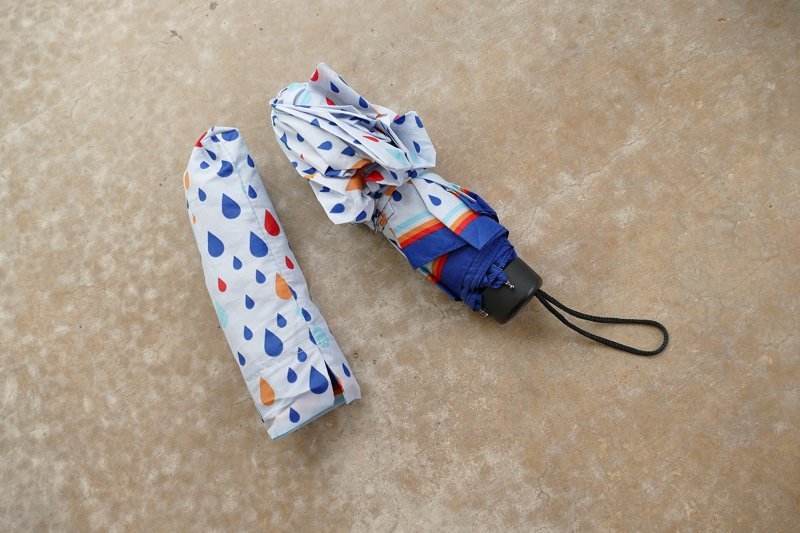
Folding umbrella (item type, not the exact product). Photo: Kritzolina, CC BY-SA 4.0, via Wikimedia Commons
Repel Windproof Travel Umbrella
Spring showers and the June rainy season arrive with little warning.
Check price on AmazonWhere to Soak Yourself Nearby
You can’t share the monkeys’ pool, but the hot spring towns of Yudanaka Onsen and Shibu Onsen sit right at the foot of the valley. Both have traditional ryokan and public baths, so they make a good overnight base. Nagano City is also worth a stop for Zenko-ji Temple. It hosted the 1998 Winter Olympics, and ski areas such as Shiga Kogen are close by. Read more in my Nagano guide. For more winter trips, see Ginzan Onsen and the Sapporo Snow Festival. If you love animal encounters, try Nara Park’s deer.
FAQ: Snow Monkey Park and Japan’s Monkey Hot Springs
Where are the hot springs with monkeys in Japan?
At Jigokudani Yaen-koen (Snow Monkey Park) in Yamanouchi, northern Nagano Prefecture, about 850 m above sea level in the Yokoyu River valley. Wild Japanese macaques bathe in the park’s hot spring pool, mostly in winter.
Can you bathe with the snow monkeys?
No. The park is a place to watch the monkeys, not a hot spring for people, and bathing with them is strictly prohibited. To soak yourself, stay at nearby Shibu Onsen or Yudanaka Onsen, or at Korakukan, the inn by the trail.
How much is the Snow Monkey Park ticket in 2026?
Until November 30, 2026: adults (18+) 800 JPY and children (6 to 17) 400 JPY. From December 1, 2026: adults 1,000 JPY and children 500 JPY at the gate, or 880 JPY and 440 JPY with the online web ticket. Children under 6 are free.
What are the Snow Monkey Park opening hours?
April to October, 8:30 a.m. to 5:00 p.m. November to March, 9:00 a.m. to 4:00 p.m. The park is open year-round, but it can close or shorten hours because of weather.
When is the best time to see snow monkeys in the hot spring?
Roughly December through March, when the cold drives the monkeys into the pool most reliably. They do not bathe all day or all year, and in autumn they show up only sporadically.
How do you get to the Snow Monkey Park from Tokyo?
Take the Hokuriku Shinkansen to Nagano (fastest about 79 minutes). From there, either take the Nagano Electric Railway limited express to Yudanaka (about 38 minutes) and a bus to the Snow Monkey Park stop (about 15 minutes), or take the express bus to Shiga Kogen to the same stop (about 41 minutes). Then walk about 35 minutes on a forest trail.