
As an Amazon Associate, Chasing Cherry Blossoms earns from qualifying purchases. We may also earn from other affiliate links on this page at no extra cost to you.
Discovering the Wonders of Tokyo: Exploring the Vibrant Capital of Japan
Tokyo never fails to surprise me. It’s a sprawling, buzzing metropolis where centuries-old temples sit a few train stops from neon-lit arcades, and where a ¥500 bowl of noodles can be as memorable as a multi-course kaiseki dinner. Whether you’re coming for the cherry blossoms, the food, or the pop culture, this guide covers the neighborhoods, practical tips and budget advice I’d want a first-time visitor to know for 2026-27.
When to Go: Cherry Blossom Season and Beyond
Tokyo’s cherry blossoms usually begin to open in late March and reach full bloom around the end of March to early April, with the best viewing typically lasting about a week or so after that. Exact dates shift every year, so check the official forecasts from about February onward and stay flexible. Spring and autumn (October to November) are the most comfortable seasons. Summer is hot and humid, and winter is mild, dry and often clear.
Tokyo’s Unique Culture
Tokyo is polite, clean and wonderfully orderly, yet it also has a playful, eccentric streak. Trains run on time, streets are spotless, and then you turn a corner in Harajuku and find an entirely different world.
Asakusa and Sensoji Temple
For a taste of old Tokyo, head to Asakusa. Sensoji is the city’s oldest temple, and the approach through Kaminarimon Gate and along Nakamise Shopping Street is lined with souvenir shops and snack stalls. The temple grounds are open around the clock, while the main hall opens at about 6:00 (6:30 from October to March) and closes at 17:00. Go early in the morning to beat the crowds. Entry to the grounds is free.
Harajuku and Takeshita Street
Harajuku is the heart of Tokyo’s youth fashion and creative subcultures. Takeshita Street is packed with trendy clothing shops, crepe stands and colorful accessories. It’s fun to browse any day, but weekends are very crowded.
Parks and Gardens
Shinjuku Gyoen
This large garden in the middle of the city has manicured lawns, ponds and a traditional tea house. It’s one of the most popular cherry blossom spots in Tokyo. Adult entry is ¥500, and it is closed on Mondays (or the following weekday if Monday is a public holiday), though it opens daily during the spring and autumn peak periods. Alcohol is not permitted, so plan your picnic accordingly.
Yoyogi Park and Meiji Shrine
Yoyogi Park, near Harajuku, is free to enter and has wide open lawns that are ideal for picnics and people-watching. Right next to it, the forested grounds of Meiji Shrine make a calm, atmospheric escape. Shrine entry is free, and it opens around sunrise and closes around sunset, so closing times change through the year. The paid Inner Garden and museum are separate.
A quick etiquette note: take your rubbish home with you, since public bins are scarce, and check each park’s rules on drones, loud music and barbecues before you go.
Cuisine
Tokyo is a paradise for food lovers, with options for every budget. A casual ramen or gyudon meal is usually fairly cheap, while high-end sushi and kaiseki can cost many times more per person; check menus and prices before you go.
Tsukiji and Toyosu
The famous wholesale fish market moved from Tsukiji to Toyosu in 2018. The old Tsukiji Outer Market is still a great place to graze on fresh seafood, tamagoyaki and street snacks, with most stalls busiest in the morning. The Toyosu Market has viewing areas for the tuna auctions and restaurants of its own, though auction viewing rules and schedules change, so check the official Toyosu Market site ahead.
Ameya-Yokocho in Ueno
This lively market street beneath and beside the train tracks is full of food stalls, with takoyaki, grilled skewers and plenty of cheap snacks. It’s also a good place to hunt for inexpensive souvenirs.
Fine Dining
Tokyo has more Michelin-starred restaurants than any other city in the world. Reserve well in advance, and ask your hotel concierge to help if you don’t speak Japanese.
Getting Around
Tokyo’s train and subway network looks intimidating, but it’s efficient and easy once you’ve done a couple of trips.
- IC cards: Suica and Pasmo work on nearly all trains, subways and buses, and in many shops and convenience stores. Visitors can add a card to a smartphone wallet, and physical cards are available at stations, though card availability was limited during a 2023 chip shortage, so check JR East or Pasmo for what is on sale now. Just tap in and out.
- Navigation: Google Maps handles train times, platforms and transfers well. Hyperdia has closed, so I’d use Google Maps or Japan Transit Planner instead.
- Staying connected: A data connection makes navigating much easier. An eSIM is the simplest option for most visitors, as long as your phone supports it and is unlocked. A portable charger is also handy on long sightseeing days.
Do You Need a JR Pass?
Probably not for Tokyo alone. Since the price rise in October 2023, a 7-day ordinary Japan Rail Pass costs ¥50,000 when bought on the official site (a bit more through some overseas agents), which is a lot more than before. Nozomi and Mizuho trains need an extra ticket for pass holders. It only pays off if you’re taking several long-distance trips, such as Tokyo to Kyoto and Hiroshima and back. For a Tokyo-focused trip with perhaps one or two day trips, individual tickets or regional passes are usually cheaper. Add up your planned routes before you buy.
Tourist Attractions
Tokyo Tower and Tokyo Skytree
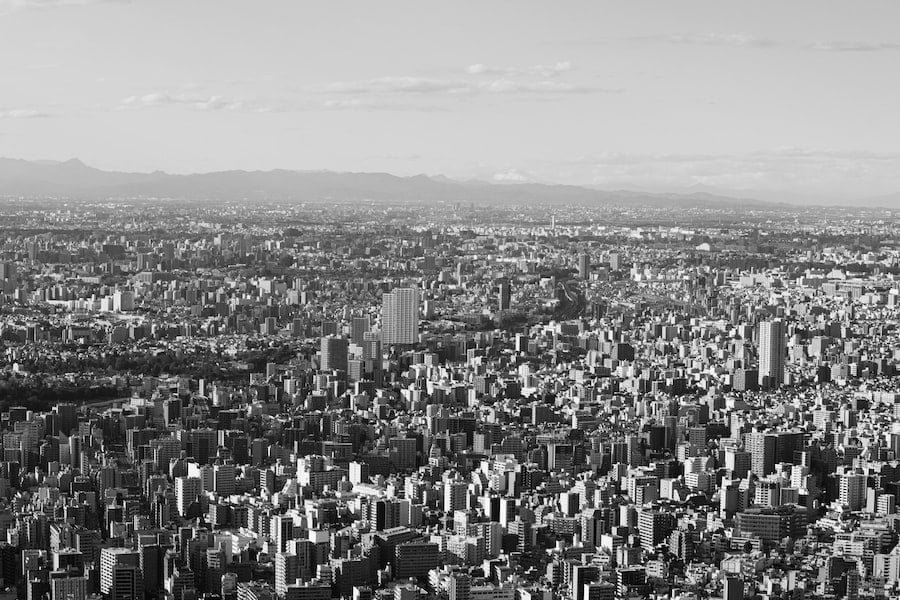
Tokyo Tower is the classic red-and-white landmark, and its observation decks offer wide views over the city, with Mount Fuji visible on clear days, particularly in winter. Tokyo Skytree, the tallest tower in Japan, offers even higher views. Both charge admission, which varies by deck and ticket type, so check the official sites for current prices before you go.
Sensoji Temple
Beyond the shopping street, take time to see the main hall and the incense burner, where visitors waft smoke over themselves for good luck. Before entering, it’s customary to rinse your hands at the purification fountain, and to dress and behave respectfully.
Imperial Palace East Gardens
The former Edo Castle grounds are a calm, free-to-enter place to see old stone walls and gardens in the center of the city. They are closed on Mondays and Fridays and over the New Year period, so confirm before visiting.
Shopping
Ginza is the place for luxury brands and department stores, as well as large flagships for Uniqlo and Muji. Shibuya is great for fashion and department stores like Shibuya 109, and Harajuku is best for youthful, affordable and quirky finds. Ameya-Yokocho in Ueno is the spot for bargains and souvenirs. Many shops offer tax-free shopping for tourists, so bring your passport. Japan is switching to a refund-based system for purchases made from November 1, 2026, so check JNTO for how it works.
Nightlife
Tokyo after dark is legendary, from karaoke rooms and izakayas to cocktail bars and clubs.
Shinjuku and Golden Gai
Shinjuku’s neon-soaked entertainment district is a must. Golden Gai is a network of narrow alleys with tiny bars that seat only a handful of guests each. Some bars charge a cover fee, the amount varies by bar, and a few may be for regulars only, so look for signs welcoming visitors.
Roppongi
Roppongi is known for its clubs, lounges and international crowd. It’s livelier late at night, and the trains stop running around midnight, so plan your way home in advance.
Hidden Gems
Yanaka
The Yanaka neighborhood escaped much of the wartime destruction and feels like old Tokyo, with small shops, temples and quiet lanes. Yanaka Cemetery is a peaceful walk, and its cherry trees are lovely in spring.
Ghibli Museum, Mitaka
Fans of Studio Ghibli will love this museum, which has original artwork and exhibits. Tickets must be purchased in advance, are sold for specific dates and times, and often sell out quickly, so book as soon as sales open (currently 10:00 JST on the 10th of the month before your visit). Tickets cannot be purchased at the door.
Tokyo on a Budget
- Free views: The Tokyo Metropolitan Government Building in Shinjuku has free observation decks, though hours and closure days vary, so check the official site.
- Free temples and shrines: Sensoji and Meiji Shrine are free to enter.
- Cheap eats: Convenience stores, standing noodle shops, set-lunch deals and izakayas keep meals affordable. Lunch sets are usually cheaper than dinner.
- Museums: The Edo-Tokyo Museum reopened in March 2026 after a long renovation; check the official site for admission prices and hours.
- Accommodation: Business hotels, capsule hotels and hostels are the best value. Book early for cherry blossom season, when prices rise sharply.
Final Thoughts
Tokyo blends tradition and innovation like nowhere else. Pick a few neighborhoods, leave time to wander, and eat as much as you can. It’s a city that rewards curiosity every time.
FAQ
Is Tokyo the capital of Japan?
Yes. Tokyo has been the capital since the Meiji Restoration in 1868, when the emperor moved from Kyoto (then called Edo, the city was renamed Tokyo).
How many days do I need in Tokyo?
Three to five days covers the major highlights. A week gives you time for day trips and slower exploring.
What is the population of Tokyo?
Tokyo Metropolis has roughly 14 million residents, and the wider Greater Tokyo area has roughly 37 million.
What is the weather like?
Tokyo has a humid subtropical climate, with hot, humid summers, mild winters, and a rainy season in June and July. Typhoons can occur in late summer and autumn.
What’s the best way to get around?
Use trains and subways with a Suica or Pasmo card, either on your phone or as a physical card. Taxis are convenient but expensive.
Can I join a guided tour?
Yes. Food tours, walking tours and day trips to Nikko or Hakone are popular with visitors who want a local guide.