
As an Amazon Associate, Chasing Cherry Blossoms earns from qualifying purchases. We may also earn from other affiliate links on this page at no extra cost to you.
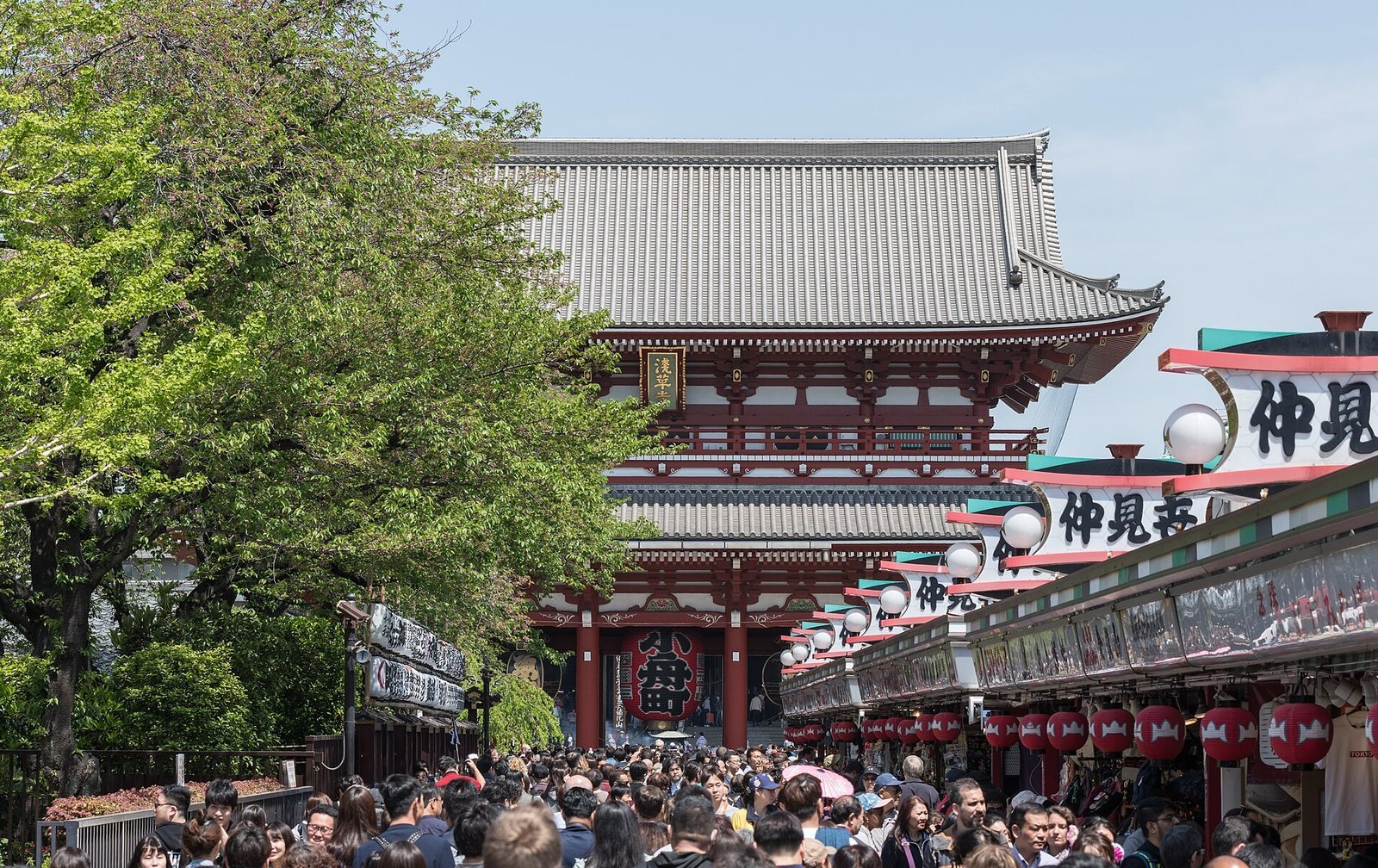
Nakamise is the short, shop-lined lane that leads from Kaminarimon, the Thunder Gate, to the inner gate of Sensoji in Asakusa, Tokyo. It is where many first-time visitors buy their first Japanese souvenir and eat their first street snack, so it is worth knowing how it works before you arrive.
This guide covers the practical side: what to buy and eat, what things typically cost in yen and dollars, hours, payment, etiquette and the event dates that fill the street. For the temple and the wider neighborhood, see our Asakusa overview.
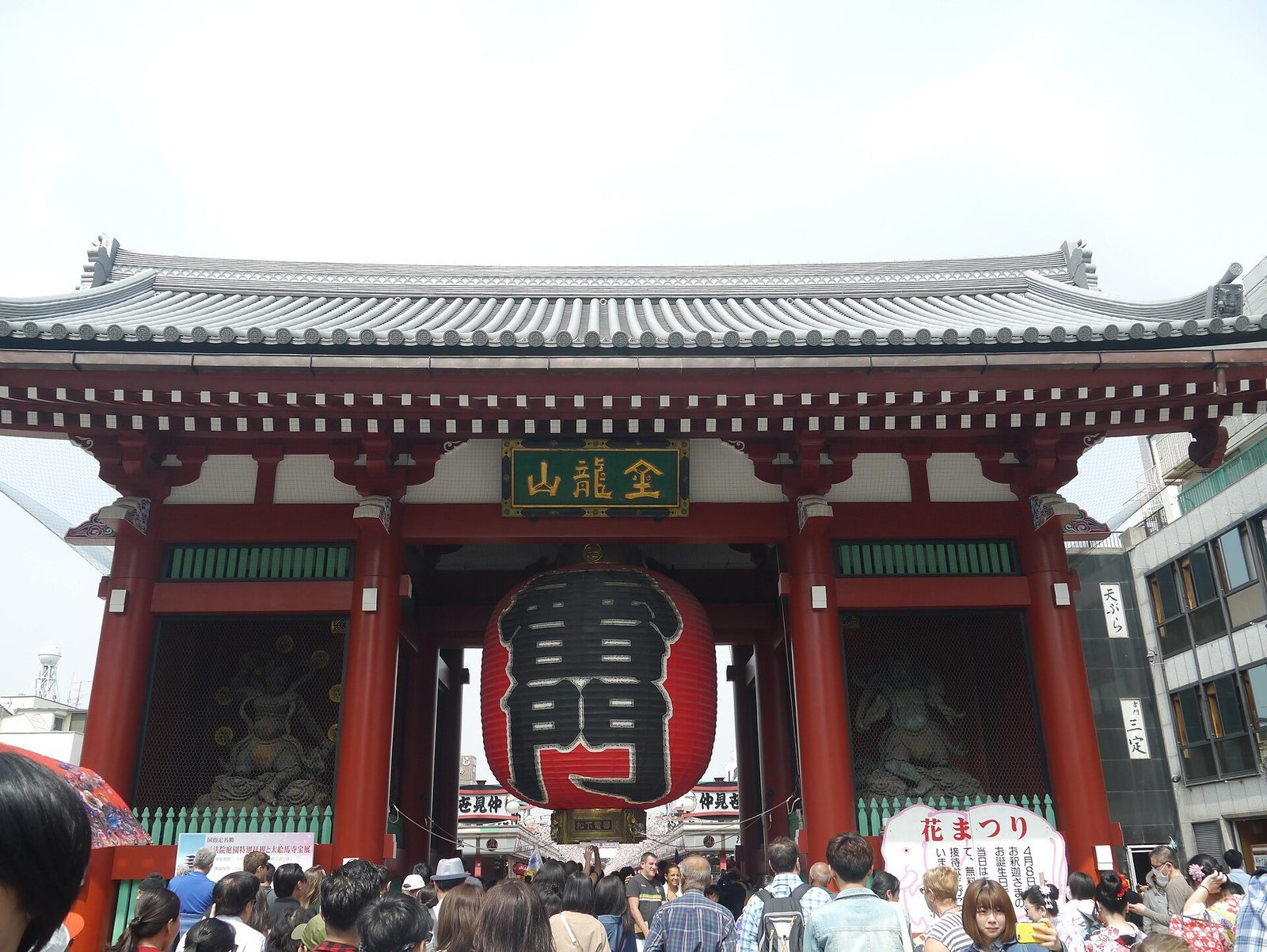
Quick answer: Nakamise is a roughly 250 m pedestrian lane of about 89 shops running from Kaminarimon to Hozomon, the gate before Sensoji’s main hall. Each shop sets its own hours, typically mid-morning to early evening, so shop between about 10am and 5pm and save sunrise or after-dark visits for photos. Expect fixed prices, mostly cash, and snacks at roughly 200-500 yen ($1.30-3.20, using roughly $1 = 155 yen). Don’t eat while walking: stand beside the stall. The Ginza Line’s Asakusa Station is a one-to-two-minute walk away. Tax-free shopping changed on 1 November 2026, so ask each shop how it handles refunds.
| Nakamise cheat sheet | What to know |
|---|---|
| Where | Asakusa, Tokyo: Kaminarimon (south end) to Hozomon (north end) |
| Length | About 250 m |
| Number of shops | About 89 (some sources say “about 90”) |
| Typical shop hours | Varies by shop; many roughly 9-10am to 5-7pm. The street itself stays open to walk through |
| Nearest stations | Ginza Line Asakusa (Exit 1, 1-2 min); Toei Asakusa Line (Exit A4, about 2-5 min) |
| Best time | Weekday mid-morning: shops are open and crowds are lighter |
| Eating rule | Not allowed while walking; eat at or beside the stall |
| Payment | Carry cash; some shops take cards |
| Cost of a snack | About 200-500 yen ($1.30-3.20), hedged |
Map: Nakamise, Sensoji and nearby stops
- Kaminarimon (Thunder Gate) – Southern start of Nakamise Directions
- Nakamise-dori – About 250 m of souvenir and snack shops Directions
- Hozomon (Treasure House Gate) – Northern end of Nakamise Directions
- Sensoji main hall – Buddhist temple dedicated to Kannon Directions
- Asakusa Shrine – Separate Shinto shrine beside the main hall Directions
- Asakusa Station entrance (Edo-dori) – Subway entrance a short walk from Kaminarimon Directions
- Asakusa Culture Tourist Information Center – Opposite Kaminarimon; free 8th-floor terrace Directions
- Kappabashi Dougu Street – Separate kitchenware street west of Sensoji Directions
Nakamise at a Glance
Nakamise-dori is the approach to Sensoji. It starts at Kaminarimon and ends at Hozomon, the Treasure House Gate, and it sits on temple land, which is why it begins and ends with a gate. Tourism sources put the length at about 250 m and the shop count at about 89, with more shops on the east side than the west. Treat the numbers as approximate, since shops change.
Sources date the lane’s origins as a market to the Edo period. You do not need the history to enjoy it. What matters for a visit is that it is short, flat, busy and packed with souvenir and snack stalls: a walk end to end takes minutes, but shopping and eating can easily take an hour.
Plan Your Visit: Hours, Crowds, Payment and Getting There
Hours and crowd strategy
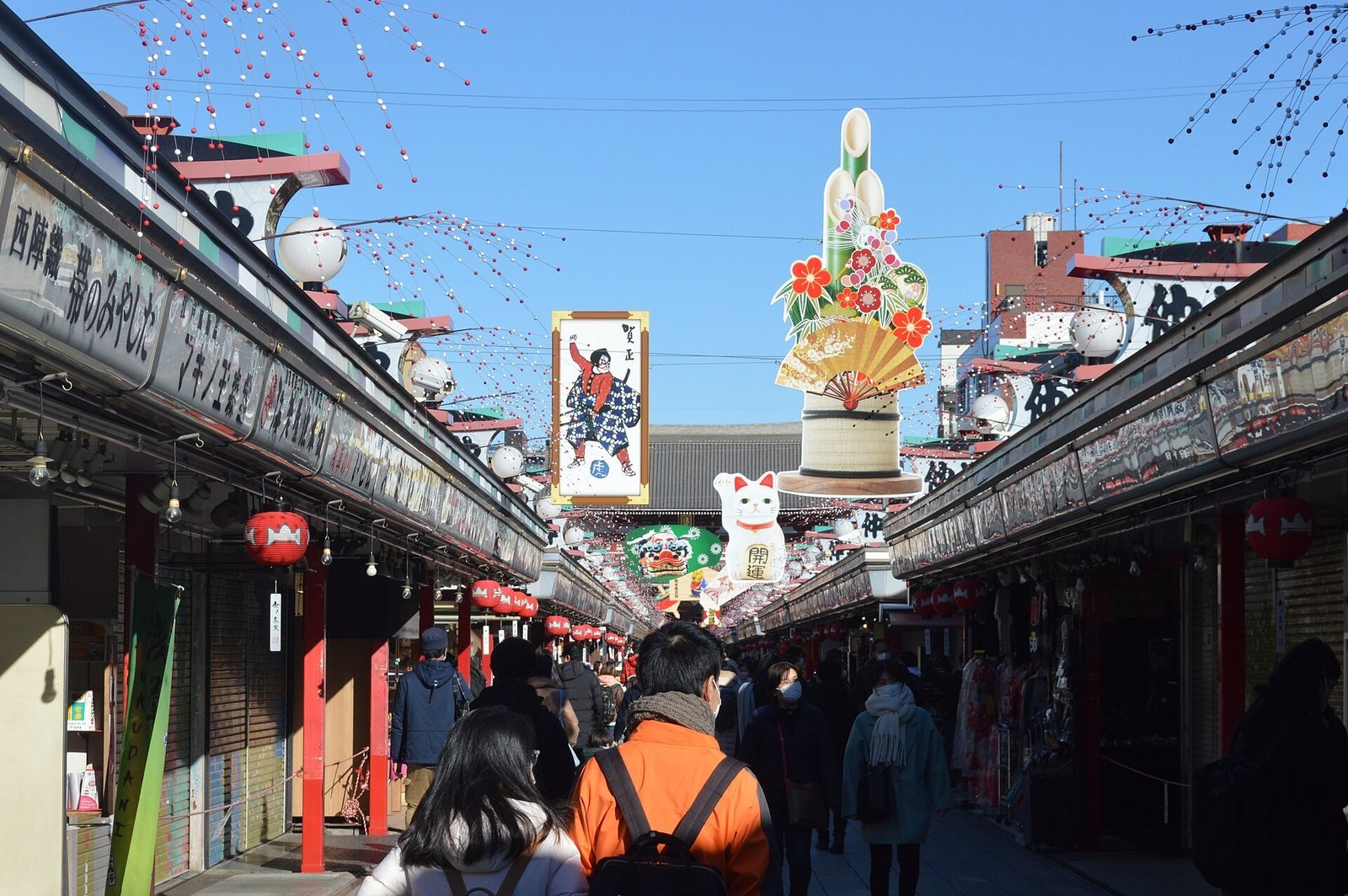
There is no single official closing time. Each shop sets its own schedule: guides commonly give 9 or 10am openings and closings between roughly 5 and 7pm, with some shops outside that range. So the blanket “9am to 8pm” you may see elsewhere is not reliable.
You can walk the street after the shops close; many shopfronts then show shutters. Early morning and late evening are quiet for sightseeing and photos, but they are not shopping times because many stalls are shut. For open shops and more space, aim for a weekday around 10-11am, and avoid weekends, holidays and the event dates below. Check Google Maps for a specific shop’s hours.
Payment
Guides consistently say cash matters here: many older stalls are cash only, while some shops take cards. Carry 1,000 yen notes and coins. A coin purse helps, since a 500 yen coin is worth roughly $3.20. We found no official street-wide payment policy, so ask before you order.
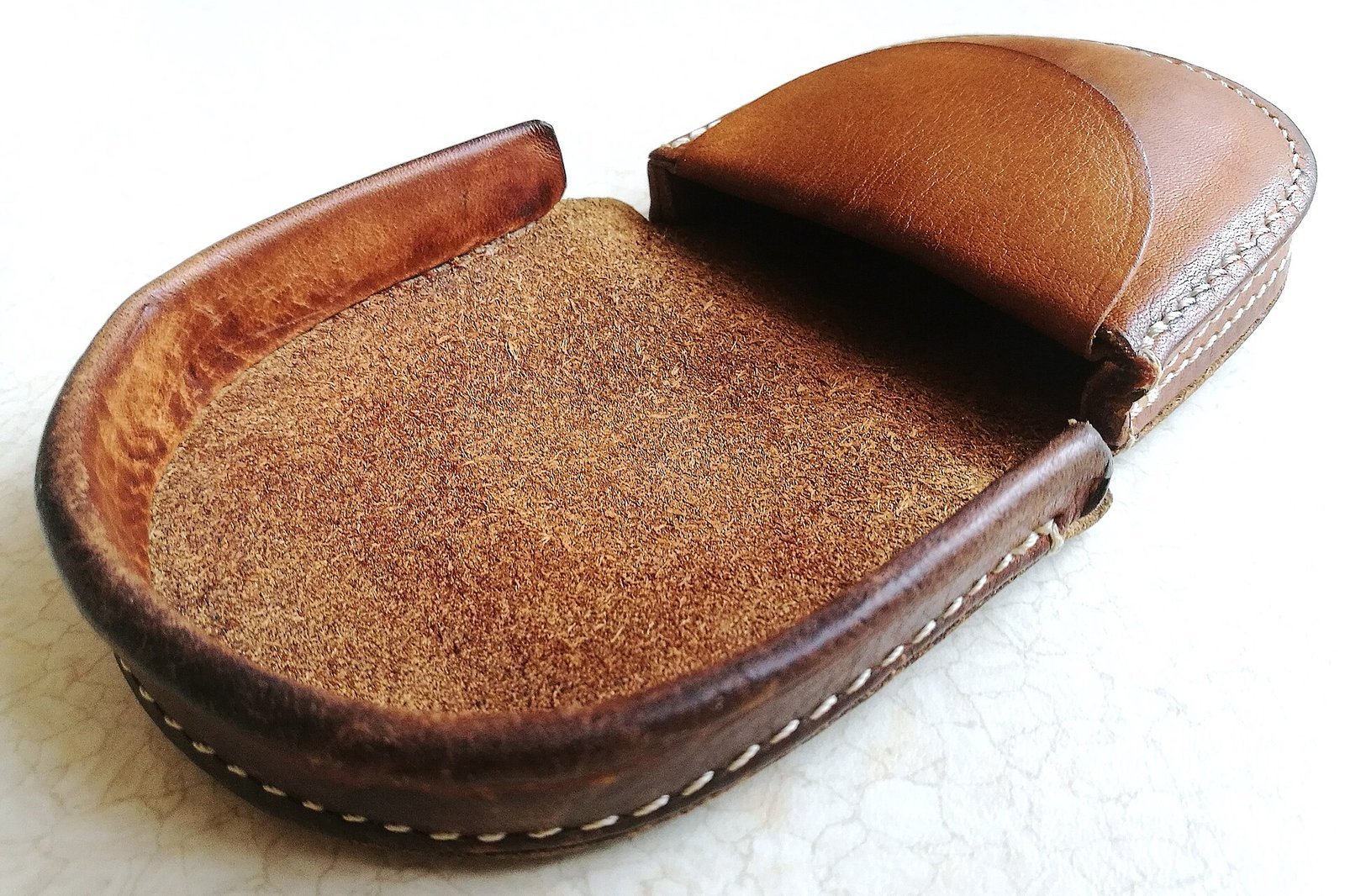
A leather coin purse (item type, not the exact product). Photo: Tarasna0922, CC BY-SA 4.0, via Wikimedia Commons
Travelambo leather squeeze coin purse
Squeeze-top pouch that keeps 100- and 500-yen coins easy to reach at cash-only snack stalls. Several colors on the listing. Research-based pick, not hands-on tested.
Check price on AmazonGetting there
The closest station is Asakusa on the Tokyo Metro Ginza Line, Exit 1, about one to two minutes from Kaminarimon. The Toei Asakusa Line’s Exit A4 is also close (guides say about two to five minutes). Tsukuba Express Asakusa Station is farther, roughly 8-10 minutes on foot. Tobu trains also serve Asakusa, but we did not verify that station’s walking time.
From Haneda (HND), Keikyu trains run through onto the Toei Asakusa Line, so you can often stay on one train. Guides give about 35 to 60 minutes and a fare near 635 yen ($4). From Narita (NRT), the Keisei Access Express runs through to Asakusa in about 50-60 minutes, with a fare near 1,270 yen ($8). Skyliner trains do not connect to the Asakusa Line. Times and fares vary, so check on the day. If you fly into Osaka (KIX), Nakamise is a Tokyo stop; our Kyoto guide covers the other half of a typical itinerary.
What to Buy on Nakamise (and Typical Prices)
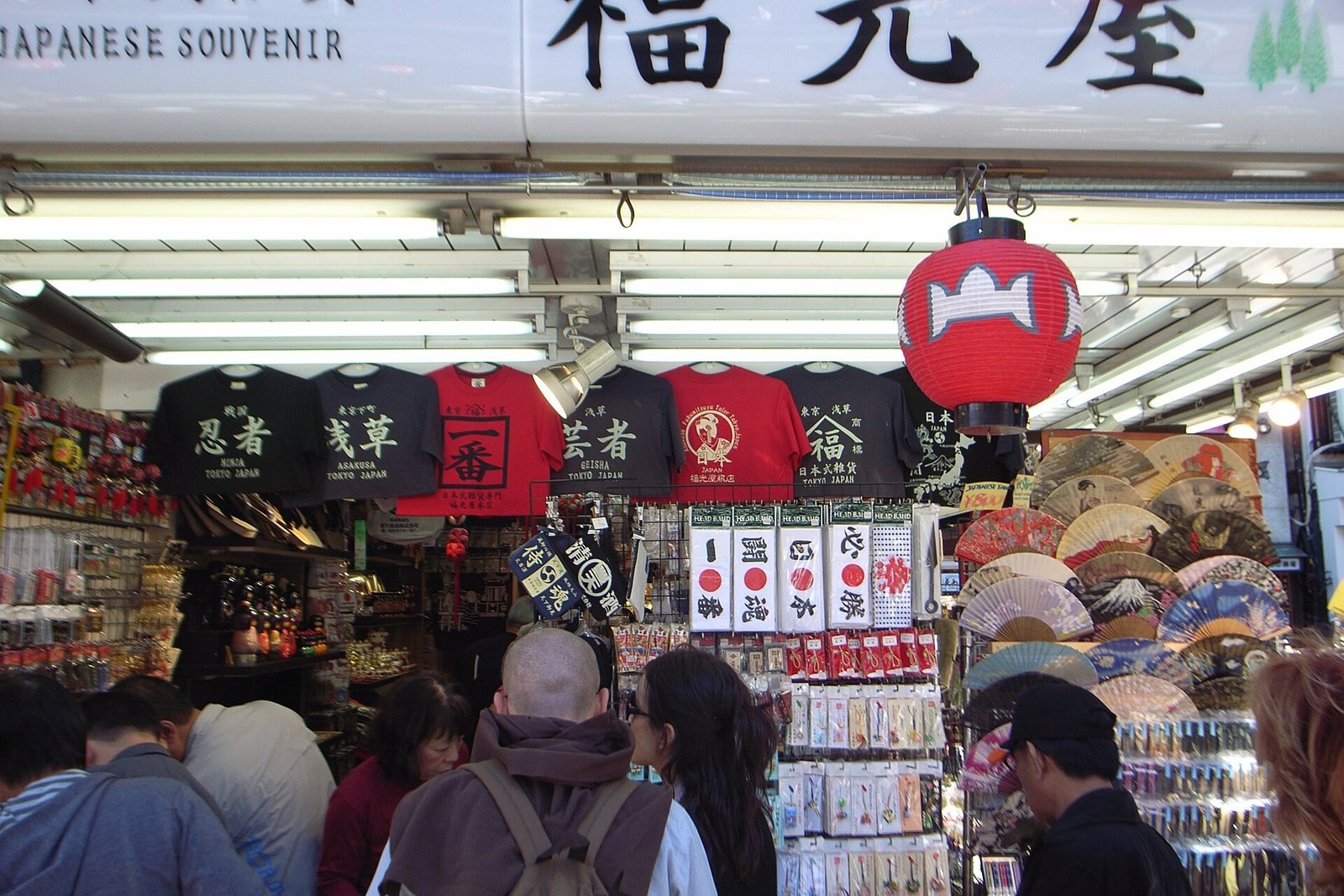
The street sells a fairly consistent mix: folding fans, chopsticks, yukata, tenugui towels, kimono-print accessories, rice crackers (senbei), sweets and small gifts. Expect souvenirs aimed at visitors rather than a craft market. For other kinds of shopping, see our Tokyo shopping districts guide.
The prices below are typical ranges from 2026 guides and older reports, converted at roughly $1 = 155 yen. Treat them as hedged ranges, not quotes.
| Item | What it is | Typical price (hedged) | Tip |
|---|---|---|---|
| Senbei gift tin | Rice crackers | 800-2,500 yen ($5-16) | Sealed tins pack well |
| Folding fan (sensu) | Traditional hand fan | 800-5,000+ yen ($5-32) | Price follows material and design |
| Small crafts | Trinkets, charms, small gifts | 500-3,000 yen ($3-19) | Compare a few stalls first |
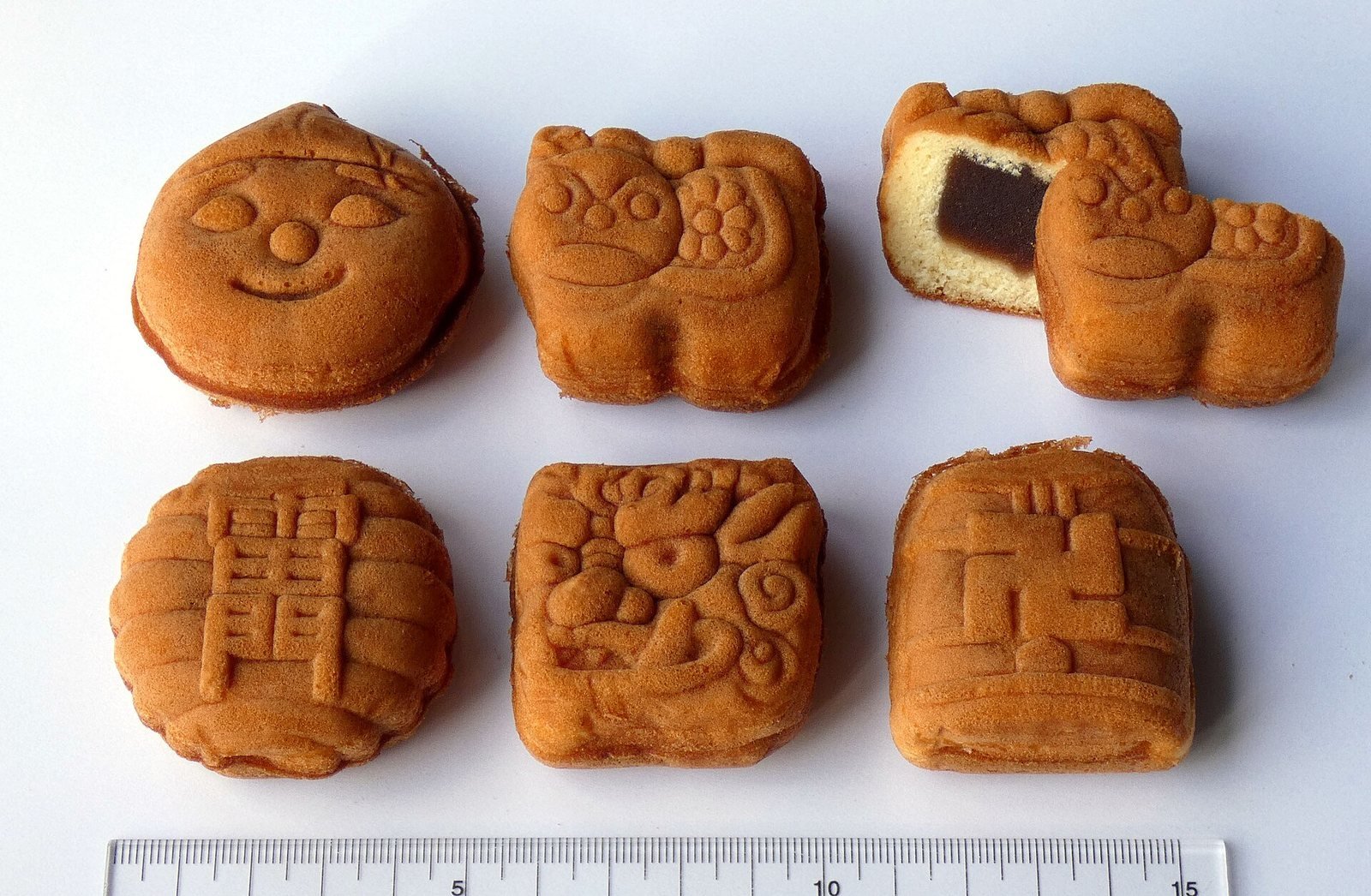
| Ningyo-yaki | Small sponge cakes with sweet filling | Around 300 yen ($2) for four, per one report | Eat beside the stall |
| Melon pan | Sweet bun with a crisp cookie crust | About 200-300 yen ($1.30-1.90) | Best warm; add-ons cost more |
| Kibi dango | Skewered millet dumplings | About 330-350 yen ($2.10-2.30) for five | Older reports; check the sign |
The 2026 guide that gives the senbei and fan ranges notes that convenience stores and discount shops are often cheaper, and airports pricier. Our Tokyo souvenir guide compares more places.
What to Eat: Classic Nakamise Snacks and Street-Food Etiquette
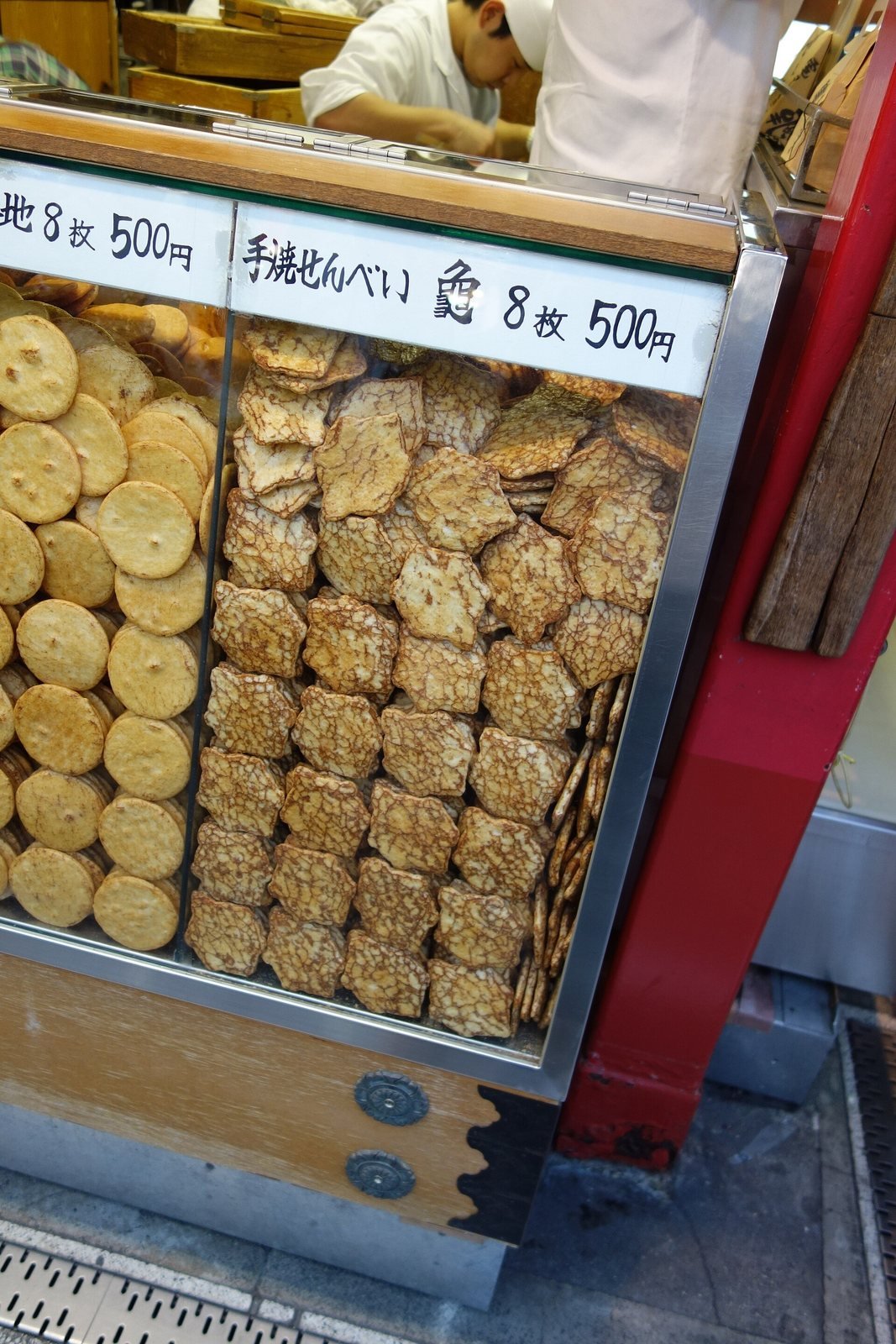
Classic snacks here are mostly sweet: ningyo-yaki, melon pan, kibi dango, fried sweet buns and rice crackers. Takoyaki is more closely tied to Osaka; for that, see our Osaka takoyaki guide. For a wider Tokyo food list, see the Tokyo foodie guide.
The etiquette rule matters. Sources report that eating while walking is not allowed on Nakamise, and one well-known melon pan shop serves it in the shop or packed in a bag to take away. So buy, step beside the stall, eat, and keep the wrapper with you or use the stall’s bin. Some stalls bake on site and others sell items made elsewhere; ask if it matters to you.
Sensoji, Asakusa Shrine and a Short Walking Route
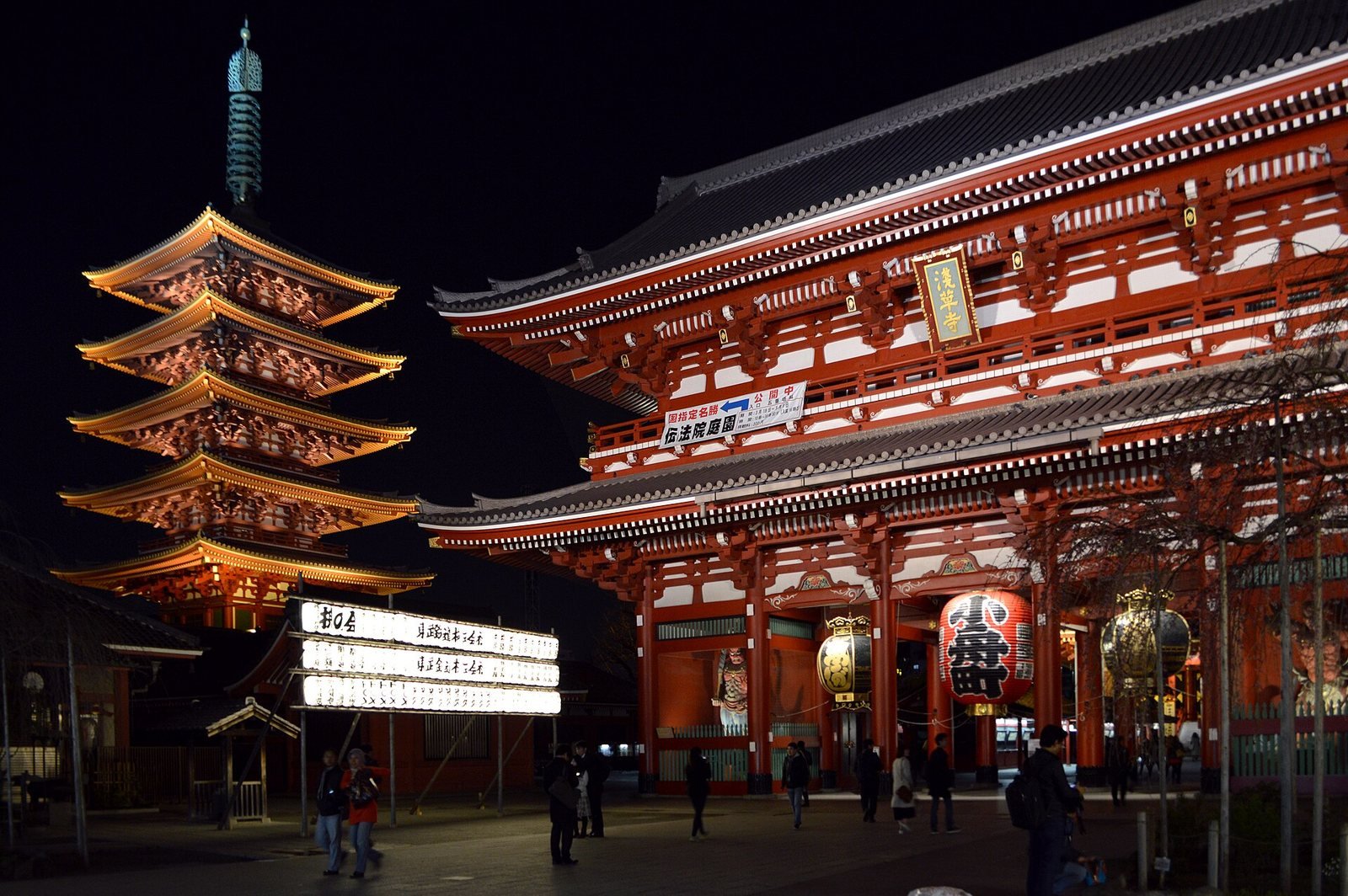
Sensoji is a Buddhist temple dedicated to Kannon, a bodhisattva (not a goddess). Tradition dates its founding to 628, when two brothers are said to have netted a Kannon statue in the Sumida River. That date is tradition, not a record of the present buildings. Asakusa Shrine, a separate Shinto shrine beside the main hall, venerates the three men tied to the temple’s origin. For history, read our second Asakusa guide.
A simple route: start at Kaminarimon, walk Nakamise to Hozomon, visit the main hall and shrine, then finish at the Asakusa Culture Tourist Information Center, opposite Kaminarimon. Its 8th-floor terrace is listed as free, with the terrace reported open until about 10pm and the center itself closing earlier, so check before you go. From there you can see Tokyo Skytree across the Sumida River. The Asahi headquarters is also across the river, not on Nakamise, and we could not confirm that its Sky Room is open to the public.
Kappabashi Dougu Street is a separate kitchenware street, an estimated 5-10 minutes on foot from Sensoji, with more than 170 shops according to its official site. For a very different shopping scene, Takeshita Street is its own trip; see our Takeshita Street guide.
Events Calendar: When Nakamise Gets Busiest
Dates marked “typical” are expected, not announced.
- Hagoita-ichi (battledore fair): listed for 17-19 December 2026. Listings agree but we found no official notice, so confirm with Sensoji.
- New Year (hatsumode): heavy crowds are typical from New Year’s Eve into the first days of January.
- Setsubun: typically 3 February, with bean-throwing at Sensoji; the 2026 event ran on that date. The 2027 schedule is not announced.
- Sanja Matsuri: held 15-17 May in 2026 and typically the third weekend of May. It honors the three men tied to Sensoji’s origin. We could not source an attendance figure, so simply expect very large crowds. 2027 dates are not announced.
- Hozuki-ichi (ground cherry market): held 9-10 July in 2026 and typically on those dates, with stalls selling hozuki plants.
On these days, expect slow-moving crowds. Go early or choose a quieter date.
Shopping Tips: Fixed Prices, Cash vs Card, Tax-Free and Bringing Souvenirs Home
Fixed prices. Japan is generally a fixed-price country, so do not haggle on Nakamise. Skip haggling unless a seller clearly offers a discount. Compare stalls before you buy instead.
Tax-free. The 5,000 yen (about $32) minimum before tax, per store per day, stays. From 1 November 2026, Japan moved from tax-free at the till to a refund process: you pay the tax-inclusive price and the refund follows when you leave the country. One 2026 guide says registered shops can handle this for 5,000 yen or more at a single shop. Many snack and small-gift stalls will fall below that, so ask, and keep your passport handy. The process is new, so check Japan Tourism Agency guidance.
Bringing food home. US travelers must declare food. Packaged snacks are generally fine, meat products are the main problem, and undeclared food can bring fines; check CBP and USDA APHIS before you pack. Singapore’s SFA sets limits on meat and other food, so check its list. Australia requires you to declare food and wooden items on your Incoming Passenger Card; if unsure, declare. Canada requires declaring all food, with personal-use limits. The UK bans meat products from non-EU countries but allows bread.
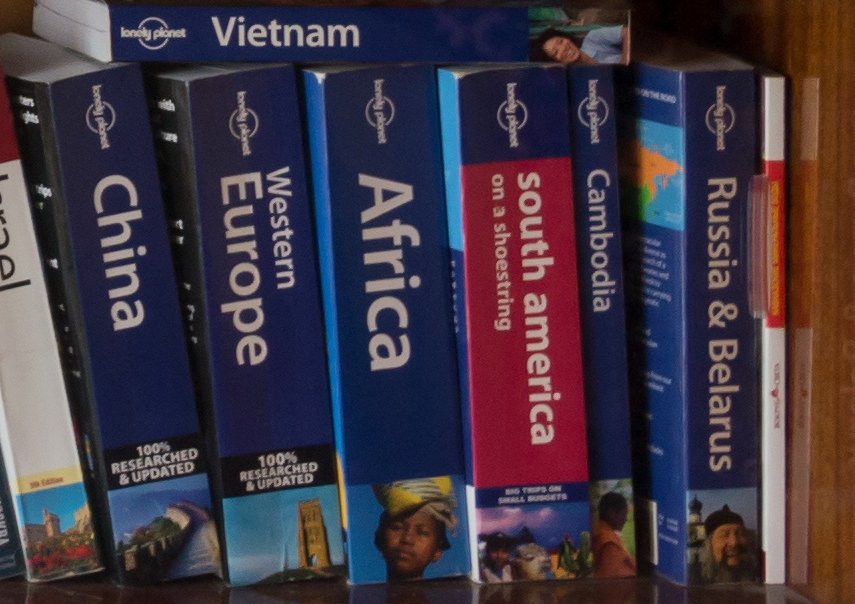
Guidebooks (item type, not the exact edition). Photo: Vyacheslav Argenberg, CC BY 4.0, via Wikimedia Commons
Lonely Planet Japan (19th edition, 2026)
A current country guide for planning the rest of your Japan trip beyond Asakusa. Research-based pick, not hands-on tested.
Check price on Amazon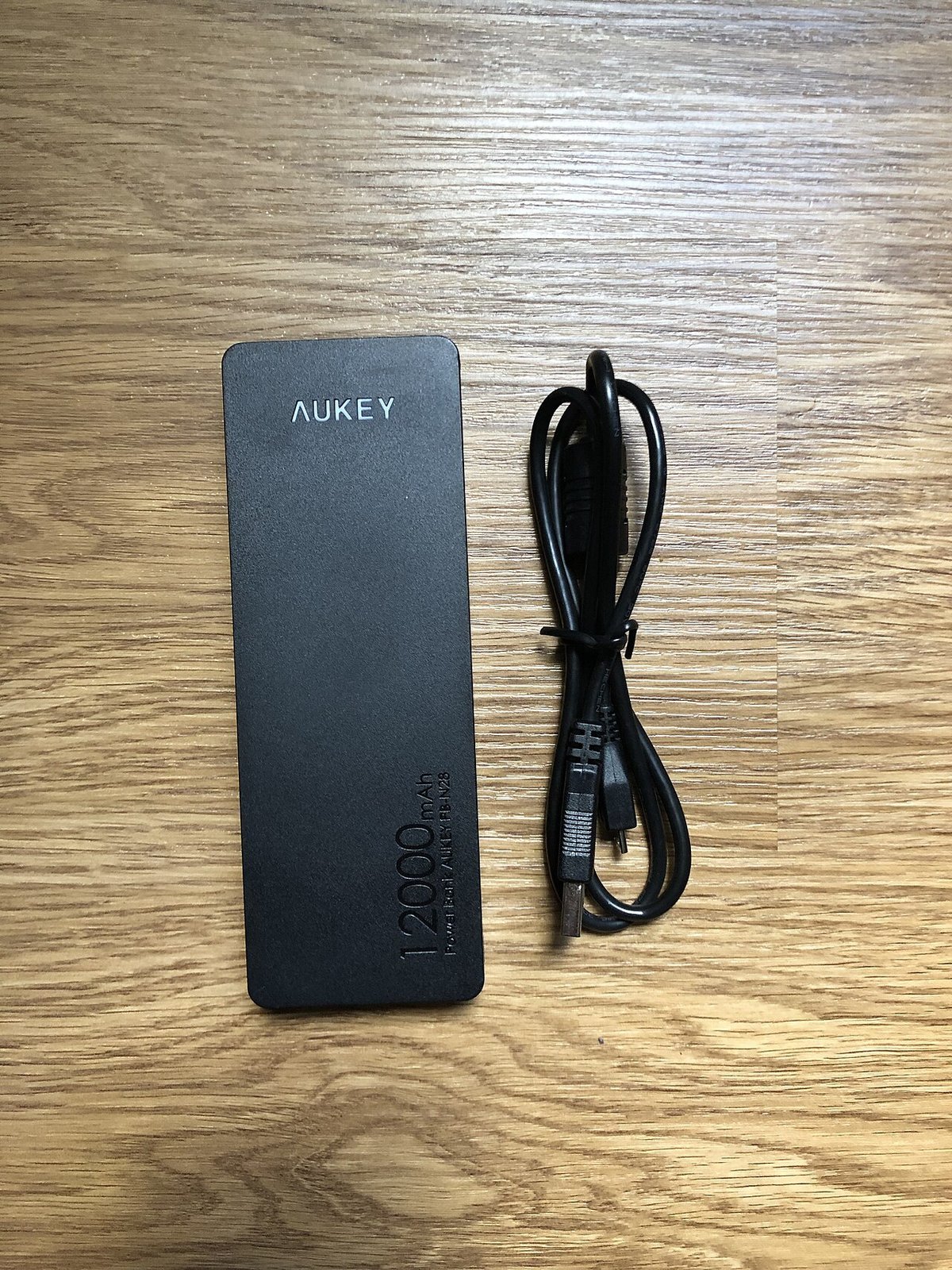
Power bank (item type, not the exact product). Photo: Fastily, CC BY-SA 4.0, via Wikimedia Commons
Anker Zolo Power Bank, 20,000mAh, 30W
A backup battery with a built-in USB-C cable for maps, translation apps and photos on a long Asakusa day. Carry-on only when you fly. Research-based pick, not hands-on tested.
Check price on AmazonFor whole-trip budgeting, see Tokyo on a Budget. For outlet shopping, the Kobe Sanda Premium Outlets make a separate trip.
FAQ
What are the Nakamise Shopping Street opening hours?
There is no single schedule. Shops set their own hours, with many roughly 9-10am to 5-7pm. You can walk the street outside those hours, but many shops will be shut.
How long is Nakamise Street and how many shops does it have?
About 250 m, with about 89 shops, from Kaminarimon to Hozomon. Counts vary slightly by source.
Can you eat while walking on Nakamise?
No. Sources report it is not allowed, so eat at or beside the stall.
Is Nakamise cash only?
Not entirely, but cash is the safe choice. Many older stalls take only cash and some shops accept cards. Ask first.
Can you bargain on Nakamise?
No. Prices are fixed. Only ask about a discount if a seller offers one.
How do I get from the airport to Nakamise?
From Haneda, take the Keikyu line, which runs through to the Toei Asakusa Line. From Narita, take the Keisei Access Express to Asakusa. The Skyliner does not run there.
Is tax-free shopping available on Nakamise?
Some registered shops may offer it for purchases of 5,000 yen or more at one shop, but the system changed on 1 November 2026. Ask before you pay.