
As an Amazon Associate, Chasing Cherry Blossoms earns from qualifying purchases. We may also earn from other affiliate links on this page at no extra cost to you.
Tokyo can wear you out: packed trains, neon and crowds. Yoyogi Park, in Shibuya Ward right beside Harajuku, is one of the easiest places in the city to step out of that for an hour or two. It is free, it is open around the clock, and it is a few minutes on foot from four stations.
This guide covers the park’s size and history, what to see in each season, the newly reopened fountain, which station to use, and the rules worth knowing. A note on spelling: it is Yoyogi Park (Yoyogi Koen), not “Yogi Park”.
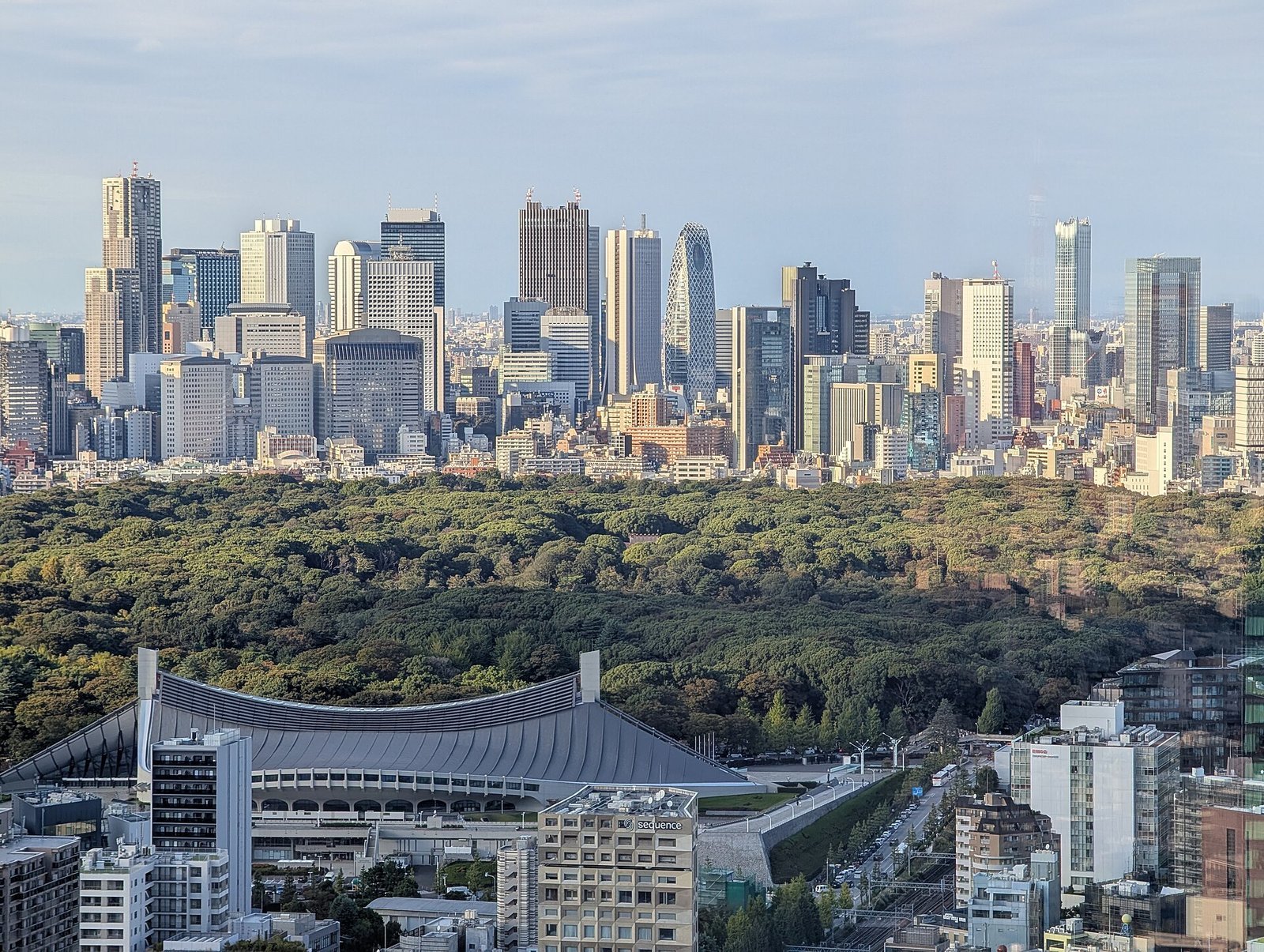
Quick answer: Yoyogi Park is a free public park of about 54 hectares in Shibuya, open 24 hours, with shorter hours at individual facilities. Harajuku, Yoyogi-koen and Meiji-jingumae stations are each about 3 minutes’ walk; Yoyogi-Hachiman is about 6. Late November to early December is the typical window for golden ginkgo, and late March to early April for cherry blossoms. For an evening option, the renovated fountain area reopened on 13 November 2026 with a colour light-up and music shows, open until 23:00 through 31 January 2027. Weekends are crowded, so go early on a weekday for quiet paths. The rose plaza is closed for renewal until spring.
Yoyogi Park at a glance
| Item | Details | Tip |
|---|---|---|
| Hours | The park is always open. The service center and facilities close over the New Year period. Cycling center: 9:00-16:30 (last entry 16:00), closed Mondays. Fountain area: 9:00-21:00, extended to 23:00 from 13 Nov 2026 to 31 Jan 2027. | Daylight suits lawns and ginkgo; evenings suit the fountain light-up. |
| Entry cost | Free, with some paid facilities. Bike rental 300 yen per hour (about $2, using roughly $1 = 155 yen). Parking (65 spaces, 24 hours): 800 yen for the first hour, then 400 yen per 30 minutes. | Carry a few coins for kiosks and rentals; use trains rather than the car park. |
| Stations | JR Harajuku, Tokyo Metro Yoyogi-koen (C02) and Meiji-jingumae (C03/F15): about 3 minutes each. Odakyu Yoyogi-Hachiman: about 6 minutes. | Harajuku Gate is the natural entrance from Harajuku and Meiji-jingumae. |
| Best for | Lawns, picnics, jogging, cycling, people-watching, autumn ginkgo, cherry blossoms, the evening fountain show | Weekday mornings are calmest. |
| Time needed | 1 to 2 hours for a loop; half a day with Meiji Jingu and Harajuku | Wear comfortable shoes. |
| Toilets and food | Toilets, kiosks and cafes in the park; convenience stores near the stations | Take your trash with you. |
| Best seasons | Late autumn (ginkgo, leaves) and late March to early April (sakura); see the seasons table | Dates shift each year. |
Map: Yoyogi Park gates, stations and highlights
- Harajuku Gate – Main entrance by JR Harajuku and Meiji-jingumae; ginkgo trees and the Olympic Memorial Lodge cafe nearby. Directions
- JR Harajuku Station – JR Yamanote Line, about 3 min walk to the park. Directions
- Meiji-jingumae (Harajuku) Station – Tokyo Metro Chiyoda and Fukutoshin lines (C03/F15), about 3 min walk. Directions
- Yoyogi-koen Station – Tokyo Metro Chiyoda Line (C02), west side of the park, about 3 min walk. Directions
- Yoyogi-Hachiman Station – Odakyu Line, about 6 min walk. Directions
- Yoyogi Forest Oasis (fountain pond) – Fountains reopened 13 Nov 2026; light-up and music shows in the evening. Directions
- Bird Sanctuary – Japan's first bird sanctuary; fenced, watch from outside. Directions
- Cycling Center (Pedalico) – Bike rental 9:00-16:30, closed Mondays; 300 yen per hour. Directions
- Japan's first flight monument – Marks the 1910 flights by captains Tokugawa and Hino. Directions
- Outdoor Stage and Event Plaza (Zone B) – Festivals and events across the road from the main park. Directions
- Yoyogi National Gymnasium – Kenzo Tange's 1964 Olympic arena beside Zone B. Directions
- Meiji Jingu – Neighbouring shrine grounds, a separate site with its own hours. Directions
Size and the two zones
The park covers 544,711 square meters, about 54 hectares, and the Tokyo Metropolitan Park Association calls it the fifth-largest metropolitan park among Tokyo’s 23 wards. That ranking covers metropolitan parks in the 23 wards only, not every park in Japan.
A road divides the park into two zones. Zone A is the forest park, with the lawns, paths and Harajuku Gate. Zone B, across the road, holds the athletics field (Oda Field), the outdoor stage and the event plaza. The park opened on 20 October 1967.
A short verified history
The land was the Army’s Yoyogi Parade Ground. In 1910, Army captains Yoshitoshi Tokugawa and Kumazo Hino made Japan’s first aeroplane flights here, and a monument in the park marks the first flight in Japan. After World War II the site became Washington Heights, a US military housing area, then the athletes’ village for the 1964 Tokyo Olympics, before becoming the park. Oda Field hosted the opening ceremony of the 1964 Tokyo Paralympics.
The one surviving village building is the Olympic Memorial Lodge, just inside Harajuku Gate on the right. It was used by the Dutch team in 1964 and opened as a cafe on 9 April 2026.
What to see and do
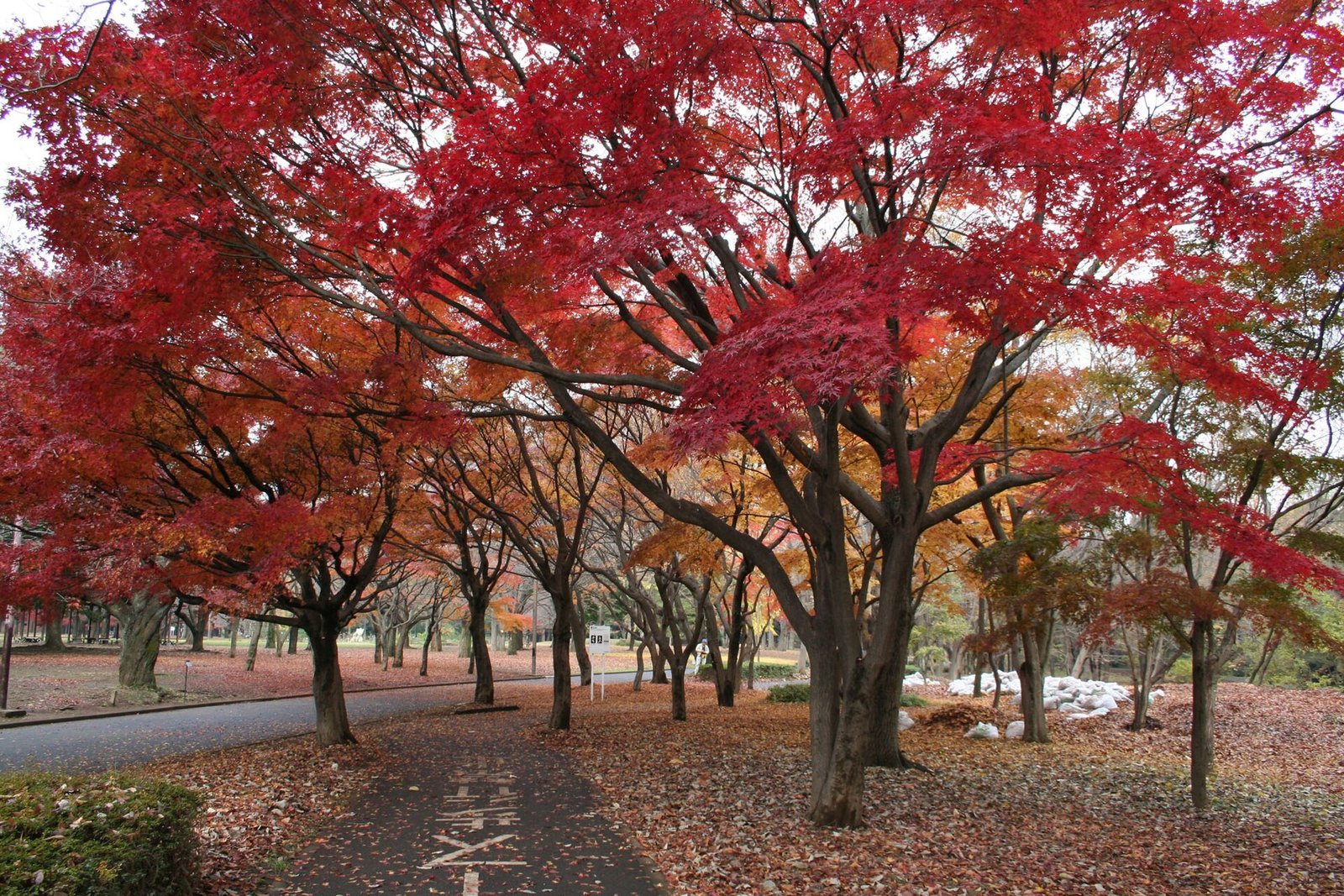
- Ginkgo trees: The ginkgo trees around the Harajuku Gate side are the popular autumn photo spot, typically golden from late November to early December. The park’s official autumn plants also include Japanese maple (iroha momiji) and osmanthus.
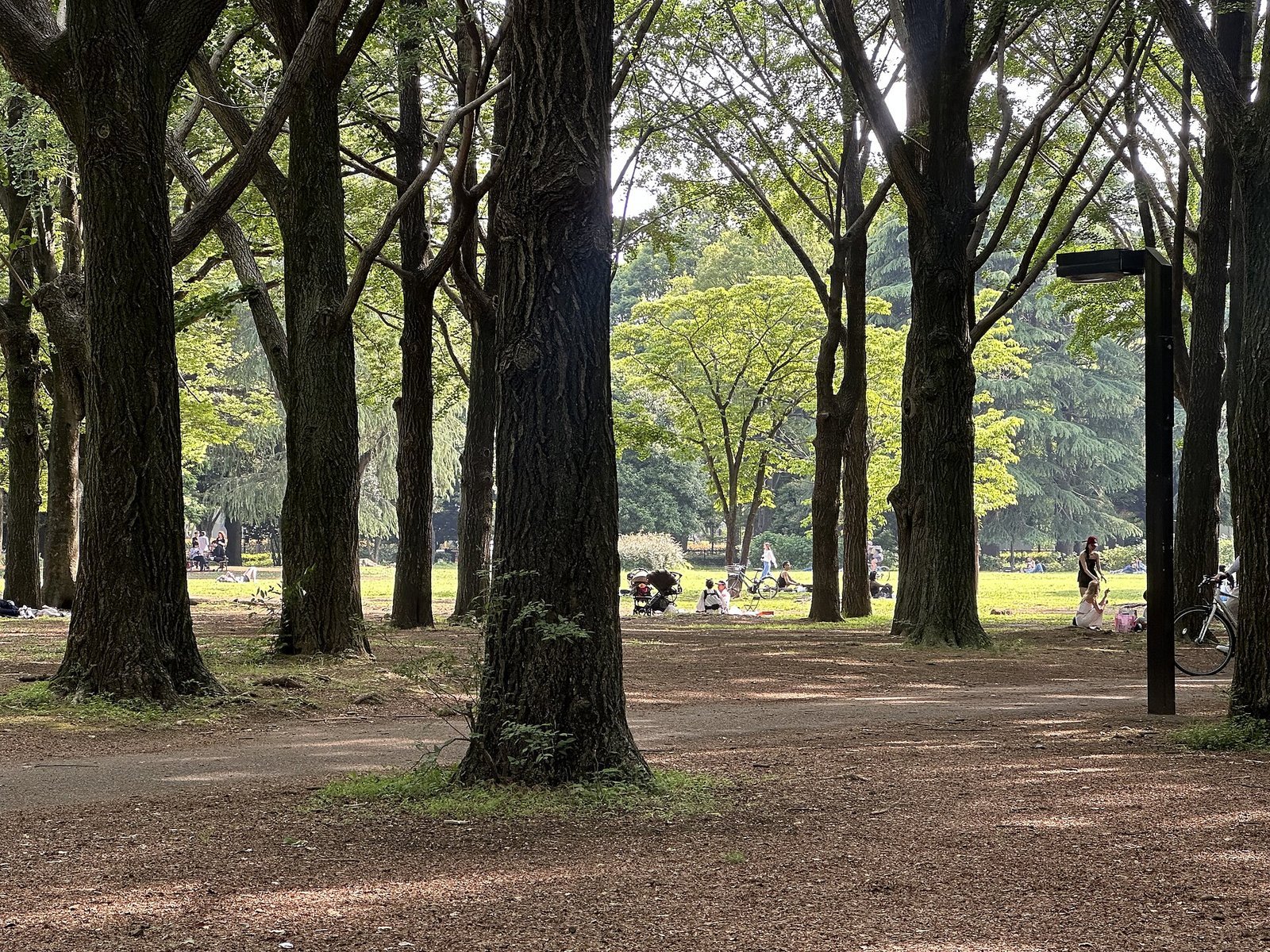
- Central Plaza: The big lawn in the middle of the park, good for picnics and stretching (ball games are not allowed).
- Zelkova avenue and the entrance deck: A zelkova (keyaki) avenue gives shaded walking, and a pedestrian deck, 145 meters long and 6 meters high, marks the entrance. Mushroom-shaped rest shelters dot the grounds.
- Bird sanctuary: Japan’s first, fenced off with no entry, but the paths around it are good for birdwatching. Keep voices low.
- Events: Events are typically held around the outdoor stage and event plaza. Schedules change, so check current notices.
- Weekend scenes: The Harajuku side often has street performers and dancers on weekends, though this is not guaranteed.
Yoyogi Forest Oasis: the reopened fountain
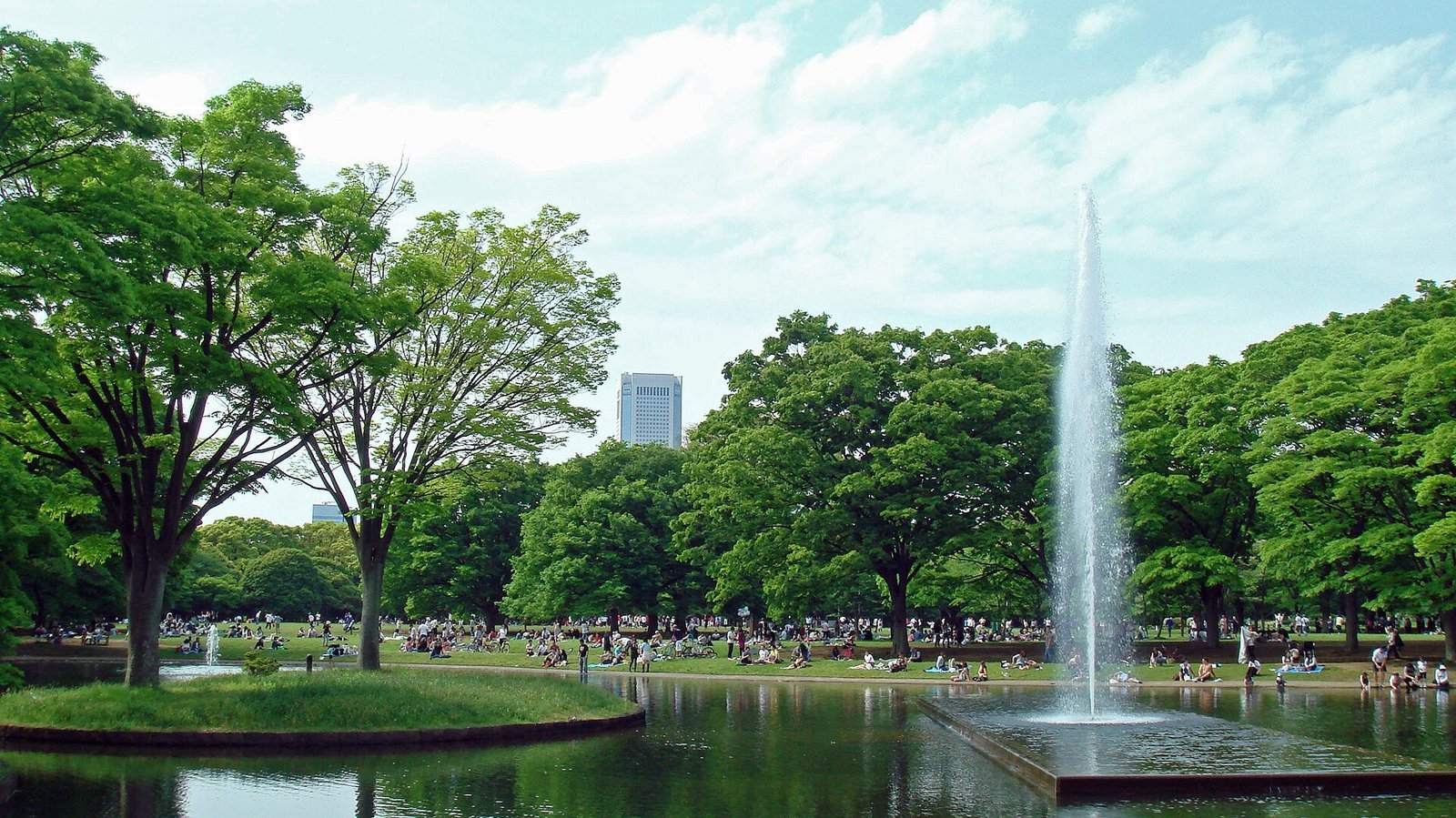
The fountain area dates from 1991, when the original fountains shot water 15 to 30 meters high. It reopened on 13 November 2026 as “Yoyogi Forest Oasis” (Mori no Funsui), with dynamic fountains, colour light-up and music shows. The area is open 9:00-21:00, the light-up runs 17:00-21:00, and music shows of about 10 minutes start at 17:00, 18:00, 19:00, 20:00 and 20:50. From 13 November 2026 to 31 January 2027 the operating time is extended to 23:00.
December evenings are cold, so wear layers. A power bank helps if you film the show and navigate back afterwards (the three product picks in this guide are research-based, not hands-on tested).
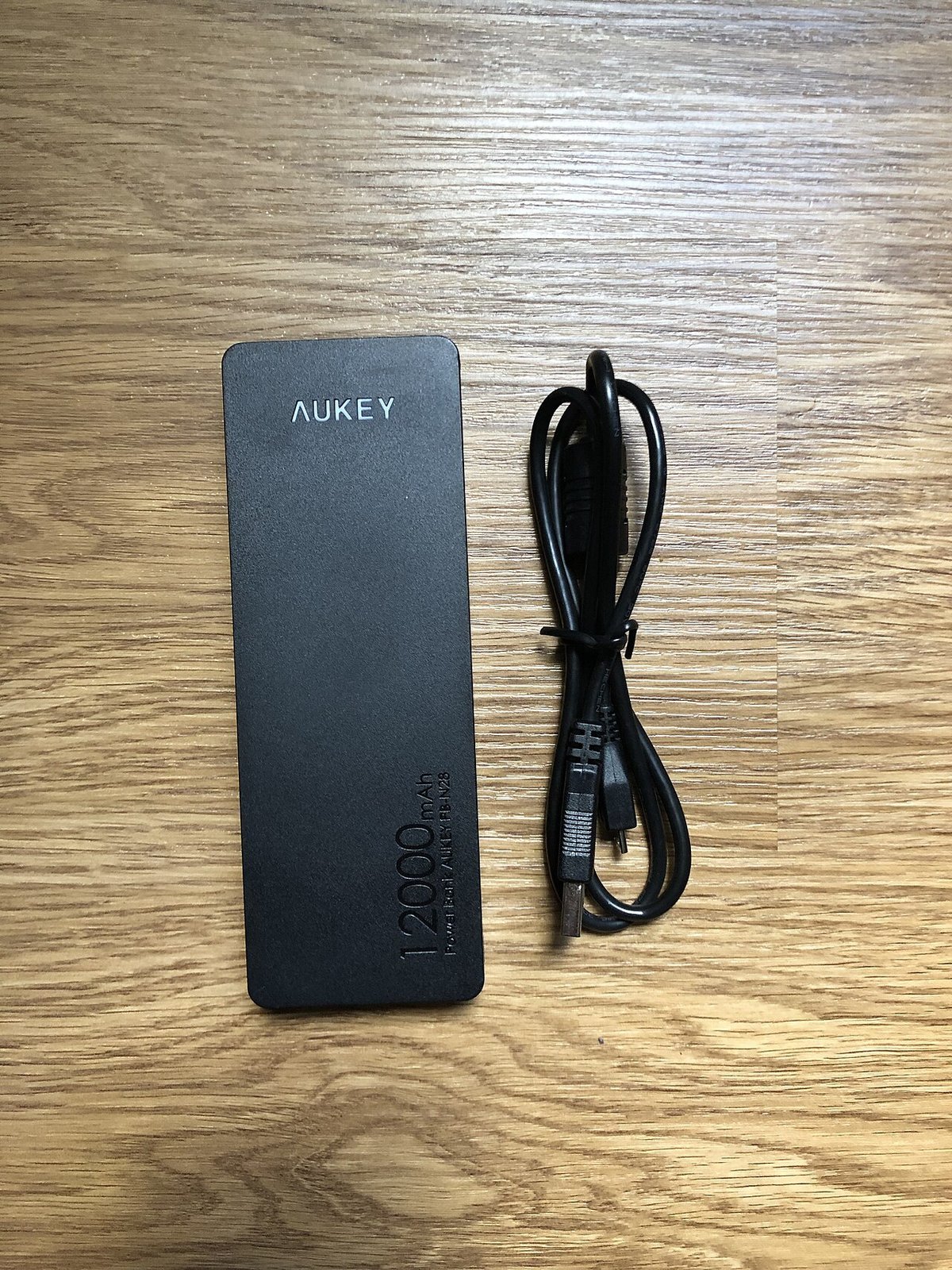
A portable power bank (item type, not the exact product). Photo: Fastily, CC BY-SA 4.0, via Wikimedia Commons
Anker 10,000mAh power bank
A compact power bank for filming the evening fountain show and keeping maps alive for the walk back. Carry it in your cabin bag when you fly. Research-based pick, not hands-on tested.
Check price on AmazonWinter illumination and closures
The winter illumination “Yoyogi Forest of Lights” runs from 13 November 2026 to 11 January 2027. From 17:00 to 22:00 the cycling course cannot be used. For details and any fees, check the event’s own site. The park kiosk notes that the “Ao no Dokutsu” (Blue Cave) illumination near the event plaza side has this year’s dates announced as 11-27 December.
Two areas are under construction. The large water corridor is fenced off until mid-January 2027 (planned), and the Rose Plaza is being renewed until late March 2027 (planned), so there is no rose garden visit until spring 2027.
Cycling center
The cycling center was renewed on 23 December 2025 as “Pedalico”. It opens 9:00-16:30 (last entry 16:00), and is closed on Mondays (the next day if Monday is a holiday) and from 29 December to 3 January. The course is about 2,000 meters long.
- Adult or child bike without training wheels: 300 yen per hour (about $2)
- Helmet: 100 yen per hour
- Tandem: 500 yen per lap of about 15 minutes (about $3)
Payment is by ticket machine. Bikes cannot leave the park, and rental stops in rain.
Best seasons
| Season | Typical timing (hedged) | What you will see | Crowd tip |
|---|---|---|---|
| Autumn | Ginkgo and leaves usually peak from late November into early December | Golden ginkgo, maple and osmanthus | Go on a weekday morning |
| Winter | Mid-November to January | Bare branches, fountain light-up and winter illumination | Evenings are busy on weekends |
| Spring (sakura) | Tokyo’s normal first bloom is 24 March and full bloom 31 March (JMA, 1991-2020 normals) | Cherry blossoms, hanami picnics | Weekends fill up fast; arrive early |
| Early summer | Roughly May to June | Fresh green canopy; roses return in spring 2027 after renewal | June is rainy; carry a light rain jacket |
| Summer | July to August | Deep shade, heat and humidity | Go early or late; carry water |
The Japan Meteorological Agency recorded Tokyo’s first bloom on 19 March 2026 and full bloom on 28 March 2026. Those are past observations, not a forecast for 2027. First bloom is when the first flowers open; full bloom is when most are open. See our Tokyo cherry blossom guide and check forecasts a few weeks before you travel.
Hanami rules
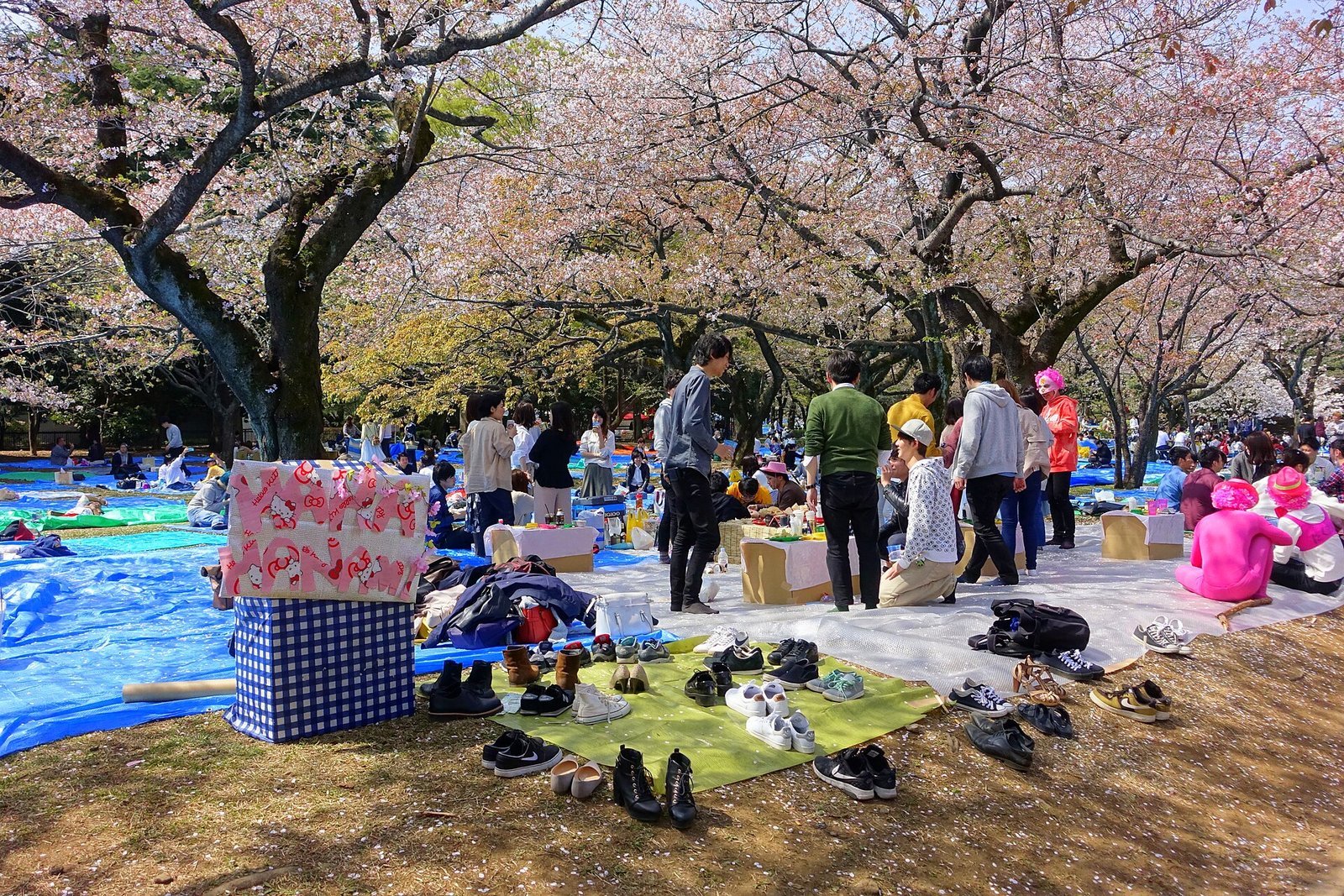
A picnic sheet on the ground is fine, but tents, tarps and sunshades are not, and leaving belongings unattended is prohibited, so you cannot hold a spot with an empty sheet. Barbecues and other fires are banned. Alcohol is not on the prohibited list, but drink moderately and follow event-day signs. Take all rubbish home.
A compact, packable blanket suits these rules.
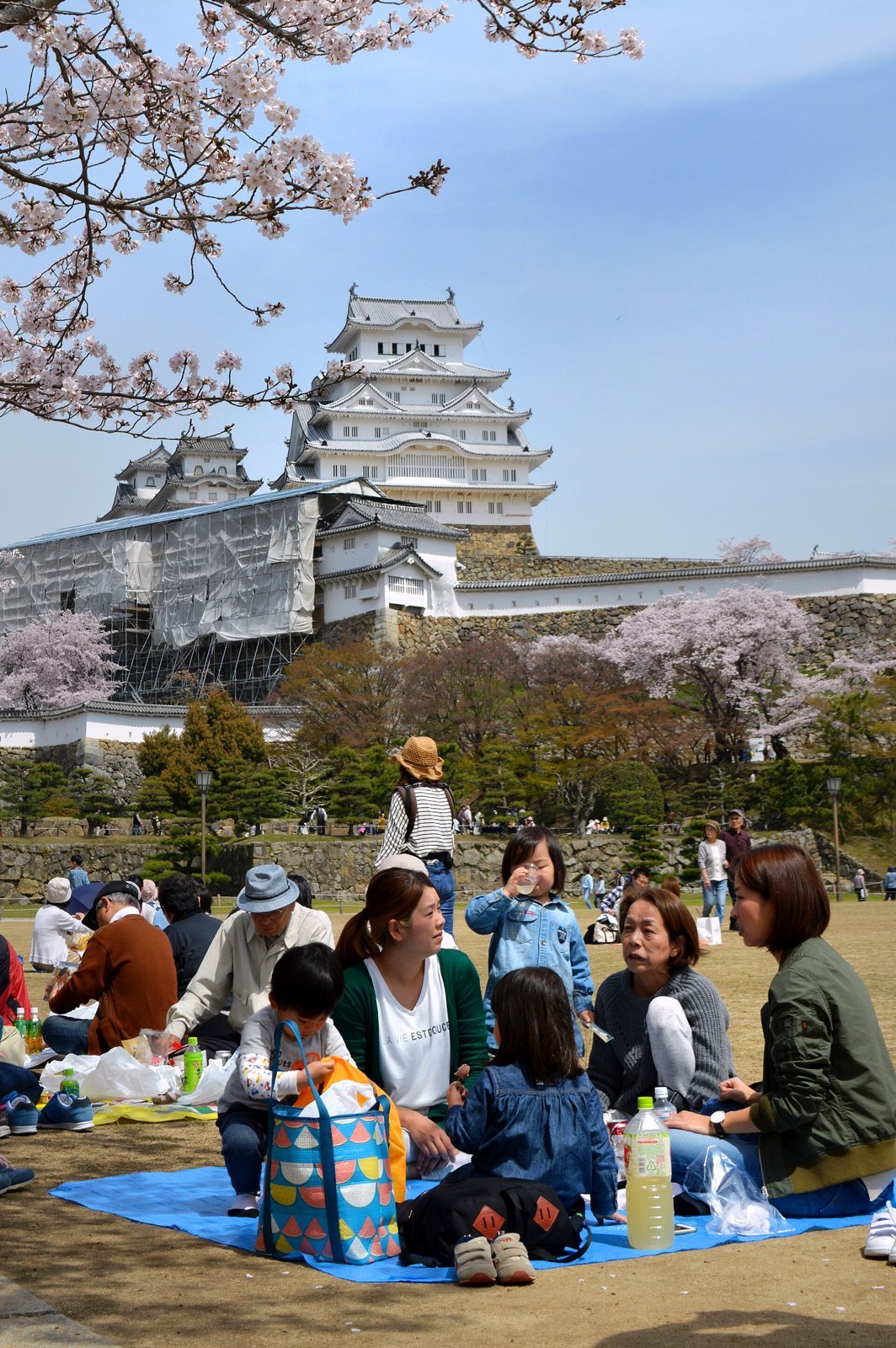
Picnic ground sheets (item type, not the exact product). Photo: DimiTalen, CC0, via Wikimedia Commons
BEARZ Outdoor Pocket Blanket
A pocket-size waterproof blanket that fits the park's sheet-on-the-ground rule for picnics and hanami, and folds away when you leave. Research-based pick, not hands-on tested.
Check price on AmazonA calm reset in the city
This is an informal break, not a health program, and quiet is never guaranteed, especially at weekends. Park volunteers also run Sunday nature classes (for example, 22 November on how autumn leaves work), in Japanese only.
- Walk away from the main paths to a bench or a patch of grass.
- Take five slow breaths.
- Notice three things you can hear and one you can feel.
- Walk slowly for a few minutes, paying attention to each step.
People stretch and practise yoga or tai chi informally on the lawns. If you photograph people, ask first and do not block paths.
Getting there and gates
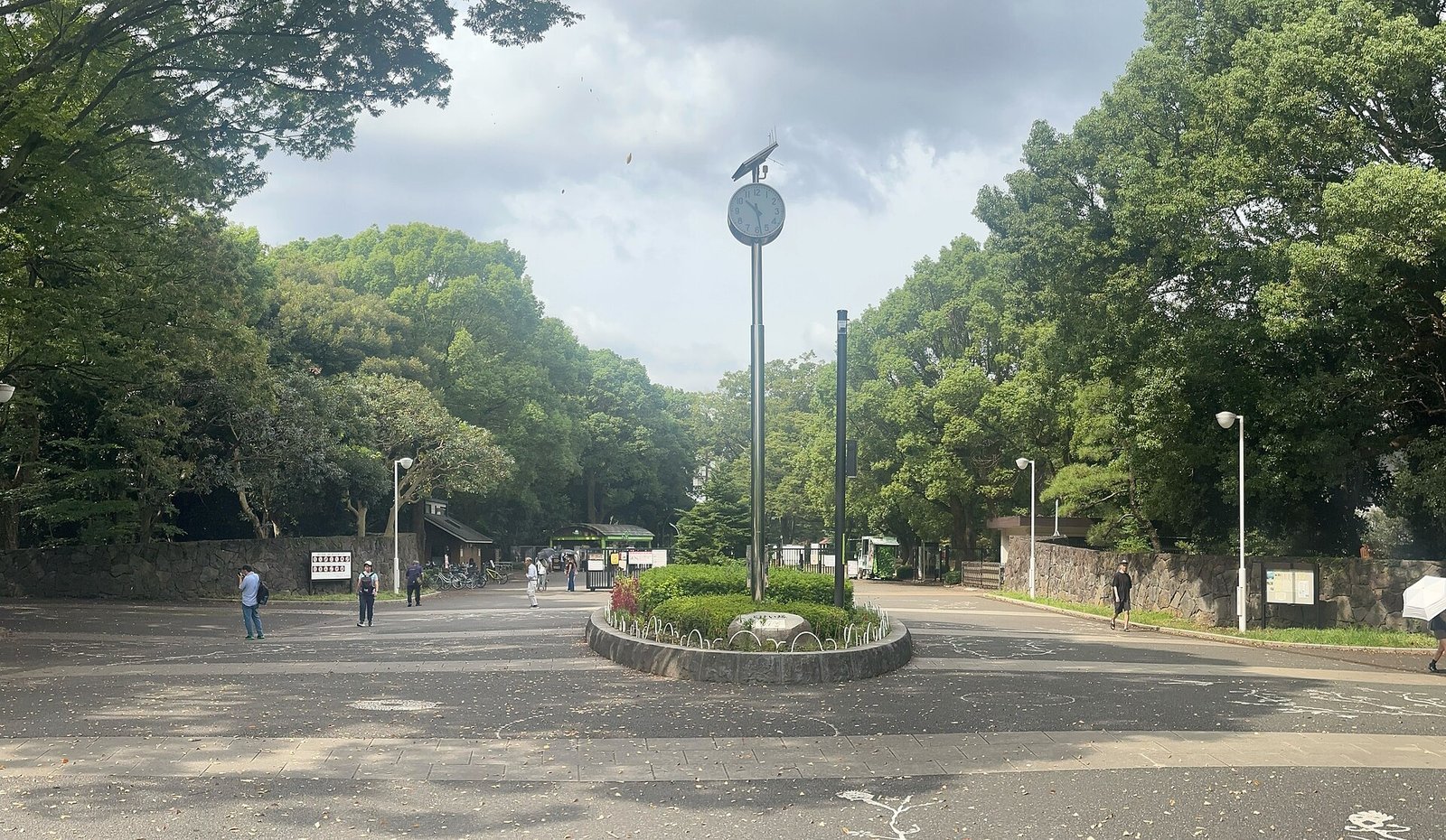
The official stations are JR Yamanote Line Harajuku (about 3 minutes), Tokyo Metro Chiyoda Line Yoyogi-koen (about 3 minutes), Chiyoda and Fukutoshin lines Meiji-jingumae (Harajuku) (about 3 minutes), and Odakyu Line Yoyogi-Hachiman (about 6 minutes). Harajuku Gate is right by JR Harajuku and Meiji-jingumae. Yoyogi-koen and Yoyogi-Hachiman stations are on the west and southwest side of the park. The 65-space car park is congested at weekends, so use trains. The official page offers a barrier-free map for step-free routes.
From the airports, see our Narita arrival guide; Haneda is generally closer to central Tokyo. For getting around, see our Tokyo transport guide.
JR Pass or IC card?
The Yamanote Line is covered by the Japan Rail Pass, but for a Tokyo-only trip the pass will usually not pay off. The official price page lists a 7-day Ordinary adult pass at 50,000 yen online (roughly $320) and 53,000 yen through overseas agencies; confirm on japanrailpass.net. For city trains an IC card is simpler (more money-saving ideas in our budget Tokyo transport guide). JR East’s Welcome Suica Mobile app for iPhone issues a Suica to Apple Wallet; reports say it is valid for 180 days with no refund of leftover balance.
Rules, facilities and food
The park service center’s prohibited list covers:
- Sports and wheels: No skateboards or roller skates, ball games or sports practice, motorbikes or Segways, and no walking on the cycling course.
- Noise and aircraft: No loud music or amplified equipment (amps, DJ gear), drones or radio-controlled toys.
- Fire and shelters: No fire of any kind (barbecues, cooking, fireworks, generators), and no tents, tarps or sunshades.
- Trees and nature: No feeding or picking plants and animals, climbing trees, hammocks, slacklines, or decorations and lights on trees.
- Commercial activity: No unauthorised selling, busking for tips, filming, photo shoots or events. Commercial filming needs a permit.
- Smoking: Refrain in crowded places; a smoking-area map is available.
- Groups: Notify the service center at least 3 days ahead.
- Dogs: Keep dogs on a leash and take droppings home. The dog run has three size zones and needs web registration with a current Japanese municipal rabies-vaccination tag; import quarantine certificates alone are not accepted, so it is realistically for residents, not visitors’ dogs.
For food, the park has kiosks and cafes: Parks Yoyogi outlets near the outdoor stage, on the hill and at Harajuku Gate, a Doutor Park Cafe, and the Olympic Memorial Lodge cafe. The outdoor-stage kiosk sells snacks, soft-serve and draft beer, usually 10:00-18:00 (10:00-17:00 from December to February). Convenience stores near the stations are cheaper for picnic supplies; see our cheap eats guide.
Pair it with
Meiji Jingu is a neighbouring but separate site with its own grounds and hours. See our Meiji Jingu visitor guide. Takeshita Street, a short walk from Harajuku Station, is covered in our Takeshita Street guide. Shibuya is a short train ride away, and our guide to Tokyo's top shopping districts covers both neighbourhoods. For other green spaces, see Tokyo’s best parks and gardens, and Tokyo’s hidden gems for more ideas.
| Park | Entry | Hours | Alcohol | Best for |
|---|---|---|---|---|
| Yoyogi Park | Free | Always open; facilities vary | Not on the prohibited list; sold at the outdoor-stage kiosk | Lawns, cycling, evening fountain show, casual picnics |
| Meiji Jingu grounds | Free | Roughly sunrise to sunset (varies by month) | Not a picnic spot; follow shrine signs | A quiet forest walk |
| Shinjuku Gyoen | 500 yen adult (about $3) | Check the official site for the day | Banned | Manicured gardens and a calmer picnic |
A printed guide adds neighborhood context alongside your phone.
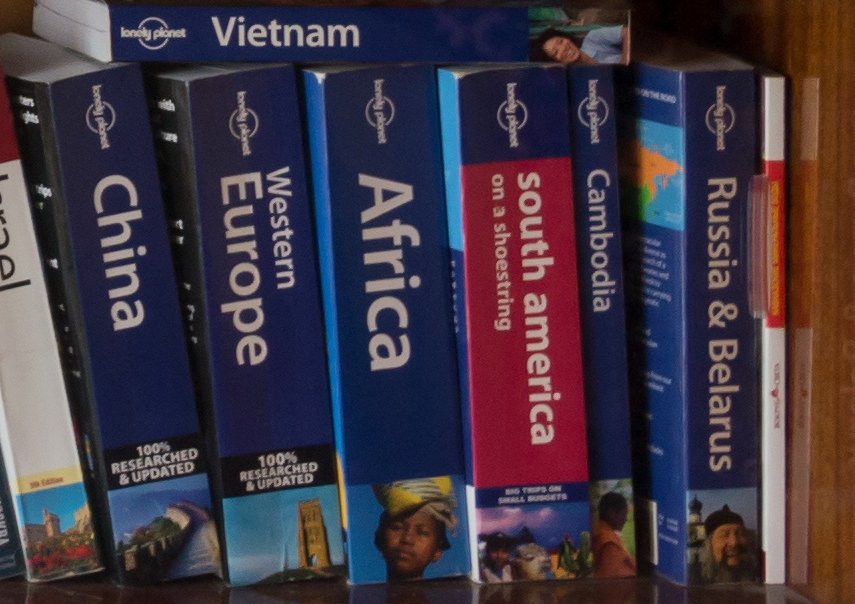
Guidebooks (item type, not the exact edition). Photo: Vyacheslav Argenberg, CC BY 4.0, via Wikimedia Commons
Lonely Planet Tokyo (latest edition)
A current city guide for planning the rest of your Tokyo days around Harajuku, Shibuya and beyond. Research-based pick, not hands-on tested.
Check price on AmazonNotes for travellers from SG, AU, UK and CA
- Singapore: Flights to Tokyo take roughly 7 hours. Bring a light layer for winter.
- Australia: Seasons are reversed, so Tokyo’s autumn leaves fall in your spring. Flights take roughly 9 to 10 hours.
- UK: Flights take roughly 14 hours, so early-morning jet lag can suit a quiet walk here.
- Canada: From Vancouver, roughly 10 hours; Toronto is longer.
- Everyone: Welcome Suica Mobile needs an iPhone. Carry some cash for small kiosks.
Flight times are rough typical figures and vary by route.
FAQ
Is Yoyogi Park free?
Yes. Entry is free, though some facilities and parking charge fees.
What time does Yoyogi Park open and close?
The park is always open. The service center and facilities close over the New Year period, and the cycling center runs 9:00-16:30 and is closed on Mondays.
Can you drink alcohol in Yoyogi Park?
Alcohol is not on the park’s prohibited list, and the outdoor-stage kiosk sells draft beer. Drink moderately and follow any event-day signs. Barbecues, tents and loud music are banned.
Can you rent bikes in Yoyogi Park?
Yes, at the Pedalico cycling center: 300 yen per hour for a bike and 100 yen for a helmet, closed Mondays.
When are the ginkgo trees at their best?
Typically late November to early December, depending on the weather that year.
Is the fountain open in the evening?
Yes. The Yoyogi Forest Oasis light-up runs 17:00-21:00 with music shows on the hour, and operating hours extend to 23:00 until 31 January 2027.
Which station is closest to Yoyogi Park?
Harajuku, Yoyogi-koen and Meiji-jingumae are each about 3 minutes’ walk. Yoyogi-Hachiman is about 6.
Can I bring my dog?
Yes, on a leash, with droppings taken home. The dog run is limited to dogs with Japanese rabies-vaccination registration.
Comment (1)