
As an Amazon Associate, Chasing Cherry Blossoms earns from qualifying purchases. We may also earn from other affiliate links on this page at no extra cost to you.
Is Hanami a Celebration?
Hanami (花見) literally means “flower viewing,” and in Japan it almost always means gathering under blooming cherry trees. Locals and visitors spread out blankets, share food and drink, and take in blossoms that last only a week or two. So is it a celebration? I’d say yes, but a gentle one. It’s part party, part quiet reflection on how short-lived beauty is. In this guide I’ll cover where hanami came from, what it means, what to eat, where to go, when to plan your trip, and how to behave once you’re there.
The Origins of Hanami: A Brief History
Hanami goes back more than a thousand years. In the Nara period (710-794), the court elite gathered to appreciate blossoms, and early on the flowers of choice were often plum. By the Heian period (794-1185), cherry blossoms had taken over as the favorite, and viewing parties with poetry and music became a courtly pastime.
The custom spread to everyone during the Edo period (1603-1868). Samurai and commoners alike picnicked in parks and along riverbanks, and many of the cherry-viewing spots we still visit today date from that era. Today it’s one of the biggest events of Japan’s spring calendar.
The Meaning of Hanami: Celebrating Fleeting Beauty
Cherry blossoms are tied to the idea of mono no aware, a gentle awareness of the impermanence of things. The petals fall within days of peaking, and that’s exactly the point. Hanami is a reminder to enjoy the present moment.
So hanami is both a celebration and a moment of reflection. It’s cheerful on the surface, with friends, snacks and drinks, and a little wistful underneath. Cherry blossoms also arrive as the school and business year begins in April, so they are linked with new starts too.
Hanami Traditions: What to Expect
Picnics under the trees
The classic hanami is a picnic. Groups lay out blue tarps or blankets, often claiming a spot early in the day, and settle in with food and drinks. Office groups sometimes send a junior colleague ahead to hold the spot.
Yozakura: night viewing
Many parks light up their trees in the evening, which is called yozakura. Lanterns or illuminations give the blossoms a completely different mood, and it’s often calmer and more atmospheric than the daytime crowds. Illumination hours vary by park and year, so check the official event page before you go.
Seasonal events
Many parks and castles hold sakura festivals with food stalls, music, and sometimes tea ceremonies or craft displays. Details change each year, so I always check the local tourism site for the current schedule.
Hanami Food and Drink
Half the fun of hanami is the food. Popular picks include:
- Sakura mochi: sweet rice cake with red bean paste, wrapped in a pickled cherry leaf. Note that the style differs between the Kanto and Kansai regions.
- Hanami dango: three-colored rice dumplings on a skewer.
- Bento and convenience-store picnics: department-store food halls (depachika) and convenience stores sell excellent boxed lunches and snacks.
- Yakitori and festival-stall food: grilled skewers, takoyaki and more at park stalls.
For drinks, sake and beer are classic. Spring-limited sakura-flavored drinks, from sparkling sake to lattes and chu-hi, appear in shops every year. Green tea is always a good alternative. Stall prices vary by park and year, so bring some cash and expect festival-stall food to cost a bit more than the same thing in a shop.
Hanami Activities
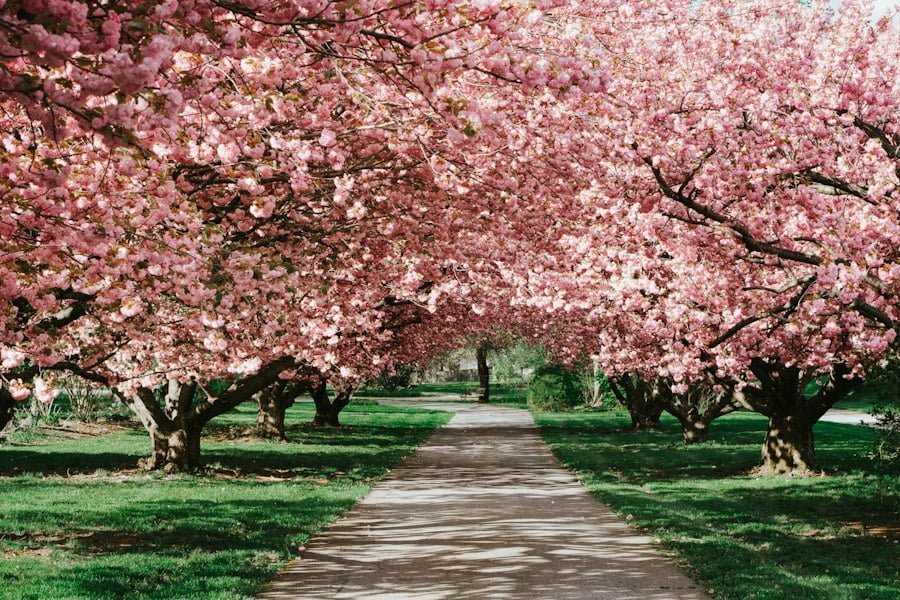
Hanami isn’t only about sitting still. Some of my favorite ways to enjoy blossom season:
- Sakura walks: strolling along rivers, moats and park paths. The Meguro River in Tokyo and the Philosopher’s Path in Kyoto are well-loved examples.
- Boat rides: some moats and rivers offer boats beneath the blossoms, including at Chidorigafuchi in Tokyo. Operating dates, prices and booking rules change yearly and can be popular, so check the official Chiyoda or Go Tokyo pages before you go.
- Picnics with games and music: small speakers and card games are common, but keep the volume down.
- Cycling: some parks and towns have rental bikes, a nice way to cover more ground.
If you’d rather have a local guide, a guided sakura walk or food tour can take the planning off your plate.
Where to See Cherry Blossoms in Japan
Yoshino, Nara Prefecture
Mount Yoshino is famous for its thousands of cherry trees climbing the hillside in sections, which bloom at different times from lower to upper slopes. It’s among the most celebrated blossom spots in Japan. The commonly cited figure is around 30,000 trees, though this is an approximate count rather than an official census.
Hirosaki Castle Park, Aomori Prefecture
Hirosaki Park in northern Honshu is known for its castle, moat and roughly 2,600 trees, some of them very old. Because it’s so far north, its blossoms usually peak in late April, which makes it a great extension for late-season trips.
Ueno Park, Tokyo
Ueno Park is one of Tokyo’s best-known hanami spots, with several hundred cherry trees (counts range from roughly 800 to over 1,000 depending on the source), plus museums and a zoo nearby. Expect big crowds at peak bloom, especially on weekends.
Other favorites
Also consider Shinjuku Gyoen and Chidorigafuchi in Tokyo, Maruyama Park and the Philosopher’s Path in Kyoto, and Osaka Castle Park. Some paid gardens charge a small entry fee (Shinjuku Gyoen, for example, charges around 500 yen for adults), so check the official site for current prices.
Hanami Dates: Planning Your Trip
Timing is the trickiest part of a sakura trip. Very roughly, in a typical year:
- Southern Japan (Kyushu and nearby) blooms in late March.
- Tokyo, Kyoto and Osaka usually reach full bloom between late March and early April.
- Northern Honshu and Hokkaido come later, often from mid-April into early May.
Dates shift each year with the weather, so use these as a starting point and check the Japan Meteorological Corporation and Japan Meteorological Agency sakura forecasts, which usually start appearing in the weeks before the season. A full bloom (mankai) typically lasts about a week, and petals fall like snow shortly afterward (sakura fubuki).
If you’re planning for spring 2027, book flights and hotels early. Popular cities fill up and prices climb during peak bloom. Build in a flexible day or two, and consider splitting your stay between a southern and a northern city to extend your chances.
Getting around: the JR Pass after the 2023 price rise
The Japan Rail Pass became much more expensive in October 2023. Bought on the official site, a 7-day ordinary pass is now 50,000 JPY (Green car 70,000), a 14-day pass is 80,000 (Green 110,000) and a 21-day pass is 100,000 (Green 140,000), with children aged 6-11 paying half. Exchange orders bought through overseas agents cost slightly more (around 53,000 JPY for the 7-day ordinary). Nozomi and Mizuho trains also need an extra special ticket for pass holders. For many itineraries it’s no longer an automatic win. Work out your actual routes (for example Tokyo to Kyoto and back) and compare point-to-point shinkansen tickets before buying. If you’re covering a lot of ground, the pass may still pay off. Check the official Japan Rail Pass site for current prices.
Hanami Etiquette
- Don’t pick blossoms or climb or shake the trees. Branches and roots are delicate.
- Keep the noise reasonable. Some spots are lively, others are quiet. Read the room.
- Take your trash with you. Many parks have limited bins, and Japan generally expects visitors to carry rubbish home or sort it as instructed.
- Don’t spread out too widely. Keep your mat to a reasonable size and leave pathways clear.
- Follow park rules. Some parks restrict alcohol, barbecues or drones. Check signs.
- Be considerate with photos. Don’t block paths or step into planted areas for a shot.
Hanami in Pop Culture
Cherry blossoms have been a subject of Japanese poetry, painting and woodblock prints for centuries. Today they appear everywhere in anime, manga, films and music, usually standing for youth, new beginnings, romance and the bittersweet passing of time. Spring graduation and entrance scenes beneath falling petals are almost a genre of their own.
Hanami Around the World
Cherry blossom viewing isn’t only a Japanese thing. In South Korea, the Jinhae Gunhangje festival is one of the country’s best-known spring events. In the United States, the National Cherry Blossom Festival in Washington, D.C. commemorates the 1912 gift of cherry trees from Japan. Many other cities, from Vancouver to Europe, hold their own blossom festivals too.
Staying Connected
I always arrange mobile data before I land. A travel eSIM makes it easy to check the bloom forecast, maps and train times on the go, and a portable charger keeps your phone alive through a long day of walking and photos.
Final Thoughts
So, is hanami a celebration? In the sense that people gather, eat, drink and share the joy of spring, absolutely. But it’s also a quiet appreciation of something that won’t last, and that’s what makes it special. Pack a blanket, grab some snacks, and enjoy the moment while it’s here.
FAQ
What is hanami?
Hanami is the Japanese custom of enjoying flowers, especially cherry blossoms, usually with a picnic or a stroll.
When does hanami take place?
It follows the blossoms: roughly late March to early April in most of the main cities, earlier in the far south, and later (into late April or early May) in the north. Always check the current year’s forecast.
Is hanami a celebration?
It can be both. Many people treat it as a cheerful gathering with friends, family or coworkers, while the deeper meaning is a reflection on life’s fleeting beauty. It isn’t a single official holiday, but a seasonal tradition.
What do people do during hanami?
They picnic under the trees, eat seasonal snacks, drink, walk through parks, and visit illuminated trees at night (yozakura).
Is hanami only celebrated in Japan?
It’s most closely associated with Japan, but cherry blossom festivals are also held in places such as South Korea, the United States and Canada.
Why do cherry blossoms matter so much?
They symbolize the beauty of impermanence and also renewal, since they bloom as the new school and business year begins in April.
Do I need to reserve a spot?
At famous parks on weekends, groups often claim a spot early. As a visitor, arriving early or visiting on a weekday helps a lot.