As an Amazon Associate, Chasing Cherry Blossoms earns from qualifying purchases. We may also earn from other affiliate links on this page at no extra cost to you.
A Japanese bento box is one of the simplest pleasures of travelling in Japan: a cold, carefully packed meal you can pick up at a station, a department store basement or a convenience store, then eat on a shinkansen or under a cherry tree. It is also a very practical way to pack lunch at home. This guide covers what bento is, where it came from, the main types you will meet, how a classic box is put together, how to pack one safely, and above all where to buy a good one when you are in Japan.
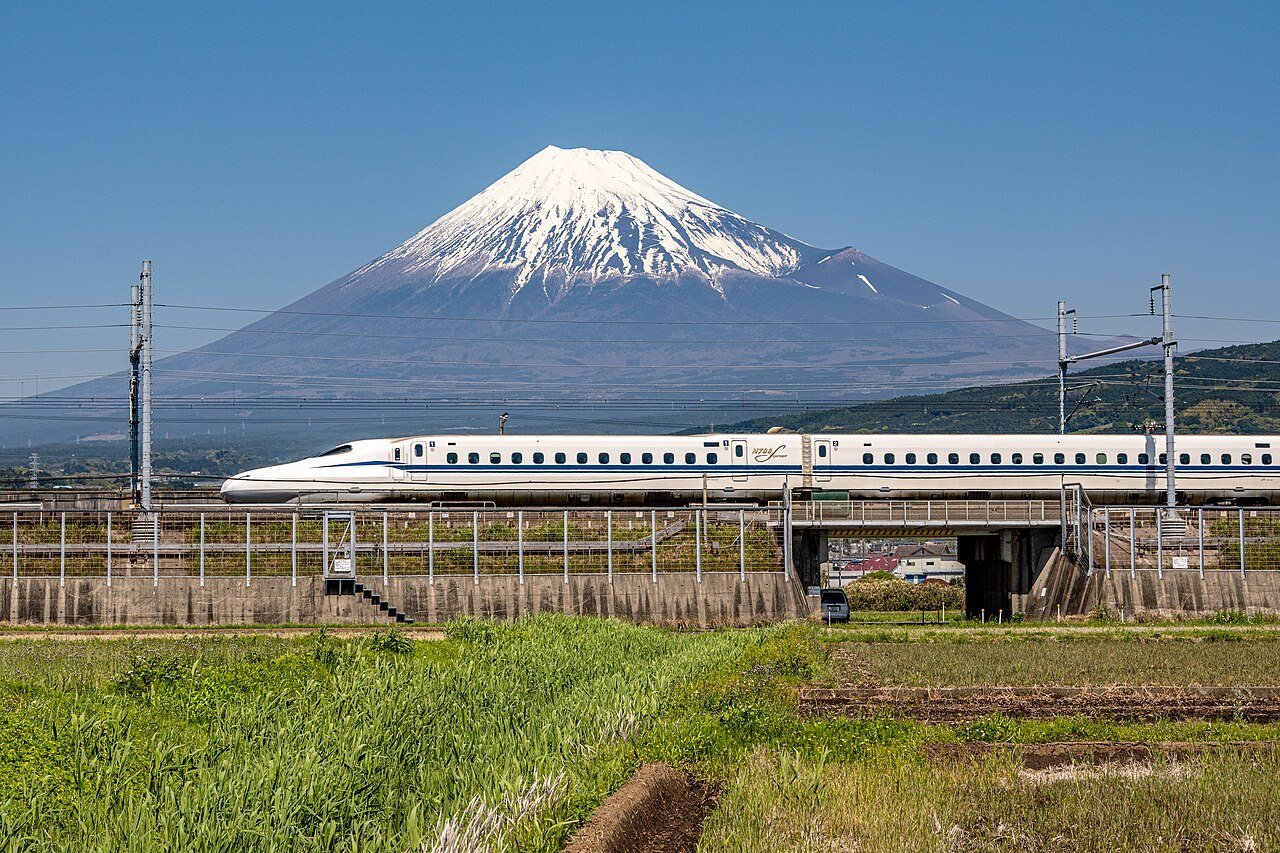
Quick answer: Bento (弁当) is a single-portion Japanese meal packed in a box, usually rice plus several small side dishes, made to be eaten at room temperature. As a traveller, the best places to buy one are station ekiben shops (for example Ekibenya Matsuri inside Tokyo Station), department store food halls (depachika) such as Isetan Shinjuku or Daimaru Tokyo, and convenience stores. Eating a bento on the shinkansen is completely normal; eating while walking down the street is not.
What is a bento?
In Japanese, bento simply means a portable meal, and by extension the box it comes in. The word is usually written 弁当, and its origin is not settled. The most widely repeated explanation is that it comes from a Southern Song Chinese slang term, 便當 (biandang), meaning “convenient”. Japanese sources also mention a folk etymology linking it to the idea of distributing food portions to a crowd in the Sengoku era, and some dictionaries suggest other routes. Treat any single “true origin” story with caution.
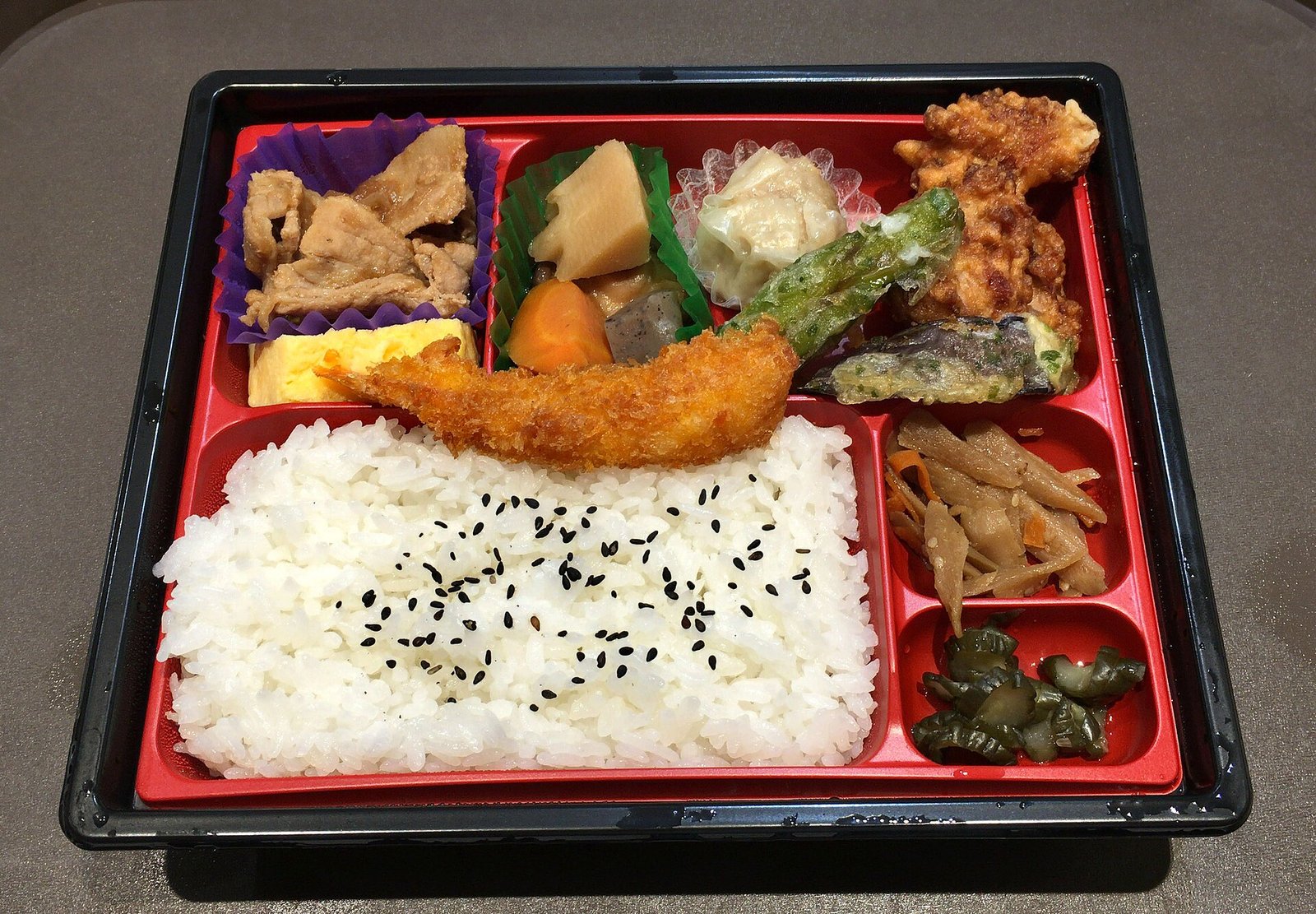
What makes a bento a bento is less the box than the logic: food that tastes good cold, holds its shape, does not leak, and looks appealing when the lid comes off. That is why you see grilled fish, tamagoyaki (rolled omelette), simmered vegetables, fried chicken and pickles again and again, and rarely anything soupy.
A short history of bento
Portable rice is very old in Japan. Japan’s Ministry of Agriculture, Forestry and Fisheries (MAFF) points to tonjiki (屯食), balls of steamed rice handed to lower-ranking attendants at aristocratic banquets, which appear in The Tale of Genji in the Heian period and are often described as an ancestor of onigiri.
The Edo period gave us the makunouchi bento. Kabuki performances ran from morning to evening, and MAFF describes the makunouchi box as the meal ordinary theatregoers ate during the breaks between acts; the late-Edo encyclopaedia Morisada Manko records contents such as small rice balls, konnyaku, grilled tofu, simmered kanpyo and taro, kamaboko and tamagoyaki. The popular “named after the intermission” story is not universally accepted, though: older dictionaries record alternative explanations involving sumo or backstage actors, and at least one recent Japanese book on bento history argues the intermission story is a myth. It is fair to say the name is linked to the theatre world, but the exact origin is debated.
Railways created the ekiben (station bento). The most commonly cited “first ekiben” was sold at Utsunomiya Station in 1885, when the line from Omiya opened: two rice balls with umeboshi, rolled in black sesame, plus slices of takuan, wrapped in bamboo sheath. JR East repeats this story and 16 July is marketed as “Ekiben Day”. But historians note rival claims for Kobe, Osaka, Nagahama, Ueno and Kumagaya stations, some earlier than 1885, and many records were lost to earthquakes and war, so Utsunomiya is best described as the traditional claimant rather than a proven first. A two-tier makunouchi-style ekiben is said to have appeared at Himeji Station in 1889.
The 20th century added the takeaway bento shop (Hokka Hokka Tei, which opened its first store in Soka, Saitama in 1976, is often called the originator of hot takeaway “hoka-ben” and nori-ben), then the convenience-store bento that now feeds much of urban Japan.
The main types of bento
Here are the styles you are most likely to hear about or buy. The table summarises them; the notes below add context.
| Type | What it is | Where you find it |
|---|---|---|
| Makunouchi | Rice (often in small cylinders) plus a wide assortment of small sides: grilled fish, egg, simmered vegetables, pickles | Stations, depachika, convenience stores |
| Shokado | Formal bento in a lacquered box divided into four by a cross-shaped partition | Restaurants and ryotei, often as a lunch set |
| Ekiben | Station bento, usually featuring regional specialities and local packaging | Station shops and kiosks |
| Sora-ben | Airport bento, the air-travel spin-off of ekiben | Airport shops such as at Haneda |
| Kyaraben / charaben | “Character bento” with food shaped into characters, animals or scenes | Mostly homemade, especially for children |
| Nori-ben | Rice topped with soy-seasoned bonito flakes and a sheet of nori, often with fried fish or chikuwa | Takeaway bento chains, convenience stores, home |
| Hinomaru | Plain white rice with a single red umeboshi in the middle, like the national flag | Mostly symbolic or nostalgic today |
| Home bento (aisai, kids’) | Everyday lunches packed by family members; aisai bento means a lunch made by a loving wife | Home, school and office |
| Konbini / hoka-ben | Ready-made boxes from convenience stores and takeaway chains, often reheated in store | 7-Eleven, FamilyMart, Lawson, Hokka Hokka Tei and others |
| Hanami bento | Picnic bento for cherry blossom viewing, often in stacked boxes for sharing | Home, depachika in spring |
| Jubako / osechi | Stacked lacquered boxes; osechi is the New Year feast packed in them | Home, department store pre-orders for New Year |
Makunouchi and shokado
Makunouchi is the all-rounder: a little of everything, which is why it is the default choice when you cannot decide. Shokado bento is the elegant cousin. It is named after the Edo-period monk and artist Shokado Shojo, whose four-compartment box inspired Teiichi Yuki, founder of the Osaka restaurant Kitcho, to adapt it for serving food in the 1930s. The partitions keep flavours and juices apart, which is why shokado is common as a lunch at kaiseki restaurants. If you enjoy that style, our guide to Kyoto kaiseki ryori goes deeper.
Ekiben and sora-ben
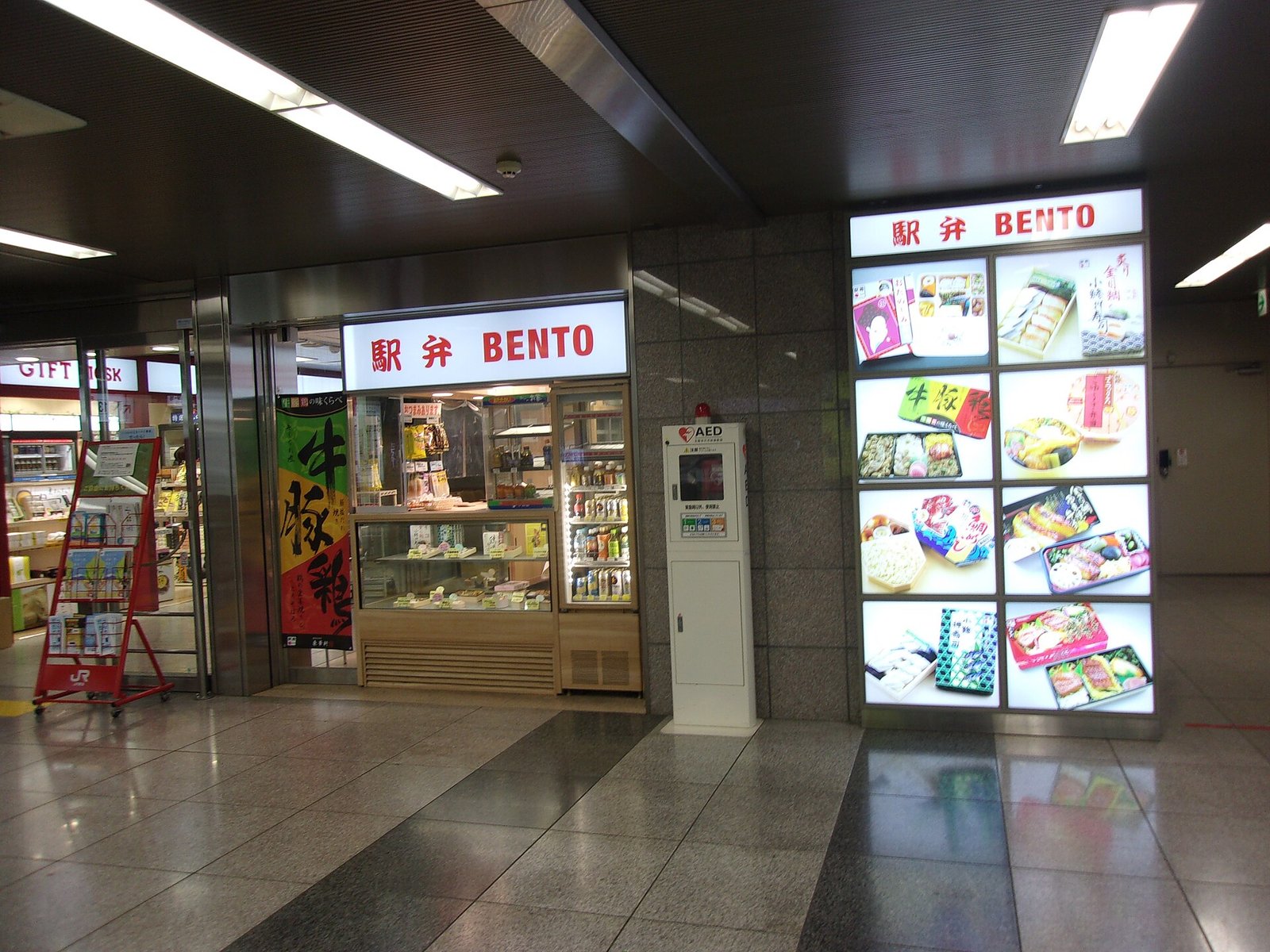
Ekiben are the bento most travellers fall for. Each region competes to put its speciality in a box: crab and salmon roe in Hokkaido, beef in Yamagata or Kobe, kamameshi in a ceramic pot from Yokokawa, and so on. Many come in collectable containers. Sora-ben are the airport version; Haneda has dedicated shops, one of which lists around 110 varieties.
Kyaraben, aisai and kids’ bento
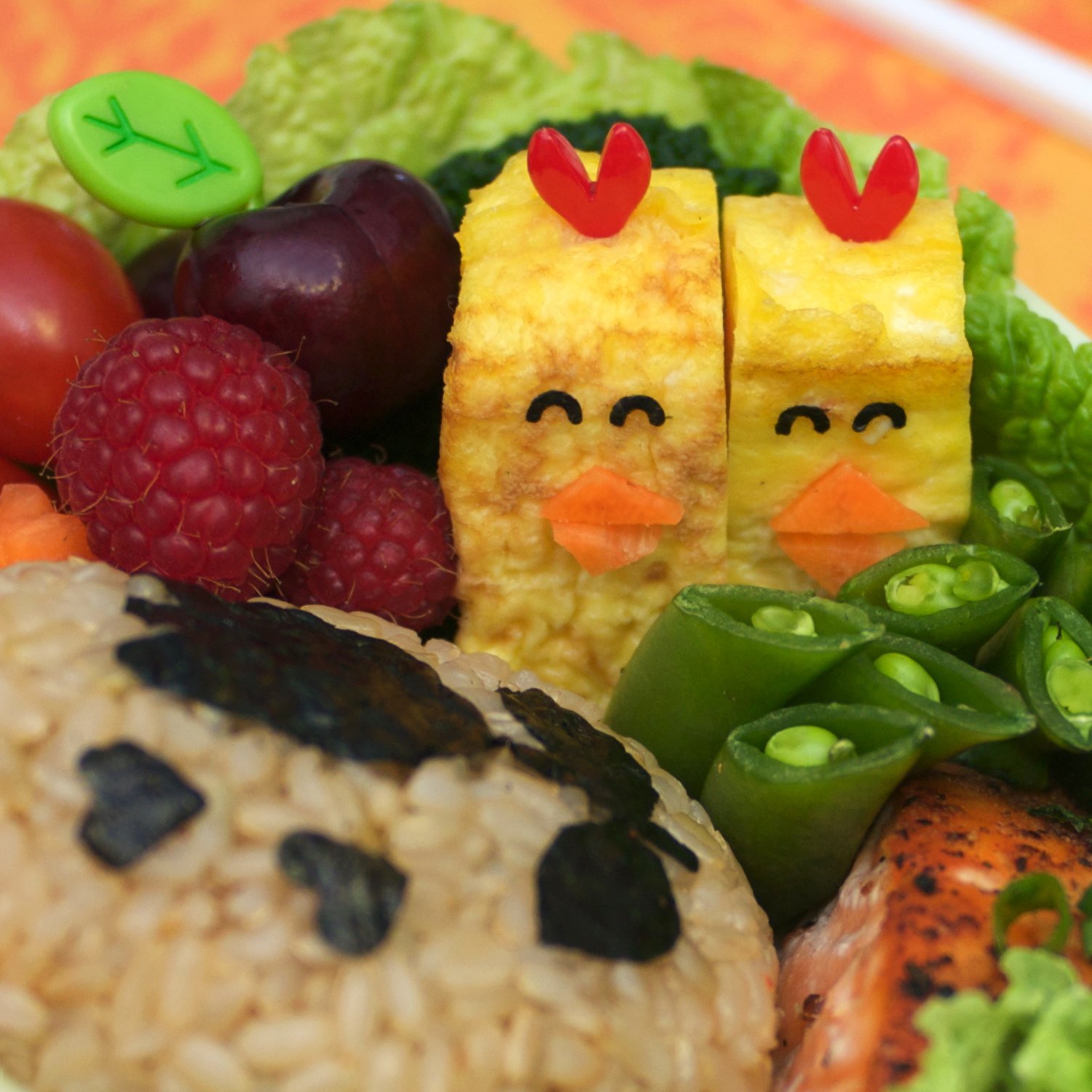
Kyaraben (also written charaben) are the cute bento you see on Instagram: rice shaped into pandas, nori cut into faces, sausages turned into octopuses. They are usually said to have started as a way for parents to make lunch fun for fussy children. Aisai bento (愛妻弊当) means a lunch made with love by a wife; it is a common phrase, if a slightly old-fashioned one, and today plenty of people pack bento for partners, children or themselves.
Nori-ben, hinomaru and hoka-ben
Nori-ben is the humble classic: rice, a layer of okaka (bonito flakes in soy), a sheet of nori, and usually a piece of fried white fish on top. It is cheap, filling and the best-seller at many takeaway shops. Hinomaru bento, plain rice with one umeboshi, is associated with wartime frugality, especially the monthly Koa Hokobi austerity days introduced in 1939; today it is mostly a nostalgic or joking reference.
Hanami bento, jubako and osechi
Spring brings hanami bento, packed for sharing under the cherry blossoms, often in a jubako, a set of stacked boxes. Jubako are best known for osechi, the New Year food; stacking the layers is said to symbolise piling up good fortune. Traditionally there were five tiers, but three is common today. If you are planning a blossom picnic, see our hanami guide.
What goes into a bento (and the ratio rules)
A typical bento has a staple (usually rice, sometimes onigiri or noodles), a main protein (fish, meat, egg or tofu), vegetable sides and a small accent such as pickles or fruit. You will often see ratio “rules”, but they vary depending on who you ask:
- 4:3:2:1 (rice : protein : vegetables : pickles or a treat) is the ratio most often cited in English-language bento guides.
- 4:2:1 (rice : protein : everything else) is described as the traditional ratio by Makiko Itoh of Just Bento, who notes nutritionists often suggest 3:2:1 for lighter eating.
- 3:1:2 (staple : main : vegetable sides) is the “3-1-2 bento box method” taught by Japanese city and prefectural health offices. Packed snugly, a box’s volume in ml roughly equals its calories in kcal, so a 600 ml box gives about 600 kcal.
None of these is an official rule. They are rough guides, and the useful takeaway is that rice and vegetables should take up more room than the fried items.
Colour matters too. Japanese cooks often aim for red, yellow, green, white and black or brown in one box (cherry tomato, tamagoyaki, broccoli, rice, nori or hijiki). It makes the box look appetising, and it usually makes it more balanced as well.
Bento food safety
Bento sits at room temperature for hours, so safety matters. MAFF’s bento guidance boils down to a few habits:
- Cool before packing. Let rice and sides cool to room temperature before closing the lid. Trapped steam turns to moisture, and bacteria grow faster in moisture.
- Drain liquids. Squeeze out sauces and juices, use dividers or cups, and put wet raw vegetables or cut fruit in a separate container.
- Reheat leftovers thoroughly. Food made the night before should be refrigerated, reheated until hot right through, then cooled again before packing.
- Keep it cool and eat early. Store the bento somewhere cool and use an ice pack or insulated bag for long days out.
- Clean box, clean hands. Remove and wash the lid gasket, dry the box well, and in the rainy season and summer consider disposable cups rather than reusable silicone ones.
Shop-bought ekiben are made with the same logic. They are designed to be eaten cold, so do not worry that they are not hot.
The box itself: magewappa, lacquer, plastic and steel
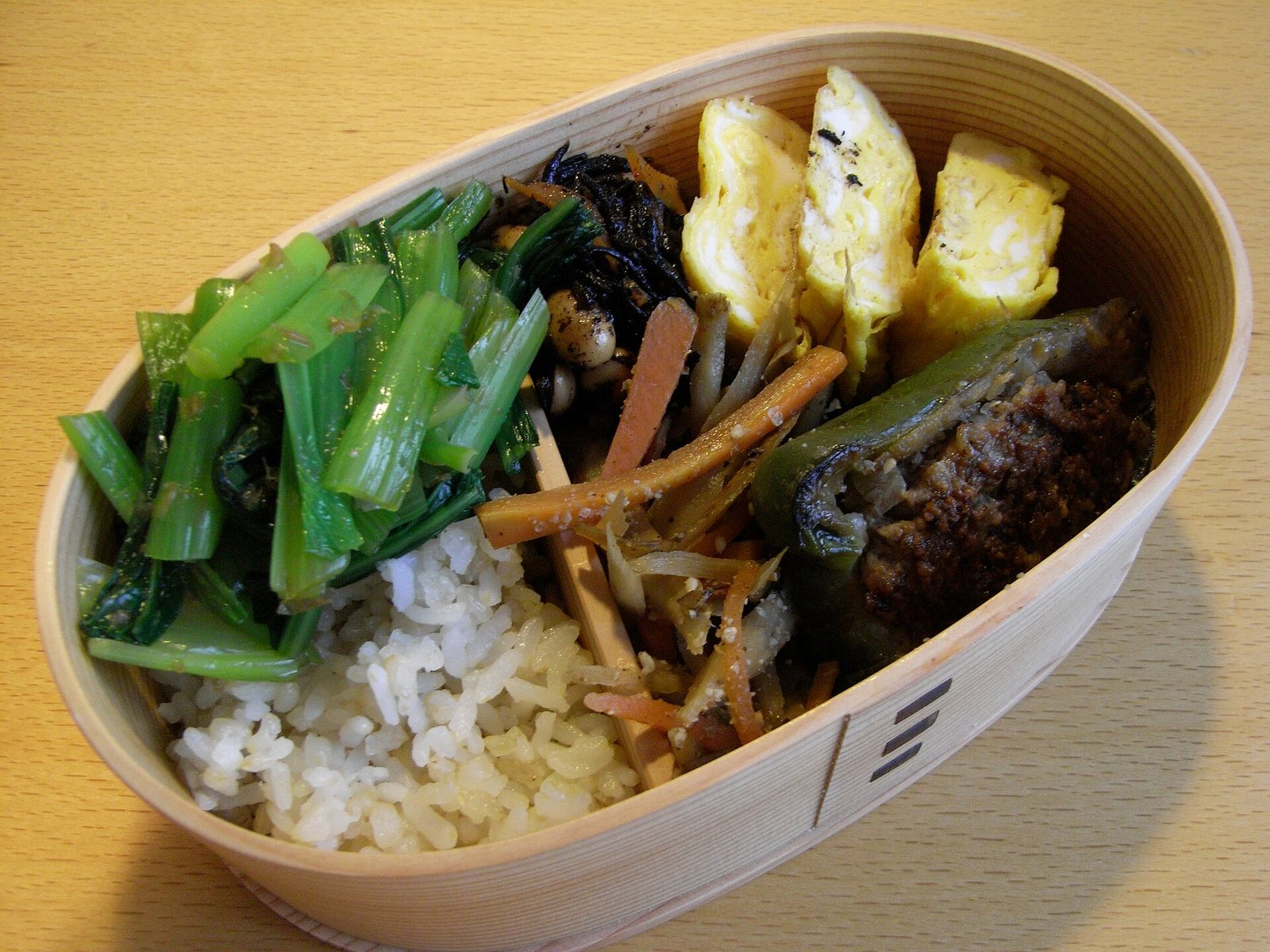
The most famous traditional box is the magewappa (曲げわっぱ), bentwood made from thin strips of cedar that are soaked in hot water, bent around a form, dried and stitched with cherry bark. Odate Magewappa from Akita Prefecture was designated a Traditional Craft of Japan by the national government in 1980 and is the only bentwood craft with that status. The unvarnished wood absorbs excess moisture from rice and adds a faint cedar scent, which is why people say rice tastes better in one. The trade-offs are that they are hand-wash only and not leakproof. Note that natural Akita cedar felling ended in 2013, so makers now source cedar from elsewhere in the Ou Mountains.
Lacquered boxes (urushi) are the formal choice for shokado and jubako. Everyday bento boxes in Japan are mostly plastic, often with microwave-safe bases and sealed lids, while stainless steel is popular for durability and is easy to keep hygienic, though it cannot go in the microwave.
If you want a practical everyday box, the Bentgo Classic is a sensible, widely sold stackable plastic option with compartments and a strap.
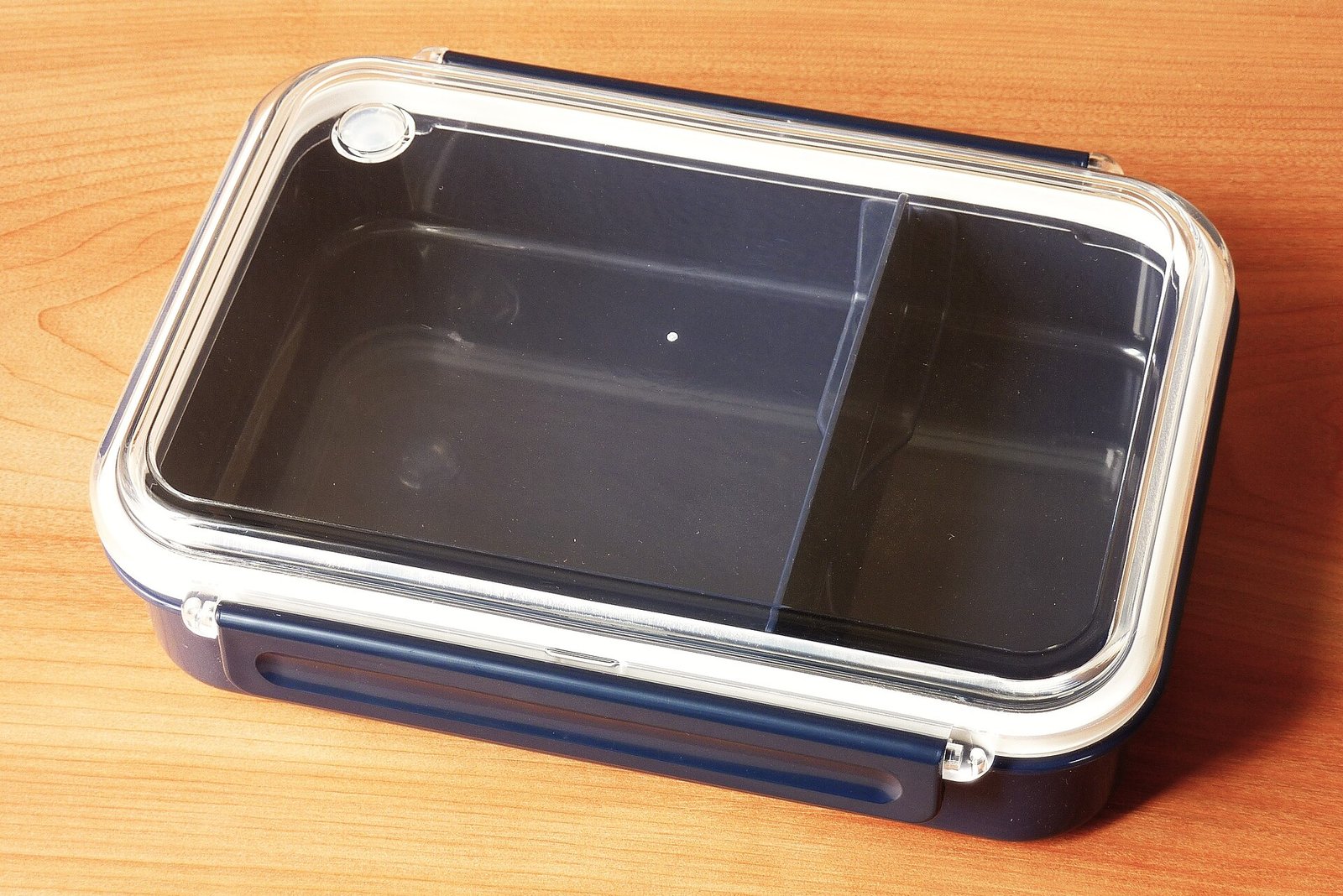
Plastic bento box (item type, not the exact product). Photo: Quercus acuta, CC BY-SA 4.0, via Wikimedia Commons
Bentgo Classic stackable bento box
Stackable plastic bento with three compartments and a strap – an easy everyday lunch box.
Check price on AmazonFor a real Odate-made bentwood box, this small Akita cedar magewappa is a lovely piece, though expect to pay craft prices and to hand-wash it.

Magewappa boxes (item type, not the exact product). Photo: sota (Flickr), CC BY-SA 2.0, via Wikimedia Commons
Akita cedar magewappa bento box (small), made in Japan
Handmade Odate-style bentwood box in Akita cedar that absorbs moisture from rice. Hand-wash only.
Check price on AmazonHow to make a bento at home
- Pick the box size. Around 500 to 700 ml suits most adults; use the 3-1-2 method above as a rough calorie guide.
- Cook or prep the night before. Make tamagoyaki, grill fish or chicken, blanch vegetables. Refrigerate everything.
- Reheat and cool. In the morning, reheat cooked items thoroughly, then spread them on a plate to cool.
- Pack the rice first. Fill one side or roughly half the box with cooled rice or onigiri.
- Add the main. Place the protein next to the rice, using a divider or a lettuce leaf to keep juices away.
- Fill gaps with vegetables. Tuck in broccoli, cherry tomatoes, simmered carrots, spinach goma-ae. Pack tightly so nothing shifts.
- Finish with an accent. A few pickles, an umeboshi or furikake on the rice.
- Close only when cool. Then keep it in a cool place or with an ice pack until lunch.
For recipes and technique, Makiko Itoh’s book is still one of the best English-language bento guides, with practical make-ahead advice rather than just cute designs.

Paperback books (item type, not the exact product). Photo: Ginny (Flickr), CC BY-SA 2.0, via Wikimedia Commons
The Just Bento Cookbook by Makiko Itoh
Practical English-language bento cookbook with make-ahead tips from the Just Bento blog.
Check price on AmazonWhere to buy bento in Japan
This is where bento really shines for travellers. On our trips we often grab a bento instead of hunting for a lunch spot, especially on travel days. Here are the best places to look.
Map: where to buy bento in Tokyo, Osaka and Kyoto
- Ekibenya Matsuri, Tokyo Station – Ekiben shop inside the ticket gates (Central Passage), with 150+ varieties from around Japan. Directions
- Daimaru Tokyo (B1 food floor) – Department store at Tokyo Station's Yaesu side, handy for bento before a shinkansen. Directions
- Isetan Shinjuku (B1 depachika) – One of Tokyo's best-known food halls for bento and deli dishes. Directions
- Keio Department Store Shinjuku – Hosts the big ekiben fair every January (running since 1966). Directions
- Shin-Osaka Station – Ekiben and bento shops inside the shinkansen gates for Tokaido/Sanyo trains. Directions
- Kyoto Station – Bento kiosks inside the shinkansen gates, plus depachika at the station buildings. Directions
Ekiben shops at major stations
Ekibenya Matsuri (Tokyo Station). The best-known ekiben shop in Japan sits in the Central Passage on the Marunouchi side of Tokyo Station, between the stairs to the Yamanote/Keihin-Tohoku platforms and the Ueno-Tokyo Line platforms. JR East says it stocks more than 150 ekiben from around the country (older articles say 200 or more) and opens 5:30 to 22:00 daily, though hours and range can change. Arrive early before a morning train; it gets busy.
Shin-Osaka Station. JR West’s food subsidiary runs “Tabi Bento Ekiben Nigiwai” shops, including one in Eki Marche Shin-Osaka and others around the station, while JR Central’s “Delica Station” kiosks inside the shinkansen gates sell Tokaido Shinkansen bento.
Kyoto Station. Inside the shinkansen gates, look for Delica Station, Grand Kiosk and kiosks selling Kyoto-themed bento. Lines can be long at peak times, so buy before you reach the platform.
If you are riding a lot of shinkansen, our Japan Rail Pass guide helps you work out whether a pass makes sense.
Depachika (department store food halls)
Depachika are the basement food floors of department stores, and they are bento heaven: kaiseki boxes, unagi, sushi, tonkatsu sandwiches, and seasonal specials. JNTO highlights:
- Isetan Shinjuku (main building B1): one of Tokyo’s most popular food halls, with frequent rotating regional food fairs.
- Daimaru Tokyo: right next to Tokyo Station’s Yaesu side, convenient before a shinkansen or Narita Express, with plenty of travel bento.
- Nihombashi Mitsukoshi and Matsuya Ginza: the latter is noted for its bento range.
Many depachika mark down bento and deli items in the last hour or so before closing, though this varies by store and is not guaranteed.
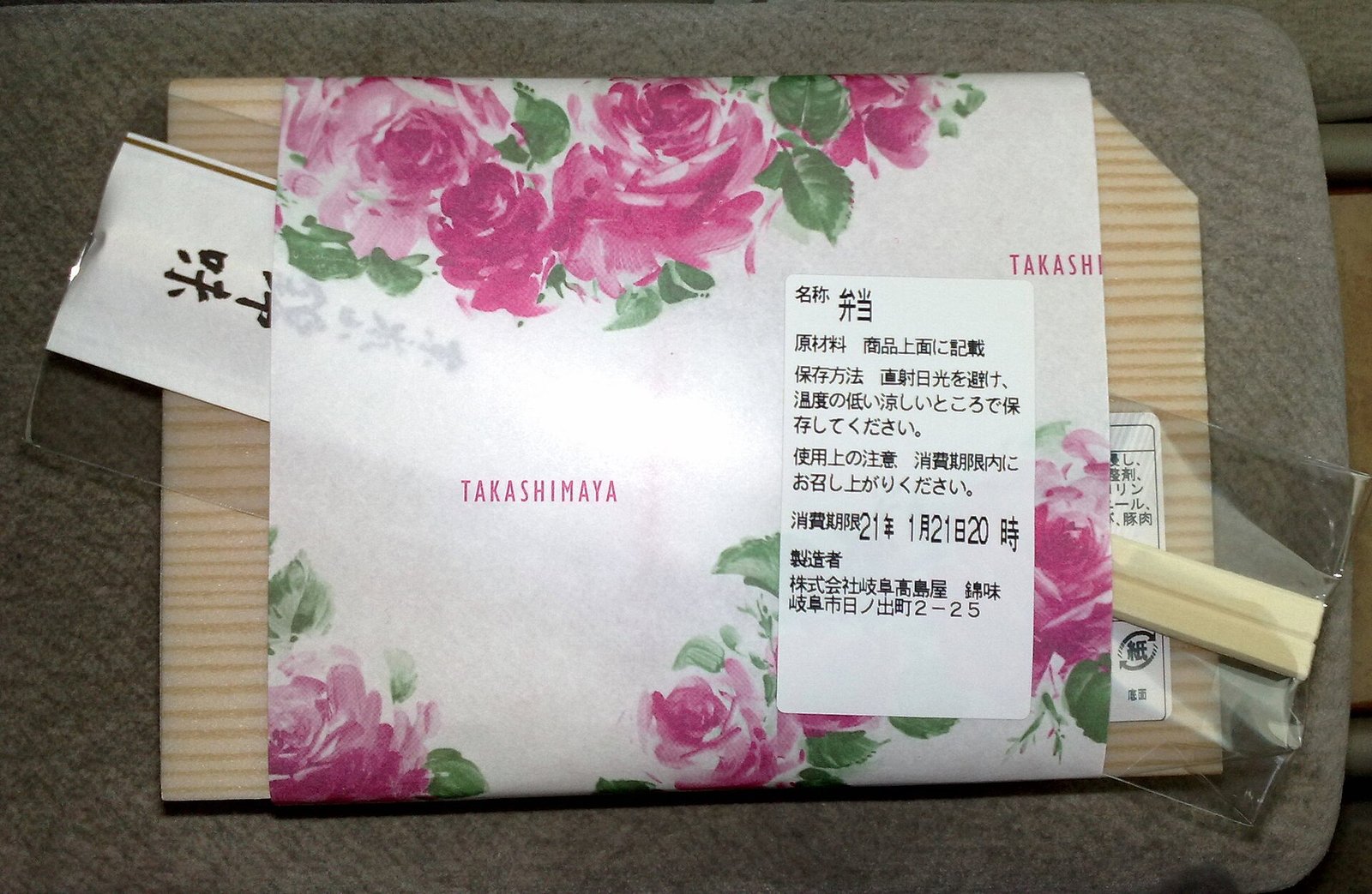
The Keio ekiben fair. Every January, Keio Department Store Shinjuku holds a famous ekiben fair, the “Ganso Yumei Ekiben to Zenkoku Umaimono Taikai”, running since 1966. The 2026 edition (the 61st) brought together around 380 ekiben varieties over about two weeks. If you are in Tokyo in early to mid January, it is worth the crowds; check Keio’s site for dates.
Convenience stores and takeaway chains
7-Eleven, FamilyMart and Lawson all sell surprisingly good bento, onigiri and sandwiches, and staff will offer to microwave a bento for you. They are open early, which helps when the depachika are still closed. Takeaway chains like Hokka Hokka Tei and Hotto Motto make bento fresh while you wait. For more budget ideas see our Tokyo cheap eats guide, and for the bigger picture our Tokyo food guide.
Bento etiquette for travellers
- Shinkansen and limited express trains: go ahead. Eating a bento at your seat on long-distance trains is completely normal; that is what the fold-down tray is for. Avoid very strong-smelling food.
- Local trains and subways: avoid it. Eating on crowded commuter trains is generally frowned upon.
- Do not eat while walking. JNTO notes it is considered impolite in most public places. Find a bench, park or eat-in area. Festivals and food markets are the exception.
- Take your rubbish with you. Public bins are scarce. On the shinkansen, use the bins between carriages; otherwise carry it to a konbini or station bin and separate as labelled.
- Say “itadakimasu”. A quiet “itadakimasu” before you eat is a nice touch.
FAQ
What does bento mean?
Bento means a packed single-portion meal, and also the box it comes in. The word is usually traced to a Southern Song Chinese slang term meaning “convenient”, although that is not the only theory.
Is bento eaten hot or cold?
Traditionally cold, at room temperature. Shop-bought bento and ekiben are designed to be eaten that way. Convenience stores and takeaway shops will heat a bento if you like.
What was the first ekiben?
The most commonly cited first ekiben was sold at Utsunomiya Station in 1885: two rice balls and takuan wrapped in bamboo sheath. Earlier claims exist for other stations, so the record is disputed.
Can I eat a bento on the shinkansen?
Yes. Eating on the shinkansen and other long-distance trains is normal and expected. Just take your rubbish with you or use the bins on board.
Where is the best place to buy ekiben in Tokyo?
Ekibenya Matsuri in Tokyo Station’s Central Passage has the biggest selection, more than 150 varieties. Daimaru Tokyo’s food floor next door is a good alternative.
What is the 4:3:2:1 bento ratio?
It is a commonly cited guide of four parts rice, three parts protein, two parts vegetables and one part pickles or a treat. Other versions exist, including 4:2:1 and the Japanese 3-1-2 method.
How do I keep a homemade bento safe?
Cool all food before closing the lid, drain sauces and juices, reheat leftovers thoroughly, and keep the bento cool with an ice pack if it will sit for hours.
What is a magewappa bento box?
It is a bentwood cedar box. The best-known kind is Odate Magewappa from Akita, a nationally designated Traditional Craft since 1980, prized because the wood absorbs moisture from rice.
Final thoughts
Whether it is a regional ekiben on the shinkansen, a depachika box on a park bench or a simple home-packed lunch, bento is one of the easiest ways to eat well in Japan. On your next long train ride, skip the restaurant hunt and pick a box from the region you are passing through.