
As an Amazon Associate, Chasing Cherry Blossoms earns from qualifying purchases. We may also earn from other affiliate links on this page at no extra cost to you.
Sakura Wars: The Epic Tale of Love, War, and Mecha in Japan’s Golden Age
I came to Japan for the cherry blossoms, but one of my favourite detours in Tokyo started with a video game. Sakura Wars (Sakura Taisen) is a Sega franchise that mixes mecha battles, romance and theatre in an alternate version of Japan’s Taisho era. It debuted in 1996 on the Sega Saturn. Nearly thirty years later it still shapes how many fans picture “old Tokyo”. Here’s what makes the series special, and how you can chase its atmosphere (and the real sakura) on a trip.
What Is Sakura Wars?
Sakura Wars follows a troupe of young women who perform on stage by day and, in secret, defend the capital from supernatural threats by night. They pilot steam-powered armored robots called koubu. The series blends turn-based tactical combat, visual-novel style storytelling and a relationship system that shapes how the story plays out. It later grew into anime, manga, stage shows and live concerts.
The Taisho Era: The Real “Golden Age” Behind the Game
The Taisho era ran from 1912 to 1926. It was a short, optimistic period of rapid urbanization, new technology, growing Western influence and a rising middle class. Cafés, department stores, cinemas and theatres flourished, and women’s roles in public life slowly began to change. That mood of modern glamour mixed with tradition is exactly what the game borrows. The first game’s story is set in the 12th year of its fictional Taisho era, around 1923.
The World of Sakura Wars
Teito, the alternate Tokyo
The games take place in “Teito”, an alternate-history Tokyo. Demonic forces known as kouma threaten the city, and the secret defenders hide behind the cover of a theatre company, the Imperial Combat Revue (Teikoku Kagekidan).
The characters
The first game’s hero is Ichiro Ogami, a young naval officer who joins the troupe. The heroines include Sakura Shinguji, a sword-wielding young woman from a samurai family; Sumire Kanzaki, the proud lead actress; and Maria Tachibana, a Russian-born, disciplined fighter. Each has her own personality and backstory. Note that the hero is usually a man, but the cast you grow close to is the troupe itself.
The koubu
The koubu are spirit-powered, steam-driven mecha, and each heroine’s machine reflects her personality. I’d rather not guess at specific model names here, so check the official game guides for the full roster.
How the Game Plays
Early entries combine grid-based, turn-based tactical battles with a dialogue system. In the original, you chose responses in timed conversations, and your choices shaped how close you got to each heroine and how the story ended. Battles reward you with growth for your units, while the relationship system affects your allies’ performance. Later entries in the series changed the battle format, with some going more action-oriented, so the exact mechanics vary by title.
Music and Legacy
The soundtrack mixes orchestral pieces with theatrical, J-pop-flavored songs. The best-known tune is the opening theme “Geki! Teikoku Kagekidan”, which is regularly performed at fan events and concerts. The series helped prove that story-driven games combining tactics with romance could reach a large audience, and its live-stage tradition is a big part of its identity.
Where to Play It Today
The series first appeared on the Sega Saturn, with sequels on the Dreamcast and PlayStation 2. A reboot, simply called Sakura Wars, arrived on the PlayStation 4 in December 2019 in Japan and April 2020 in the West. Availability of the older games, especially in English, changes often, so check current digital stores and re-release news before buying.
Travel Tips: Chasing Taisho Tokyo (and Real Sakura)
You can’t board a koubu, but you can get a feel for the era around Tokyo:
- Tokyo Station (Marunouchi side): the red-brick building dates from 1914, right in the Taisho period, and is a great starting point.
- Marunouchi and Hibiya: the area has historic theatres, including the Imperial Theatre, which shares its name with the game’s troupe. Check the theatre’s official site for current performances if you’d like to see a show.
- Asakusa and Ueno: older neighbourhoods with a retro, nostalgic atmosphere, perfect for wandering.
- Edo-Tokyo Open-Air Architectural Museum (Koganei): preserved historic buildings, including some from the early 20th century. Opening hours and admission fees change, so check the official site before you go.
When to see the cherry blossoms
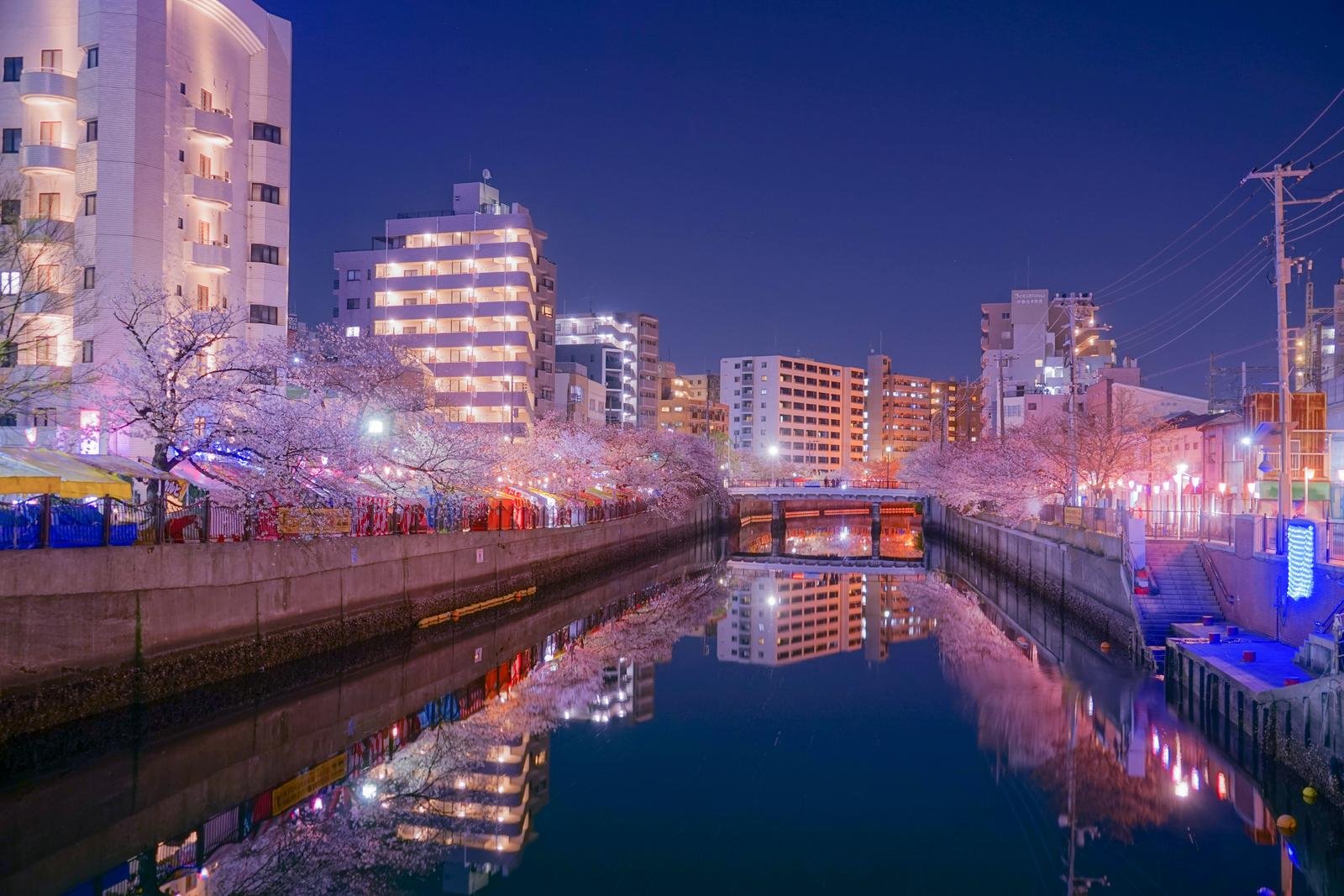
Tokyo’s blossoms usually open in late March and are at their fullest around the end of March to early April, though each year differs. Check the official forecast from about February. Ueno Park, Sumida Park near Asakusa, and Chidorigafuchi near the Imperial Palace are classic spots, and they pair nicely with the neighbourhoods above.
Budget and transport
- JR Pass: prices rose in October 2023. A 7-day ordinary pass is 50,000 JPY when bought on the official site (exchange orders from overseas agents cost slightly more, and Nozomi/Mizuho trains need an extra ticket). If you’re only staying in Tokyo, it’s usually not worth it, so compare it with individual tickets or a Suica/IC card.
- Hotels: sakura season is peak season in Tokyo, and prices rise sharply, so book early. Rooms near Tokyo Station or Ueno make for easy sightseeing.
- Staying connected: an eSIM is the easiest way to have maps and translation ready when you land. Bring a travel power adapter too if your devices use non-Japanese plugs.
FAQ
What is Sakura Wars?
A Japanese media franchise from Sega that began in 1996 with a game for the Sega Saturn. It combines tactical battles, romance and theatre, and has spawned anime, manga and stage shows.
Who are the main characters?
Ichiro Ogami is the hero of the first game. The troupe includes Sakura Shinguji, Sumire Kanzaki and Maria Tachibana, among others.
Do I need Japanese to play?
The original games were released only in Japanese. The 2019/2020 reboot has an official English release. Fan translations of older games exist, but I can’t speak to their quality.
Is Sakura Wars connected to cherry blossoms?
The heroine’s name, Sakura, means “cherry blossom”, and the flower is a recurring symbol in the series. It’s a fun excuse to visit Tokyo in spring.
When is the best time to see sakura in Tokyo?
Typically late March to early April. Check the latest forecast before you book flights and hotels.