
As an Amazon Associate, Chasing Cherry Blossoms earns from qualifying purchases. We may also earn from other affiliate links on this page at no extra cost to you.
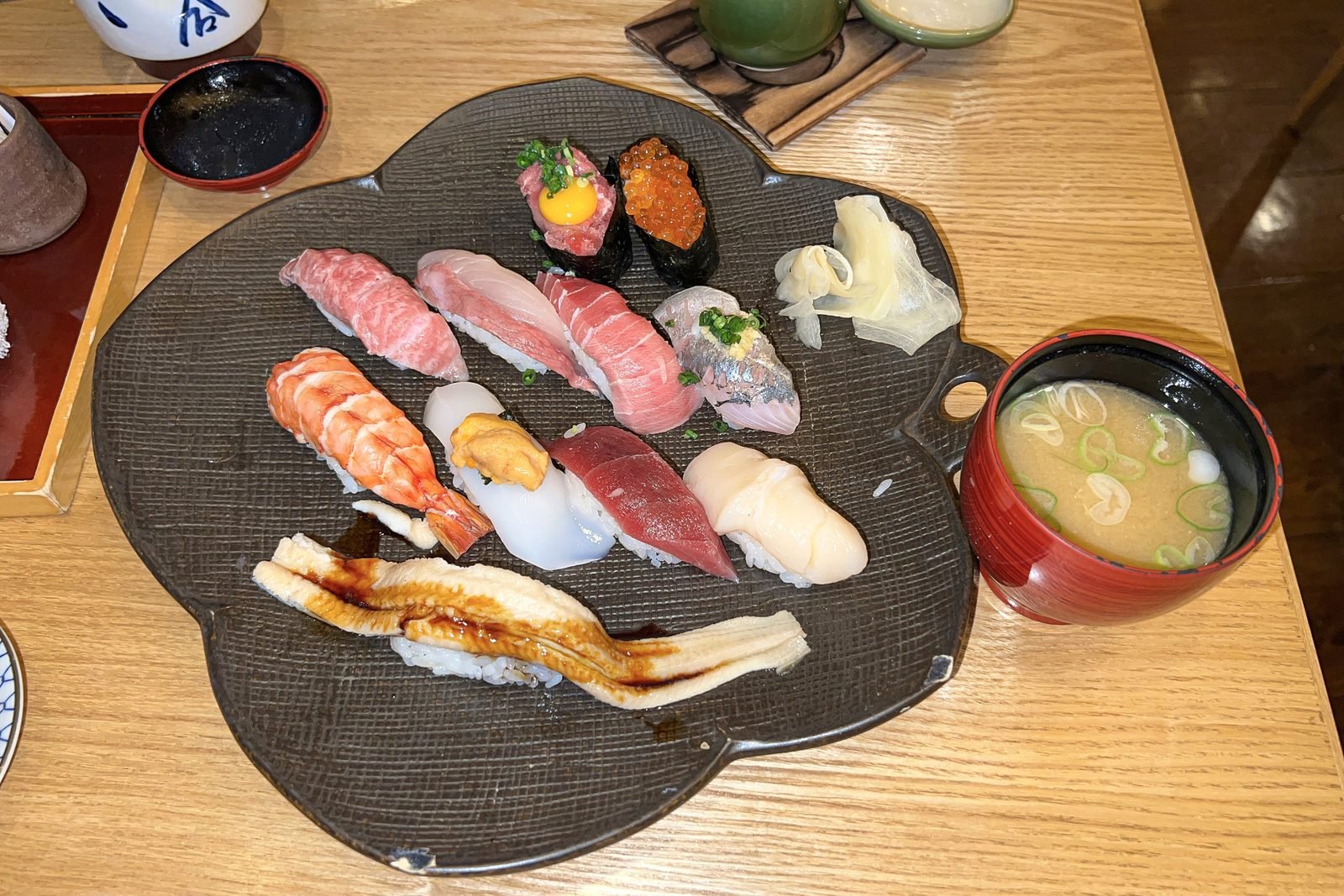
We plan our cherry blossom trips around food almost as much as around flowers. “Sakura” is one of the most common Japanese restaurant names in the world, so rather than review one branch, this guide covers what to order at any Japanese restaurant, and how eating out actually works once you are in Japan.
Quick answer: what to order
| If you want… | Order… | Good to know |
|---|---|---|
| The classic first sushi meal | Nigiri, or an omakase (chef’s choice) set | Ask for the set if you can’t read the menu |
| A cheap, filling dinner | Ramen | Often ordered at a ticket machine; many specialty shops now charge 1,000 yen or more |
| Something interactive | Teppanyaki or okonomiyaki | Teppanyaki courses are usually the priciest thing on the menu |
| Lunch on the move | A bento, or an ekiben on the train | Station kiosks sell regional ekiben |
| A drink with dinner | Sake (nihonshu), by the glass or a small flask | Ask for a recommendation by style, not grade |
| A spring treat | Sakura mochi or hanami dango | Mostly sold around March and April |
How ordering works in Japan
- Oshibori first. The wet towel you get when you sit down is for your hands, not the table.
- Ticket machines. Many ramen and casual noodle shops have a shokken-ki (食券機) by the door. Pay there and hand the ticket to the staff. Older machines are often cash only.
- Set meals. A teishoku (定食) is a main dish with rice, miso soup and pickles, and often good value at lunch.
- Otoshi at izakaya. That small dish you didn’t order at a Japanese pub is otoshi, a per-person cover charge, often a few hundred yen. It is normal, not a scam.
- No tipping. It isn’t expected, and cash left on the table may be handed back.
- Prices include tax. Since April 2021, shops must show tax-inclusive totals. Upscale places may add a service charge.
- Cash vs card. Cards and QR payments are common now, but many small places are cash only. Carry both.
- Reservations. Walk into most ramen, sushi-train and casual places. Book ahead for high-end sushi, kaiseki or teppanyaki.
Sushi: what to order and how to eat it
Sushi started as a way of preserving fish. Salted fish was packed in cooked rice and left to ferment for months, a style called narezushi that still survives as funazushi around Lake Biwa. The fresh, hand-pressed sushi most of us know grew up much later, in Edo-era Tokyo.
Types to know
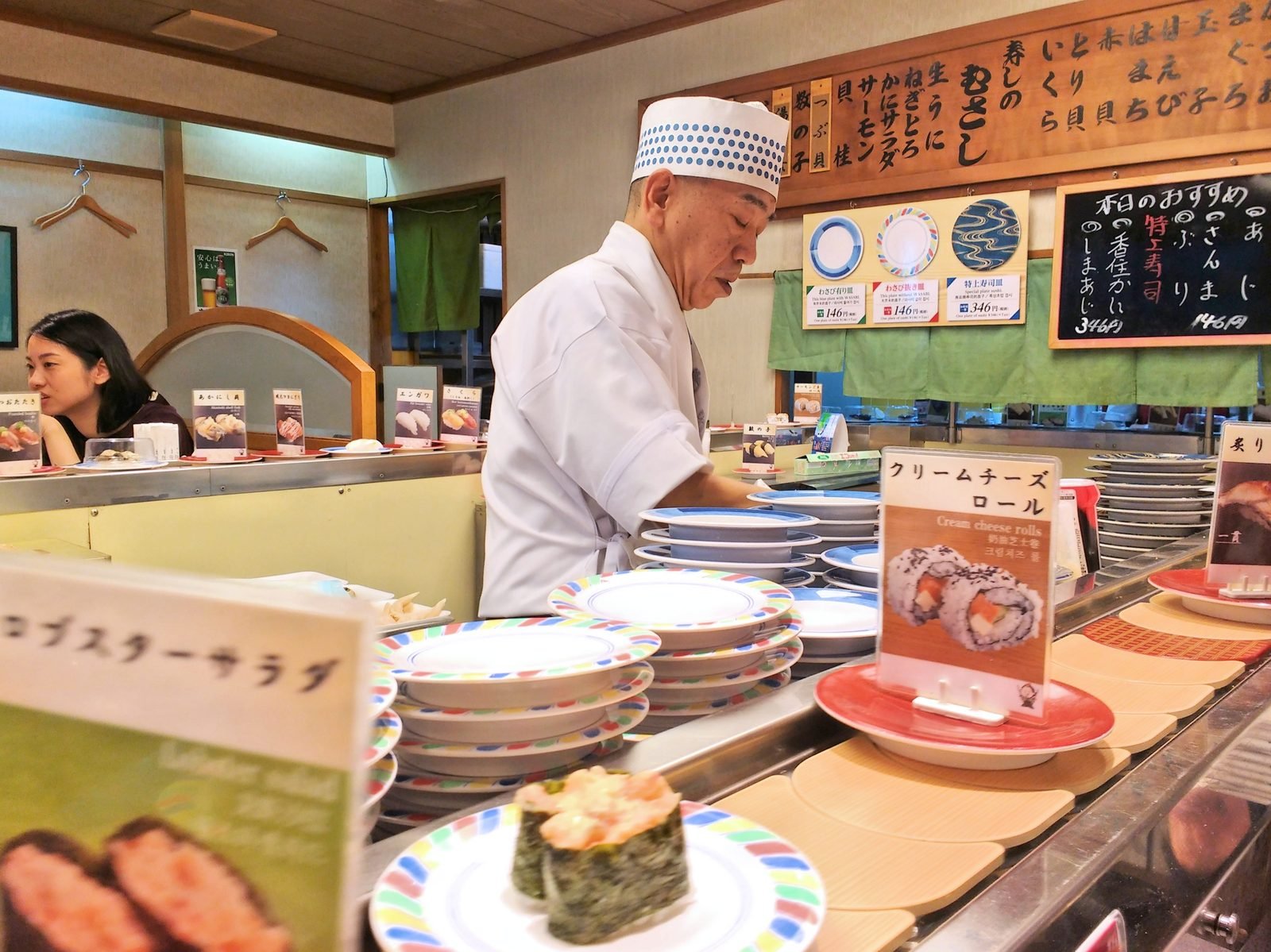
- Nigiri: a small pressed mound of rice topped with fish or seafood.
- Maki: rice and fillings rolled in nori seaweed and sliced.
- Temaki: a hand roll shaped like a cone, best eaten straight away while the nori is crisp.
- Sashimi: sliced raw fish with no rice. Not technically sushi, but on every sushi menu.
Sushi etiquette
Eating nigiri with your fingers is fine, and so are chopsticks. Turn the piece over and touch the fish side, not the rice, lightly into soy sauce. If the chef has already brushed on sauce, eat it as it comes. Pickled ginger (gari) is a palate cleanser between pieces, not a topping.
If you’d like to practise rolling maki at home after your trip, a basic bamboo mat set is all you need to start.
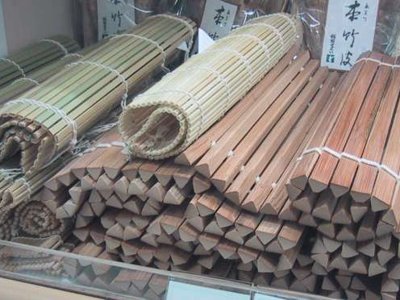
Bamboo sushi mats (item type, not the exact product). Photo: Chris 73, CC BY-SA 3.0, via Wikimedia Commons
Delamu Bamboo Sushi Making Kit
A beginner set with bamboo rolling mats for practising maki rolls at home.
Check price on AmazonRamen: broths, ticket machines and slurping
Ramen arrived from China. Early versions were sold as shina soba or chuka soba (“Chinese noodles”), and Rairaiken, a Cantonese restaurant that opened in Asakusa in 1910, is often credited with popularising it in Tokyo.
Broth styles
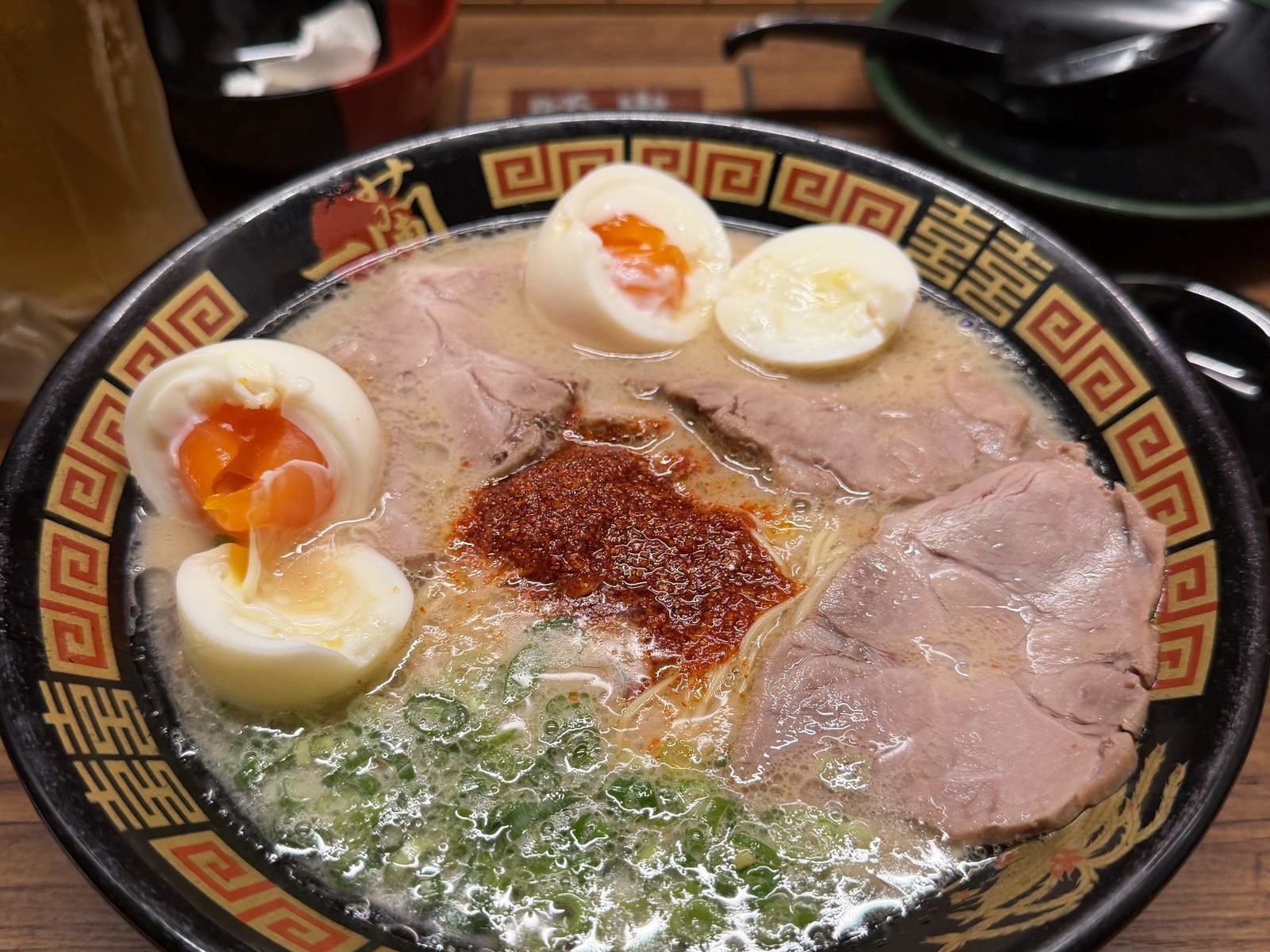
- Shoyu: soy-sauce based, clear and savoury. The classic Tokyo bowl.
- Shio: salt based, lighter and often clearer still.
- Miso: rich and robust, strongly associated with Sapporo.
- Tonkotsu: creamy pork-bone broth, the signature of Fukuoka and Kyushu.
Toppings like chashu pork, a soft-boiled egg, bamboo shoots and nori are usually extra buttons on the ticket machine. If you can’t read it, the top-left button is often the house standard.
Slurping is completely normal, and it cools the noodles. If there is a queue, don’t linger once you’re done.
On price: the government’s retail price survey put the national average for a basic bowl of chuka soba at 665 yen in January 2024, and costs have kept climbing since. Japanese media now talk about the “1,000 yen wall”, and at popular specialty shops in big cities, bowls at or above 1,000 yen are common.
For specific shops, see our guide to ramen in Tokyo.
Teppanyaki and griddle food
Teppanyaki is cooked on a flat iron griddle, often right in front of you: steak, seafood, vegetables and garlic rice. It is usually a course meal and one of the pricier ways to eat, especially with wagyu.
For a cheaper griddle meal, look for okonomiyaki, the savoury cabbage pancake. Osaka-style mixes everything into the batter, while Hiroshima-style layers it with noodles. We dig into the second in our Hiroshima okonomiyaki guide.
Bento and ekiben
A bento is a boxed meal: rice, a main such as grilled fish or fried chicken, and small sides and pickles. Department-store food halls and convenience stores sell them everywhere.
Ekiben are bento sold at train stations, often built around regional specialities, and they are one of our favourite parts of rail travel. JR East traces the first ekiben to Utsunomiya Station in 1885, when the offering was two rice balls and some pickled radish, though other stations have competing claims.
Eating on long-distance trains is normal; on crowded commuter trains, wait. There is more on box lunches in our Japanese bento box guide.
Sake: grades, ordering and pairing
In Japan, sake is usually called nihonshu (日本酒), because “sake” can mean alcohol in general. It is often translated as “rice wine”, but it is brewed more like beer: koji mould turns the starch in polished rice into sugar, and yeast ferments it at the same time.
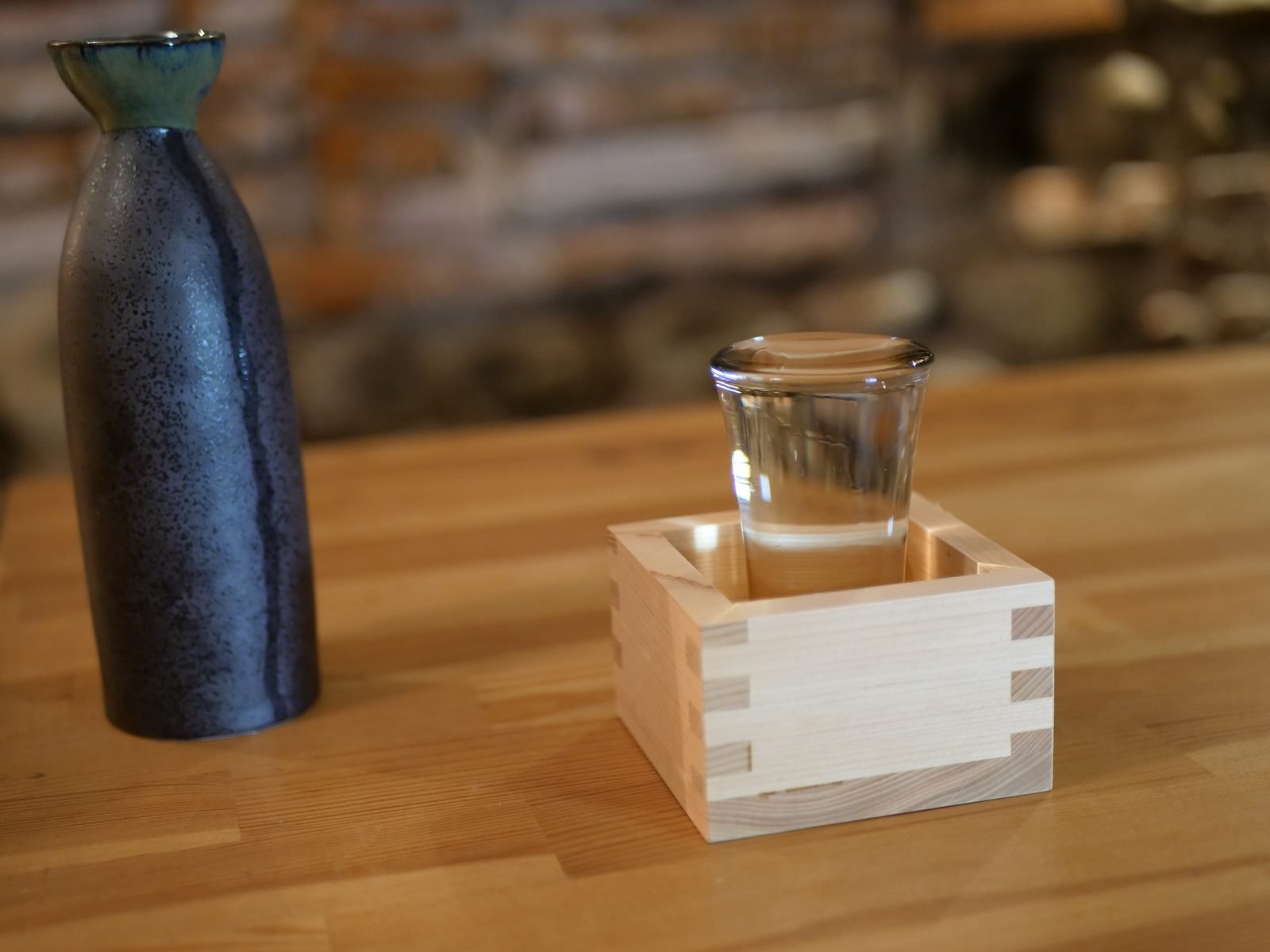
The grades on the label
Grades come from the National Tax Agency’s labelling standard. They mostly reflect how much the rice is polished and whether a little distilled alcohol is added.
- Junmai: rice, koji and water only, with no added alcohol. There is no minimum polishing level, so junmai can range from light to rich.
- Ginjo: rice polished to 60% or less of its original weight and brewed with the ginjo method. It is often fruity and aromatic. “Junmai ginjo” means no added alcohol.
- Daiginjo: polished to 50% or less. Usually the most delicate and fragrant, and usually the most expensive. “Junmai daiginjo” has no added alcohol.
- Honjozo: polished to 70% or less, with a small amount of added alcohol. Often light and easy to drink warm.
A higher grade means a different style, not necessarily a better drink.
How to order
Sake comes by the glass or in a small flask (tokkuri) with little cups (ochoko), chilled (reishu) or warm (atsukan). The easiest approach is to say whether you like dry (karakuchi) or sweeter (amakuchi) sake and let the staff choose.
As a loose rule, light, fragrant sake suits sushi and sashimi, while fuller junmai stands up to grilled and fried food.
If you want to serve sake the same way at home, a simple ceramic tokkuri and ochoko set makes it feel like an izakaya evening.
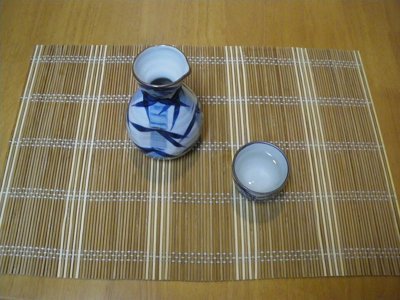
Tokkuri and sake cup (item type, not the exact product). Photo: Kentin, CC BY-SA 3.0, via Wikimedia Commons
Ceramic Sake Set (tokkuri + 4 ochoko)
A ceramic flask and four small cups for serving sake, warm or chilled, izakaya-style.
Check price on AmazonSweets and sakura-season specials
Japanese sweets lean on red bean paste, mochi and matcha, and they are generally less sugary than Western desserts. Easy wins include matcha ice cream, dorayaki (two pancakes sandwiching red bean paste) and taiyaki (fish-shaped cakes, usually filled with red bean).
In spring, things turn pink. Here’s what you’ll actually find during cherry blossom season.
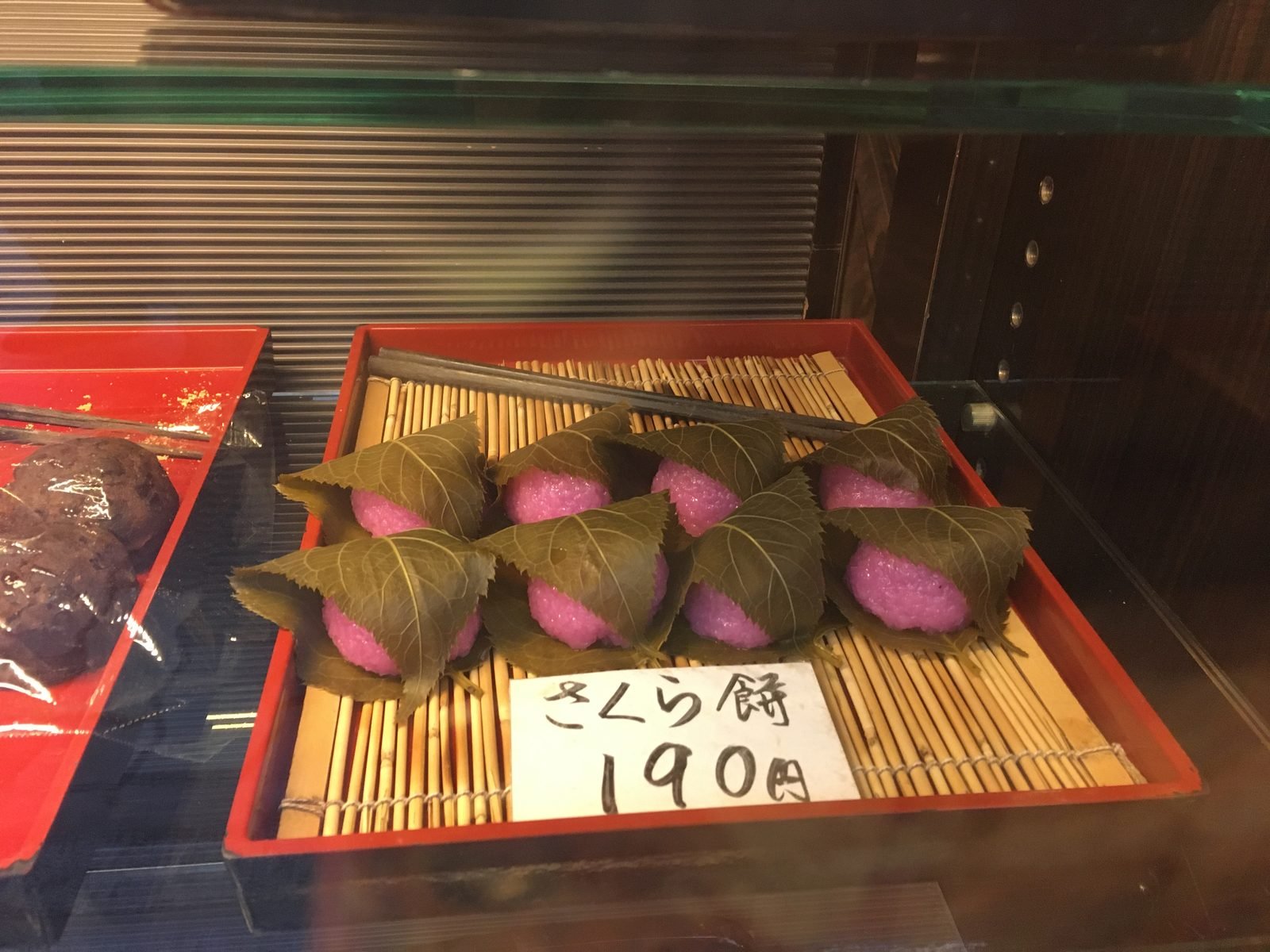
Sakura mochi
Sakura mochi is red bean paste wrapped in pink rice dough, then wrapped again in a salted cherry leaf. Salting the leaf creates its sweet, almond-like aroma. Eat it or peel it off, as you prefer.
There are two main styles:
- Chomeiji style (長命寺), often called Kanto-style. It uses a thin, crepe-like pancake rolled around the bean paste. It is traced to Chomeiji temple in Mukojima, Tokyo, in 1717.
- Domyoji style (道明寺), often called Kansai-style. It is made from domyoji-ko, steamed, dried and coarsely ground glutinous rice, so it has a bumpy, chewy texture. The name comes from Domyoji temple in Fujiidera, Osaka.
The “Tokyo vs Osaka” split is a handy shorthand, but it is not a strict rule, and many shops now sell both. Most of the salted leaves come from Oshima cherry trees, and the town of Matsuzaki on the Izu Peninsula is said to supply around 70% of them.
Hanami dango
Hanami dango are three rice dumplings on a skewer, coloured pink, white and green. One popular explanation is that the colours run from bud to full bloom to fresh leaves, but there are competing stories. The tale that they were invented for Toyotomi Hideyoshi’s famous Daigo cherry blossom party in 1598 has no firm evidence behind it.
Sakura drinks and hanami bento
From around February, cafes and convenience stores roll out limited sakura-flavoured drinks, sweets and snacks, and many vanish within weeks. Department stores also sell hanami bento, colourful picnic boxes for eating under the trees.
Timing varies by year. Tokyo’s normal flowering date, according to the Japan Meteorological Agency, is 24 March. If you want a whole meal built around the season, see our sakura buffet guide.
Vegetarian and vegan travellers: watch the dashi
Dashi, the stock behind miso soup, noodle broths, simmered dishes and many sauces, is usually made with katsuobushi (dried bonito flakes). Dishes that look vegetarian often aren’t.
- Safer bets include vegetable tempura (ask about the dipping sauce), cucumber or pickle maki, inari sushi and plain rice dishes, but always confirm.
- Kombu (kelp) and shiitake dashi are fully plant-based, but they are much less common, so ask for them specifically.
- Shojin ryori, the Buddhist temple cuisine, is traditionally vegetarian. Kyoto is the easiest place to find it.
- Carry a written note in Japanese, such as “肉・魚・出汁を食べられません” (I can’t eat meat, fish or dashi), and show it when you order.
Back home, a good Japanese home-cooking book helps you get the hang of making dashi yourself. Sonoko Sakai’s book starts with pantry basics, dashi included.

Books (item type, not the exact product). Photo: Alexander Grey, CC0, via Wikimedia Commons
Japanese Home Cooking by Sonoko Sakai
A home-cooking book that starts with pantry basics, including how to make dashi.
Check price on AmazonFAQ
Is “Sakura Japanese Restaurant” one specific restaurant?
No. Many unrelated restaurants around the world use the name, most of them outside Japan, so check the listing for the one near you.
Do I need to tip at restaurants in Japan?
No. Tipping is not expected. Some upscale restaurants and hotels add a service charge to the bill, and izakaya may charge a small otoshi cover per person.
How much does ramen cost in Japan now?
A basic bowl averaged 665 yen nationally in January 2024, according to the government’s retail price survey, and prices have kept rising. At specialty shops in big cities, expect 1,000 yen or more for a bowl with toppings.
When can I find sakura mochi?
Mainly from late winter through spring. It is also eaten around Hinamatsuri (3 March) and during cherry blossom season. Wagashi shops and supermarkets carry it then.
Comment (1)