
Disclosure: this post may contain affiliate links. If you buy through them, Chasing Cherry Blossoms may earn a commission at no extra cost to you. Affiliate disclosure.
Tokyo Foodie Guide: Top Restaurants to Satisfy Your Cravings in Japan’s Capital
Tokyo is, hands down, the best place I’ve ever eaten. Whether you’re after a quiet counter with a master sushi chef, a steaming bowl of ramen at midnight, or a skewer of yakitori eaten standing up under the train tracks, the city has it. In this guide I’ll share my favorite kinds of meals, a few well-known restaurants to put on your list, and the practical tips I wish I’d known on my first visit.
A quick note: restaurant prices, hours, menus and Michelin ratings change often, so please double-check each place’s official page or booking site before you go.
Japanese Cuisine: A Brief Overview
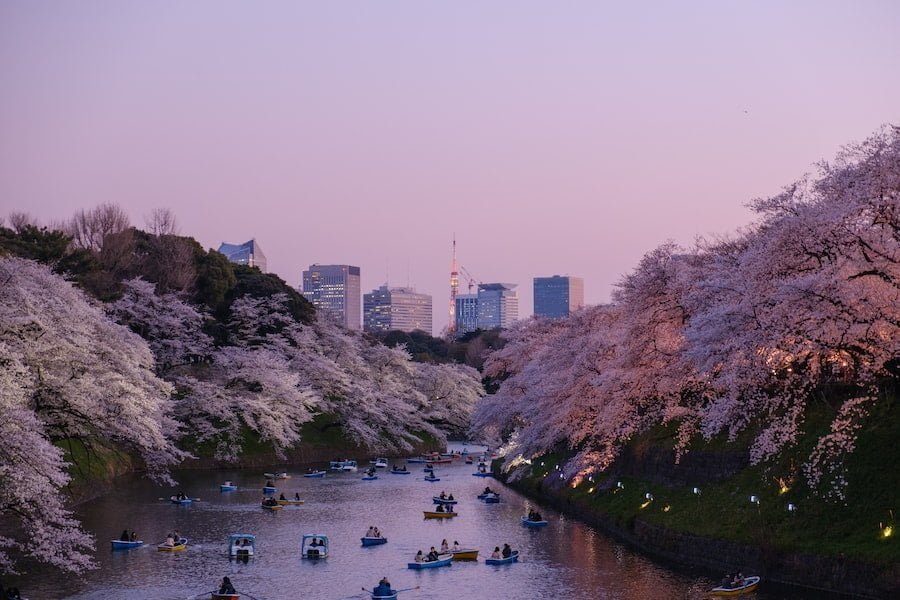
Japanese cooking is built around seasonality and freshness. Menus change with the months, so the same restaurant can taste completely different in spring and in autumn. If you visit during cherry blossom season (Tokyo’s blooms usually peak from late March to early April, though the exact dates shift a little each year, so check the forecast closer to your trip), look out for sakura-themed sweets and spring ingredients like bamboo shoots.
Core ingredients include rice, seafood, tofu and vegetables, prepared by grilling, steaming, simmering and frying. Presentation matters just as much as flavor, and even a humble set lunch usually arrives beautifully arranged.
Top Sushi Restaurants in Tokyo
Sushi is the dish most people dream about before arriving in Japan. Tokyo’s high-end counters offer an unforgettable experience, but they’re also expensive and hard to book.
Splurge-Worthy Sushi
Sukiyabashi Jiro is the famous Ginza counter of Jiro Ono, made world-famous by the documentary Jiro Dreams of Sushi. It has long held Michelin stars, though its main Ginza restaurant was left out of the Michelin Guide Tokyo from 2020 because it doesn’t take reservations from the general public. Reservations are extremely difficult for visitors, and it is one of the most expensive sushi meals in the city; check the restaurant for current prices. Sushi Saito is another legendary name run by chef Takashi Saito, known for traditional sushi of exceptional quality. It was also left out of the 2020 guide for the same reason, and it is notoriously hard to get into.
If you want to try one of these, ask your hotel concierge or use a reputable booking service well in advance, and expect to pay a cancellation fee if your plans change.
Budget-Friendly Sushi
You don’t need a three-star budget to enjoy great sushi. Conveyor-belt (kaiten) restaurants are among the cheapest ways to eat sushi, with plates priced individually, and a standing sushi bar or lunch set is usually far cheaper than a sit-down dinner; check menus for current prices. Lunch is almost always the better value than dinner at higher-end places.
Best Ramen Joints in the City
Ramen is Tokyo’s comfort food: wheat noodles in a rich broth, topped with sliced pork, green onions and a soft-boiled egg. A bowl is usually inexpensive, which makes it one of the best deals in the city; check menus for current prices. For more shops and ordering tips, see my guide to the best ramen in Tokyo.
- Ichiran is famous for its creamy tonkotsu (pork bone) broth and its solo “flavor concentration booths.” You fill in a form to customize noodle firmness, richness, garlic and spice. It’s a great first-timer option and has several branches around Tokyo, with many open late; check your branch’s hours.
- Afuri is known for its light, citrusy yuzu shio ramen. If heavy pork broth isn’t your thing, this is a refreshing alternative.
Most ramen shops use a ticket vending machine: pick your bowl, pay, and hand the ticket to the staff. Many machines have photos, and some have English buttons.
Exploring the World of Tempura in Tokyo
Tempura, battered and deep-fried seafood and vegetables, is traditionally said to have been introduced to Japan by Portuguese traders and missionaries in the 16th century. In Tokyo it’s an art form, and a good tempura meal is light, crisp and never greasy.
Tempura Kondo is a high-end counter famous for its delicate batter and its sweet potato, and it’s very hard to book. Tsunahachi, a Shinjuku institution that has been serving tempura since 1924, is a more approachable choice, with set meals that are friendlier on the wallet. Seasonal items can include sea urchin and shirako (fish milt), which is an acquired taste.
Must-Try Street Food in Tokyo
Tokyo’s street food is an adventure in itself, and most snacks cost just a few hundred yen.
- Takoyaki: hot, crispy-outside, gooey-inside octopus balls topped with sauce, mayonnaise and bonito flakes. Let them cool a minute before biting in!
- Yakitori: skewers of grilled chicken, seasoned with salt or a sweet-savory tare sauce. Look for the tiny smoky bars near big stations, such as the alleys by Yurakucho.
- Sweet treats: taiyaki (fish-shaped cakes filled with red bean or custard) and crepes in Harajuku are perfect for strolling.
One etiquette note: it’s customary to finish your snack at or near the stall rather than walking while eating, especially in busy markets. Many places have a small eating area or a bin nearby.
Top-Notch Fine Dining Experiences
Tokyo has more Michelin-starred restaurants than any other city in the world, and many blend traditional technique with modern creativity.
Ryugin, led by chef Seiji Yamamoto, is known for modern interpretations of kaiseki, the multi-course Japanese haute cuisine. Narisawa, from chef Yoshihiro Narisawa, is celebrated for its focus on sustainability and local ingredients. Both have earned major international recognition, but star ratings and rankings shift from year to year. Expect dinner tasting menus to be a major splurge, and book as early as the restaurant allows.
If you’d like to experience a few of Tokyo’s best-known spots without the planning stress, a guided food tour is a good option. Look for small-group tours led by local guides, and check what’s included before booking.
Vegetarian and Vegan Options in Tokyo
Japan is famously seafood-centric (even many vegetable dishes use dashi fish stock), but Tokyo has become much easier for vegetarians and vegans in recent years.
- T’s Tantan serves vegan ramen, including options with soy-milk-based broth, and has been popular with travelers for years. It’s located inside Tokyo Station, on Keiyo Street within the ticket gates, which makes it handy if you’re already traveling by JR.
- Ain Soph Journey offers plant-based comfort food such as burgers and pasta. There are several branches in Tokyo, including Shinjuku; it’s worth confirming the current locations and menu on the official site.
Tip: learn the phrase “niku to sakana wa tabemasen” (I don’t eat meat or fish), and always ask about dashi and bonito, since they’re not always obvious on a menu.
Best Dessert Spots in the Capital
Japanese desserts lean toward delicate flavors and beautiful presentation, from matcha parfaits to seasonal fruit cakes.
Dominique Ansel Bakery in Omotesando, the home of the Cronut, has offered pastries inspired by both its New York roots and Japanese flavors; check that it is still open and what’s on the menu before you go. Hidemi Sugino is a respected patisserie by chef Hidemi Sugino, known for refined, elegant cakes; check the official site for current shop details. Pair either one with a walk around Omotesando or Ginza.
Where to Stay for Great Eating
For food lovers, I like staying near Shinjuku, Tokyo Station or Ginza. All three have huge numbers of restaurants within walking distance and excellent train connections.
Insider Tips for Navigating Tokyo’s Food Scene
Plan and Book Ahead
Tokyo has countless dining options, so make a short list of must-eat dishes and places. For popular and high-end restaurants, book weeks or months in advance, and some require a Japanese phone number or a booking service.
Be Ready for Language Barriers
Many small restaurants don’t have English menus. A translation app with a camera function is a lifesaver, and having data on your phone makes everything easier. An eSIM or pocket Wi-Fi is worth sorting out before you arrive.
Respect Dining Etiquette
Say “Itadakimasu” before eating and “Gochisousama deshita” afterward to show gratitude. Slurping noodles is perfectly acceptable, and finishing your meal is a sign of appreciation. Also avoid sticking chopsticks upright in your rice and passing food from chopsticks to chopsticks.
Know Your Budget
Tokyo can be surprisingly affordable. A set lunch or noodle bowl is usually inexpensive, while a mid-range dinner costs noticeably more, and a high-end tasting menu can go far beyond that. Cash is still useful at small shops, though cards and IC cards are increasingly accepted.
In conclusion, Tokyo’s food scene has something for every taste and budget. Whether you’re splurging on sushi or snacking on takoyaki, I promise you’ll leave hungry for more.
Related Reading
If you love the details of Japanese food culture, don’t miss my related article, “Japanese Bento Box: Exploring the Exquisite Art of the Japan Lunch Box” here on Chasing Cherry Blossoms. It’s a fascinating look at how carefully arranged compartments and varied ingredients reflect Japanese culinary culture.
FAQ
What is Tokyo known for in terms of food?
Tokyo is known for its diverse cuisine, including sushi, ramen, tempura, yakitori, tonkatsu and okonomiyaki, along with a huge number of Michelin-starred restaurants.
What are some popular areas in Tokyo for dining out?
Shibuya, Shinjuku, Ginza and Roppongi are all great bases for eating out. Tsukiji’s outer market area is also popular for seafood snacks and breakfast.
What is the average cost of a meal in Tokyo?
It varies widely. A budget meal such as a ramen bowl or set lunch is usually inexpensive, a mid-range dinner costs noticeably more, and high-end dining can easily cost many times that per person. Because exchange rates change, check the current JPY rate for your own currency.
What are some must-try dishes in Tokyo?
Sushi, ramen, tempura, yakitori, tonkatsu, okonomiyaki and takoyaki are all great places to start.
Are there vegetarian or vegan options in Tokyo?
Yes. There are dedicated vegetarian and vegan restaurants, and many other places offer plant-based options. Always ask about dashi and other hidden fish ingredients.
Do I need to make reservations?
For popular and high-end restaurants, yes, and often well in advance. Casual ramen shops, street stalls and many izakayas accept walk-ins, though you may need to queue at peak times.
Is tipping expected in Tokyo?
No. Tipping isn’t customary and can cause confusion. A sincere “gochisousama deshita” is the best thank-you.
Is the JR Pass worth it for a Tokyo food trip?
If you’re only staying in Tokyo, probably not, since the city is easy to cover with IC cards and the subway. After the October 2023 price rise, the 7-day ordinary JR Pass costs 50,000 JPY when bought on the official site (a little more through overseas agents, and Nozomi/Mizuho need an extra ticket), so it only pays off if you’re taking several long-distance trips, such as to Kyoto and Osaka. Compare your route’s individual fares first.
Comment (1)