
As an Amazon Associate, Chasing Cherry Blossoms earns from qualifying purchases. We may also earn from other affiliate links on this page at no extra cost to you.
Tokyo Nights: Exploring the Electric Energy of the City’s Nightlife Scene
Tokyo after dark is one of my favorite things about Japan. The neon of Shibuya, the tiny bars of Shinjuku and the steam rising from a late-night ramen counter all make the city feel completely different once the sun goes down. Nightlife here is also a good way to see everyday Tokyo culture. Whether you want to dance until morning, sing your heart out at karaoke or just share small plates at an izakaya, there’s a night out for you.
This guide covers the districts, the etiquette and the practical details (last trains, costs, safety) that I wish I’d known on my first trip.
Tokyo Nights: Neon Lights and Buzzing Energy
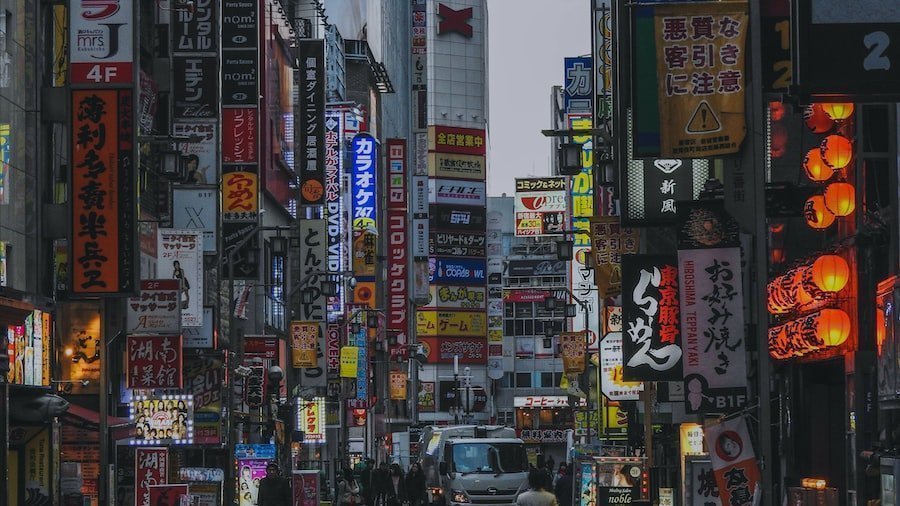
When the sun sets, the streets fill with glowing signs and the crowds head for bars, restaurants and clubs. The neon is part of the experience. It guides you down alleys toward cozy izakaya and basement bars you’d never otherwise spot.
If you visit in spring, the cherry blossom season (usually late March to early April in Tokyo, though it shifts a little every year) adds a second kind of night out. Evening yozakura viewing along rivers and in parks is lovely, and many spots are lit up after dark. Check the current forecast before you book.
Tokyo Nightlife Districts: Shibuya, Shinjuku and Beyond
Shibuya
Shibuya is famous for its scramble crossing, which is even more mesmerizing under the neon at night. The area around it is packed with clubs, bars and karaoke buildings, so it’s a good base for a first night out.
Shinjuku and Golden Gai
Shinjuku covers everything from upscale cocktail bars to quirky themed spots. Golden Gai is a maze of tiny alley bars, many seating only a handful of people. Some bars charge a cover (often around 500 to 1,500 JPY per person, though it varies by bar) and some welcome regulars only, so look for a sign in English or ask politely before sitting down.
Roppongi, Ginza and Asakusa
Roppongi has an international crowd and plenty of late-night clubs. Ginza is polished and upscale, with refined cocktail bars. Asakusa is quieter at night, with a more traditional feel and atmospheric izakaya near Senso-ji.
Izakaya: The Heart of Tokyo’s Night Out
Izakaya are casual Japanese pubs serving drinks and a wide range of shareable dishes: grilled skewers, tempura, salads and rice dishes. They’re the easiest way to spend an evening with friends, and a typical night costs far less than a club.
Izakaya etiquette
- Staff will usually greet you with “Irasshaimase” (welcome). A smile and a nod is all you need to answer.
- Order a first drink right away. Beer is the common choice because it comes quickly.
- Order several dishes to share rather than one each.
- Pour drinks for your companions before filling your own, and say “Kanpai!” when you start.
- Many izakaya add a small seating charge (otoshi) with a small appetizer. It’s normal and not a scam.
- No tipping is expected.
Karaoke: A Must-Try Experience
In Tokyo, karaoke usually means a private room with your group, not singing on a stage in front of strangers. Rooms range from tiny to huge, in buildings that can run to many floors. You pay by time, usually with a drink order, and you can often add all-you-can-drink options.
My tips: don’t worry about your singing, because nobody is judging. Check the English menu on the song tablet, and know that Japanese pop and anime themes are always popular. Most chains have English song lists, and prices differ by time of day, so check the rate board at the entrance.
Hidden Bars and Speakeasies
Tokyo’s hidden bars are tucked up narrow stairs, behind unmarked doors and in alleys. They’re known for intimate settings and carefully made cocktails. Many have very few seats, and some take reservations, so book ahead or go early. Expect a cover or seating charge, and keep your voice down. These are quiet places for talking over a drink.
Late-Night Food
Tokyo is great for eating late. Ramen shops, yakitori counters, izakaya and some sushi places stay open well into the night, and many ramen shops stay open late near big stations. Convenience stores are open around the clock and sell surprisingly good snacks.
Street food stalls are less common in central Tokyo than in other Asian cities, but you’ll find takoyaki, yakisoba and taiyaki at festivals and in some entertainment districts. Opening hours vary a lot by shop, so check Google Maps before you head out.
Electronic Music and Clubs
Tokyo has a serious club scene, from techno and house to hip-hop. Womb in Shibuya is a long-standing name for electronic music. Club venues open and close over the years (Ageha, for example, closed in January 2022), so check a venue’s current status and event lineup before you go. Clubs usually get busy from around midnight, charge an entry fee that varies by event and often ask for photo ID, so carry your passport.
Nightlife Style and Dress Code
Tokyo is a fashion city, and people dress up for a night out. Most bars and izakaya are relaxed, but upscale bars and some clubs prefer smart-casual outfits, and sportswear or flip-flops may be turned away. If in doubt, dress one notch smarter than you think you need to.
Getting Around at Night
This is the practical part that catches visitors out. Trains in Tokyo stop running around midnight, and the last services on many lines leave roughly between midnight and 1:00 am, depending on the line, direction and station. Look up your last train in a transit app before you start drinking. If you miss it, your options are:
- Take a taxi. A late-night surcharge of about 20% applies from 10 pm to 5 am, so it can get pricey.
- Stay out until the first trains, at around 5 am.
- Book a capsule hotel or an internet cafe room.
If you plan to explore beyond Tokyo during the same trip, the Japan Rail Pass price rose sharply in October 2023. A 7-day ordinary pass now costs 50,000 JPY when bought on the official site (a bit more through overseas agents), so it’s worth doing the math against individual tickets before you buy. Within Tokyo, a prepaid IC card or phone wallet is usually the easier way to ride.
You’ll also want a data connection for maps and train apps once you’re out late, so set up an eSIM or pocket Wi-Fi before you go, and bring a portable charger so your phone survives the night.
Safety Tips for Tokyo After Dark
Tokyo is generally very safe, but nightlife areas have their own risks. A few rules I follow:
- Stay in well-lit, busy areas. Skip empty back streets late at night.
- Be wary of touts. People pulling you into a bar in Kabukicho or Roppongi are a common source of overcharging and drink-spiking stories. Pick your own venue and look for a posted price list.
- Go with friends when you can.
- Watch your belongings. Theft is rare but not unheard of.
- Drink responsibly. Keep an eye on your drink and know your limits.
- Use licensed taxis or trains. Avoid anyone offering a ride on the street.
Wrapping Up
Tokyo’s nights suit every kind of traveler, whether you love clubs, cocktails, karaoke or a quiet izakaya. Go with curiosity, check your last train, and be ready to wander. If you’d like a guided way into the city after dark, a local-led evening tour is a good option for a first visit.
Planning more of your trip? Read about the art of the Japanese bento box next.
FAQ
What time does Tokyo nightlife start?
Bars and izakaya usually open around 5 to 7 pm. Clubs tend to get busy after about 11 pm to midnight.
What is the legal drinking age in Japan?
It is 20. Japan lowered the age of adulthood to 18 in 2022, but the legal age for drinking alcohol stayed at 20.
Which areas are best for a first night out?
Shibuya and Shinjuku (including Golden Gai) are the easiest starting points. Roppongi suits clubbing, and Ginza suits upscale cocktails.
When is the last train in Tokyo?
It depends on the line and station, but many last trains leave between about midnight and 1 am. Check a transit app, and plan for taxis or an all-night stay if you miss it.
Is Tokyo nightlife safe?
Yes, generally. Use common sense, avoid street touts, and keep an eye on your drink and bill.
Do I need cash?
Cards are accepted in more places than before, but many small bars and izakaya are still cash-only or have minimums, so carry some yen.
Comment (1)