
As an Amazon Associate, Chasing Cherry Blossoms earns from qualifying purchases. We may also earn from other affiliate links on this page at no extra cost to you.
Uncovering Tokyo’s Hidden Gems: Exploring the City’s Best Kept Secrets
Tokyo is famous for the Skytree, Shibuya Crossing, Meiji Shrine and Senso-ji. But some of my happiest Tokyo memories come from the quieter places: a narrow shopping street where the shopkeeper chatted with me about croquettes, a garden with almost no one in it, a bar with only a handful of seats. This guide collects the lesser-known spots I think are worth your time, organized by interest.
A quick note on prices and hours: they change often, so I’ve kept details general where I can’t be sure of them. Please confirm on each venue’s official site before you go.
Quick Planning Tips for 2026-27
Getting around
Nearly every spot below is reachable by Tokyo Metro, Toei Subway or JR lines, and a prepaid IC card (Suica or PASMO, on your phone or as a physical card) makes it easy. If your trip also includes other cities, note that JR Pass prices rose sharply in October 2023. The 7-day ordinary pass is now 50,000 JPY when bought on the official site (70,000 JPY for Green class), so it only pays off with several long-distance bullet train rides. For a Tokyo-focused trip it’s usually not worth it. Compare your itinerary first. Note that Nozomi and Mizuho trains need an extra ticket for pass holders, and passes bought through overseas agents cost slightly more than on the official site.
Staying connected
Maps and translation apps are a big help when you’re wandering backstreets. An eSIM is the easiest way to get data the moment you land. A portable charger (here’s a selection) is also handy for a long day of navigating.
When to go
Tokyo’s cherry blossoms usually bloom from late March to early April, and the exact dates shift each year, so check the forecast closer to your trip. Spring is gorgeous but busy, even at hidden spots like Nakameguro. For fewer crowds, late autumn and winter are lovely, with clear skies and crisp weather.
Off the Beaten Path: Lesser-Known Neighborhood Streets
Yanaka Ginza
Yanaka is one of the few areas of Tokyo that kept its old, low-rise, shitamachi (downtown) feel. Yanaka Ginza is a short, lively shopping street lined with small shops selling croquettes, snacks, handmade crafts and local produce. Nearby are many temples, quiet lanes and a large cemetery that is a pleasant place for a walk. It’s an easy half-day trip from Nippori Station.
Shimokitazawa
Shimokitazawa is a compact, bohemian neighborhood known for vintage clothing shops, indie boutiques, small live music venues and theaters. It also has plenty of cafes and casual restaurants, including curry shops that are popular with locals. Most shops open late morning or around noon, so don’t arrive too early.
Hidden Culinary Gems: Tokyo’s Secret Foodie Spots
Tokyo has an enormous food scene, and some of the best meals are in unassuming places. A word of correction to the old version of this post: the Tsukiji Outer Market is no longer a secret, as it’s a popular stop for tourists. The wholesale fish market moved to Toyosu in 2018, while the outer market’s shops and stalls remain at Tsukiji. It’s still fun for fresh seafood and street snacks, but go early and expect crowds.
Kappabashi Street (“Kitchen Town”)
Between Asakusa and Ueno, Kappabashi is lined with shops selling knives, cookware, ceramics, and the realistic plastic food replicas Japan is famous for. Many shops close in the late afternoon and many are closed on Sundays and public holidays, so go in the morning or early afternoon. A good Japanese knife makes a great souvenir, but remember you’ll need to pack it in checked luggage.
Learn from the locals
If you’d like to go deeper, a food walking tour or a cooking class is a great way to find neighborhood restaurants you’d never spot on your own.
Hidden Nature: Tokyo’s Secret Gardens and Parks
Tokyo has many beautiful gardens that offer a quiet escape from the city.
Rikugien
Rikugien in Bunkyo ward is a classic Edo-period stroll garden built around a central pond, with hills, bridges and winding paths. It’s lovely in spring for the weeping cherry trees and in late autumn for the foliage, when it usually stays open into the evening for special illuminations (usually late November to early December, with a separate evening ticket). Daytime admission is about 300 yen for adults.
Kyu-Shiba-Rikyu Gardens
Near Hamamatsucho Station, this former feudal lord’s garden has a tidal pond and a peaceful atmosphere, with the modern skyline rising behind it. It’s a nice, short stop before or after exploring the area, and the small entry fee is worth it. Check the official site for current prices.
Hidden History: Tokyo’s Fascinating Past
Edo-Tokyo Open-Air Architectural Museum
Located in Koganei Park, in western Tokyo, this open-air museum has relocated historic buildings, including old houses, shops and a bathhouse, spanning the Edo period to the early Showa era. It takes a while to get there from central Tokyo, so plan on half a day. Hours and closing days vary by season, and it’s closed on Mondays (the following weekday if Monday is a holiday) and over the New Year period. Check the official site for current hours and admission.
Fukagawa Edo Museum
In Koto ward, this small museum recreates a street of Edo-era Fukagawa indoors, with houses and shops you can walk into. It’s a fun, hands-on way to picture daily life in old Edo. Check opening hours and the entry fee before you go.
Secret Shopping: Tokyo’s Best-Kept Shopping Spots
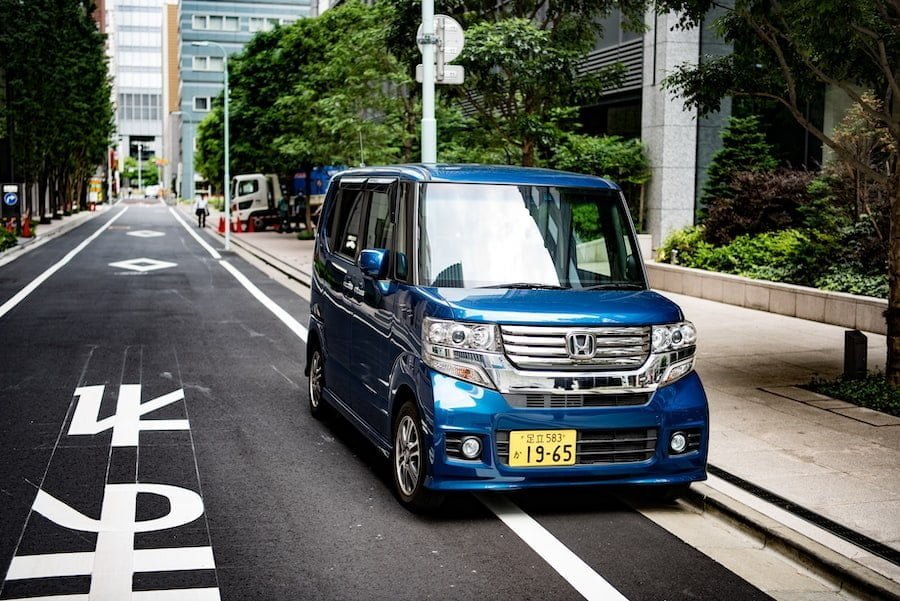
Ginza and Shibuya are famous, but smaller shops often have more character.
Daikanyama T-Site
This complex of Tsutaya Books in Daikanyama is a calm, design-conscious place to browse books, magazines, music and lifestyle goods, with cafes inside. It’s a lovely spot to spend a slow hour, and it combines well with a walk around the boutiques in the surrounding streets.
A note on Nakamise
Nakamise Shopping Street in Asakusa is certainly not a secret, but it’s still a good place to buy traditional souvenirs and snacks. My tip is to go early in the morning, before the tour groups arrive.
Hidden Art: Small Galleries and Museums
SCAI The Bathhouse
This contemporary art gallery in Yanaka is housed in a renovated, more than 200-year-old public bathhouse. It shows work by Japanese and international artists, and it pairs perfectly with a day in Yanaka. Gallery hours are typically limited and it’s closed several days a week, so check the schedule first. It is typically open around noon to early evening, closed Sundays, Mondays and public holidays, and closed between exhibitions.
Meguro Museum of Art
This small municipal museum focuses on modern and contemporary art, with rotating exhibitions. It’s a calm change from Tokyo’s big museums, and it’s within walking distance of Meguro Station (about 10 minutes on foot).
Secret Nightlife: Hidden Bars and Late-Night Spots
Tokyo’s best bars are often tiny, with just a few seats and no sign out front.
Bar High Five (Ginza)
This is a well-known cocktail bar run by bartender Hidetsugu Ueno, who is renowned in Japan’s cocktail scene. It’s small and popular, so it can fill up, and there may be a seating charge or a minimum order. Dress neatly and go early in the evening.
Womb (Shibuya)
Womb is a well-known club rather than a secret, but it remains one of the city’s best-regarded venues for electronic music. Check the event calendar, ID requirements and cover charge before you go.
Koenji and Golden Gai
For more local-feeling evenings, try the izakayas and music bars around Koenji station, or explore the tiny bars of Golden Gai in Shinjuku, where some places have cover charges and a few don’t welcome tourists.
Hidden Neighborhoods: Tokyo’s Undiscovered Areas
Koenji
Koenji, in Suginami ward, is a laid-back area known for vintage shops, record stores, live music houses and many casual izakayas. The covered shopping arcades near the station are fun to wander in the afternoon, and the area is livelier in the evening.
Nakameguro
Nakameguro follows the Meguro River, with stylish cafes, small boutiques and galleries. In early spring the riverside cherry trees draw large crowds, so for a quieter visit, go on a weekday morning. The cherry blossom lights are usually switched on in the evening during peak bloom, typically from late March to early April for a few hours after sunset.
Where to Stay
For exploring these areas, I’d choose a base near a major rail line, such as Ueno or Nippori for Yanaka, or Shibuya for Daikanyama, Nakameguro and Shimokitazawa. Book somewhere well connected to the subway, since you’ll be hopping between neighborhoods.
Embracing Tokyo’s Hidden Gems
The best part of wandering beyond Tokyo’s famous sights is the unplanned moments: a snack from a street stall, a quiet garden bench, a chat with a bartender. Pick one or two neighborhoods per day, keep your schedule loose, and enjoy.
If you’re planning a spring trip, you may also enjoy our article “18 Amazing Facts About Cherry Blossom Trees (Japanese Sakura)”, which explains the cultural meaning behind the blooms.
FAQ
What are Tokyo’s hidden gems?
They’re lesser-known places, such as local shopping streets, small museums, quiet gardens and neighborhood bars, that give a more local experience than the big tourist sights.
Which hidden gems are best for a first-time visitor?
Yanaka Ginza, Rikugien and Nakameguro are all easy to reach and friendly for first-timers.
Do I need a JR Pass for these places?
No. These places are served by the Tokyo subway and JR lines, and a Suica or PASMO card is enough. A JR Pass (50,000 JPY for 7 days, ordinary class, on the official site) only makes sense if you’re taking multiple long-distance trains.
Are these places safe?
Yes, Tokyo is generally very safe. Use normal precautions, especially at night and in nightlife areas, and be cautious of touts in busy entertainment districts.
When is the best time to visit?
Late March to early April has cherry blossoms, but expect crowds. For fewer people, try late autumn or winter, or visit popular spots on weekday mornings.
How do I find more hidden spots?
Wander away from the main station exits, ask staff at cafes and shops for recommendations, or join a small-group local tour.