
As an Amazon Associate, Chasing Cherry Blossoms earns from qualifying purchases. We may also earn from other affiliate links on this page at no extra cost to you.
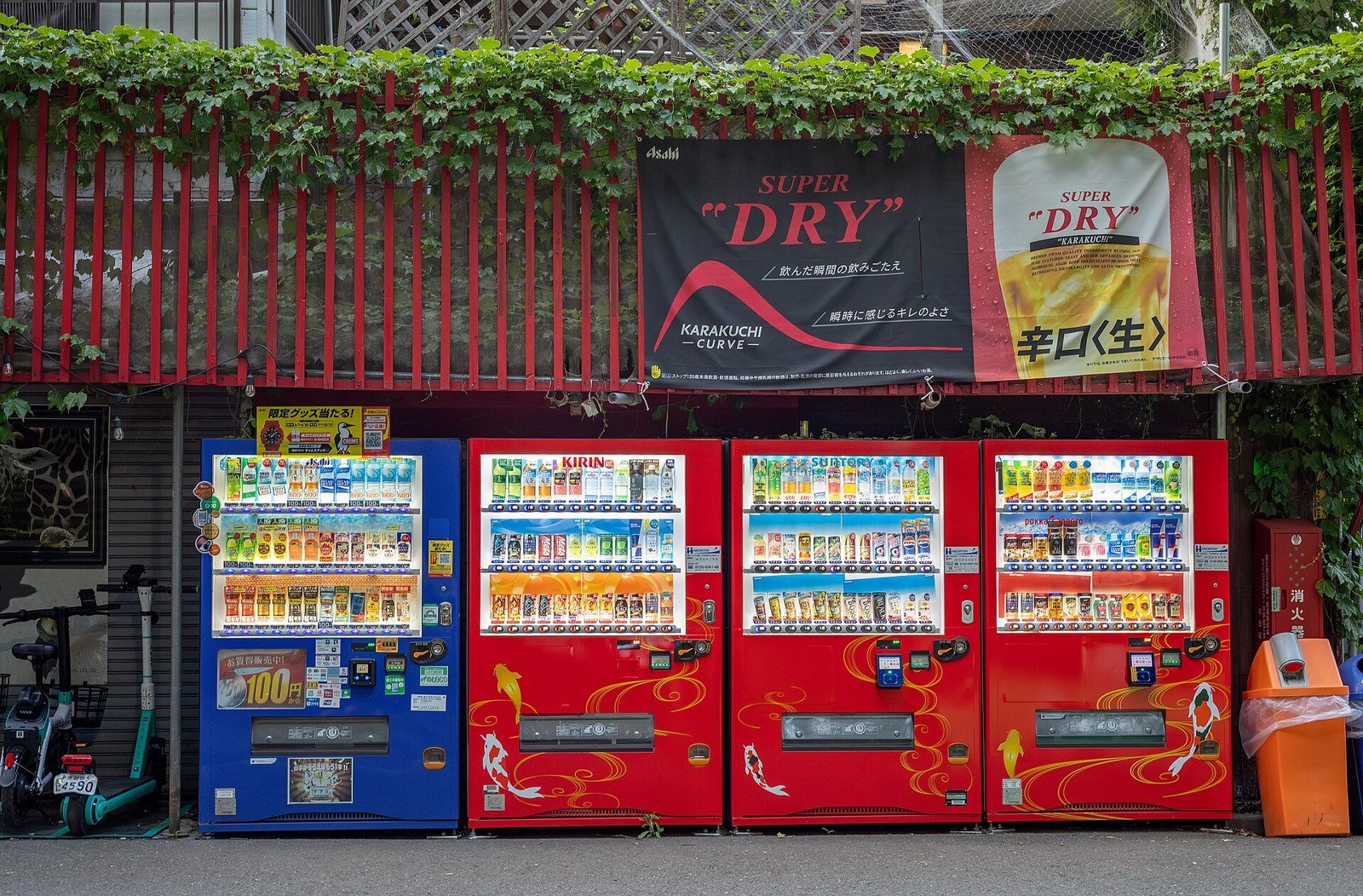
Walk out of almost any train station in Japan and you will pass a glowing row of vending machines within a minute or two. In Japanese they are jidohanbaiki, usually shortened to jihanki, and for a first-time visitor they are the easiest win of the trip. You can get a hot can of coffee on a cold platform, cold green tea on a sticky July afternoon, and, if you go looking, ice cream, soup stock or a bowl of retro udon.
This guide is written mainly for American travelers landing at Haneda (HND), Narita (NRT) or Kansai (KIX), with a section for readers from Singapore, Australia, the UK and Canada. It covers what machines sell in 2026, what things cost, how to pay when your US credit card is refused, how to read the hot and cold labels, and a few spots worth a detour.
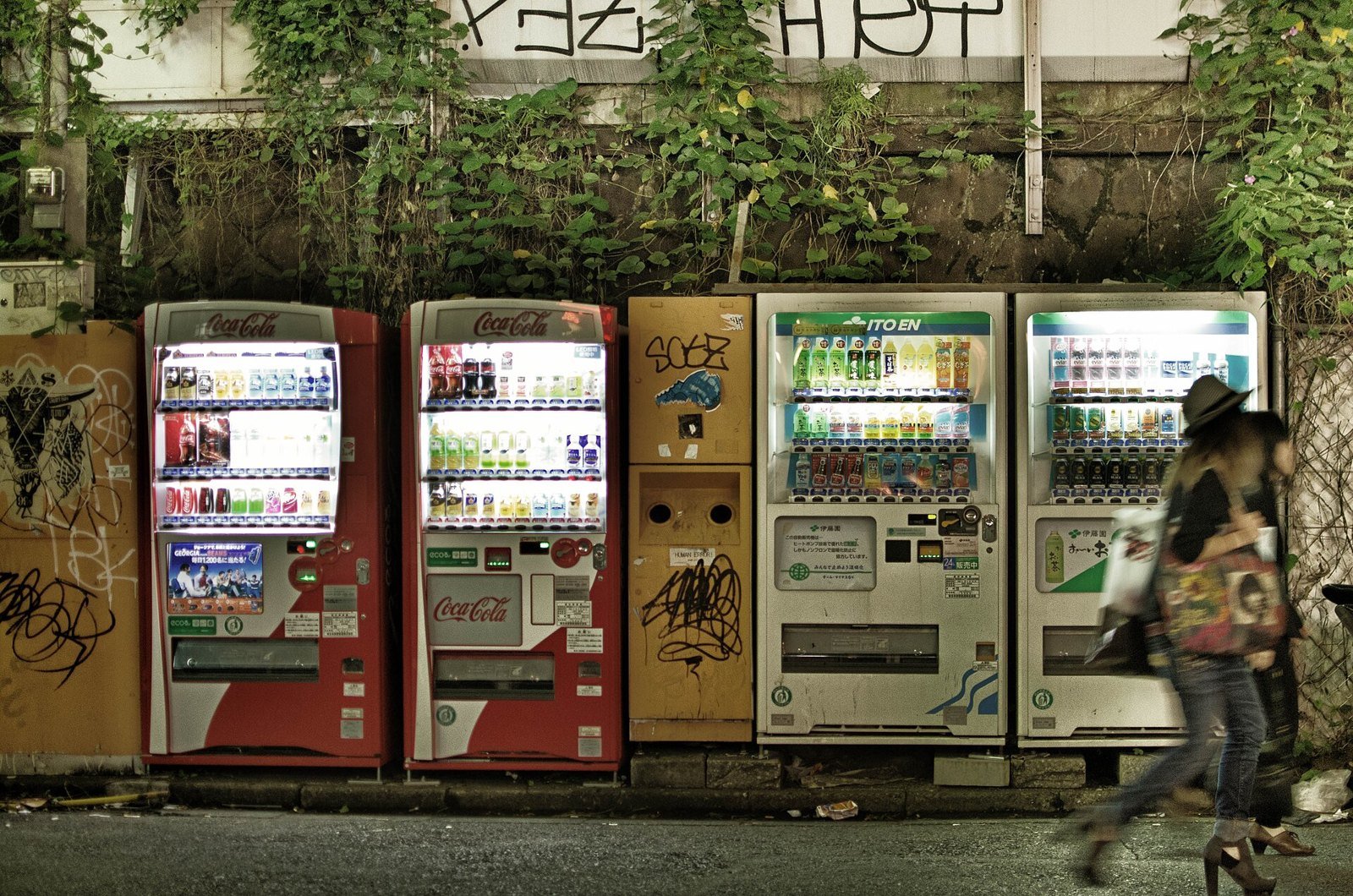
Quick answer: Japan has roughly 3.9 million vending machines and similar automated service machines, according to the Japan Vending System Manufacturers Association (JVMA). About 2.2 million of them sell drinks. Most drinks cost around 130 to 250 yen (about $0.90 to $1.70, at roughly $1 = 150 yen). Machines take 10, 50, 100 and 500-yen coins and usually 1,000-yen notes, but often not 5,000 or 10,000-yen notes. Many also accept IC transit cards such as Suica, PASMO and ICOCA, including Suica or PASMO in Apple Wallet on an iPhone. Tapping a US credit card works only at some newer machines. Look at the strip under each drink: red usually means hot (atatakai) and blue means cold (tsumetai).
Japanese vending machines at a glance
Prices below are typical ranges seen in 2025-2026 and vary by location and operator. Machines at airports, tourist sites and mountain tops often charge more. The dollar figures use roughly $1 = 150 yen and are rounded.
| Type | What you get | Typical price (JPY / ~USD) | Where you find them | How to pay |
|---|---|---|---|---|
| Drinks (hot and cold) | Tea, water, coffee, soda, sports drinks, soup in winter | 130-250 yen / $0.90-1.70 | Everywhere: streets, stations, parks, hotels | Coins, 1,000-yen notes, often IC card; some take card tap or QR |
| Ice cream | Glico Seventeen Ice cones, bars and monaka | 150-300 yen / $1-2 | Stations, shopping malls, leisure spots | Coins, 1,000-yen notes, some IC |
| Frozen and hot food | Frozen ramen and gyoza, frozen meals, retro hot udon or toast at old-style corners | 300-1,500 yen / $2-10 | Outside restaurants, supermarkets, roadside “drive-in” corners | Mostly cash; newer frozen food machines may take cards or IC |
| Dashi (soup stock) | Bottled dashi for cooking, e.g. Hiroshima-made Dashi Doraku | About 700-1,000 yen / $5-7 | Scattered roadside and urban sites, started in Hiroshima | Cash; check the machine |
| Cigarettes | Tobacco | Varies by brand | Fewer every year | Needs an approved adult ID check; the old taspo card ended in March 2026 |
| Alcohol | Beer, sake, chu-hi | 200-400 yen / $1.30-2.70 | Rare; some liquor stores and hotels | Age-check machines only; not something to plan around |
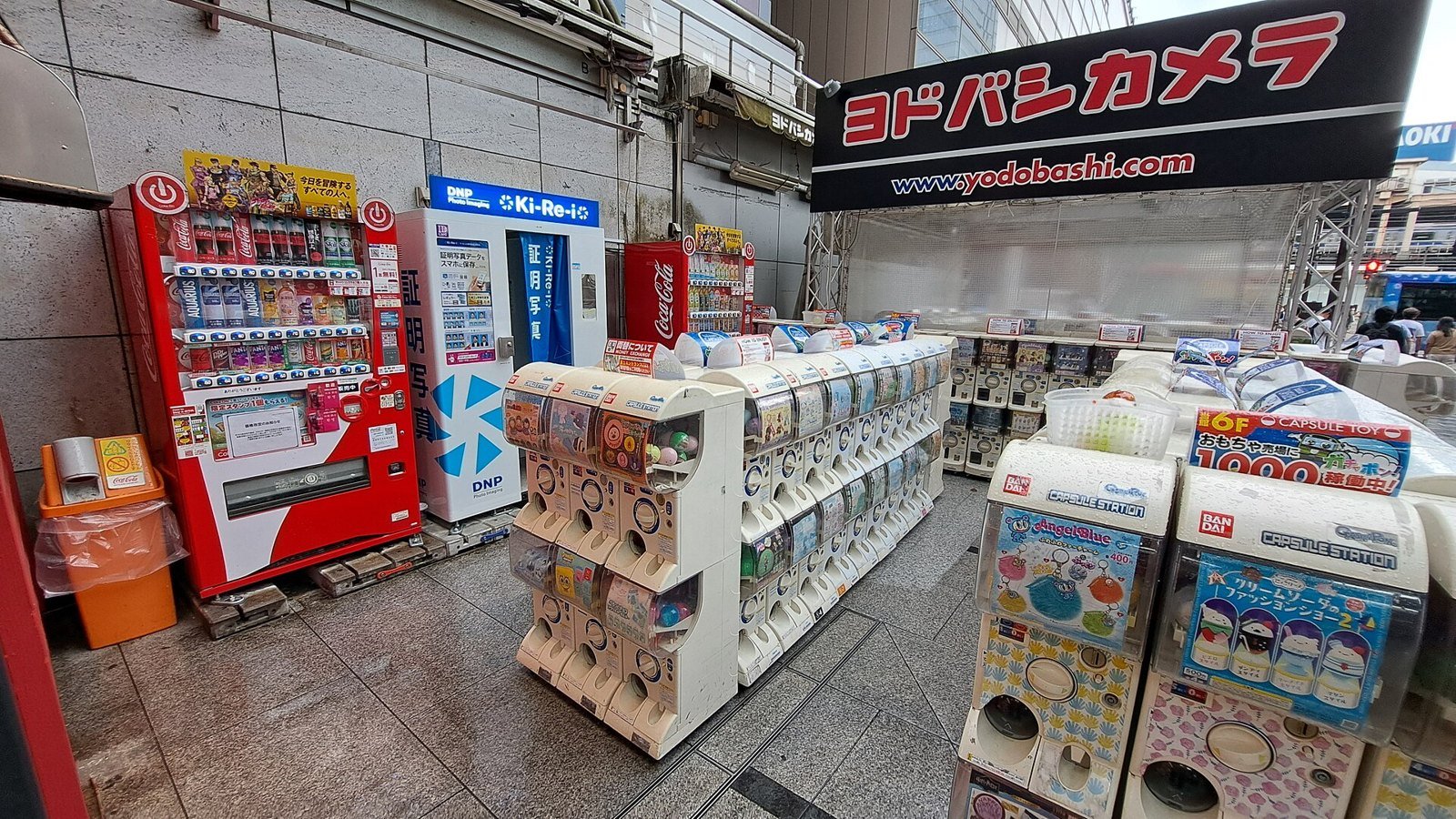
| Capsule toys (gachapon) | Random small toys, keychains, figures | 200-500 yen / $1.30-3.30 | Akihabara, Ikebukuro, malls, stations | Mostly 100-yen coins; change machines nearby |
Map: vending machine and gachapon spots worth a detour
- Akihabara Gachapon Kaikan – Long-running capsule toy shop in Akihabara; about 2 min from Suehirocho Stn. Bring 100-yen coins. Directions
- Gashapon Department Store Ikebukuro – Bandai Namco flagship in Sunshine City (World Import Mart 3F); about 3,000 machines, 10:00-21:00. Directions
- Sagamihara retro vending corner (Chuko Taiya Ichiba) – 100+ retro food vending machines at a used-tire shop in Minami Ward; reported open 24h. Bring coins. Directions
How many vending machines does Japan really have?
The often-quoted “over 5 million” figure is out of date. JVMA data shows the installed base was about 5.09 million machines in 2013, then fell steadily. At the end of 2024 it stood at 3,910,300, and drink machines made up about 2.2 million of those (roughly 56%). Trade press reporting on JVMA in June 2026 put the 2025 total at about 3.88 million. Note that these totals include things like ticket machines, change machines and other “automatic service” machines, not only drink dispensers.
With about 124 million people, that is roughly one machine for every 30 or so residents (our own rough ratio, not an official statistic). The total is shrinking as convenience stores and discount drugstores spread, prices rise and cigarette machines disappear.
A very short history
- 1888: Tawaraya Koshichi, an inventor from what is now Shimonoseki, is credited with Japan’s first vending machine, which sold tobacco. A stamp and postcard machine he built later is described as Japan’s oldest surviving vending machine.
- 1962: Coca-Cola’s first vending machines in Japan were delivered to Tokyo Coca-Cola. According to Coca-Cola Japan, 880 were installed nationwide that year, which it calls the start of soft drink vending in Japan.
- 1973: Pokka, working with machine maker Sankyo Denki (now Sanden), developed a hot/cold vending machine for canned coffee. Early models were switchable; machines selling hot and cold drinks side by side spread later in the 1970s.
- 2010s: Touchscreen “smart” machines appeared in stations. JR East’s 2010 model at Shinagawa used a camera to estimate a customer’s age group and gender and suggest a drink. JR East’s later touchscreen “innovation” machines were wound down by March 2024, so do not expect face-reading machines as standard.
How to pay: coins, notes, Suica and cards
This is the part that trips up American visitors: Japan’s vending machines still run mostly on coins and IC transit cards.
Cash: coins and 1,000-yen notes
Machines generally accept 10, 50, 100 and 500-yen coins. They usually do not take 1-yen or 5-yen coins. Most accept 1,000-yen notes, but many do not accept 5,000 or 10,000-yen notes, so do not rely on breaking a large bill at a machine. Crumpled notes are often spat back out, so smooth them before trying again.
The 500-yen coin is your best friend. It is worth about $3.30 and buys any normal drink with change to spare. Coins pile up fast, so a small coin purse helps. If a purchase does not go through, the return lever (henkyaku) gives your money back.
Suica, PASMO and ICOCA (and Apple Wallet)
Look for a small reader marked with the IC card logo or “Suica” on the machine. Many drink machines, especially in and around stations, accept Japan’s rechargeable transit IC cards: Suica (JR East), PASMO (Tokyo private lines and subway) and ICOCA (JR West, Osaka and Kansai). They are interchangeable at most IC-enabled machines. Depending on the machine, you tap before or after pressing the button.
If you have an iPhone, you can add Suica, PASMO or ICOCA in Apple Wallet. Apple says Suica works on iPhone 8 or later and you need an Apple Account with two-factor authentication. JR East also offers a free Welcome Suica Mobile app for iPhone aimed at visitors, which needs no deposit and is valid for 180 days. Physical Suica and PASMO cards went back on general sale in 2025 after a chip shortage, and the tourist-only Welcome Suica card is sold at airports and major stations. Our Suica guide walks through buying and topping up a card.
One caution: some travelers report that topping up Apple Wallet Suica with certain US-issued cards fails, particularly some Visa cards or when the phone is outside Japan. If that happens, try a different card or top up with cash at a station ticket machine.
Credit cards, touch payment and QR codes
Do not expect to swipe or insert a US credit card at a vending machine. Most machines have no card slot at all. Some newer machines, notably Coca-Cola’s “multi-money” machines, have accepted Visa, Mastercard, JCB and American Express contactless “touch” payment since 2020, and you will see a contactless symbol on those. They are the minority, so carry coins anyway.
Some newer machines also take QR code payments such as PayPay. PayPay is set up for people living in Japan, and short-stay visitors usually find it hard to register, so IC cards and cash are far simpler. There is no tipping, and the displayed price already includes tax.
Getting yen: 7-Eleven and Seven Bank ATMs
The easiest place to get cash is a 7-Eleven, whose Seven Bank ATMs accept most foreign Visa, Mastercard and American Express debit and credit cards and have an English menu. Expect a machine fee of around 110-220 yen per withdrawal, plus whatever your bank charges. Withdraw in a way that gives you some 1,000-yen notes, then break one at a convenience store to get coins. If you land at Narita, our Narita arrival guide covers ATMs and IC cards at the airport.
For readers from Singapore, Australia, the UK and Canada
Singapore: If you tap EZ-Link or a bank card through SimplyGo at home, Japan’s IC system will feel familiar, but EZ-Link and SimplyGo do not work in Japan. You need a Japanese IC card, physical or in Apple Wallet. Some Japanese transport lines and newer vending machines now take Visa or Mastercard contactless tap, but coverage is patchy compared with Singapore, so the coin purse still matters.
Australia, the UK and Canada: Contactless bank cards are the default at home, so the coin-heavy reality of Japanese machines can be a surprise. Apple Wallet Suica generally works with cards issued outside Japan, though top-up problems with some cards are reported; have a backup card or cash. Android users have a harder time: Mobile Suica in Google Wallet generally requires a phone sold in Japan with the FeliCa chip, and most phones bought overseas cannot add it. Travel sites report that JR East plans Welcome Suica Mobile support for some overseas Samsung Galaxy phones in 2027, but for now Android users should buy a physical card.
How to use one: hot vs cold and other labels
Insert money or tap your IC card, press a lit button, and collect your drink and change from the bottom. The thing to watch is temperature. Under each sample bottle or can is a colored strip, and the usual convention is red for hot and blue for cold. That is a custom, not a legal rule, so read the words too.
Hot drinks appear roughly from autumn to spring. Many machines switch some slots to hot around October or November and back to cold around April or May, depending on the region and weather. If you are planning your timing, our best time to visit Japan guide explains the seasons.
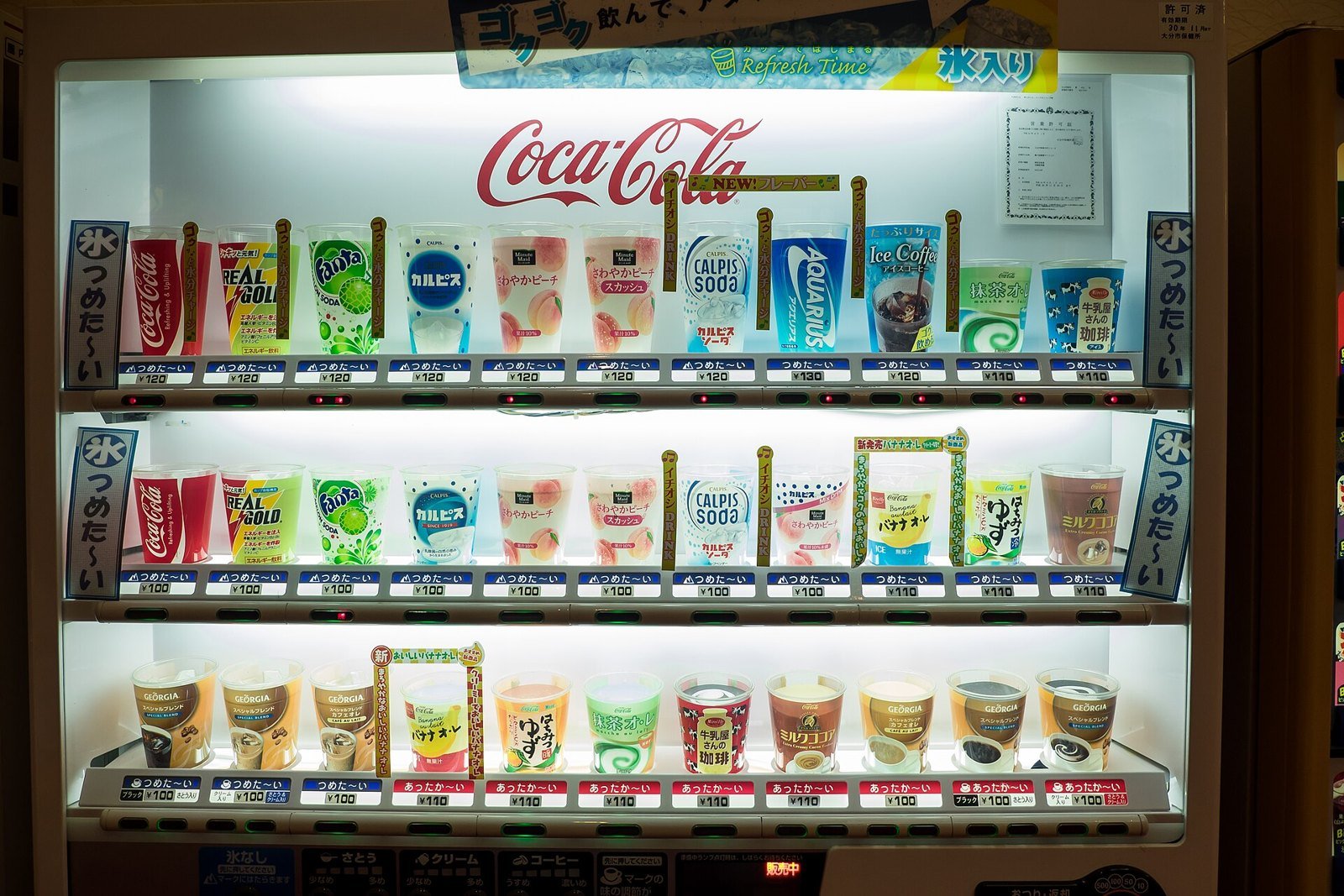
Hot vs cold and other labels: a vending machine cheat sheet
| Japanese | Romaji | Meaning | Tip |
|---|---|---|---|
| あったか〜い | attaka-i (atatakai) | Hot | Usually a red strip. The can can be very hot; hold it by the top. |
| つめた〜い | tsumeta-i (tsumetai) | Cold | Usually a blue strip. |
| 売切 | urikire | Sold out | Lit red on the button. Choose something else. |
| 準備中 | junbi-chu | Preparing / not ready | Often seen on a slot just switched to hot or cold. |
| 返却レバー | henkyaku reba | Coin return lever | Pull or push it to get your money back if you change your mind. |
| おつり | otsuri | Change | Comes out of the slot at the bottom; easy to forget. |
| 釣銭切れ | tsurisen-gire | No change available | Use exact coins, or the machine may refuse your note. |
| 千円札のみ | sen-en satsu nomi | 1,000-yen notes only | Larger notes will not be accepted. |
| 交通系電子マネー | kotsu-kei denshi mane | Transit IC cards accepted | Suica, PASMO, ICOCA and similar cards work here. |
| タッチ | tatchi | Tap here | Hold your card or phone on the reader until it beeps. |
| 新発売 | shin-hatsubai | New release | Limited and seasonal flavors are part of the fun. |
| 食券 | shokken | Meal ticket | Seen on restaurant ticket machines (see below). |
What else do Japanese vending machines sell?
Drinks dominate, but here is what else you might realistically see.
- Ice cream: Glico’s Seventeen Ice machines are a staple at stations and malls. Regular items rose to about 200 yen in 2025.
- Frozen ramen and meals: Since 2021, frozen ramen machines stocked with bowls from well-known ramen shops have spread around Japan, and other frozen food machines sell gyoza, curry and sweets. You take the food home or to your hotel to heat; they are not a hot meal on the spot.
- Dashi: Dashi Doraku, a Hiroshima-area soy sauce maker’s brand, started selling bottled soup stock from machines in 2007, and its machines have since spread to other prefectures. It is a fun find but more for cooks than drinkers.
- Cigarettes: Tobacco machines needed a taspo age-verification card, but taspo ended on 31 March 2026. Only machines with another approved age check (for example, ID card readers) can sell cigarettes now, so expect very few.
- Alcohol: Japan’s liquor retailers voluntarily began removing old-style outdoor alcohol machines in 1995. The National Tax Agency counted 8,521 alcohol vending machines as of April 2025, and newer ones are supposed to have age checks. You might spot one at a liquor store or hotel, but they are rare.
- Canned oden and ramen: Akihabara’s canned oden (a simmered winter stew) became famous in the 2000s. Its current availability is uncertain, so treat it as a lucky find, not a destination.
- Odd but real: Umbrellas, phone chargers and fresh eggs from local farms turn up in some places, mostly as one-off local machines. Things you will not find as a normal sight: live crabs, used-book machines popular with students, or pizza and fried chicken machines on every corner.
Meal ticket machines at ramen and restaurant shops
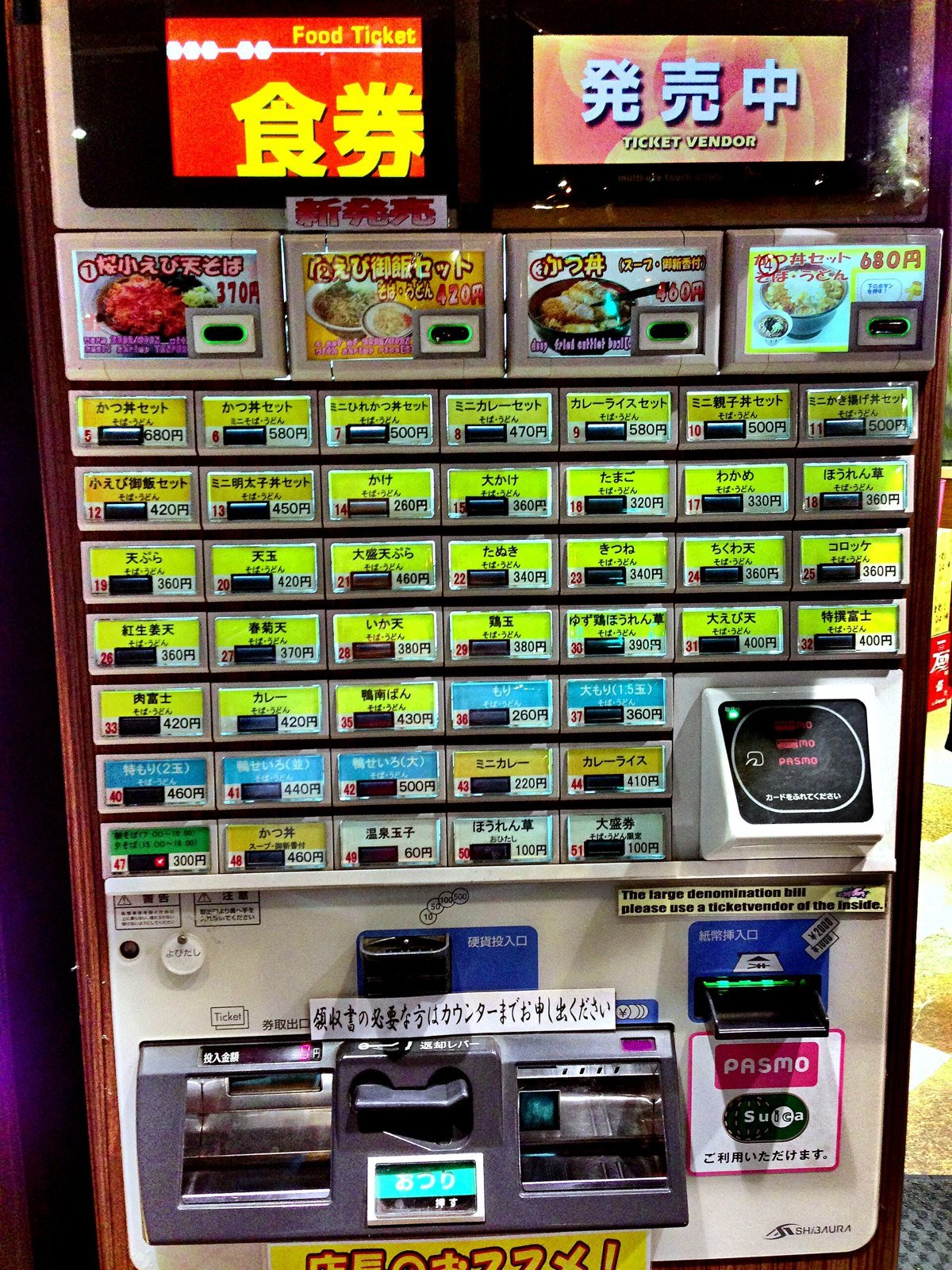
Many ramen, soba, curry and set-meal shops have a ticket machine (shokkenki) by the door. You pay at the machine, press the button for your dish, take the ticket and hand it to the staff when you sit down. Extras such as a large serving (oomori), extra noodles or a soft-boiled egg have their own buttons.
Many of these machines take cash only and may not accept larger notes, so have 1,000-yen notes and coins ready. More shops are adding IC card and QR payment, but it is far from universal. Our Tokyo ramen guide and Tokyo cheap eats list have shops where you will meet one.
Places worth a detour for vending machine fans
A few places turn vending into the main event. Hours and line-ups change, so check before you go.
Akihabara Gachapon Kaikan (Tokyo)
A long-running capsule toy shop in Akihabara, packed with gachapon machines selling small toys and keychains. It is at 3-15-5 Sotokanda, Chiyoda, about two minutes from Suehirocho Station on the Ginza Line. Bring plenty of 100-yen coins. Pair it with our Akihabara guide.
Gashapon Department Store Ikebukuro (Tokyo)
Bandai Namco’s flagship capsule toy store opened in February 2021 on the third floor of the World Import Mart Building in Sunshine City, Ikebukuro. Bandai Namco says it has about 3,000 machines. The official site lists hours of 10:00 to 21:00. It is the place to go if you want the biggest selection in one room.
Chuko Taiya Ichiba Sagamihara retro vending corner (Kanagawa)
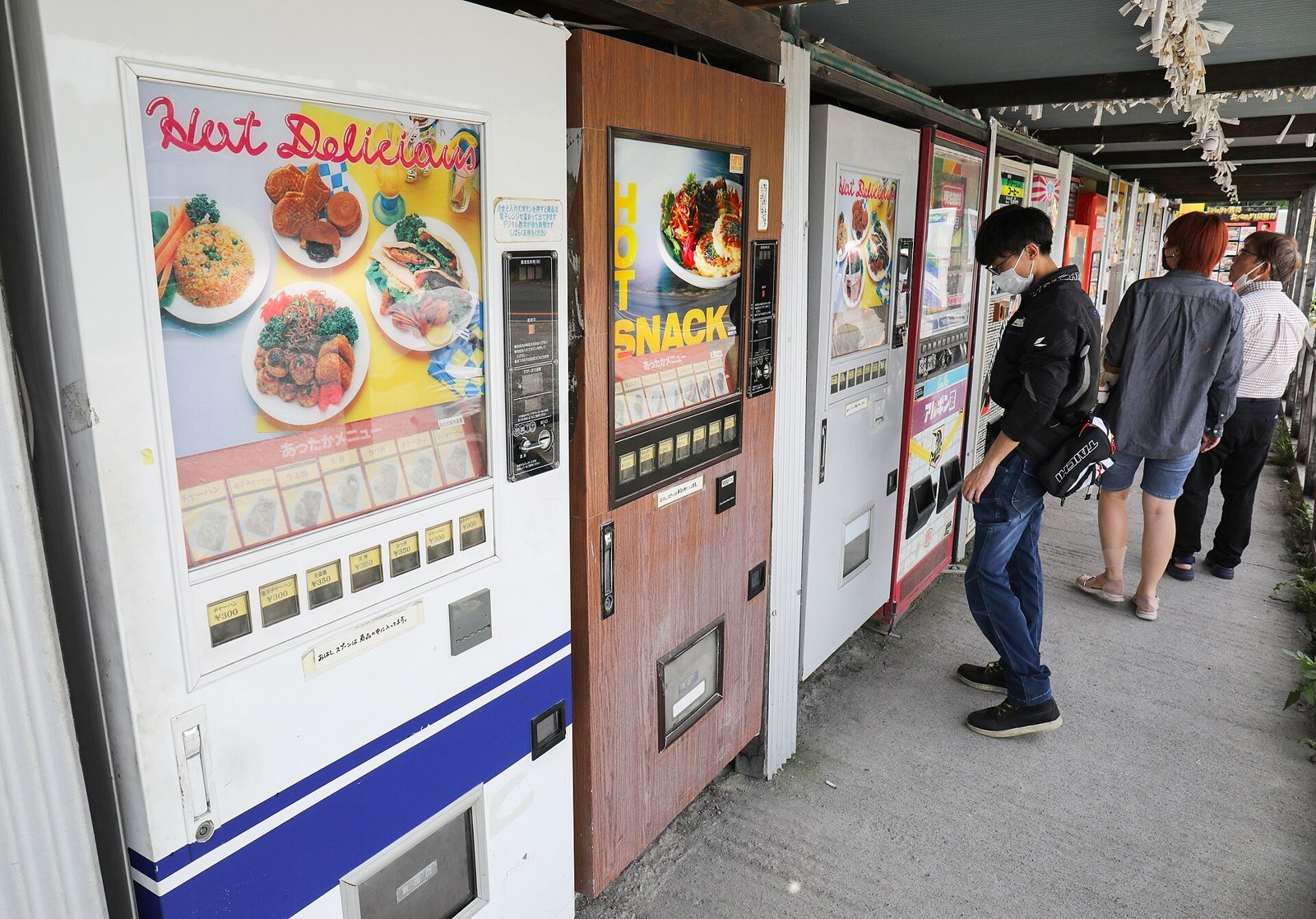
A used tire shop in Minami Ward, Sagamihara, that has collected more than 100 vintage vending machines, many from the 1960s to 1980s. Several still serve hot udon, ramen, hamburgers and toast. The machine corner is reported to be open 24 hours. It is at 2661-1 Shimomizo, Minami-ku, and is easiest by car; if you go by public transport, check a route planner for the nearest local bus stop. Bring coins: the change machine is said to work only during tire shop hours. Some old machines can be out of order on any given day.
Marumiya vending machine corner (Gunma)
For a deeper dive, this unstaffed roadside corner on Route 122 in Midori City, Gunma, has run since 1975. A 2024 report listed udon, soba and ramen at 300 yen each, plus toast and hamburgers. It is about 15 minutes on foot from Hanawa Station on the Watarase Keikoku Railway, so it suits a road trip. The machines are old, and if one breaks there may be no replacement. It is not pinned on the map above because we could not confirm its exact location in OpenStreetMap, so check the address before you drive.
Etiquette, recycling and budgeting
- Drink by the machine: Standing next to the machine to finish your drink is normal. Walking while eating is frowned upon in many places, and walking while drinking from a bottle is more accepted, but stopping to drink is the polite default.
- Recycling: Japan has few public rubbish bins, but most drink machines have a recycling box beside them for cans and bottles. Use those only for drink containers, not general trash. Our post on why there are no rubbish bins in Japan explains the system.
- Budget: The same drink is often a little cheaper at a convenience store or supermarket, and much cheaper at a discount drugstore. For daily water and tea, buying at a store saves some money; machines win on convenience.
- Getting around: If you are using Suica for vending machines, you are probably also using it for trains. Our Tokyo transportation guide covers the rest.
Small things worth packing
These are research-based picks from Amazon listings, not products we have tested. They are simply the items that make machine-hopping easier.
A small squeeze coin purse keeps 100 and 500-yen coins separate from your wallet and makes paying at machines much faster.
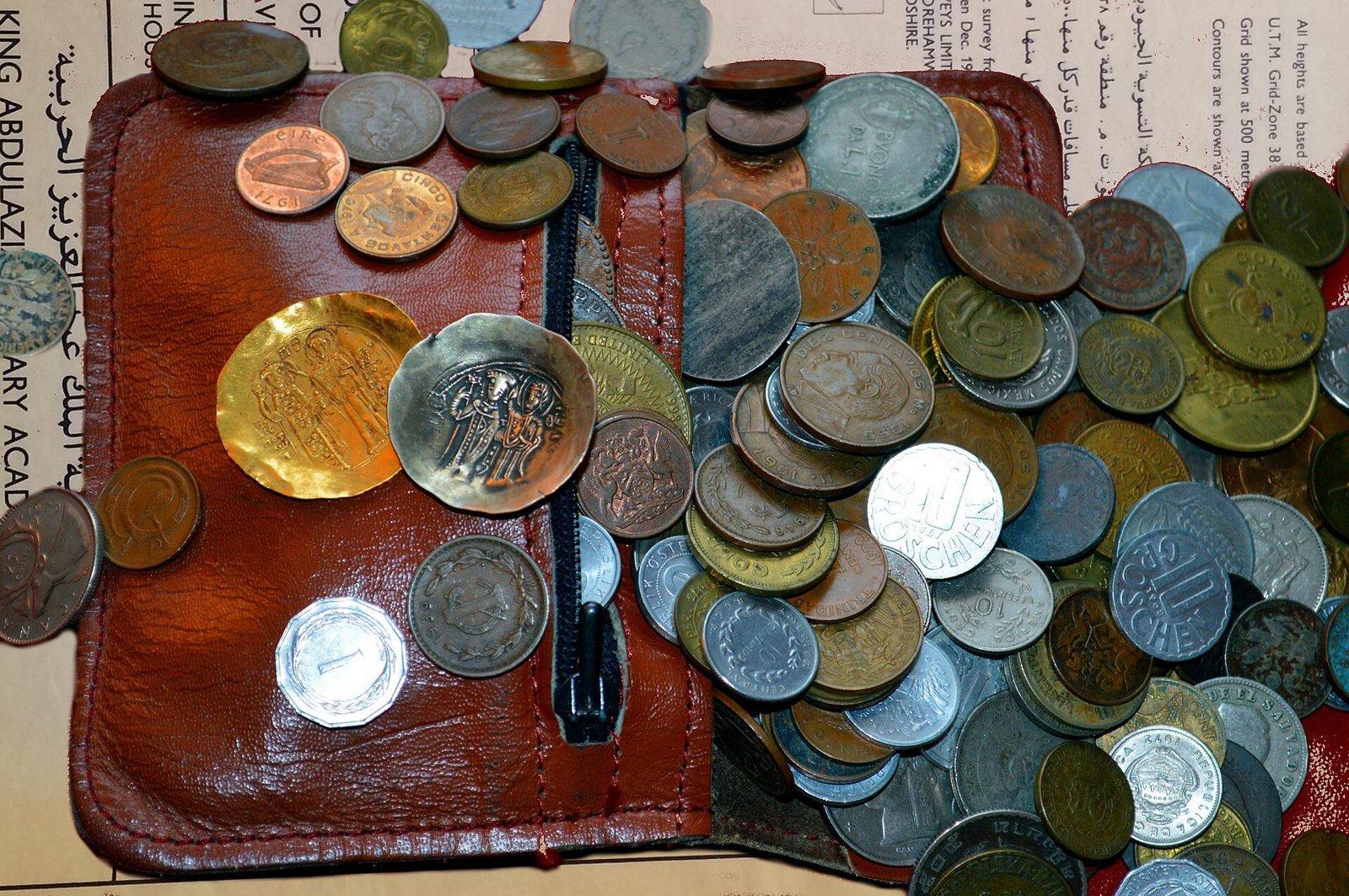
Coin purse (item type, not the exact product). Photo: Bill Smith from Virginia Beach, CC BY 2.0, via Wikimedia Commons
Nabob Leather Squeeze Coin Purse
Small snap-top squeeze pouch that keeps 100 and 500-yen coins handy for vending machines.
Check price on AmazonAn RFID travel wallet with card slots keeps your passport, IC card and backup credit card together on travel days.
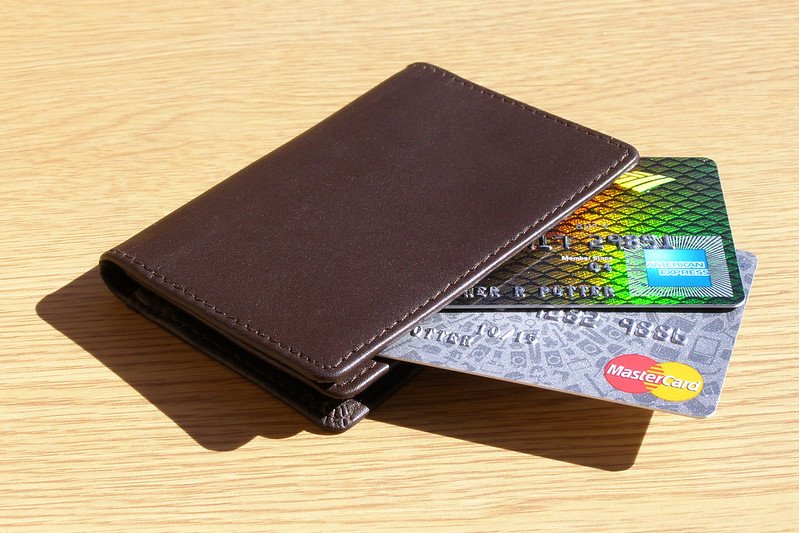
Travel wallet with card slots (item type, not the exact product). Photo: Chris Potter, CC BY 2.0, via Wikimedia Commons
TOPBAG RFID Passport and Card Wallet
RFID-blocking travel wallet with 6 card slots for your passport, IC card and backup credit card.
Check price on AmazonThe current Lonely Planet Japan guidebook (19th edition, published July 2026) is useful for planning the routes around these detours, including rural Gunma and Kanagawa.
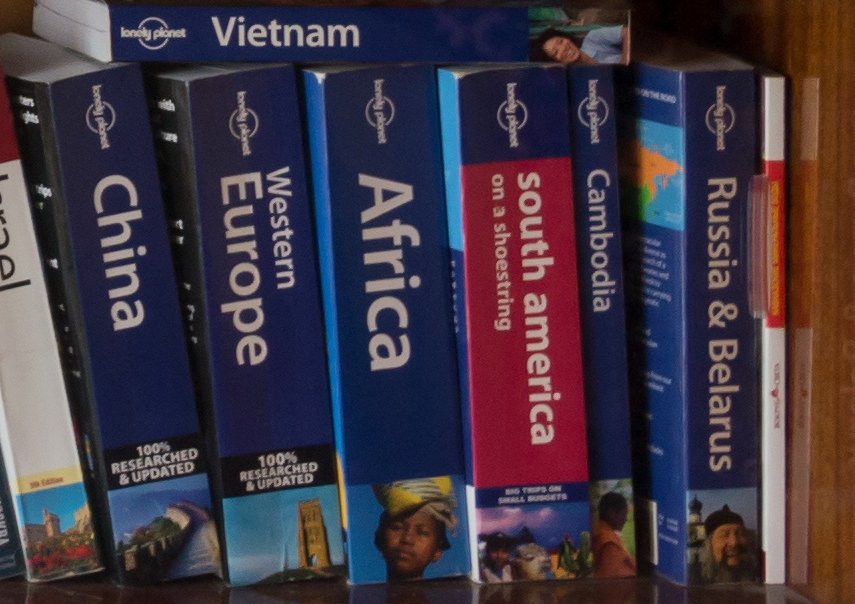
Travel guidebooks (item type, not the exact edition). Photo: Vyacheslav Argenberg, CC BY 4.0, via Wikimedia Commons
Lonely Planet Japan (19th edition, 2026)
Current country guide for planning routes to Akihabara, Ikebukuro, Sagamihara and rural Gunma.
Check price on AmazonIf you want a taste of Japanese convenience-store snacks before you go, or a souvenir-style treat for people at home, a dagashi assortment box is an easy start.
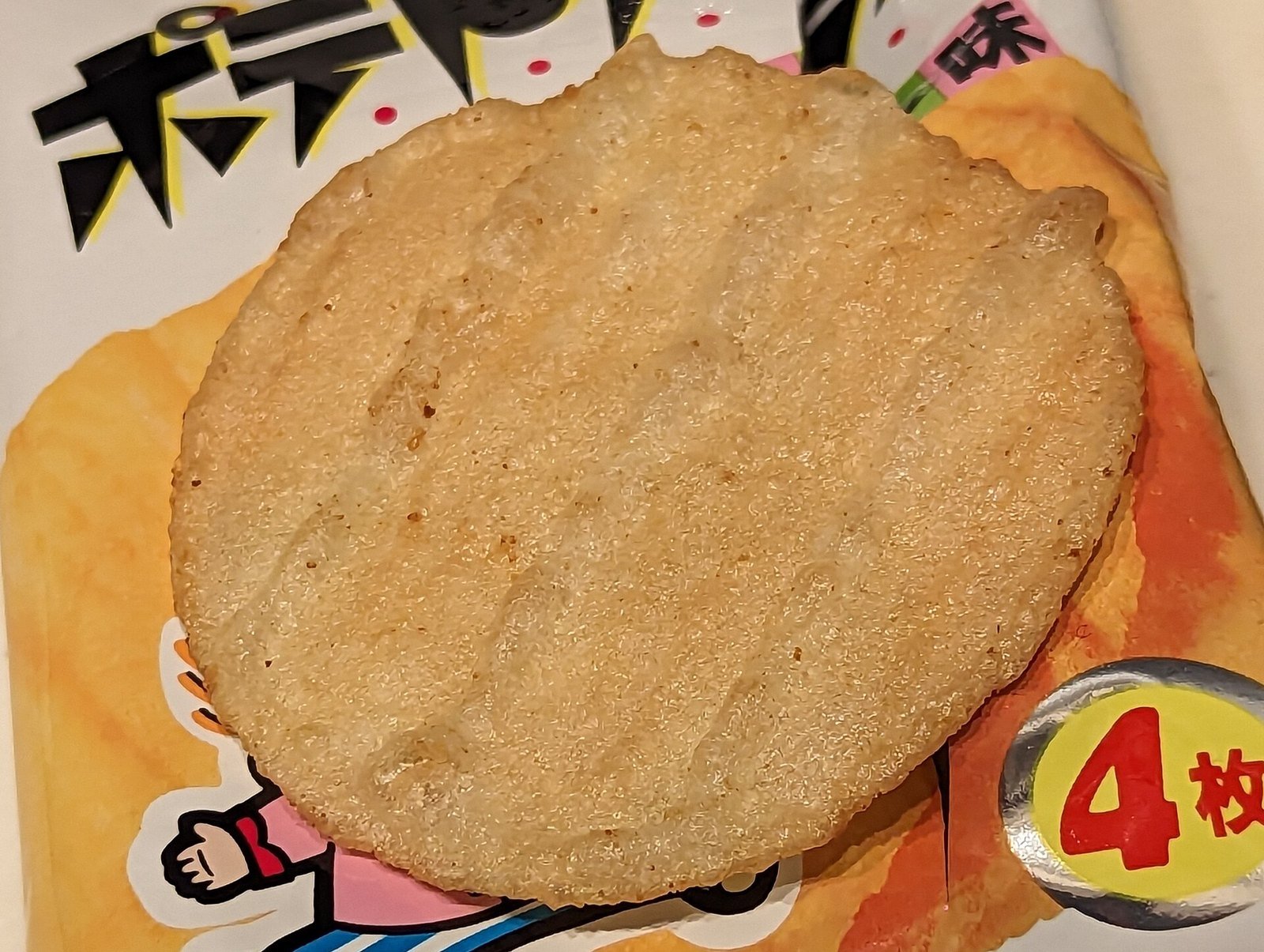
OHIMESAMA Japanese Dagashi Snack Assortment (35 pcs)
Box of 35 individually wrapped Japanese dagashi snacks, a taste of Japan before or after a trip.
Check price on AmazonFAQ
How many vending machines are in Japan?
About 3.9 million vending machines and automated service machines, according to JVMA figures for the end of 2024, with roughly 2.2 million selling drinks. Reports in 2026 put the 2025 total at about 3.88 million. The number peaked above 5 million and has been falling for over a decade.
Do Japanese vending machines take credit cards?
Mostly not. Some newer machines, including Coca-Cola’s multi-money machines, accept Visa, Mastercard, JCB and American Express contactless tap. Most still rely on coins, 1,000-yen notes and IC transit cards, so carry some cash.
Can I use Suica or Apple Wallet at vending machines?
Yes, at machines with an IC card reader, which are common in and near stations. Suica, PASMO and ICOCA all work, including Suica or PASMO in Apple Wallet on an iPhone. Android phones bought outside Japan generally cannot add Suica, so use a physical card.
How much is a drink from a Japanese vending machine?
Usually about 130 to 250 yen, roughly $0.90 to $1.70. Small cans of coffee sit at the low end, while 500ml bottles of soda or tea have risen to around 200 yen or more since the 2025 price rises.
Why does Japan have so many vending machines?
The usual explanations are low vandalism, dense foot traffic, high land and labor costs that make an unstaffed 24-hour “shop” attractive, and drink makers using machines as roadside advertising. None is an official single answer, and the number is now shrinking as convenience stores spread.
Are there vending machines that sell beer or alcohol?
A few. The National Tax Agency counted 8,521 alcohol vending machines in April 2025, far fewer than in the 1990s, and newer machines are meant to check age. Do not count on finding one.
What is the weirdest thing sold in Japanese vending machines?
Verifiable oddities include bottled dashi soup stock, frozen ramen from famous shops, canned oden and local fresh eggs. Many viral claims, such as live crabs, are rare one-offs or exaggerations.
Where do I throw away the bottle?
In the recycling box next to the vending machine, if there is one. Otherwise, carry it until you find a convenience store bin or take it back to your hotel. Public rubbish bins are scarce in Japan.
Comment (1)