
As an Amazon Associate, Chasing Cherry Blossoms earns from qualifying purchases. We may also earn from other affiliate links on this page at no extra cost to you.
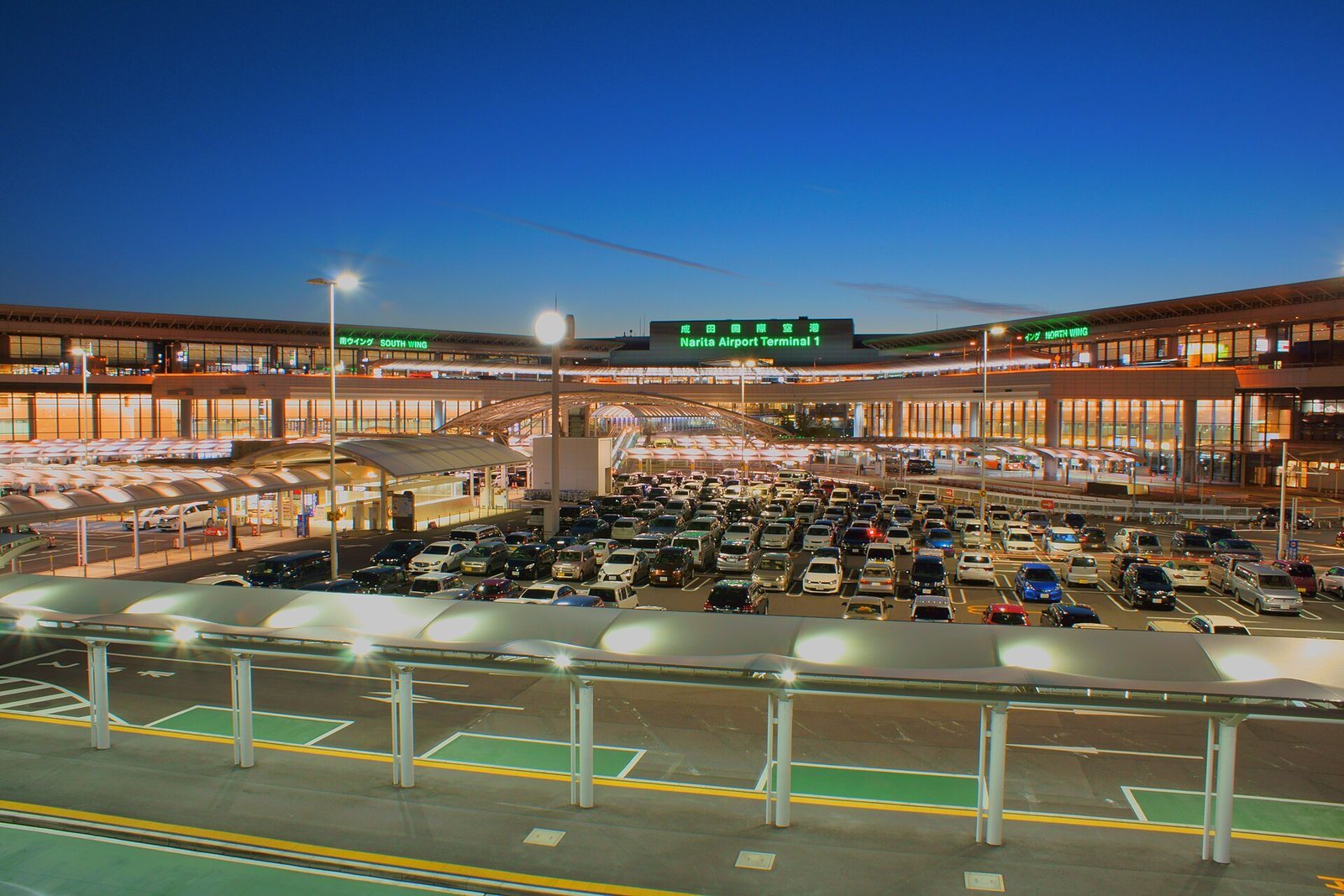
Narita International Airport (成田国際空港) is where many long-haul flights from North America land, and it is farther from Tokyo than first-timers expect – roughly 60-70 km east of the city centre in Chiba Prefecture. After 11 or more hours in the air, you want a clear plan: which terminal you are in, how to get through immigration, and which train or bus gets you to your hotel without three changes and a suitcase on the stairs.
This guide is updated for late 2026, including Visit Japan Web, current fares and the departure rules that changed this year. Prices are in yen with US dollars alongside at roughly $1 = 155 yen.
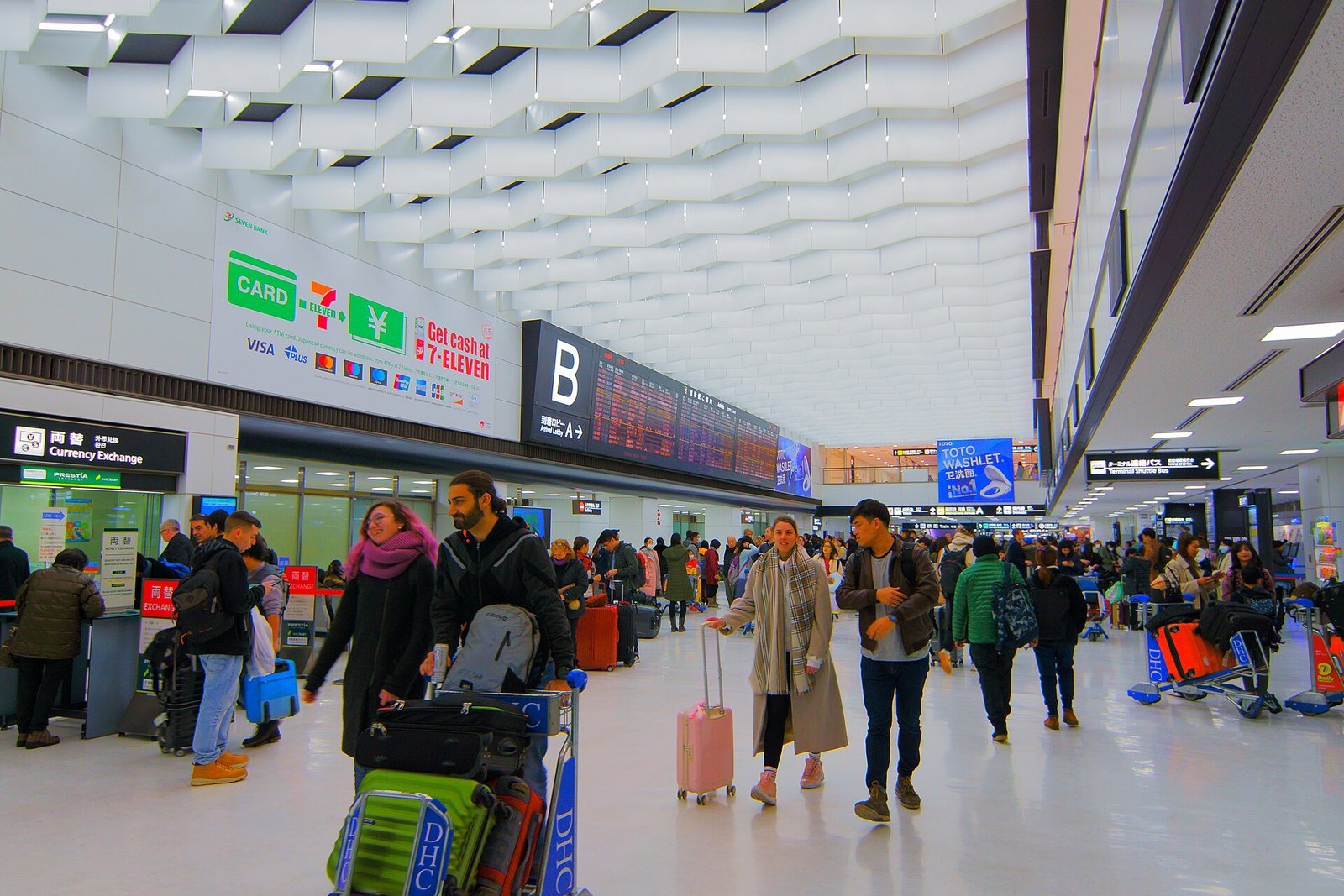
Quick answer: For Ueno and Nippori, take the Keisei Skyliner (about 36-41 minutes, 2,580 yen / $17). For Tokyo Station, Shinjuku or Shibuya, the JR Narita Express (N’EX) runs direct (about 53 minutes to Tokyo Station, 3,140-3,330 yen / $20-21), and foreign visitors can buy a 5,200 yen ($34) round trip. The Access Express reaches Asakusa and the Ginza area for about 1,300 yen ($8). The cheapest ride is the Airport Bus TYO-NRT to Tokyo and Ginza stations at 1,500 yen ($10). Limousine buses (3,100-3,600 yen) stop at big hotels if you have heavy luggage. Fill in Visit Japan Web before landing, then pick up a Welcome Suica and some yen at the airport.
| Option | To | Time | Fare (yen / USD) | Best for |
|---|---|---|---|---|
| JR Narita Express (N’EX) | Tokyo, Shinagawa, Shibuya, Shinjuku, Yokohama | About 53 min to Tokyo; roughly 75-90 min to Shibuya/Shinjuku | 3,140 to Tokyo, 3,330 to Shinjuku/Shibuya (~$20-21); 5,200 round trip for foreign visitors (~$34) | West-side hotels, JR Pass holders, no-change rides |
| Keisei Skyliner | Nippori, Keisei Ueno | About 36 min to Nippori, 41 min to Ueno | 2,580 (~$17); 2,310 discount ticket (~$15) | Ueno, Yanaka, Akihabara; fastest train |
| Keisei Access Express | Asakusa, Nihombashi, Higashi-Ginza (via Toei Asakusa Line) | About 50 min to Asakusa | About 1,290 to Asakusa (~$8); about 1,300-1,420 further in | Asakusa and east-side hotels on a budget |
| Keisei main line | Nippori, Keisei Ueno | About 75-90 min | About 1,060 (~$7) | Cheapest train, light luggage |
| Airport Limousine Bus | T-CAT, Tokyo Station, Shinjuku, major hotels | About 60 min to T-CAT; 90-120 min to Shinjuku | 3,100-3,600 (~$20-23) | Big suitcases, hotel-door drop-off, kids |
| Airport Bus TYO-NRT (low-cost) | Tokyo Station, Ginza | About 65-70 min | 1,500 (~$10); 3,000 late night/early morning | Cheapest overall, late arrivals |
| Taxi (fixed fare) | Tokyo 23 wards by zone | About 60-90 min | 23,500-38,500 plus tolls (~$150-250) | Groups of three or four, very late arrivals |
Map: Narita Airport terminals, stations and where trains and buses drop you in Tokyo
- Narita Airport Terminal 1 – Star Alliance (United, ANA, Singapore Airlines, Air Canada) in the South Wing; ZIPAIR and Peach in the North Wing Directions
- Narita Airport Terminal 1 Station – JR (N'EX) and Keisei (Skyliner, Access Express) under Terminal 1; JR EAST Travel Service Center Directions
- Narita Airport Terminal 2 – oneworld: JAL, American, Qantas, Cathay Pacific; nine hours capsule hotel in the P2 parking building Directions
- Narita Airport Terminal 2-3 Station – Station under Terminal 2 for T2 and T3; Welcome Suica, N'EX tickets and Skyliner counters Directions
- Narita Airport Terminal 3 – Low-cost terminal (Jetstar Japan, Jetstar); about 13 minutes' covered walk from T2 station, or free shuttle Directions
- Nippori Station – Fastest Skyliner stop (about 36 min); change here for the JR Yamanote Line Directions
- Keisei Ueno Station – Skyliner terminus (about 41 min) and Keisei main line terminus; short walk to JR and Metro Ueno Directions
- Asakusa Station (Toei Asakusa Line) – Reached directly by through-running Access Express trains (about 50 min) for Senso-ji area hotels Directions
- Tokyo City Air Terminal (T-CAT) – Airport Limousine Bus terminal, about an hour from Narita; linked to Suitengumae Station Directions
- Tokyo Station – N'EX stop (about 53 min); Airport Bus TYO-NRT and limousine bus stops on the Yaesu side Directions
- Ginza Station – Airport Bus TYO-NRT stop; Higashi-Ginza (Asakusa Line) nearby for Access Express trains Directions
- Shinjuku Station – N'EX stop (roughly 80-90 min); limousine buses run to Busta Shinjuku and Shinjuku hotels Directions
Narita at a glance
Narita has three passenger terminals. Terminal 1 has a North Wing and a South Wing, Terminal 2 is the oneworld base, and Terminal 3 is the low-cost terminal next to Terminal 2. There are two underground railway stations, both served by JR and Keisei: Narita Airport Terminal 1 Station (成田空港駅) under Terminal 1, and Narita Airport Terminal 2-3 Station (空港第2ビル駅) under Terminal 2. Your terminal decides which station you use, so check it before you land.
| Terminal | Main airlines/alliances | Train station | Notes |
|---|---|---|---|
| Terminal 1 South Wing | Star Alliance: United, ANA, Singapore Airlines, Air Canada, Air New Zealand; also Scoot | Narita Airport Terminal 1 Station | United adds a Chicago route from late Oct 2026 |
| Terminal 1 North Wing | SkyTeam and others; ZIPAIR, Peach (international) | Narita Airport Terminal 1 Station | Delta plans to return with Seattle flights from 27 Mar 2027 |
| Terminal 2 | oneworld: JAL, American Airlines, Qantas, Cathay Pacific | Narita Airport Terminal 2-3 Station | nine hours capsule hotel in the P2 parking building |
| Terminal 3 | Low-cost: Jetstar Japan, Jetstar (Australia) | Narita Airport Terminal 2-3 Station | About 13 minutes’ covered walk from the station, or the free shuttle bus |
The airport shuttle bus between terminals is free; the Terminal 2 to Terminal 3 run takes about six minutes.
If you are flying from the United States
United uses Terminal 1’s South Wing, and from late October 2026 that includes a new Chicago-Narita route. American Airlines and JAL use Terminal 2. ZIPAIR, JAL’s low-cost long-haul airline with flights from several US West Coast cities, uses Terminal 1’s North Wing. Delta has not flown to Narita since 2020 – its Tokyo flights use Haneda – but plans to return with a daily Seattle-Narita flight from 27 March 2027.
Many US flights land in the afternoon or early evening, when every train and bus is running and you can be at a hotel in Shinjuku, Shibuya, Ginza, Ueno or Asakusa by dinner. The catch is Tokyo’s evening rush hour: with two big suitcases, send one ahead or take the limousine bus. US two-pin plugs fit Japanese sockets, and most phone and laptop chargers handle Japan’s 100V – check the label.
Before you land: Visit Japan Web, immigration and customs
Visit Japan Web
Visit Japan Web is the government’s free online service for entry paperwork. You enter your passport, flight and first hotel, then complete the immigration card and customs declaration online; immigration and customs now share a single QR code. It is recommended, not mandatory – paper cards are still accepted in 2026 – but it saves filling in forms on a tray table. Do it a few days before you fly and screenshot the QR code in case the Wi-Fi is slow. Our Visit Japan Web guide walks through the screens.
Visa-free entry
US, Canadian, Australian, Singaporean and UK passport holders can visit Japan visa-free for up to 90 days for tourism, according to Japan’s Ministry of Foreign Affairs. UK and Irish nationals can apply to a regional immigration bureau to extend that to six months. Japan’s planned electronic travel authorisation, JESTA, became law in mid-2026 and is targeted to start by the end of fiscal 2028 (March 2029). No fee or launch date had been announced as of late 2026, so check before you go.
What customs cares about
Adult visitors can bring in three 760 ml bottles of alcohol, 200 cigarettes, 2 oz of perfume and up to 200,000 yen of other goods duty-free. Declare cash over 1 million yen. Meat products, including beef jerky and vacuum-packed sausage, are banned even if bought duty-free. More than a one-month supply of prescription medicine needs an import certificate (Yunyu Kakunin-sho), stimulants such as Adderall are prohibited, and some US cold medicines containing pseudoephedrine are restricted – check the Japanese embassy’s guidance if you rely on them.
Step-by-step arrival at Narita
The order is quarantine, immigration, baggage claim, then customs.
| Step | What to do | Tip |
|---|---|---|
| 1. Quarantine | Walk through the health screening area | No health form is required for most travellers in 2026 |
| 2. Immigration | Show passport and Visit Japan Web QR (or paper card); give fingerprints and a face photo | Walk briskly from the gate – long-haul arrivals bunch up |
| 3. Baggage claim | Find your flight number on the carousel screens | Luggage delivery counters are just outside |
| 4. Customs | Use the electronic declaration gates with an IC passport and QR code, or hand in the paper form | Declare food, medicines and cash over 1 million yen |
| 5. Arrivals lobby | Get yen, a Suica or TOURIST PASMO, SIM or Wi-Fi, and send bags ahead | Do this before heading down to the station |
| 6. Transport | Buy N’EX, Skyliner or bus tickets and head to the platform or bus stop | Check the last departure if you land after 21:00 |
Immigration and how long it takes
Foreign visitors have their fingerprints and a face photo taken; children under 16 are exempt. The airport publishes live estimated waits by terminal on its immigration page, often 0-20 or 20-40 minutes, but Japanese media reported waits of over two hours at peak times in 2025. It helps to sit near the front of the plane, have your QR code open before you reach the hall, and enter your hotel address accurately.
Customs e-gates
All three terminals have electronic customs declaration gates: scan your IC passport and Visit Japan Web QR code at a kiosk, then walk through a face-recognition gate. If you have something to declare or a paper form, use the staffed lane.
Getting from Narita to Tokyo in detail
The right choice depends mostly on where your hotel is. Tokyo’s east side (Ueno, Asakusa, Nihombashi) is Keisei territory, while the JR N’EX suits Tokyo Station, Shinjuku and Shibuya. Our Tokyo transport guide covers getting around once you arrive, and if you have not booked yet, our Tokyo accommodation guide compares neighbourhoods.
Keisei Skyliner: fastest to Ueno and Nippori
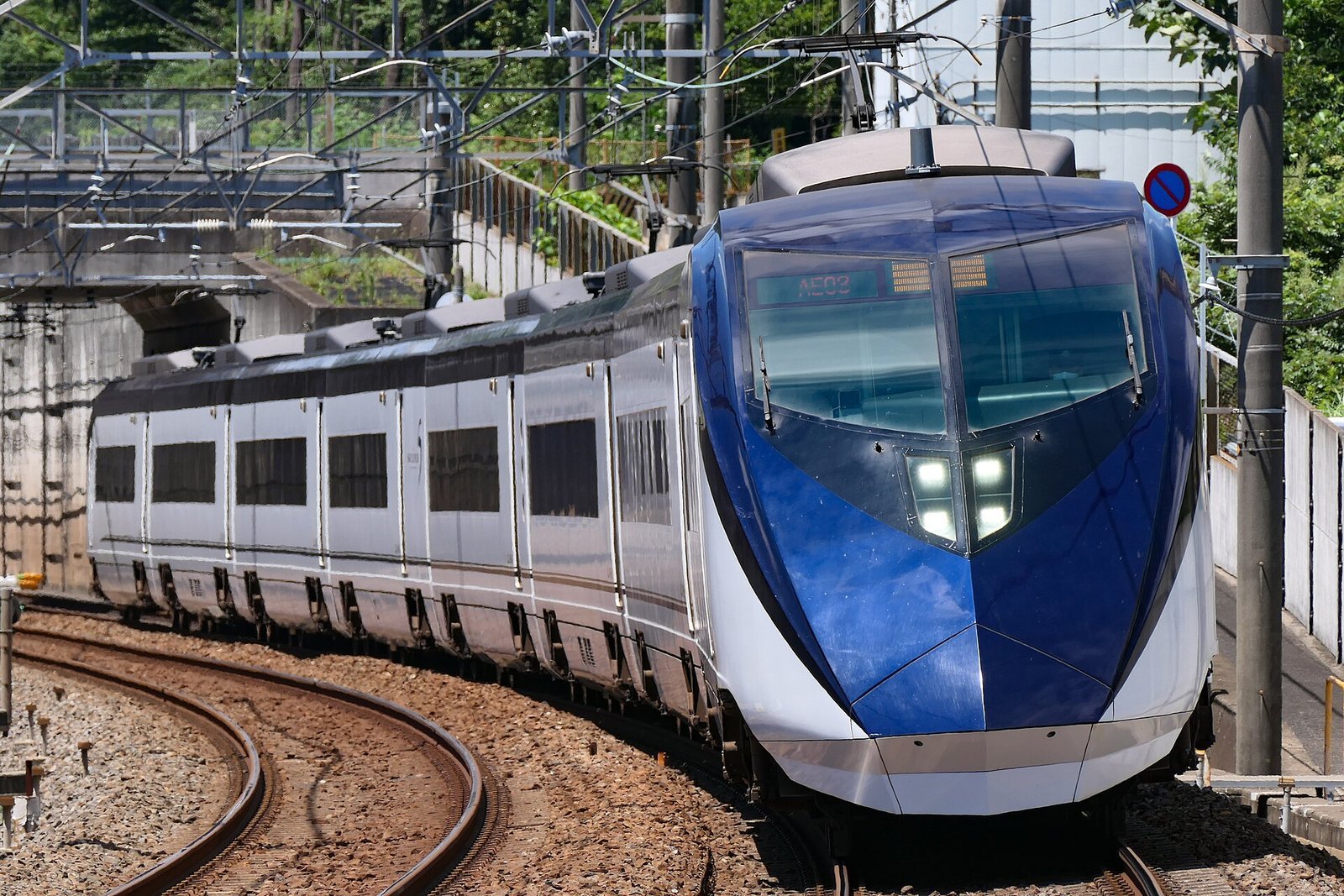
The Skyliner is the quickest rail link into Tokyo: about 36 minutes to Nippori and 41 minutes to Keisei Ueno on the fastest services, with every seat reserved. The regular adult fare is 2,580 yen ($17): a 1,280 yen base fare plus a 1,300 yen Liner fee, per Keisei’s Japanese fare page (Keisei’s older English fare table still shows 2,470 yen, so check at the counter). A Skyliner Discount Ticket bought online or through travel agents costs 2,310 yen ($15) one way or 4,500 yen ($29) round trip, and boarding without a Skyliner ticket now adds a 300 yen surcharge. Keisei also sells a Skyliner and Tokyo Subway Ticket for foreign visitors that adds an unlimited subway pass; check the current price on Keisei’s site.
Change at Nippori for the JR Yamanote Line. Ueno is better for Ueno Park hotels and the Ginza and Hibiya subway lines.
Narita Express (N’EX): direct to Tokyo Station, Shinjuku and Shibuya
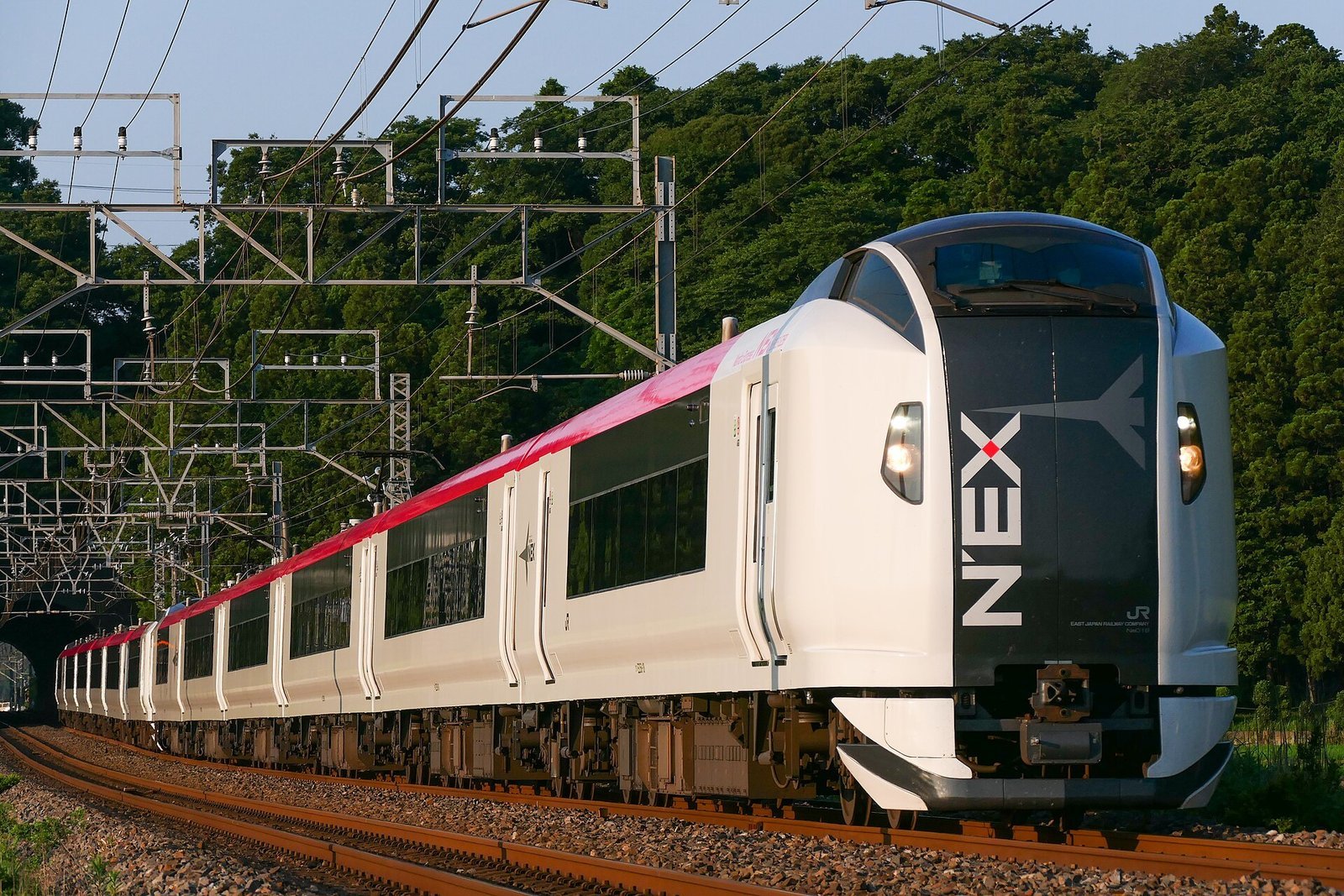
JR East’s N’EX runs from both airport stations to Tokyo Station in about 53 minutes, then continues to Shinagawa, Shibuya, Shinjuku and Yokohama. After JR East’s March 2026 fare revision, a reserved seat to Tokyo is 3,140 yen ($20) and to Shinjuku or Shibuya 3,330 yen ($21). Most visitors should buy the N’EX Tokyo Round Trip Ticket for foreign passport holders: 5,200 yen ($34) for a return within 14 days, sold at the JR EAST Travel Service Center in either airport station or at passport-reading ticket machines.
The N’EX is covered by the Japan Rail Pass, with free seat reservations – our Japan Rail Pass guide explains whether a pass is worth it. A Suica alone covers only the basic fare, so you still need a limited express ticket. Shinjuku takes roughly 80-90 minutes, which is why some travellers prefer the limousine bus there.
Access Express and the Keisei main line: cheaper trains
Keisei’s Access Express uses the fast Narita Sky Access line but is an ordinary commuter train without reserved seats. Many services run through onto the Toei Asakusa subway line, reaching Asakusa in about 50 minutes for about 1,290 yen ($8) – the natural choice for Asakusa, Nihombashi and Higashi-Ginza. Some trains end at Aoto, where you change. The Keisei main line to Ueno is the cheapest train at about 1,060 yen ($7), but takes 75-90 minutes.
Buses: limousine and low-cost
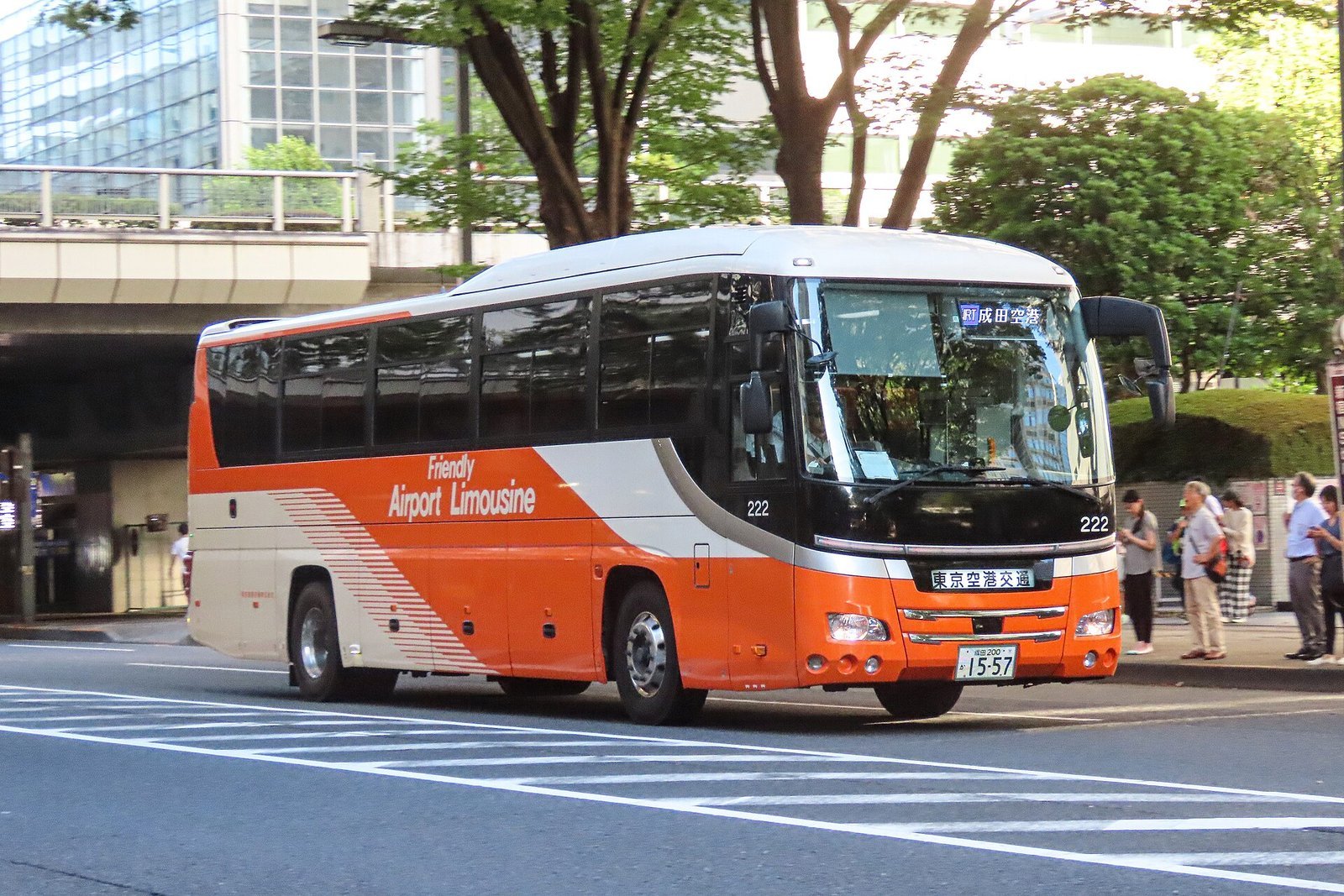
The Airport Limousine Bus suits big suitcases, small children or a hotel on its route: staff load your bags and you are dropped at or near the door. Fares are 3,100 yen ($20) to Tokyo City Air Terminal (T-CAT) and Tokyo Station, and 3,600 yen ($23) to Shinjuku and many central hotels. Some routes have been cut because of driver shortages, so check the timetable for your hotel. Allow about an hour to T-CAT and closer to two hours to Shinjuku in traffic.
The low-cost Airport Bus TYO-NRT (which replaced THE Access Narita and Tokyo Shuttle) costs 1,500 yen ($10) to Tokyo Station or Ginza in about 65-70 minutes, or 3,000 yen ($19) for early-morning and late-night departures. Seats cannot currently be reserved, so you queue at the stop.
Taxis
Fixed-fare taxis run to the Tokyo 23 wards by zone, plus tolls. Chuo, Chiyoda and Taito wards (Ginza, Tokyo Station, Ueno, Asakusa) are 29,000-31,000 yen ($187-200); Shinjuku, Shibuya and most of Minato are 31,500-32,500 yen ($203-210). A surcharge applies from 22:00 to 05:00. It rarely makes sense for one or two people, but can for a group of four arriving after the trains stop.
Late-night arrivals
Narita’s runways normally operate from 06:00 to midnight, so delayed flights can land late. If you land after about 22:00, assume the N’EX is finished or nearly so. The last Skyliner leaves around 23:00 and the last TYO-NRT buses around 23:20-23:30 – check same-day timetables. If you miss everything, take a fixed-fare taxi, stay at an airport hotel (Hilton Tokyo Narita Airport and Narita Tobu Hotel Airport are on the free hotel shuttle routes) or use the Terminal 2 capsule hotel. Terminal 1’s lower floors and Terminal 2’s 1F and 2F stay open 24 hours.
Money, ATMs and IC cards at Narita
ATMs and currency exchange
AEON Bank ATMs are before security in Terminals 1 and 2 (including inside the MINISTOP in Terminal 1’s South Wing), and there are Japan Post Bank and Seven Bank machines too – though some Seven Bank ATMs are past security. Terminal 3’s arrival area has ATMs and exchange counters. Exchange counters include GPA, Travelex and local banks. Withdrawing a modest amount with a no-foreign-fee debit card is usually simplest; many shops and taxis take cards, but smaller restaurants and shrines still prefer cash.
Suica, PASMO and tapping a bank card
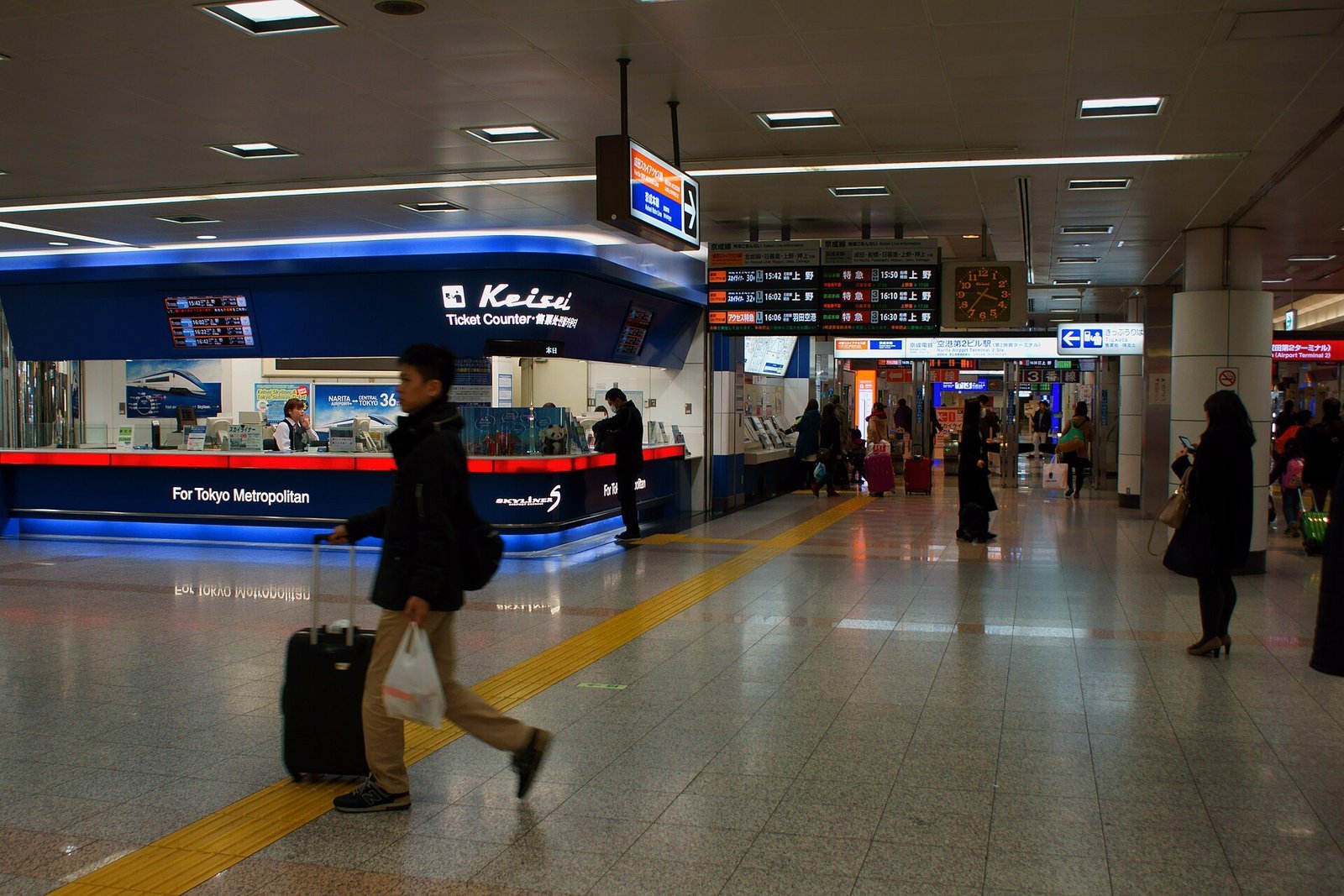
Welcome Suica, the tourist version with no deposit, is sold at the JR EAST Travel Service Centers and vending machines in both airport stations (one per person). TOURIST PASMO, which replaced PASMO PASSPORT in May 2026, is sold at the Skyliner and Keisei Information Center in Terminal 2-3 Station. Regular Suica and PASMO cards have been back on sale since March 2025, and iPhone 8 or newer can add Suica to Apple Wallet before landing (some travellers report Visa top-ups from non-Japanese cards are unreliable, while Mastercard and Amex work better).
Contactless bank cards are spreading on Tokyo lines, but as of late 2026 you cannot tap a Visa or Apple Pay card at the Narita gates: neither JR East nor Keisei joined the Kanto contactless scheme launched in March 2026. Our Suica guide covers Welcome Suica, Apple Wallet, PASMO and refunds.
SIM, eSIM and Wi-Fi
The free airport Wi-Fi is FreeWiFi-NARITA, covering all terminals and the shuttle buses; you just accept the terms on a splash page (the airport suggests a VPN). The arrivals areas have SIM and pocket Wi-Fi rental counters from several companies, plus SIM vending machines, all before security. For an unlocked phone, a data eSIM installed before departure is usually the least hassle – switch it on when you land and your maps work on the train. Prices vary by provider, so compare before you fly.
Luggage delivery and lockers
Luggage delivery is one of the best arrival hacks. Yamato and JAL ABC have counters in the Terminal 1 and 2 arrivals areas (Sagawa is also in Terminal 1), and Yamato is in Terminal 3. Send a large suitcase to your hotel – next-day delivery is standard, and some same-day options exist – and ride into Tokyo with a day bag. Our luggage forwarding guide explains how it works and why big cases are awkward on Tokyo trains. Every terminal also has coin lockers and staffed baggage storage.
Food and shopping, briefly
Every terminal has convenience stores and casual restaurants on the public side for a first onigiri or coffee. Post office counters are in Terminal 1 (Central Building 4F) and Terminal 2 (Main Building 3F), open 08:30-20:00. Duty-free shops are mostly past security. From 1 November 2026 Japan’s tax-free system switches to refunds: you pay tax in the shop and claim it back after a customs check at the airport before checking bags. See our tax-free shopping guide.
Sleeping at Narita and early flights
The nine hours Narita Airport capsule hotel is in Terminal 2’s P2 parking building (B1F), before security. It is open 24 hours, with overnight stays, day use at 1,500 yen ($10) for the first hour then 500 yen per hour, and showers at 1,000 yen ($6). Our capsule hotel guide explains what to expect. Airside, Terminals 1 and 2 have paid shower rooms (1,500 yen for 30 minutes) and paid lounges such as the IASS lounges.
For a dawn departure, staying near the airport is usually less stressful than relying on the first trains from central Tokyo, which can cut it fine for a 7:00 or 8:00 flight. Terminal 1’s 3F and 4F departure floors open at 05:00.
Departing via Narita and connecting between terminals
Check your outbound airline’s terminal separately – it may not be the one you arrived at. Three changes matter in 2026:
- Departure tax: Japan’s International Tourist Tax rose from 1,000 yen to 3,000 yen ($19) from 1 July 2026, collected in your ticket price.
- Tax-free refunds: from 1 November 2026, have purchases checked at customs before you check bags, within 90 days of purchase. Allow extra time.
- Power banks: since 24 April 2026, Japanese airlines including JAL and ANA allow at most two power banks per passenger, carry-on only, and you cannot charge or use them on board. Other airlines may have their own rules.
Connecting to a flight in another terminal? Use the free shuttle bus. If you must collect bags and check them in again, you will normally clear immigration and customs first – ask your airline’s transfer desk.
Narita vs Haneda
Haneda is only about 15-20 km from central Tokyo, compared with Narita’s 60-70 km, so it is quicker by train and far cheaper by taxi. If you have a choice at similar prices and times, Haneda wins; if Narita is cheaper or better-timed, the Skyliner and N’EX make it easy. Narita’s new third runway and extended Runway B are now expected at the end of 2034, after a delay announced in October 2026.
Mistakes to avoid
- Taking the N’EX to Ueno or Asakusa. The Skyliner or Access Express is faster and cheaper for the east side.
- Assuming you can tap a bank card at the gates. Not at Narita as of late 2026 – get a Suica or a ticket.
- Dragging two big suitcases through Shinjuku Station at rush hour. Send one ahead or take the limousine bus.
- Bringing jerky or meat snacks. They are banned, even sealed.
- Leaving a late arrival to chance. If you land after 21:00, know your last train and have a backup.
- Packing power banks in checked baggage. They must be in your carry-on.
Packing for arrival day: research-based picks
These are picks based on research and reviews, not products we have tested. Japan uses Type A two-pin sockets at 100V, so US and Canadian two-pin plugs fit directly, but three-pin grounded plugs often do not fit older sockets, and Singapore, Australian and UK travellers need an adapter.
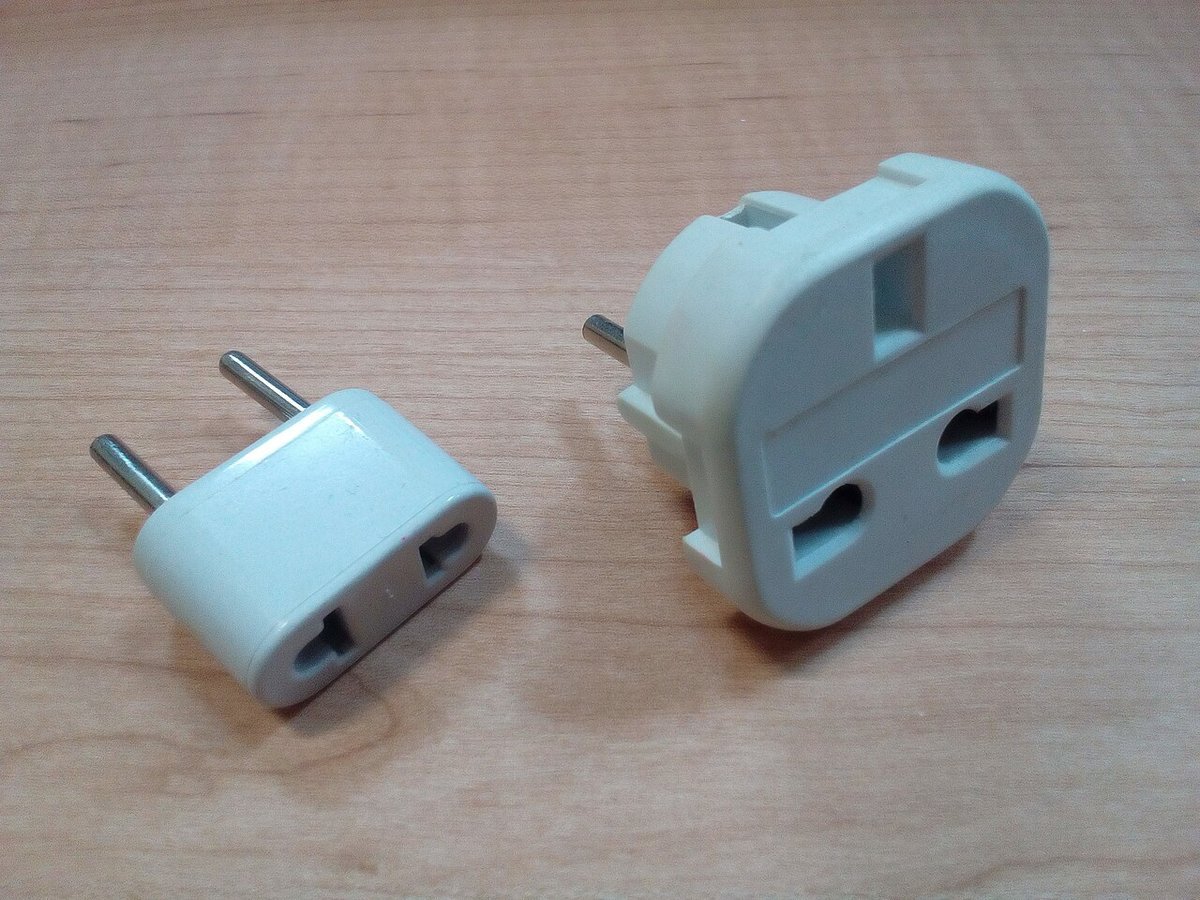
EPICKA universal travel adapter with USB-C
All-in-one plug adapter with Type A (Japan) pins and USB-C ports; mainly for SG, AU and UK travellers.
Check price on AmazonA 10,000mAh power bank (about 36Wh) is well within airline limits and keeps a phone going through a day of maps and translation apps – just remember you cannot use it on board Japanese airlines.
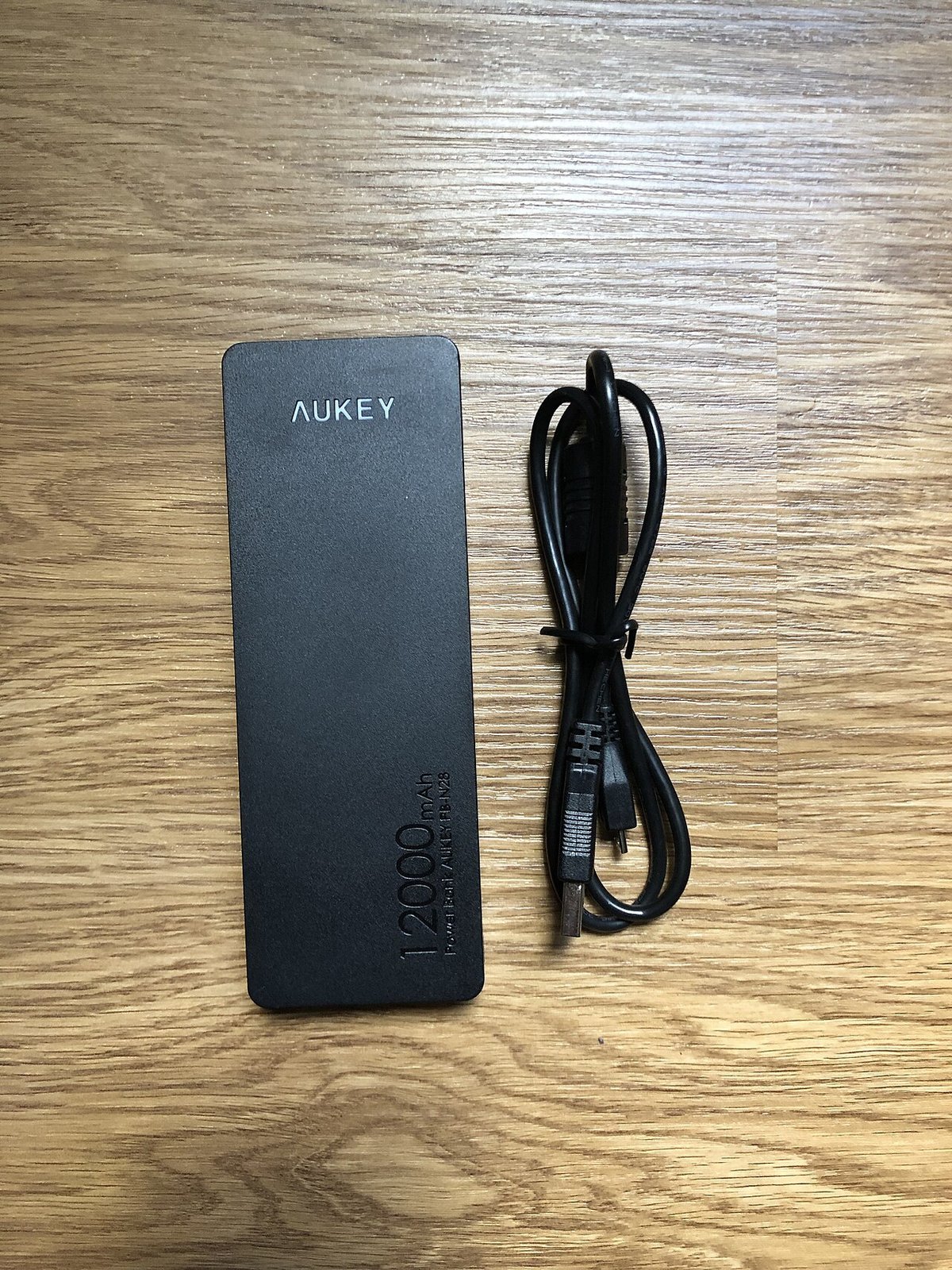
A portable power bank (item type, not the exact product). Photo: Fastily, CC BY-SA 4.0, via Wikimedia Commons
Anker 10,000mAh power bank
Compact carry-on power bank for a day of maps; Japanese airlines ban using power banks on board.
Check price on AmazonPacking cubes make it easy to split a day bag from a suitcase you send ahead by luggage delivery.

A packing cube (item type, not the exact product). Photo: Tony Webster, CC BY 2.0, via Wikimedia Commons
Amazon Essentials 4-piece packing cubes
Four zip cubes to split a day bag from a suitcase you send ahead by luggage delivery.
Check price on AmazonThe 19th edition of Lonely Planet Japan, published in July 2026, is a good offline backup for your first days.
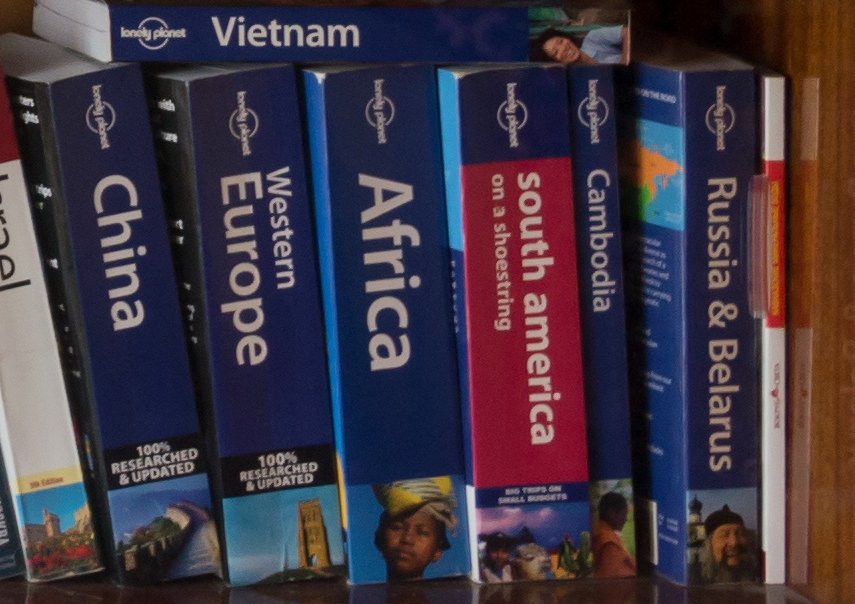
Travel guidebooks (item type, not the exact edition). Photo: Vyacheslav Argenberg, CC BY 4.0, via Wikimedia Commons
Lonely Planet Japan
Current 19th edition (2026) of the full-country guide; a handy offline backup for your first days.
Check price on AmazonArriving from Singapore, Australia, the UK or Canada
Singapore
Singapore Airlines and Scoot both use Terminal 1’s South Wing and Narita Airport Terminal 1 Station. Scoot announced Singapore-Haneda flights from March 2026, so check which airport your booking uses. If an overnight flight lands early in the morning, your room probably will not be ready: send bags ahead from the arrivals hall or leave them at your hotel’s front desk. Singaporeans get 90 days visa-free, and you need a Type A adapter.
Australia
Qantas uses Terminal 2 for Melbourne-Narita, rising to 11 flights a week from 2 December 2026; its Sydney flights mainly use Haneda. Jetstar uses Terminal 3, flying daily from Cairns and at times of year from the Gold Coast, so allow for the 13-minute walk or shuttle bus to the station. JAL and ANA also fly from Australia, so confirm your airport. Australians get 90 days visa-free, and you need a Type A adapter.
United Kingdom
Nonstop Heathrow flights on British Airways, JAL and ANA all land at Haneda, so you will usually only reach Narita by connecting through another hub. UK citizens get 90 days visa-free and can apply to extend to six months, and you need a Type A adapter.
Canada
Air Canada flies Vancouver-Narita daily into Terminal 1’s South Wing, landing in the late afternoon on the winter 2026-27 schedule, so every train and bus is still running. Air Canada also serves Haneda, so check your ticket. Canadians get 90 days visa-free, and Canadian two-pin plugs fit Japanese sockets.
Before you book, our guide to travel safety in Japan right now covers earthquakes, typhoons and other current issues.
FAQ
What is the cheapest and fastest way from Narita to Tokyo?
The cheapest is the Airport Bus TYO-NRT at 1,500 yen ($10) to Tokyo Station or Ginza, or the slow Keisei main line at about 1,060 yen ($7) to Ueno. The fastest is the Keisei Skyliner, about 36 minutes to Nippori for 2,580 yen ($17).
Should I take the Skyliner or the N’EX?
Take the Skyliner for Ueno, Nippori or Akihabara. Take the N’EX for Tokyo Station, Shinagawa, Shibuya or Shinjuku, or if you have a Japan Rail Pass. For Asakusa or Ginza, the cheaper Access Express is often the most direct.
How long does immigration take at Narita?
The airport’s live estimates often show under 40 minutes for visitors, but waits of over two hours were reported at peak times in 2025. Check the airport’s immigration page when you land, and avoid tight onward connections on arrival day.
Is Visit Japan Web required?
No. Paper forms are still accepted, but Visit Japan Web gives you one QR code for immigration and customs and lets you use the customs e-gates. Complete it a few days before you fly.
Can I use Suica or a credit card from Narita?
Yes, Suica or PASMO (including Apple Wallet Suica) works for basic fares on JR and Keisei, but the N’EX and Skyliner also need a limited express ticket, which you can buy by credit card. Tapping a bank card at the gates does not work at Narita as of late 2026.
Does Narita have ATMs that take foreign cards?
Yes. AEON Bank, Japan Post Bank and Seven Bank ATMs at Narita generally accept foreign Visa and Mastercard cards, and there are ATMs on the arrivals side of all three terminals.
Which terminal is my airline at?
United, ANA, Singapore Airlines and Air Canada use Terminal 1 South; ZIPAIR and Peach use Terminal 1 North; JAL, American, Qantas and Cathay Pacific use Terminal 2; Jetstar uses Terminal 3. Check the airport’s airline search page for the current list.
Can I sleep at Narita if I arrive late?
Yes. The nine hours capsule hotel in Terminal 2 is open 24 hours, and parts of Terminals 1 and 2 stay open overnight. Hilton Tokyo Narita Airport and Narita Tobu Hotel Airport are on the free hotel shuttle routes.
Comment (3)