
As an Amazon Associate, Chasing Cherry Blossoms earns from qualifying purchases. We may also earn from other affiliate links on this page at no extra cost to you.
There’s no single “best month” for Japan, because the country runs from subtropical Okinawa to snowy Hokkaido and the seasons move up it like a slow wave. We’ve driven through more than 20 prefectures since 2019, at every time of year. Here’s how we’d pick dates for a trip in late 2026 or 2027.
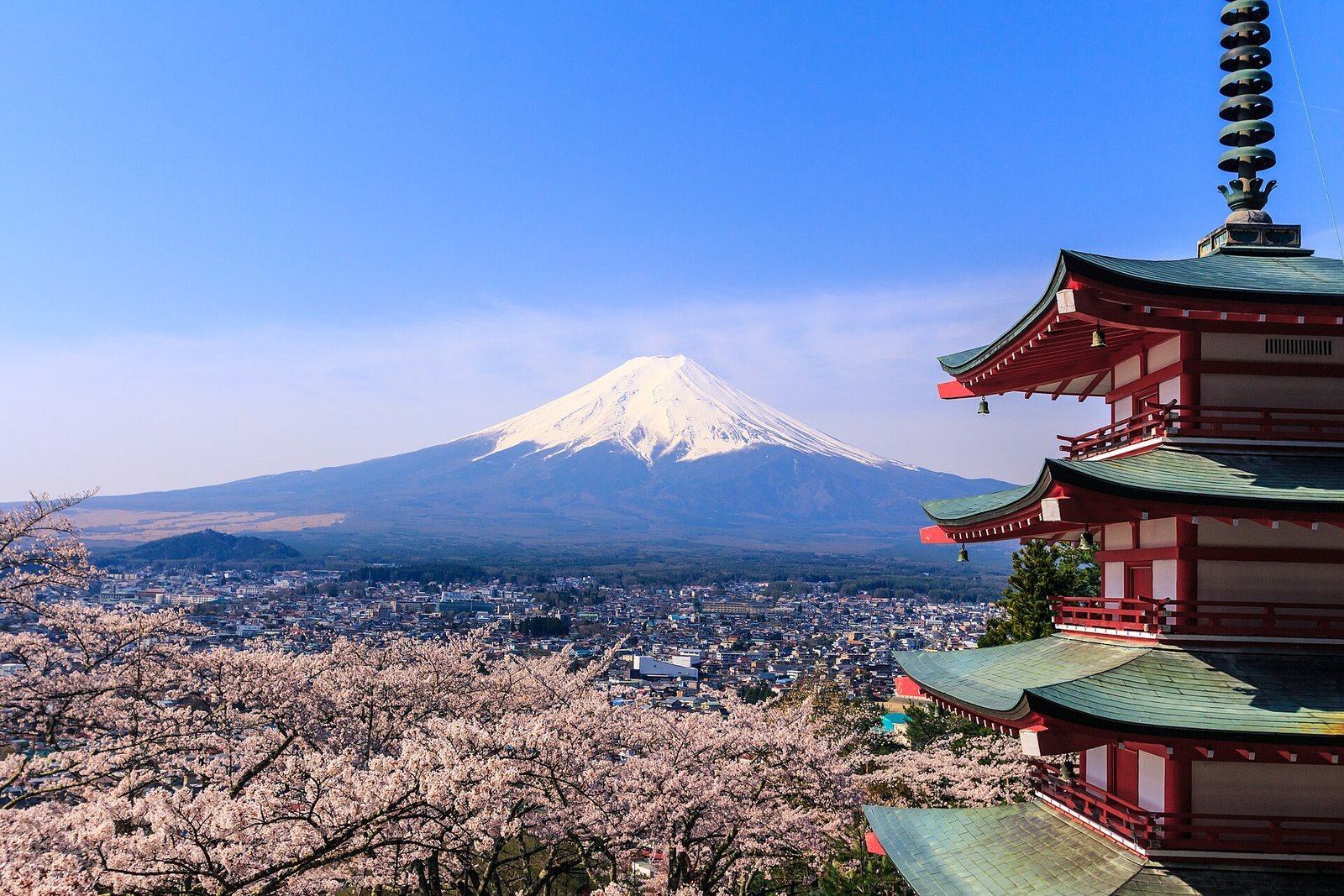
Quick answer: the best overall times are late March to early April (cherry blossoms in Tokyo, Kyoto and Osaka) and mid-October to late November (mild weather, then autumn leaves). For fewer crowds and easier hotel bookings, aim for mid-January to February (avoiding Lunar New Year week), late May to early June (after Golden Week, before the rainy season settles in), or early December.
Map: Japan's seasonal highlights in this guide
- Ueno Park (Tokyo) – Spring: one of Tokyo's classic cherry blossom parks; normal first bloom around 24 March. Directions
- Hirosaki Park (Hirosaki, Aomori) – Spring: castle-park cherry blossoms, usually late April to early May. Directions
- Ashikaga Flower Park (Ashikaga, Tochigi) – Spring: the great wisteria, normally late April to early May. Directions
- Yasaka Shrine (Kyoto) – Summer: home shrine of the Gion Matsuri, all of July; float processions 17 and 24 July. Directions
- Mt Fuji 5th Station, Yoshida Trail (Yamanashi) – Summer: trailhead for the Yoshida Trail; climbing season early July to 10 September. Directions
- Eikando Zenrinji (Kyoto) – Autumn: famous maple temple with evening light-ups; peak usually late Nov to early Dec. Directions
- Shirakawa-go (Gifu) – Winter: snowy thatched gassho farmhouses; a few reservation-only light-up evenings in January. Directions
- Odori Park (Sapporo, Hokkaido) – Winter: main site of the Sapporo Snow Festival, 4-11 February 2027. Directions
Japan month by month at a glance
Temperatures are Tokyo’s average daily highs from the Japan Meteorological Agency’s 1991-2020 normals. Kyoto runs a little colder in winter and hotter in summer. Hokkaido is much colder all year, and Okinawa much warmer.
| Month | Weather (Tokyo avg high) | Highlights | Crowds |
|---|---|---|---|
| January | 9.8°C / 50°F, dry and sunny | New Year shrine visits, skiing, Okinawa’s early cherry blossoms | Very busy 1-3 Jan, then quiet in the cities |
| February | 10.9°C / 52°F | Sapporo Snow Festival, Setsubun, plum blossoms | Moderate; busy over Lunar New Year and in Sapporo during the festival |
| March | 14.2°C / 58°F | Cherry blossoms reach Kyushu, Tokyo and Kyoto from late March | Builds fast in the last week |
| April | 19.4°C / 67°F | Peak sakura in central Japan early in the month; Tohoku later in April | Very busy; April 2025 set the all-time monthly record for foreign visitors |
| May | 23.6°C / 74°F | Wisteria, moss phlox, fresh green, Hokkaido’s cherry blossoms | Very busy in Golden Week, then calm |
| June | 26.1°C / 79°F, humid | Rainy season, hydrangeas, green mountains | Quieter |
| July | 29.9°C / 86°F, hot and humid | Gion Matsuri, Mt Fuji opens, fireworks | Busy from late July (school holidays) |
| August | 31.3°C / 88°F, hottest month | Fireworks, Obon dances, summer festivals | Very busy around Obon |
| September | 27.5°C / 82°F | Still hot; peak typhoon month | Moderate |
| October | 22.0°C / 72°F | Comfortable weather; autumn leaves start up north and in the mountains | Busy (second-busiest month in 2025) |
| November | 16.7°C / 62°F | Autumn leaves in Tokyo and Kyoto from mid to late month | Busy, especially Kyoto at weekends |
| December | 12.0°C / 54°F, dry | Kyoto’s last autumn colours, illuminations, ski season opens | Quiet early, very busy from about 28 December |
Spring (March to May): cherry blossoms and Golden Week
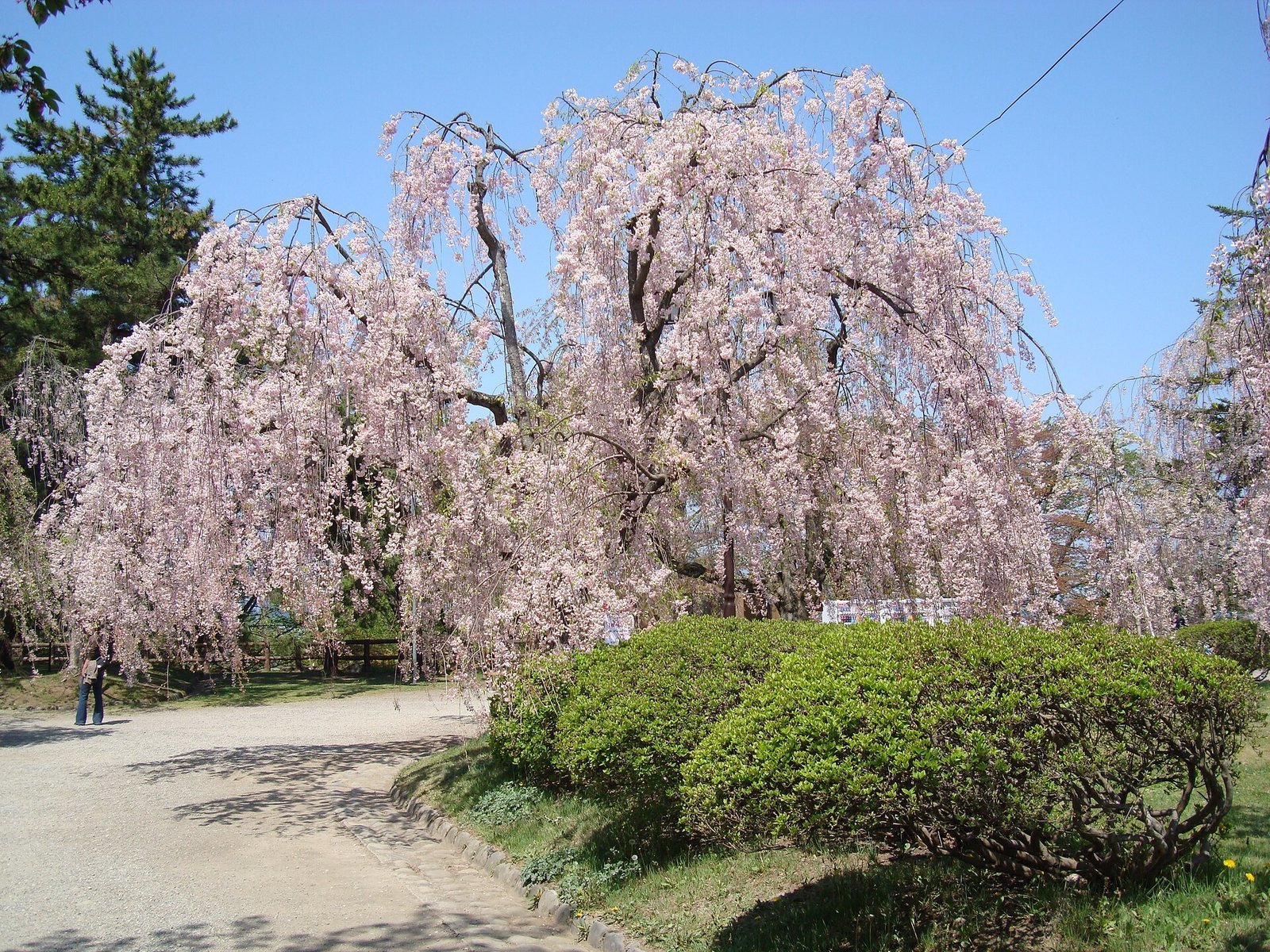
Spring is the season most people dream about, and it deserves the hype, but it doesn’t happen everywhere in March. The cherry blossom “front” moves from south to north over about four months. These are the Japan Meteorological Agency’s normal dates (1991-2020 average) for Somei Yoshino, the most common variety:
| City | First bloom | Full bloom |
|---|---|---|
| Naha, Okinawa (Hikanzakura) | 16 Jan | 4 Feb |
| Fukuoka | 22 Mar | 31 Mar |
| Tokyo | 24 Mar | 31 Mar |
| Kyoto | 26 Mar | 4 Apr |
| Osaka | 27 Mar | 4 Apr |
| Sendai | 8 Apr | 13 Apr |
| Aomori | 22 Apr | 26 Apr |
| Sapporo | 1 May | 6 May |
Real years swing either side of these normals by a week or more, and recent springs have often come early. Private forecasters (Weathernews, the Japan Weather Association’s tenki.jp and Japan Meteorological Corporation) put out their first forecasts between December and January, then update them every week or two. No 2027 forecast was out when we wrote this in October 2026. Our guide to when cherry blossoms bloom in Japan explains how to read them.
Our tip: book the trip around the normals, then keep a few flexible days. If Tokyo’s Ueno Park (上野恩賜公園) has already peaked, you can usually follow the front north. Hirosaki Park (弘前公園) in Aomori is the classic late-April pick, with castle moats full of fallen petals. In 2026 the Hirosaki Cherry Blossom Festival ran 10 April to 5 May after an early bloom.
May brings something different. Golden Week (29 April to 5 May) is Japan’s biggest domestic holiday, so trains and hotels fill up. Right after it, the country goes quiet and green. Ashikaga Flower Park (あしかがフラワーパーク) in Tochigi is famous for its great wisteria, which normally peaks from late April to early May (in 2026 it peaked in mid-April). The moss-phlox (shibazakura) fields near Mt Fuji run from mid-April to late May. Hokkaido gets its cherry blossoms in early May.
Summer (June to August): rainy season, festivals and heat
June and early July: the rainy season (tsuyu)
The rainy season (梅雨, tsuyu) is grey and drizzly rather than stormy, with some heavy downpours. JMA’s normal dates are:
- Okinawa: about 10 May to 21 June
- Kansai (Kyoto, Osaka): about 6 June to 19 July
- Kanto (Tokyo): about 7 June to 19 July
- Northern Tohoku: about 15 June to 28 July
- Hokkaido: no defined rainy season; JMA notes the rain front fades out before it gets there
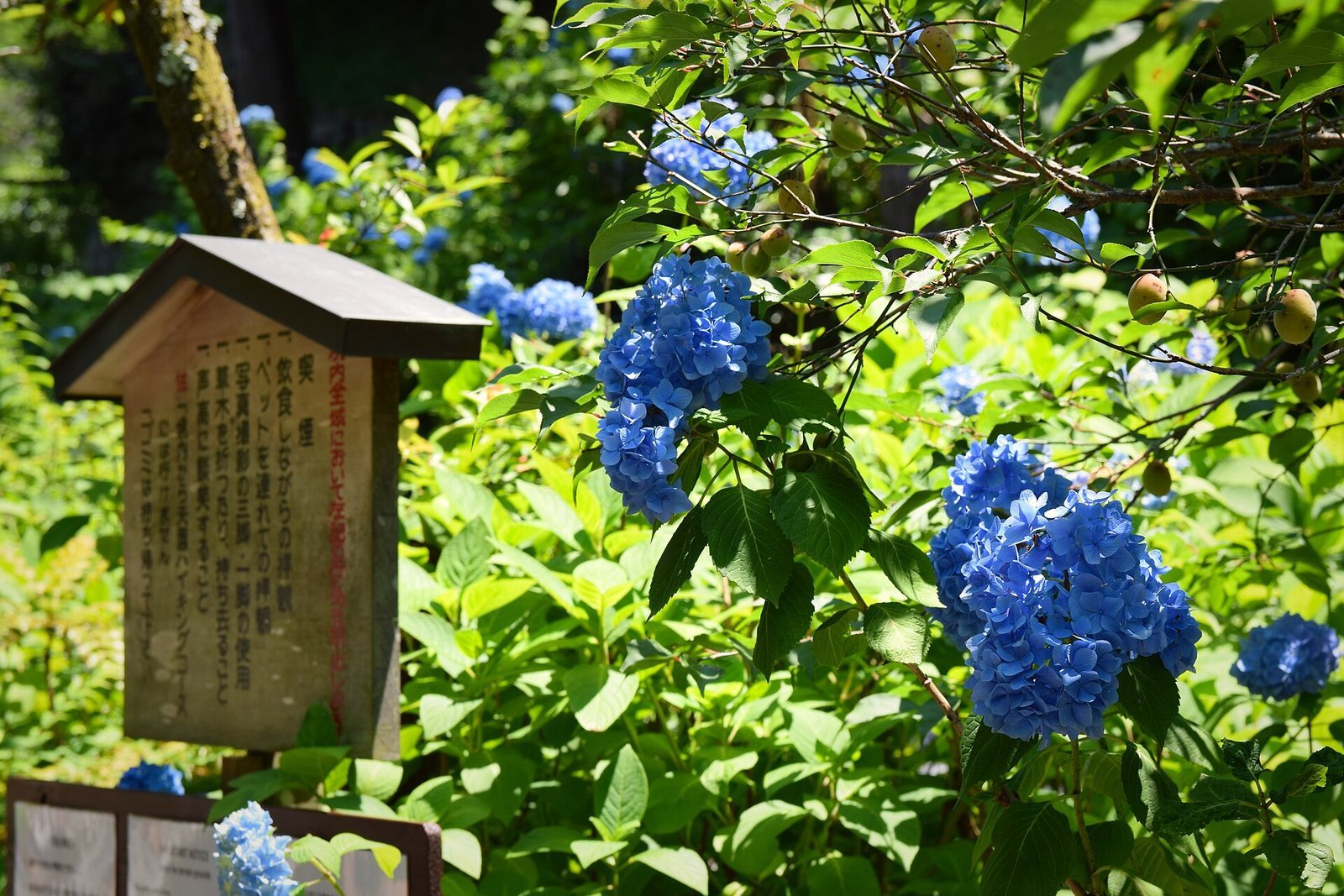
We actually like early June. Prices and crowds ease off after Golden Week, the gardens are lush, and temple hydrangeas peak in mid to late June (Kamakura is the classic day trip from Tokyo). Bring a sturdy umbrella and plan a few indoor options.
July and August: festivals, fireworks and Fuji
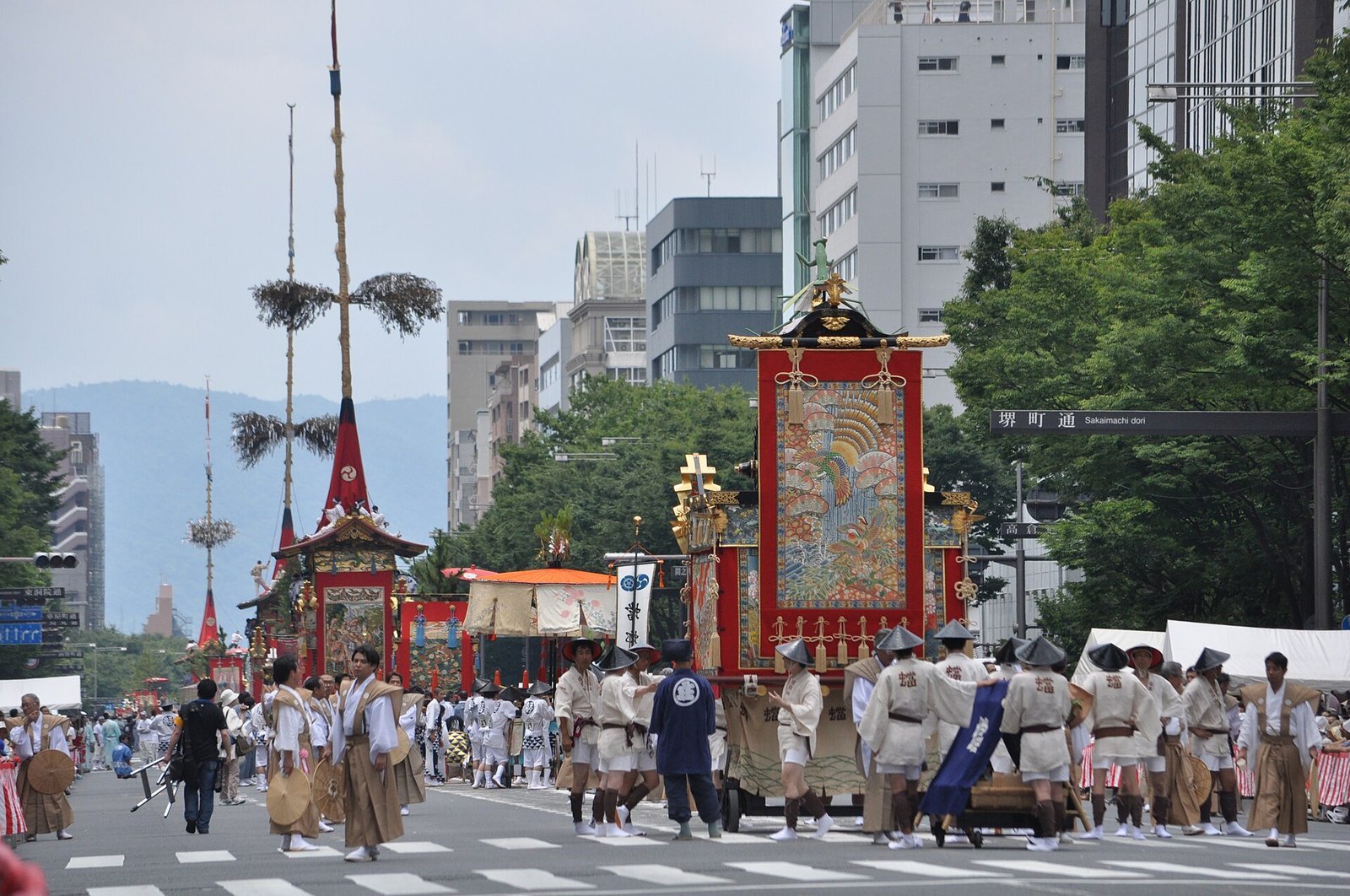
Summer is festival season. Kyoto’s Gion Matsuri, based at Yasaka Shrine (八坂神社), runs through all of July. The big float processions are on 17 and 24 July, which are both Saturdays in 2027, and the evening street parties (yoiyama) fill the three nights before each one. Tokyo’s Sumida River Fireworks are usually held on the last Saturday of July (it was 25 July in 2026), and towns across Japan hold their own displays through August.
Mt Fuji’s climbing season is short. In 2026 the Yoshida Trail (Yamanashi) and Subashiri Trail opened on 1 July, the Fujinomiya and Gotemba trails on 10 July, and all four closed on 10 September. Both prefectures now charge ¥4,000 per climber. On the Yoshida Trail, the 5th Station gate closes from 14:00 to 03:00 unless you’ve booked a mountain hut, and there’s a cap of 4,000 climbers a day. The Shizuoka trails need advance registration, including a short online safety module. The 2027 rules haven’t been announced, so check the official Fuji climbing site in spring.
The honest downside is the heat. JMA says summer 2025 was Japan’s hottest since records began in 1898, at 2.36°C above normal. It beat 2023 and 2024, which were tied for the previous record. Japan’s all-time high, 41.8°C, was set at Isesaki, Gunma, on 5 August 2025. City sightseeing in August can be hard work, so start early, rest in the middle of the day and carry water. Hokkaido and the mountain areas are noticeably cooler.
Obon, in mid-August, is when many Japanese families travel to their hometowns. In 2027, Mountain Day falls on Wednesday 11 August and Obon runs from Friday 13 to Monday 16 August, so expect packed shinkansen and highways that week.
Autumn (September to November): typhoons, then the best weather of the year
September is still warm and humid, and it’s the peak of typhoon season. JMA’s 1991-2020 averages show 3.3 typhoons approaching Japan in August and again in September, and the most landfalls in September. Most trips go ahead without trouble, but a typhoon can stop trains and flights for a day, so leave some slack in your plans and buy travel insurance.
From October, the weather is about as good as Japan gets: dry, clear and comfortable for walking. Autumn leaves (紅葉, koyo) follow the cherry blossom front in reverse, starting in Hokkaido and the high mountains and working south and downhill. JMA’s normal dates for maples turning colour are around 28 October in Sapporo, 28 November in Tokyo and the start of December in Kyoto. So the “autumn colours in September” you may have read about apply only to high mountain areas.
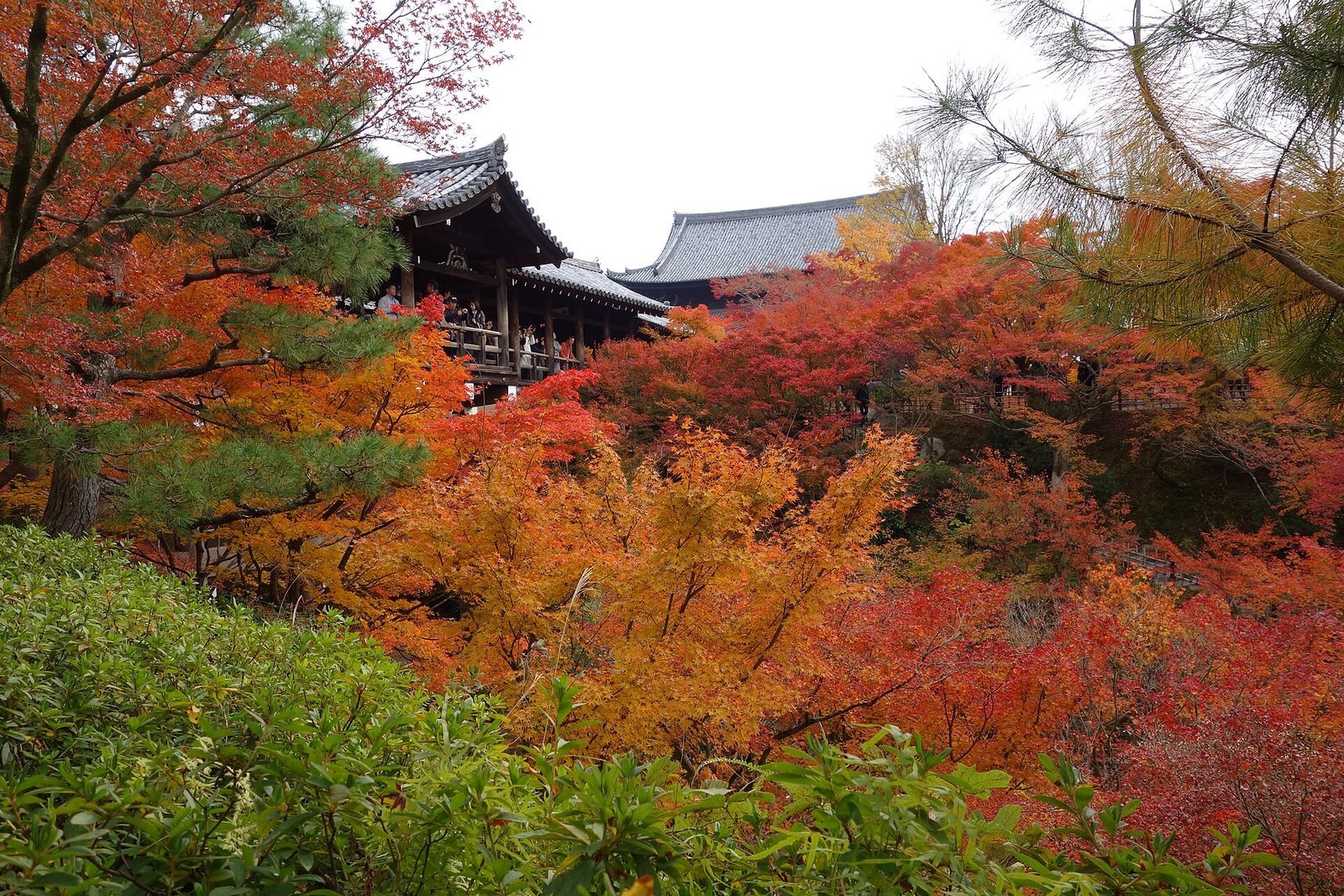
In Kyoto, the peak usually lands from late November into early December. Eikando (永観堂), with its evening light-ups, and Tofukuji (東福寺), with its view over a valley of maples, are two of the most loved spots, and two of the most crowded. Go right at opening on a weekday. For Tokyo’s best spots, see our Tokyo autumn foliage guide.
One thing to watch: October has become as busy as April. In 2025 it was the second-busiest month on record for foreign arrivals.
Winter (December to February): snow, festivals and New Year
Winter is underrated. Tokyo and Kyoto are cold but mostly dry and sunny, and the clear winter air often gives the best views of Mt Fuji. Up north and on the Sea of Japan side it’s a different country, with deep snow, onsen towns and some of the best powder skiing in the world. Most ski areas open in December and run into March.
Over New Year, many businesses close. Government offices are shut from 29 December to 3 January by law, and many museums, restaurants and small shops close for some or all of that period. Shrines, on the other hand, are packed for hatsumode, the first visit of the year. It’s a great cultural experience if you plan around the closures.
Winter highlights for 2027:
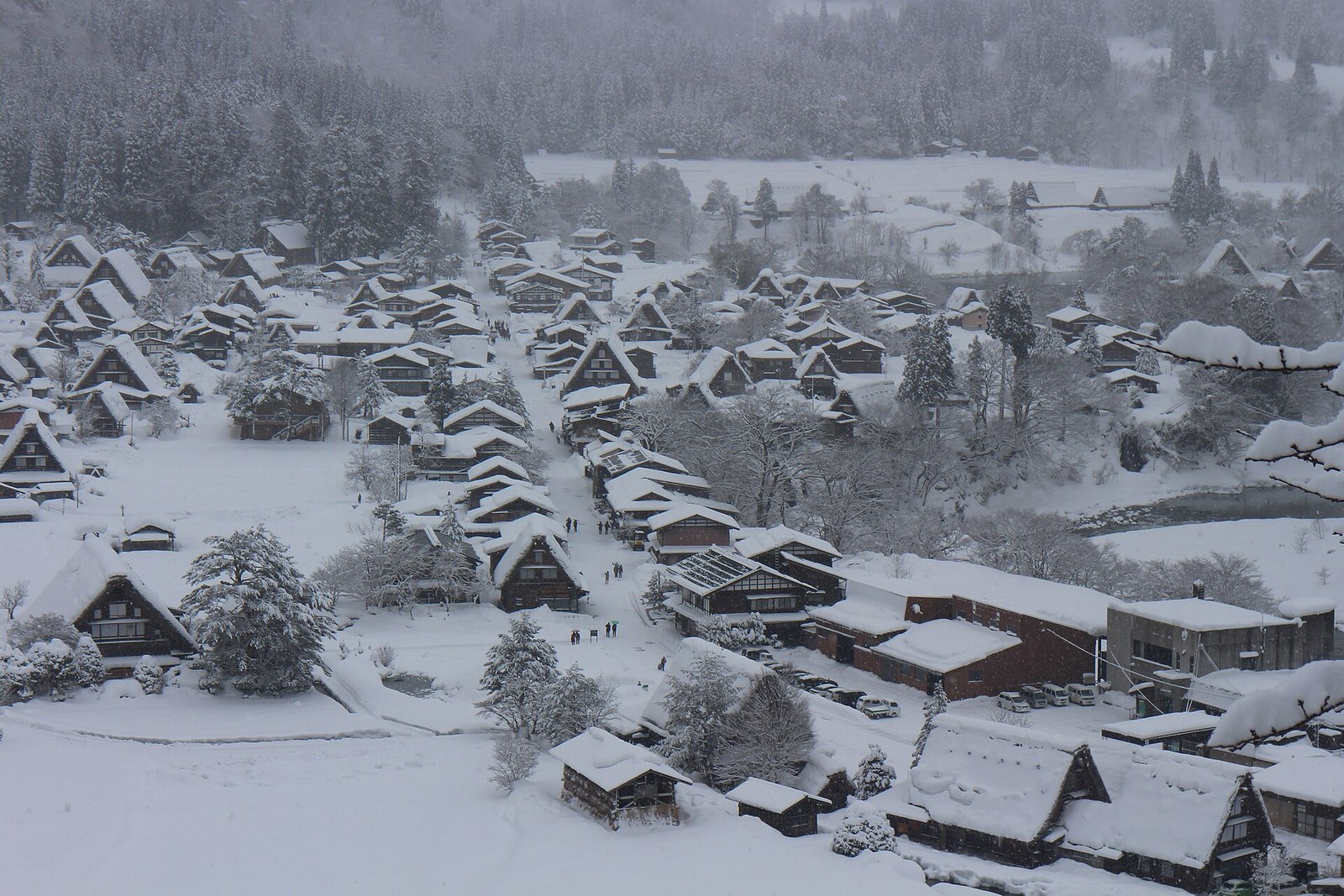
- Shirakawa-go winter light-up (白川郷, Gifu): the snow-covered thatched farmhouses are lit up on just a few evenings: 11, 17, 24 and 31 January 2027. Entry is by reservation only, for parking, tours and village stays, and the first round of parking sold out quickly.
- Setsubun: Wednesday 3 February 2027. Temples and shrines hold bean-throwing ceremonies to chase out demons. The date shifts with the solar calendar, so it isn’t always 3 February (it was 2 February in 2025).
- Sapporo Snow Festival: the 77th festival is set for 4-11 February 2027, with the main snow sculptures along Odori Park (大通公園). Hotels in Sapporo book out early. Here’s our Sapporo Snow Festival guide.
Mid-January to February, outside these events and Lunar New Year, is one of the calmest times in the big cities. It’s our pick if you want temples without the crowds.
Dates to avoid or plan around (late 2026 to 2027)
Crowds in Japan come from two sources: Japan’s own holidays, and holidays in the countries that send the most visitors. These are the national holidays from the Cabinet Office’s official list, plus the biggest inbound peaks:
| Dates | What | Impact |
|---|---|---|
| 3 Nov (Tue) and 23 Nov (Mon) 2026 | Culture Day, Labour Thanksgiving Day | Busy autumn-leaf weekends, especially Kyoto |
| 29 Dec 2026 – 3 Jan 2027 | Year-end and New Year | Closures; packed trains around 29-30 Dec and 2-3 Jan |
| 9-11 Jan 2027 (Sat-Mon) | Coming of Age Day long weekend | Busy ski resorts |
| Around 5-13 Feb 2027 | Lunar New Year (6 Feb in China; Korea’s Seollal holiday 6-9 Feb) | Big rise in visitors from across East Asia; China’s official holiday dates were not yet announced |
| 4-11 Feb 2027 | Sapporo Snow Festival; National Foundation Day on 11 Feb (Thu) | Sapporo hotels full |
| Late Mar – early Apr 2027 | Cherry blossoms plus school spring break; Vernal Equinox 21 Mar with substitute holiday 22 Mar | Peak demand nationwide |
| 29 Apr, 1-5 May 2027 | Golden Week (29 Apr is a Thursday; 30 Apr is a normal workday) | The busiest domestic travel week of the year |
| 11-16 Aug 2027 | Mountain Day (Wed 11 Aug) and Obon (Fri 13 – Mon 16 Aug) | Shinkansen and expressways packed |
| 20 Sep (Mon) and 23 Sep (Thu) 2027 | Respect for the Aged Day, Autumnal Equinox | Two separate long weekends; no five-day “Silver Week” in 2027 |
| 11 Oct 2027 (Mon) | Sports Day | Busy long weekend |
Japan is busier than it has ever been. JNTO counted 36.9 million foreign visitors in 2024 and a record 42.7 million in 2025. Arrivals for January to September 2026 were 2.9% below the same period of 2025, mainly because visitors from China fell by more than half, but April and October remain the peak months. Some popular places now charge more:
- Kyoto raised its accommodation tax from 1 March 2026. It now ranges from ¥200 to ¥10,000 per person per night, depending on the room rate.
- Himeji Castle has charged visitors aged 18 and over ¥2,500 since 1 March 2026. Himeji residents pay ¥1,000.
- Japan’s departure tax rose from ¥1,000 to ¥3,000 for departures from 1 July 2026. It’s usually included in your air fare.
Practical tips for any season
Tax-free shopping changes on 1 November 2026
Japan is switching to a refund system for tax-free shopping. From 1 November 2026, you pay the full price, including the 10% consumption tax, in the shop. When you leave Japan (within 90 days of buying), you scan your passport at a customs kiosk before check-in. Customs may ask to see the goods. Once customs confirms the export, the shop or its refund agent pays the tax back. How you get the money (card, bank transfer or app) depends on the shop. The minimum is still ¥5,000 before tax, per shop, per day. Items you’ve used up in Japan, like snacks you’ve eaten, don’t qualify. Keep your tax-free purchases where you can reach them at the airport, and allow extra time.
Book early for peak seasons
For cherry blossom season, autumn leaves in Kyoto, Golden Week, Obon and New Year, book your hotels as soon as your dates are fixed. Reserve shinkansen seats as soon as booking opens, since unreserved cars can be standing room only. The Japan Rail Pass guide can help you work out whether a pass pays off for your route (a 7-day Ordinary pass is ¥50,000 on the official site). On busy trains, it’s easier to send big suitcases ahead with a delivery service. We explain how in our post on train etiquette and luggage forwarding.
What to pack by season
- Spring and autumn: layers. Mornings and evenings are cool, and afternoons can be warm.
- June to September: breathable clothes, a hat, and an umbrella sturdy enough for sudden downpours.
- Winter: a warm coat and shoes with grip for the snowy regions. Tokyo and Kyoto rarely need serious snow gear.
- All year: shoes you can slip on and off easily for temples and ryokan.
A current guidebook is still handy for planning routes. The latest Lonely Planet Japan edition came out in July 2026, so skip older second-hand copies.
Check price on Amazon – Lonely Planet Japan (2026 edition)
A windproof compact umbrella earns its place in spring showers, the rainy season and typhoon-season drizzle. Cheap convenience-store umbrellas often don’t survive a windy day.
Check price on Amazon – Repel Windproof Travel Umbrella
Maps, translation apps and QR-code tickets drain a phone by mid-afternoon, so we always carry a small power bank. Keep it in your carry-on, never in checked luggage.
Check price on Amazon – Anker Nano 10,000mAh Power Bank
FAQ
What is the best month to visit Japan?
For a first trip, early April (cherry blossoms in Tokyo and Kyoto) or November (autumn leaves and comfortable weather) are hard to beat. Both are also the busiest and most expensive, so book early.
What is the least crowded time to visit Japan?
Mid-January to February (outside Lunar New Year and the Sapporo Snow Festival), late May to June after Golden Week, and early December. Avoid Golden Week, Obon and the New Year week if you want calmer trains.
When will the 2027 cherry blossom forecast come out?
Private forecasters usually publish first forecasts between December and January, with regular updates until the blossoms open. In an average year, Tokyo’s cherry blossoms open around 24 March and Kyoto’s around 26 March.
Is it worth visiting Japan in the rainy season?
Yes, if you don’t mind some grey days. It rarely rains all day, everything is green, and crowds are lighter. Hokkaido has no defined rainy season, so it’s a good base in June.
Is Japan too hot in summer?
July and August in Tokyo, Kyoto and Osaka are hot and very humid, and recent summers have broken records. If heat bothers you, go to Hokkaido or the mountains, or come another season.
Can I see cherry blossoms and autumn leaves in other months?
Partly. Okinawa’s cherry blossoms open in January and Hokkaido’s in early May, so you can find blossoms outside the main season. Autumn colours appear in the mountains and Hokkaido from October, before Kyoto peaks in late November to early December.
Comment (7)