
As an Amazon Associate, Chasing Cherry Blossoms earns from qualifying purchases. We may also earn from other affiliate links on this page at no extra cost to you.
The Japan Rail Pass is still the best-known rail ticket for visitors, but it is no longer the automatic bargain it once was. Prices jumped in October 2023, and the official price table now shows two price levels depending on where you buy. Some regional passes have also changed or been withdrawn in 2026.
This guide is for travellers flying from the United States into Tokyo (Narita or Haneda) or Osaka (Kansai). It covers who qualifies, what you actually receive when you buy, which trains are excluded, how seat reservations work, and how to check whether your own itinerary breaks even. Prices are in yen, with US dollars at roughly $1 = 155 yen (rounded, so treat dollar figures as estimates).
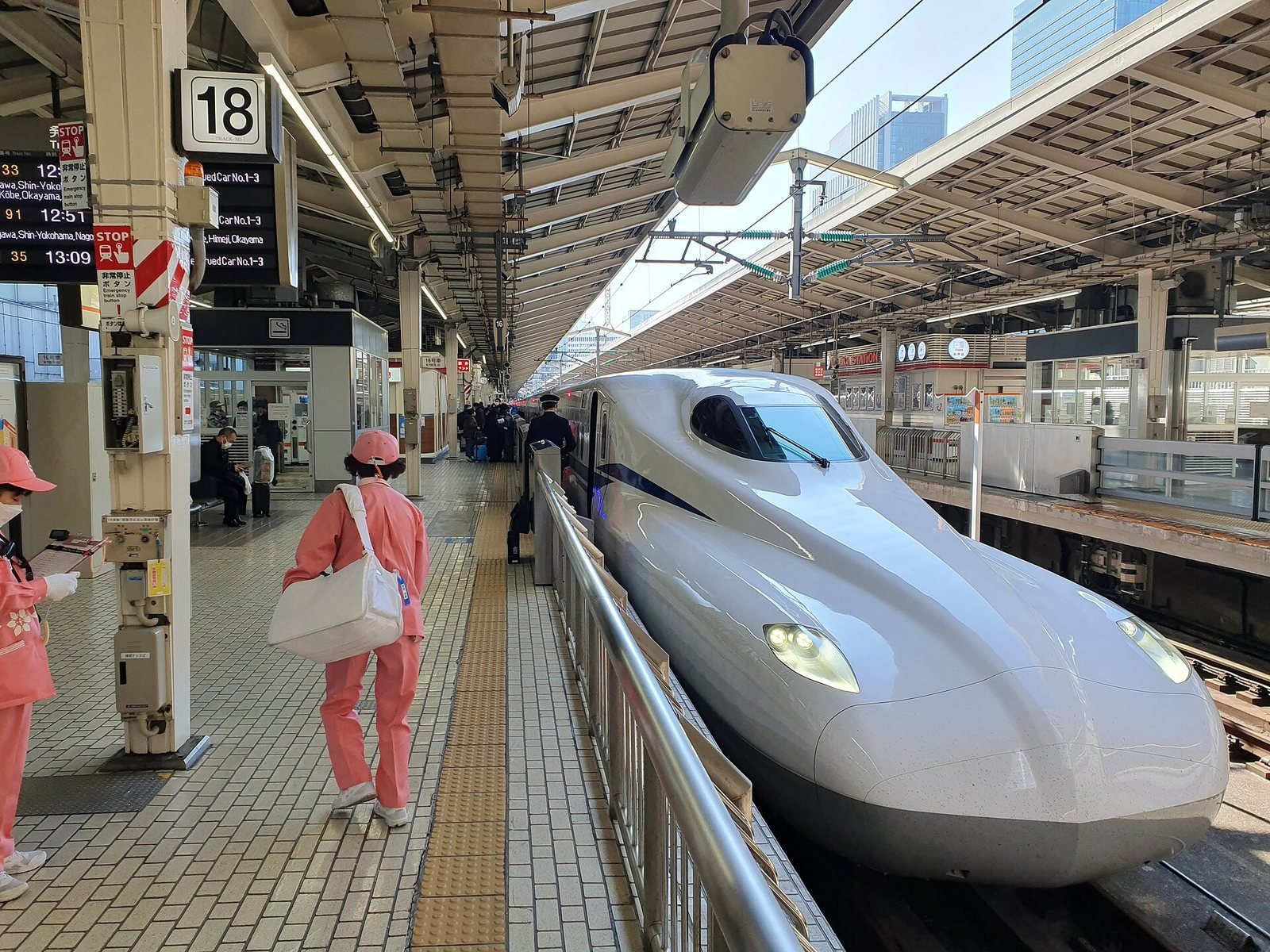
Quick answer: As of 2 November 2026, the official site lists the 7-day Ordinary Japan Rail Pass at 50,000 yen (about $323) when you buy online at japanrailpass.net, or 53,000 yen (about $342) as an Exchange Order from an overseas agency. You need a non-Japanese passport with a “Temporary Visitor” entry stamp or sticker. The pass covers almost all JR trains, including Hikari and Sakura Shinkansen, but not Nozomi or Mizuho unless you buy a special add-on ticket. A Tokyo-Kyoto round trip alone costs about 28,000 yen at regular fares, so it does not justify a 7-day pass. A long-distance loop such as Tokyo-Kyoto-Hiroshima-Tokyo within seven days gets close to breaking even. If your trip stays in one region, a regional pass or single tickets are usually cheaper.
JR Pass vs regional passes vs point-to-point tickets (2026)
| Option | Price in yen (USD at ~155) | Covers | Best for | Watch out for |
|---|---|---|---|---|
| Japan Rail Pass Ordinary, 7 / 14 / 21 days | Online: 50,000 / 80,000 / 100,000 ($323 / $516 / $645). Overseas agency: 53,000 / 84,000 / 105,000 ($342 / $542 / $677) | JR trains nationwide, ordinary cars; Shinkansen except Nozomi/Mizuho; JR local buses; JR Miyajima ferry; Tokyo Monorail | Long-distance loops covering several regions in one consecutive block of days | Nozomi/Mizuho need an add-on ticket; you can’t change dates after issue; you can’t use it on private railways or subways |
| Japan Rail Pass Green, 7 / 14 / 21 days | Online: 70,000 / 110,000 / 140,000 ($452 / $710 / $903). Agency: 74,000 / 116,000 / 147,000 ($477 / $748 / $948) | The same network, plus Green Car seats | Peak-season travel, or travellers who want quieter and roomier seats | Gran Class, DX Green and Premium Green still cost extra |
| JR Tokyo Wide Pass, 3 days | 16,000 ($103); child 8,000 | JR East trains in the wider Tokyo area (see JR East’s official area map) | Day trips from Tokyo | Price rose from 15,000 yen on 14 March 2026; Green Car costs extra |
| JR Kansai-Hiroshima Area Pass, 5 days | 17,000 ($110); child 8,500 | Sanyo Shinkansen Shin-Osaka-Hiroshima, Haruka, Kansai local JR lines, Miyajima ferry | KIX arrivals doing Kyoto, Osaka, Nara and Hiroshima | Not valid beyond Hiroshima or on the Tokaido Shinkansen to Tokyo |
| Single ticket, Tokyo-Kyoto, reserved Nozomi | About 14,170 one way ($91) | One journey | A simple Tokyo plus Kyoto/Osaka trip | Regular price varies by season, roughly +/- 200 to 400 yen on peak and off-peak dates |
Map: key JR Pass stations, airports and day-trip stops
- Tokyo Station – Tokaido and Tohoku Shinkansen hub; JR Yokosuka Line to Kamakura Directions
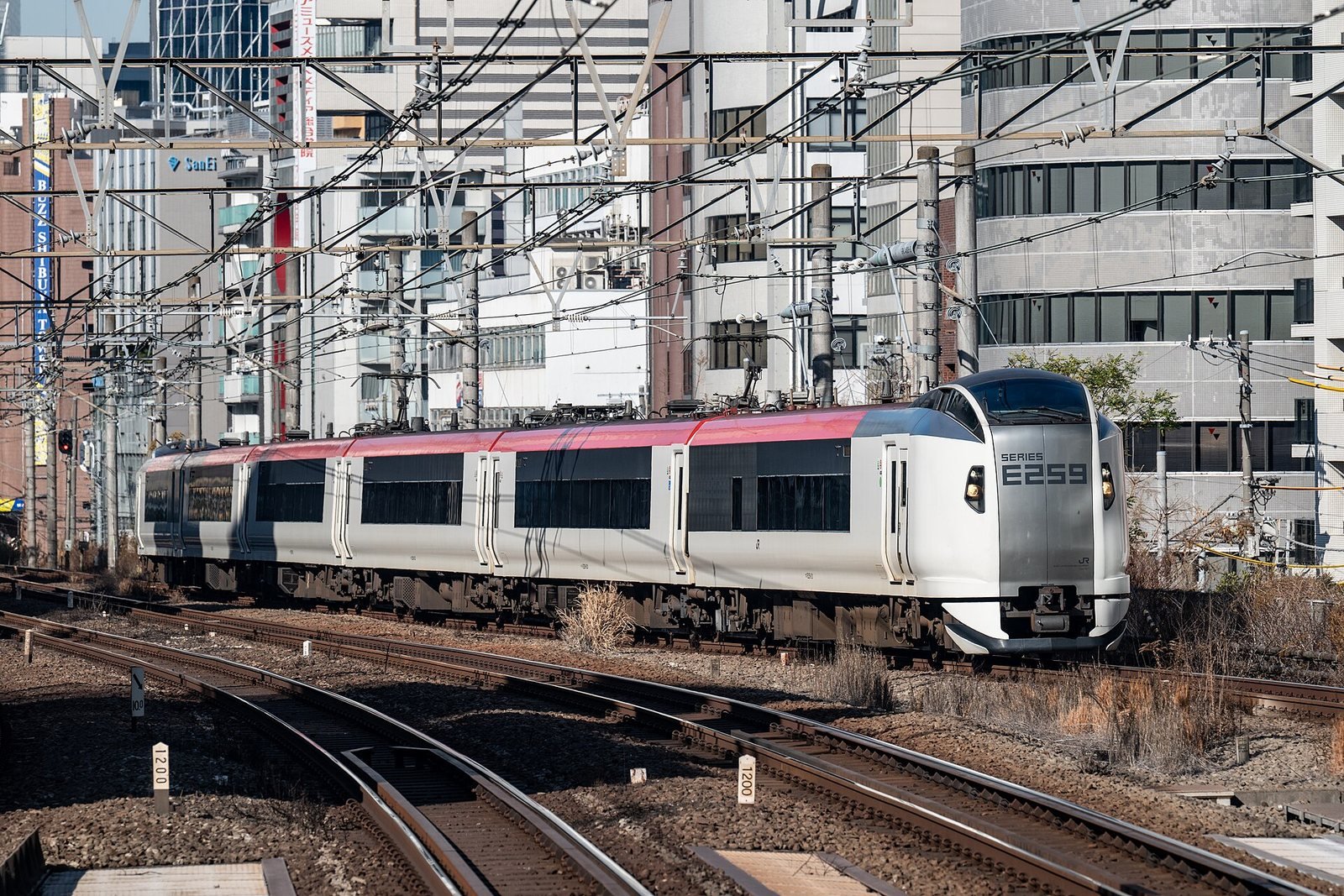
- Narita Airport Station – Narita Express to Tokyo, all seats reserved, covered by the pass Directions
- Haneda Airport Terminal 3 Station – Tokyo Monorail to Hamamatsucho, covered by the pass Directions
- Kansai Airport Station – Haruka limited express to Shin-Osaka and Kyoto Directions
- Kyoto Station – Tokaido Shinkansen; JR Nara Line to Nara Directions
- Shin-Osaka Station – Where the Tokaido and Sanyo Shinkansen meet Directions
- Hiroshima Station – Sanyo Shinkansen; JR Sanyo Line to Miyajimaguchi Directions
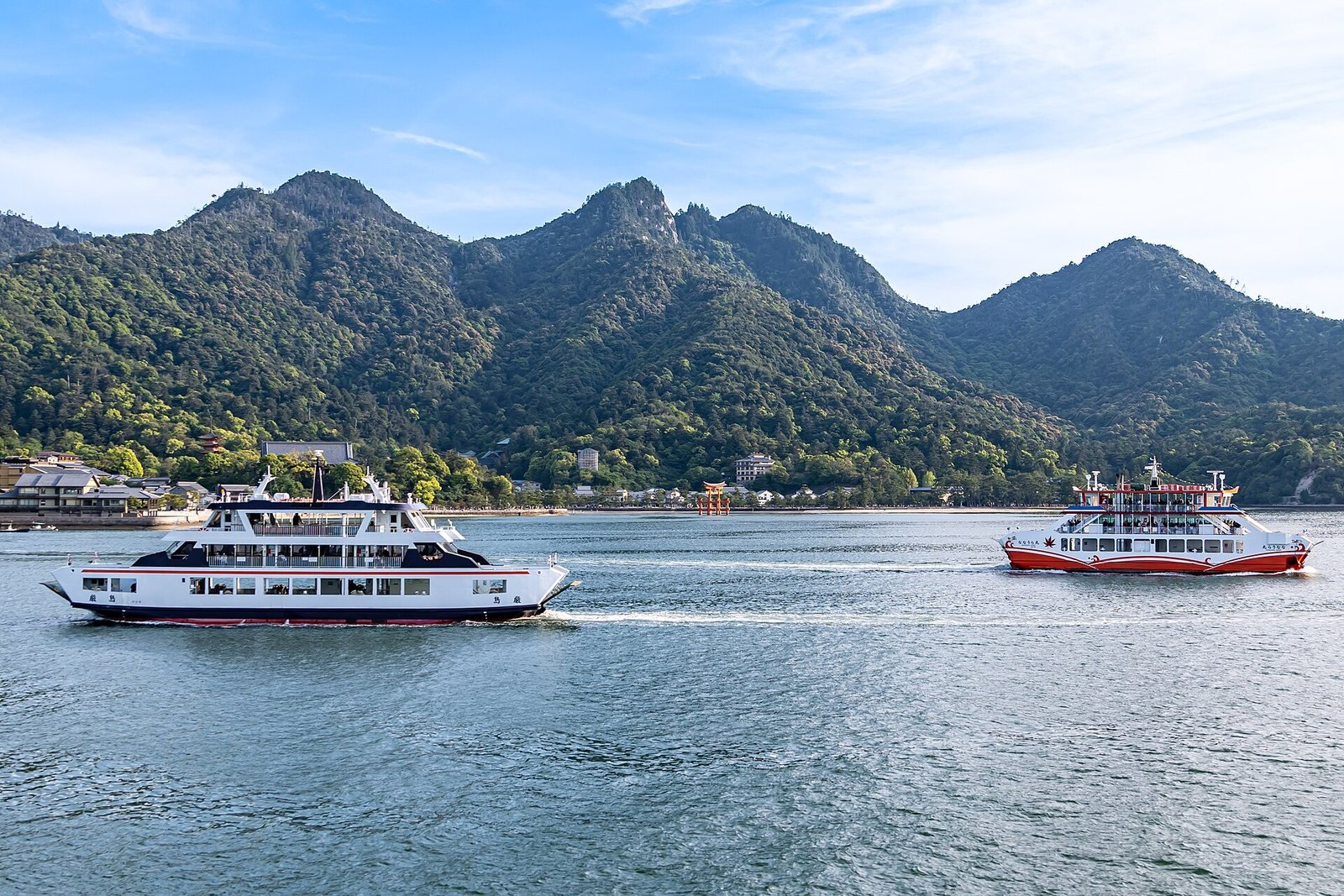
- Miyajimaguchi Station – JR West Miyajima ferry, covered plus 100-yen visitor tax Directions
- JR Nara Station – End of the JR Nara Line; no Shinkansen in Nara Directions
- Kamakura Station – JR Yokosuka Line direct from Tokyo; Enoden is not covered Directions
- Utsunomiya Station – Change from Tohoku Shinkansen to JR Nikko Line Directions
- JR Nikko Station – End of the JR Nikko Line, fully covered via Utsunomiya Directions
Kansai arrivals note: JR West’s official page says Kansai Area Pass sales ended on 30 September 2026, so older advice to buy it is out of date. The Takayama-Hokuriku Area Tourist Pass (widely reported at 19,800 yen, about $128, for 5 days) remains an option for a Takayama and Kanazawa loop. Check its official page before you buy.
Is the 2026 Japan Rail Pass right for your itinerary?
The pass pays off when you cover long distances in a short window. A first trip of Tokyo, Kyoto and Osaka with one Tokyo-Kyoto round trip costs about 28,000 yen in single tickets, far below the 50,000-yen pass. Older advice that a roughly $250 round trip makes a $300 pass a saving never added up, and today’s prices widen the gap.
The pass starts to make sense when you add a far-off leg, such as Hiroshima, Kanazawa or Sendai, or several long day trips. If you’re thinking of driving part of the way instead, our JR Pass vs renting a car break-even maths and the Japan expressway passes overview run the numbers for road trips.
Spring is the busiest season for rail trips. If you’re timing a trip to the blossoms, plan around our 2027 cherry blossom bloom calendar. Forecasts for 2027 are typical patterns, not fixed dates.
Who qualifies, and what passport does the buyer need?
The official eligibility page sets out two routes:
- Foreign visitors. You must enter Japan from abroad for sightseeing with the entry status “Temporary Visitor”. This is the status most US passport holders receive on a visa-free visit. Simply being a tourist is not enough; the status in your passport is what counts. Trainee, Entertainer and Reentry Permit holders are not eligible.
- Japanese nationals living abroad. They can qualify only with specific overseas-residence documents, and only through the “purchase overseas” method. The official online store states it cannot issue the pass to Japanese citizens living outside Japan.
One trap catches many arrivals: automated immigration gates do not stamp your passport. Without the “Temporary Visitor” stamp or sticker, you cannot pick up or exchange the pass. Use a staffed lane or ask an officer for the sticker. If you entered under the Trusted Traveler Program, show your registered user card instead. Each pass is tied to one passport, and you cannot buy two passes with overlapping dates on the same passport.
Child passes cost half the adult price (for example, 25,000 yen, about $161, for a 7-day Ordinary pass bought online). They apply to ages 6 to 11. The official price page judges the age on the online payment date or on the date the Exchange Order is issued, so an 11-year-old who turns 12 before the trip can still use a child pass. Children 12 and older pay the adult price. Under-6s don’t get a pass at all. Under general JR fare rules, as widely reported, they ride free with a fare-paying adult but cannot have a reserved seat of their own. Buy them a child pass or ticket if you need a guaranteed seat.
Ordinary vs Green Car: what the pass actually covers
The Green Car is JR’s premium car, with wider seats and more legroom. It is not “first class” in the airline sense; JR treats the Gran Class cars on some Shinkansen lines as a separate, higher tier.
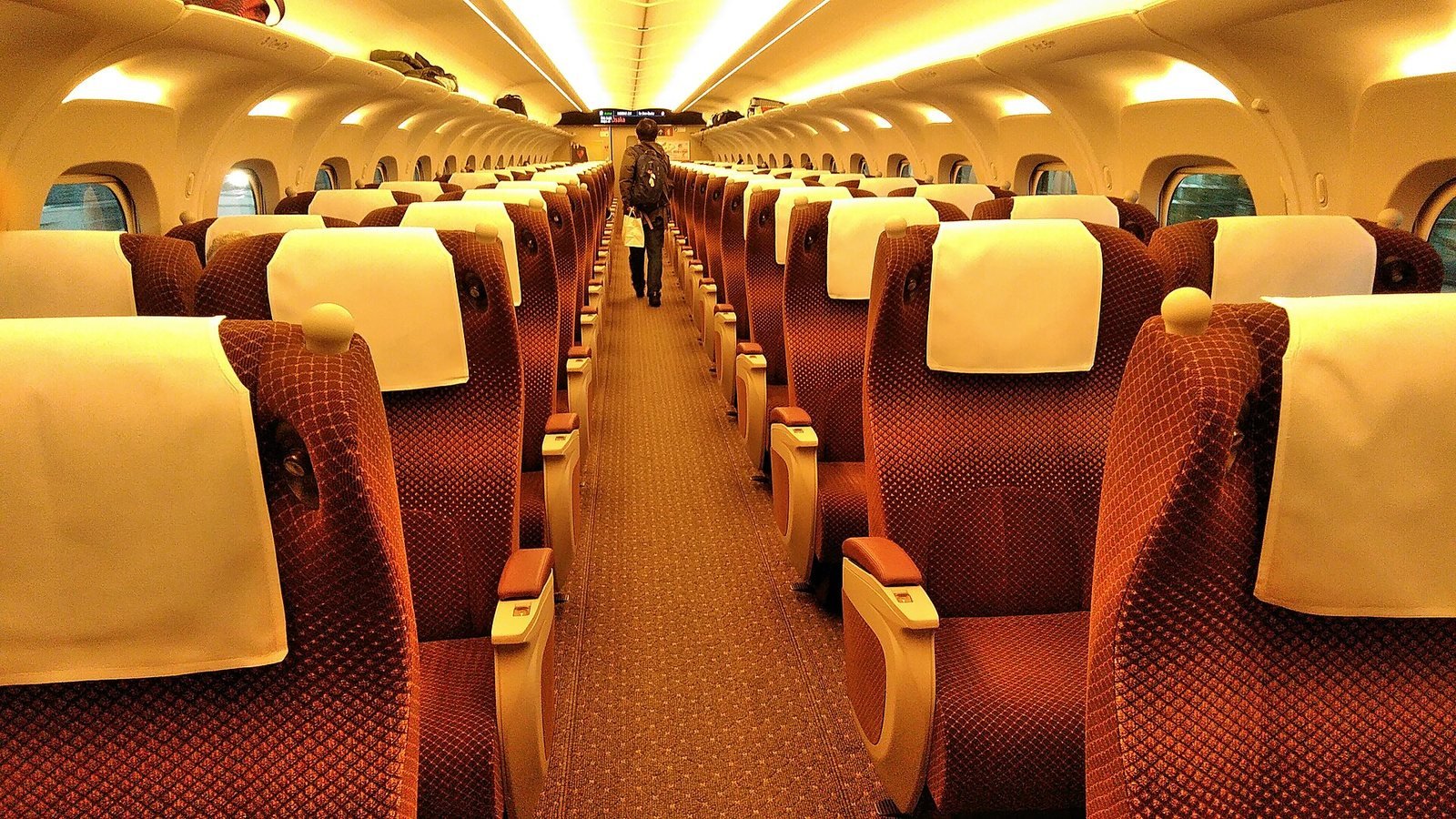
- Ordinary pass: covers ordinary cars, both reserved and non-reserved. To sit in a Green Car, you pay the Green Car charges on top.
- Green pass: adds Green Car seats. Gran Class, DX Green and Premium Green still require the limited express charge plus their own surcharge, because only the basic fare is covered.
- Both passes exclude Nozomi and Mizuho Shinkansen, even in non-reserved cars, unless you buy the special add-on ticket. They also can’t be used in TRAIN DESK cars, the Tokaido cars set aside for passengers with children, or S Work cars.
Beyond JR rail lines, both passes cover local JR Bus routes (not express buses), the JR West Miyajima ferry (plus the 100-yen Miyajima visitor tax), the Tokyo Monorail, and set sections of a few non-JR “third-sector” lines such as Aoimori Railway. They do not cover the Tokyo Metro, Toei subways, private railways such as Kintetsu, Odakyu, Tobu or Enoden, or the Hakata-Busan ferry.
Where to buy, exchange, and activate the pass
The official purchase page lists two channels.
- Official online store (japanrailpass-reservation.net).
- What you get: a purchase record, not a ticket. You collect the physical pass in Japan, at a pickup office or at certain reserved-seat ticket machines with passport readers in the JR East and JR West areas.
- Payment: in yen, by credit card in the buyer’s name. One buyer can purchase for up to six companions.
- Before pickup: this is the only channel that lets you book seats before you collect the pass.
- Pickup timing: collect the pass before the start date or during its validity.
- Overseas JR-designated agencies.
- What you get: an Exchange Order, a voucher that cannot be used on trains. In Japan, take it to a designated office with the same passport.
- Exchange window: within three months of issue, and no earlier than one month before your chosen start date.
- Pricing: the price is set in yen and converted at the bank selling rate on the issue date.
- Where in the US: the official list includes JTB, Nippon Travel Agency and JALPAK, plus ANA Sales Americas in Los Angeles (an ANA Group flight is required).
Activation. The pass runs for consecutive calendar days from the start date printed on it, not from your first ride. Online buyers set the start date at purchase; Exchange Order holders name it when exchanging, up to a month ahead. After issue, the type and dates cannot be changed. Refunds are possible only before the start date (560-yen fee for official-store passes, 10% for exchanged passes), and there is no refund or extension once in use, even if a typhoon cancels your trains.
If you’re flying from Singapore, Australia, the UK or Canada: eligibility, official online prices and pickup steps are the same for every non-Japanese passport holder. The only verified difference is which overseas agencies sell Exchange Orders locally, with yen prices converted on the issue date.
If you also need help with arrival paperwork, our Visit Japan Web guide covers the immigration and customs forms.
Seat reservations, excluded trains, and extra-fare traps
Seat reservations are free with the pass. You can book them in three ways:
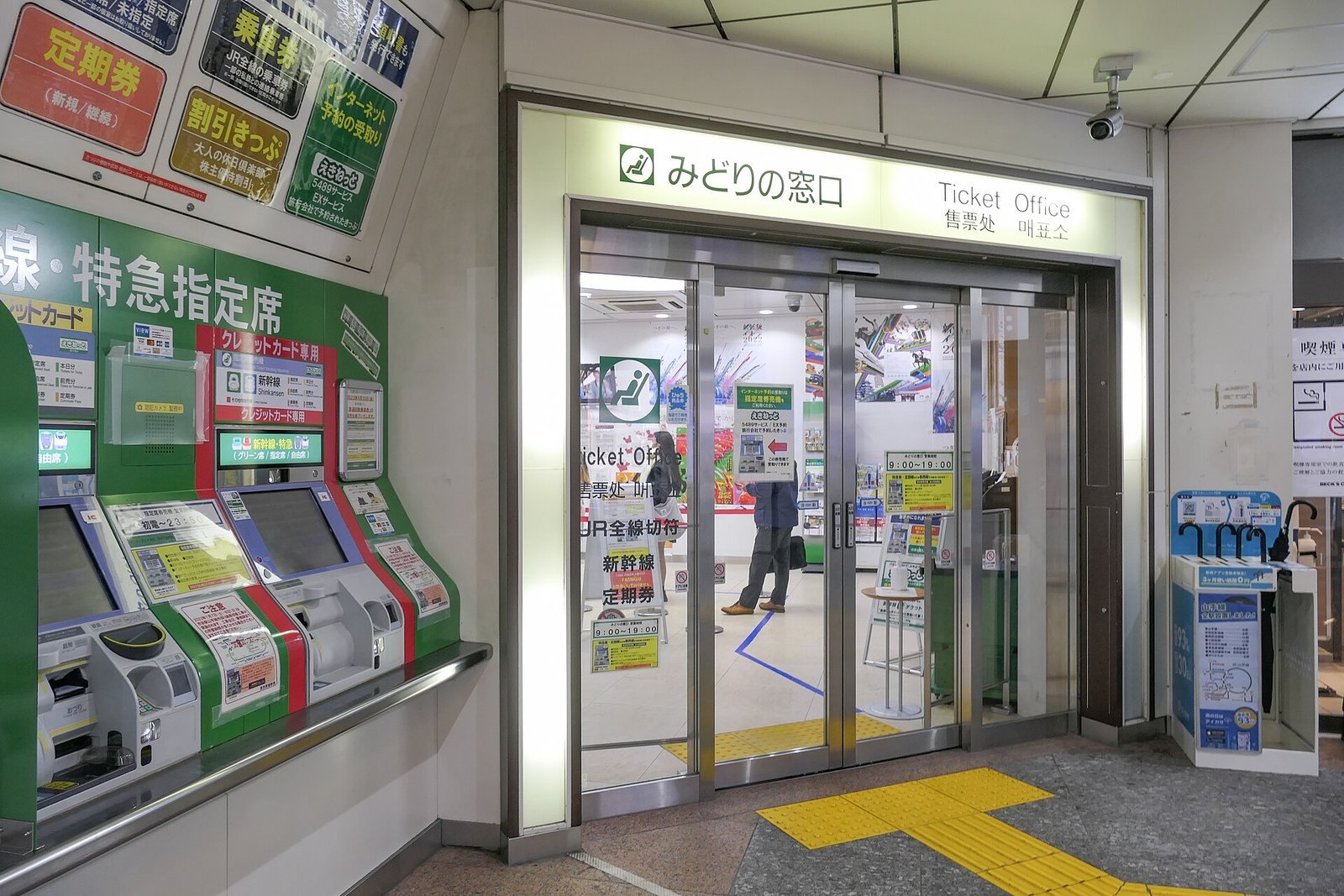
- At a ticket office (Midori-no-madoguchi)
- At a reserved-seat ticket machine: scan the QR code on your pass or enter its reservation number, then type in your passport number
- On the official reservation site, before pickup, if you bought online
Once a reserved ticket has been issued, you can only change it at a ticket window. The machines and the website stop issuing new reservations once a pass has reserved seats on more than 110 trains.
The rules differ by service:
- Most Shinkansen and limited expresses have both reserved and non-reserved cars. Reserving is optional but wise during Golden Week (around 1-6 May), Obon (mid-August) and New Year.
- All-reserved trains, such as the Narita Express and many Tohoku and Hokuriku Shinkansen, need a reservation before you board. With the pass, that reservation is still free.
- Nozomi and Mizuho require the paid “Only with Japan Rail Pass” Nozomi/Mizuho ticket for each trip. It costs, for example, 4,960 yen (about $32) Tokyo-Kyoto, or 6,500 yen (about $42) Tokyo-Hiroshima. That is an extra fare, not a free reservation.
- Oversized luggage: bags with total dimensions of 160-250 cm on the Tokaido, Sanyo and Kyushu Shinkansen need a reserved oversized-baggage seat. Check JR’s baggage rules before you travel.
Standard Japan Rail Pass terms have no blackout dates. The real limits are excluded trains, sold-out reserved seats and paid supplements.
Your first ride: Shinkansen, local trains, and transfers
Several common day trips from the original article need correcting.
- Yokohama: the Shinkansen stops only at Shin-Yokohama, away from the waterfront. For central Yokohama, take the JR Tokaido or Keihin-Tohoku lines from Tokyo.
- Nara: there is no Shinkansen station. From Kyoto, ride the JR Nara Line to JR Nara Station.
- Nikko: ride the Tohoku Shinkansen to Utsunomiya, then change to the JR Nikko Line. Both legs are covered. The direct Tobu-JR limited expresses from Shinjuku are only partly covered: you pay the Tobu section from Kurihashi onward.
- Kamakura: the JR Yokosuka Line runs direct from Tokyo Station and is covered. The Enoden line to the coast is a private railway.
In Tokyo, the JR Yamanote Line links Shinjuku, Shibuya, Ueno and Akihabara. That makes it handy for Tokyo shopping districts and Akihabara. Tokyo Skytree, however, is served by Tobu and subway lines, so expect to pay a separate fare or walk from a JR station.
In Osaka, the JR Yumesaki Line reaches Universal City Station (see our Universal Studios Japan guide). Carry an IC card too, since subways are not covered.
Build a break-even itinerary and realistic day-trip plan
Add up the single fares for every journey inside your pass window, then compare the total with the pass price. The fares below are approximate regular adult one-way fares, checked against official pages where available and recent fare guides otherwise. Prices change, so treat them as planning estimates.
| Route | Correct JR route/transfer | Covered by pass? | One-way fare (yen, USD) |
|---|---|---|---|
| Tokyo-Kyoto | Tokaido Shinkansen, direct | Yes on Hikari/Kodama; Nozomi needs the 4,960-yen add-on | About 14,170 reserved Nozomi ($91) |
| Tokyo-Kamakura | JR Yokosuka Line, direct | Yes | About 950-1,050 ($6-7) |
| Tokyo-Nikko | Tohoku Shinkansen to Utsunomiya, then JR Nikko Line to JR Nikko | Yes via Utsunomiya; Tobu section extra on through trains from Shinjuku | About 5,000-5,500 ($32-35) |
| Kyoto-Nara | JR Nara Line (Miyakoji Rapid) to JR Nara | Yes; Kintetsu is not | About 720 ($5) |
| Kyoto/Osaka-Hiroshima | Sanyo Shinkansen via Shin-Osaka | Yes on Hikari/Sakura/Kodama; Nozomi/Mizuho need the add-on | About 11,000-11,700 reserved from Kyoto ($71-75) |
| KIX-Kyoto | Limited Express Haruka, direct | Yes | About 3,590 reserved ($23); cheaper visitor one-way ticket exists |
| Narita Airport-Tokyo | Narita Express (all seats reserved) | Yes, with a free reservation | About 3,140 ($20) |
| Haneda-Hamamatsucho | Tokyo Monorail, then JR Yamanote Line | Yes | 520 ($3) for the monorail |
Worked example (7 days, Ordinary pass):
- Narita Express into Tokyo: about 3,140 yen
- Tokyo to Kyoto: about 14,170 yen
- Nara day trip: about 1,440 yen
- Hiroshima day trip from Kyoto: about 22,000-23,000 yen
- Kyoto back to Tokyo: about 14,170 yen
That totals about 55,000 yen, roughly 5,000 yen more than the 50,000-yen online pass and only about 2,000 yen more than the 53,000-yen agency price. Drop Hiroshima and the pass loses. Add Nikko, which is about 10,000-11,000 yen return, and it wins clearly.
For ideas on where to spend each stop, see our guides to Kyoto, Osaka neighbourhoods and Takayama.
Keep your passport handy, because staff and ticket machines may ask for it. A Zoppen passport travel wallet holds your passport, pass and reserved tickets together. Amazon Essentials packing cubes help you keep to one compact bag, so you stay under the Shinkansen oversized-luggage limit. An Anker Nano 10,000mAh power bank keeps your phone alive for route apps and online seat bookings on long travel days.
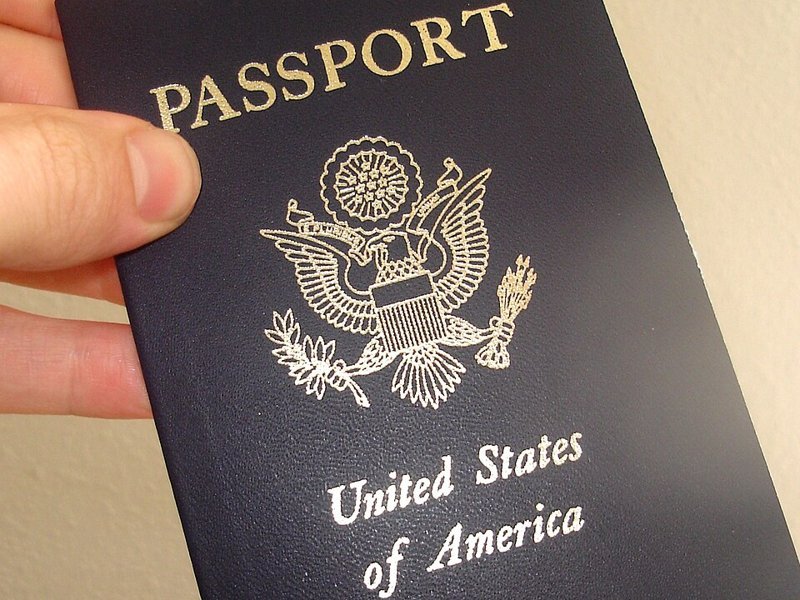
A US passport (illustrative, not the wallet itself). Photo: Chris Corwin, CC BY-SA 4.0, via Wikimedia Commons
Zoppen passport holder travel wallet
Keeps your passport, pass and reserved-seat tickets together for pickup, exchange and machine bookings.
Check price on Amazon
A packing cube (item type, not the exact product). Photo: Tony Webster, CC BY 2.0, via Wikimedia Commons
Amazon Essentials 4-piece packing cubes
Helps you pack one compact bag and stay under the 160 cm Shinkansen oversized-baggage threshold.
Check price on Amazon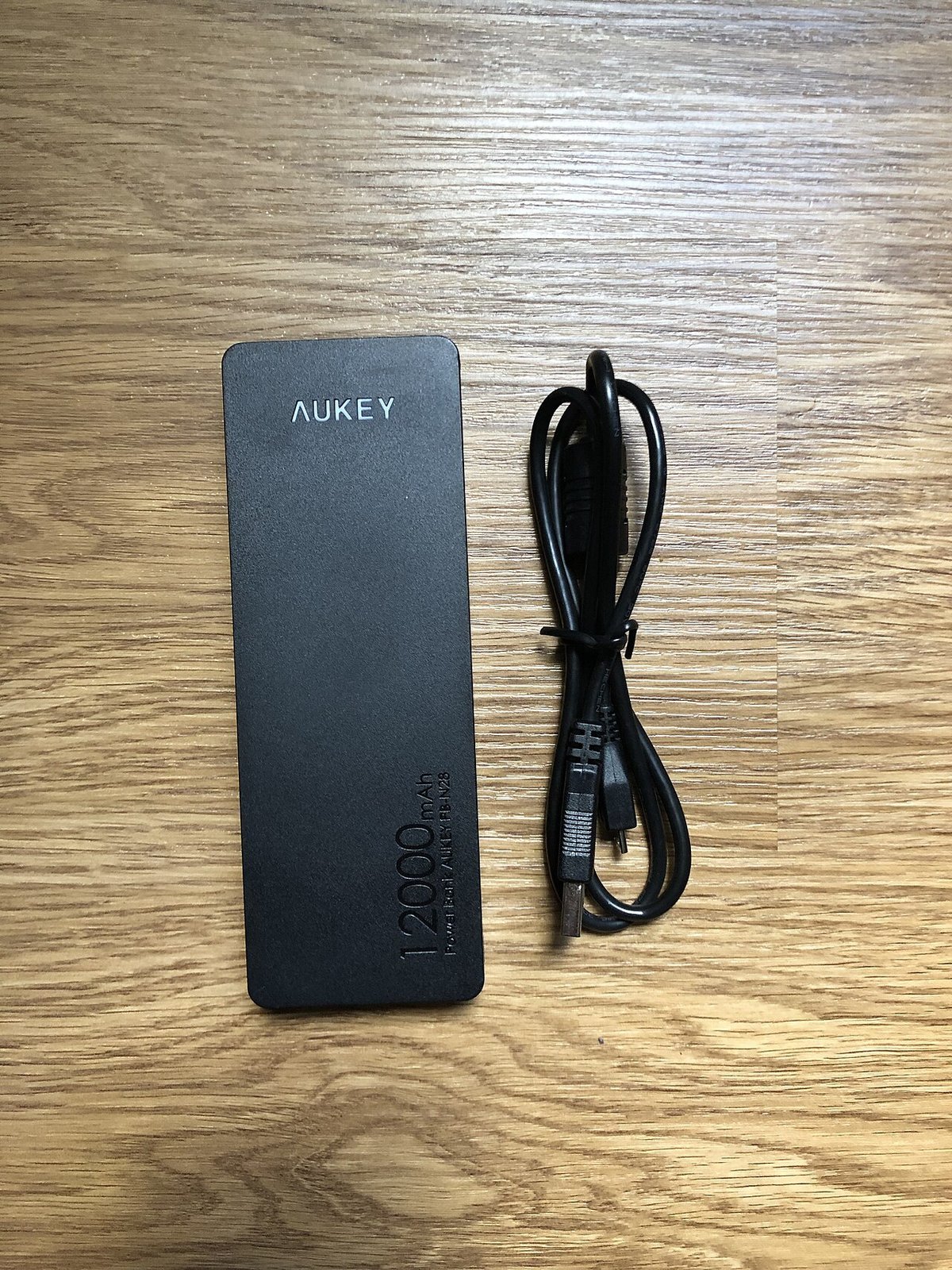
A portable power bank (item type, not the exact product). Photo: Fastily, CC BY-SA 4.0, via Wikimedia Commons
Anker Nano Power Bank 10,000mAh (built-in USB-C cable)
Phone power for route apps, QR pass scanning and online seat bookings on long rail days.
Check price on AmazonFAQ
Is the Japan Rail Pass worth it in 2026?
Only for long-distance itineraries. A single Tokyo-Kyoto round trip (about 28,000 yen) doesn’t justify it; adding Hiroshima or a Tohoku or Hokuriku leg within seven days roughly breaks even.
Can I buy the Japan Rail Pass after arriving in Japan?
The official purchase page lists the online store and overseas agencies. It does not list station sales. You can buy online and pick up in Japan, but you need a passport with a “Temporary Visitor” stamp or sticker to collect the pass.
Can I ride the Nozomi with a JR Pass?
Only with the special Nozomi/Mizuho ticket for Japan Rail Pass holders, bought separately for each trip (for example, 4,960 yen Tokyo-Kyoto). Otherwise, take a Hikari or Kodama on the Tokaido line, or a Sakura on the Sanyo and Kyushu lines.
When does the 7 days start?
On the start date printed on the pass, not on your first ride. Online buyers choose the start date at purchase. Exchange Order holders choose it when they exchange, up to one month ahead. You can’t change it after the pass is issued.
Does the JR Pass cover the Tokyo Metro or the Narita Express?
It does not cover the Tokyo Metro or Toei subways. It does cover the Narita Express (with a free seat reservation), the Tokyo Monorail to Haneda and the Haruka train from Kansai Airport.
Do I need a JR Pass for a child under 6?
No. Under-6s generally ride free with a fare-paying adult, but they cannot hold a reserved seat. Buy a child pass or ticket if you want a guaranteed seat for them. Ages 6 to 11 pay the child price.
Comment (7)