
As an Amazon Associate, Chasing Cherry Blossoms earns from qualifying purchases. We may also earn from other affiliate links on this page at no extra cost to you.
Cherry Blossom Delight: Witness the Enchanting Beauty of Sakura Trees
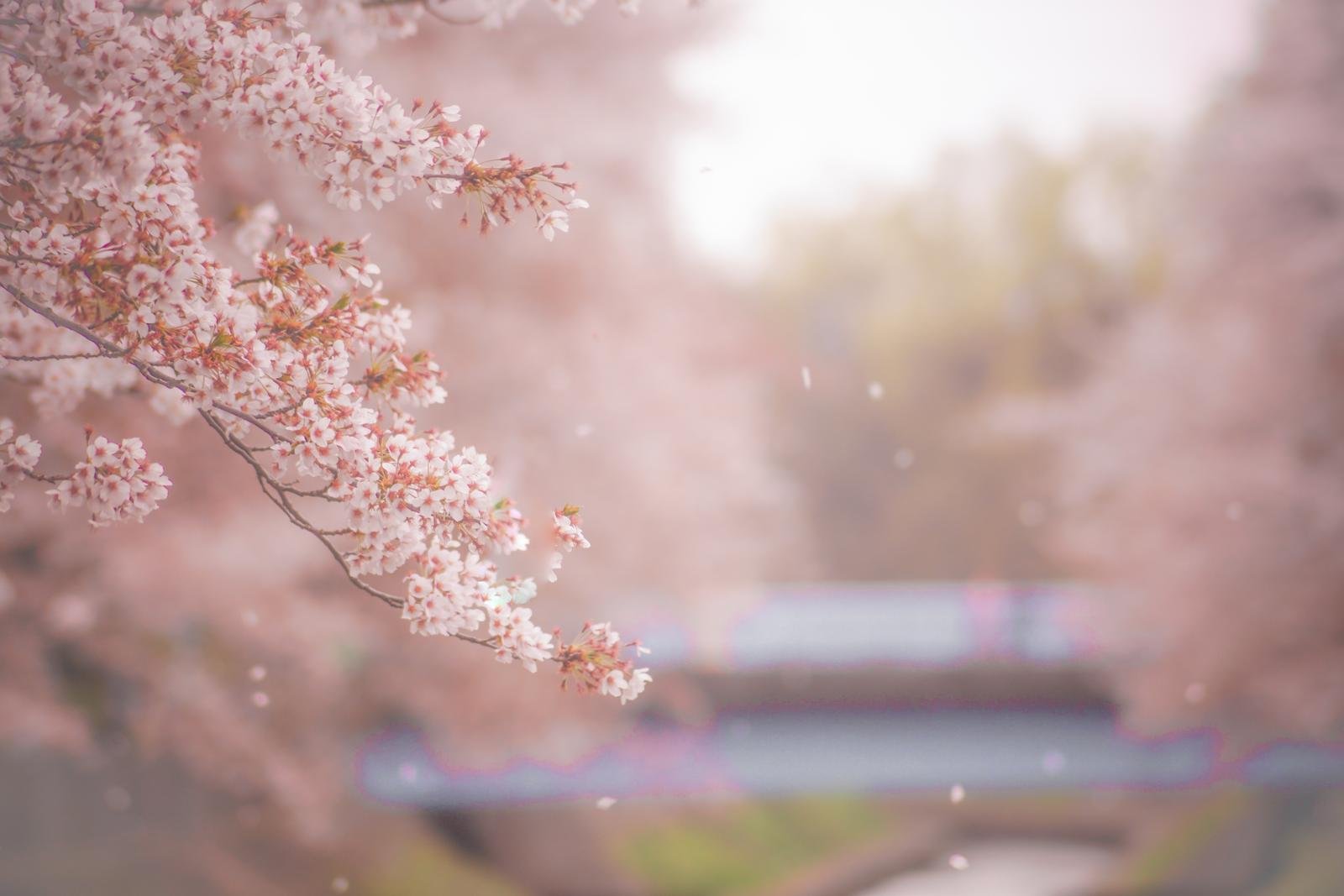
Cherry blossoms, known as sakura in Japanese, are one of the most iconic symbols of Japan. These delicate pink and white flowers bloom for just a short time each spring, turning parks, riverbanks and castle grounds into a sea of soft color. Seeing them in person is a truly magical experience, and it captivates locals and travelers alike.
I was lucky enough to see sakura on a trip to Japan. Walking along streets lined with blooming trees, I was in awe. Petals drifted down in the breeze, and for a moment everything felt calm and almost otherworldly. If you’re planning a sakura trip for 2026-27, this guide covers the essentials: where to go, when to go, what it costs and how to enjoy it.
History and Significance of Cherry Blossoms in Japanese Culture
The tradition of hanami, or flower viewing, goes back centuries. It is commonly said to have started in the Nara period (710-794), when aristocrats gathered under the trees to admire the blossoms and write poetry. Over time the custom spread to the wider population, and today picnics under the trees are a spring ritual across the country.
Sakura symbolize renewal and the transience of life. Their brief bloom, with full bloom lasting roughly a week, is tied to the idea of mono no aware, often translated as “the pathos of things”, the bittersweet beauty of impermanence. It’s a gentle reminder to enjoy each moment.
When to See Cherry Blossoms in Japan
Timing is the biggest factor in a sakura trip. As a general pattern, the blossoms move north as spring advances:
- Kyushu and western Japan: typically late March
- Tokyo, Kyoto and Osaka: typically late March to early April
- Tohoku (including Hirosaki): typically mid to late April
- Hokkaido: typically late April to early May
Exact dates change every year with the winter and spring weather. Official forecasts usually begin appearing early in the year and are updated through March, so check them a few weeks before you fly and keep your plans flexible. Flights and hotels around Tokyo and Kyoto fill up quickly in late March and early April, so book early.
Best Places to See Cherry Blossoms in Japan
Yoshino, Nara
Yoshino is one of the most famous sakura spots in the country. Thousands of trees climb the slopes of Mount Yoshino (often cited as around 30,000, though counts vary), and they bloom in waves from the lower slopes to the upper ones, so the display lasts longer than in most places. It is usually at its best in early to mid April.
Hirosaki Castle Park, Aomori
Hirosaki Park is known for its spring festival and for the castle moat, which can fill with fallen petals. It is home to well over a thousand cherry trees; check the official site for current counts. The traditional castle architecture framed by blossoms makes for a picture-perfect scene. Peak bloom is usually in late April.
Kyoto: Philosopher’s Path, Maruyama Park and Arashiyama
Kyoto is a favorite for combining temples and sakura. I’d suggest the Philosopher’s Path and Maruyama Park for the blossoms themselves. Arashiyama, home to the famous bamboo grove, isn’t mainly a cherry blossom destination, but the area does have blooming trees along the river in season. Go early in the morning to avoid the biggest crowds.
Tokyo: Ueno Park and beyond
Ueno Park is one of Tokyo’s best-known hanami spots, with lantern-lit evening viewing during the season. Many parks in the city also have free access. Expect crowds on weekends.
Cherry Blossom Festivals
Many cities hold sakura festivals (often called sakura matsuri) during the season. Ueno Park in Tokyo is a classic place to join hanami parties, and Hirosaki’s festival is among the most celebrated in northern Japan. Festival dates are tied to the bloom, so confirm them closer to your trip.
One correction worth making for first-time visitors: the Takayama Spring Festival in Gifu Prefecture is known for its elaborate festival floats and traditional performances, and it takes place around April 14-15. It’s a wonderful cultural event, but it’s not a cherry blossom festival as such, although it often coincides with sakura season in the area.
The Science Behind Cherry Blossom Blooming
Cherry trees need a period of winter cold to break dormancy. Once that chill has passed, warmer temperatures push the buds to open, and the timing shifts from year to year with the weather. A warm spring can bring bloom earlier, while a cold snap can delay it. This is why forecasts are updated regularly and why flexibility helps.
What Sakura Symbolize
In Japan, sakura stand for the fleeting nature of life and the beauty of impermanence. Their short bloom encourages people to cherish the present. Outside Japan, cherry blossoms are often linked with beauty, love, renewal and new beginnings.
Photography Tips for Cherry Blossoms
- Timing is key: Aim for peak bloom, which usually lasts about a week or two depending on location and weather. Early morning gives soft light and fewer people.
- Use a wide-angle lens: It lets you capture the surrounding landscape and interesting foreground elements.
- Try different angles: Shoot low to the ground, or look up through the branches. Reflections in moats and rivers are great too.
- Be considerate: Don’t climb trees or shake branches, and don’t block paths for the sake of a photo.
Sakura in Art and Fashion
Sakura have inspired artists and designers for centuries. In traditional art, they appear in ukiyo-e woodblock prints, which became popular in the Edo period (1603-1868), often showing scenes of people enjoying hanami. Today the pink and white palette shows up in modern fashion, homeware and limited-edition products every spring.
Sakura Flavors: Treats to Try
Spring in Japan brings a flood of cherry blossom flavored snacks and drinks. Two favorites:
- Sakura mochi: a sweet rice cake with red bean paste, wrapped in a pickled cherry leaf. The sweet and slightly salty combination is delicious. Note that the Kanto and Kansai versions differ in style.
- Sakura tea: made by steeping salted, preserved cherry blossoms in hot water. It has a delicate, slightly salty flavor and is often served on celebratory occasions.
Convenience stores and cafes also release seasonal sakura drinks and sweets, with prices varying by shop.
Practical Tips: Budget, Transport and Connectivity
Getting around
Japan’s rail network makes a multi-city sakura trip easy. After the October 2023 price rise, the 7-day ordinary Japan Rail Pass costs 50,000 JPY when bought on the official site. That is a big jump, so work out whether it pays off. For a simple Tokyo-Kyoto-Osaka route, individual shinkansen tickets can be cheaper. A Tokyo to Kyoto shinkansen ticket is roughly 14,000 JPY one way for a reserved seat on the Nozomi, with fares varying slightly by train and date. If you’d like to compare options, check the pass price against the fares on JR’s official sites. Note that Nozomi and Mizuho trains require an extra special ticket for pass holders, and passes bought through overseas agents cost slightly more than on the official site.
Staying connected
Maps, bloom forecasts and train apps are all much easier with mobile data. Many travelers pick up an eSIM before arriving, so they have data as soon as they land. A plug adapter is also worth packing; see this Japan travel plug adapter search.
Where to stay
Sakura season is peak season, so hotel prices rise and rooms sell out. Book as early as you can, and consider staying slightly outside the busiest areas. Compare a few options before committing.
Park and garden hours
Many public parks are open all day, but castle grounds, gardens and temples often have set hours and a small entrance fee; check the official site for current prices. Some places extend hours for evening illuminations during the season. Check each site’s official page before you go.
Protecting Sakura for the Future
As sakura tourism grows, so does the need to protect the trees. Local governments, parks and community groups across Japan fund tree care, replace aging trees and promote respectful viewing. Many older trees, especially the popular Somei Yoshino variety, are reaching the end of their lifespan, so replanting efforts matter. You can help by staying on paths, taking your trash with you and never damaging branches.
Final Thoughts
The beauty of cherry blossoms is something I’ll never forget. Whether you travel to Japan for the season or enjoy blossoms in a park closer to home, take a moment to appreciate these fleeting flowers. They’re worth a spot on anyone’s bucket list.
FAQ
What is a sakura tree?
Sakura is the Japanese word for cherry trees and their blossoms. There are many varieties, with white to deep pink flowers that bloom in spring.
When do sakura bloom?
Generally from late March to early April in Tokyo and Kyoto, earlier in the south and later in the north, with Hokkaido in late April to early May. Dates vary each year, so check the latest forecast.
How long do sakura bloom?
Full bloom lasts around a week, and the whole cycle from first flowers to falling petals is roughly two weeks, depending on weather.
Is the Japan Rail Pass worth it for a sakura trip?
Since the October 2023 price rise (7-day ordinary pass 50,000 JPY on the official site), it only makes sense for long, multi-region itineraries. Compare the cost of individual tickets first.
Can I join a guided sakura experience?
Yes, many operators offer guided hanami walks, day trips and food tours in spring; look for options run by local operators and check reviews.
What is the significance of sakura in Japanese culture?
Sakura symbolize the beauty and transience of life. Their annual bloom is celebrated with hanami picnics, festivals and seasonal treats across the country.