
Disclosure: this post may contain affiliate links. If you buy through them, Chasing Cherry Blossoms may earn a commission at no extra cost to you. Affiliate disclosure.
Sakura Ramen: A Delicious Taste of Spring in a Bowl
Quick answer: Sakura ramen is a seasonal, spring-only ramen with a cherry blossom touch: usually salted sakura petals or pickled leaves, pink toppings or sakura-tinted noodles. It isn’t a traditional dish or one fixed recipe. Look for limited menus at independent ramen shops and places like Tokyo Station’s Ramen Street from about late March to April, around cherry blossom season. Expect to pay around ¥1,000 (roughly US$6.50) for a regular bowl and more for limited editions, and carry some cash for the ticket machine. The flavor is gently floral and salty, not perfumey.
Every spring I chase two things in Japan: the first cherry blossoms and a bowl of ramen that tastes like the season. Sakura ramen is the fun, photogenic answer to both. It isn’t one fixed recipe, and it isn’t a centuries-old tradition. Think of it as a seasonal idea: ramen with a subtle cherry blossom touch, often in pink, with salted sakura petals or leaves, and sometimes sakura-flavored noodles or toppings.
Here’s what I’ve learned about it, where to look, and how to make a version at home.
What Is Sakura Ramen, Really?
Ramen is a Japanese noodle soup: wheat noodles in a flavorful broth, topped with things like sliced pork (chashu), green onions, bamboo shoots (menma), seaweed and a soft-boiled egg. “Sakura ramen” usually means a limited-time spring bowl that adds a cherry blossom element to that formula.
Honest note: there is no single standard sakura ramen, and no official origin story. Shops interpret it in their own way, and many only offer it for a few weeks in March and April. If you see one on a menu, treat it as a lucky seasonal find.
Common Sakura Touches
- Salted sakura blossoms (sakura no shiozuke): floated on top, or used to season the broth lightly.
- Pickled sakura leaves: the same leaves used to wrap sakura mochi, with a gentle salty-herbal aroma.
- Pink elements: pink fish cake (kamaboko or narutomaki), or noodles and toppings tinted with beet or similar natural coloring.
- Spring vegetables: bamboo shoots, spring cabbage and wild greens (sansai) tend to show up in spring bowls.
Hanami and Ramen: Where Sakura Ramen Fits In
Hanami is the custom of enjoying cherry blossoms, often with a picnic under the trees. The classic hanami foods are bento, dango and sweets, because ramen doesn’t travel well. So I like to do it the other way around. I wander under the blossoms in the afternoon, then warm up with a seasonal bowl at a nearby ramen shop in the evening. Spring nights can still be chilly, so a hot bowl is very welcome.
When and Where to Find Sakura Ramen in Japan
Timing
Cherry blossoms typically open in southern and central Japan from late March to early April, and in Hokkaido from late April to early May. Tokyo and Kyoto typically reach full bloom somewhere between late March and early April, though it varies year to year. Check the forecast from the Japan Meteorological Corporation or Japan Meteorological Agency a few weeks before you go. Seasonal ramen menus tend to appear around the same period, but each shop sets its own dates.
Where to Look
- Independent ramen shops: the best bets for creative limited bowls. Check each shop’s Instagram or X account, where they usually announce seasonal specials.
- Ramen chains: some chains run spring-limited menus, but offerings change every year, so I won’t promise any specific one. Check before you go.
- Ramen streets and food halls: places like Tokyo Station’s Ramen Street are good for browsing several shops at once. It has a rotating guest shop and limited menus, so check the official site for what’s on now.
What to Expect to Pay
A standard bowl of ramen in Japan usually costs somewhere around 1,000 JPY, give or take, and limited-edition or premium bowls often run higher. Prices vary by shop and keep creeping up, so check the menu. Many shops use a ticket vending machine (kenbaiki) at the entrance: insert cash, press the button for your bowl, and hand the ticket to the staff. Some places are cash-only, so keep some yen on hand, although card and QR payments have become more common.
Opening Hours
Hours vary a lot by shop. Many open for lunch and dinner with a break in between, and popular places can have a queue at peak times, especially during cherry blossom season. Always check the shop’s own page or Google Maps listing for current hours before making a special trip.
Getting Around During Sakura Season
If you’re hopping between Tokyo, Kyoto and Osaka for the blossoms, think about whether a rail pass makes sense. Since the October 2023 price rise, a 7-day ordinary JR Pass costs about 50,000 JPY when bought on the official site (a little more through overseas agents), so it only pays off with several long-distance Shinkansen trips. For a simple Tokyo to Kyoto to Osaka route, individual tickets or a regional pass are often cheaper, so do the math for your own itinerary.
Cherry blossom season is also one of the busiest times of year, so book hotels early, often several months ahead.
How to Make Sakura-Inspired Ramen at Home
This is my casual, home-cook version. It isn’t an authentic shop recipe, but it captures the spirit. Salted sakura blossoms and leaves are sold in some Japanese grocery stores and online, especially in spring.
Ingredients (serves 2)
- 2 portions of fresh or dried ramen noodles
- About 700 ml chicken or pork-based broth (homemade, or a good-quality store-bought ramen soup base)
- A few salted sakura blossoms, rinsed in water to remove excess salt
- 1 or 2 pickled sakura leaves, finely chopped (optional)
- Sliced chashu pork or cooked chicken
- Soft-boiled eggs, bamboo shoots and spring onions
- A few slices of pink kamaboko, for color
Steps
- Prepare the broth. If you’re making it from scratch, simmer pork or chicken bones with onion, ginger and garlic for several hours. Otherwise, heat your ready-made soup base.
- Prepare the sakura. Rinse the salted blossoms, soak them briefly, and pat them dry. Leaves can be rinsed and chopped finely.
- Cook the noodles according to the package, then drain well.
- Season gently. Add a small amount of chopped sakura leaf to the hot broth and taste. Sakura is subtle, so go lightly. It’s easy to overwhelm it.
- Assemble. Put the noodles in warmed bowls, ladle in the broth, and add the chashu, egg, bamboo shoots, spring onions and kamaboko.
- Finish. Place the sakura blossoms on top so they bloom open in the hot soup. Serve right away.
Is Sakura Ramen Healthy?
Ramen is a treat, not a health food. Broth-based dishes can be high in sodium and fat, especially rich tonkotsu styles. You can lighten things up by choosing a clear shoyu or shio broth, adding extra vegetables, and not drinking all the soup. Sakura ingredients themselves are used in tiny amounts for aroma and color, so don’t expect any special health benefit from them.
What to Drink with Sakura Ramen
A light, delicate bowl pairs well with simple drinks. A cold lager cuts through the richness, a clean junmai sake suits a lighter broth, and hot green tea (or barley tea, mugicha) is a refreshing non-alcoholic choice.
Ramen Styles You’ll Meet on a Spring Trip
Sakura ramen can be built on any base, so it helps to know the regional styles:
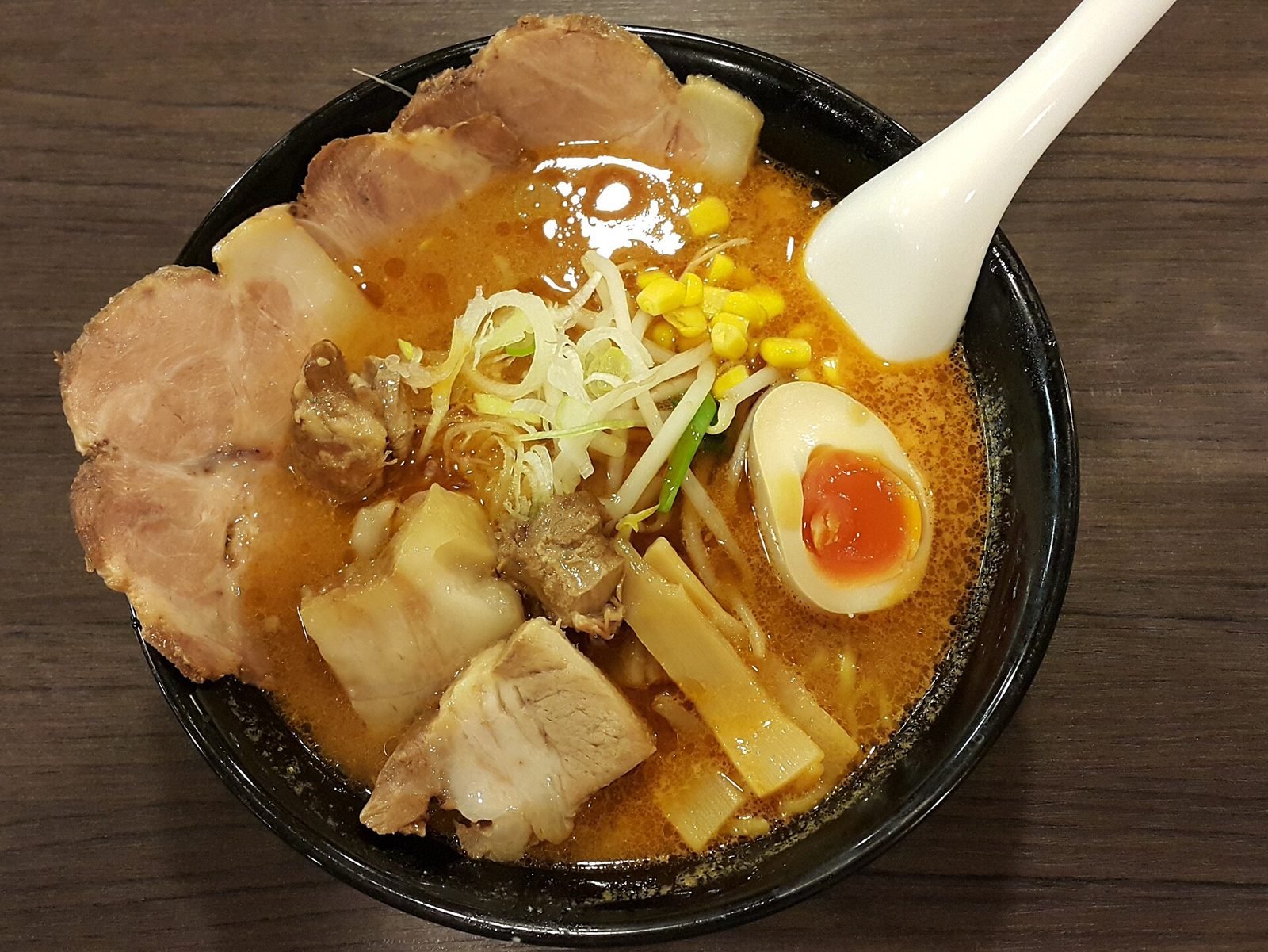
- Sapporo (Hokkaido): famous for miso ramen, often topped with corn and butter.
- Tokyo: classic shoyu (soy sauce) ramen with a clear broth.
- Fukuoka and Kyushu: creamy tonkotsu (pork bone) broth with thin noodles.
A sakura-themed bowl could show up in any of these styles, so ask the staff what the base is.
Make the Most of Your Trip
Ramen is easy to find in Japan, but a bit of planning helps. Staying connected makes it easier to check shop hours, queues and bloom updates on the go, so an eSIM or pocket Wi-Fi is worth arranging before you leave. Combine your ramen hunt with blossom viewing at parks, rivers and castles, and you’ve got the perfect spring day.
FAQ
What is sakura ramen?
It’s a seasonal, spring-themed ramen that adds a cherry blossom element, such as salted sakura petals, pickled sakura leaves or pink toppings, to a regular ramen bowl. There’s no single standard recipe.
Is sakura ramen a traditional dish?
No. It’s a modern seasonal idea rather than a long-established tradition, and it’s not tied to one city or region. Sakura-flavored foods themselves, like sakura mochi, are a much older part of Japan’s spring.
When can I eat it?
Mostly in March and April, around cherry blossom season, though each shop decides its own dates and some bowls sell out early.
How much does it cost?
Expect roughly 1,000 JPY for a typical bowl, with limited-edition versions often costing more. Check the shop’s menu for current prices.
Does it taste like flowers?
Only slightly. The flavor is a gentle floral, salty and herbal note, not perfumey, and it supports the broth rather than replacing it.
Can I make it at home?
Yes. Use salted sakura blossoms and leaves from a Japanese grocer or online shop, and keep the seasoning light.
Is it vegetarian?
Usually not, since most ramen broths use pork or chicken. Some shops offer vegan or vegetarian ramen, so check ahead.
If you’re planning a spring trip, you might also enjoy joining a local food walk to discover small ramen shops you’d never find on your own.
Have you ever tried a sakura ramen? Let me know in the comments where you found it!