
As an Amazon Associate, Chasing Cherry Blossoms earns from qualifying purchases. We may also earn from other affiliate links on this page at no extra cost to you.
Discovering the Vibrant Culture and Unique Charm of Shibuya: A Must-Visit Destination in Tokyo
Shibuya is the part of Tokyo where I always end up, whether I plan to or not. It’s loud, neon-lit and a little chaotic, and I love it. It sits a few kilometers southwest of central Tokyo and works as a hub for shopping, food, entertainment and nightlife. Because it’s right on the JR Yamanote Line, it’s also one of the easiest places to reach in the city.
Shibuya is best known for its Scramble Crossing, often called the busiest pedestrian crossing in the world, and for the Hachiko statue, a bronze tribute to a very loyal dog. Here’s how I’d spend your time, with updated tips for 2026-27.
Shibuya’s Iconic Landmarks
Shibuya Scramble Crossing
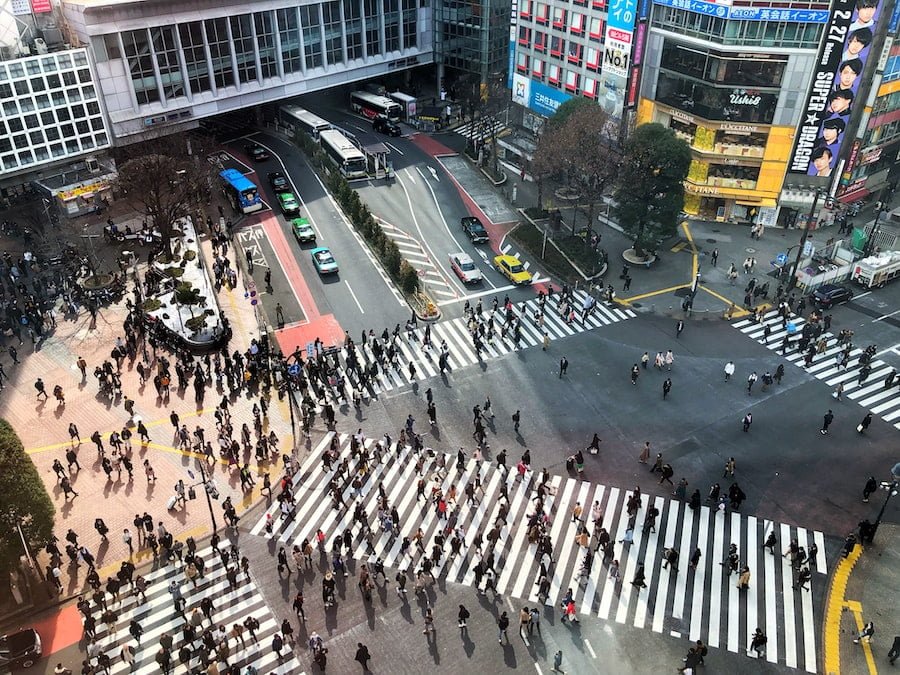
The crossing sits right outside the Hachiko Exit of Shibuya Station. When the lights turn red in every direction, waves of people cross at once. Estimates say up to around 2,500-3,000 people can cross per light cycle at peak hours. It looks like synchronized chaos, but everyone flows through smoothly.
For the best view, go up to an elevated vantage point. The Shibuya Sky observation deck at Shibuya Scramble Square has an open-air rooftop. Tickets are roughly 2,700-3,400 JPY for adults when booked online (more at the counter, and more for later time slots), and booking ahead for sunset is wise. Check the official site for current prices.
Hachiko Statue
Hachiko was an Akita dog who kept waiting at Shibuya Station for his owner every day for nearly 10 years after the owner died. The bronze statue by the Hachiko Exit is now one of Tokyo’s most popular meeting spots, so expect a small queue for photos. It’s free to visit.
Fashion and Shopping in Shibuya
Shibuya is one of Tokyo’s fashion capitals, with options for nearly every style and budget.
- Shibuya 109: A trendy fashion building aimed mainly at young women, with clothing, accessories and cosmetics. Opening hours vary by floor and day, so check before you go.
- Center Gai: A lively pedestrian street packed with shops, cafes, arcades, restaurants and karaoke. It’s great for people-watching.
- Department stores and boutiques: Around the station you’ll find big department stores and smaller street-fashion shops where the youth fashion scene is very much alive.
Where to Eat in Shibuya
From street snacks to sit-down meals, you won’t go hungry here.
- Tokyu Foodshow: A huge food hall near the station with bento, sweets and prepared dishes. It’s perfect for a budget-friendly picnic or a quick lunch.
- Ramen, sushi and izakaya: Ramen is generally an affordable meal, though prices vary by shop, and conveyor-belt sushi is a good value option.
- Fine dining: Note that the famous Sukiyabashi Jiro Honten is actually in Ginza, not Shibuya, and it’s very hard to book for visitors. Shibuya does have plenty of other well-reviewed restaurants, but check current Michelin listings if that’s your goal.
Shibuya Nightlife: Clubs, Bars and Live Music
Shibuya after dark is a different world.
- Womb: A well-known electronic music club with international DJs. Bring photo ID, and check the event schedule and cover charge beforehand.
- Nonbei Yokocho: Also called Drunkard’s Alley, this narrow lane of tiny bars sits near Shibuya Station. Some bars have cover or seating charges, so check the sign before you go in.
- Pubs and live music: There are plenty of relaxed bars and live houses in the surrounding backstreets if clubs aren’t your thing.
Getting Around Shibuya
Shibuya Station is one of Tokyo’s busiest, and it connects many lines:
- JR Yamanote Line, plus the Saikyo and Shonan-Shinjuku lines
- Tokyo Metro Ginza, Hanzomon and Fukutoshin lines
- Private lines such as Tokyu Toyoko and Den-en-toshi, and the Keio Inokashira Line
The station is a maze that’s been under redevelopment for years, so give yourself extra time to find your exit. Buses also run from the area, though trains are easier for most visitors.
Do You Need a JR Pass?
The JR Yamanote Line covers Shibuya, but since the October 2023 price rise, a 7-day ordinary JR Pass costs 50,000 JPY when bought on the official site (a bit more via overseas agents). For a Tokyo-only trip it’s rarely worth it, and an IC card (Suica or Pasmo) plus a metro pass is usually cheaper. A Pass can make sense if you’re also taking long-distance Shinkansen trips. Compare your itinerary before buying. Note that Nozomi and Mizuho trains need an extra ticket for pass holders.
Staying Connected
Shibuya is packed with people and navigating takes data, so I’d suggest arranging an eSIM before landing, and carrying a portable charger so your phone survives a long day of navigating.
Hidden Gems and Culture
Beyond the crowds, Shibuya has quieter corners.
- Bunkamura: The well-known arts complex near Shibuya Station has been largely closed for redevelopment since 2023, and Orchard Hall is also scheduled to close from January 2027. A reopening date has not been confirmed, so check the official site before visiting.
- Yoyogi Park and Meiji Jingu: A short trip away (Harajuku side), they offer green space and a calm shrine.
- Galleries and small museums: The area has independent galleries and cafes worth wandering into. For major museums such as the Mori Art Museum (Roppongi) or the Hara Museum (Shinagawa), plan a separate trip as they aren’t in Shibuya.
A Little History
Shibuya started as a rural village and began to grow after the station opened in 1885. The Tokyu Toyoko Line opened its Shibuya section in 1927, linking the area with Yokohama and helping turn it into a commercial and entertainment hub. In recent years large redevelopment projects have reshaped the skyline, yet the area keeps its energetic character.
Shibuya in Cherry Blossom Season
Since this is a sakura site, a quick note: Tokyo’s cherry blossoms generally bloom from late March to early April, and exact dates vary each year, so check the latest forecasts closer to your trip. Shibuya has some sakura of its own, and the famous Meguro River blossoms are a short train ride away. Expect crowds everywhere.
Tips for Planning Your Visit
- Go on a weekday if you can. Weekends and evenings are much busier.
- Allow at least half a day for the main sights, or a full day if you want shopping, food and nightlife.
- Explore the side streets. The best finds are often just off the main roads.
- Book a place to stay nearby if you want to enjoy the nightlife without a late-night rush for the last train.
FAQ
What is Shibuya known for?
The Scramble Crossing, the Hachiko statue, youth fashion, shopping and nightlife.
How much time do I need in Shibuya?
Half a day covers the highlights. A full day or an evening lets you add shopping, dining and nightlife.
When is the best time to see the Scramble Crossing?
Evenings and weekends are busiest. For the best views, go at dusk when the lights come on.
Is Shibuya covered by the JR Pass?
Yes, the JR Yamanote Line stops at Shibuya. But a JR Pass is often not worth it for Tokyo alone.
Is Shibuya good for cherry blossoms?
There are some blossoms in the area, but the better spots, such as Meguro River, are a short train ride away. Peak bloom in Tokyo is typically late March to early April, varying by year.
Is Shibuya safe at night?
It’s generally considered safe, but as in any busy nightlife area, watch your belongings and be cautious of touts. Guided evening food tours can be a relaxed way to explore.