
As an Amazon Associate, Chasing Cherry Blossoms earns from qualifying purchases. We may also earn from other affiliate links on this page at no extra cost to you.
Japanese culture is not something you only find in museums. You meet it when you take off your shoes at a ryokan, wash your hands at a shrine, say “itadakimasu” before a bowl of ramen, or watch a tea master whisk matcha in total silence. This guide is my hub for travellers who want to experience that culture properly. It covers what each tradition is, where you can try it, what it roughly costs in late 2026, and the etiquette that will keep you out of trouble.
Quick answer: The easiest ways to experience Japanese culture as a visitor are a tea ceremony in Kyoto or Tokyo (about 2,000-5,000 yen for a shared session), a day in a rented kimono (about 3,000-8,000 yen), a visit to a shrine and a temple (usually free), a seasonal festival such as Gion Matsuri in July, a kaiseki meal or a depachika food hall, and a kabuki or sumo performance. Learn a few basics first: shoes off indoors, quiet on trains, no tipping, and wash before you get into an onsen.
How to use this guide
Each section below explains one part of Japanese culture, then gives you the practical bits: named places, typical prices, one or two etiquette pointers, and a link to a deeper Chasing Cherry Blossoms guide where I have one. Prices are what I could verify on official or booking pages in October 2026. They change, so treat them as a rough guide and check before you book.
Japanese culture experiences at a glance
| Culture experience | Where to try it | Typical cost | Good to know |
|---|---|---|---|
| Tea ceremony | Camellia (Kyoto), The Okura Tokyo, Happo-en (Tokyo) | About 2,000-5,000 yen shared; 8,000 yen and up private | Eat the sweet before you drink the tea |
| Kimono rental | Gion and Higashiyama (Kyoto), Asakusa (Tokyo) | About 3,000-8,000 yen for a standard plan | Left panel over right, always |
| Shrines and temples | Senso-ji, Meiji Jingu, Fushimi Inari Taisha | Usually free; goshuin often 500 yen | Purify at the water basin first |
| Festivals | Gion Matsuri (July), Sapporo Snow Festival (February) | Free to watch; paid seating at some events | Book hotels months ahead |
| Kaiseki dinner | Kyoto ryokan and restaurants | Roughly 6,000-30,000 yen per person | Lunch courses are often cheaper |
| Kabuki | Kabukiza, Ginza (Tokyo) | About 2,000-3,500 yen single act; about 4,500 yen and up full programme | English caption tablet for rent |
| Sumo | Ryogoku Kokugikan (Tokyo), Osaka, Nagoya, Fukuoka | Roughly 2,500-9,500 yen for chair seats | Tickets sell out fast |
| Museums | Tokyo National Museum, Ueno | 1,000 yen adults (collection) | Closed most Mondays |
Tea ceremony (chado or sado)
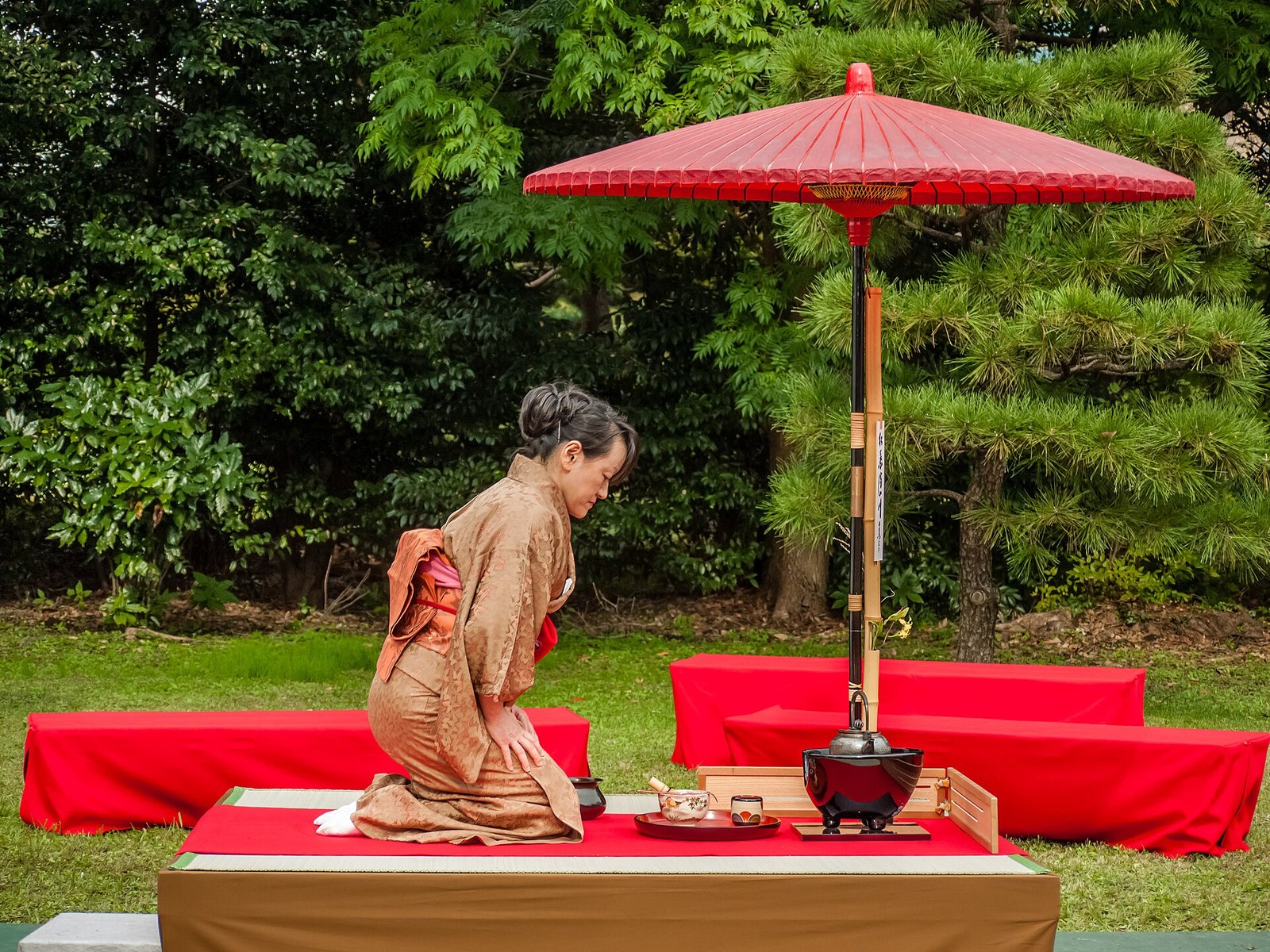
The Japanese tea ceremony, called chanoyu, sado or chado (“the way of tea”), is the ritual preparation and serving of matcha, powdered green tea. Its spirit owes a great deal to Sen no Rikyu, the 16th-century tea master who refined the rustic wabi-cha style. Today the three best-known schools, Urasenke, Omotesenke and Mushakojisenke, all descend from Rikyu’s family and are still based in Kyoto. You do not need to know which school you are watching. Just know that every movement, from wiping the tea scoop to turning the bowl, has a reason.
A typical visitor session lasts 45-60 minutes. The host explains the utensils, serves a seasonal wagashi (Japanese sweet), then whisks a bowl of matcha for each guest. Many places also let you try whisking your own.
Where to try it
- Kyoto: Camellia runs English-language sessions at several tea rooms in the Higashiyama area. Shared sessions start from about 4,000 yen per adult, and private sessions from about 8,000 yen.
- Tokyo: The Okura Tokyo hotel offers a roughly 60-minute experience for about 5,000 yen per person. At Happo-en garden in Shirokanedai you can simply walk in for matcha and a sweet for under 2,000 yen.
Etiquette pointers
- Eat the sweet before the tea. The sweetness balances the bitterness of the matcha.
- Remove rings and bracelets so you do not scratch the bowl, and avoid strong perfume.
For a longer walkthrough of Kyoto tea houses, read my guide to traditional tea ceremonies in Kyoto.
If you want the background before you go, Okakura Kakuzo’s short 1906 classic is still the best introduction to why tea matters so much in Japan.

1906 first-edition title page (not the exact edition sold). Photo: Duffield & Company (1906), public domain, via Wikimedia Commons
The Book of Tea by Kakuzo Okakura (Dover paperback)
Okakura's short 1906 classic on the philosophy and aesthetics of the Japanese tea ceremony.
Check price on AmazonAnd if the ceremony leaves you wanting to whisk matcha at home, a basic set with a bamboo chasen whisk, scoop and bowl is all you need to start.
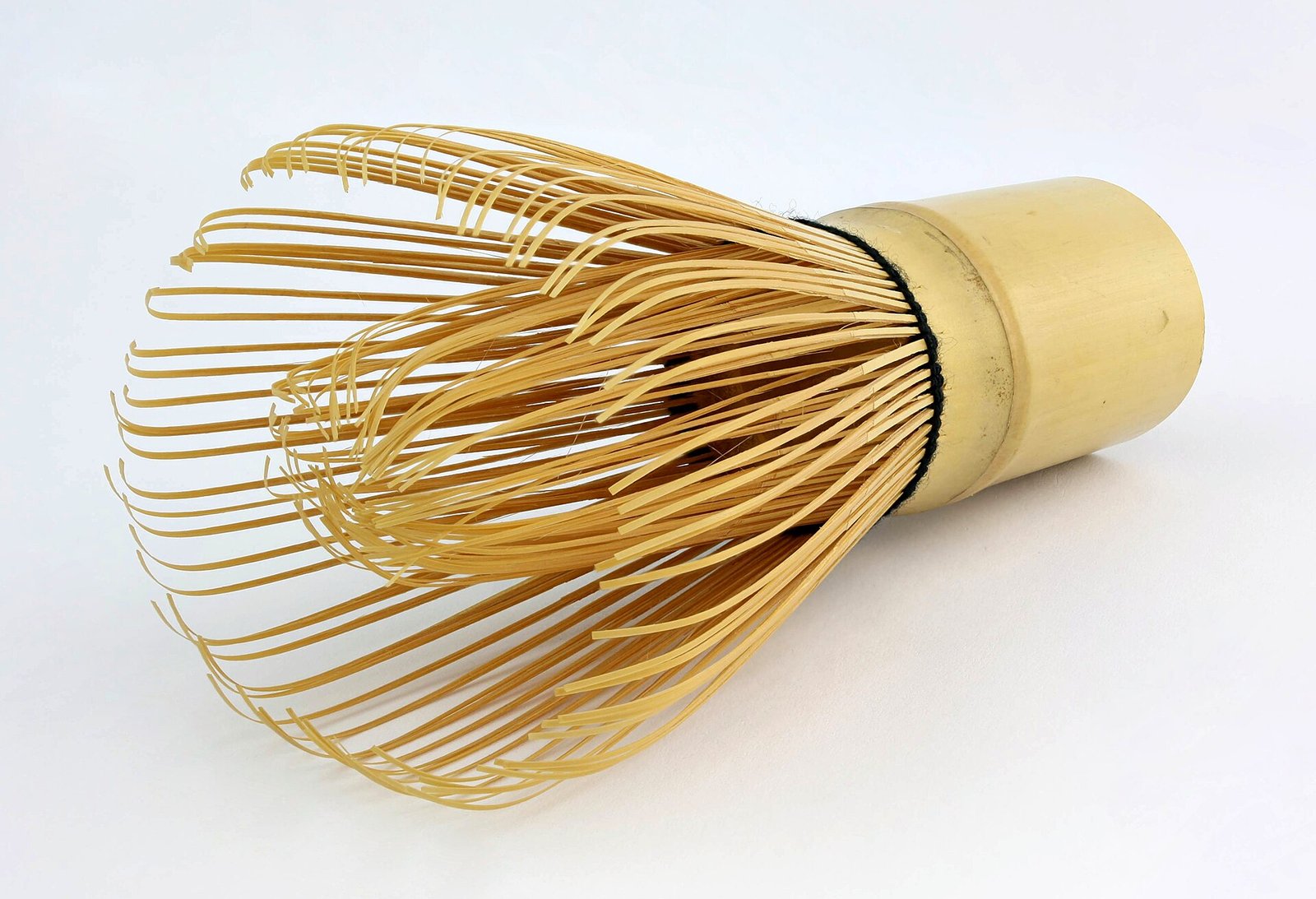
Bamboo matcha whisk (item type, not the exact product). Photo: D-Kuru, CC BY-SA 4.0, via Wikimedia Commons
Artcome Japanese Matcha Tea Set (9 pieces)
Starter matcha kit with bamboo chasen whisk, scoop, bowl, caddy and whisk holder.
Check price on AmazonKimono and yukata
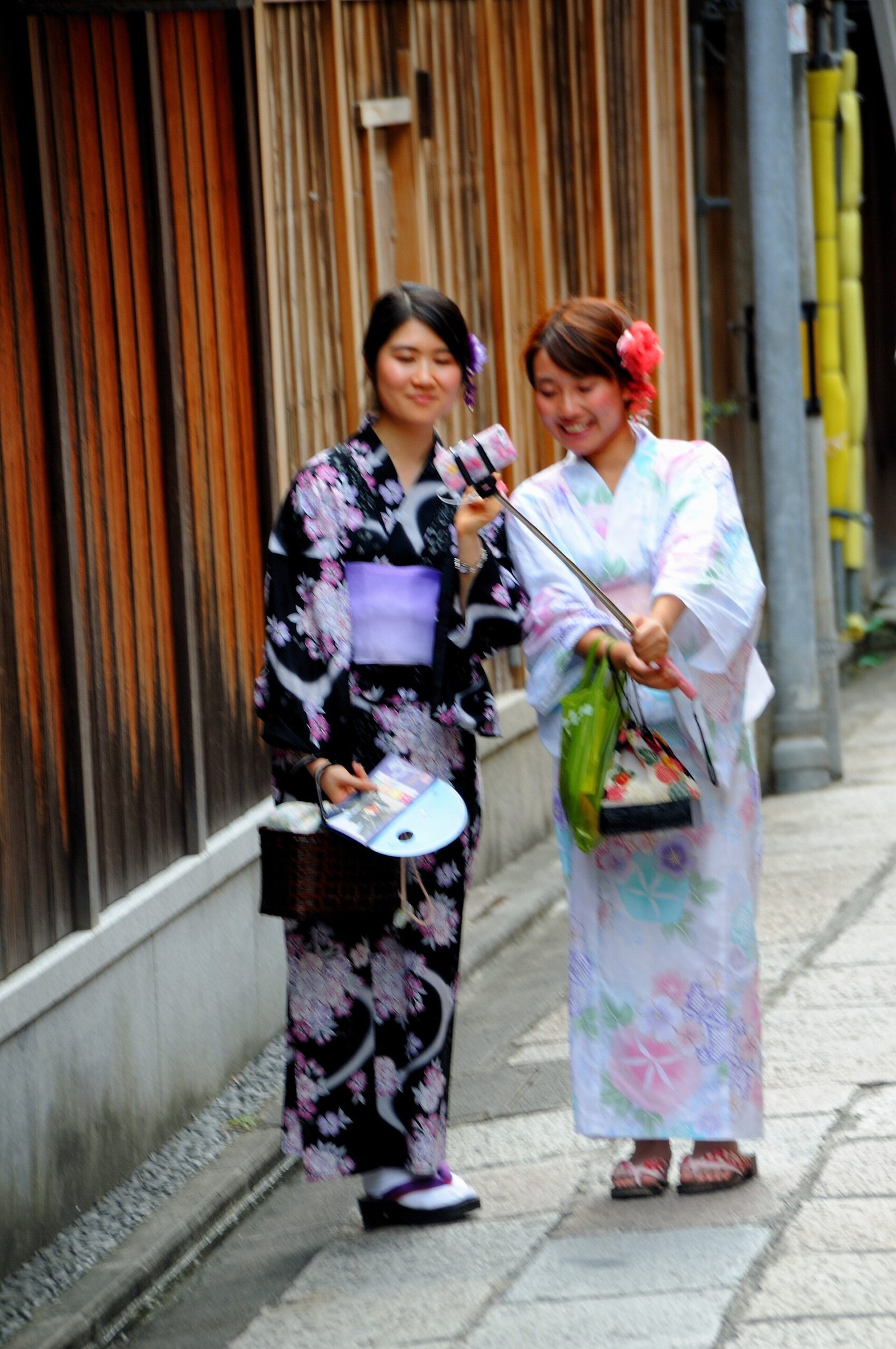
The kimono is Japan’s traditional full-length robe, and today it is mostly worn for weddings, coming-of-age ceremonies, graduations, Shichi-Go-San and the tea ceremony. Formality varies a lot. A furisode with long, swinging sleeves is the most formal style for young unmarried women, while a light cotton yukata is a casual summer garment. You will see yukata at summer festivals and fireworks displays, and most ryokan provide one to wear around the inn and to the bath.
Where to rent one
Kyoto is the classic place to rent, because the streets around Gion, Ninenzaka and Kiyomizu-dera suit the look. Yumeyakata, one of the larger Kyoto rental shops, lists a standard kimono plan at about 4,180 yen (cheaper if you book ahead) and a full-option plan at about 8,250 yen. In Tokyo, Asakusa near Senso-ji has many shops with plans from roughly 3,300 yen. Expect a surcharge on peak cherry blossom and autumn leaf days. Staff dress you, which usually takes 30 minutes or so.
Etiquette pointers
- Always wrap the left panel over the right. Right over left is how the deceased are dressed for a funeral.
- Take small steps, and return the kimono by the shop’s closing time.
My guide to the kimono and traditional Japanese clothing goes deeper into fabrics, obi and formality levels.
Festivals and the seasons
Much of Japanese culture follows the calendar. Matsuri (festivals) are usually tied to a local shrine or temple, and seasonal customs shape what people eat, wear and do. These are the dates worth planning around.
- Shogatsu (New Year), 1-3 January: the most important holiday of the year. Families make hatsumode, the first shrine or temple visit of the year. Meiji Jingu in Tokyo is said to draw around 3 million people over the first three days, so expect huge crowds. Many shops and restaurants close for a few days.
- Sapporo Snow Festival, early February: giant snow and ice sculptures at Odori Park, plus sites at Susukino and Tsudome. The 2026 festival ran 4-11 February, and early reports put the 2027 festival on similar dates, but confirm on the official site. See my Sapporo Snow Festival guide.
- Hanami, late March to early April: picnics under the cherry blossoms. In an average year Tokyo and Kyoto reach full bloom around the end of March or the first days of April, but this shifts by a week or more. My hanami guide covers spots and manners.
- Gion Matsuri, all of July (Kyoto): the festival of Yasaka Shrine, with roots going back to 869. The highlight is the Yamahoko Junko float procession on the mornings of 17 July and 24 July.
- Obon, mid-August: a Buddhist time to honour ancestors, usually 13-16 August, although Tokyo and some other areas observe it in July. In Kyoto, the Gozan Okuribi bonfires on the mountains on the night of 16 August mark the end of Obon. Trains and roads are very busy that week.
- Shichi-Go-San, 15 November: families take girls aged 3 and 7 and boys aged 5 (and in many areas also 3) to a shrine in their best clothes. It is not a public holiday, so the weekends around it are busiest. Read more about Shichi-Go-San.
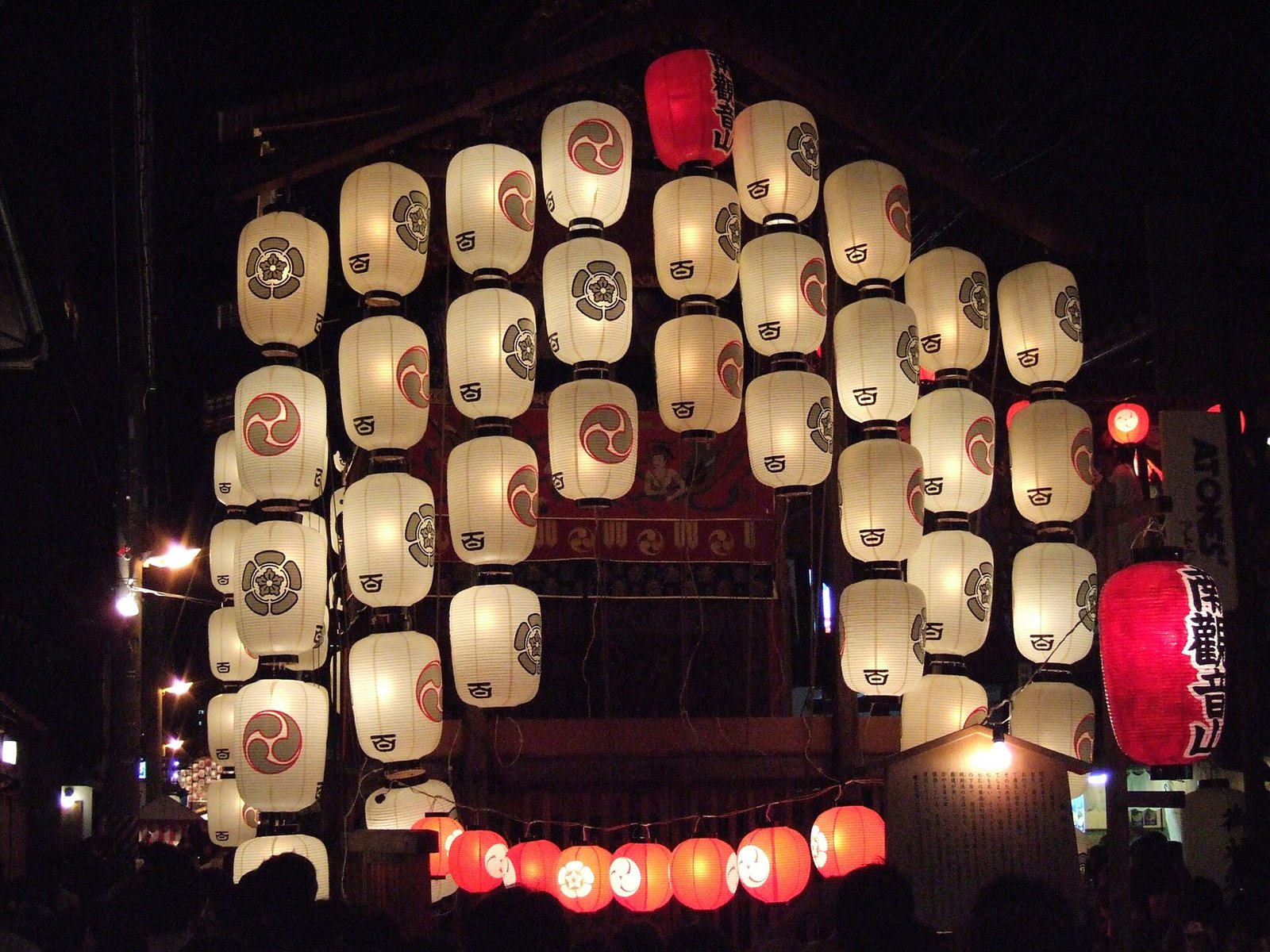
My tip: festivals are free to watch, but hotels near them are not. For Gion Matsuri, Sapporo and peak sakura, book accommodation months ahead and expect higher rates.
Shrines and temples
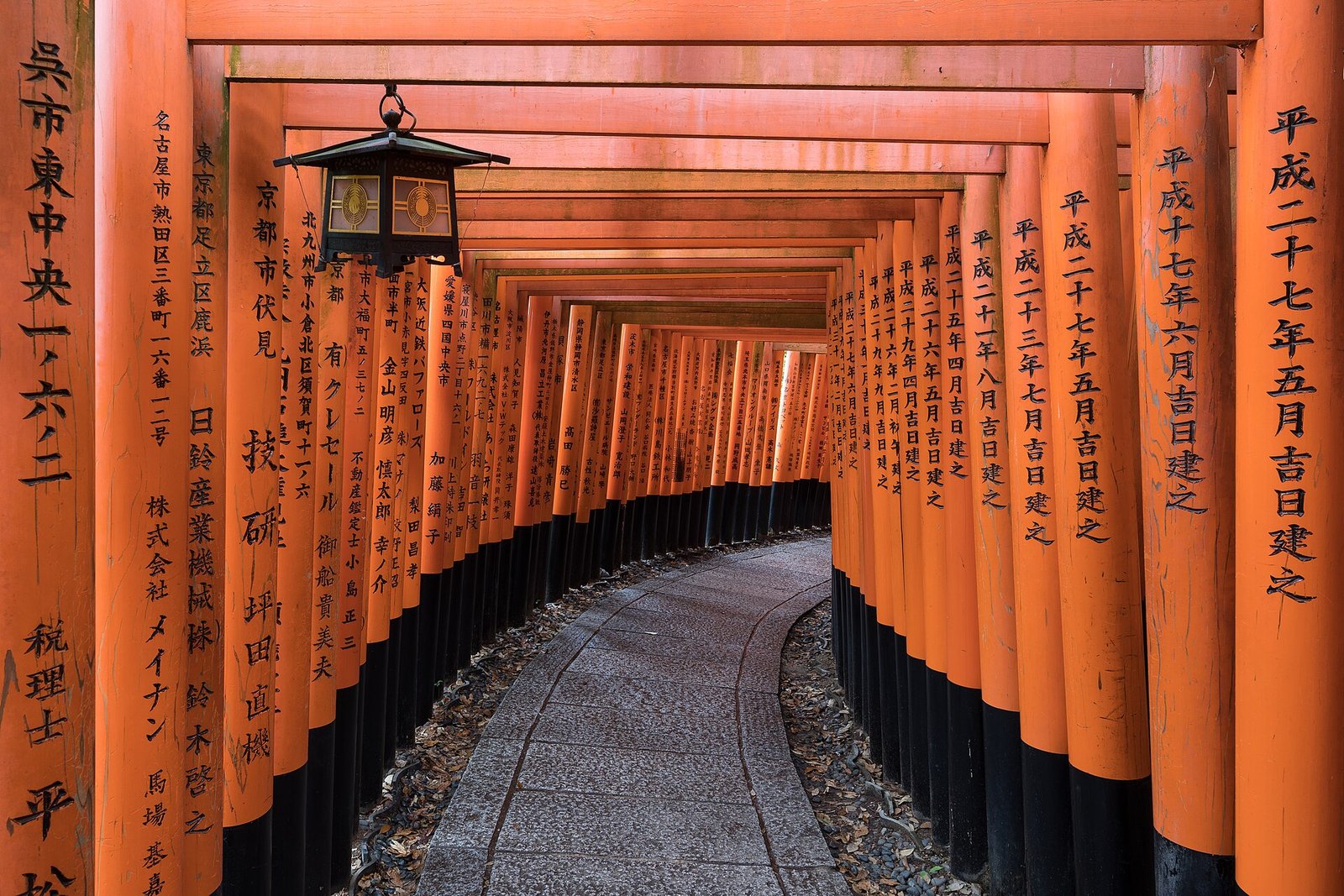
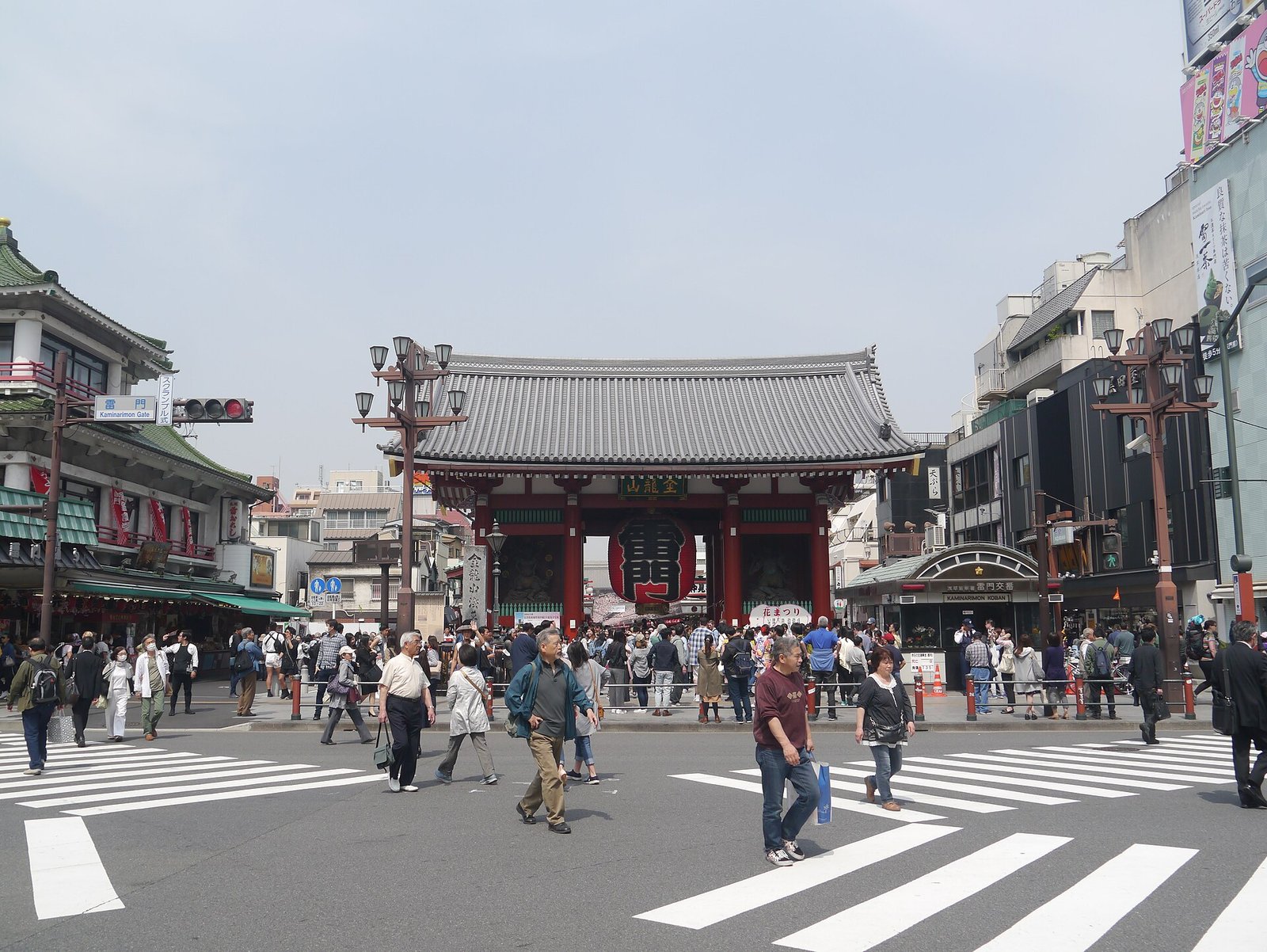
Shinto shrines (jinja) and Buddhist temples (tera) often sit side by side, and most Japanese people visit both without thinking twice. A few clues help you tell them apart. A shrine is marked by a torii gate, often painted vermilion, and you may see paper zigzag streamers and rope. A temple is entered through a mon gate, such as Kaminarimon at Senso-ji, and usually has an incense burner and Buddhist statues.
Where to visit
- Senso-ji, Asakusa: traditionally dated to 628 and often called Tokyo’s oldest temple. There is no admission charge to the grounds. See my Senso-ji guide.
- Meiji Jingu, Harajuku: a forested shrine founded in 1920 and dedicated to Emperor Meiji and Empress Shoken. The grounds are free; the inner garden charges a small fee.
- Fushimi Inari Taisha, Kyoto: famous for its tunnels of torii, around 10,000 of them according to the shrine. The grounds are widely reported to be open at all hours and free, so an early morning visit beats the crowds.
Map: 6 places to experience traditional Japanese culture in Tokyo and Kyoto
- Senso-ji (Tokyo) – Asakusa temple, traditionally dated to 628; Kaminarimon gate and kimono rental nearby. Directions
- Meiji Jingu (Tokyo) – Forest shrine (1920) next to Harajuku; good place to see shrine etiquette. Directions
- Kabukiza (Tokyo) – Ginza kabuki theatre; single-act tickets and English caption tablets. Directions
- Tokyo National Museum (Tokyo) – Ueno; Japan's oldest museum (1872): armour, ukiyo-e, ceramics. Directions
- Yasaka Shrine (Kyoto) – Gion shrine behind July's Gion Matsuri; tea and kimono streets nearby. Directions
- Fushimi Inari Taisha (Kyoto) – Thousands of vermilion torii up Mt Inari; go early. Directions
How to pray and purify
At the temizuya (water basin), take the ladle in your right hand and rinse your left hand, then your right. Pour a little water into your cupped left hand to rinse your mouth (never drink straight from the ladle), rinse your left hand again, and tilt the ladle upright so the water cleans the handle. At most shrines the common way to pray is to bow twice, clap twice, and bow once more. A few shrines, such as Izumo Taisha, use four claps. At temples you do not clap; just put your hands together quietly.
Omamori and goshuin
Omamori are small protective amulets for things like safe travel, health or exam success, usually a few hundred to around 1,000 yen. Goshuin are hand-brushed calligraphy seals collected in a goshuincho book. Many shrines and temples now charge 500 yen per seal, with some still at 300 yen. Treat it as a record of a visit, not a stamp rally, and pay respects before you queue for one.
Everyday etiquette
You do not need to be perfect. Most people in Japan are patient with visitors who are clearly trying. These are the habits that matter most.
- Shoes off: take them off when entering homes, ryokan rooms, many temple halls and some restaurants. If you see a raised step or a row of slippers, that is your cue. Never wear toilet slippers outside the toilet.
- Quiet on trains: keep your phone on silent and avoid phone calls. Japan’s tourism board notes that talking on the phone is frowned on at any volume. My Japan train etiquette guide also explains how luggage forwarding keeps big suitcases off crowded trains.
- No tipping: tipping is not customary in restaurants, taxis or hotels. Good service is part of the price.
- Chopsticks: never stand them upright in rice or pass food from chopstick to chopstick. Both are associated with funerals.
- Queueing: people line up neatly on station platforms, at bus stops and for popular restaurants.On escalators, people traditionally stand on the left in Tokyo and on the right in Osaka, although rail operators now ask everyone to stand still on both sides.
- Trash: public bins are rare, so carry a small bag and take your rubbish back to your hotel or a konbini bin.
- Onsen: wash thoroughly at the shower stations before you get in, do not wear a swimsuit, and keep your towel out of the water. Tattoo rules vary, so check ahead. My onsen etiquette guide walks through each step.
Food as a way into the culture
For many travellers, food is the easiest way into Japanese culture. In 2013 UNESCO added “Washoku, traditional dietary cultures of the Japanese, notably for the celebration of New Year” to its Representative List of the Intangible Cultural Heritage of Humanity. Washoku centres on seasonal ingredients, rice, soup and small side dishes, and the idea that food should reflect the time of year.
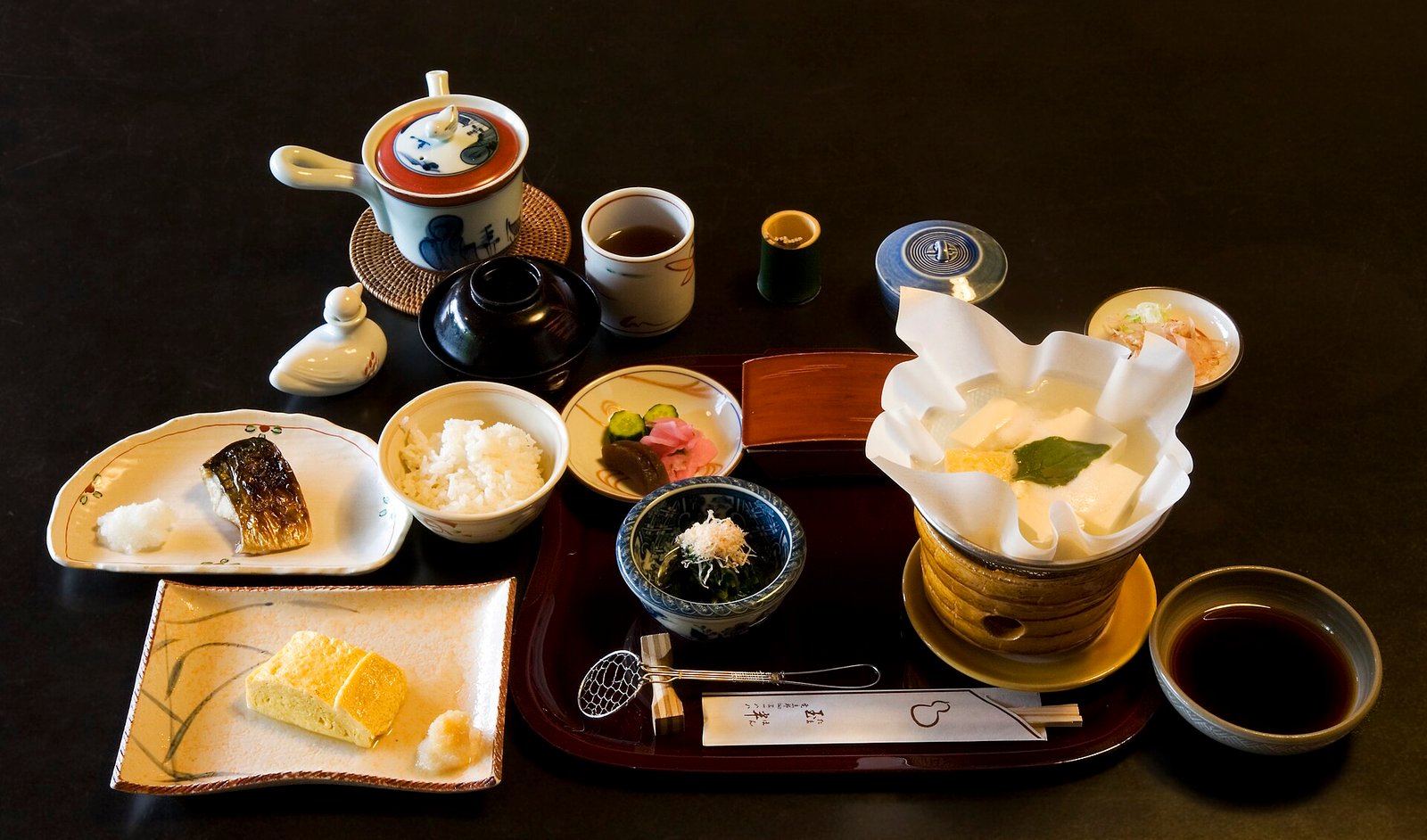
- Kaiseki: the formal multi-course meal that grew out of the tea ceremony. In Kyoto, dinner typically costs somewhere between 6,000 and 30,000 yen per person, and top restaurants charge more. Lunch versions are a good-value introduction. See my guide to Kyoto kaiseki ryori.
- Ramen and street food: a bowl of ramen, takoyaki in Osaka or yakitori under the train tracks is just as much part of everyday food culture as kaiseki, and much cheaper.
- Depachika: the basement food halls of department stores such as Isetan, Takashimaya and Mitsukoshi are great for wagashi, bento and beautifully wrapped gifts.
- Konbini: 7-Eleven, FamilyMart and Lawson sell onigiri, sandwiches and hot snacks around the clock and are a genuine part of daily life.
Etiquette: say “itadakimasu” before you eat and “gochisosama deshita” when you finish. Slurping noodles is fine. Walking while eating is often frowned on in busy areas, so finish street food near the stall.
Arts and performing arts
Calligraphy and ikebana
Shodo (calligraphy) and ikebana (flower arranging) are both easy to try in short classes. Ikebana traces its beginnings to the Ikenobo school at Rokkakudo temple in Kyoto, first recorded in 1462. In Tokyo, the Sogetsu school in Akasaka runs an English-language international class. Calligraphy experiences in Kyoto and Tokyo vary widely in price, so compare a few before booking.
Kabuki and noh
Kabuki is colourful, dramatic theatre with elaborate costumes and makeup. Kabukiza in Ginza is the main venue in Tokyo. Programmes change every month and full-programme seats start from roughly 4,500 yen. If you want a taster, single-act tickets for the top floor are usually about 2,000-3,500 yen and are sold at the theatre box office. An English captioning tablet costs 1,500 yen for a full programme or 1,000 yen for one act. The old English audio guide has been replaced, so ignore older blogs that mention it.
Noh is far older and slower: masked, minimal and almost meditative. The National Noh Theatre in Sendagaya, Tokyo, runs beginner-friendly performances for overseas visitors from time to time. The National Theatre near Hanzomon has been closed for rebuilding since late 2023, so do not plan around it.
Sumo
Grand sumo tournaments (honbasho) are held six times a year, each lasting 15 days: January, May and September in Tokyo at Ryogoku Kokugikan, March in Osaka, July in Nagoya and November in Fukuoka. The November 2026 tournament in Fukuoka (8-22 November) is already sold out. The January 2027 tournament at Ryogoku Kokugikan runs 10-24 January, with tickets going on sale on 5 December 2026. Chair seats roughly range from 2,500 to 9,500 yen. Read more in my guide to sumo wrestlers.
Museums
The Tokyo National Museum in Ueno, founded in 1872, is the oldest museum of its kind in Japan and the best single place to see samurai armour, ukiyo-e prints, ceramics and Buddhist art. Adult admission to the collection is 1,000 yen, and it is closed on most Mondays. For ukiyo-e alone, the smaller Ota Memorial Museum of Art in Harajuku runs rotating exhibitions.
A few ideas worth knowing (briefly)
Two ideas come up a lot when people talk about Japanese culture. Treat them as useful lenses, not rules that explain every person you meet.
- Omotenashi: a style of hospitality that means looking after guests wholeheartedly, often without being asked. It has roots in the tea ceremony, and you will notice it in ryokan and department stores.
- Wabi-sabi: an aesthetic that finds beauty in imperfection, simplicity and the passing of time. Think of a cracked bowl repaired with gold (kintsugi) or a mossy temple garden.
If wabi-sabi interests you, Beth Kempton’s book is a gentle, readable take on how the idea applies beyond design.
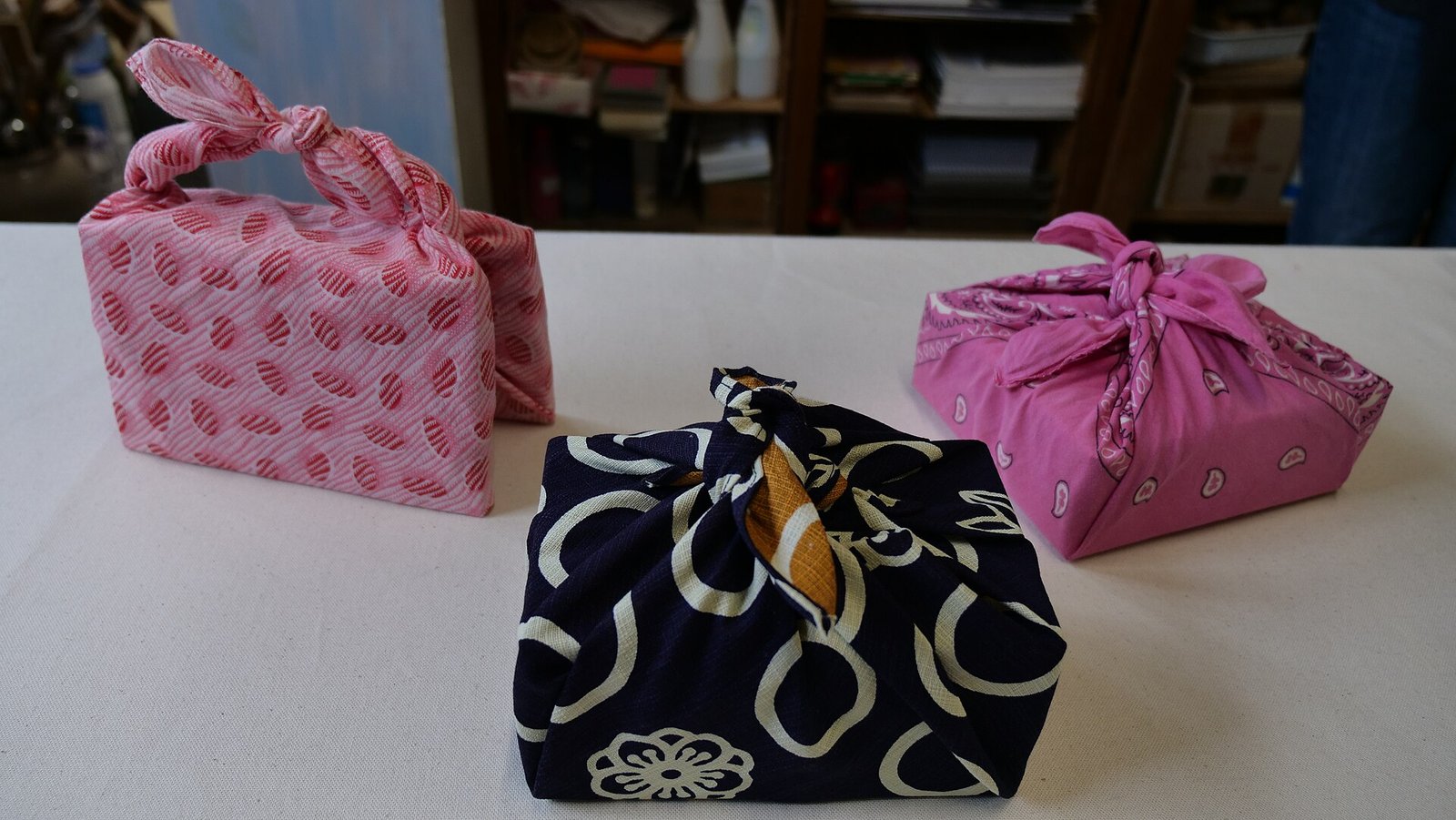
Furoshiki-wrapped gifts (illustrative, not the product). Photo: Culture Japon, CC BY-SA 4.0, via Wikimedia Commons
Wabi Sabi: Japanese Wisdom for a Perfectly Imperfect Life by Beth Kempton
A readable introduction to wabi-sabi and how the idea applies to everyday life.
Check price on AmazonPlanning your culture trip
Kyoto is the best base for tea, kimono, temples and kaiseki. Tokyo is better for kabuki, sumo, museums and the mix of old and new. Plan around a festival or season if you can, and book tea ceremonies, kimono rentals and sumo tickets in advance during busy periods. A good, current guidebook helps you connect it all.

Travel guidebooks (item type, not the exact edition). Photo: Vyacheslav Argenberg, CC BY 4.0, via Wikimedia Commons
Lonely Planet Japan (2026 edition)
Up-to-date Japan guidebook with itineraries and maps covering Tokyo, Kyoto, Kansai and beyond.
Check price on AmazonFAQ
What is the best way to experience Japanese culture as a tourist?
Combine a few hands-on experiences: a tea ceremony, a kimono rental, a shrine and temple visit, a seasonal festival and a kaiseki or depachika meal. Kyoto and Tokyo between them cover all of these.
How much does a tea ceremony cost in Kyoto?
Shared English-friendly sessions typically cost about 2,000-5,000 yen per person, and private sessions from about 8,000 yen. Prices are as of late 2026, so check the provider’s site before booking.
Is it disrespectful for foreigners to wear a kimono?
Generally no. Rental shops exist for exactly this, and wearing one respectfully, wrapped left over right, is usually welcomed. Just be considerate when taking photos in residential streets.
What is the difference between a shrine and a temple?
Shrines are Shinto and marked by torii gates; temples are Buddhist and usually have a mon gate, incense and Buddha statues. At shrines most people bow twice, clap twice and bow once. At temples you do not clap.
Do I need to tip in Japan?
No. Tipping is not customary in restaurants, taxis or hotels, and it can cause confusion.
When are the sumo tournaments?
Six times a year, in January, March, May, July, September and November, each lasting 15 days. The January, May and September tournaments are in Tokyo.
Can I go to an onsen with tattoos?
It depends on the facility. Many still restrict tattoos, while some allow them or let you cover small ones with a patch. Check before you go or book a private bath.
Is washoku really UNESCO heritage?
Yes. Washoku was added to UNESCO’s Representative List of the Intangible Cultural Heritage of Humanity in 2013.
Final thoughts
Japanese culture rewards curiosity and a little preparation. Learn the basics, choose two or three experiences that genuinely interest you, and leave room for the small moments in between.
Comment (1)