
As an Amazon Associate, Chasing Cherry Blossoms earns from qualifying purchases. We may also earn from other affiliate links on this page at no extra cost to you.
Exploring Tokyo on a Tight Budget: Tips and Tricks for Affordable Adventures
Tokyo has a reputation for being expensive, but I’ve found it’s one of the easier big cities to enjoy on a budget once you know where to look. It blends neon-lit modernity with quiet shrines, and a lot of its best experiences cost little or nothing. Here’s how I’d plan a wallet-friendly trip for 2026-27. Prices are rough guides and change often, so check current rates before you book.
Getting Around: Cheap Transportation in Tokyo
Trains and subways
Tokyo’s train and subway network is fast, clean and reasonably priced. Most single rides cost a few hundred yen, depending on distance. For most visitors, a rechargeable IC card (Suica or PASMO, on a phone wallet or as a physical card) is the easiest option, because you tap in and out across trains, subways and buses.
If you’ll ride the subway a lot in one day, look at the Tokyo Subway Ticket for tourists. It gives unlimited rides on Tokyo Metro and Toei subway lines for 24, 48 or 72 hours, at 1,000 JPY for 24 hours, 1,500 JPY for 48 hours and 2,000 JPY for 72 hours. It doesn’t cover JR lines such as the Yamanote Line, so check your route first.
Is the Japan Rail Pass worth it?
Since the price rise in October 2023, the Japan Rail Pass is a harder sell. A 7-day ordinary pass costs 50,000 JPY when bought on the official site (a little more through overseas agents), and the 14-day and 21-day passes are 80,000 and 100,000 JPY. Nozomi and Mizuho trains need an extra ticket for pass holders. If you’re only staying in Tokyo, skip it. It makes sense only if you’re doing several long-distance bullet train trips in a short window, so add up your fares first. If you do want one, check the official Japan Rail Pass site for current prices.
Cycling
Renting a bike or using a bike-share service is a good way to explore the quieter neighborhoods. Dedicated bike lanes are limited in places, so stick to calmer streets, follow the local traffic rules and park only in designated areas.
Accommodation: Affordable Places to Stay in Tokyo
Lodging is usually the biggest cost, so it’s where careful choices save the most.
- Hostels: Dorm beds are usually among the cheapest places to sleep, but prices vary a lot by season and location, so compare current rates.
- Capsule hotels: A private sleeping pod, usually priced above a hostel dorm bed but below a standard hotel room; check current rates. Many are single-gender, so read the listing.
- Business hotels and guesthouses: Small private rooms can be good value, especially for two people sharing.
Asakusa, Ueno and Shinjuku are all good bases for budget travelers, with plenty of cheaper options and easy transit links. Couchsurfing is still an option if you want a local connection, but short-term rental rules in Japan are strict, so confirm that any rental listing is properly registered. Compare cancellation terms and total prices before booking.
Food and Drink: Cheap Eats and Local Specialties
Eating well on a budget is easy in Tokyo, and it’s one of my favorite parts of the city.
Everyday budget meals
- Ramen: A bowl at a neighborhood shop is usually a modest, inexpensive meal; check menus for current prices. Many places use ticket vending machines, so you pick your dish and pay before sitting down.
- Conveyor belt sushi: Chains charge by the plate, with the cheapest plates costing little, a fraction of the price of a high-end sushi counter.
- Set lunches (teishoku): Lunch specials are usually much cheaper than dinner at the same restaurant.
- Convenience stores and supermarkets: Onigiri, sandwiches and bento boxes from 7-Eleven, Lawson and FamilyMart are cheap and surprisingly good. Supermarkets often discount bento in the evening.
Markets and street food
The inner wholesale market left Tsukiji in 2018 and is now at Toyosu, but Tsukiji Outer Market is still a great place for fresh seafood snacks and tamagoyaki. Go in the morning, as many stalls close by early afternoon and some shops are closed on Sundays, holidays and some Wednesdays. Ameya-Yokocho (“Ameyoko”) in Ueno is a lively market street with street food, snacks and bargains.
Free Activities: Enjoying Tokyo Without Spending Money
Parks and shrines
Yoyogi Park is a favorite with locals for picnics and people-watching. Right next to it is Meiji Shrine, dedicated to Emperor Meiji, which is free to enter and set in a peaceful forest.
Free views
The Tokyo Metropolitan Government Building in Shinjuku has free observation decks with sweeping city views. Opening hours vary by deck and day, and one deck may be closed for maintenance, so check before you go. Sunset or after dark is lovely.
Festivals and events
Seasonal festivals and neighborhood events often have free performances and stalls. Check local event listings for your dates.
Budget-Friendly Attractions Worth Paying For (or Not)
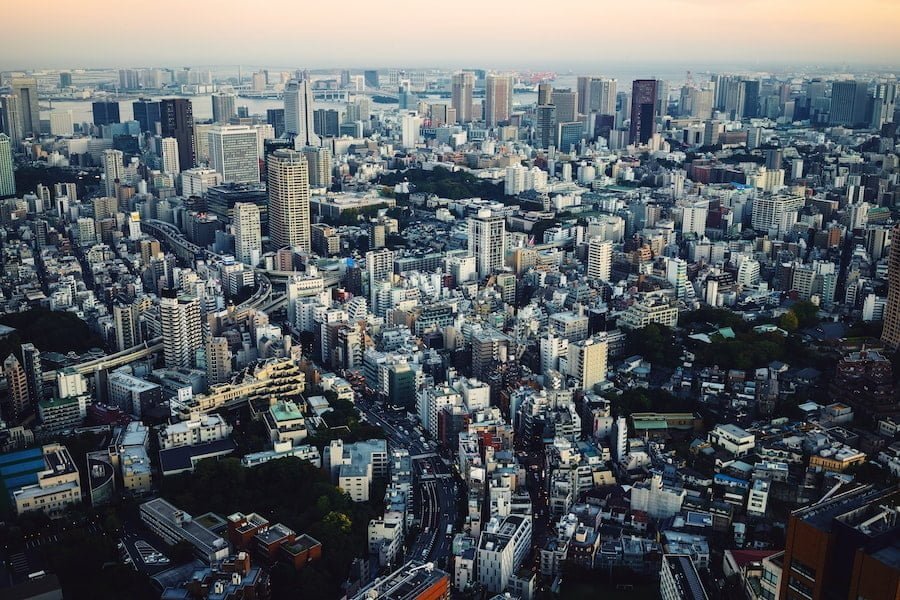
Some of Tokyo’s best-known sights are cheap or free.
- Sensoji Temple (Asakusa): Tokyo’s oldest temple. The grounds are free, and nearby Nakamise Shopping Street is good for snacks and souvenirs.
- Toyosu Market: The famous tuna auction now takes place here, not at Tsukiji. Close-up viewing is limited and requires advance reservation, while a public gallery needs no ticket; check the official site for current rules.
- Tokyo Skytree: Observation deck tickets are pricey, so I usually admire it from the ground, or from the Sumida River area, and skip the ticket unless the view is a priority.
If you want guided tours, compare small-group options and read recent reviews first.
Shopping: Bargain Hunting in Tokyo
- Harajuku and Shibuya: Trendy fashion, vintage shops and fast-fashion chains at a range of prices.
- Akihabara: The place for electronics, anime goods and games, with plenty of secondhand shops for bargains.
- Flea markets: The Oedo Antique Market is held at the Tokyo International Forum near Yurakucho, usually on selected weekend days and holidays, not in Yoyogi Park as older guides suggest. It is free to enter, mostly cash-only and held outdoors, so confirm the dates before you go.
- Tax-free shopping: Many larger stores offer tax-free purchases for tourists on qualifying spend. Bring your passport.
Nightlife: Affordable Entertainment
- Karaoke: Private rooms are great for groups, and many chains offer all-you-can-drink (nomihodai) plans. Daytime and early-evening rates are cheaper.
- Izakaya: Casual Japanese pubs with small dishes like yakitori and tempura. Watch for a small table charge (otoshi) on your bill.
- Alley bars and yokocho: Places like Omoide Yokocho in Shinjuku are fun for atmosphere. Check prices and cover charges before sitting down.
- Live music: Small live houses and jazz bars often have modest entry fees, so check venue listings.
Day Trips from Tokyo on a Budget
- Kamakura: The Great Buddha, Tsurugaoka Hachimangu Shrine and Hase-dera Temple, plus beaches nearby. Some sites charge a small entrance fee; check the official sites for current prices.
- Nikko: Toshogu Shrine, Lake Chuzenji and Kegon Falls. It’s a longer and pricier trip than Kamakura, so look at regional rail passes before buying individual tickets.
- Mount Takao: An easy hike on the western edge of Tokyo, with views and a monkey park (small entrance fee; check the official site for current prices).
When to Visit: Sakura Season and Low Season
Cherry blossoms in Tokyo usually bloom from late March into early April, though the exact timing shifts each year, so check the official forecasts closer to your trip. This is also the busiest and priciest time, so book early. For lower prices, winter (roughly December to February, avoiding the New Year holidays) is generally cheaper for flights and hotels, though prices vary by year. Golden Week (late April to early May) and Obon (mid-August) are typically busy and expensive.
Final Tips for a Budget Tokyo Trip
- Get mobile data sorted before you land. An eSIM is often cheaper than airport rentals.
- Carry some cash. Many small shops and shrines still prefer it, even though card use is growing.
- Skip the JR Pass unless you’re taking several long-distance trips.
- Eat your biggest meal at lunch, when set menus are cheapest.
- Walk, in comfortable walking shoes. Some of my best Tokyo memories come from wandering side streets for free.
Looking for a free cultural experience to pair with your trip? Read our guide to embracing tradition and exploring the beauty of the kimono and traditional Japanese clothing.
FAQ
Is Tokyo expensive to visit?
It can be, but it doesn’t have to be. Lodging is usually the largest expense, while food, transport and many attractions are quite affordable.
How much should I budget per day?
It depends on your style, but a frugal traveler staying in hostels and eating cheaply can keep daily costs fairly low, excluding flights, though it varies with season and lodging.
What’s the cheapest way to get around Tokyo?
Trains and subways, paid with a Suica or PASMO card, or a Tokyo Subway Ticket if you’ll ride a lot in a day. Walking is free.
Do I need a Japan Rail Pass for Tokyo?
No. It’s only worth considering if you’re making multiple long-distance trips. The 7-day ordinary pass is 50,000 JPY on the official site.
What’s the best time to visit on a budget?
Winter, outside the New Year holidays, is usually the cheapest. Sakura season (late March to early April) is beautiful but pricier and busier.
How much does a hostel or capsule hotel cost?
Both are among the cheapest options, but prices vary widely by type, location and season, so compare current rates.
Are there free things to do in Tokyo?
Yes: Meiji Shrine, Yoyogi Park, Sensoji Temple’s grounds, the Tokyo Metropolitan Government Building observation decks, and many festivals and street scenes.
Comment (1)