
As an Amazon Associate, Chasing Cherry Blossoms earns from qualifying purchases. We may also earn from other affiliate links on this page at no extra cost to you.
How Do You Enjoy Cherry Blossoms?
Cherry blossoms, or sakura, are one of my favorite things about spring. They are lovely, and they are gone almost before you notice. People have been drawn to them for centuries, from Japan to Washington, D.C. In this guide I’ll share how I like to enjoy them: what makes them special, when and where to see them, how to hold your own hanami, and a few tips for photos, food and planning.
Why Cherry Blossoms Are So Special
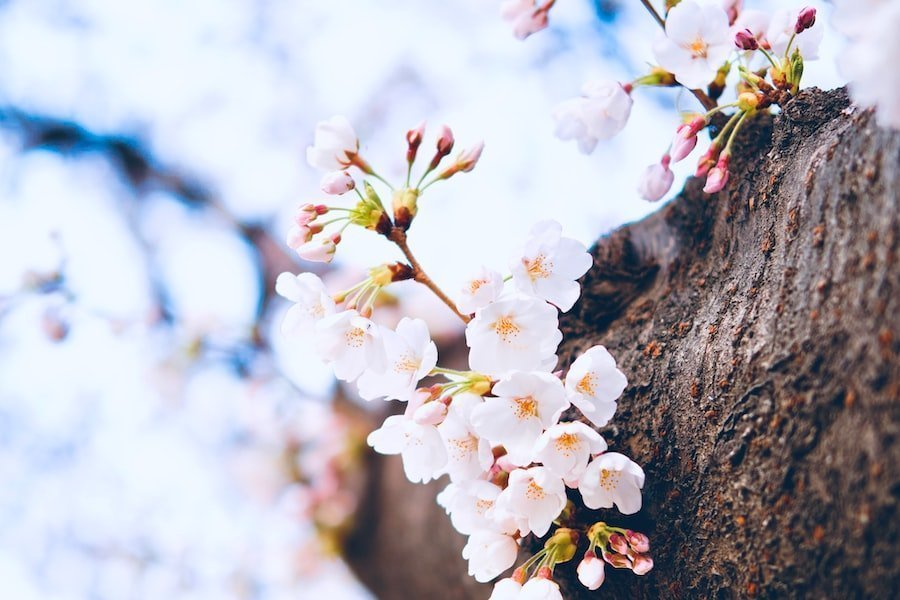
Sakura blooms are mostly pale pink or white. The petals are small and soft, and when the trees are in full bloom they look like clouds. When the wind picks up, the petals fall in a drift that Japanese people call sakura fubuki, or “cherry blossom blizzard.” It is my favorite moment of the whole season.
The trees matter to nature too. Bees and other insects visit the flowers, and the trees give shade and shelter to birds. For many people, the blossoms also mark the end of winter and the start of spring.
What Cherry Blossoms Mean in Japanese Culture
In Japan, sakura are a symbol of how short and beautiful life is. The blooming period is brief, and that is the point. The blossoms remind us to notice the moment we’re in.
The tradition that goes with this is hanami, which literally means “flower viewing.” Friends, families and coworkers gather under the trees to eat, talk and relax. It has been practiced for centuries and is still very popular today. To me it is less about the flowers and more about slowing down and being grateful.
When to See Cherry Blossoms in Japan
Timing is the hardest part of planning a sakura trip. Blooms depend on each winter and spring’s weather, so no one can fix the dates in advance. As a general guide, full bloom usually looks like this:
- Fukuoka and southern Japan: late March to early April
- Tokyo and Osaka: late March to early April
- Kyoto: late March to early April
- Tohoku: mid to late April
- Hokkaido (Sapporo): late April to early May
Each location is at its best for only about a week, and the whole season in a single city lasts a couple of weeks. Check the official sakura forecasts, which usually appear from around February, and stay flexible. If you have time, plan a route that follows the blossoms north, so you can catch more than one peak.
Planning Your Trip: Transport, Connectivity and Hotels
Sakura season is one of the busiest times of year in Japan. Book your hotels early and expect crowds at the famous spots.
- Rail: After the October 2023 price increase, a 7-day ordinary Japan Rail Pass costs about 50,000 JPY, the 14-day pass about 80,000 JPY, and the 21-day pass about 100,000 JPY when bought on the official site (exchange orders from overseas agents cost a little more). Nozomi and Mizuho trains need an extra ticket for pass holders. The pass only pays off if you take several long-distance trips, such as Tokyo to Kyoto to Hiroshima, so compare it with individual tickets for your route.
- Staying connected: An eSIM is the easiest way to get data when you land, and it helps with maps, bloom updates and translation.
- Hotels: Rooms in Tokyo and Kyoto fill up fast and get pricey in late March and early April, so book as early as you can.
Best Places to See Cherry Blossoms
In Japan
- Tokyo: Ueno Park, Chidorigafuchi near the Imperial Palace, the Meguro River, and Shinjuku Gyoen (there is a small entrance fee, and it is closed one day a week outside the main blossom period). Opening hours and evening illuminations change from year to year, so check the official site before you go.
- Kyoto: The Philosopher’s Path, Maruyama Park and the temple grounds around Higashiyama.
- Osaka: Osaka Castle Park and the Mint Bureau’s cherry blossom walkway, which is open for only about a week in spring and usually requires advance registration; check the official site for dates.
- Further afield: Hirosaki Castle in Aomori and Matsumae in Hokkaido are among the famous late-season spots.
Outside Japan
Washington, D.C. holds the National Cherry Blossom Festival around the Tidal Basin, which typically runs from late March into April; check the festival’s official site for the year’s dates. Other cities with sakura displays include San Francisco, Portland and Toronto (High Park). South Korea, Taiwan and Germany also have their own cherry blossom festivals and traditions.
If you’d like help finding your way around, a guided walk can be a nice way to learn about the history behind the trees.
How to Host Your Own Hanami
You can enjoy hanami anywhere there are blooming trees, even if you can’t make it to Japan.
- Pick a spot. A park, a garden, or your own yard all work. In Japan, people sometimes send someone early in the morning to reserve a place with a tarp.
- Bring a mat or blanket, plus something warm to wear. Spring evenings can be chilly, and you’ll likely walk a lot, so wear comfortable walking shoes.
- Pack food. Onigiri, sushi, bento boxes and green tea are classic choices. Convenience stores and department store food halls in Japan sell seasonal sakura treats.
- Be considerate. Take your trash with you, keep noise reasonable, and never shake or climb the trees.
Photography Tips for Cherry Blossom Season
- Time it right. Aim for peak bloom (mankai) and check local forecasts and bloom reports.
- Get up early. Early mornings mean fewer people and softer light at the famous spots.
- Use what you have. A camera with a macro lens is great for details, but a modern smartphone works well too.
- Try different angles. Shoot up through the branches, or frame the blossoms against a castle, a temple or a river.
- Watch the light. Soft, diffused light, such as on an overcast day, is flattering. Harsh midday sun washes out the pinks.
- Add a person or object. It gives a sense of scale.
Sakura in Art and Food
Art
Cherry blossoms have inspired artists for centuries. They appear often in ukiyo-e, the woodblock prints that flourished in Japan during the Edo period, where they stand for fleeting beauty.
Food and Drink
Spring in Japan means everything sakura-flavored. Shops sell seasonal sweets, drinks and snacks, usually from about March.
- Sakura mochi: a sweet rice cake with red bean paste, wrapped in a pickled cherry leaf. The Kanto and Kansai versions are made differently, so try both if you can.
- Sakura tea (sakurayu): salt-pickled blossoms steeped in hot water. It is savory-salty and floral, and is often served at celebrations.
- Seasonal specials: You’ll also find limited-edition sakura lattes, ice cream and snacks in cafés and convenience stores. Availability varies each year.
Taking Care of the Blossoms
Popular sakura spots get very crowded, and the trees are more fragile than they look. A few simple habits help:
- Don’t pick the flowers, shake the branches or walk on tree roots.
- Follow local rules about where you can sit and eat.
- Take your trash with you.
- Consider visiting on a weekday or at quieter times of day.
If you’d like to do more, many cities have community tree-planting programs and local groups that care for sakura.
Final Thoughts
Whether you see the blossoms in Tokyo, in Washington or in a local park, the best way to enjoy them is to slow down. Bring something tasty, bring good company, and look up. That’s really all hanami is.
FAQ
What are cherry blossoms?
Cherry blossoms are the flowers of cherry trees, called sakura in Japanese. They have delicate pink or white petals and are a symbol of spring.
When do cherry blossoms bloom?
In most of Japan, they bloom between late March and early May, depending on the region. Tokyo and Kyoto are typically at their peak in late March to early April. Dates vary every year, so check the forecasts.
Where can I see cherry blossoms?
Japan is the best-known destination, but you can also see them in Washington, D.C. (the Tidal Basin), Toronto (High Park) and many other cities. In Kyoto, the Philosopher’s Path is a favorite.
How do I enjoy cherry blossoms?
Take a walk or have a picnic under the trees, go to a festival, try seasonal sakura food, or see the blossoms from a boat or along a river.
What is hanami?
Hanami is the Japanese tradition of flower viewing. It usually means a picnic or party under the cherry trees with friends and family.
Do I need a JR Pass for a sakura trip?
Not always. Since the October 2023 price rise, a 7-day ordinary pass is about 50,000 JPY, so it makes sense mainly if you’re making several long shinkansen trips. Price out your route first.