
As an Amazon Associate, Chasing Cherry Blossoms earns from qualifying purchases. We may also earn from other affiliate links on this page at no extra cost to you.
November is one of the loveliest months to be in Japan. The summer humidity is gone, the Pacific side is often clear and bright, and the maples and ginkgo trees put on their best show. But one trip can run from near-freezing nights in Sapporo to T-shirt weather in Okinawa, so what to wear in Japan in November depends on where you go and when in the month you land.
Quick answer: November in Japan is cool, and mostly dry and sunny on the Pacific side. Japan Meteorological Agency (JMA) 1991-2020 normals put Tokyo’s average high at about 65 F (18.6 C) in early November, easing to 59 F (14.9 C) by late November, with lows falling from 51 F (10.6 C) to 45 F (7.1 C). Kyoto and Osaka are similar, with chillier mornings in Kyoto. Sapporo is properly cold, with lows near freezing by month’s end and snow likely. Okinawa stays warm, with highs around 77 F (25 C). Dress in layers: a thin base layer, a light sweater or fleece, a packable down or warm jacket and comfortable walking shoes, plus a compact umbrella.
November weather and packing at a glance
The table uses JMA’s official 1991-2020 November normals for each city’s main weather station: average daily high, average daily low and total monthly precipitation, converted to Fahrenheit and inches and rounded. They are typical values, not a forecast.
November weather in Japan by city
| City | Avg high F (C) | Avg low F (C) | Rain (in / mm) | What to wear |
|---|---|---|---|---|
| Sapporo (Hokkaido) | 48 F (8.7 C) | 35 F (1.6 C) | 4.5 in / 113.8 mm | Insulated winter jacket, hat, gloves, warm socks; shoes with grip for slush late in the month |
| Sendai (Tohoku) | 57 F (14.1 C) | 42 F (5.6 C) | 2.3 in / 58.7 mm | Warm jacket over a sweater; scarf for evenings |
| Tokyo | 62 F (16.7 C) | 48 F (8.8 C) | 3.8 in / 96.3 mm | Long sleeves, light knit or fleece, packable down for nights |
| Kanazawa (Sea of Japan side) | 61 F (15.9 C) | 47 F (8.1 C) | 9.9 in / 250.8 mm | Water-resistant shell and shoes; carry an umbrella every day |
| Kyoto | 63 F (17.3 C) | 47 F (8.4 C) | 2.9 in / 73.9 mm | Layers for cold temple mornings; shoes that slip off easily |
| Osaka | 64 F (17.8 C) | 50 F (10.2 C) | 2.9 in / 72.5 mm | Light sweater plus a light jacket; packable down for late November |
| Hiroshima | 64 F (17.7 C) | 48 F (8.9 C) | 2.7 in / 69.3 mm | Layers; windproof top for the Miyajima ferry |
| Fukuoka (Kyushu) | 65 F (18.2 C) | 51 F (10.6 C) | 3.6 in / 91.4 mm | Long sleeves and a light jacket; a sweater for evenings |
| Naha (Okinawa) | 77 F (25.0 C) | 69 F (20.4 C) | 4.7 in / 119.1 mm | T-shirts, a light long-sleeve layer, a rain jacket |
Source: JMA climate normals, 1991-2020. You can check them on JMA’s Tokyo normals page (in Japanese; November is the 11月 row).
Japan November packing checklist
| Item | Why | Buy at home or in Japan? |
|---|---|---|
| Thin thermal base layers (add leggings if heading north) | Warmth without bulk; easy to remove indoors | Either; Uniqlo Heattech is sold in the US and all over Japan |
| Light knit or fleece | Your mid layer for cool days and evenings | Home |
| Packable down or puffer jacket | Warm at night, squashes into a daypack by day | Either; Uniqlo sells lightweight down in Japan |
| Water-resistant shell | Rain and wind, especially on the Sea of Japan side | Home |
| Comfortable walking shoes that slip on and off | Long walking days; shoes come off at temples, ryokan and some restaurants | Home (break them in first) |
| Warm socks (no holes) | Cold wooden temple floors, and your socks will be seen | Home |
| Scarf, hat and gloves | Essential for Hokkaido, Tohoku and the mountains; handy anywhere at night | Either |
| Compact umbrella | Showers happen, and some regions are wet | Either; convenience stores sell them |
| Plug adapter | Japan’s outlets take two flat pins | Home |
| Power bank | Maps, train apps and photos drain phones fast | Home |
| Coin purse | You will collect a lot of yen coins | Either |
| Small towel or handkerchief | Some restrooms have no paper towels or dryers | Either; easy to find in Japan |
| Lip balm and moisturiser | Drier air and heated rooms dry out skin | Either; drugstores have plenty |
| Daypack | Somewhere to stash layers as the day warms up | Home |
Map of places in this guide
Map: November places in this Japan guide
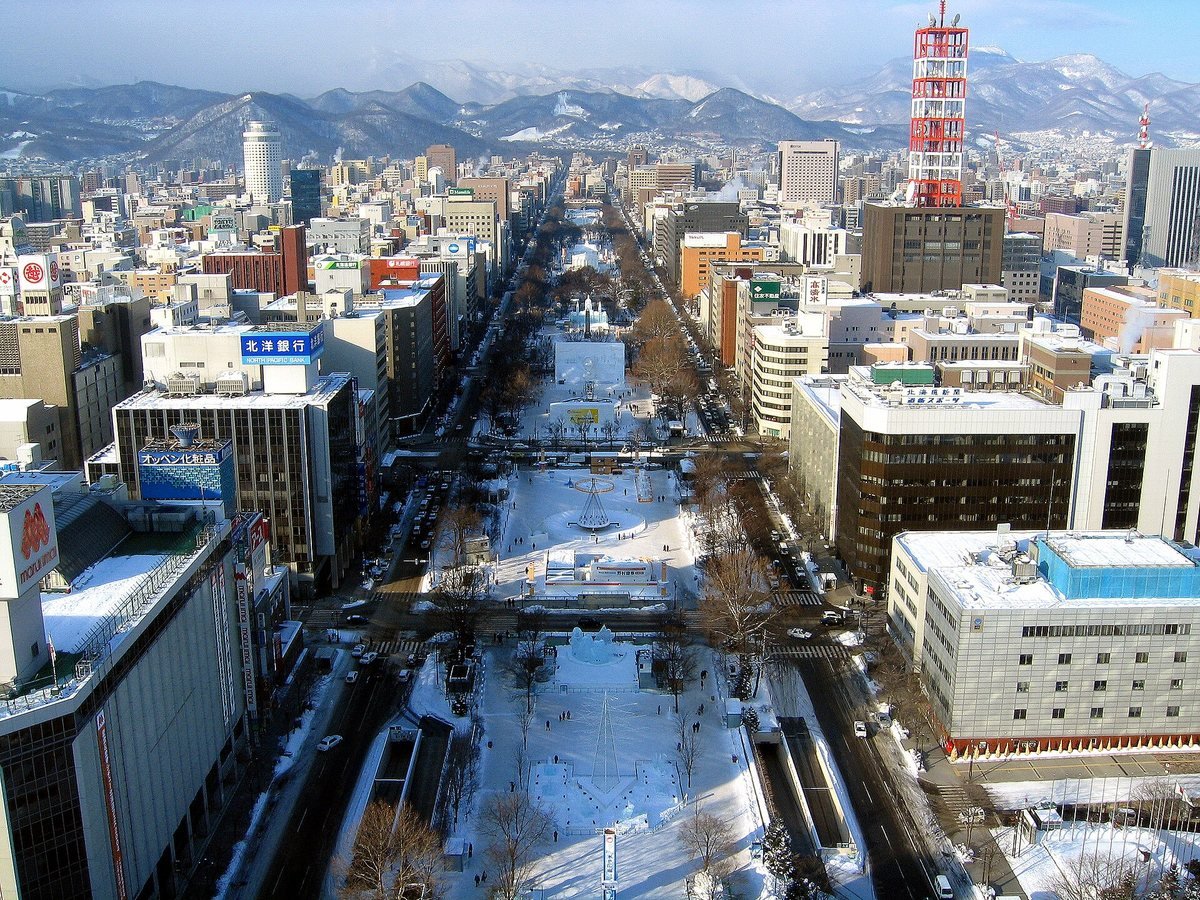
- Odori Park (Sapporo) – Sapporo White Illumination, 20 Nov to 25 Dec 2026; dress for near-freezing nights Directions
- Lake Chuzenji (Nikko) – High-altitude lake above Nikko; colder than Tokyo and leaves peak earlier Directions
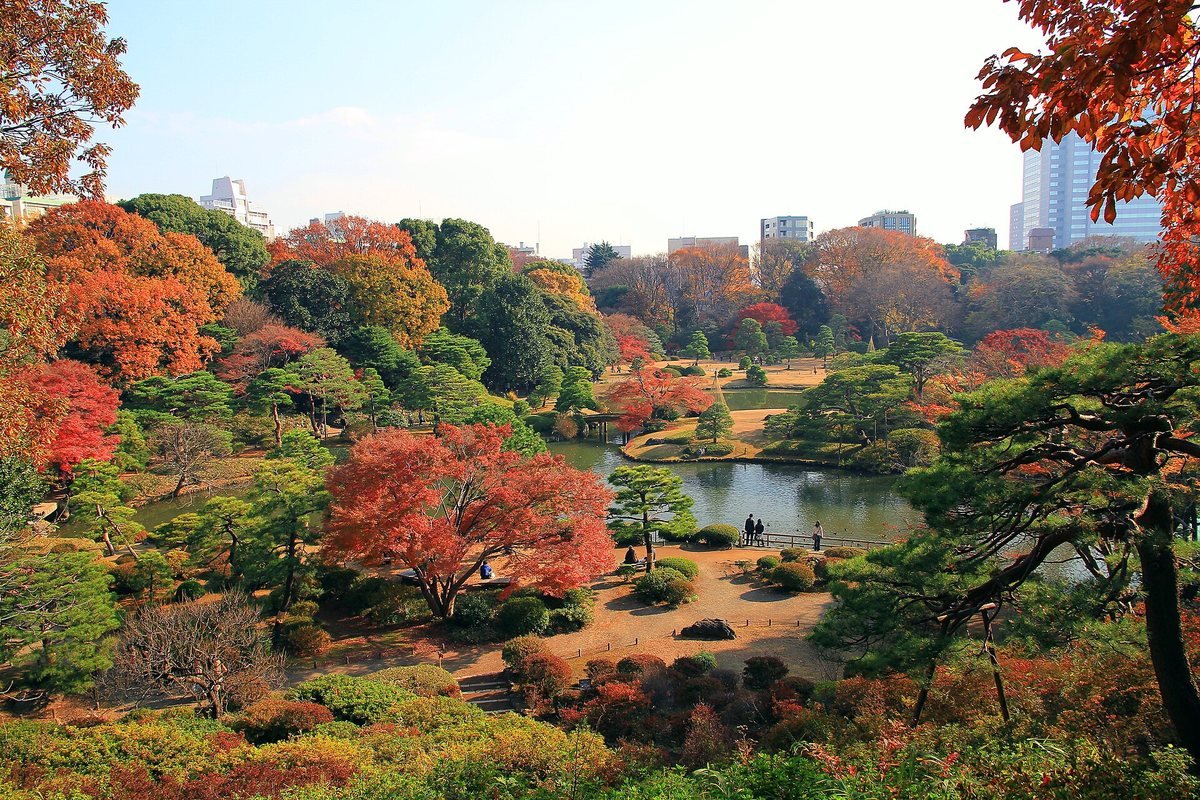
- Rikugien Garden (Tokyo) – Classic Edo-period garden; maples usually color mid-November to early December Directions
- Meiji Jingu Gaien Ginkgo Avenue (Tokyo) – Icho Namiki ginkgo avenue in Kita-Aoyama; golden from mid-November into early December Directions
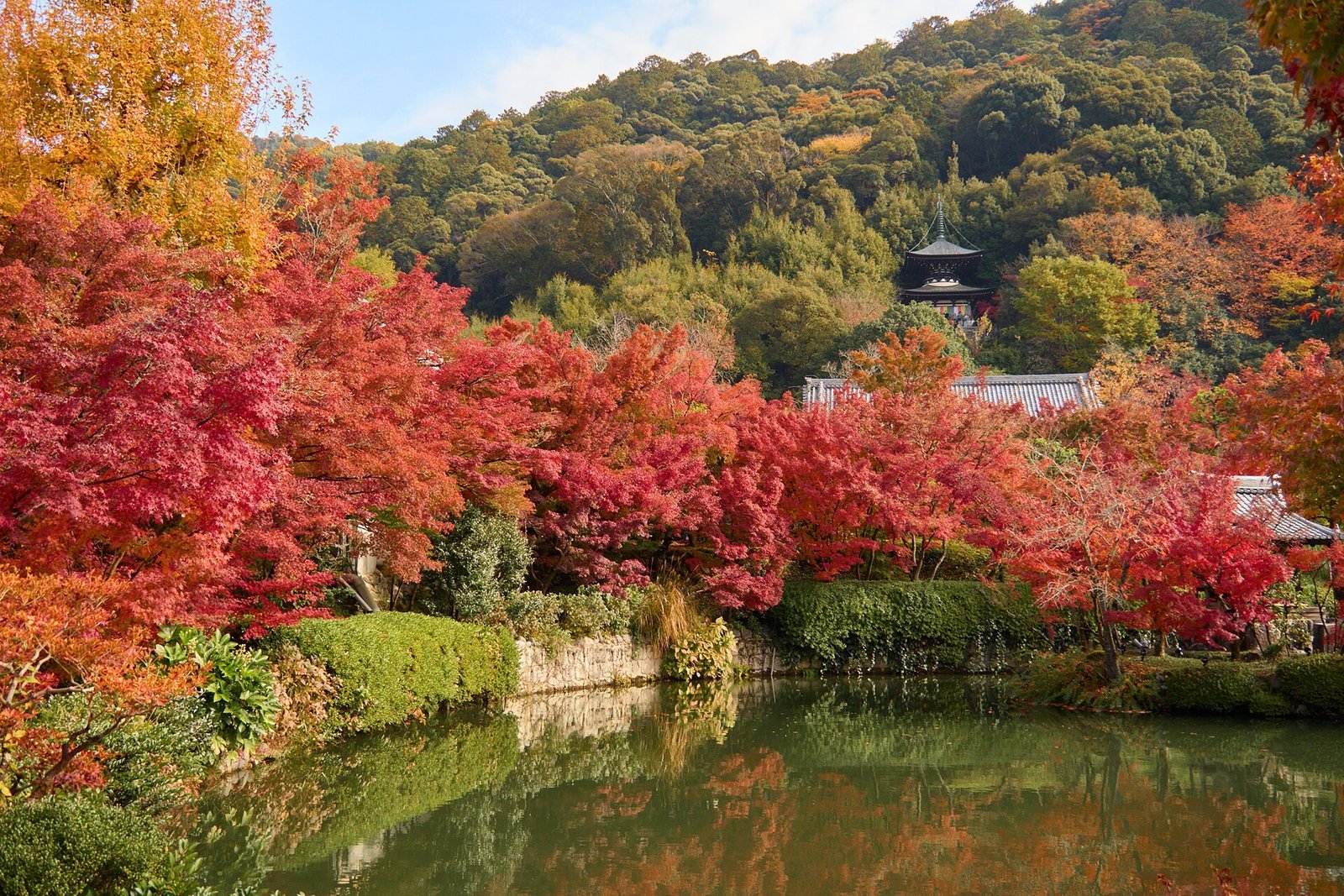
- Eikan-do (Kyoto) – Zenrin-ji temple, famous for maples; very busy at peak, arrive early Directions
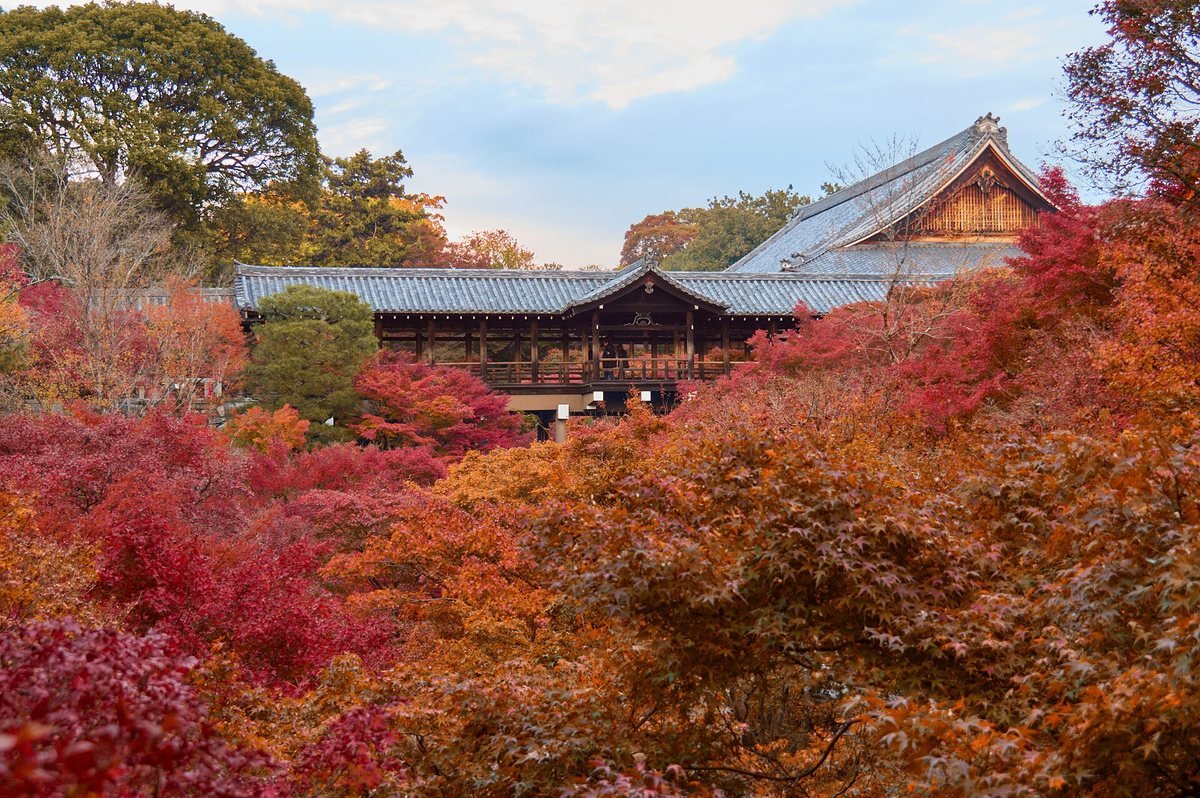
- Tofuku-ji (Kyoto) – Maple valley seen from Tsutenkyo bridge; one of Kyoto's busiest foliage spots Directions
- Minoo Falls, Minoo Park (Osaka) – Minoo Park Maple Festival, 14 Nov to 6 Dec 2026; trail from Minoo Station to the falls Directions
- Momijidani Park (Miyajima) – Maple valley near the Mount Misen ropeway; forecast best from around 18 Nov Directions
November weather in Japan explained
November is a month of steady cooling. JMA’s 10-day normals for Tokyo show the average high dropping from about 65 F (18.6 C) in the first ten days to 59 F (14.9 C) in the last ten, and the low from 51 F (10.6 C) to 45 F (7.1 C). Kyoto goes from roughly 67 F (19.5 C) and 50 F (10.2 C) early in the month to 60 F (15.3 C) and 44 F (6.5 C) at the end. Early November feels like a crisp fall; late November needs a real warm layer after dark.
Geography matters too. The Pacific side, including Tokyo, Kyoto, Osaka and Hiroshima, tends to be drier and brighter, while the Sea of Japan side turns cloudier and wetter as cold northwesterly winds pick up moisture over the sea. Kanazawa’s November normal is 250.8 mm (9.9 in) of precipitation and 108.6 hours of sunshine, against Tokyo’s 96.3 mm (3.8 in) and 149.8 hours. If your route includes Kanazawa or the Sea of Japan coast of Tohoku, pack for rain.
Then there is daylight. The National Astronomical Observatory of Japan lists Tokyo sunset at 4:46 pm on 1 November 2026, 4:35 pm on 15 November and 4:28 pm on 30 November (NAOJ sunrise and sunset table). Temperatures drop quickly once the sun goes, so do outdoor sights early and keep your warm layer with you.
What to wear in Japan in November, region by region
Layers will cover you on the Tokyo-Kyoto-Osaka corridor. Head north or into the mountains and the advice changes quickly.
Hokkaido (Sapporo and beyond)
Treat Hokkaido in November as early winter. JMA normals for Sapporo show average highs falling from about 53 F (11.8 C) in early November to 43 F (6.0 C) at the end, when the average low is just below freezing at 31 F (-0.4 C). Sapporo’s November normal snowfall is 30 cm (about 12 in), and Weathernews reported this season’s first snow in Asahikawa and Wakkanai on 22 October 2026. Bring an insulated jacket, hat, gloves, thermal leggings and shoes with grippy soles. If you are coming back for the snow, our Hokkaido ski and onsen itinerary covers the colder months.
Tohoku and the Japan Alps
Sendai’s November normal is a high of 57 F (14.1 C) and a low of 42 F (5.6 C), and Nagano city averages a low of 38 F (3.4 C). Higher places such as Lake Chuzenji above Nikko are colder still, so a warm jacket, hat and gloves earn their space. Mountain foliage peaks earlier too: the Japan Weather Association had Nikko’s Irohazaka road at its best from around 23 October 2026, so by November you are often catching the tail end up there.
Tokyo, Kyoto and Osaka
A typical day might start around 50 F (10 C), reach the low 60s F (about 16-17 C) by early afternoon, then drop fast after sunset. A long-sleeve top, a light sweater or fleece and a packable down jacket cover most days, with a thin thermal top added in late November. Kyoto’s shaded temple grounds feel colder than the numbers suggest. Jeans or chinos are fine; neat and practical always fits in.
Kyushu and western Japan
Fukuoka is one of the mildest big cities on the main islands, with a November normal high of 65 F (18.2 C) and low of 51 F (10.6 C). Long sleeves and a light jacket do most of the work, with a sweater for evenings and windy ferry crossings to Miyajima.
Okinawa
Naha averages a high of 77 F (25.0 C) and a low of 69 F (20.4 C) in November, with 119.1 mm (4.7 in) of rain. Pack T-shirts, a light long-sleeve layer for air conditioning and evenings, breathable shoes and a rain jacket. If Okinawa is one stop on a longer trip, you need both wardrobes.
Dressing for temples, ryokan and onsen
Many temple halls ask you to take your shoes off, as do ryokan (traditional inns) and some restaurants with tatami seating. That is why slip-on shoes, or sneakers you can step into without sitting down, matter more than style. Wear socks without holes, and thicker ones in late November, because old wooden floors get cold.
At a ryokan you will usually find a yukata (a light cotton robe) in your room, which you can wear around the inn and to the baths; wrap the left side over the right. In the baths themselves you wear nothing, and you wash thoroughly before getting in. Our Japanese onsen etiquette guide walks through the steps. After a hot soak on a cold evening you cool down fast, so put a warm layer over the yukata if you are heading outdoors.
Autumn leaves in November 2026: what the forecasts say
November is peak koyo (autumn leaves) season for much of Honshu, and after a warm autumn the forecasts point to a slightly late season in the lowlands. These are forecasts, not guarantees, and they are revised as the weeks go by.
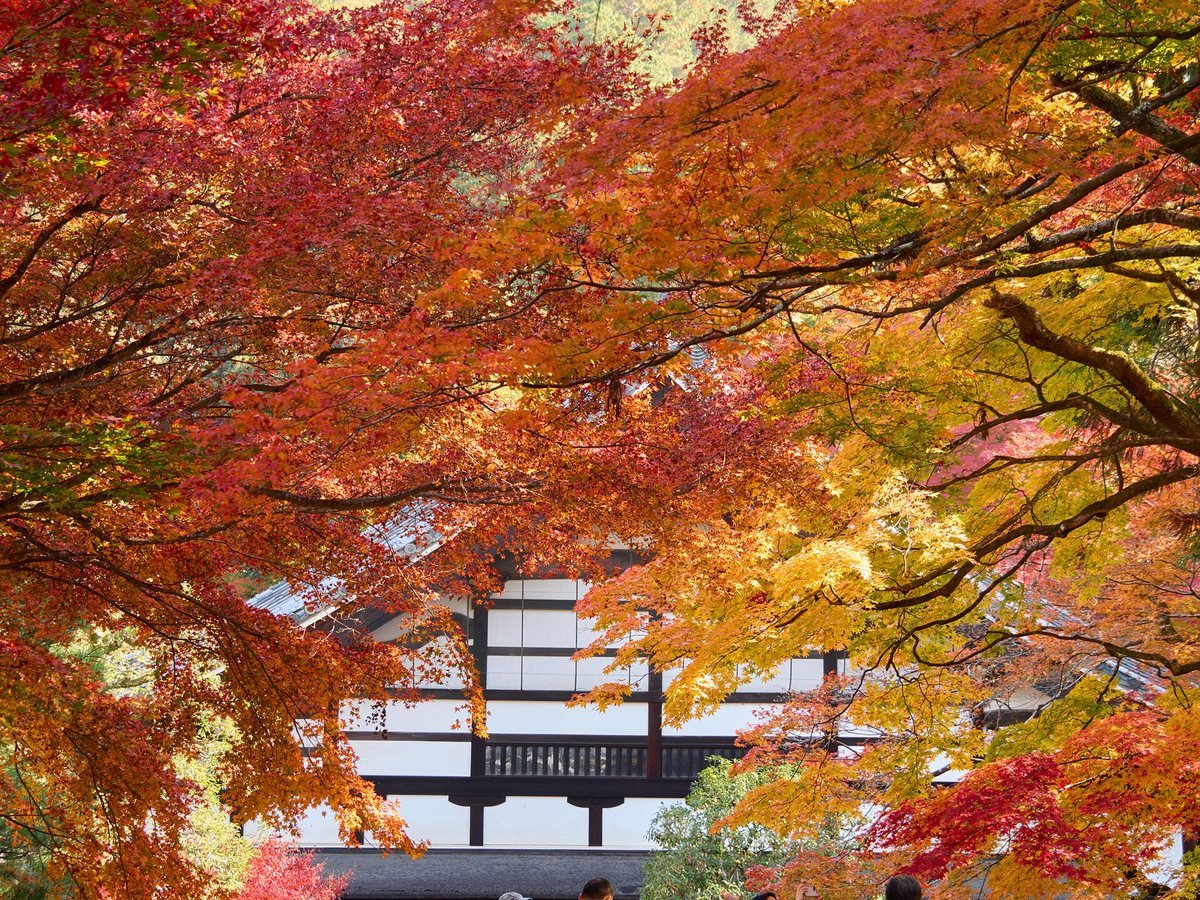
- The Japan Weather Association’s third 2026 forecast on tenki.jp, published 28 October 2026, has Kyoto’s Arashiyama at its best from around 13 November, Mount Takao in western Tokyo from around 15 November and Miyajima from around 18 November, and calls the season around normal or later than normal overall.
- Weathernews, in its forecast published 8 October 2026, expected lowland spots such as Arashiyama to peak in late November or later (Weathernews koyo forecast, in Japanese).
With the forecasters a week or more apart, the safest plan for Kyoto is mid-to-late November, checking the latest update before you go. Tofuku-ji and Eikan-do are two of Kyoto’s best-known maple temples and get very busy at peak, so arrive early. In Tokyo, the Meiji Jingu Gaien ginkgo avenue (Icho Namiki) and Rikugien garden usually color from mid-November into early December. Our guide to Tokyo’s autumn foliage has more spots, and our best time to visit Japan guide compares the seasons.
How to pack for November, and what to buy in Japan
Aim for a few pieces that layer well rather than one heavy coat. Japanese interiors and trains are usually heated, so you will be taking layers off and on all day, and a daypack with room for a jacket makes that painless.
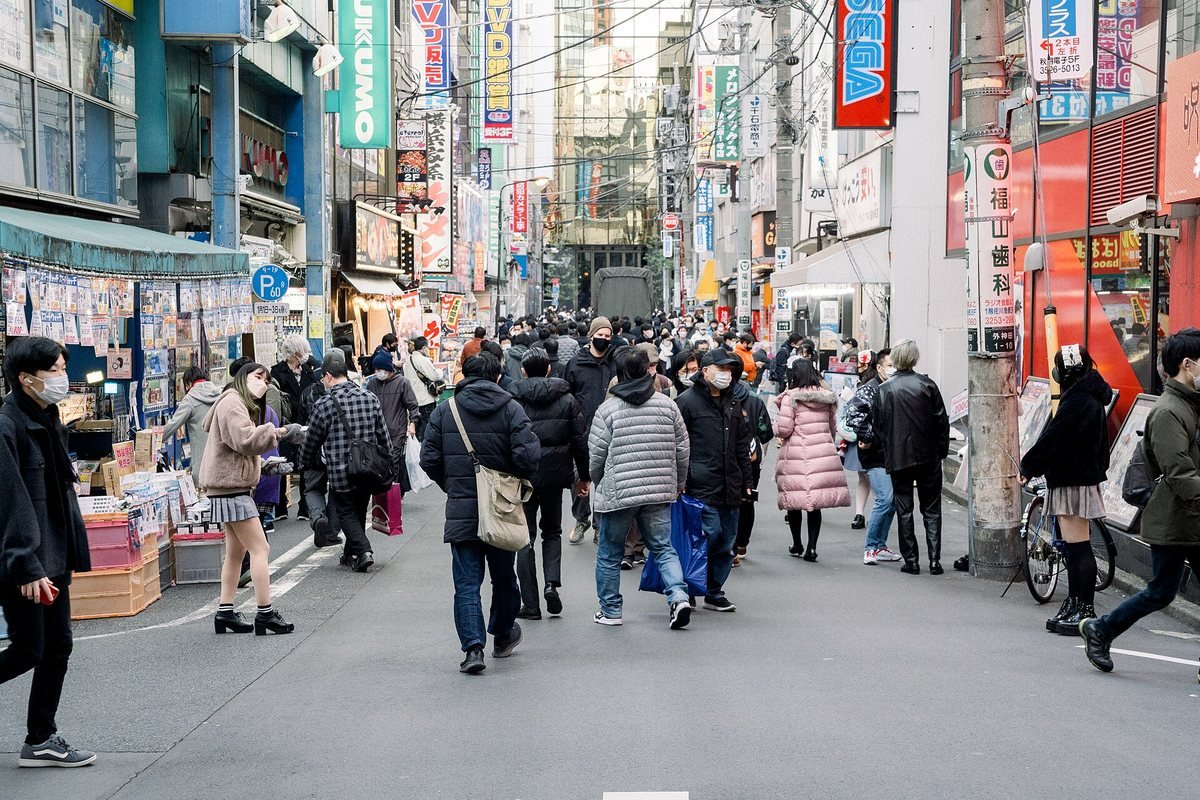
The layering system
- Base layer: a thin thermal or merino top, plus thermal leggings for Hokkaido, Tohoku or the mountains.
- Mid layer: a light sweater, cardigan or fleece. Two is plenty for a two-week trip.
- Outer layer: a packable down or synthetic puffer for most of Honshu, an insulated winter jacket for Hokkaido, and a light water-resistant shell for the Sea of Japan side.
- Accessories: a scarf takes almost no space and makes a big difference after sunset.
Shoes and luggage space
Bring one pair of well-broken-in walking shoes that come off easily. Most Japan itineraries involve a lot of walking and station stairs, and new shoes on day one invite blisters. Bulky layers fill a suitcase fast, and big cases are awkward on busy trains, so consider sending your bag ahead to the next hotel; our guide to train etiquette and luggage forwarding explains how.
Plugs and power for US travelers
Japan’s outlets take plugs with two flat pins (Type A, with Type B also in use), and the supply is 100 volts. JNTO’s electricity page notes the frequency is 50 Hz in eastern Japan and 60 Hz in western Japan. Two-pin US plugs fit directly, but many Japanese outlets have only two slots, so a plug with a third round grounding pin needs a 3-to-2 prong adapter. Most phone and laptop chargers are rated 100-240V; check the label on anything that heats up, such as hair tools.
Visiting from Singapore, Australia, the UK or Canada
Coming from Singapore or anywhere tropical, expect to feel the cold more than the numbers suggest, and you may not own winter gear at all. Buy a good base layer and warm socks before you fly so you are comfortable on arrival, then pick up a packable down jacket or extra thermals in Japan if you would rather not buy things you will rarely use at home. For Hokkaido, sort out an insulated jacket and gloves before the trip.
UK and Singapore plugs are Type G and Australian plugs are Type I, so all three need an adapter for Japan’s two flat pins, and because home voltage is 230V, leave single-voltage hair tools behind. Canadian plugs use the same Type A and B shapes as the US, so the same 3-to-2 adapter advice applies. And Australians, remember November is late spring at home, so do not judge your packing by the weather outside your window.
What to buy in Japan
Uniqlo stores are everywhere, and its Heattech thermals and lightweight down jackets suit this weather; US readers can also buy Heattech from Uniqlo before the trip, or pick up budget thermals from Walmart’s long underwear section. Kairo, disposable heat packs that warm up when exposed to air, are sold at convenience stores and drugstores, and so are compact umbrellas. Note that from 1 November 2026 tax-free shopping becomes a refund model: you pay the full price including consumption tax and get the tax back after customs confirms the goods are leaving Japan, as our tax-free shopping guide explains.
What not to pack
- A heavy, full-length winter coat for Tokyo, Kyoto or Osaka; it is too warm on sunny afternoons and eats luggage space.
- Lace-up boots that take minutes to remove, unless you are going somewhere snowy.
- Single-voltage hair dryers or straighteners from 230V countries.
- Lots of toiletries; hotels usually supply the basics and drugstores are everywhere.
Things to do in Japan in November
Beyond the leaves, a few dates are worth knowing, both for experiences and for crowds.
- Autumn leaves: the main event in Kyoto, Tokyo, Osaka and Hiroshima, generally from mid-November. Near Osaka, the Minoo Park Maple Festival runs 14 November to 6 December 2026, with the trail from Minoo Station to Minoo Falls lit at points. Miyajima’s Momijidani Park, near the Mount Misen ropeway, is another classic.
- Shichi-Go-San (15 November): families take children aged three, five and seven to shrines, often in kimono. It is not a public holiday, so visits cluster on nearby weekends; in 2026, 15 November is a Sunday.
- Winter illuminations: the Sapporo White Illumination lights up Odori Park from 20 November to 25 December 2026.
- Public holidays: Culture Day is Tuesday 3 November, and Labor Thanksgiving Day is Monday 23 November 2026, making 21-23 November a three-day weekend. Expect busier trains, temples and hotels.
Before you fly, check current conditions in our is it safe to travel to Japan right now update.
Research-based picks for a November Japan trip
We have not tested these products. They are picks based on research and specs, chosen to fit the layering approach above.
A packable puffer like this Amazon Essentials jacket is a practical outer layer from Tokyo to Kyushu, because it squashes into a daypack when the afternoon warms up.
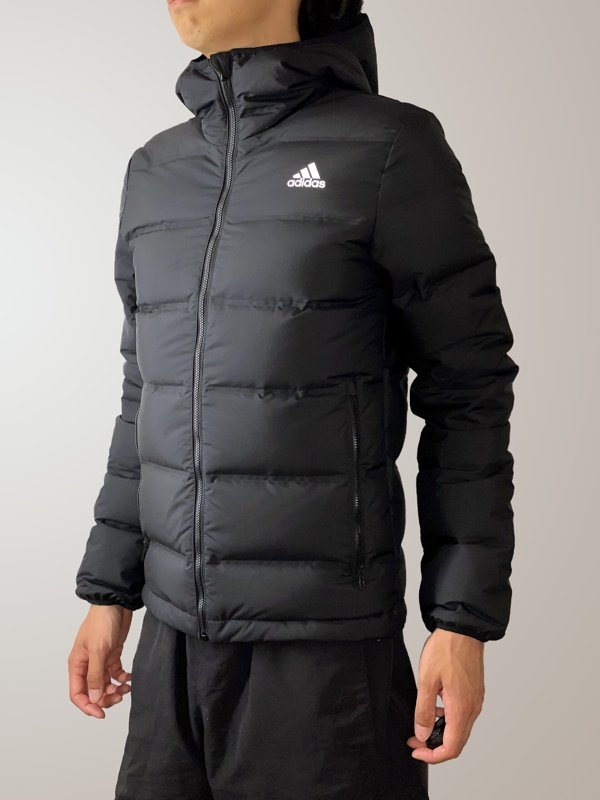
Down jacket (item type, not the exact product). Photo: Adenosine Triphosphate, CC BY-SA 4.0, via Wikimedia Commons
Amazon Essentials Men's Packable Puffer Jacket
Light, water-resistant puffer that packs down small; a practical outer layer from Tokyo to Kyushu.
Check price on AmazonA merino base layer such as the Smartwool Classic Thermal crew adds warmth without bulk, which helps if you run cold or are heading north.
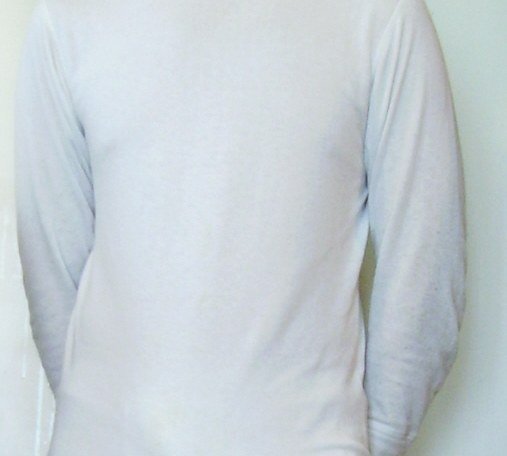
Thermal base layer (item type, not the exact product). Photo: Socksguy, public domain, via Wikimedia Commons
Smartwool Classic Thermal Merino Base Layer Crew
Merino wool base layer that adds warmth without bulk; useful if you run cold or are heading north.
Check price on AmazonDarn Tough’s merino Hiker Micro Crew socks suit long walking days and cold temple floors.
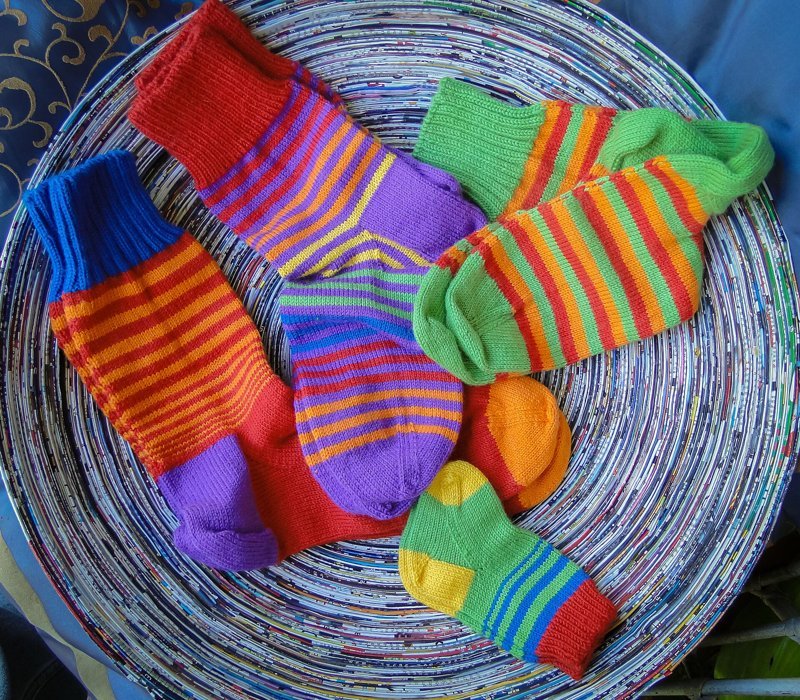
Wool socks (item type, not the exact product). Photo: Peterdownunder, CC BY-SA 4.0, via Wikimedia Commons
Darn Tough Hiker Micro Crew Socks
Cushioned merino hiking socks for long walking days and cold temple floors.
Check price on AmazonA compact windproof umbrella like the Repel travel umbrella fits in a daypack, which matters most on the wetter Sea of Japan side.
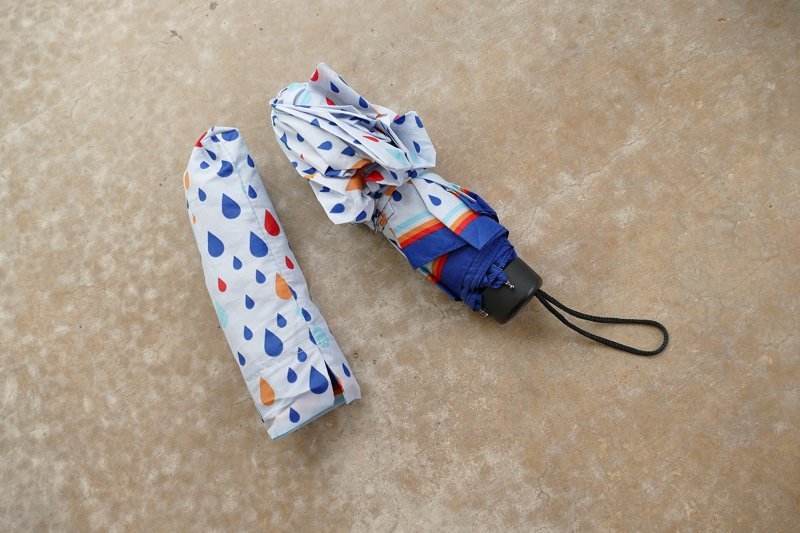
Folding umbrella (item type, not the exact product). Photo: Kritzolina, CC BY-SA 4.0, via Wikimedia Commons
Repel Windproof Travel Umbrella
Compact, windproof folding umbrella that fits in a daypack; most useful on the Sea of Japan side.
Check price on AmazonPacking cubes such as this BAGAIL six-piece set keep bulky layers organised and free up room for anything you buy in Japan.
Packing cube (item type, not the exact product). Photo: Tony Webster, CC BY 2.0, via Wikimedia Commons
BAGAIL 6 Set Packing Cubes
Six cubes in different sizes to keep bulky layers organised and leave room for shopping.
Check price on AmazonFAQ
What should I wear in Japan in November?
Layers: a thin thermal or merino base layer, a light sweater or fleece and a packable down or warm jacket, with comfortable walking shoes that slip on and off. Add a winter jacket, hat and gloves for Hokkaido and the mountains, and pack lighter for Okinawa.
Is November a good time to visit Japan?
Yes, for most travelers it is one of the best months: the Pacific side is usually dry and sunny, walking weather is comfortable and the autumn leaves peak in Kyoto and Tokyo. The trade-offs are short days and crowds at famous foliage spots, especially on weekends and around the 23 November holiday.
How cold is Tokyo in November?
Cool rather than cold. JMA normals put Tokyo’s average high at about 65 F (18.6 C) in early November and 59 F (14.9 C) in late November, with lows falling from about 51 F (10.6 C) to 45 F (7.1 C).
Does it snow in Japan in November?
In Hokkaido and the northern mountains, yes: Sapporo’s November normal snowfall is about 30 cm (12 in). Snow in Tokyo, Kyoto or Osaka in November would be very unusual.
Do I need a winter coat for Japan in November?
For Tokyo, Kyoto, Osaka and Kyushu, usually not; a packable down jacket over a sweater is enough, with a thermal layer late in the month. For Hokkaido, the Japan Alps or northern Tohoku, bring a properly insulated winter jacket.
What shoes should I wear in Japan in November?
Comfortable, broken-in walking shoes you can take off and put on quickly, since shoes come off at many temples, ryokan and some restaurants. Choose water-resistant pairs for the Sea of Japan side and good grip for Hokkaido.
When is autumn leaves season in Kyoto in 2026?
Forecasts point to mid-to-late November. The Japan Weather Association’s 28 October forecast has Arashiyama at its best from around 13 November, while Weathernews expected late November or later, so check the latest update close to your trip.
What should I pack for Japan in November?
Base layers, one or two mid layers, a packable down jacket, a water-resistant shell, slip-on walking shoes, warm socks, a compact umbrella, a plug adapter if needed, a power bank, a coin purse, a small towel and lip balm. Thermals, heat packs and umbrellas are easy to buy in Japan if you run short.
Bottom line
For most November trips, think layers rather than a big coat: a thin base layer, a sweater or fleece, a packable down jacket and comfortable slip-on shoes will see you through Tokyo, Kyoto and Osaka from the crisp start of the month to the colder end. Pack warmer for Hokkaido and the mountains, lighter for Okinawa, and leave a little room for anything you pick up at Uniqlo or the drugstore when you arrive.
Comment (2)