
As an Amazon Associate, Chasing Cherry Blossoms earns from qualifying purchases. We may also earn from other affiliate links on this page at no extra cost to you.
This week a widely shared comparison on X claimed that everyday prices in Osaka are now roughly on par with Bangkok, and it put that down to the weak yen. There is some truth in it, but it depends a lot on how you travel. Here is what an Osaka trip really costs in 2026, in yen and US dollars, with prices checked against official sources where possible.
Quick answer: At about 158 yen to $1 (late October 2026), a realistic Osaka trip cost per person per day, excluding flights, is roughly 7,000 to 12,500 yen ($45-80) on a budget (capsule or hostel, konbini and street food, trains), roughly 15,000 to 28,000 yen ($95-175) mid-range (business hotel, sit-down meals, a couple of paid sights), and roughly 30,000 to 70,000 yen ($190-445) for comfort (nicer hotel, good dinners, taxis, a USJ day). For a sample 4-night, 5-day trip that works out to roughly 35,000 to 62,000 yen ($220-390) on a budget, 75,000 to 140,000 yen ($475-885) mid-range, and 150,000 to 350,000 yen ($950-2,200) for comfort. Add your flight, plus about 3,000 to 4,000 yen for the airport train both ways.
Osaka daily budget at a glance
These are per-person, per-day ranges. Hotel rooms are priced per room, so two people sharing a business hotel will land at the lower end of the mid-range bed figure.
| Category | Budget | Mid-range | Comfort |
|---|---|---|---|
| Bed | 3,000-5,000 yen ($19-32) capsule or hostel | 7,000-12,000 yen ($44-76) business hotel share | 15,000-30,000 yen ($95-190) mid-range to upscale |
| Food | 2,500-4,000 yen ($16-25) | 5,000-8,000 yen ($32-51) | 8,000-15,000 yen ($51-95) |
| Transit | 600-1,000 yen ($4-6) | 800-1,500 yen ($5-9) | 1,500-4,000 yen ($9-25) incl. some taxis |
| Sights | 0-1,500 yen ($0-9) | 1,500-3,500 yen ($9-22) | 3,000-12,000 yen ($19-76) incl. a USJ day |
| Extras | 500-1,000 yen ($3-6) | 1,000-3,000 yen ($6-19) | 3,000-8,000 yen ($19-51) |
| Daily total | 7,000-12,500 yen ($45-80) | 15,000-28,000 yen ($95-175) | 30,000-70,000 yen ($190-445) |
Map of Osaka places in this guide
Map of Osaka places in this cost guide
- Kansai International Airport (KIX) – Main arrival airport; Haruka and Rapi:t trains into the city. Directions
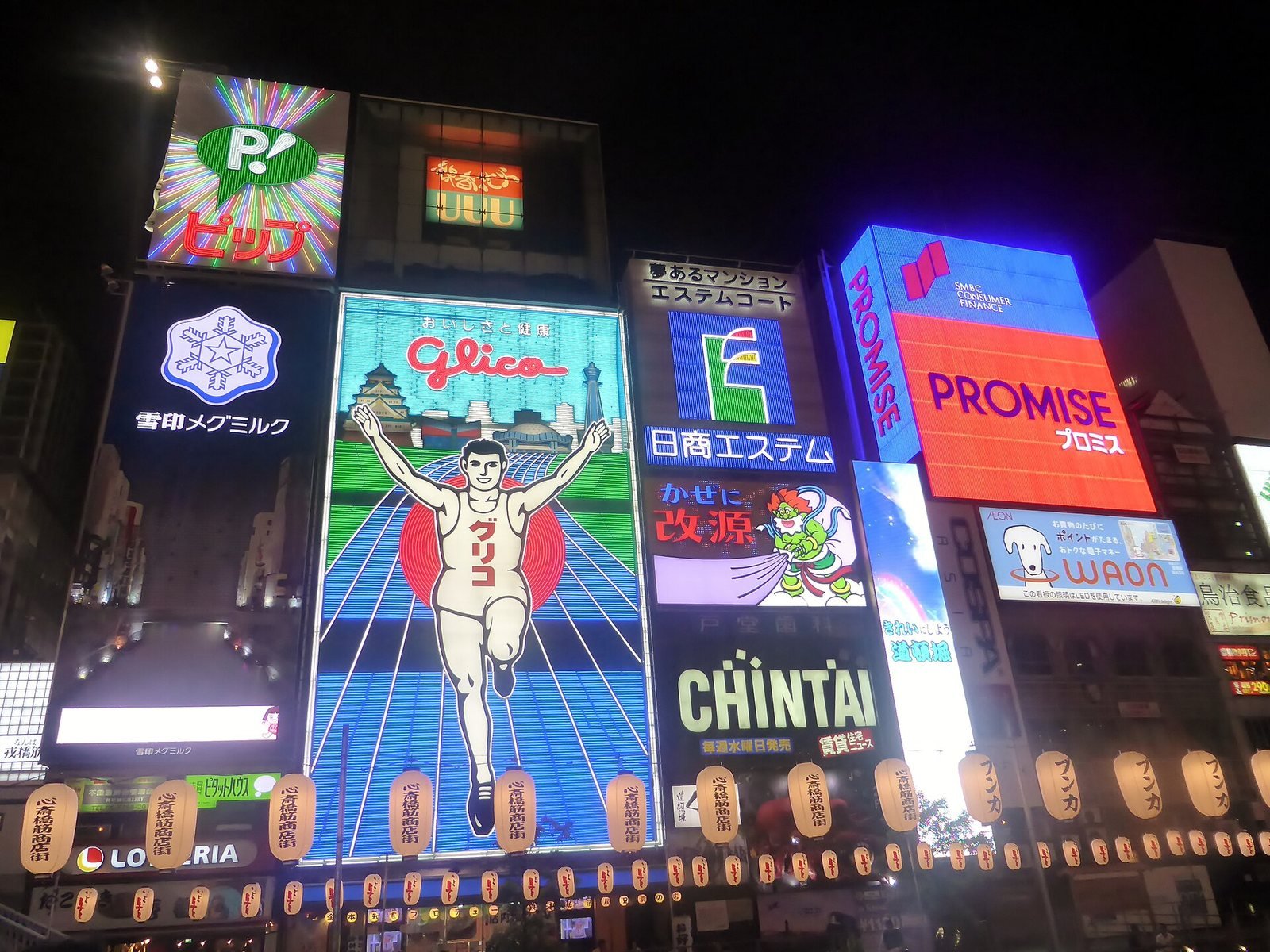
- Dotonbori – Neon canal strip and street food; takoyaki from about 500-900 yen. Directions
- Kuromon Market – Covered food market; pricier tourist snacks, good for a browse. Directions
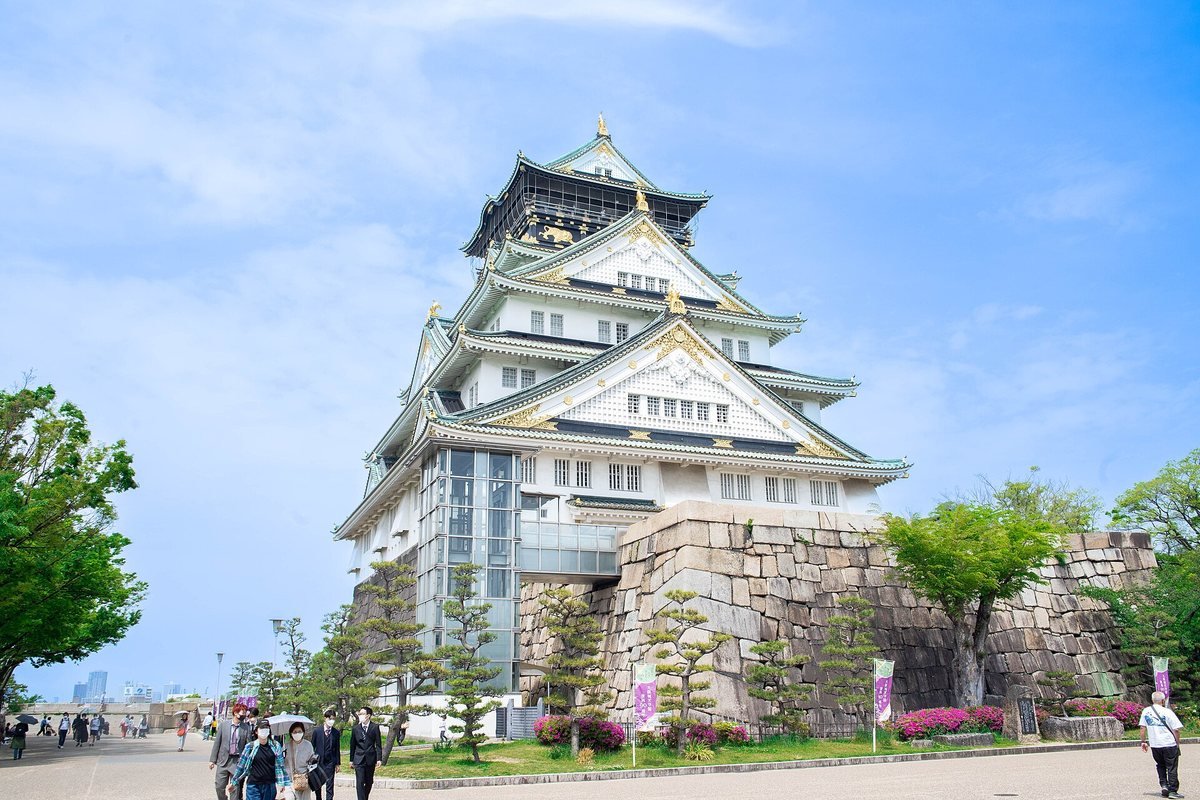
- Osaka Castle Main Tower – Park is free; paid entry to the main tower museum. Directions
- Umeda Sky Building – Floating Garden observatory in Kita (Umeda). Directions
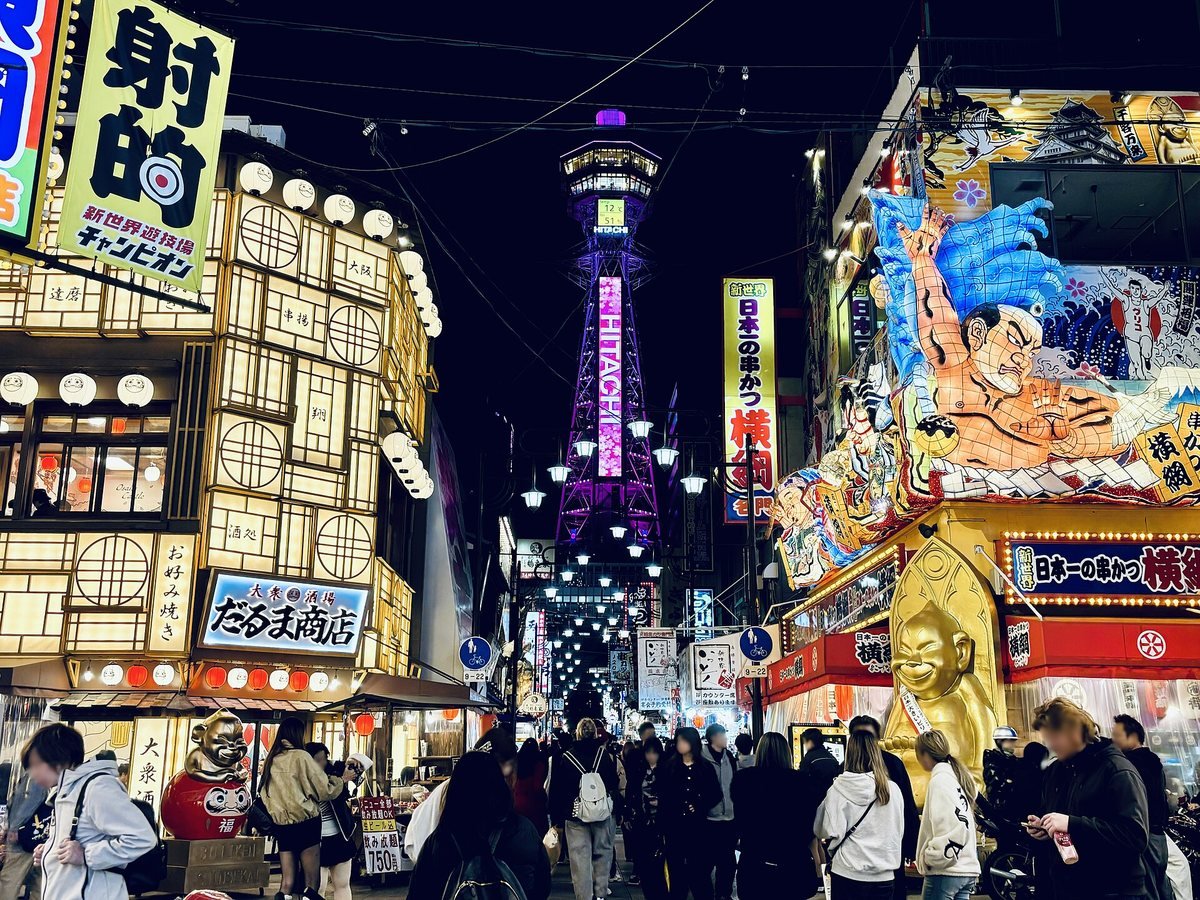
- Tsutenkaku (Shinsekai) – Retro Shinsekai district; cheap kushikatsu nearby. Directions
- Universal Studios Japan – Biggest single ticket of most Osaka trips; prices vary by date. Directions
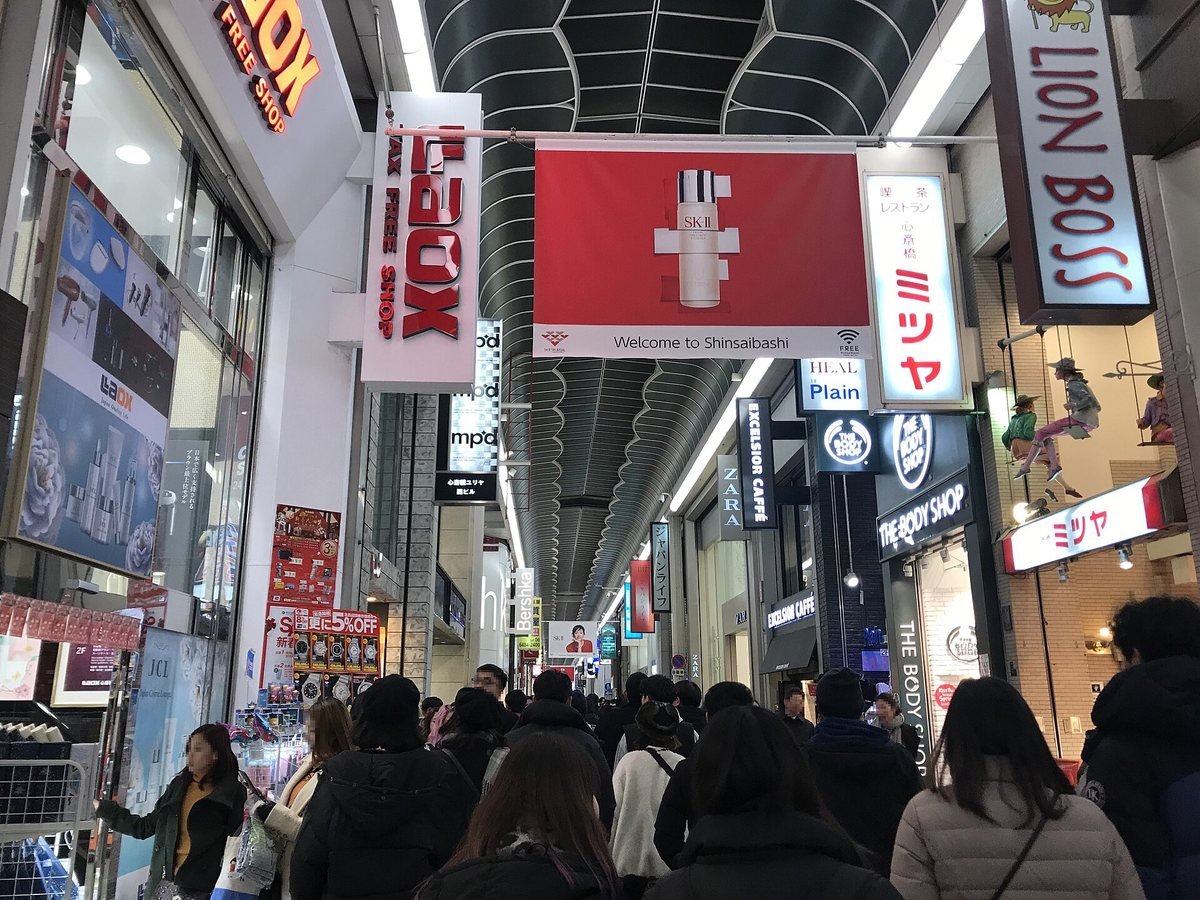
- Shinsaibashi-suji – Covered shopping street; tax-free counters for visitors. Directions
- Den Den Town – Electronics, games and anime shops in Nipponbashi. Directions
- Rinku Premium Outlets – Outlet mall one stop from KIX; easy first or last stop. Directions
- Namba Station – Minami hub; Nankai trains to KIX including Rapi:t. Directions
- Shin-Osaka Station – Shinkansen hub for Kyoto, Tokyo and Hiroshima. Directions
What things cost in Osaka in 2026
Prices below are typical ranges gathered from official operator pages and recent 2026 price guides. Restaurant prices in Japan already include the 10% consumption tax, and tipping is not expected, so what you see on the menu is usually what you pay.
| Item | Typical price (yen) | Approx. USD | Note |
|---|---|---|---|
| Konbini onigiri (rice ball) | 150-250 | $1-2 | 7-Eleven, Lawson, FamilyMart |
| Takoyaki (6-8 pieces) | 500-900 | $3-6 | Street stands; Dotonbori can be pricier |
| Ramen bowl | 900-1,500 | $6-10 | Toppings extra |
| Okonomiyaki | 800-1,700 | $5-11 | Tourist-area shops at the top end |
| Kaiten sushi plate | from about 110-120 | about $0.75 | Budget chains; premium plates cost more |
| Kushikatsu skewer | 110-380 | $1-2.50 | Shinsekai standing bars |
| Beer at an izakaya | 500-800 | $3-5 | Canned beer at a konbini is far cheaper |
| Coffee | 100-600 | $1-4 | Konbini cup vs. cafe |
| Osaka Metro single fare | 190-390 | $1.20-2.50 | By distance; Yumeshima costs more |
| Rapi:t, Kansai Airport to Namba | 1,490 | about $9.50 | Regular seat, after April 2026 revision |
| Haruka discount ticket, Kansai Airport to Shin-Osaka | 1,800 (1,900 from 1 Nov 2026) | about $11-12 | Foreign visitors; price set by purchase date |
| Osaka Castle Main Tower | 1,200 | about $7.60 | Adult; was 600 yen until 2025 |
| Umeda Sky Building observatory | 2,000 | about $13 | Adult, official site |
| Tsutenkaku observation deck | 1,500 | about $9.50 | Adult; higher over New Year |
| Universal Studios Japan, 1-day | from 8,400; often 9,400-11,900 | about $53-75+ | Dynamic pricing by date |
| Capsule hotel or hostel bed | 2,800-5,000 | $18-32 | Per person |
| Business hotel | 7,000-11,000 | $44-70 | Per room, small double or twin |
| Mid-range hotel | 13,000-22,000 | $82-139 | Per room; weekends and events push it up |
Osaka has a long-standing reputation as Japan’s “kitchen”, and it is still one of the cheapest big cities in the country to eat well. A day of eating cheaply is very doable: gyudon chains sell a regular bowl for around 400 yen, a konbini dinner of fried chicken, onigiri, salad and a drink runs roughly 850 to 1,050 yen, and budget kaiten sushi chains start at around 110 to 120 yen a plate.
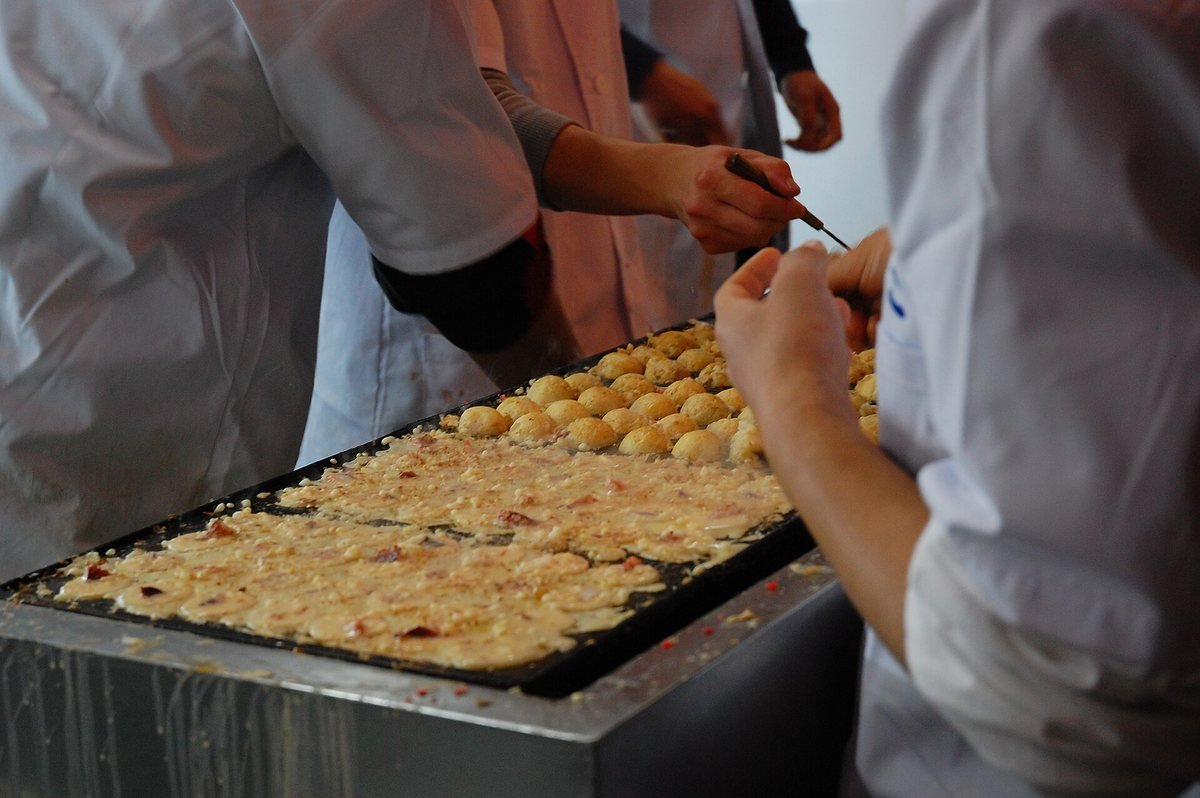
Dotonbori is where most first-timers eat their first takoyaki, and you should. Just know that the famous stands under the neon signs charge tourist-strip prices, and the queues can be long. If you want to learn what separates good takoyaki from average, our guide to Osaka takoyaki covers the basics.
Kuromon Market is fun to walk through, but it has become noticeably more expensive and tourist-focused in recent years. A skewer of wagyu or a single grilled scallop can cost more than a full sit-down lunch a few streets away. Treat it as a sightseeing stop with a snack, not your cheap dinner plan.
For the best value, head to Shinsekai under Tsutenkaku. The standing and counter kushikatsu bars there sell skewers from around 110 yen each, and ten skewers with a beer can come in under 3,000 yen. Other tips: lunch sets are often 20 to 30% cheaper than the same food at dinner, and department store food halls (depachika) mark down bento in the evening.
So is Osaka really as cheap as Bangkok?
Partly. The viral comparison has a point on everyday spending: a konbini breakfast, a bowl of ramen, a subway ride or a cheap sushi lunch in Osaka can cost about the same as a casual meal or short ride in central Bangkok at today’s rate, and cost-of-living sites put the two cities fairly close overall. Where it falls apart is the hotel. In Bangkok your money usually buys a bigger room, often with a pool; in Osaka a similar budget gets you a compact business hotel room. Street food is also still cheaper in Bangkok. Budget travelers may find the gap smaller than expected, but mid-range and comfort travelers will usually still spend more in Osaka.
Flights and hotels: the two big costs
Flights from the US
Most US travelers reach Osaka through Kansai International Airport (KIX), either with a connection in Tokyo or another Asian hub, or on a one-stop itinerary from the West Coast or Hawaii. Round-trip economy fares advertised in 2026 have ranged from roughly $650 on sale to $1,500 or more in peak summer, so set fare alerts and stay flexible.
It is worth comparing flights into Tokyo (Haneda or Narita) with flights into KIX. If Tokyo is much cheaper, the Tokaido Shinkansen from Tokyo to Shin-Osaka costs about 14,720 yen (around $93) one way for a reserved Nozomi seat and takes roughly two and a half hours. JR Central has announced a rise to 15,420 yen for tickets bought from 1 July 2027, so the current fare holds for any 2026 or early 2027 trip. Flying open-jaw (into Tokyo, out of Osaka) often makes the most sense.
Visiting from Singapore, Australia, the UK or Canada
From Singapore, there are nonstop flights to KIX, with Singapore Airlines, Scoot and Peach all listed on the route, and the flight takes around six and a half hours (check live fares when you book; this guide does not quote a Singapore to Osaka ticket price). Once you are there, at roughly 124 yen to S$1 (October 2026), a mid-range day on the ground of about 20,000 yen works out to around S$160, not counting your flight. Australian, UK and Canadian travelers usually connect via an Asian hub or Tokyo. For AUD, GBP and CAD, I suggest checking the live rate in your banking app before you budget, because these move week to week. Whatever your home currency, a multi-currency card such as Wise, Revolut or (in Singapore) YouTrip usually beats airport money changers. Pay in yen when a card terminal offers to convert to your home currency.
Where to stay in Osaka and what it costs
Osaka hotels are generally cheaper than Tokyo’s for the same standard. Recent 2026 price guides put a capsule or hostel bed at roughly 2,800 to 4,500 yen, a business hotel at roughly 7,000 to 11,000 yen per room, and a mid-range hotel at roughly 13,000 to 22,000 yen. Expect higher rates on weekends, during holidays and around big concerts or events.
- Namba and Shinsaibashi: The best base for food, nightlife and the Nankai line to the airport. Plenty of business hotels, but the busiest streets carry a premium.
- Umeda (Kita): Next to Osaka Station, good for JR day trips to Kyoto and Kobe and for the Haruka. Slightly more expensive, with more upscale options.
- Shin-Osaka: Not pretty, but practical if you are arriving or leaving by Shinkansen, and business hotels here can be good value.
- Tennoji and Shinsekai: Often the cheapest central area, with good transport links, including the Haruka at Tennoji.
If you are traveling solo and want to keep the bed cost down, a capsule hotel is a very Osaka experience. Our capsule hotel guide explains what to expect.
Getting around: ICOCA, day passes and the Osaka Amazing Pass
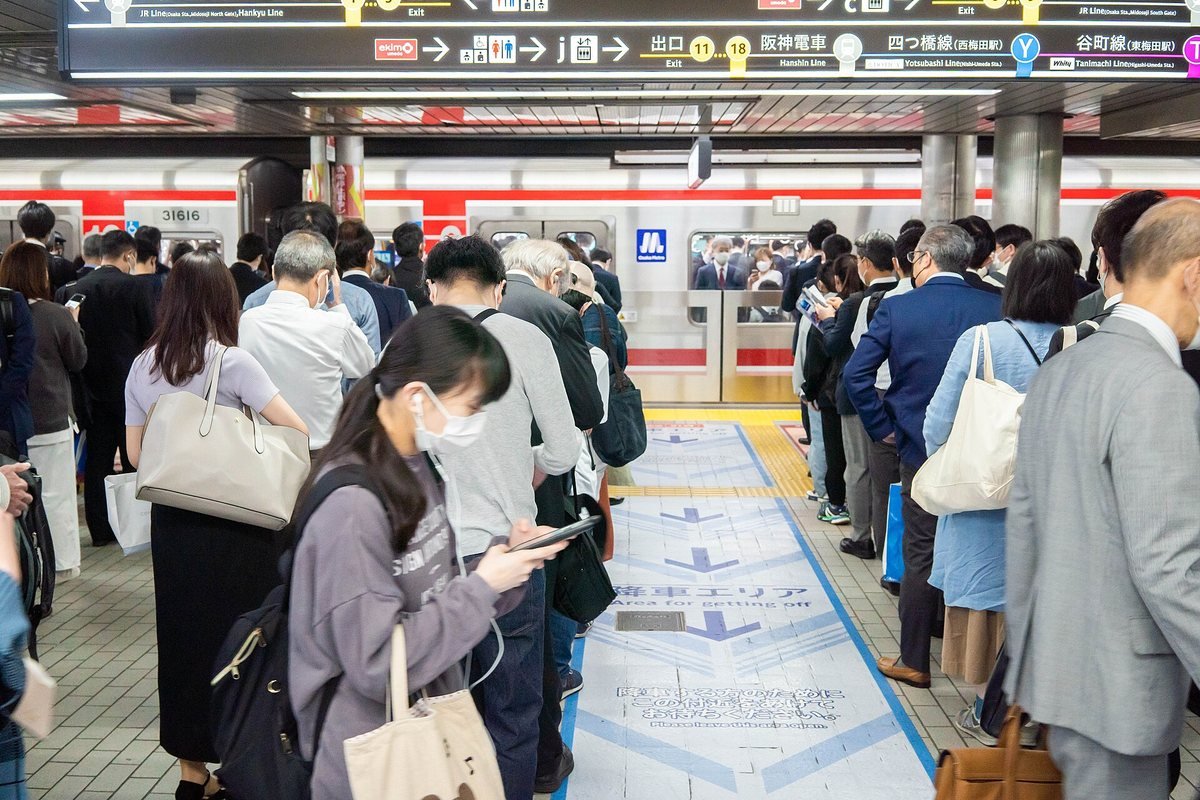
Transit in Osaka is cheap if you pay as you go. Osaka Metro single fares run from 190 to 390 yen by distance, and most central hops sit at the low end. Tap an ICOCA card (or ICOCA in Apple Wallet on an iPhone) and you never have to work out fares; Suica also works here.
From the airport, you have two main rail options. The Nankai Rapi:t to Namba costs 1,490 yen for a regular seat after Nankai’s April 2026 revision. The JR Haruka discount one-way ticket for foreign visitors costs 1,800 yen to Osaka or Shin-Osaka if bought by 31 October 2026, rising to 1,900 yen from 1 November. The Tennoji ticket goes from 1,300 to 1,600 yen on the same date. JR West says the price depends on when you buy, not when you ride, so book early if you are flying in soon.
The Enjoy Eco Card, Osaka Metro’s 1-day pass, is still listed at 820 yen on weekdays and 620 yen on weekends and holidays, covering the subway and city buses. It pays off if you make four or more subway rides in a day.
The Osaka Amazing Pass costs 3,500 yen for one day or 5,000 yen for two, sold as a digital QR ticket from 25 March 2026 to 31 March 2027. It includes unlimited rides on Osaka Metro, city buses and some private rail lines within the city, plus free entry to around 40 attractions. These include the Osaka Castle Main Tower, Tsutenkaku, the Tombori river cruise in Dotonbori and the Umeda Sky Building observatory (free entry only until 15:00). A Kansai Airport version (5,300 yen, valid 28 hours) adds a one-way Nankai ride from the airport to Namba. It does not cover USJ.
When does it pay off? Osaka Castle (1,200 yen), Umeda Sky before 15:00 (2,000 yen) and Tsutenkaku (1,500 yen) add up to 4,700 yen before a single train ride. Three big paid sights in a day makes the 1-day pass worth it; for a slow food-and-wandering day, just use ICOCA.
Sights and day trips: free vs paid
A lot of Osaka’s best experiences cost nothing. Walking Dotonbori at night, the Osaka Castle park grounds, the Shinsekai streets, Shinsaibashi-suji’s covered arcade and the Nakanoshima riverside are all free, and our Osaka hidden gems guide has more low-cost ideas. The paid headliners are reasonable by world-city standards: the Osaka Castle Main Tower is 1,200 yen, Tsutenkaku is 1,500 yen and the Umeda Sky Building observatory is 2,000 yen.
Universal Studios Japan is the big-ticket item. A 1-day Studio Pass uses dynamic pricing and starts at 8,400 yen for an adult, with many dates in late 2026 priced between about 9,400 and 11,900 yen. Express Passes cost extra and can easily double your spend. Our USJ guide has tips on planning the day.
Day trips are one of Osaka’s best value features, because Kyoto, Nara and Kobe are all under an hour away on regular trains:
- Nara: Roughly 700 yen one way on the Kintetsu line from Namba. The deer park is free. See our Nara Park guide.
- Kyoto: Roughly 600 yen one way on a JR Special Rapid from Osaka Station, cheaper than the Shinkansen and nearly as fast to central Kyoto.
- Kobe: Roughly 300 to 450 yen one way to Sannomiya on the Hankyu, Hanshin or JR lines.
Shopping, outlets and the new tax-free rules
Osaka is a great shopping city, and the weak yen makes it more tempting. Shinsaibashi-suji is a long covered arcade with drugstores, fashion and souvenir shops. Den Den Town in Nipponbashi is the place for electronics, games and anime goods. Don Quijote in Dotonbori is open late and handy for snacks, cosmetics and last-minute gifts.
If outlets are your thing, Rinku Premium Outlets sits just across the water from KIX. Take the train one stop from Kansai Airport to Rinku Town Station, then walk a few minutes. The official site lists about 250 stores, open 10:00 to 20:00 most of the year (closing at 19:00 in February). It is a good use of an arrival or departure day; store your bags at the airport and leave plenty of time before check-in. For a bigger day out, see our guide to Kobe Sanda Premium Outlets.
One big change: from 1 November 2026, Japan’s tax-free shopping moves to a refund system. You pay the full tax-inclusive price in the store, then get the 10% consumption tax refunded after customs confirms you are taking the goods out of Japan. You need to spend at least 5,000 yen (before tax) per store per day, complete the procedure within 90 days, and do it at the airport before you check your bags. Keep your purchases with you, as JNTO explains. Our tax-free shopping refund guide walks through the new steps.
Money tips, hidden costs and ways to save
Cash and cards
Cards are widely accepted at hotels, chains, department stores and konbini, but cash is still needed at some small restaurants, market stalls, temples and shrines. Carry 10,000 to 20,000 yen in cash as a buffer. 7-Eleven (Seven Bank) and Japan Post ATMs are the most reliable for foreign cards. Japan uses a lot of coins (the 100 and 500 yen coins are worth real money), so a small coin purse is genuinely useful.
Hidden costs to budget for
- Accommodation tax: Since 1 September 2025, Osaka Prefecture’s accommodation tax is 200 yen per person per night for rooms from 5,000 to under 15,000 yen, 400 yen from 15,000 to under 20,000 yen, and 500 yen at 20,000 yen and up. Rooms under 5,000 yen are exempt. It is often paid at the hotel, not included in your online price.
- Departure tax: Japan’s international tourist tax rose from 1,000 to 3,000 yen from 1 July 2026. It is usually built into your airline ticket.
- Coin lockers: Roughly 300 to 1,000 yen a day depending on size.
- Luggage forwarding: Roughly 2,000 to 3,000 yen per suitcase for a typical domestic delivery, so it is worth it mainly if you are moving between cities.
- Mobile data: A travel eSIM is usually cheaper than US carrier roaming day passes; compare before you go.
Ways to save money in Osaka
- Buy the Haruka discount ticket before 1 November 2026 if you are arriving soon.
- Only buy the Osaka Amazing Pass for days with three or more paid sights, and do Umeda Sky before 15:00.
- Eat your big meal at lunch, when set menus are cheaper.
- Use konbini and depachika evening discounts for breakfast and picnic dinners.
- Stay in Tennoji or Shin-Osaka instead of central Namba for lower rates.
- Take local JR or private trains for day trips instead of the Shinkansen.
- Pick a weekday for USJ, buy early, and check the price calendar for cheaper dates.
- Pay in yen, not your home currency, when a card terminal asks.
Research-based picks for a budget Osaka trip
We have not tested these. They are picks based on research, chosen because they solve problems that come up on Osaka trips.
A simple leather coin pouch keeps Japan’s many coins from weighing down your pockets.
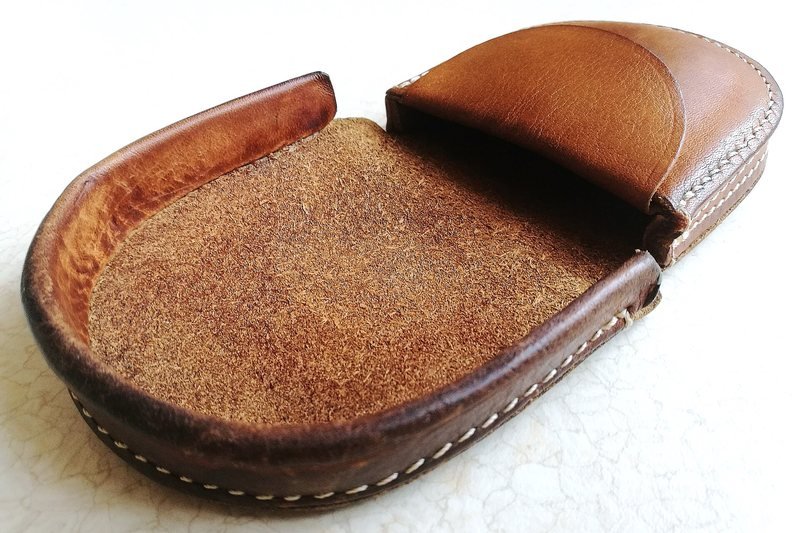
Leather coin purse (item type, not the exact product). Photo: Tarasna0922, CC BY-SA 4.0, via Wikimedia Commons
Nabob Leather Squeeze Coin Purse
A small snap-shut pouch for the 1, 10, 100 and 500 yen coins that pile up fast in Japan.
Check price on AmazonA slim 10,000mAh power bank with a built-in cable keeps your phone alive for maps, QR passes and ICOCA on long days.
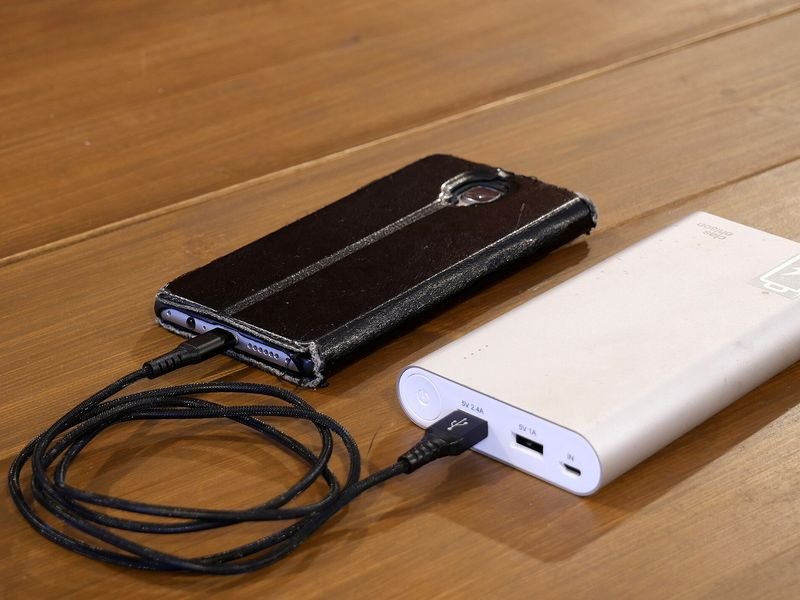
Power bank (item type, not the exact product). Photo: Santeri Viinamäki, CC BY-SA 4.0, via Wikimedia Commons
Anker Nano Power Bank (10,000mAh, 30W)
Compact battery with a built-in cable for long days of maps, QR tickets and phone ICOCA.
Check price on AmazonA foldable duffel packs flat in your suitcase and opens up for outlet or Den Den Town shopping hauls.
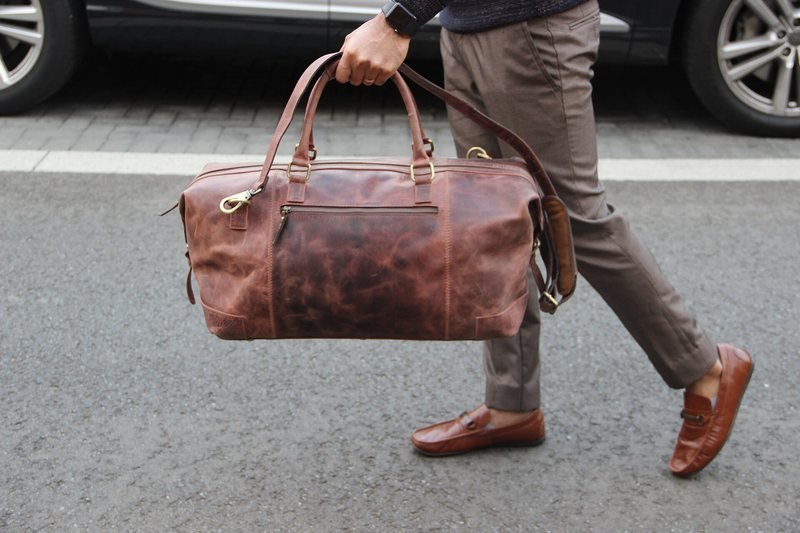
Duffel-style travel bag (item type, not the exact product). Photo: Wrigglehouse, CC BY-SA 4.0, via Wikimedia Commons
Amazon Essentials Foldable Nylon Duffel (150L)
Folds flat in your suitcase, then carries outlet and Den Den Town hauls home as a second bag.
Check price on AmazonAn under-clothing RFID waist pouch is a low-key place for your passport, which you need for tax-free refunds and discount tickets.
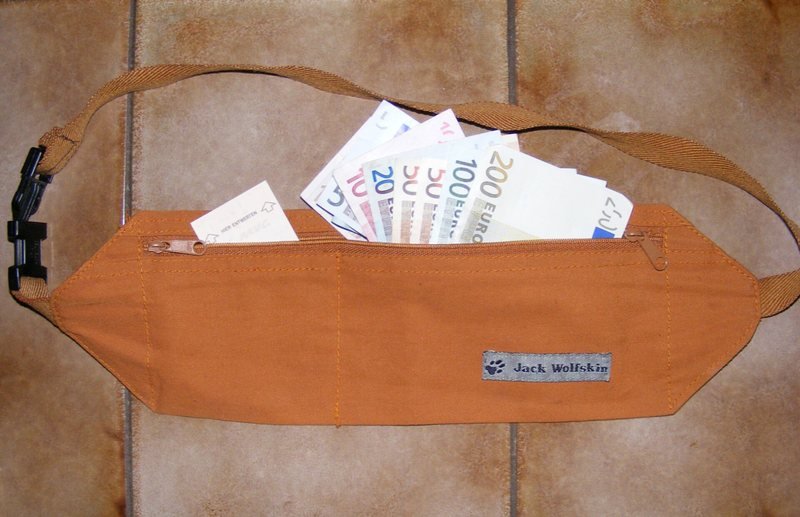
Money belt (item type, not the exact product). Photo: Mattes, public domain, via Wikimedia Commons
Travelon RFID Undergarment Waist Pouch
A flat pouch worn under clothing for your passport, which you need for tax-free shopping.
Check price on AmazonA compact guidebook covering both cities helps you plan Kyoto day trips alongside Osaka.
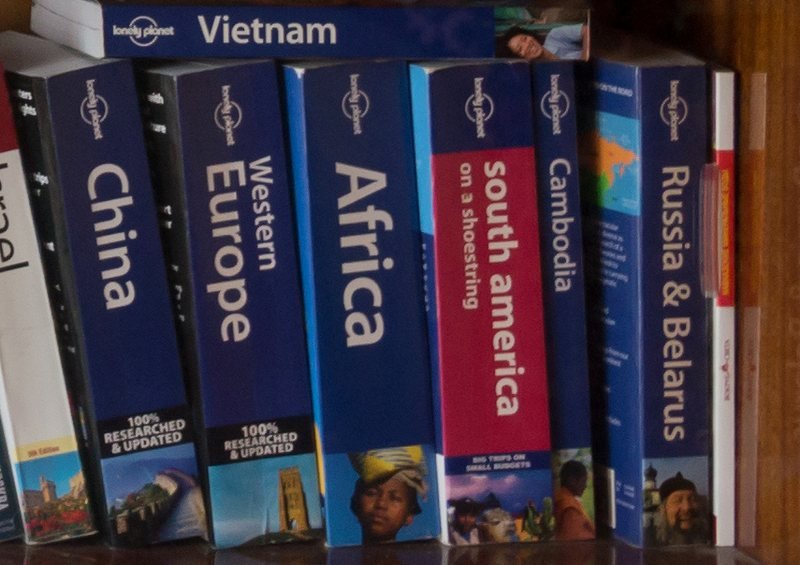
Travel guidebooks (item type, not the exact product). Photo: Vyacheslav Argenberg, CC BY 4.0, via Wikimedia Commons
Lonely Planet Pocket Kyoto & Osaka
A pocket guide covering both cities, handy for planning Kyoto day trips from Osaka.
Check price on AmazonFAQ
Is Osaka cheaper than Tokyo?
Usually, yes. Hotels are the biggest difference: 2026 price guides put Osaka business hotels at roughly 7,000 to 11,000 yen against roughly 9,000 to 14,000 yen in Tokyo. Food and transit are also a little cheaper in Osaka.
How much money do I need per day in Osaka?
Excluding flights, roughly 7,000 to 12,500 yen ($45-80) on a tight budget, 15,000 to 28,000 yen ($95-175) mid-range, and 30,000 yen ($190) or more for a comfortable trip.
Is the Osaka Amazing Pass worth it?
It is worth it if you visit three or more paid sights in a day. At 3,500 yen for one day, Osaka Castle, Umeda Sky (before 15:00) and Tsutenkaku alone cover the cost. For slower days, ICOCA or the 820 yen Enjoy Eco Card is cheaper.
Is Osaka cheaper than Bangkok?
Not overall. Meals, konbini food and transit can be surprisingly close at today’s exchange rate, but Bangkok hotels and street food are generally still cheaper, so most travelers spend more in Osaka.
Do I need cash in Osaka?
Yes, some. Small eateries, market stalls and temples may be cash only. Carry 10,000 to 20,000 yen and top up at 7-Eleven or Japan Post ATMs.
How much is USJ?
A 1-day adult Studio Pass starts at 8,400 yen and changes by date, with many late-2026 dates priced around 9,400 to 11,900 yen. Check the official calendar for your date.
Can I shop tax-free in Osaka?
Yes. From 1 November 2026, you pay the tax in the store and claim a refund at the airport within 90 days, with a minimum of 5,000 yen per store per day.
How much is the airport train?
The Nankai Rapi:t to Namba costs 1,490 yen. The JR Haruka discount ticket to Osaka or Shin-Osaka costs 1,800 yen if bought by 31 October 2026 and 1,900 yen from 1 November.
Bottom line
Osaka is one of the best-value big cities in Japan right now. Plan on roughly $95 to $175 a day for a comfortable mid-range trip, less if you sleep in capsules and live on konbini and takoyaki. The viral Bangkok comparison holds up for food and transit, but not for hotels. Book the airport train early, pick your pass days carefully, and save your splurges for the food.

Comment (1)