
As an Amazon Associate, Chasing Cherry Blossoms earns from qualifying purchases. We may also earn from other affiliate links on this page at no extra cost to you.
Tokyo on a Budget: Top Free Activities to Experience in Japan’s Capital City
Tokyo has a reputation for being expensive, and yes, hotels and big attractions can add up quickly. But after several visits, I can tell you that some of my favourite moments in the city cost nothing at all. Walking through a shrine forest, watching the Shibuya crossing from above, wandering old Asakusa at dusk: none of it needs a ticket. This updated guide for 2026-27 covers the best free (and nearly free) things to do, plus tips for keeping transport and food costs down.
Note: prices and opening hours change often, and the yen has moved a lot in recent years. Always check official websites before you go.
Free Parks and Gardens
Ueno Park
Ueno Park is free to enter and is one of Tokyo’s best places for cherry blossoms. The park also holds several museums and a zoo, which charge their own admission. In a typical year, Tokyo’s cherry trees reach full bloom from late March to early April, but check the forecasts that start appearing around January or February, because the timing shifts every year.
Yoyogi Park
Yoyogi Park, next to Harajuku, is a good place for picnics, people-watching and weekend street performers. It is free and open all day, and it is a calm break from the surrounding crowds.
Gardens that charge a small fee
Several famous gardens are not free, but they are cheap. Hama-rikyu Gardens, Koishikawa Korakuen and Rikugien each charge a few hundred yen for entry (a few hundred yen each; check the official sites for current prices). Shinjuku Gyoen National Garden charges a small entrance fee; check the official site for the current price. They are worth the small price if you want a traditional garden with ponds and teahouses. If you only have the budget for one, pick a garden that matches the season, such as Rikugien for autumn colour.
Free Temples and Shrines
Senso-ji Temple, Asakusa
Senso-ji is Tokyo’s oldest temple, and entry is free. The grounds are open around the clock and the main hall is open during the day (from early morning until late afternoon; check the official site for exact hours). The Nakamise shopping street leading up to it is packed with snacks and souvenirs. Go early in the morning or in the evening to avoid the crowds.
Meiji Shrine
Meiji Shrine sits inside a forested area next to Yoyogi Park and Harajuku, and entering the shrine is free. It is dedicated to Emperor Meiji and Empress Shoken. The walk along the gravel path under tall trees is a highlight in itself. The Inner Garden next to it charges a small entry fee; check the official site for the current price.
More to see
Nezu Shrine, Kanda Myojin, Yushima Tenmangu and Zojoji Temple (beside Tokyo Tower) are all free to enter and make good additions to a walking route. Yasukuni Shrine is also free, but it is a controversial site, so read up on its history before you visit.
Free Museums, Galleries and Historic Sites
Most major Tokyo museums charge admission, so free options are the exception. A few worth knowing:
- Imperial Palace East Gardens: free to enter. The grounds contain moats, stone walls and ruins of the former Edo Castle. They are usually closed on Mondays and Fridays, with other closures possible; check the Imperial Household Agency calendar.
- Tsukiji Hongwanji Temple: free to enter, and its Indian-inspired stone architecture is unusual for a Japanese temple. The current main hall was completed in 1934, designed by Ito Chuta, not in the 17th century.
- Yushima Seido: a Confucian temple with a quiet atmosphere. Entry rules and fees can change, so check the official site before visiting.
- National Museum of Modern Art, Tokyo: offers some free-admission days each year, so check its official calendar.
Please note that Mori Art Museum, the Suntory Museum of Art and the Edo-Tokyo Open Air Architectural Museum all charge admission. The Edo-Tokyo Museum in Ryogoku reopened in March 2026 after a long renovation closure, and it also charges admission.
Walking Tokyo’s Neighbourhoods
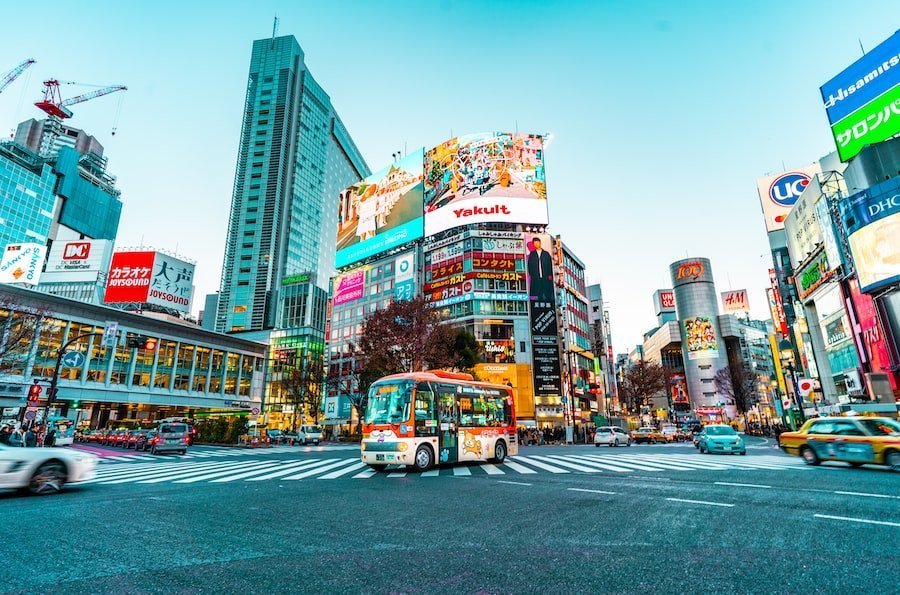
Walking is the cheapest way to see Tokyo, and each district has its own personality:
- Shibuya: the famous scramble crossing, busiest in the evening.
- Asakusa: older architecture and a more traditional feel around Senso-ji.
- Harajuku: youth fashion on Takeshita Street, then peace in the Meiji Shrine forest just beside it.
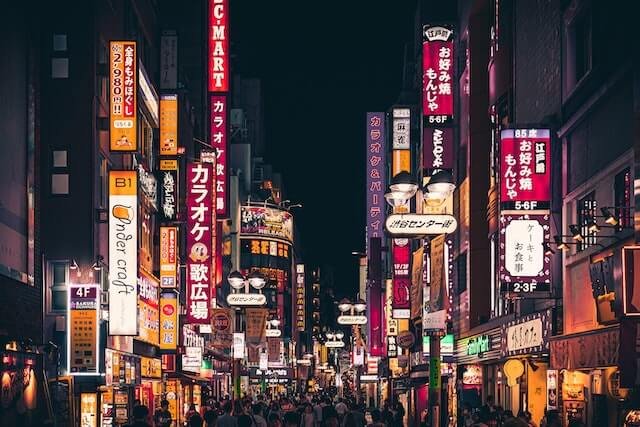
- Shinjuku and Ginza: neon and department stores; fun to browse even if you buy nothing.
Free Observation Decks
The Tokyo Metropolitan Government Building in Shinjuku has free observatories about 202 m up, on the 45th floor. On clear days you can see as far as Mount Fuji. Opening hours and which observatory is open vary by day, and there are security checks and sometimes queues, so check the official site. The Bunkyo Civic Center observation deck is another free option, with good views of the city; check the official site for hours.
Tokyo Skytree, Roppongi Hills Sky Deck and Sunshine 60 all charge admission, so skip them if you are on a tight budget.
Free Festivals and Events
Watching a festival costs nothing, and the dates are easy to plan around:
- Kanda Matsuri: one of Tokyo’s three great festivals, held in mid-May in odd-numbered years, so the next one is 2027.
- Sanno Matsuri: the main festival is held in mid-June in even-numbered years, so 2026 has already passed and the next is 2028.
- Koenji Awa Odori: a lively dance festival in late August; check the official schedule for dates.
- Sumida River Fireworks: usually late July. The crowds are huge. Watching from the riverside is free but you will probably need to arrive hours early, and some viewing spots are reserved; check the official site for the date and rules.
Tokyo Game Show and Tokyo Jazz Festival are ticketed events, not free ones. Also, the “Yoyogi Park Street Performers Festival” in the older version of this post is not an event I can verify, so I have removed it.
Cheap Eats
You can eat very well in Tokyo for little money:
- Tsukiji Outer Market: walking around is free, and snacks like tamagoyaki and skewers usually cost a few hundred yen. Many stalls close by early afternoon, so go in the morning.
- Ameya-Yokocho, Ueno: a market street with snacks, dried fruit and street food.
- Omoide Yokocho, Shinjuku: tiny yakitori bars, best for a small snack and a drink.
- Convenience stores, gyudon chains and standing soba shops: a filling meal is usually inexpensive, but prices vary by shop.
Getting Around Tokyo Cheaply
Metro passes
Tokyo Metro sells 24-, 48- and 72-hour tickets for tourists. The 24-hour ticket is around 700 JPY for adults. These cover Tokyo Metro lines but not JR lines or Toei subway lines, so check the map before you buy. If you only plan a few rides, a prepaid IC card such as Suica or Pasmo may be cheaper.
Is the JR Pass worth it?
Since the October 2023 price rise, the 7-day ordinary JR Pass costs 50,000 JPY when bought on the official site (Green 70,000), and slightly more through overseas agents. For a trip that stays in Tokyo, it is almost never worth it. It starts to make sense only if you plan several long-distance trips, such as Tokyo to Kyoto and Hiroshima, in a short period. Compare the total fares first. Nozomi and Mizuho trains need an extra ticket for pass holders.
Other options
Walking is free, and bicycle rental and bike-share exist but cycling rules are strict, so learn them first. Buses in central Tokyo often charge a flat fare, but check the current fare.
Staying connected and sleeping cheaply
An eSIM is usually cheaper than airport Wi-Fi rental, and it saves you from hunting for free Wi-Fi. Japan uses Type A plugs at 100V, so bring a travel power adapter if your devices use other plugs. For hotels, business hotels and hostels around Ueno, Asakusa and Ikebukuro tend to be cheaper than Shinjuku or Ginza.
Photo: Tokyo at Night
Final Thoughts
Tokyo can be expensive, but with some planning it doesn’t have to be. Mix free shrines, parks, viewpoints and festivals with a few paid highlights, and you can have a wonderful trip. If you are planning around the cherry blossoms, also read my guides on the best time to visit Japan, Japanese bento boxes, kimono and traditional clothing, and onsen etiquette.
FAQ
What are the best free things to do in Tokyo?
Senso-ji, Meiji Shrine, Ueno Park, Yoyogi Park, the Imperial Palace East Gardens and the Tokyo Metropolitan Government Building observatories are all free. Walking through Shibuya, Asakusa and Harajuku also costs nothing.
Are there free museums in Tokyo?
Only a few. Most museums charge admission, though some have free days or free sections. Check each museum’s official site before you go.
Can I see cherry blossoms in Tokyo for free?
Yes. Ueno Park, Yoyogi Park and the riverside near Meguro River are good places to see them for free. Full bloom is usually from late March to early April, but check the forecast before you book flights.
What is there to do with children for free?
Parks such as Yoyogi and Ueno are good for kids, as is the Odaiba waterfront. Some attractions, such as the Tokyo Toy Museum, charge admission, so check current prices.
Do I need a tour?
No, you can see most free sights on your own. A guided walking tour can help if you want history and local stories.
Comment (1)