
As an Amazon Associate, Chasing Cherry Blossoms earns from qualifying purchases. We may also earn from other affiliate links on this page at no extra cost to you.
Quick answer: Osaka’s most rewarding areas are Dotonbori and Namba for street food and neon, Shinsekai for kushikatsu under Tsutenkaku, and Osaka Castle for history. For quieter corners, try Hozenji Yokocho (a lantern-lit alley two minutes from Dotonbori), the old-house cafes of Nakazakicho near Umeda, Sumiyoshi Taisha, Tsuruhashi Koreatown and Minoo Park’s waterfall trail. Get around on Osaka Metro with an ICOCA card or a contactless bank card, and buy the Osaka Amazing Pass (3,500 yen for 1 day in 2026) only if you will visit three or more paid attractions in a day.
Most “Osaka hidden gems” lists are really lists of Osaka’s most famous sights. That’s fine – the famous ones are famous for a reason – but it helps to know which spots will be shoulder-to-shoulder and which will give you room to breathe. This guide is organised by area, and I’ve labelled each place honestly: famous, busy but worth it, or genuinely quieter. Prices and hours below were checked in October 2026 against official or tourism-board sources where possible, but Osaka attractions raised a lot of prices in 2025-2026, so always confirm before you go.
Osaka at a glance: which area for what
| Area | Best for | Don’t miss | Good to know |
|---|---|---|---|
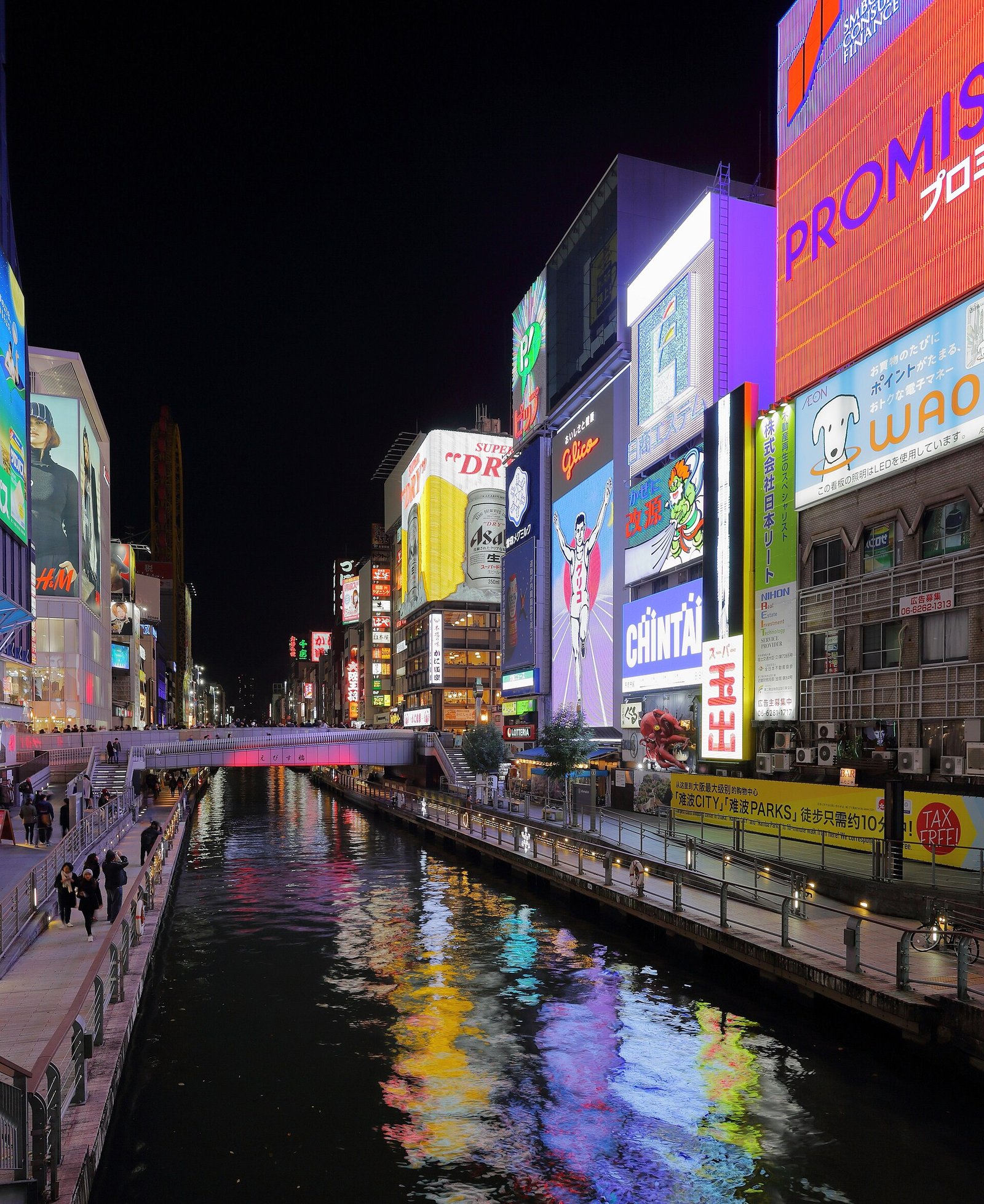
| Dotonbori / Namba | Street food, neon, nightlife | Glico sign at Ebisubashi; Hozenji Yokocho | Famous and very crowded from late afternoon |
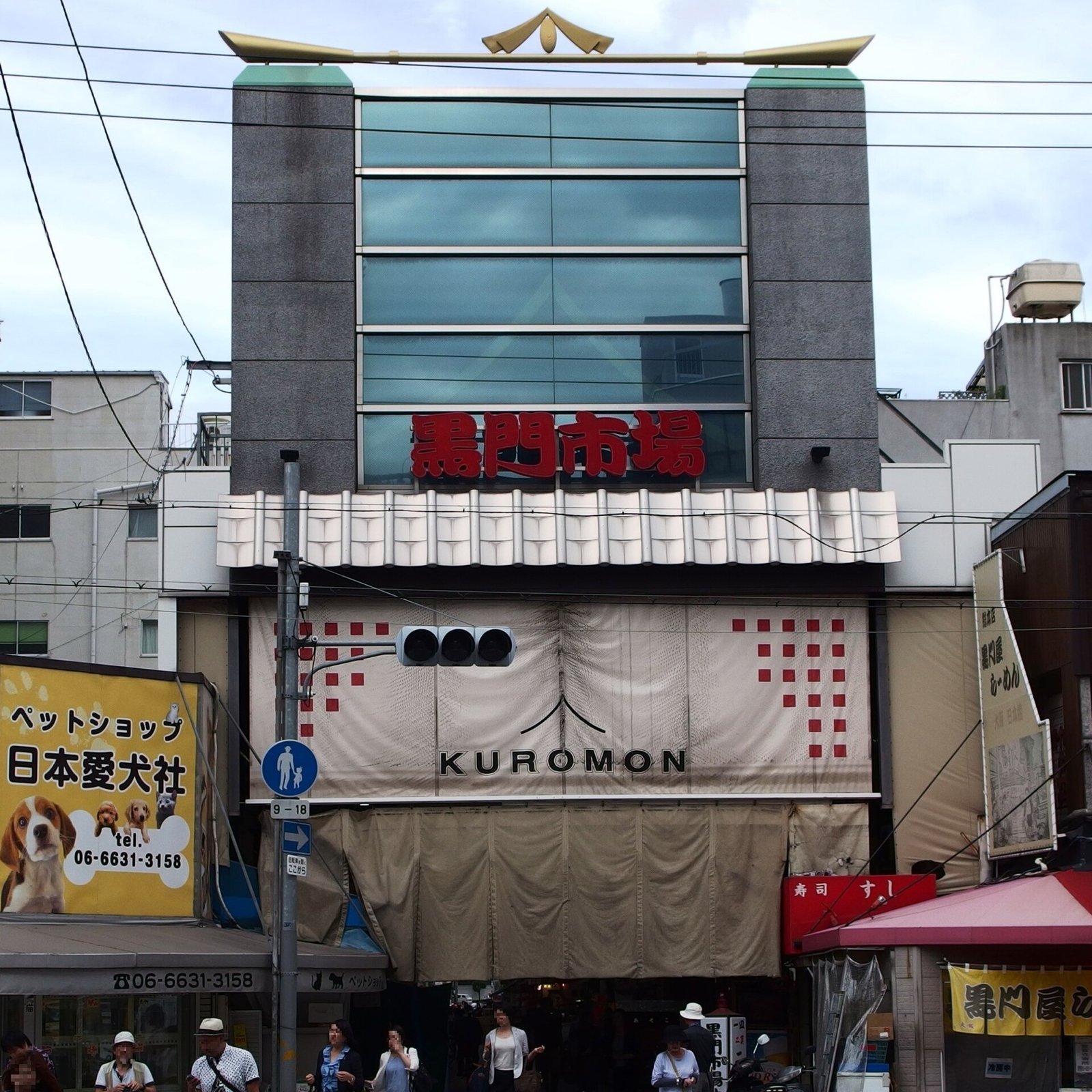
| Kuromon Market | Grazing on seafood and fruit | Grilled scallops, fresh fruit cups | Go in the morning; many stalls wind down by late afternoon |
| Shinsekai / Tennoji | Retro atmosphere, kushikatsu | Tsutenkaku; Abeno Harukas 300; Shitennoji | One sauce dip only at kushikatsu shops |
| Osaka Castle | History, park walks, cherry blossoms | Main tower museum; plum grove in Feb | Tower is a 1931 concrete reconstruction |
| Umeda / Nakazakicho | Views, shopping, cafes | Floating Garden at sunset; Nakazakicho lanes | Nakazakicho is genuinely quieter; many cafes open late morning |
| Tenma / Nakanoshima | Local shopping street, museums, river walks | Tenjinbashisuji; Nakanoshima rose garden | Rose garden peaks mid-May and mid-October |
| South and edges | Shrines, Koreatown, nature | Sumiyoshi Taisha; Tsuruhashi; Minoo falls | Allow half a day each for Minoo or Expo ’70 Park |
Minami: Dotonbori, Namba and Hozenji Yokocho
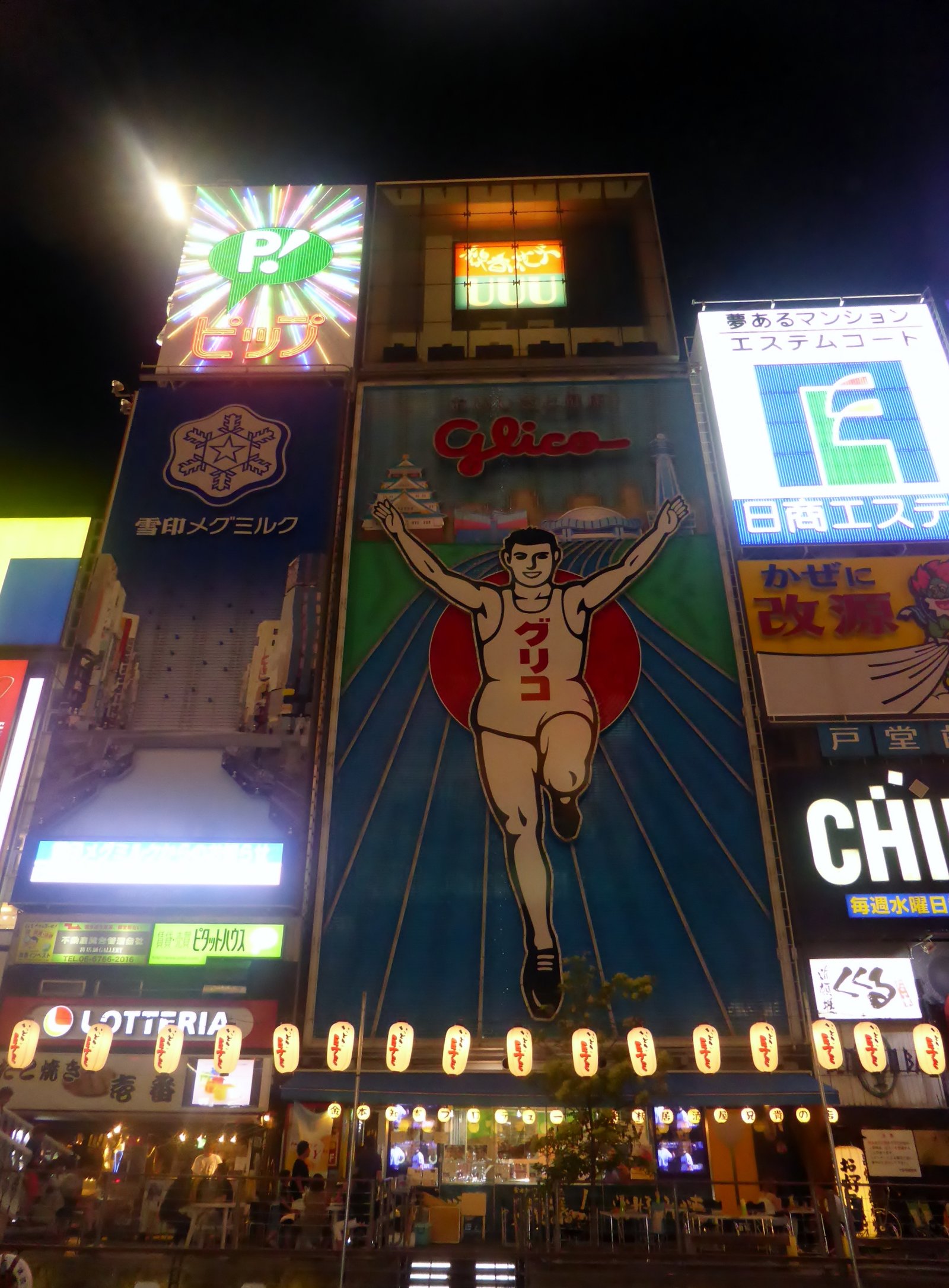
Famous. Dotonbori is the Osaka of postcards: the canal, the giant crab and pufferfish signs, and the Glico running man glowing above Ebisubashi bridge. It is loud, packed and touristy, and you should still go – preferably after dark, when the reflections on the canal are at their best. This is the easiest place in the city to try Osaka takoyaki and okonomiyaki, and to compare a few stalls side by side.
Genuinely quieter (just around the corner). Walk a couple of minutes south of the canal to Hozenji Yokocho, two narrow stone-paved alleys, each roughly 80 metres long, lined with small restaurants and bars. At the end sits Hozenji Temple and its Mizukake Fudo statue, completely covered in moss because worshippers ladle water over it while making a wish. The temple was almost entirely destroyed in the 1945 air raids; the Fudo statue survived, which is part of why locals hold it in such affection. In the evening, with the lanterns lit, it feels a world away from the Glico crowds.
Busy but worth it. Amerikamura (Amemura), west of Midosuji Avenue, is Osaka’s youth-fashion and vintage district – not hidden, but good for browsing between meals.
Kuromon Market
Famous, and very tourist-oriented these days. Kuromon Ichiba is a covered market of roughly 150 stalls stretching about 600 metres near Nippombashi Station. It was once known as “Osaka’s kitchen” for local chefs; today many stalls sell ready-to-eat grilled seafood, wagyu skewers and fruit to visitors, at prices well above what you’d pay in a supermarket. It’s still fun for a grazing breakfast. Most stalls run from about 9am to 6pm, but hours vary shop by shop and some close on Sundays or holidays, so go in the morning for the best choice.
Shinsekai, Tennoji and Abeno
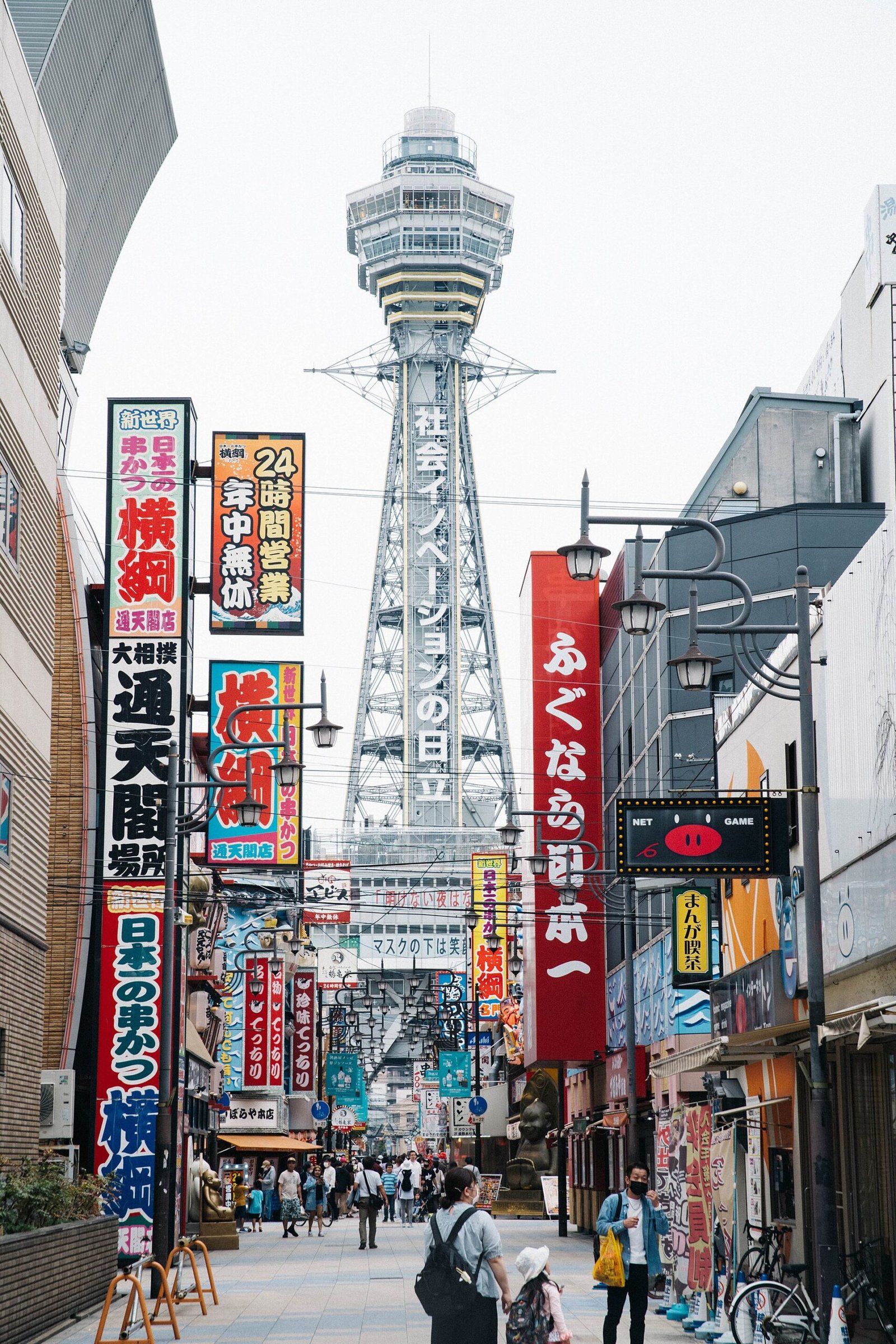
Famous. Shinsekai (“New World”) was laid out in 1912, with its northern half modelled on Paris and its southern half on Coney Island. The original Tsutenkaku tower was dismantled for its steel during the war; the current tower, designed by Tachu Naito (who later designed Tokyo Tower), was completed in 1956 and stands about 103 metres tall. From April 2026, a combined ticket for the general and special observation decks is 1,500 yen for adults, and the decks are open roughly 9am-9:45pm (check the official site, as times have shifted during 2026). There’s also a Tower Slider, a short tube slide from the tower down to the basement, charged separately.
The real reason to come is kushikatsu: skewers of meat, seafood and vegetables, battered, deep-fried and dipped in a shared pot of thin sauce. The golden rule is no double-dipping – dip once, before your first bite. If you need more sauce, use a piece of the free cabbage as a scoop. Kushikatsu Daruma, which traces its roots to a small Shinsekai shop opened in 1929, is the best-known chain, but the lanes around Janjan Yokocho are full of smaller counters.
Busy but worth it. A short walk east, Abeno Harukas is about 300 metres tall, and its Harukas 300 observatory occupies the top three floors (58-60). Adult admission is listed at 2,200 yen in 2026 (it was 2,000 yen until recently), with hours of 9am-10pm and last entry 9:30pm. On a clear evening it gives you the widest view of the Osaka plain.
Quieter than you’d expect. Shitennoji, a short walk north of Tennoji, was founded in 593 by Prince Shotoku and is often described as one of Japan’s oldest officially founded Buddhist temples (most of the present buildings are post-war reconstructions that follow the original layout). The outer grounds are free; the central precinct, treasure house and Gokuraku-jodo garden each charge a few hundred yen. If you can, visit on the 21st or 22nd of the month for the temple flea market, with stalls of antiques, ceramics and old kimono.
Osaka Castle and the Museum of History
Famous. Toyotomi Hideyoshi began building Osaka Castle in 1583, but the main tower you see today is the third on the site, rebuilt in concrete in 1931 with donations from Osaka citizens. Inside is a museum about Hideyoshi and the castle’s history, with an observation deck on top. Adult admission rose to 1,200 yen in April 2025 (high school and university students 600 yen, junior high and younger free), and the tower is generally open 9am-6pm with last entry 30 minutes before closing; it closes 28 December to 1 January. It is very busy – the tower had a record 2.8 million visitors in the year to March 2026 – so arrive at opening.
The park around the castle is free and open around the clock. It has roughly 3,000 cherry trees, a plum grove of more than 1,200 trees that flowers from about January to mid-March, and huge stone walls that are honestly more impressive than the tower interior. The paid Nishinomaru Garden is one of the city’s classic hanami spots.
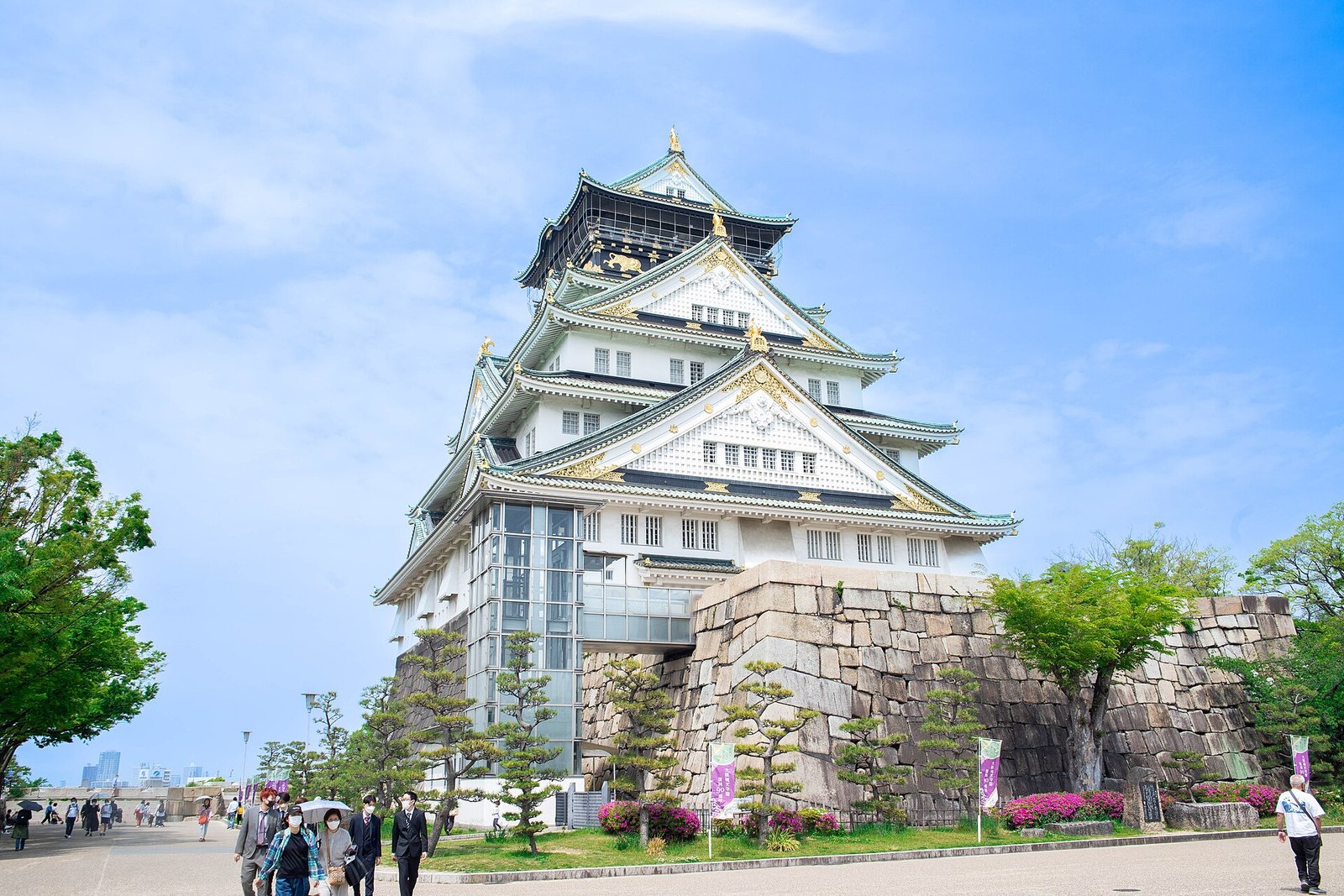
Across the road, the Osaka Museum of History (600 yen for adults, closed Tuesdays) is a better museum than the castle itself, with life-size reconstructions of old Osaka and a top-floor window looking straight down at the castle grounds.
Kita: Umeda, Nakazakicho, Tenjinbashisuji and Nakanoshima
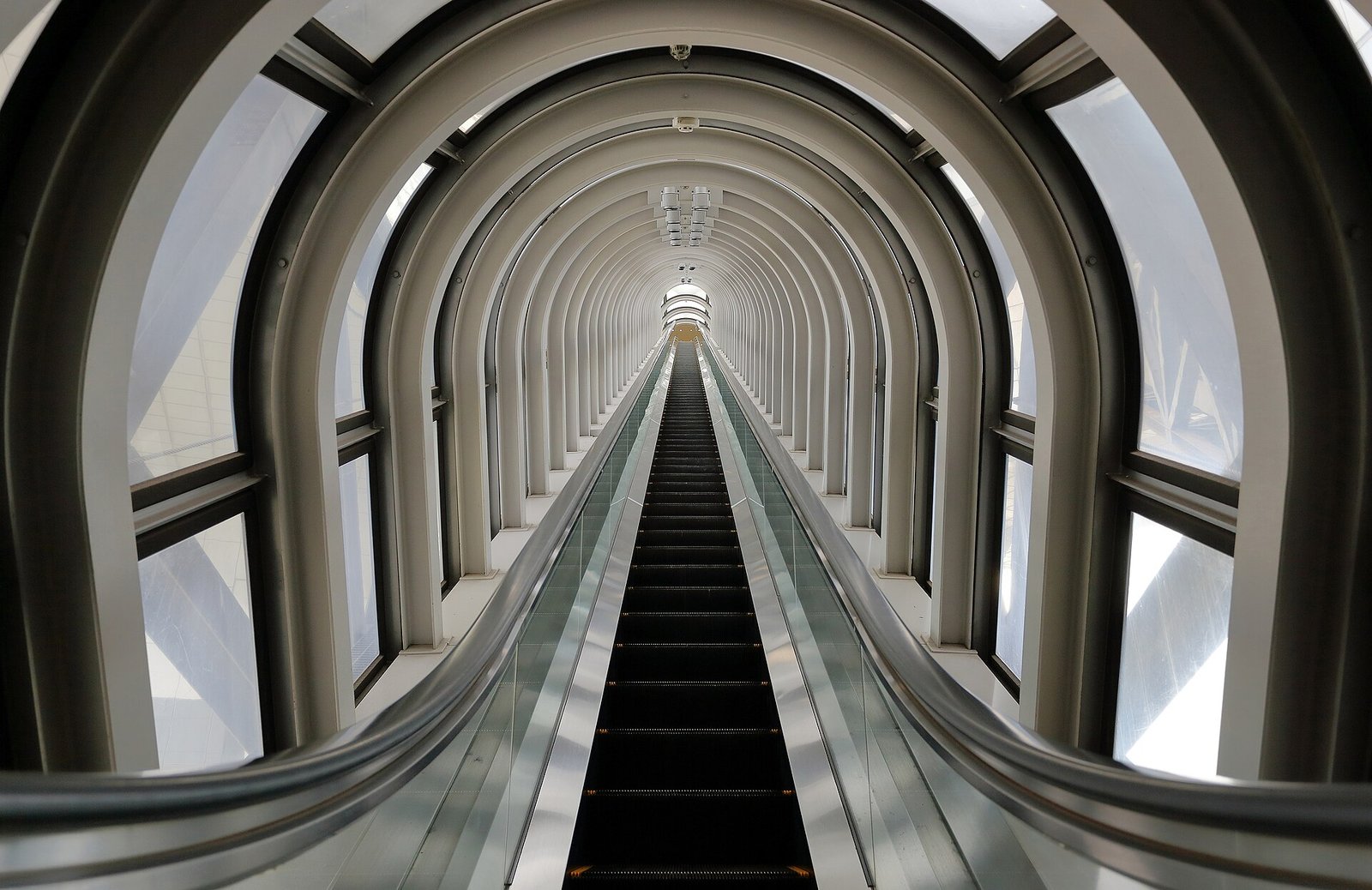
Busy but worth it. The Umeda Sky Building, designed by Hiroshi Hara and completed in 1993, is two 40-storey towers joined at the top by a ring-shaped open-air deck, the Kuchu Teien (Floating Garden) Observatory. In 2026 it costs 2,000 yen for adults and 500 yen for children aged 4-12, and is open 9:30am-10:30pm (last entry 10pm). Go for sunset. In the basement, Takimi Koji is a mock Showa-era lane of restaurants, handy for dinner afterwards.
Genuinely quieter. Nakazakicho, roughly a 10-15 minute walk east of Umeda (or one stop on the Tanimachi Line to Nakazakicho Station), is my pick for anyone who wants to see a different Osaka. Wartime bombing largely spared these lanes, and today their old wooden row houses hold independent cafes, galleries and vintage shops. Salon de AManTo, in an old townhouse, is the area’s best-known cafe. Many places open late morning and close on irregular days, so treat it as an afternoon wander rather than a checklist.
Local, not hidden. Tenjinbashisuji Shopping Street runs about 2.6 km north from near Osaka Tenmangu Shrine, with roughly 800 shops, and is usually said to be the longest shopping street in Japan. Much of it runs under arcade roofs, which makes it a decent rainy-day walk, and it feels far more everyday than Shinsaibashi. Walking the whole thing takes about 40 minutes without stops; JR Tenma and Tenjinbashisuji Rokuchome stations are good entry points.
Quieter. Nakanoshima, the island between the Dojima and Tosabori rivers, is Osaka’s culture district. The National Museum of Art, Osaka sits almost entirely underground and focuses on contemporary art; next door, the black-cube Nakanoshima Museum of Art, Osaka opened in 2022 with a collection of modern and contemporary art and design. At the eastern tip, Nakanoshima Park’s rose garden has about 310 varieties, peaking around mid-May and again in mid-October.
South and beyond: Sumiyoshi Taisha, Tsuruhashi, Minoo and Expo ’70 Park
Genuinely quieter (except at New Year). Sumiyoshi Taisha is the head shrine of the Sumiyoshi network, and its four main halls, rebuilt in 1810 in the ancient Sumiyoshi-zukuri style, are designated National Treasures. Cross the steep red Sorihashi bridge at the entrance. It’s a few minutes’ walk from Nankai’s Sumiyoshitaisha Station, or ride the old Hankai tram to Sumiyoshitorii-mae. On a weekday it’s peaceful; at New Year it is one of the busiest shrines in the region.
Quieter, very local. Tsuruhashi and the Miyuki-dori Koreatown nearby in Ikuno are said to have the largest concentration of Korean residents in Japan, and the roughly 300-metre street has about 150 shops. Expect kimchi shops, hotteok, Korean cosmetics and, around Tsuruhashi Station, a warren of yakiniku restaurants. Miyuki-dori is about a 10-15 minute walk from Tsuruhashi Station (JR Loop Line, Kintetsu and Osaka Metro Sennichimae Line).
Quieter on weekdays. Minoo Park, north of the city, is the easiest nature escape. From Hankyu Minoo Station, a forested path climbs gently past Ryuanji Temple to the 33-metre Minoo Waterfall, which is listed among Japan’s top 100 waterfalls; allow about 40-60 minutes each way. Along the way, shops sell momiji tempura, maple leaves fried in a sweet batter. Autumn colour usually peaks from mid to late November, when it gets crowded. Keep food out of sight – the park’s wild monkeys know what a snack bag looks like.
Quieter. Expo ’70 Commemorative Park in Suita, on the site of the 1970 World Expo, is a huge green park built around Taro Okamoto’s Tower of the Sun. You can go inside the tower to see the restored “Tree of Life” sculpture, but only by advance reservation (at least one day ahead, up to 120 days). The set ticket including park entry is 1,080 yen for adults; park entry alone is 450 yen. The park is usually closed on Wednesdays, with some seasonal exceptions. Take the Osaka Monorail to Banpaku-kinen-koen.
What about the Expo 2025 site? Yumeshima, the island that hosted Expo 2025, is not a visitor attraction in 2026. Most pavilions and much of the Grand Ring are being dismantled, an integrated resort is under construction on the northern part of the island, and Osaka plans to keep a roughly 200-metre section of the ring as part of a future memorial park. Unless you have a specific reason, skip it for now.
Map of the main spots
Here are the seven places I’d use to anchor an Osaka itinerary, from the castle and Umeda in the north to Sumiyoshi Taisha in the south.
Map: 7 Osaka spots in this guide
- Osaka Castle – Main tower (1931 reconstruction) and museum in Osaka Castle Park. Directions
- Dotonbori – Canal-side neon and food strip in Minami; Glico sign at Ebisubashi. Directions
- Hozenji Yokocho – Quieter stone-paved alley and moss-covered Mizukake Fudo, steps from Dotonbori. Directions
- Kuromon Market – Covered food market near Nippombashi Station. Directions
- Tsutenkaku (Shinsekai) – Retro tower in Shinsekai, Osaka's kushikatsu district. Directions
- Umeda Sky Building – Floating Garden Observatory between the twin towers. Directions
- Sumiyoshi Taisha – Head Sumiyoshi shrine with the arched Sorihashi bridge. Directions
What to eat in Osaka
Osaka’s nickname is kuidaore, roughly “eat until you drop”. The non-negotiables are takoyaki (octopus balls), okonomiyaki (a savoury cabbage pancake cooked on a griddle), and kushikatsu in Shinsekai. Add butaman (pork buns), kitsune udon (Osaka’s Usami-tei Matsubaya says it invented the dish in the 1890s), and Korean food in Tsuruhashi. For a deeper look at how Osaka cooking fits into the wider region, see my guide to Kansai culture and cuisine.
My practical tip: Osaka is still a cash-friendly city at small stalls and older restaurants, and you’ll collect a lot of 100-yen and 10-yen coins. A dedicated coin pouch saves you digging through your pockets at every food stall.
Getting around Osaka
Osaka Metro covers nearly everything in this guide. Single adult fares are distance-based, from 190 yen. You can pay with an ICOCA card (JR West’s IC card; a new card is 2,000 yen including a 500-yen refundable deposit), with ICOCA in Apple Wallet on an iPhone, or with a contactless Visa, JCB or Amex card tapped at the gates, which Osaka Metro has accepted at its stations since late 2024. Card tap charges the standard adult fare, and JR West lines (including the Osaka Loop Line) don’t accept it yet, so an ICOCA is still the most flexible option.
Day passes. Osaka Metro’s Enjoy Eco Card (unlimited Metro and city bus for a day) has been listed at 820 yen on weekdays and 620 yen at weekends and holidays; it pays off after four or five rides. The Osaka Amazing Pass is digital-only from 2026: 3,500 yen for 1 day or 5,000 yen for 2 consecutive days (on sale 25 March 2026 to 31 March 2027). It includes unlimited trains and buses within Osaka City and free one-time entry to about 40 attractions; in 2026 the list includes the Osaka Castle main tower, the Umeda Sky Building observatory, the Tsutenkaku deck and the Tombori River Cruise (Harukas 300 is not included), but check the current list as attractions change. You need a credit card and a working smartphone to buy and use it – screenshots aren’t accepted. As a rule of thumb, it’s worth it only if you’ll do at least three paid attractions in one day.
If you’re arriving with big suitcases, consider forwarding your luggage to your next hotel – Osaka’s rush-hour trains and station stairs are not suitcase-friendly.
When to go
- Late March to early April: cherry blossoms at Osaka Castle Park and along the rivers. Busy, and hotels are pricier.
- May and October: comfortable weather and the Nakanoshima roses. Arguably the best months overall.
- July and August: hot and humid. The Tenjin Matsuri on 24-25 July, with its boat procession and fireworks on the Okawa river, is one of Japan’s great summer festivals.
- October: the Naniwa Yodogawa Fireworks moved from August to October in 2025 and was held on 17 October in 2026; check the 2027 date.
- Mid to late November: autumn leaves at Minoo and Osaka Castle.
Easy day trips from Osaka
Osaka is a great base for Kansai. Kyoto is about 30 minutes from Osaka Station on the JR Special Rapid – see my Kyoto attractions guide. Nara is about 40 minutes from Osaka-Namba by Kintetsu; read my Nara guide and the Nara Park deer guide. And if you have kids (or are a kid at heart), Universal Studios Japan is in Osaka itself, on the bay side of the city.
What to pack for Osaka
A compact printed guide is still handy for offline maps and background reading; the Lonely Planet Pocket guide was published in October 2024, so use it for orientation and double-check prices, which have risen since.
Travel guidebooks (item type, not the exact edition). Photo: Vyacheslav Argenberg, CC BY 4.0, via Wikimedia Commons
Lonely Planet Pocket Kyoto and Osaka
Compact guide to Osaka and Kyoto with neighbourhood maps; published 2024, so check current prices.
Check price on AmazonA squeeze-style coin purse makes it much easier to pay with the pile of 100-yen and 10-yen coins you’ll collect at food stalls and shrine offering boxes.
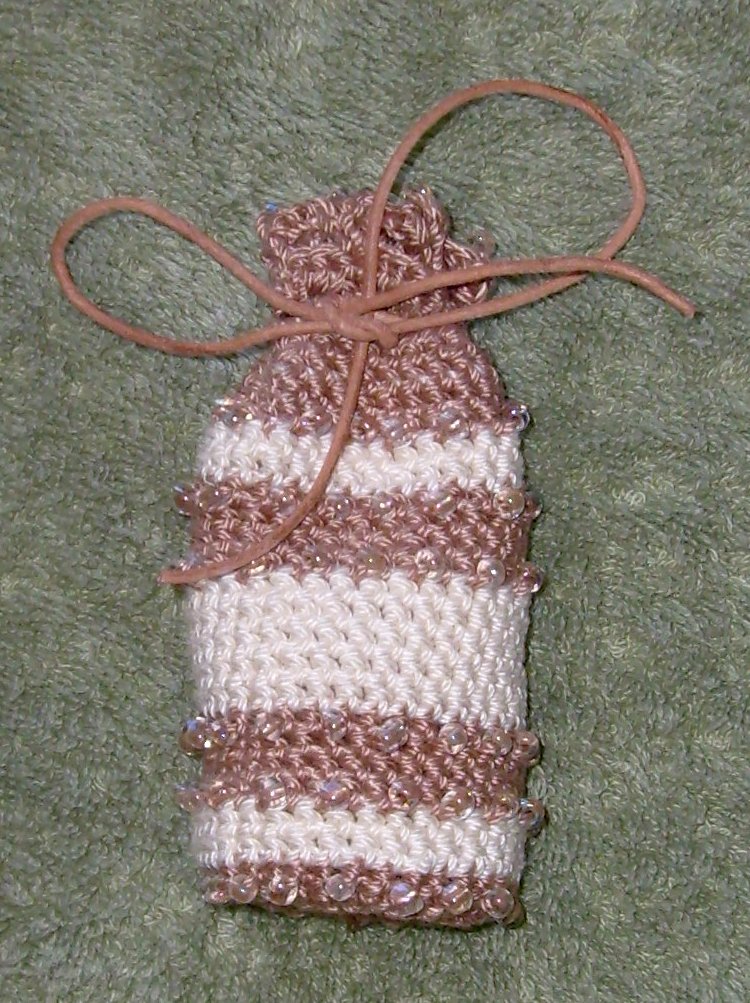
Coin purse (item type, not the exact product). Photo: Durova, CC BY-SA 3.0, via Wikimedia Commons
Nabob Leather Squeeze Coin Purse
Small squeeze-open pouch for the 100 and 500 yen coins you collect at stalls and lockers.
Check price on AmazonBetween maps, translation apps and a digital-only Amazing Pass that needs a working phone, a small 10,000mAh power bank with a built-in cable is worth carrying all day.
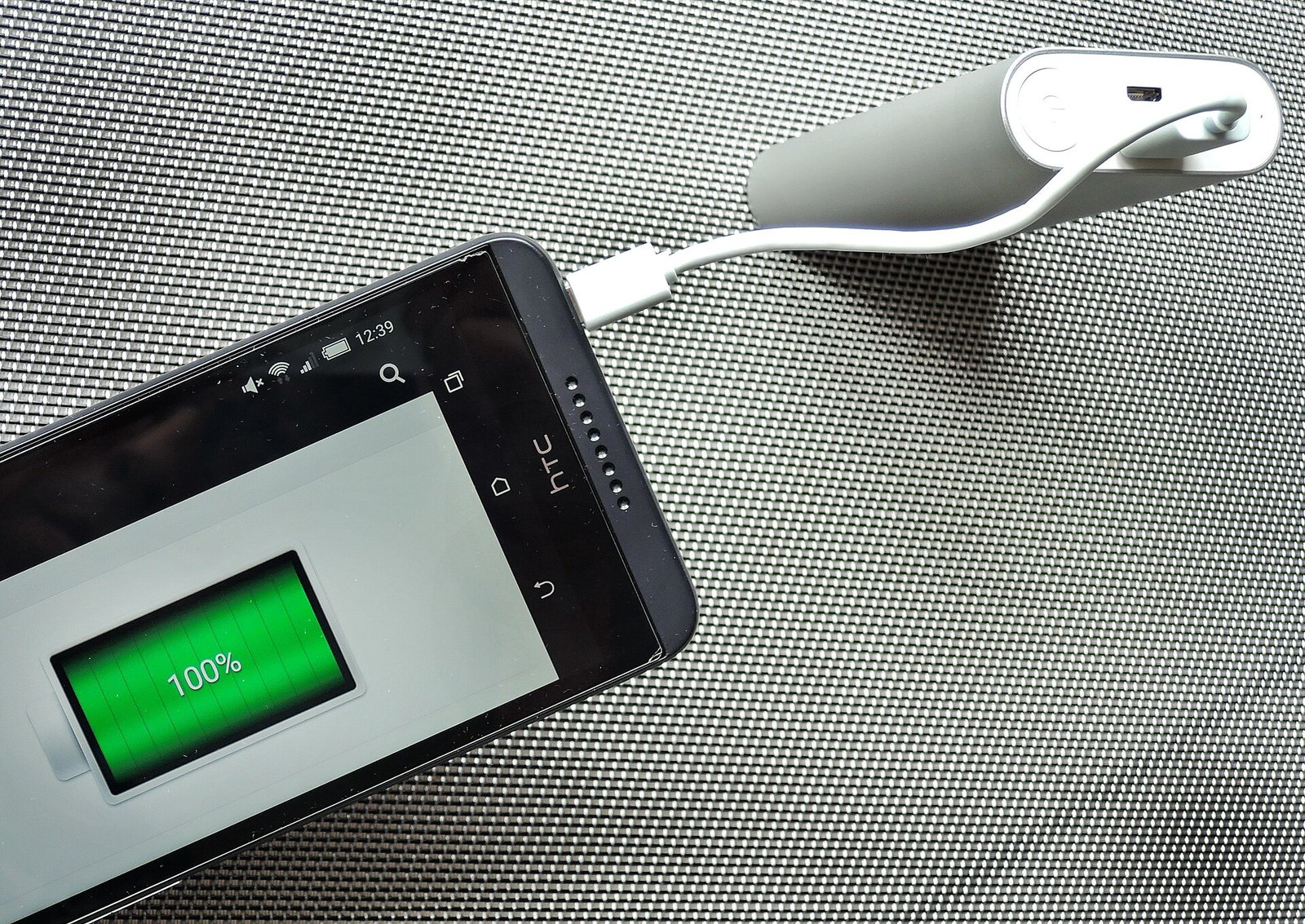
USB power bank (item type, not the exact product). Photo: Mk2010, CC BY-SA 4.0, via Wikimedia Commons
Anker Nano Power Bank 10,000mAh
Pocket power bank to keep maps and IC-card apps running on long days out.
Check price on AmazonA packable daypack that folds into its own pocket is useful for Kuromon snacks, souvenirs and a jacket on the Minoo trail, then disappears into your suitcase.
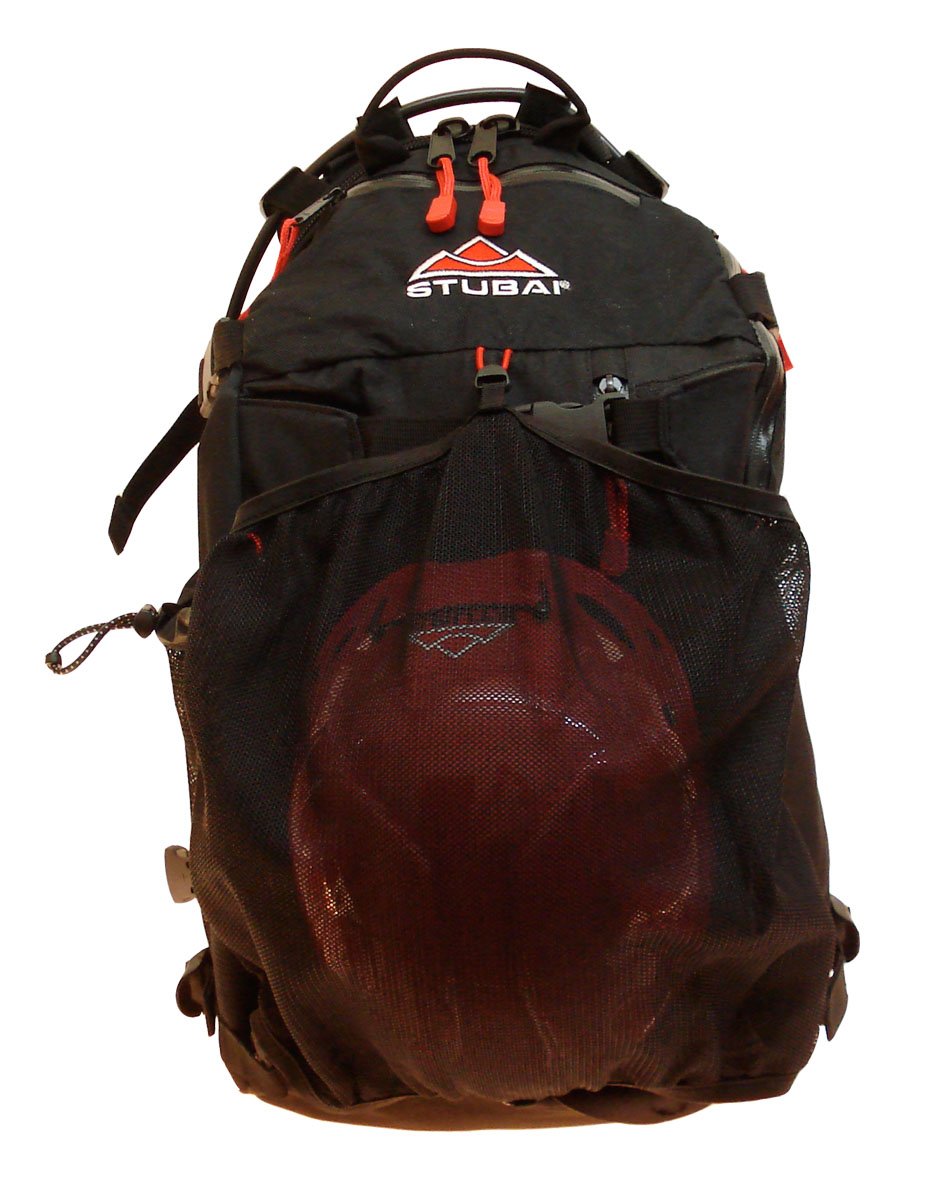
Daypack (item type, not the exact product). Photo: H. Knoflach, free use (copyright holder permits any use), via Wikimedia Commons
ZOMAKE Packable Backpack 14L
Folds into its own pocket; handy for market buys and day trips to Nara or Kyoto.
Check price on AmazonFAQ
Is Osaka worth visiting if I’ve already seen Kyoto?
Yes. Osaka is less about temples and more about food, neighbourhood life and nightlife. Two full days covers Minami, Shinsekai, the castle and Umeda; add a third for Nakazakicho, Sumiyoshi Taisha or Minoo, plus extra days if you use Osaka as a base for Kyoto, Nara or USJ.
What are the real hidden gems in Osaka?
The genuinely quieter spots in this guide are Hozenji Yokocho, Nakazakicho, Nakanoshima’s museums and rose garden, Sumiyoshi Taisha on a weekday, Tsuruhashi Koreatown and Minoo Park outside the autumn peak. Dotonbori, Kuromon Market and Osaka Castle are excellent but are not hidden.
Is the Osaka Amazing Pass worth it in 2026?
At 3,500 yen for one day, it pays off if you combine at least three paid attractions with several train rides. If you just want to eat your way around Namba and Shinsekai, an ICOCA card or a contactless bank card is cheaper.
How much does Osaka Castle cost to enter?
The park is free. The main tower costs 1,200 yen for adults (since April 2025) and is free for junior high students and younger. It is included in the Osaka Amazing Pass.
Which observation deck is better: Umeda Sky Building or Harukas 300?
The Umeda Sky Building (2,000 yen) has an open-air rooftop deck and is the more distinctive experience. Harukas 300 (2,200 yen) is much higher and gives a wider view. If you only do one, I’d choose Umeda at sunset.
Can I use a credit card on Osaka trains?
Yes, on Osaka Metro and several private railways you can tap a contactless Visa, JCB or Amex card at the gates. Card tap charges the standard adult fare, and JR West lines such as the Osaka Loop Line don’t accept it as of 2026, so an ICOCA card is still the most flexible option.
Can I visit the Expo 2025 site in 2026?
Not in any meaningful way. The site on Yumeshima is being dismantled and redeveloped, with only part of the Grand Ring planned for preservation. Expo ’70 Commemorative Park is the better Expo-themed outing.
Comment (3)