
As an Amazon Associate, Chasing Cherry Blossoms earns from qualifying purchases. We may also earn from other affiliate links on this page at no extra cost to you.
Every spring, hillsides in Japan turn solid pink, white and violet with shibazakura. The most famous is at the foot of Mt Fuji, but there are big displays just outside Tokyo and in northern Hokkaido too. This guide uses the official 2026 dates, fees and transport costs so you can plan a 2027 visit. I’ve also cut a lot of myths that circulate about these festivals.
Quick answer: Shibazakura is moss phlox (Phlox subulata), a low ground-cover plant native to North America, not a cherry tree. Japan’s best-known display is the Fuji Shibazakura Festival near Lake Motosu in Yamanashi. In 2026 it ran from 11 April to 24 May, with about 500,000 plants and an adult fee of 1,000-1,300 yen (about $7-9). Its peak is usually late April to mid-May. Closer to Tokyo, Hitsujiyama Park in Chichibu has over 400,000 plants, charges 500 yen, and is about 80 minutes from Ikebukuro on the Seibu Laview. It is usually best from mid-April to early May. Hokkaido’s Takinoue and Higashimokoto parks bloom from about mid-May into early June. No 2027 dates had been announced by late October 2026.
Japan’s main shibazakura spots at a glance
Prices below are the 2026 figures. I’ve converted them at roughly $1 = 150 yen, rounded. The rate moves, and in late October 2026 it was closer to 157, so treat the dollar figures as approximate.
| Spot | Location (prefecture) | Typical peak bloom | Entry fee (JPY / approx USD) | Access from nearest hub |
|---|---|---|---|---|
| Fuji Shibazakura Festival (Fuji Motosuko Resort) | Fujikawaguchiko, Yamanashi | Late April to mid-May (festival ran 11 Apr – 24 May 2026) | Adult 1,000-1,300 yen ($7-9); child 500-700 yen ($3-5) | Festival liner bus from Kawaguchiko Station, about 40 min |
| Hitsujiyama Park shibazakura hill | Chichibu, Saitama | Mid-April to early May | Adult 500 yen ($3); junior high and under free | About 1.5 km walk (around 20 min) from Seibu-Chichibu or Yokoze Station |
| Takinoue Park | Takinoue, Hokkaido | Mid to late May | Adult 500 yen ($3); child 250 yen ($2) | Drive: about 2 hours from Asahikawa, about 50 min from Monbetsu Airport |
| Higashimokoto Shibazakura Park | Ozora, Hokkaido | Mid-May to early June | Adult about 700 yen ($5); elementary about 300 yen ($2) | About 45 min drive from Memanbetsu Airport; bus from Abashiri about 40 min |
| Chausuyama Highland | Toyone, Aichi | Mid-May to early June | Free entry; sightseeing lift 1,000 yen ($7) return | Car is the realistic option (mountains of northeast Aichi) |
Map of Japan's shibazakura spots
- Fuji Shibazakura Festival (Fuji Motosuko Resort) – About 500,000 moss phlox below Mt Fuji; 2026 festival 11 Apr-24 May, peak late Apr-mid May. Directions
- Kawaguchiko Station – Hub for Shinjuku buses and the Fuji Excursion; festival liner to Fuji Shibazakura takes about 40 min. Directions
- Hitsujiyama Park shibazakura hill – 400,000+ plants facing Mt Buko; peak mid-Apr to early May; about 20 min walk from Seibu-Chichibu. Directions
- Seibu-Chichibu Station – Seibu Laview terminus, about 80 min from Ikebukuro; about 1.5 km walk to Hitsujiyama. Directions
- Chausuyama Highland Shibazakura Hill – Mountaintop hill of about 400,000 plants; 2026 festival 9 May-7 Jun; free entry, car needed. Directions
- Takinoue Park – About 100,000 m2 of shibazakura hillside; 2026 festival 1-31 May, peak mid to late May. Directions
- Higashimokoto Shibazakura Park – About 10 ha of moss phlox near Abashiri; 2026 festival 3-31 May, peak mid-May to early June. Directions
What shibazakura actually is (and isn’t)
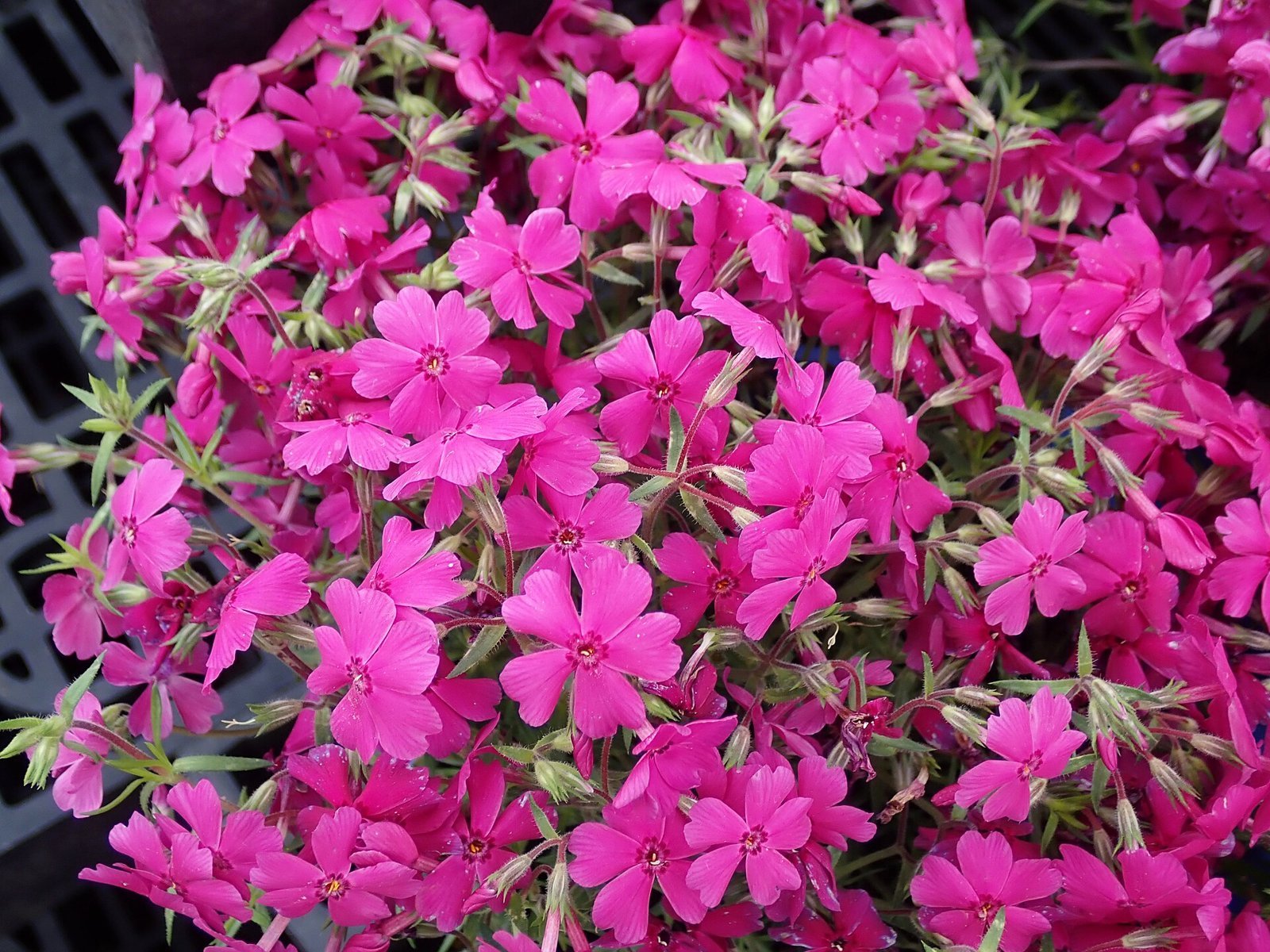
Shibazakura is Phlox subulata, a creeping perennial in the phlox family (Polemoniaceae), known in English as moss phlox, creeping phlox or moss pink. It grows wild in eastern and central North America, including the Appalachians, so plenty of American gardeners already know it. The Japanese name describes the look. Shiba means turf or lawn, after the low, mat-forming stems, and sakura means cherry, because the five-petalled flowers look like small cherry blossoms.
It is not a cherry tree. The plants grow only about 10 cm (4 inches) tall and are planted in dense blocks of a single color, so from a distance a slope looks like carpet. They also bloom later: most shibazakura hills peak a few weeks after the local cherry trees have dropped their petals.
A few claims in older articles, including the earlier version of this one, don’t stand up. The Fuji festival does not date back to 1959. The 2026 festival was described locally as its 19th year, which points to a start around 2008. I couldn’t source any tradition that the flowers “bring good luck”. I also couldn’t confirm tea ceremonies or craft workshops for 2026. Expect flowers, food stalls and souvenir shops, and treat anything else as a bonus.
Fuji Shibazakura Festival (Yamanashi)
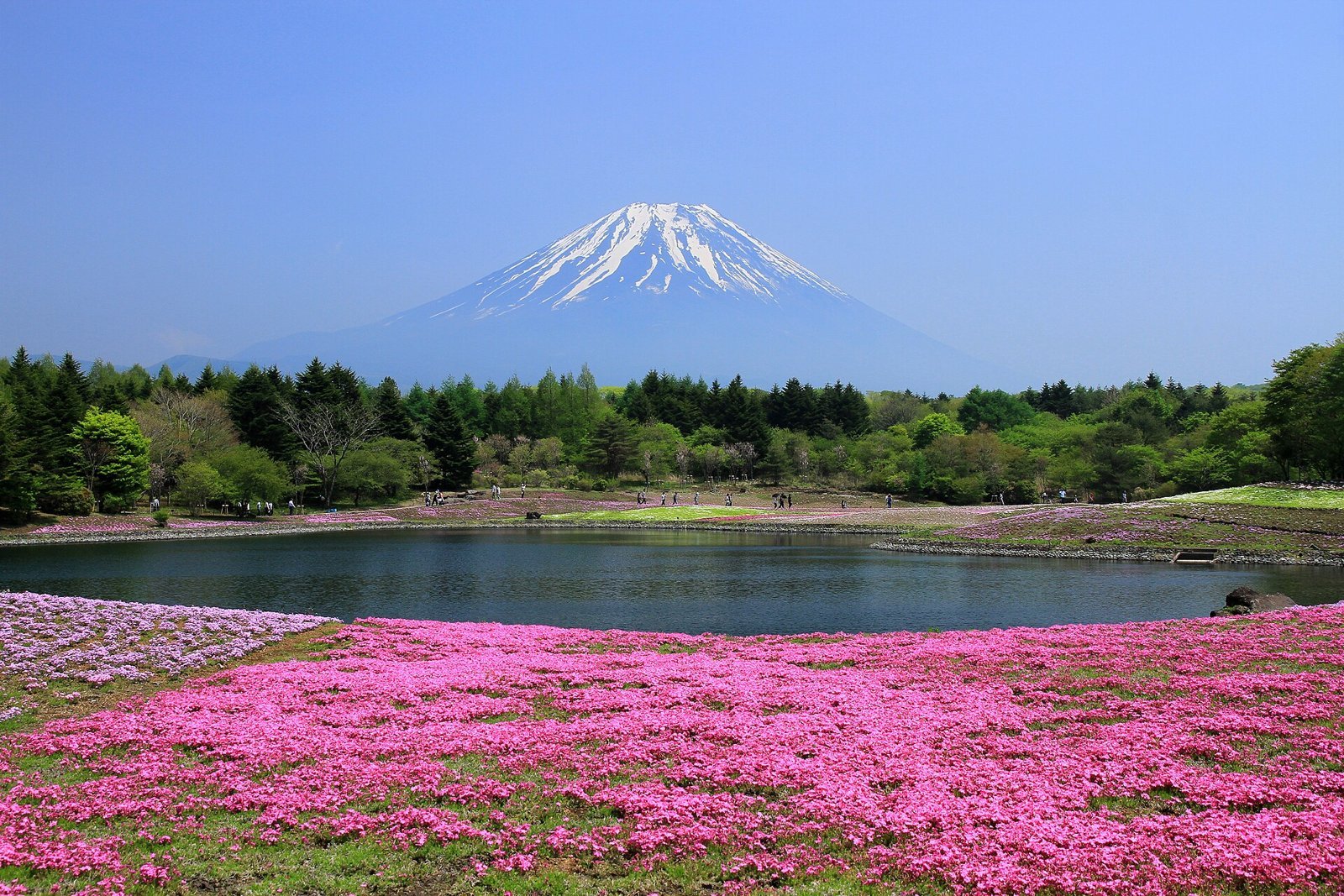
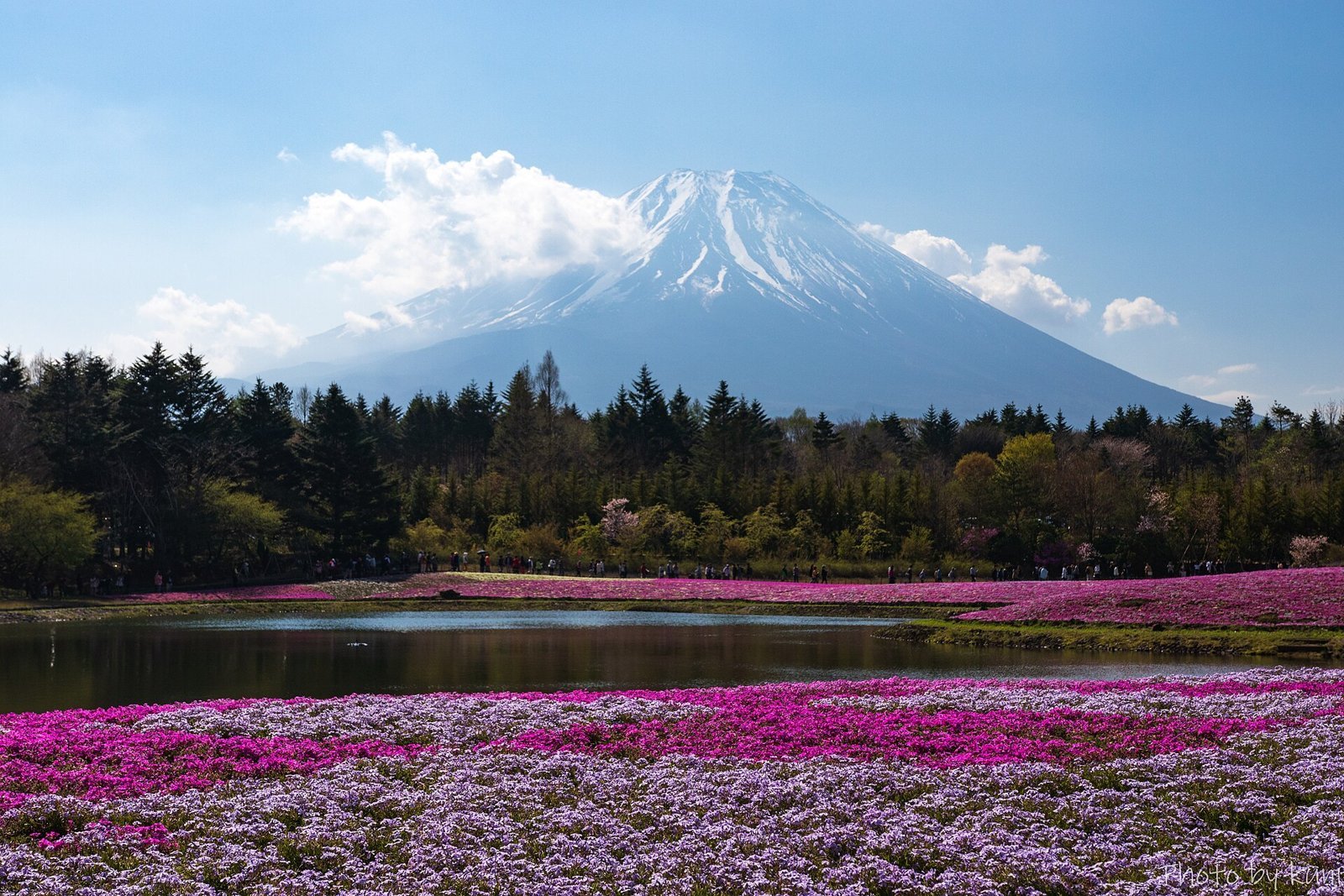
This is the display most people mean by “the shibazakura festival”. It’s held at Fuji Motosuko Resort in Fujikawaguchiko town, about 3 km south of Lake Motosu, the westernmost of the Fuji Five Lakes. On a clear day Mt Fuji fills the skyline behind the flower beds.
2026 facts for 2027 planning
- 2026 dates: 11 April to 24 May, daily, subject to the bloom.
- Plants: about 500,000, in six varieties from white through pink and magenta to pale blue. Some English guides still say 800,000 and five varieties, but the official site now gives 500,000 and six.
- Hours: usually 8:00-16:00. Around Golden Week the gates have opened earlier and closed later (japan-guide lists 6:00-17:00 for 29 April to 6 May). Check the official calendar for your date.
- Entry: adults (junior high and up) 1,000 yen (about $7), or 1,300 yen (about $9) in the 2026 peak window of 25 April to 10 May. Children aged 3 and up paid 500-700 yen. Buying online by the day before saved 100 yen.
- Parking: about 500-1,000 yen per car, with roughly 1,500 spaces.
- Dogs and accessibility: only small and medium dogs, which had to be carried or in a cart when it was crowded. No wheelchairs to borrow, and I found no official stroller guidance. Some of the paths are grass and soil.
The official site (fujimotosuko-resort.jp; shibazakura.jp now redirects there) had not posted 2027 dates as of late October 2026. The festival has opened in mid-April for the last few years, and dates usually appear early in the year. For bloom updates (kaika jokyo), the site points to its Instagram, which is worth checking the week before you go.
Peak bloom and what you’ll see
The festival opens before full bloom. japan-guide puts the usual peak in the first three weeks of May. Past festivals have featured a small Fuji-shaped mound planted in pink with a white “snowcap”. It makes a good photo even on cloudy days, when the real mountain hides. Food stalls sold snacks such as sakura churros and local sweets in 2026.
Seeing Mt Fuji
Mt Fuji often hides behind cloud, even on fine-looking spring days. Mornings tend to be clearer than afternoons, but nothing is guaranteed. If the view matters most, stay a night near the lakes and go on the clearest morning. Check a live webcam before you set off.
Hitsujiyama Park shibazakura hill (Chichibu, Saitama)
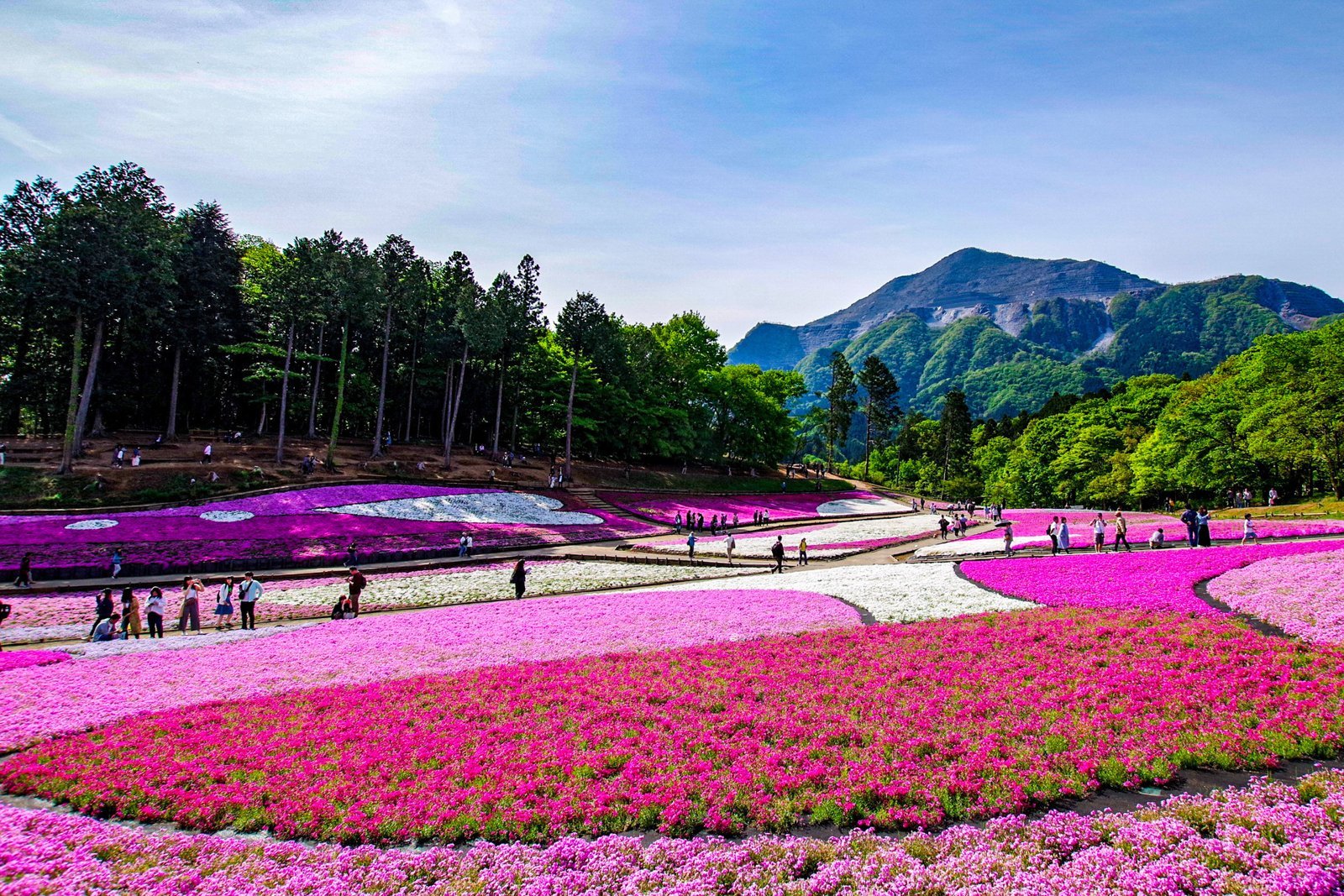
Hitsujiyama is the easier trip from Tokyo, and it’s my pick if you only have one free day. The hill sits above Chichibu city with Mt Buko (1,304 m) as the backdrop. More than 400,000 plants in 10 varieties cover about 17,600 square meters, laid out in wavy stripes that look best from the upper paths.
- 2026 festival: 3 April to 6 May. The fee applied only from 10 April, 8:00-17:00, and entry became free from 1 May.
- Entry: adults 500 yen (about $3); junior high age and younger free.
- Peak: usually mid-April to early May, so earlier than Fuji.
- Walking: about 1.5 km from Seibu-Chichibu Station or 1.4 km from Yokoze Station, roughly 20 minutes with a gentle climb.
- Parking and pets: about 300 spaces at 700 yen per car during the paid period. Leashed dogs are allowed, and free wheelchairs are available.
No 2027 dates were out as of late October 2026. The Chichibu Tourism Association usually publishes them in early spring.
Hokkaido: Takinoue and Higashimokoto
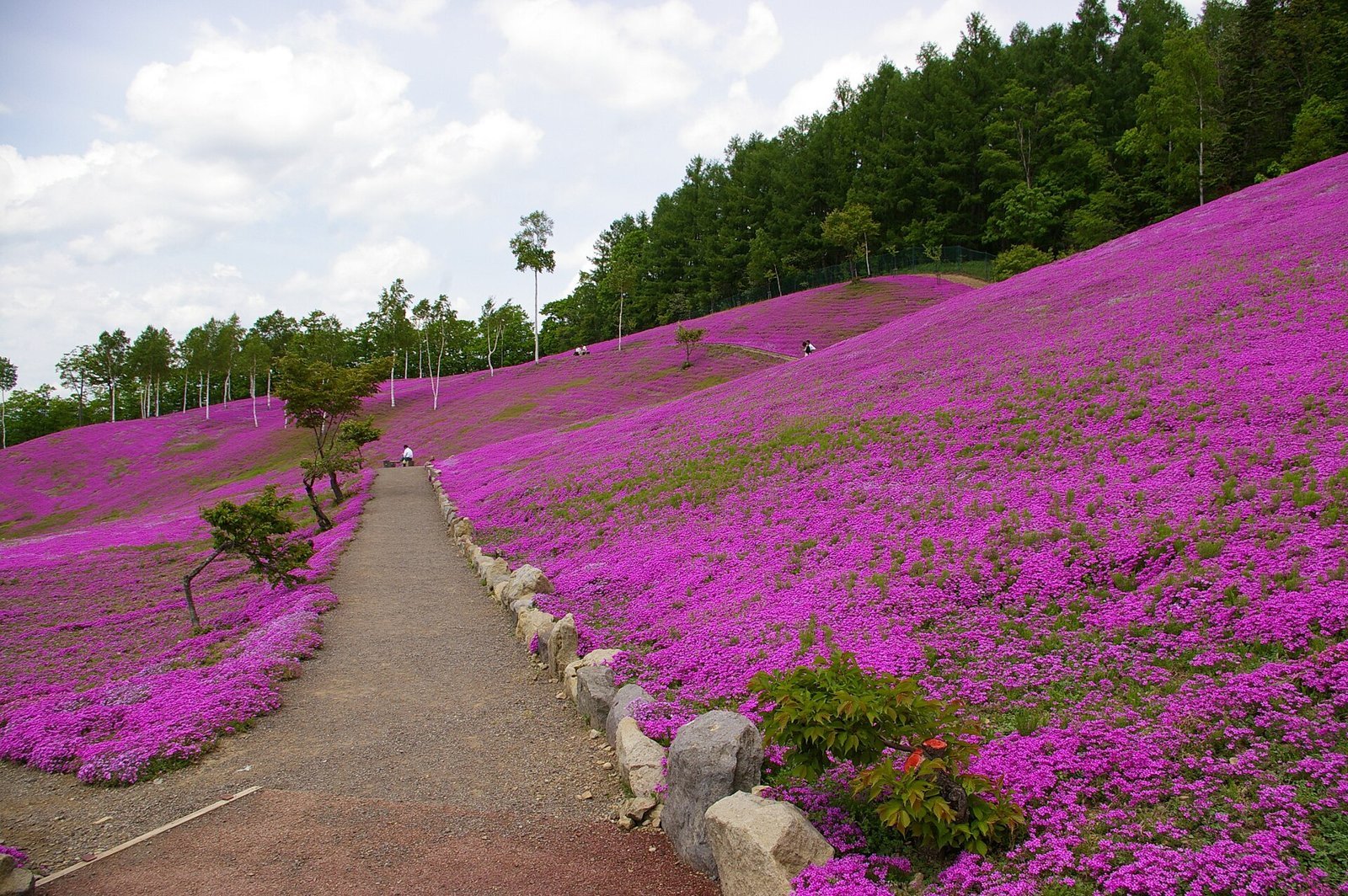
Hokkaido blooms about a month after Kanto, which makes these two parks the late-season option and a good reason to visit in late May or early June. Public transport is thin, so most visitors drive. For a wider northern itinerary, see my Hokkaido guide.
Takinoue Park
Takinoue’s park covers about 100,000 square meters of hillside. The 2026 festival ran from 1 to 31 May, 8:00-18:00. Fees were 500 yen for adults and 250 yen for children, charged only once the bloom reaches about 30%. The peak is usually mid to late May, though snow is still possible: in 2026 the gates opened late one morning after a May snowfall. Parking was free. By car it’s about 50 minutes from Okhotsk Monbetsu Airport, roughly 2 hours from Asahikawa and about 3.5 hours from Sapporo, so plan to stay overnight.
Higashimokoto Shibazakura Park
Higashimokoto, in Ozora town near Abashiri, has about 10 hectares of shibazakura and a campground. The 2026 festival ran from 3 to 31 May, 9:00-17:00. Entry was about 700 yen for adults and 300 yen for elementary children, charged once the bloom passed 30% (I couldn’t open the official fee notice, so check before you go). The usual peak is mid-May into early June. It’s about 45 minutes by car from Memanbetsu Airport, or about 40 minutes by bus from Abashiri.
Other shibazakura spots worth knowing
Chausuyama Highland (Aichi). A mountaintop hill of roughly 400,000 plants in Toyone village, near the Nagano border. The 2026 festival ran from 9 May to 7 June. Entry was free, and the sightseeing lift cost 1,000 yen return. You’ll need a car, but it’s a good late-season option if you’re based in Nagoya.
Not shibazakura: Hitachi Seaside Park in Ibaraki is famous for its blue nemophila in late April, not moss phlox. Tobu Treasure Garden in Gunma still appears on older shibazakura lists, but it closed in 2021.
Best time to go
The rough rule: Kanto (Chichibu, Fuji) from mid-April to mid-May; Hokkaido and high-altitude Aichi from mid-May to early June. A warm spring brings everything forward by a week or so. For the wider picture, see my best time to visit Japan guide.
- Avoid Golden Week if you can. In 2027 the holidays fall on Thursday 29 April and Monday 3 to Wednesday 5 May, so 1-5 May is one continuous run. That brings the biggest crowds, peak Fuji prices and the worst traffic. The weekdays just before or after are much calmer.
- Go early on a weekday. Get there at opening and you’ll have an hour or so before the tour buses arrive.
- Check the bloom report. A festival being “open” does not mean the hill is in full color.
- Cherry blossoms first. Chureito Pagoda and the Lake Kawaguchi sakura festival are typically best in early to mid April, before Fuji’s shibazakura peaks. You’ll only see both in a late cherry year. If sakura is your main goal, read when cherry blossoms bloom in Japan and my top sakura destinations first.
Getting there from Tokyo and Hokkaido
From the US, fly into Haneda (HND), which is closer to central Tokyo, or Narita (NRT). Nonstops take roughly 11-12 hours from Los Angeles and about 14 from New York. Shinjuku is the hub for Fuji and Ikebukuro for Chichibu.
| Route | How | Time (approx) | Cost one way (JPY / approx USD) |
|---|---|---|---|
| Shinjuku to Kawaguchiko Station | Highway bus from Busta Shinjuku | Just under 2 hours (longer in traffic) | About 2,000-2,200 yen ($13-15) |
| Shinjuku to Kawaguchiko Station | Fuji Excursion limited express (direct, reserved seats only) | About 1 hr 55 min | 4,200 yen ($28) |
| Shinjuku to Kawaguchiko Station | JR Chuo Line to Otsuki, then Fujikyu Railway | About 2.5-3 hours with the change | About 2,580 yen ($17) |
| Kawaguchiko Station to Fuji Shibazakura | Fuji Shibazakura Festival Liner bus | About 40 min | 2026 round-trip bus + entry set: 3,000 yen ($20) adult |
| Ikebukuro to Seibu-Chichibu | Seibu Laview limited express | About 77-80 min | 1,700 yen ($11): 800 fare + 900 express fee |
| Asahikawa to Takinoue Park | Rental car | About 2 hours | Rental + fuel; expressway tolls extra |
| Sapporo to Takinoue Park | Rental car | About 3.5 hours | Rental + fuel; expressway tolls extra |
| Memanbetsu Airport to Higashimokoto | Rental car | About 45 min | Rental + fuel |
Tokyo to Fuji Shibazakura
Bus is the cheapest and simplest option. Highway buses from Busta Shinjuku run frequently to Kawaguchiko Station. Book ahead for spring weekends, because they sell out.
Train: the Fuji Excursion runs direct from Shinjuku and costs 4,200 yen after the March 2026 fare change; every seat is reserved. A Japan Rail Pass covers only the JR section from Shinjuku to Otsuki. Beyond Otsuki you’re on Fujikyu Railway, and pass holders paid an extra 1,770 yen (about $12) one way in 2026. Suica and PASMO work on Fujikyu trains, and US iPhone users can add either card to Apple Wallet and top up with a US credit card.
From Kawaguchiko Station, the official festival liner runs non-stop to the venue roughly hourly from about 8:00 (Fuji-Q Highland was not a stop in 2026). Buy the bus-plus-entry set at the station so you only queue once. I couldn’t confirm whether the liner or gate takes foreign credit cards. Carry cash for the bus, entry, parking and stalls; 7-Eleven ATMs reliably accept US cards.
Tokyo to Hitsujiyama
Take the Seibu Laview from Ikebukuro to Seibu-Chichibu. A Suica or PASMO covers the base fare, but you also need a limited express ticket (900 yen) from a machine, a ticket window or Seibu’s online booking. Slower trains with a change are cheaper. Hitsujiyama also fits well into a list of day trips from Tokyo.
Driving
Driving makes the most sense in Hokkaido, and it can work at the Fuji Five Lakes outside Golden Week, when queues can eat up hours. Americans need their state license plus an International Driving Permit from AAA (about $20), issued under the 1949 Geneva Convention, which is the only kind Japan accepts. Get it before you leave the US. Tolls, ETC cards and the rest are in my guide to renting a car in Japan.
Notes for visitors from Singapore, Australia, the UK and Canada
- Singapore: flights to HND or NRT take about 7 hours. Get an IDP from the Automobile Association of Singapore (S$20 walk-in). The MOE March break (13-21 March 2027) is too early for shibazakura. The June holidays start on 29 May 2027, which only catches the end of the Hokkaido and Chausuyama seasons.
- Australia: Sydney to Haneda is just under 10 hours. IDPs come through the state motoring clubs (RACV, RACQ and others). In NSW, Service NSW now issues them instead of NRMA. Australia Post does not issue them. NSW autumn school holidays (12-23 April 2027) line up with the Hitsujiyama peak. Victoria’s (26 March-11 April) suit cherry blossoms better.
- UK: London to Haneda is roughly 13.5-14 hours. Since April 2024, UK IDPs have been sold at PayPoint shops, not the Post Office, for about 5.50 pounds. Easter 2027 is early (28 March), so Easter holidays suit cherry blossoms better. The late-May half term, whose dates vary by council, suits Hokkaido.
- Canada: Toronto to Haneda takes about 14 hours outbound. IDPs come from CAA clubs (around CAD 30). Victoria Day weekend (24 May 2027) is good timing for Takinoue or Higashimokoto.
Day trip or overnight?
Hitsujiyama is an easy day trip: two to three hours covers the walk and the hill. Fuji is a long day from Tokyo, about two hours each way to Kawaguchiko plus 40 minutes on the liner, and it’s only worth it if you start early. I’d rather stay a night by Lake Kawaguchi and go at opening on the clearest morning. If you do, forward your suitcase to your next hotel; my luggage forwarding guide explains how. The Hokkaido parks need at least one night nearby.
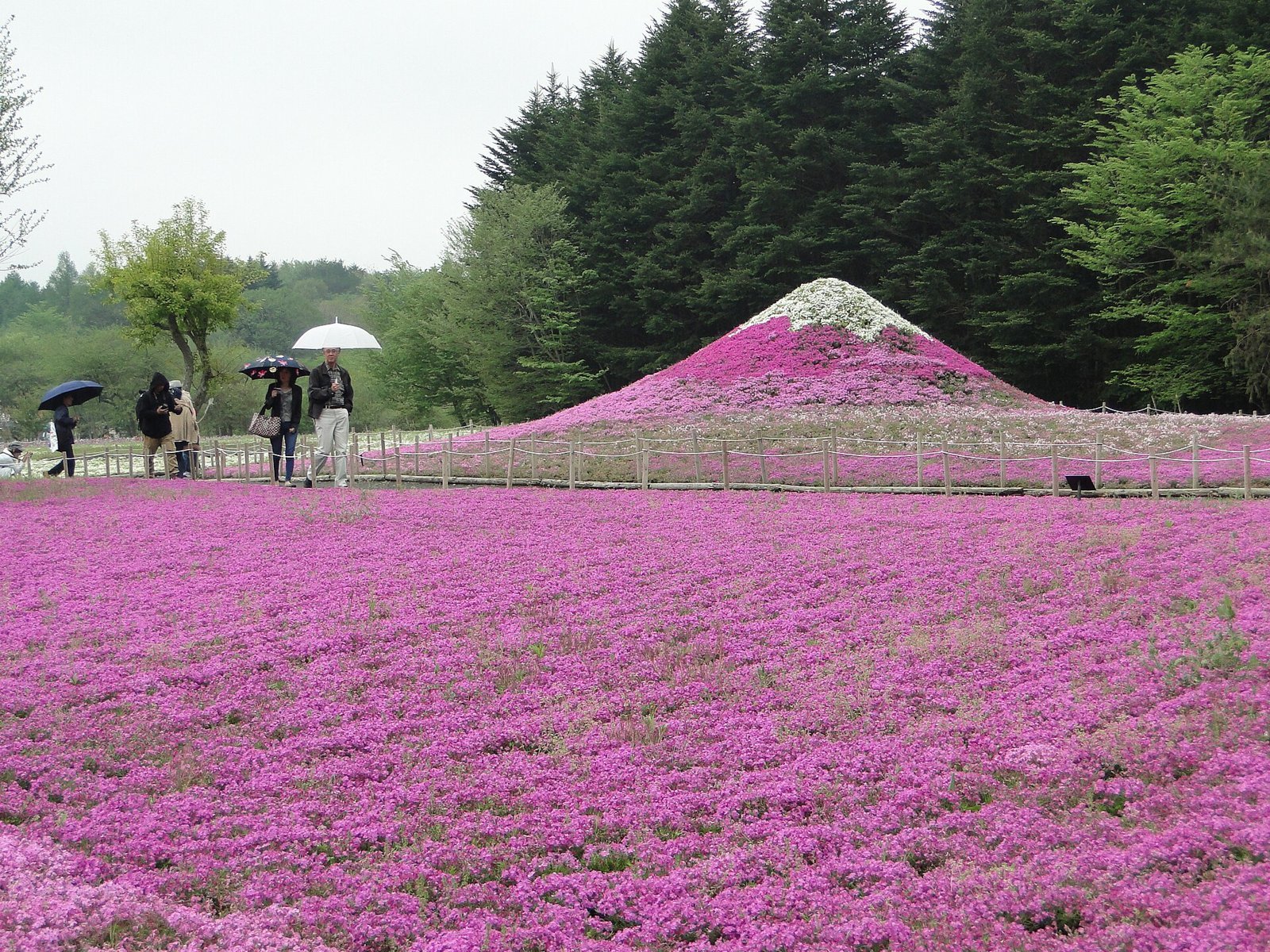
What to bring
The Fuji Five Lakes sit well above 800 m, so spring mornings there can feel cold even when Tokyo is mild. Hokkaido in May can still see snow. Bring layers, shoes for damp grass, sunscreen and cash. A ground sheet is handy at rest areas and for hanami-style picnics elsewhere on the trip. These are research-based picks I haven’t tested myself:
A current guidebook helps fit Fuji, Chichibu and Hokkaido around the rest of your trip. This is the 19th edition, published in July 2026:

Travel guidebooks (item type, not the exact edition). Photo: Vyacheslav Argenberg, CC BY 4.0, via Wikimedia Commons
Lonely Planet Japan (19th edition, 2026)
Current country guide for fitting Fuji, Chichibu and Hokkaido into a wider Japan trip.
Check price on AmazonSpring showers are common around Fuji, and a compact windproof umbrella fits in a day pack:
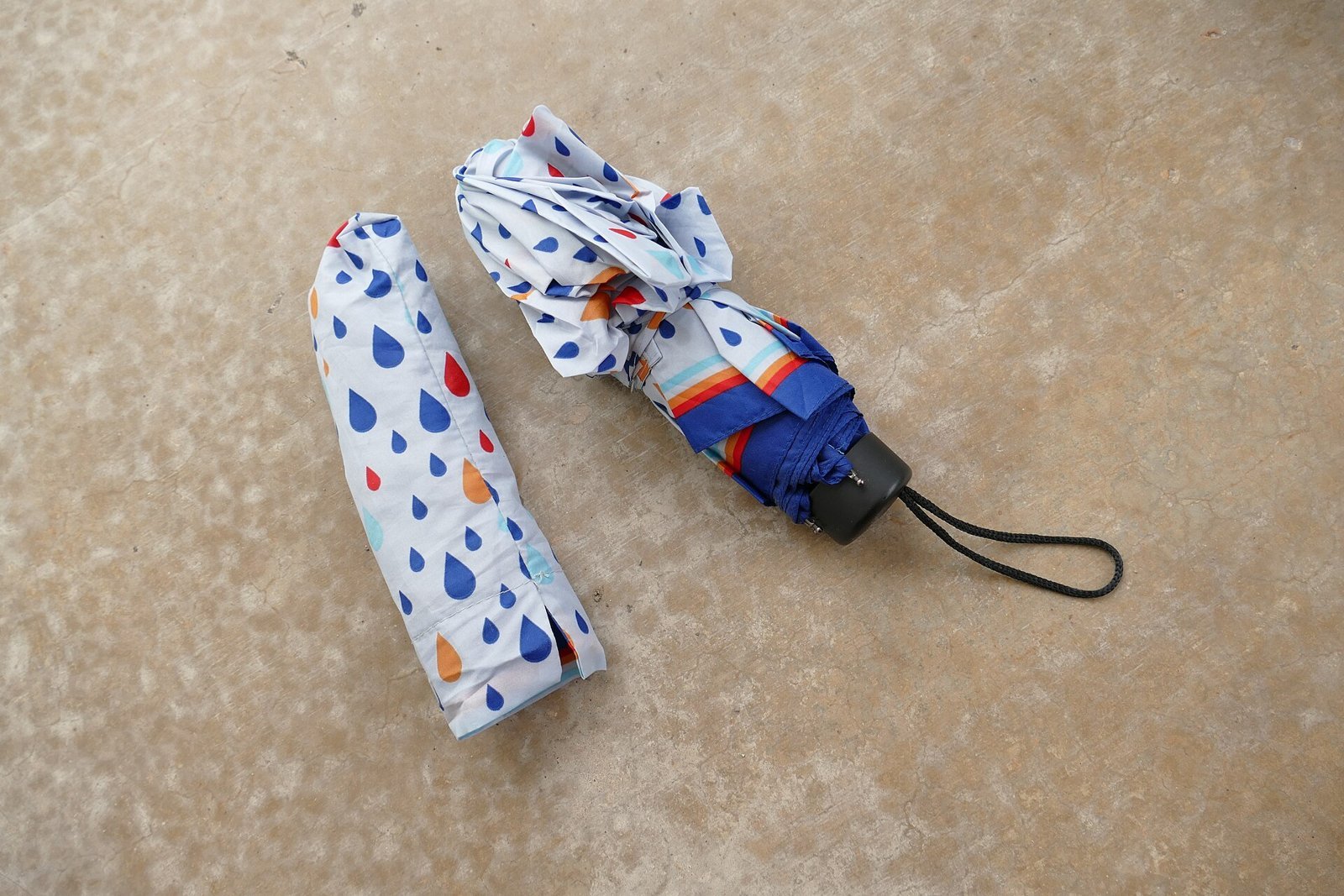
Compact folding umbrella (item type, not the exact product). Photo: Kritzolina, CC BY-SA 4.0, via Wikimedia Commons
Repel Windproof Travel Umbrella
Compact auto-open umbrella that folds small enough for a day pack on showery spring days.
Check price on AmazonA small flexible tripod with a remote lets you take a group photo in front of the hill without asking strangers:
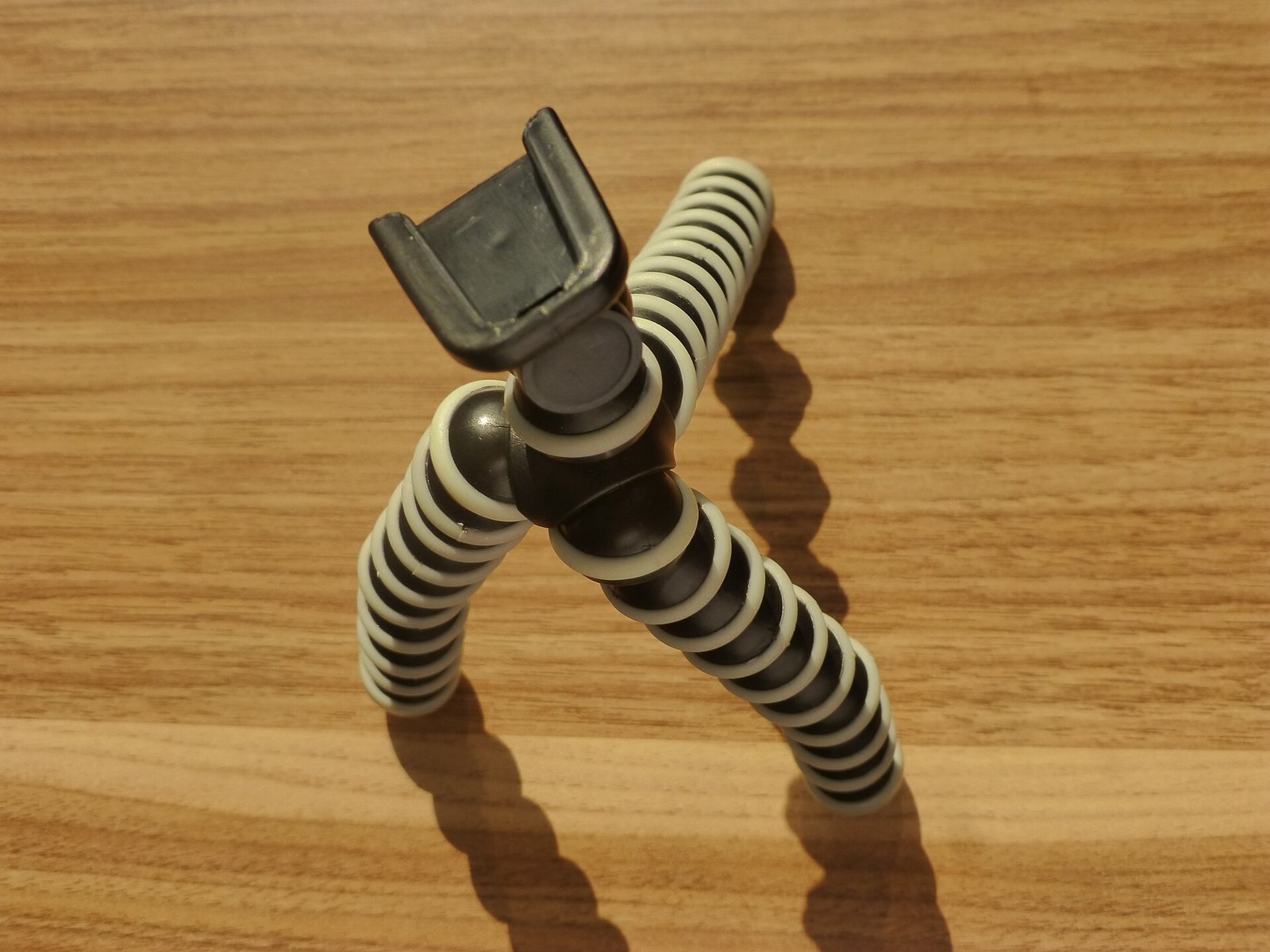
Flexible phone tripod (item type, not the exact product). Photo: Nevit Dilmen, CC BY-SA 3.0, via Wikimedia Commons
UBeesize Phone Tripod Pro S
Flexible mini tripod with a wireless remote for group photos in front of the flower hill.
Check price on AmazonA pocket-sized waterproof blanket weighs little and makes a damp bench or lawn usable:
Picnic ground sheets (item type, not the exact product). Photo: DimiTalen, CC0, via Wikimedia Commons
BEARZ Outdoor Pocket Blanket
Pocket-size waterproof blanket for damp grass, benches and picnic stops.
Check price on AmazonPhotography tips and etiquette
- Stay on the paths. The plants are easily trampled, so don’t step into the beds for a shot.
- No drones. I found no park-specific rule, but Japan’s Civil Aeronautics Act bans flying over event sites without government permission. Assume the answer is no.
- Shoot low and long. A low angle makes the beds look denser, and a short telephoto compresses the stripes against Mt Fuji or Mt Buko. Overcast light keeps the pinks from blowing out.
- Keep tripods small and out of the walkways when it’s busy.
FAQ
When is shibazakura season in 2027?
No 2027 dates had been announced as of late October 2026. Based on 2026, expect Hitsujiyama to peak from mid-April to early May. The Fuji festival is likely to run from mid-April to late May, peaking in late April and the first weeks of May. The Hokkaido parks usually peak from mid-May into early June. Official dates usually appear early in the year.
Is shibazakura the same as cherry blossoms?
No. Shibazakura is moss phlox, a low ground-cover plant from North America. The name means “lawn cherry” because the small flowers look like cherry blossoms. It blooms later, so you can often see sakura in early April and shibazakura a few weeks later.
How do I get to the Fuji Shibazakura Festival from Tokyo?
Take a highway bus from Busta Shinjuku (about 2,000-2,200 yen) or the Fuji Excursion train (4,200 yen) to Kawaguchiko Station. Both take about two hours. From there, the festival liner bus takes about 40 minutes, and a 2026 round-trip bus and entry set cost 3,000 yen.
How much is the entry fee?
In 2026, Fuji cost adults 1,000 yen, or 1,300 yen in the peak window (about $7-9). Hitsujiyama and Takinoue charged 500 yen, and Higashimokoto about 700 yen. Chausuyama was free. Fees usually apply only during the bloom.
Can you see Mt Fuji from the shibazakura festival?
Yes, on clear days Mt Fuji rises directly behind the flower beds. Cloud often hides it, especially in the afternoon, so early mornings give you the best odds.
Hitsujiyama or Fuji: which is better?
Fuji has the bigger display and the famous mountain view, but it’s a longer, pricier trip and the cloud is a gamble. Hitsujiyama is cheaper, faster from Tokyo and blooms a little earlier. If your dates are fixed, it’s the safer bet.
Is it worth it, and how long should I spend?
Near peak bloom, yes, especially Fuji on a clear morning. Allow one and a half to two hours at Fuji and about an hour at Hitsujiyama, plus travel. Check the bloom report first.
When does shibazakura bloom in Hokkaido?
About a month after Tokyo. Takinoue usually peaks in mid to late May, and Higashimokoto from mid-May into early June. Late snow can push both back.