
As an Amazon Associate, Chasing Cherry Blossoms earns from qualifying purchases. We may also earn from other affiliate links on this page at no extra cost to you.
Discover the Best Tokyo Attractions: A Guide to Unforgettable Sightseeing
Tokyo is one of my favorite cities in the world. It mixes shrines and skyscrapers, quiet gardens and neon crossings, and there is far more to see than any one trip allows. After a few visits, I’ve learned that a rough plan makes the difference between a blur of train stations and a trip you actually remember. This guide covers the places I’d put on a first-timer’s list, with prices in yen and practical tips for 2026-27.
Prices and hours change often, so check each official website shortly before you go. Where I couldn’t confirm a figure, I’ve kept the wording general.
Planning Your Tokyo Trip
When to Go
Spring (late March to April) and autumn (October to November) are the most comfortable seasons. Cherry blossoms in Tokyo usually open in late March, and full bloom is typically from late March to early April. The Japan Meteorological Corporation and other forecasters publish sakura forecasts from roughly the start of the year, and they shift a little every year. Check them about a month before you fly, and stay flexible. Summer is hot and humid, and winter is dry, cold and often clear, which is good for views of Mt. Fuji.
Getting Around
Most Tokyo sights are easy to reach by train and subway. A rechargeable IC card (Suica or PASMO) covers nearly all of it, and you can add one to your phone’s wallet. A nationwide JR Pass is rarely worth it for a Tokyo-only trip. Since the October 2023 price rise, the 7-day ordinary pass costs 50,000 JPY when bought on the official site (slightly more through overseas agents). It only makes sense if you’re also taking several long-distance bullet train rides, so compare it against individual tickets first. Nozomi and Mizuho trains also need an extra ticket for pass holders.
Mobile data helps with maps and train apps. I use an eSIM so I’m connected the moment I land.
Tokyo Tower: A Classic Landmark with Great Views
Tokyo Tower stands 333 meters tall. It opened in 1958 and was inspired by the Eiffel Tower, though it’s taller. The Main Deck is at about 150 meters, and a separate Top Deck tour goes higher, to about 250 meters. On a clear day you may spot Mt. Fuji in the distance. I like it best at night, when the tower is lit up.
Main Deck admission is roughly 1,200-1,500 JPY for adults, and the Top Deck tour costs extra (a few thousand yen); check the official site for current prices. The tower also has shops and restaurants at its base.
Shibuya: Crossing, Hachiko and Nightlife
Shibuya Crossing is one of the busiest pedestrian intersections in the world. Hundreds of people cross at once whenever the lights change. I like watching it from above and then walking through it myself. Nearby Shibuya Sky, an open-air rooftop observation deck, is a popular vantage point, but tickets are timed and often sell out, so book ahead (adult prices are roughly 2,500-3,700 JPY depending on time of day and booking method).
Don’t miss the Hachiko statue outside the station. It honors the loyal Akita dog who kept waiting for his owner at Shibuya Station after the owner’s death, and it’s the city’s most popular meeting spot. Around it you’ll find department stores, boutiques, restaurants and bars, so Shibuya is just as busy after dark.
Asakusa and Sensoji Temple
Sensoji is Tokyo’s oldest temple, traditionally dated to the 7th century (645), and it’s dedicated to the bodhisattva Kannon. Entry is free, and the grounds are open around the clock. The main hall is generally open from early morning until late afternoon, with slightly shorter hours in winter; check the temple’s site for current times.
What to See
- Kaminarimon Gate: the entrance, with its giant red lantern.
- Nakamise Street: a lively shopping lane with snacks, souvenirs and crafts. Many stalls close by late afternoon, so come earlier in the day.
- The main hall: make an offering, try an omikuji fortune (a small fee, usually a few hundred yen at most) and soak in the incense smoke.
- Nearby: Asakusa Shrine and the Hanayashiki amusement park.
Asakusa’s biggest festival is Sanja Matsuri, held in May. I’d come early on weekdays to avoid the heaviest crowds.
Meiji Shrine: A Forest in the City
Next to Harajuku, Meiji Shrine sits inside a large forest. It was completed in 1920 to honor Emperor Meiji and Empress Shoken, and the walk in under huge torii gates is a calm break from the city. The main hall is built of cypress in a traditional style. Entry is free, and the shrine opens at sunrise and closes at sunset. If you’re lucky you may see a traditional wedding procession. On New Year’s, Hatsumode brings millions of visitors to pray for the year ahead.
Mori Art Museum and Roppongi Hills
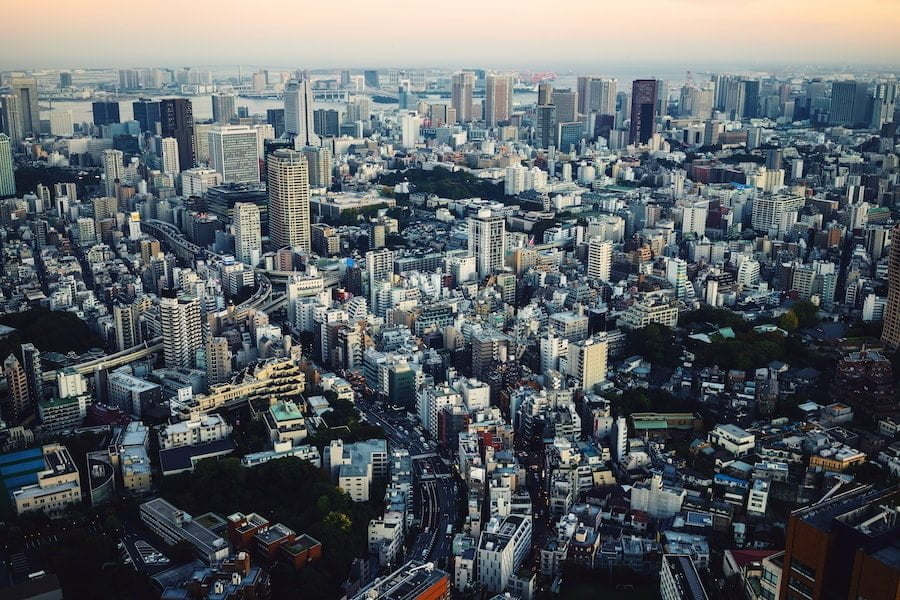
The Mori Art Museum is on the 53rd floor of Roppongi Hills Mori Tower and focuses on contemporary art from Japan and abroad. Admission varies by exhibition, so check the museum’s site for current prices. It is usually open until 22:00 on most days (earlier on Tuesdays). Your ticket may include entry to the Tokyo City View observation deck, where you can see Tokyo Tower, Tokyo Skytree and the city sprawling out in every direction. It’s a good rainy-day plan.
The Imperial Palace and East Gardens
The Imperial Palace stands on the site of the former Edo Castle, and it’s still the residence of the imperial family. You can’t go inside the palace itself on a normal visit, but the Imperial Palace East Gardens are open to the public for free. They have lawns, ponds, old stone walls and cherry trees, and the foliage is lovely in autumn. The gardens are closed on certain days each week (generally Mondays and Fridays) and in some holiday periods, so check the schedule first. Inside the moat you’ll also find the reconstructed palace grounds, which make an easy walk from Tokyo Station.
Ginza: Shopping and Dining
Ginza is Tokyo’s high-end shopping district, with luxury brands, big department stores and a huge range of restaurants, from Michelin-starred places to casual lunch counters. It’s also a pleasant place to simply walk. On weekends the main street, Chuo Dori, is closed to cars for part of the day, so you can stroll in the middle of the road (usually from around noon to 5 or 6 p.m.; check current hours). Even if you’re not shopping, the architecture and cafes are worth the detour.
Ueno Park: Cherry Blossoms and Museums
Ueno Park is one of the best places in Tokyo for hanami. In the sakura season, usually from late March to early April, the trees along the main path are packed with picnickers, snack stands and lanterns. It’s busy, so go on a weekday morning if you can.
Outside bloom season, the park still has plenty to offer: the Tokyo National Museum (there is an admission fee; check the museum’s site for current prices), the National Museum of Nature and Science, and Ueno Zoo, which is Japan’s oldest zoo. Shinobazu Pond is home to lots of birds and, in summer, a large lotus bed. If you’re tracking blossoms, see our other sakura posts for forecasts and spot-by-spot tips.
Odaiba: Bay Views and Digital Art
Odaiba is a waterfront district on reclaimed land in Tokyo Bay, known for its malls, entertainment and views of the Rainbow Bridge, which lights up at night. Odaiba Seaside Park is a nice place for a sunset walk. It’s popular with families.
A quick update, because the original version of this post mentioned teamLab Borderless in Odaiba. That museum closed at its old location in 2022 and reopened in 2024 in Azabudai Hills, in central Tokyo. If you want an immersive digital art experience, teamLab Planets in Toyosu is another option. Both are timed-entry and usually cost several thousand yen, so reserve ahead.
Harajuku: Quirky Street Fashion
Harajuku is where Tokyo’s youth fashion and pop culture show up in full color. Takeshita Street is a narrow pedestrian lane packed with clothing shops, crepe stands and accessories, and it’s very crowded on weekends. For a calmer walk, try the side streets around Omotesando. Since Meiji Shrine is right next door, I like to pair the two: shrine in the morning, street food in the afternoon. Togo Shrine, dedicated to Admiral Togo Heihachiro, is a small, quiet stop nearby.
Where to Stay
Shinjuku, Tokyo Station and Ueno are all convenient bases with strong train links. Shibuya and Asakusa are good if you want a particular atmosphere. Book early for cherry blossom season, as rooms fill up and prices rise.
Final Thoughts
Pack comfortable walking shoes, since you’ll walk a lot. Pick a few areas per day, group them by neighborhood and leave some time to wander. Tokyo rewards curiosity. If you’re also thinking about food, my article on Japanese lunch boxes is a good companion read: Japanese Bento Box: Exploring the Exquisite Art of the Japan Lunch Box.
FAQ
What are the best attractions in Tokyo for first-timers?
Sensoji Temple, Meiji Shrine, Shibuya Crossing, the Imperial Palace East Gardens and a view from Tokyo Tower or Shibuya Sky are great starting points. Add Ueno Park if you’re visiting in cherry blossom season.
What is the best time to visit Tokyo?
Spring (late March to April) and autumn (October to November) have the mildest weather. Cherry blossoms usually peak from late March to early April, though the exact dates vary each year.
How many days do I need in Tokyo?
Three to five days covers the main highlights at a comfortable pace. With a week, you can add day trips.
Do I need a JR Pass for Tokyo?
Usually not. The 7-day ordinary pass is 50,000 JPY when bought on the official site after the October 2023 price rise, so it only pays off if you take several long-distance trains. For Tokyo itself, an IC card is enough.
Which Tokyo attractions are free?
Sensoji Temple, Meiji Shrine and the Imperial Palace East Gardens are free to enter, and Shibuya Crossing and Ueno Park’s grounds cost nothing either.
Is Tokyo Tower still worth visiting?
Yes, especially for its classic look and the night illumination. If you want a taller or more modern view, Shibuya Sky and the Mori Tower’s Tokyo City View are good alternatives.