
As an Amazon Associate, Chasing Cherry Blossoms earns from qualifying purchases. We may also earn from other affiliate links on this page at no extra cost to you.
If you are in Japan on a November weekend, walk into almost any big shrine and you will see small children in miniature kimono and hakama, clutching long paper bags of candy while parents and grandparents line up the perfect photo. That is Shichi-Go-San, one of the gentlest and most photogenic family traditions in the Japanese calendar.
This guide covers both sides: what you will see as a visitor (and how to watch without intruding), and how to do a Shichi-Go-San shrine visit, kimono rental and photo shoot with your own 3- to 7-year-old in 2026, with shrine offerings and prices checked in late October 2026.
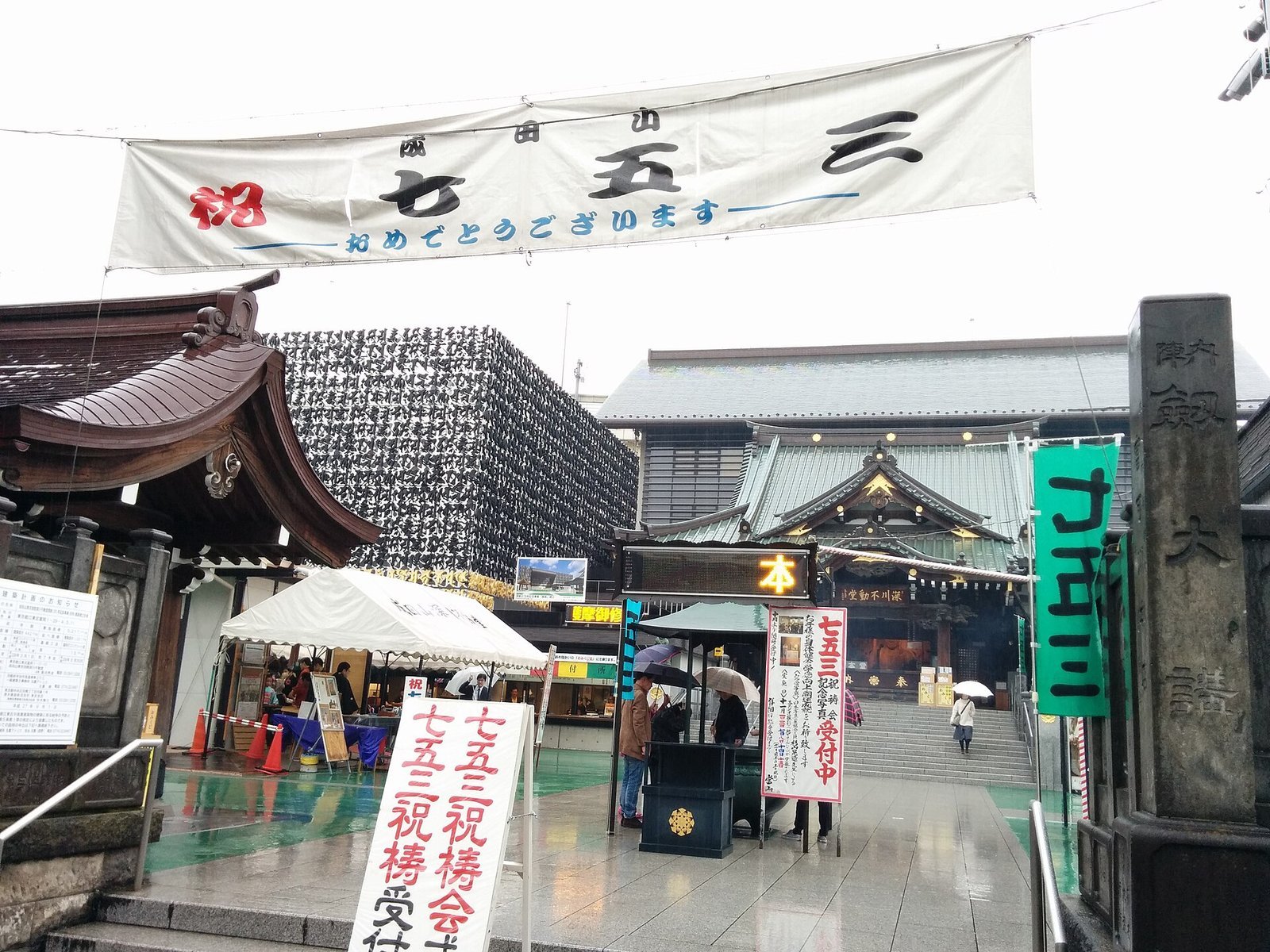
Quick answer: Shichi-Go-San (“seven-five-three”) is Japan’s rite of passage for children aged 3, 5 and 7: traditionally boys and girls at 3, boys at 5 and girls at 7. The nominal date is 15 November (a Sunday in 2026), but families visit shrines on convenient days from October to late November, busiest on November weekends. Children dress in kimono or hakama, the family receives a short gokito prayer, collects chitose-ame candy and often books a photo shoot. It is not a public holiday. Visitors are welcome to watch respectfully from a distance, and foreign families can book a shrine prayer and kimono rental too. Budget from about ¥5,000 (~$32) for the prayer alone to ¥40,000-100,000 (~$255-635) with rental and photos.
| Age | Traditionally for | Old rite | Typical outfit today | Notes |
|---|---|---|---|---|
| 3 | Girls and boys | Kamioki (髪置) – “leaving the hair”, when a child’s hair was allowed to grow | Kimono with a sleeveless padded hifu (被布) vest, no full obi | Today mostly girls; some families also celebrate boys at 3 |
| 5 | Boys | Hakamagi (袴着) – first wearing of hakama trousers | Crested (montsuki) kimono with haori jacket and hakama | The classic “little samurai” look |
| 7 | Girls | Obitoki (帯解) – switching from tie cords to a real obi | Full kimono with a proper obi and accessories such as a hakoseko (decorative purse) | The most elaborate dressing of the three |
| Age can be counted the traditional way (kazoe-doshi) or by actual age (man-nenrei). Both are accepted; most families now use actual age – see below. | ||||
Map: where to see Shichi-Go-San in Tokyo, Kyoto and Osaka
- Meiji Jingu – Tokyo's best-known shrine; Shichi-Go-San prayers daily from 5,000 yen (~$32), no booking. Directions
- Kanda Myojin – Central shrine near Akihabara; from 10,000 yen (~$63), walk-in, reception 9:00-15:45. Directions
- Hie Jinja (Akasaka) – Prayer from 10,000 yen (~$63), about 20 min; weekday all-in plan to 15 Dec 2026. Directions
- Nezu Shrine – Old-Tokyo atmosphere; from 10,000 yen (~$63), chitose-ame given; weekend mornings very busy. Directions
- Sensoji – Buddhist temple; holds a Shichi-Go-San blessing around 15 November. Directions
- Asakusa Shrine – Next to Sensoji; Shichi-Go-San period Oct to end Nov, booking recommended. Directions
- Yasaka Shrine (Gion, Kyoto) – Early Oct to late Nov; from 8,000 yen (~$51), no booking; chitose-ame and a toy given. Directions
- Heian Jingu (Kyoto) – Oct-Nov Shichi-Go-San period; from 6,000 yen (~$38), about 20 min. Directions
- Kitano Tenmangu (Kyoto) – 5,000 yen (~$32) per child; volunteers help with kimono on early-mid Nov weekends. Directions
- Fushimi Inari Taisha (Romon gate) – Prayers Oct-Nov, but most visitors come for the torii-gate hike. Directions
- Sumiyoshi Taisha (Osaka) – 10,000 yen (~$63) per child, 15,000 for two; no photos during the prayer. Directions
- Osaka Tenmangu – Central Osaka shrine; from 10,000 yen (~$63), no booking needed. Directions
What is Shichi-Go-San?
Shichi-Go-San (七五三) literally means “seven-five-three”. Families take children who have reached these ages to a shrine to give thanks for healthy growth so far and to ask for protection in the years ahead. It grew out of an era when many children did not survive early childhood, so reaching 3, 5 or 7 genuinely was worth marking. For how rites like this fit into wider Japanese life, see my guide to Japanese culture for travellers.
Why 15 November? Nobody knows for certain. The most-repeated story says the Tokugawa shogun Tsunayoshi held a celebration for his young son Tokumatsu on this day, but Japanese encyclopedias treat that as a popular tradition rather than established fact. Other explanations link the date to kishukunichi (鬼宿日), considered the most auspicious day in the old calendar, or to harvest festivals held in the eleventh month.
It is not a public holiday. The only November holidays in Japan are Culture Day (3 November) and Labor Thanksgiving Day (23 November), so families spread their visits across weekends and those holidays. My guide to public holidays in Japan lists the full calendar.
The season is longer than one day. Most families go on a weekend between mid-October and late November. Several shrines formally run a Shichi-Go-San period through October and November (Heian Jingu and Fushimi Inari both state this for 2026; Yasaka Shrine says early October to around the end of November), and many accept the prayer year-round. In Hokkaido, where snow comes early, the regional newspaper reports that many families celebrate in October instead.
The ages: 3, 5 and 7, and how to count them
Practice today varies by region and family. The most common modern pattern is girls at 3 and 7 and boys at 5, with plenty of families also celebrating boys at 3. Some regions historically marked the “3” rite at 4, or celebrated only 3 and 7. (Kansai also has a separate spring rite for 13-year-olds, jusan-mairi.) There is no single “correct” version.
Kazoe-doshi vs actual age: a worked example
Traditionally Japan used kazoe-doshi (数え年): a baby is 1 at birth, and everyone gains a year on 1 January. Today most people use man-nenrei (満年齢), your actual age, counted from your birthday as in the US.
- A child born in 2023 was 1 (kazoe) in 2023, 2 from New Year 2024 and 3 from New Year 2025 – so by traditional counting their “age 3” Shichi-Go-San was in autumn 2025. By actual age they turn 3 during 2026, so they celebrate in autumn 2026.
- A boy born in 2021 reached kazoe 5 in 2025, and turns 5 by actual age in 2026.
Both methods are accepted by shrines. In one 2024-25 analysis of about 7,000 customers at a Japanese photo studio chain, roughly nine in ten used actual age. Families also juggle siblings (doing two children in one year) and a child’s temperament – so if you are flying in from abroad, choose whichever year works best.
A short history
The three rites behind Shichi-Go-San – kamioki, hakamagi and obitoki – are usually traced to the court aristocracy of the Heian period (794-1185), though some (such as obitoki) are better documented from later centuries. In the Edo period (1603-1868) the customs spread among samurai families and wealthy townspeople in Edo (Tokyo). Japanese reference works differ on exactly when the combined name “Shichi-Go-San” took hold: it was in use in Edo and became prominent in Meiji-era Tokyo, and according to Japan’s National Diet Library it only became a nationwide custom after World War II.
What children (and parents) wear
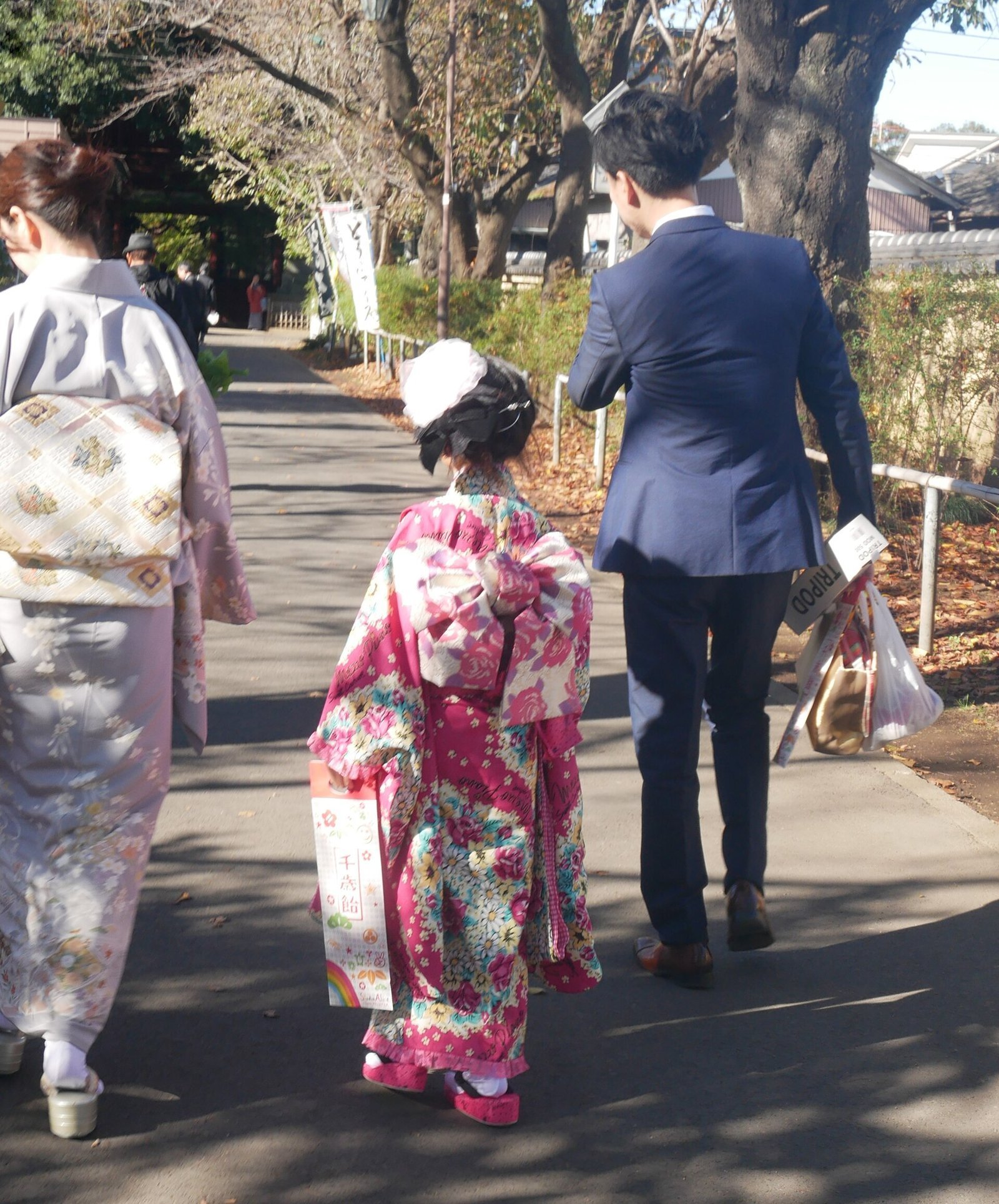
- Age 3: a kimono with a hifu, a soft sleeveless overvest, instead of a full obi – comfortable for a toddler.
- Age 5: a crested montsuki kimono with haori jacket and pleated hakama.
- Age 7: a girl’s first “grown-up” kimono (a child-size cut called yotsumi, 四つ身) with a properly tied obi, plus accessories such as obiage, obijime and a small decorative purse (hakoseko) tucked into the collar. Dressing alone typically takes around 30 minutes.
Girls’ hair is usually put up with kanzashi ornaments. (Long-sleeved furisode are for young women at Coming-of-Age Day, not small children.) Plenty of families skip kimono and go in a smart dress or suit, and parents wear either kimono or formal Western clothes.
What happens at the shrine
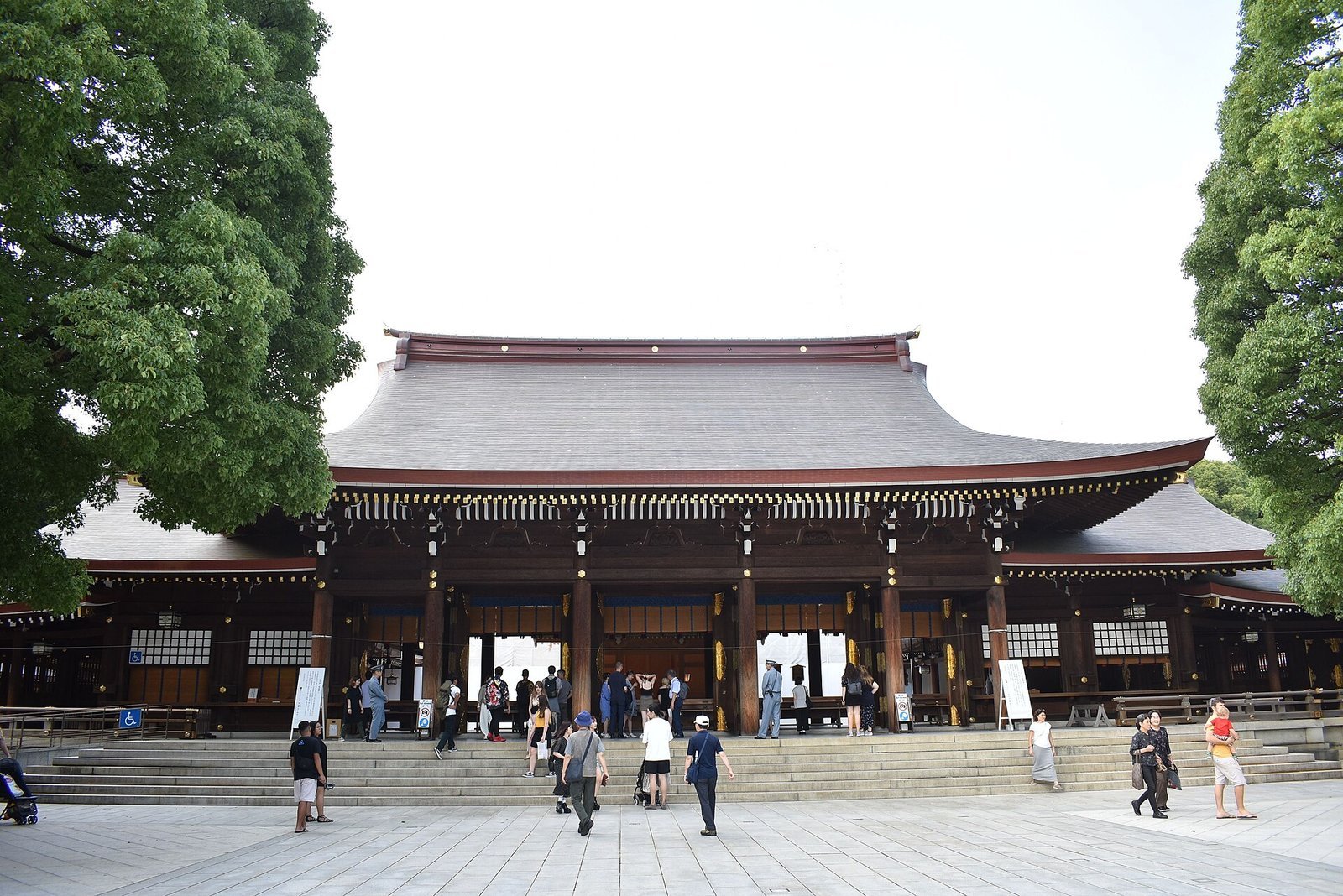
- Purify at the temizuya. Rinse your left hand, then your right, then pour a little water into your cupped left hand to rinse your mouth (never drink from the ladle). Follow any signs at the shrine, as the order varies slightly.
- Apply at the prayer reception. Fill in a short form with the child’s name, age and address, and hand over the hatsuho-ryo (初穂料), the offering for the prayer, usually in cash.
- The gokito prayer. Families are called in groups into the prayer hall, where a priest purifies everyone and reads a prayer that includes each child’s name. At Meiji Jingu the ceremony itself lasts about 25 minutes (40-60 minutes with waiting); Hie Jinja and Nezu Shrine quote about 20 minutes.
- Gifts. Families usually leave with an amulet or talisman and, at many shrines, chitose-ame and a small toy or keepsake.
- Photos and a meal. Many families take photos on the grounds, then go out for a celebratory lunch.
Can foreign or non-Shinto families take part? Yes, at many shrines. Meiji Jingu’s English prayer page states plainly that those who are not of the Shinto faith may also attend, while noting that all guidance is in Japanese and only cash yen is accepted. Most other shrines simply take anyone who fills in the form. Temples join in too: Sensoji in Asakusa holds a Buddhist Shichi-Go-San blessing around 15 November.
Chitose-ame: the “thousand-year candy”
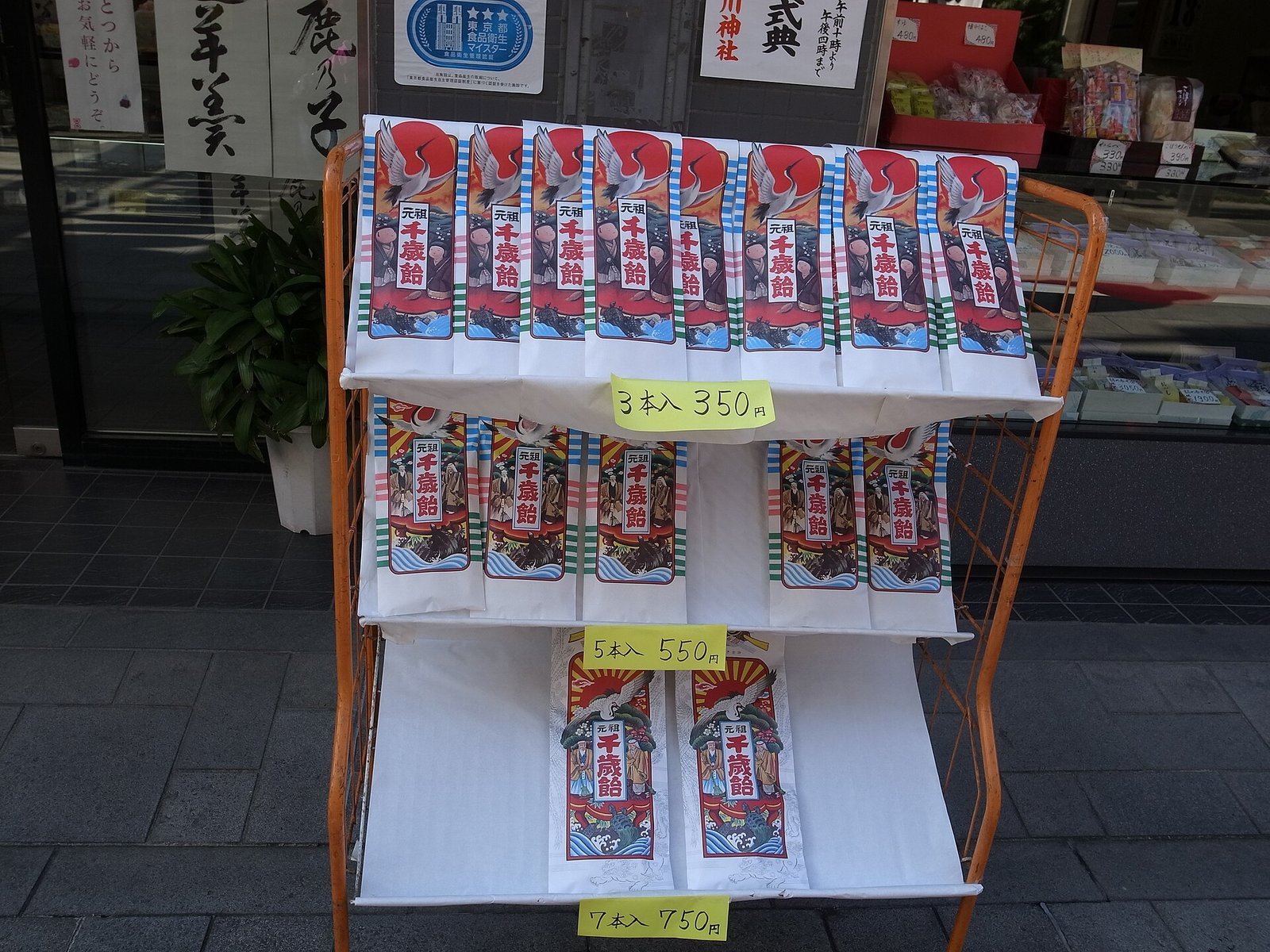
Chitose-ame (千歳飴) means “thousand-year candy”: long, thin sticks of red and white candy that stretch, symbolically, toward a long life. They come in tall paper bags printed with cranes and turtles (both longevity symbols), the character for celebration, and often pine, bamboo and plum. The commonly cited origin story, recorded by Japan’s National Diet Library with the caveat that there are several theories, credits an Asakusa candy seller named Shichibei in the Genroku-Hoei era (1688-1711).
Many shrines include chitose-ame with the prayer (Yasaka Shrine, Heian Jingu, Kitano Tenmangu, Nezu Shrine and Sumiyoshi Taisha all mention it). In season you can also buy it at shrine shops and department store food halls; a single stick sold for about ¥200 at Takashimaya in 2025. It makes a light souvenir – see my Japanese gift guide for other ideas and gifting etiquette.
Where to see (or do) Shichi-Go-San in 2026
Offerings below were checked on each shrine’s official site in late October 2026 and are minimums (“from”) unless stated. Most of these shrines take walk-ins for the standard prayer during reception hours – check the official site before you go.
Tokyo
- Meiji Jingu (Harajuku/Yoyogi): Tokyo’s best-known shrine. Prayers daily from about 9:00, roughly every 30 minutes, offering from ¥5,000 (~$32); no reservation for individuals. Expect crowds on November weekends.
- Kanda Myojin (near Akihabara): A colorful, central shrine. Offering from ¥10,000 (~$63), reception 9:00-15:45, no reservations taken.
- Hie Jinja (Akasaka): Offering from ¥10,000 (~$63), about 20 minutes, no reservation needed. It also runs a weekday all-in “nagomi” plan (see costs below) until 15 December 2026.
- Nezu Shrine (Bunkyo): A quieter, old-Tokyo atmosphere. Offering from ¥10,000 (~$63), about 20 minutes, chitose-ame given after the prayer; the shrine warns November weekend mornings are very crowded.
- Sensoji and Asakusa Shrine (Asakusa): Side by side. Asakusa Shrine runs its Shichi-Go-San period from October to the end of November, with no fixed offering and booking recommended; Sensoji holds a Buddhist blessing around 15 November. Pair it with my Asakusa guide.
For more places to experience traditional Tokyo, see Tokyo’s top spots for traditional culture.
Kyoto and Osaka
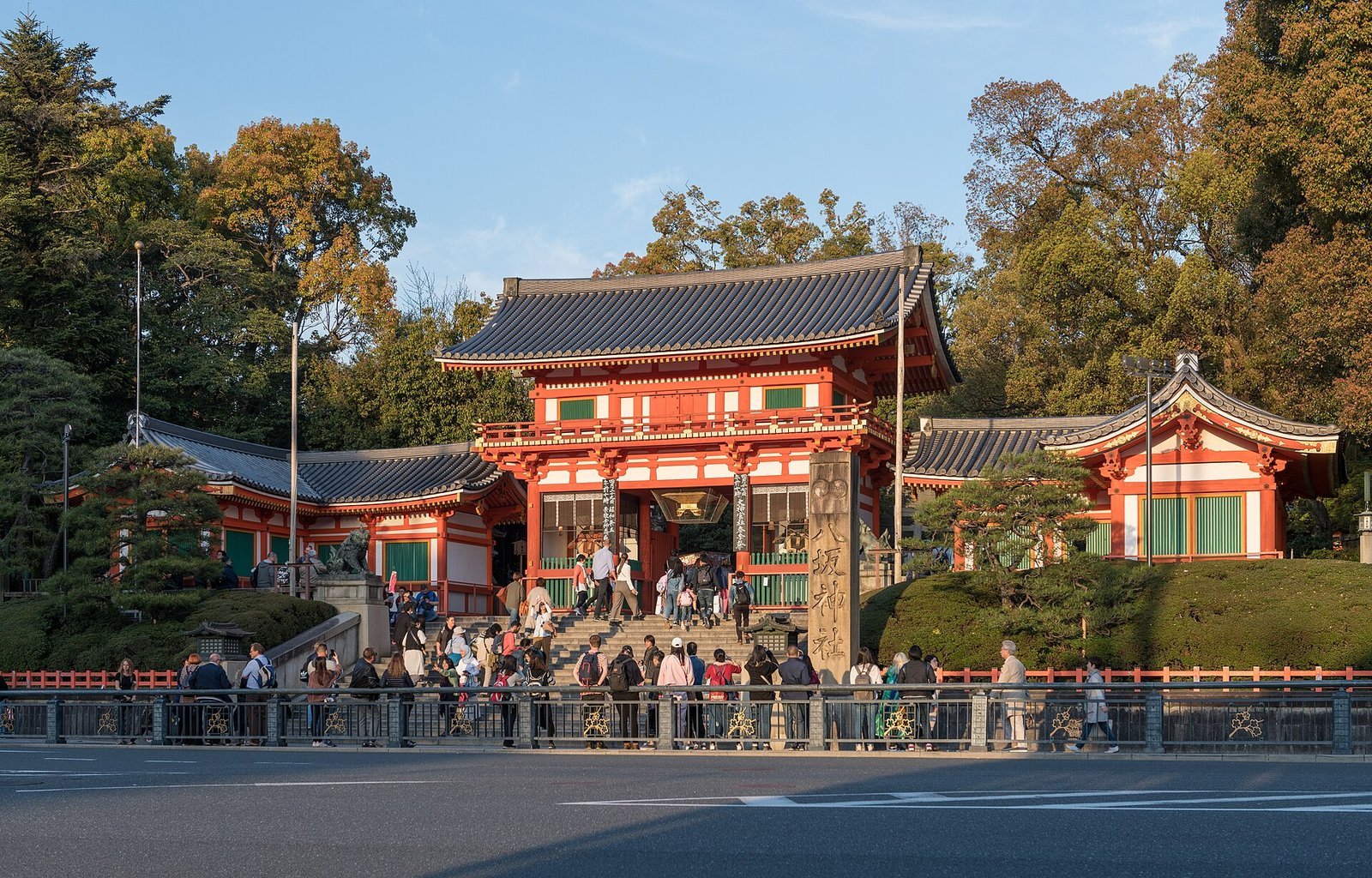
- Yasaka Shrine (Gion, Kyoto): Shichi-Go-San prayers from early October to around the end of November, from ¥8,000 (~$51), no reservations; chitose-ame and a keepsake toy are given.
- Heian Jingu (Okazaki, Kyoto): A special Shichi-Go-San period in October and November, from ¥6,000 (~$38), about 20 minutes, with chitose-ame, a bamboo-leaf charm and a toy.
- Kitano Tenmangu (Kyoto): ¥5,000 (~$32) for one child, ¥8,000 (~$51) for two; on early-to-mid November weekends volunteers help straighten children’s kimono.
- Sumiyoshi Taisha (Osaka): Osaka’s grand shrine, with its famous arched bridge. ¥10,000 (~$63) for one child or ¥15,000 (~$95) for two siblings; no photography during the prayer.
- Osaka Tenmangu (Osaka): A central, easy-to-reach option; Shichi-Go-San prayers from ¥10,000 (~$63), no booking required.
Fushimi Inari Taisha also offers Shichi-Go-San prayers in October and November, but most visitors come for the torii-gate hike rather than the ceremony. For the rest of the city, see my Kyoto attractions guide.
When to go in 2026
- Peak days: Saturday-Sunday 7-8, 14-15 and 21-22 November, plus Monday 23 November (Labor Thanksgiving Day). Sunday 15 November is the symbolic date and will be extremely busy. 31 October, 3 November (Culture Day) and 28-29 November are also popular.
- Quieter: weekday mornings, and late October.
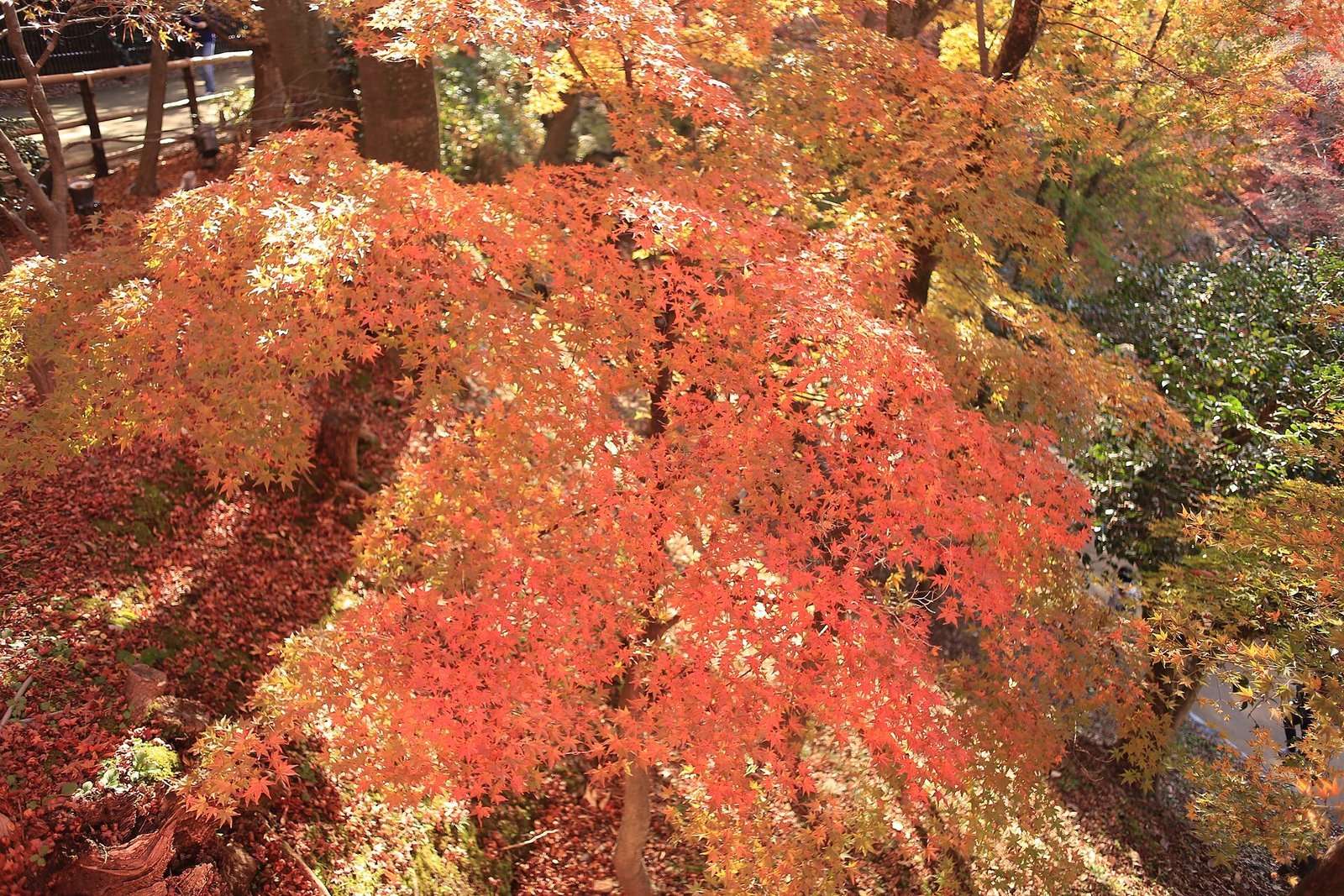
- Autumn leaves: Tokyo’s ginkgo and maple colors usually peak from late November into early December, and Kyoto’s around late November, so late November trips get both. See my Tokyo autumn foliage guide.
- For Americans: US Thanksgiving is Thursday 26 November 2026, so a Thanksgiving-week trip catches the tail of the season. The weekend of 21-23 November is the sweet spot.
For a wider view of November crowds and prices, see the best time to visit Japan.
Visitor etiquette: watching and photographing respectfully
Shichi-Go-San is a private family rite, not a show, and the children are not attractions. If you are in Tokyo on a November weekend, a quiet walk through a big shrine is lovely – just keep it respectful:
- Never photograph children without their parents’ clear permission. General scenes of a shrine with people far in the background are fine; close-ups of someone else’s child are not. If in doubt, don’t.
- Don’t follow families around the grounds or wait for them to pose.
- Don’t enter the inner prayer hall or photograph through its doors during a ceremony; many shrines forbid photography inside.
- Don’t block photo spots such as the main gate or torii; families and their hired photographers often have only a short slot.
- Keep voices low, stay clear of the prayer reception queue, and follow staff instructions. Normal neat clothes are fine for visitors.
Doing Shichi-Go-San with your own child in Japan
Here is what a realistic 2026 Shichi-Go-San day costs for a visiting family. Prices are in yen with US dollars at roughly $1 = 158 yen (late October 2026, rounded – rates move).
| Item | Typical range (JPY) | ~USD | Notes / where to book |
|---|---|---|---|
| Shrine gokito offering (hatsuho-ryo) | ¥5,000-10,000+ per child | $32-63+ | Meiji Jingu and Kitano Tenmangu from ¥5,000; Kanda Myojin, Hie Jinja, Nezu, Sumiyoshi from ¥10,000. Cash, at the shrine |
| Child kimono rental + dressing + basic hair (tourist shop) | ¥14,190-29,590 | $90-187 | VASARA’s English Shichi-Go-San plans by age; hair ornaments and makeup extra |
| Outing kimono rental from a photo studio | ¥5,500-13,200 (with a shoot); ¥30,800 without | $35-84; $195 | Studio Alice, Oct-Nov 2026 weekday-to-Sunday rates, dressing and hair included; book in store a week ahead |
| Parent kimono (example) | ¥14,000 one parent; ¥17,000 both | $89-108 | Add-on packs at one Kyoto studio (Yumeyakata); prices vary widely by shop |
| Photo studio package | ¥5,500 fee + prints; sets ¥51,700-68,200 | $35 + prints; $327-432 | Studio Alice: fee includes outfits, dressing and hair; most realistic totals ¥20,000-70,000 |
| On-location photographer | ¥24,200-29,700 (Japanese services); from $325 (English service) | $153-188; $325+ | fotowa / Lovegraph (Japanese sites); Flytographer (English) |
| All-in shrine plan | ¥59,800-69,800 | $378-442 | Hie Jinja weekday “nagomi” plan: prayer, rental, dressing, photos |
| Chitose-ame | ¥200-550, often free with the prayer | $1.30-3.50 | Shrine shops, department stores in season |
| Family celebration meal | Varies | – | Anything from a family restaurant to kaiseki; book ahead on peak weekends |
All prices as of October 2026 and taken from official or published price pages; check before booking. A 2024 survey of Japanese parents found the most common total spend was ¥10,000-39,999, followed by ¥40,000-69,999.
Kimono rental and dressing (kitsuke)
Dressing (kitsuke, 着付け) is a skilled job, so rent from a shop that dresses the child for you. VASARA has an English Shichi-Go-San page, branches across Tokyo plus one at Kyoto Station, and plans by age that include dressing and a basic hairstyle (return by 17:30). Be careful with cheap tourist “kids’ kimono” plans – at least one Asakusa shop says its kids’ plan is not intended for Shichi-Go-San. For a 3-year-old, the hifu plan is easiest.
Photos: studio, on-location, and mae-dori
Big photo chains such as Studio Alice and Studio Mario offer huge kimono selections, with dressing and hair included in the shoot fee – but their sites are in Japanese and I could not confirm English support, so ask a Japanese-speaking friend or your hotel concierge to help. Many Japanese families avoid November with mae-dori (前撮り), an early shoot in summer or early autumn when studios discount (in 2026 some Studio Alice branches halved the shoot fee for July-September). An on-location photographer captures the actual shrine day; English-speaking services cost more.
Booking the shrine prayer
At most shrines you simply arrive, fill in the form and pay. Bring cash yen (ideally the exact amount in a plain envelope), the child’s name in roman letters and your address, and arrive 30 minutes before you need to. Expect the prayer itself in Japanese.
Practicalities with small kids
- Arrival: most US families fly into Tokyo Haneda (HND) or Narita (NRT), or Osaka Kansai (KIX) for Kyoto. Allow two or three days to get over jet lag before the big day.
- Morning slots: book rental and photos for the morning, before naps and crowds.
- Strollers: shrine approaches are often gravel. Meiji Jingu’s approach is manageable but slow; a light, foldable stroller helps.
- Weekdays win: rentals and studios are cheaper on weekdays, and shrine waits are shorter.
- Base yourself well: a hotel near your rental shop and shrine saves a lot of stress – see my Tokyo accommodation guide.
Shichi-Go-San in the United States
If you cannot get to Japan, Japanese American communities keep the tradition alive. Confirmed 2026 events include Hawaii Kotohira Jinsha – Dazaifu Tenmangu in Honolulu (prayer slots on 1, 7, 8, 14 and 15 November 2026) and Koyasan Beikoku Betsuin in Little Tokyo, Los Angeles (a group blessing on Sunday 15 November 2026, $75 per child; register by 10 November). Shusse Inari Shrine of America in Carson, California, also lists 15 November 2026. In 2025, the Japanese Cultural Center of Hawaii and the Northern California Koyasan Temple in Sacramento held events too, so check your local Japanese American temples and cultural centers.
Planning from Singapore, Australia, the UK and Canada
Singapore
Singapore is well placed: flights to Tokyo (HND/NRT) take about 7 hours and there are direct flights to Osaka (KIX). The 2026 MOE year-end school holidays start on Saturday 21 November, so you can fly out that weekend for the 22-23 November peak. I could not confirm a public Shichi-Go-San event in Singapore for 2026.
Australia
Term 4 runs until mid-December (NSW to 17 December, Victoria to 18 December 2026), so a November trip means taking children out of school or choosing a younger, pre-school child. Sydney to Tokyo is about 10 hours, with little time difference. Cards are widely accepted in Japanese cities, but shrine offerings are usually cash only, so carry yen.
United Kingdom
The October half-term (most commonly 26-30 October 2026 in England, but it varies by area) catches the start of the season, when shrines are open for Shichi-Go-San and prices are lower. London to Tokyo is around 14 hours, so allow more recovery time with toddlers. Rental plans are listed by age, but fit depends on size, so give the shop your child’s height when booking.
Canada
Canada has no general November school break, so this is easiest for pre-schoolers. Vancouver to Tokyo is roughly 10-11.5 hours. Closer to home, Tsubaki Grand Shrine of America, which moved to Knapp Island near Victoria, BC, held a Shichi-Go-San event in late November 2025 – check for 2026 dates.
Is it worth planning a trip around?
As a visitor: not on its own, but it is a lovely bonus on a November trip timed for autumn leaves. As a family with a 3-, 5- or 7-year-old, especially with Japanese heritage: yes, it can be a memorable day – if you keep it simple (one shrine, one rental, one morning), go on a weekday if you can, and accept that the prayer will be in Japanese.
Useful things to pack or read
These are research-based picks: we have not tested them ourselves.
A colorful Tuttle picture book introducing Japanese festivals and traditions to children aged around 7-11 – good for explaining the day beforehand (it covers celebrations broadly, not Shichi-Go-San specifically).

Children's picture books (item type, not the exact book). Photo: Robyn Budlender, CC0, via Wikimedia Commons
Japanese Celebrations for Children, Betty Reynolds (Tuttle)
Illustrated picture book on Japanese festivals and family celebrations for ages 7-11; good pre-trip reading with kids.
Check price on AmazonA compact, cabin-friendly folding stroller that copes far better with shrine gravel and train stations than a full-size buggy.
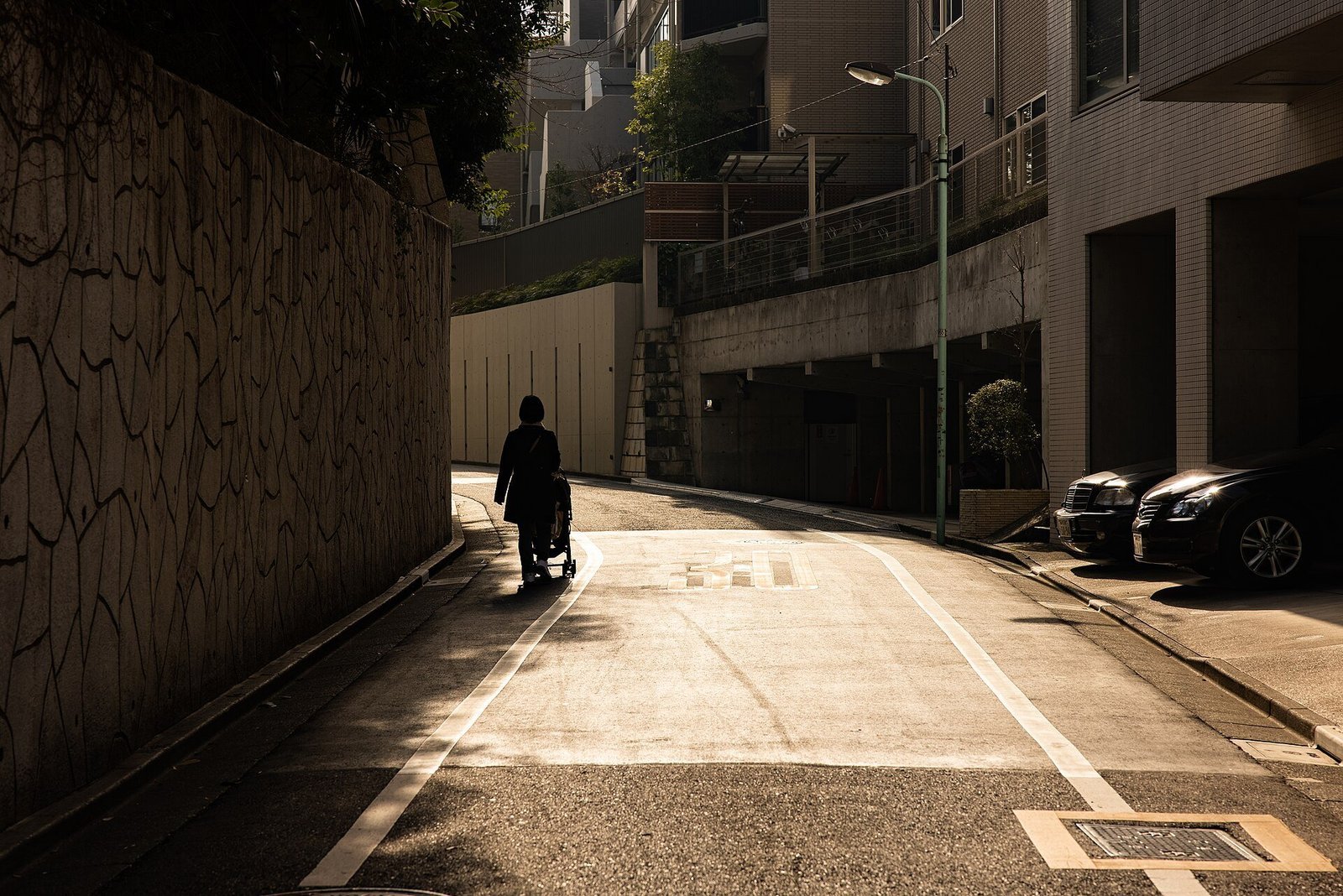
A stroller in Tokyo (item type, not the exact model). Photo: mrhayata, CC BY-SA 2.0, via Wikimedia Commons
gb Pockit+ All-City compact travel stroller
Folds small enough for trains and shrine stroller parking; rated from 6 months to about 5 years, so best for the age-3 visit.
Check price on AmazonThe latest Lonely Planet Japan guide is still a solid all-round planning book for a first family trip.
Travel guidebooks (item type, not the exact edition). Photo: Vyacheslav Argenberg, CC BY 4.0, via Wikimedia Commons
Lonely Planet Japan (19th edition, 2026)
Current Japan guidebook covering Tokyo, Kyoto and Osaka, with maps and itineraries for the rest of the trip.
Check price on AmazonFAQ
When is Shichi-Go-San in 2026?
The nominal date is Sunday 15 November 2026, but families visit from October to late November, busiest on November weekends and Monday 23 November (a holiday). In Hokkaido many go in October.
What ages celebrate Shichi-Go-San?
Traditionally, boys and girls at 3, boys at 5 and girls at 7. Today the most common pattern is girls at 3 and 7 and boys at 5, with many boys also celebrated at 3.
Is it based on kazoe age or actual age?
Either is accepted. Kazoe-doshi counts a baby as 1 at birth and adds a year every New Year. Most families now use actual age, choosing the year that suits siblings and schedules.
Can foreigners or non-Japanese families do Shichi-Go-San?
Yes. Many shrines accept anyone who fills in the form and makes the offering; Meiji Jingu explicitly says non-Shinto visitors may attend. Expect the ceremony and guidance to be in Japanese, and bring cash.
How much does Shichi-Go-San cost?
The shrine prayer alone is usually ¥5,000-10,000 (about $32-63). With kimono rental, dressing and photos, ¥40,000-100,000 (about $255-635) is realistic as of October 2026.
What is chitose-ame?
Long red-and-white “thousand-year candy” sticks in bags printed with cranes and turtles, symbolizing a long, healthy life. Many shrines give it after the prayer.
Is Shichi-Go-San a public holiday?
No. 15 November is a normal day; schools and businesses stay open, which is why families choose weekends and holidays.
Can I take photos, and what should visitors wear?
Photograph the shrine, not other people’s children: never photograph a child without the parents’ permission, don’t follow families, and don’t photograph inside the prayer hall. Ordinary neat clothes are fine.