
As an Amazon Associate, Chasing Cherry Blossoms earns from qualifying purchases. We may also earn from other affiliate links on this page at no extra cost to you.
Japan in December is crisp, bright and festive. The big cities sit under clear winter skies, Hokkaido and the mountains fill with snow, and the whole country builds up to New Year, its biggest holiday. If you are booking a December trip now, this guide covers the weather city by city, where you will and won’t see snow, what to do, and what to pack.
Quick answer: December in Japan is cold, dry and very sunny on the Pacific side. Tokyo, Osaka and Kyoto have average highs of about 53-54F and lows of about 38-42F, according to Japan Meteorological Agency (JMA) normals. Tokyo and Osaka almost never get settled snow in December. Hokkaido, the Sea of Japan coast and the Japan Alps get real snow: Sapporo’s normal December snowfall is 113 cm (about 44 in). Kanazawa is the wettest city in this guide, while Okinawa stays mild. Pack a warm coat, layers you can take off indoors, gloves and a hat. Also plan around the year-end holidays: from about December 29 to January 3, opening hours change and trains and shrines get very busy.
December weather in Japan by city
The figures below are JMA’s 1991-2020 December normals: average daily highs and lows, total December precipitation, and total December snowfall. Treat them as averages. Any one December can be milder or snowier.
| City | Avg high F (C) | Avg low F (C) | Precipitation in (mm) | Snow? (December snowfall) | What to wear |
|---|---|---|---|---|---|
| Sapporo | 36F (2.0C) | 25F (-4.0C) | 4.5 in (114.5 mm) | Yes, 44 in (113 cm) | Full winter gear: insulated coat, boots with grip, hat, gloves |
| Sendai | 47F (8.3C) | 34F (0.9C) | 1.7 in (44.1 mm) | Some, 4 in (9 cm) | Warm coat, thermals, gloves |
| Nagano | 44F (6.9C) | 29F (-1.5C) | 1.9 in (49.4 mm) | Yes, 12 in (30 cm) | Insulated coat, waterproof boots, hat, gloves |
| Kanazawa | 50F (10.2C) | 38F (3.5C) | 11.9 in (301.1 mm) | Some, 9 in (24 cm) | Waterproof coat, waterproof shoes, umbrella |
| Tokyo | 54F (12.0C) | 39F (3.8C) | 2.3 in (57.9 mm) | Rare (0 cm normal) | Warm coat, sweater, scarf; light gloves at night |
| Kyoto | 53F (11.6C) | 38F (3.5C) | 2.3 in (57.3 mm) | Rare, about 1 in (2 cm) | Warm coat, layers, warm socks for temple floors |
| Osaka | 54F (12.3C) | 42F (5.3C) | 2.2 in (55.5 mm) | Rare (0 cm normal) | Warm coat, sweater, scarf |
| Hiroshima | 54F (12.1C) | 39F (4.0C) | 2.1 in (54.0 mm) | Rare, about 1 in (2 cm) | Warm coat, sweater, scarf |
| Fukuoka | 55F (12.6C) | 42F (5.8C) | 2.7 in (67.5 mm) | Rare (0 cm normal) | Warm coat or heavy jacket, layers |
| Naha (Okinawa) | 71F (21.5C) | 62F (16.8C) | 4.3 in (110.0 mm) | No | Long sleeves, light jacket for wind and evenings |
Source: JMA climate normals (the Tokyo page is linked; the other cities come from the same JMA normals series).
Does it snow in Japan in December?
Yes, but where you are matters far more than the date. Winter air from the continent picks up moisture over the Sea of Japan and drops it as snow on the north and the western side of the mountains, leaving the Pacific side dry and sunny. That Pacific side is where most first-time visitors spend their time.
Hokkaido: Sapporo is the clear winner for snow. Its December normal is 113 cm (about 44 in) of snowfall, with snow falling on 27.9 days of the month on average. If you want a white December, this is the safest bet.
The Japan Alps and Tohoku: Nagano averages 30 cm (about 12 in) of December snowfall over 19.0 snow days. The ski areas in the mountains around it get far more than the city. Sendai, on the Pacific side of Tohoku, gets snow on 17.6 days, but only 9 cm (about 4 in) in total. Expect flurries more than drifts.
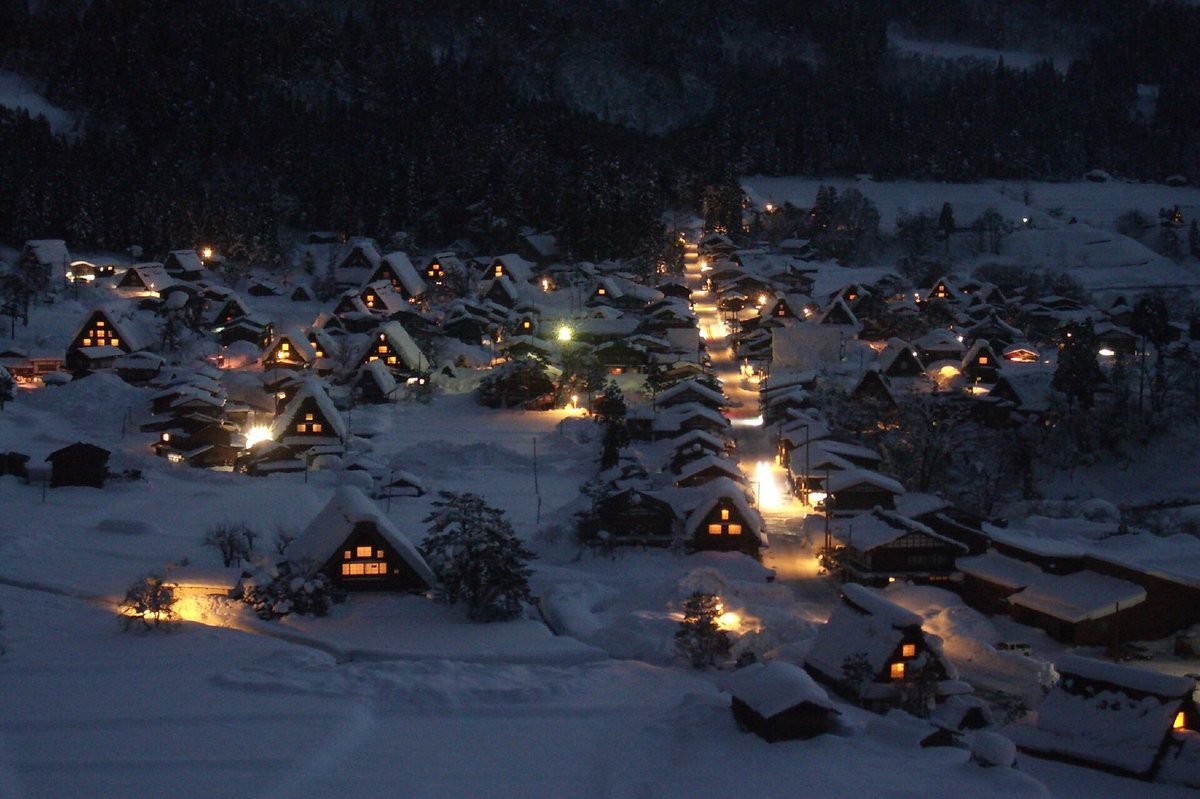
The Sea of Japan coast: Kanazawa gets 24 cm (about 9 in) of snowfall over 14.5 snow days. Its bigger story is wet weather: 301.1 mm (11.9 in) of precipitation, much of it rain or sleet early in the month. It is also gray, with only 68.9 hours of sunshine in December compared with 174.4 hours in Tokyo. Inland, the thatched farmhouses of Shirakawa-go, roughly 75 to 90 minutes by bus from Kanazawa, are often snow-covered by late December, though not every year.
Tokyo, Kyoto and Osaka: Snow in December is rare. JMA counts a “snow day” whenever any snow is observed, even a few flakes. By that measure, Tokyo averages just 0.6 snow days in December and Osaka 1.8. Kyoto sees flakes more often (6.9 days), but its total December snowfall is only 2 cm (about 1 in). Hiroshima and Fukuoka are similar: flurries on some days, almost nothing that settles.
Where to go for snow: Head to Sapporo and the Hokkaido ski areas, or to Nagano and the Japan Alps. Kanazawa is good for snowy-garden scenery if you don’t mind some rain. The bullet train makes Kanazawa and Nagano easy add-ons from Tokyo.
Map of places in this guide
Map: December places in this Japan guide
- Odori Park (Sapporo) – Sapporo White Illumination; Odori venue listed 20 Nov to 25 Dec 2026 Directions
- Niseko Grand Hirafu (Hokkaido) – Hokkaido ski season usually opens late Nov to early Dec, snow permitting Directions
- Jigokudani Yaen-koen snow monkeys (Nagano) – Wild macaques at hot spring pools; snowy trail, online tickets get priority Dec to Apr Directions
- Shirakawa-go (Gifu) – Thatched farmhouse village, often snowy by late December (not guaranteed) Directions
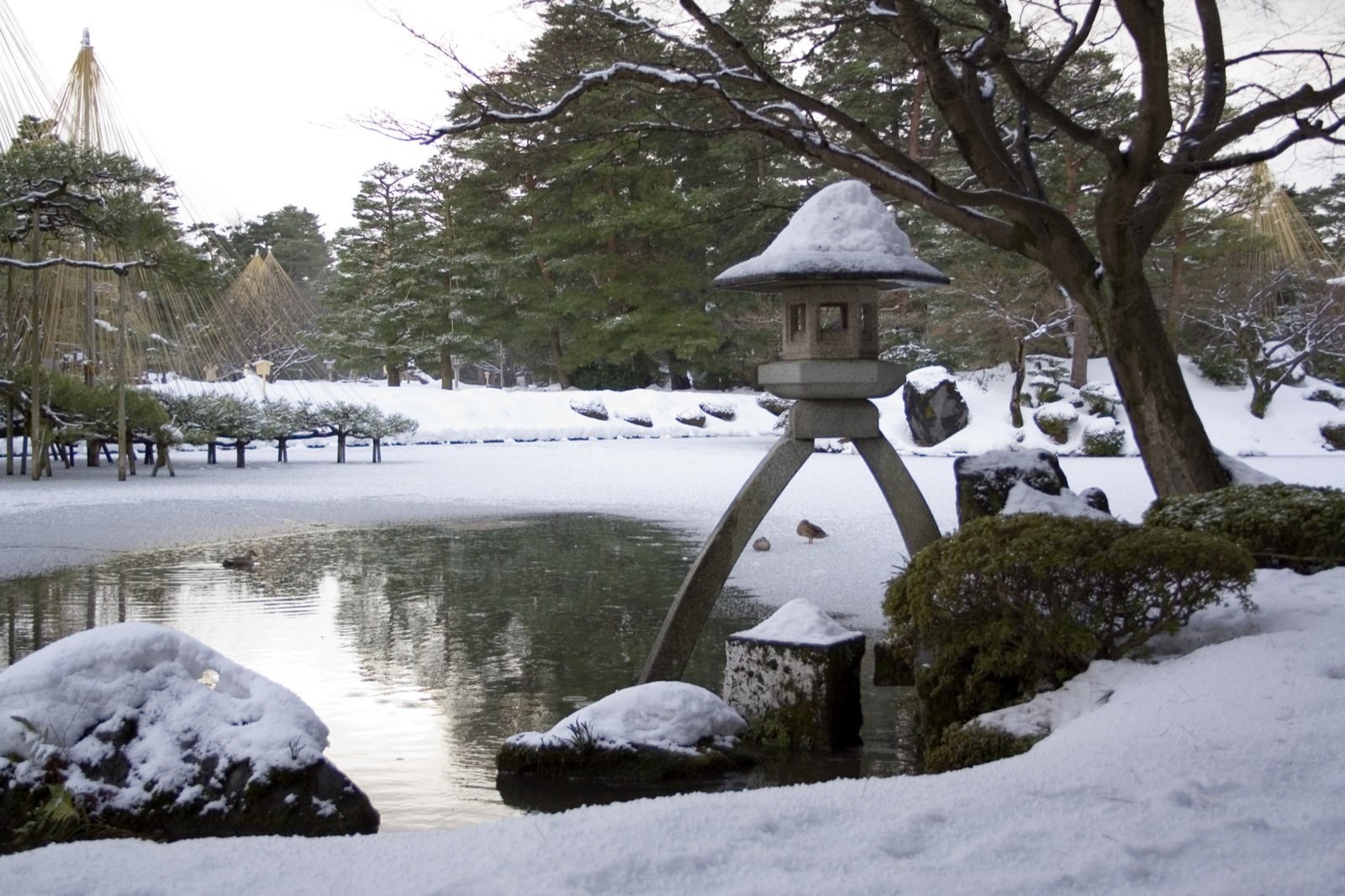
- Kenrokuen (Kanazawa) – Yukitsuri rope supports on the pines; wet, gray December weather Directions
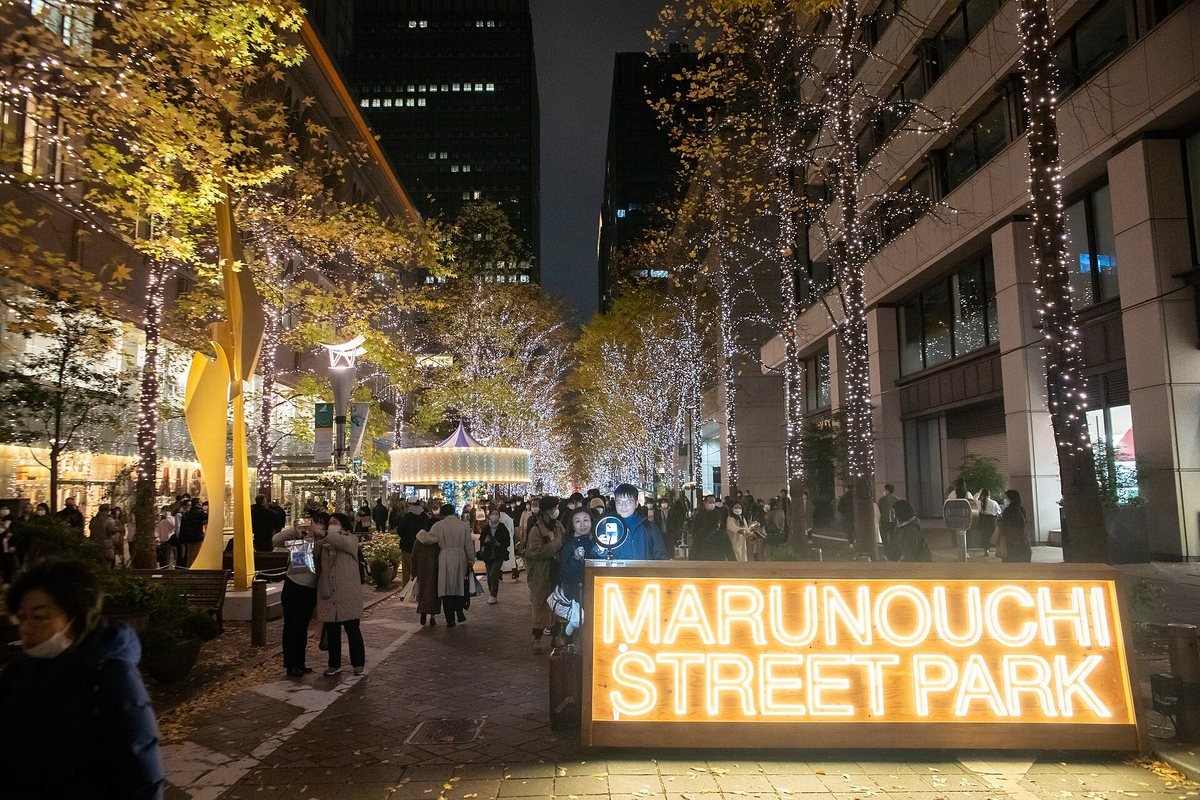
- Marunouchi Naka-dori (Tokyo) – Champagne-gold tree illumination; 2026-27 dates not yet announced Directions
- Senso-ji (Tokyo) – Hagoita-ichi year-end battledore market, traditionally mid-December Directions
- Meiji Jingu (Tokyo) – One of Tokyo's busiest hatsumode shrines from the night of Dec 31 Directions
- Fushimi Inari Taisha (Kyoto) – Hugely popular for hatsumode; go early or from Jan 3 Directions
December weather explained: early vs late December, dry air and short days
Early December often still feels like late autumn in Tokyo and Kyoto, and in some years the last autumn leaves hang on in temple gardens. By the second half of the month it is properly winter, with cold mornings and a biting wind even on clear days. Hokkaido and the mountains are in deep winter for most of the month.
The Pacific side is very dry. Tokyo gets 57.9 mm (2.3 in) of precipitation in December and plenty of sunshine, which is great for sightseeing. The catch is dry air: lips crack and static shocks are common, so pack moisturiser and lip balm.
Days are also at their shortest. The National Astronomical Observatory of Japan lists sunset in Tokyo at 4:28pm from December 1 to 13, 2026, and only 4:37pm by December 31 (NAOJ Tokyo sunrise and sunset table, December 2026). Plan outdoor sights and gardens for the morning and early afternoon. Save illuminations, shopping streets and dinner for the long evenings.
What to wear in Japan in December by region
Layering is key everywhere, because trains, shops and restaurants are often heated quite warmly. Our Japan in November guide covers the layering basics. In December, add one step of warmth to everything.
Hokkaido
Dress for highs around freezing and lows well below it. You’ll want a properly insulated, windproof coat, thermal base layers, a hat that covers your ears, gloves and waterproof boots with real grip. Sapporo’s sidewalks get packed down into ice, and slipping is the most common winter hazard. Slip-on traction cleats are worth considering.
Tohoku, the Japan Alps and the Sea of Japan side
For Nagano, Sendai, Kanazawa and the snowy mountain villages, bring a warm coat that also handles wet weather, waterproof shoes or boots, and an umbrella or hood. Kanazawa’s slush can soak ordinary sneakers in minutes.
Tokyo, Kyoto and Osaka
A warm wool or padded coat over a sweater and a thermal top is enough for most days. Add a scarf and light gloves for evenings. Kyoto feels colder than its numbers suggest: temple halls are often unheated, and you will take off your shoes and walk on cold wooden floors, so wear warm socks and shoes you can slip on and off easily.
Kyushu
Fukuoka and the rest of northern Kyushu are slightly milder than Tokyo, but still wintry. Pack a warm jacket and layers. If you are heading into the mountains, for example to the onsen areas, expect it to be colder than the coast.
Okinawa
Naha averages 71F by day and 62F at night in December. Long sleeves and a light jacket for the wind are enough.
Things to do in Japan in December
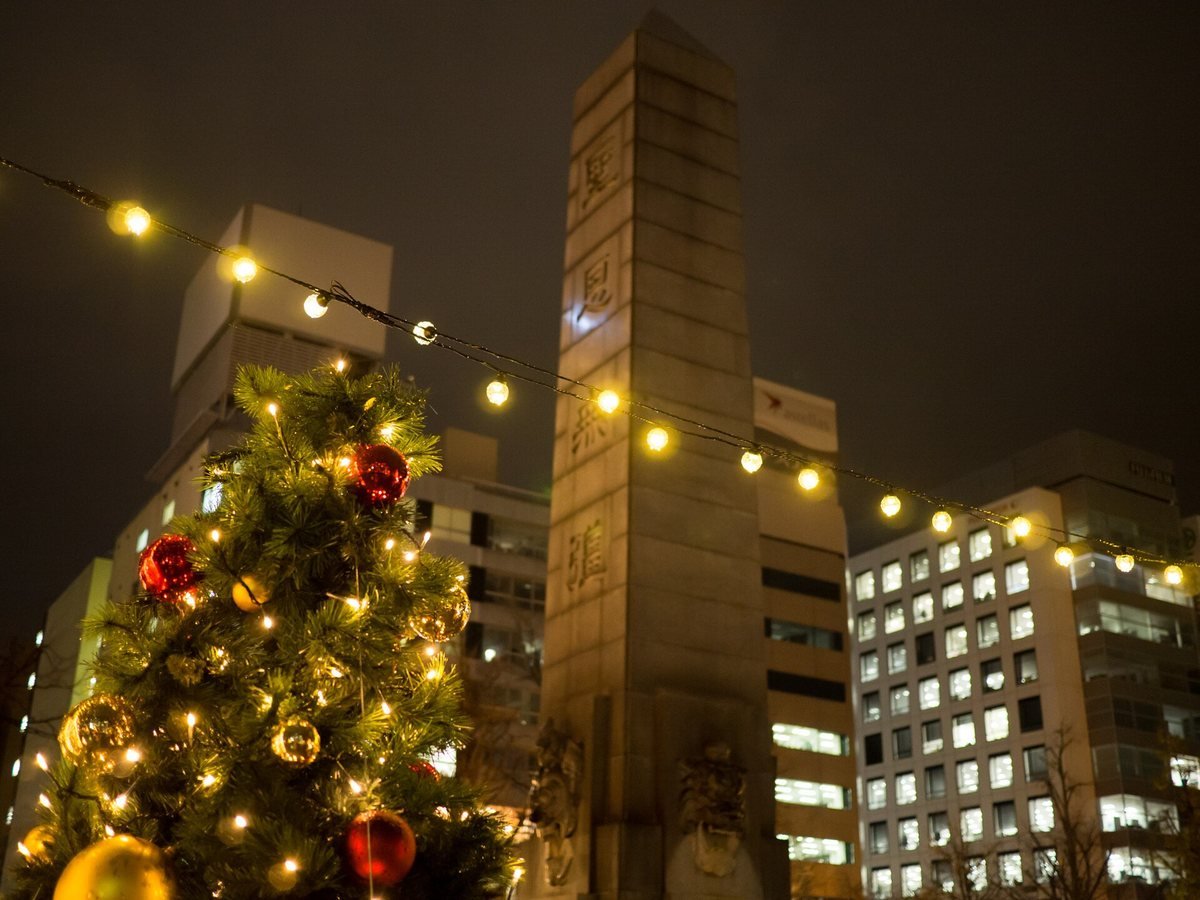
December is illumination season. Cities wrap tree-lined streets and parks in LEDs from November into the new year, and with sunset before 4:40pm in Tokyo, you’ll have plenty of dark evening hours to enjoy them. Most street illuminations are free.
Winter illuminations
- Sapporo White Illumination: Sapporo’s official tourism site lists the 2026-27 event from November 20, 2026. The Odori Park venue runs to December 25, 2026, and other venues, such as the Sapporo Station-front street, continue into 2027. Check the official White Illumination page for hours.
- Marunouchi, Tokyo: The trees along Marunouchi Naka-dori near Tokyo Station are lit in champagne-gold LEDs each winter. Recent seasons ran from mid-November into February. The 2026-27 dates had not been announced as of October 30, 2026, so check closer to your trip.
- Kobe Luminarie (not in December): Kobe’s famous light festival is no longer a December event. The official Kobe Luminarie site lists the next edition for January 29 to February 7, 2027.
Snow monkeys and onsen
The snow monkeys of Jigokudani Yaen-koen, in the mountains of Nagano, are a classic December-to-February trip. The Japanese macaques gather around the hot spring pools, and the scene is at its most dramatic when snow is on the ground. Our monkey hot springs guide covers the basics.
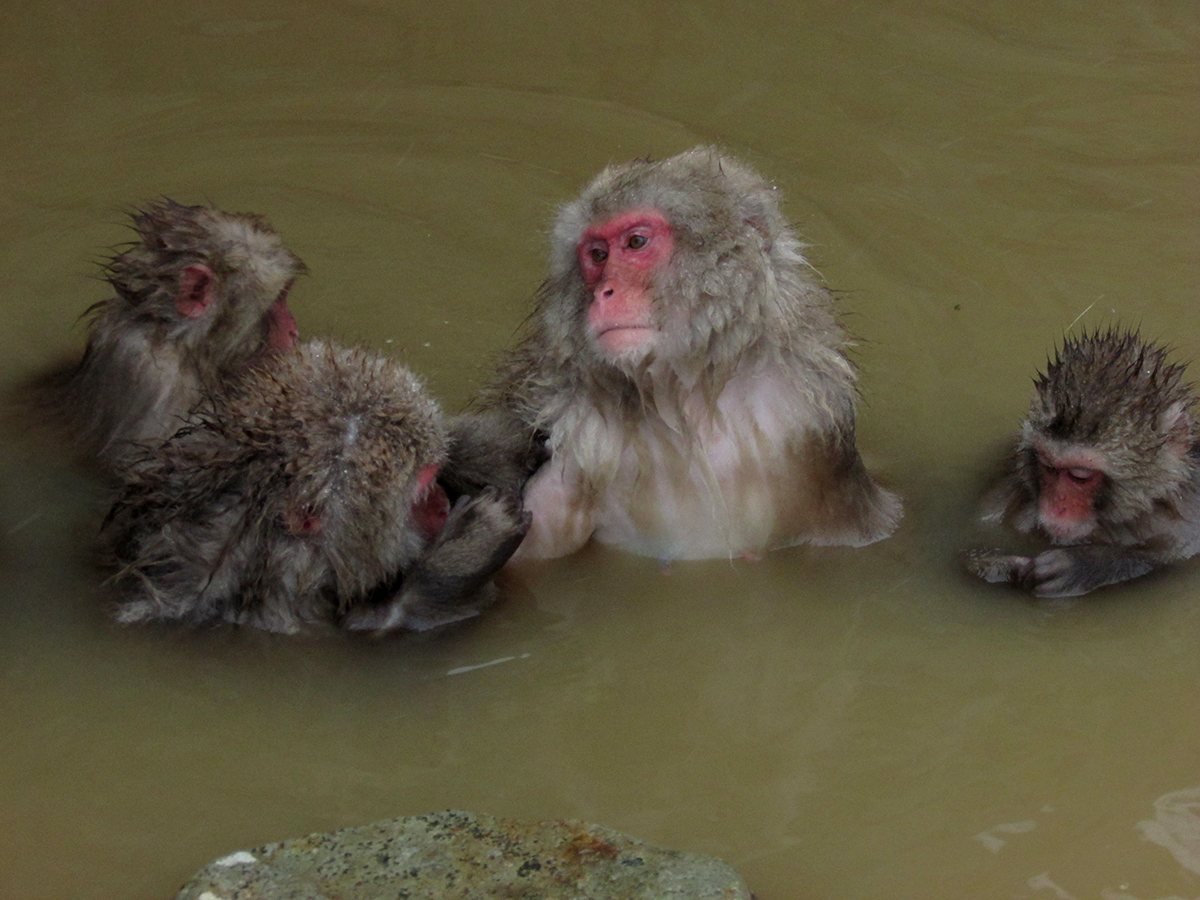
A few practical notes. The final approach is on foot along a forest trail that can be snowy and icy in winter, so wear proper boots, ideally with traction cleats. The official Jigokudani Yaen-koen site says that in the winter season (December to April), entry priority goes to visitors who bought tickets online. It also notes that the monkeys are wild and may not come down every day. The nearby Yudanaka and Shibu onsen towns make a good overnight base for a hot soak after the cold walk.
Ski season opens in Hokkaido
Hokkaido’s ski resorts usually open in late November or early December, snow conditions permitting. For Niseko United, a ski travel agency lists a planned opening of November 28, 2026, but we had not seen an official confirmation as of October 30, 2026. Last season’s planned opening was postponed for lack of snow. Early December snow can be thin, so if skiing is the main goal, mid-December onward is the safer bet. Our Hokkaido ski and onsen itinerary has a ready-made route.
Winter gardens and year-end markets
In Kanazawa, Kenrokuen garden is known for yukitsuri, conical rope supports tied to its pine trees from around November to protect the branches from heavy snow. They are photogenic with or without snow. In Tokyo, Senso-ji in Asakusa traditionally holds its Hagoita-ichi, a battledore market, in mid-December; check Senso-ji’s own notices for exact days. Late December also brings year-end shopping for New Year food and decorations, and department store food halls get very busy in the last days of the month.
Christmas, New Year and year-end travel tips
Christmas in Japan is a commercial and romantic holiday rather than a religious or family one. December 25 is not a public holiday, so it is a normal working day, and shops, restaurants and attractions run as usual. Christmas Eve is a popular date night for couples, and the lights and cake displays are everywhere. The famous KFC Christmas tradition is real: many families pre-order a Christmas bucket weeks ahead. Read more in our Christmas in Japan guide.
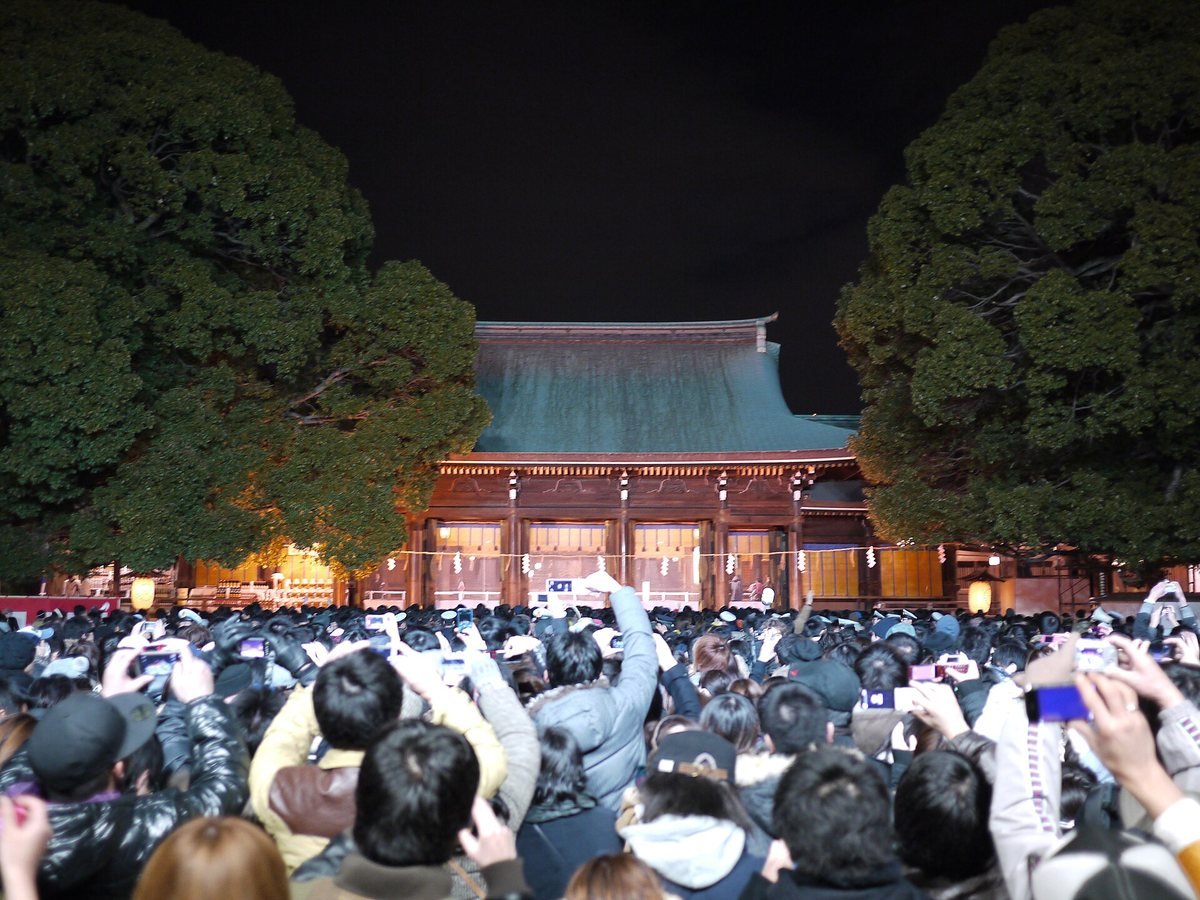
New Year (shogatsu) is the big one: Japan’s main family holiday, when people travel home and visit a shrine or temple for hatsumode, the first visit of the year. Meiji Jingu in Tokyo and Fushimi Inari Taisha in Kyoto are among the most popular, so expect long queues and crowd control from the night of December 31. For the atmosphere without the crush, go early in the morning or from January 3.
What is open and closed over New Year
By law, Japanese government administrative offices close from December 29 to January 3. Many museums, smaller restaurants and family-run businesses also close for some or all of that period, often from around December 29 or 30 through January 1 to 3. Big shrines and temples stay open (that is the point of the season), convenience stores stay open, and many department stores and malls reopen on January 1 or 2 with New Year sales. Always check opening hours for specific museums, gardens and restaurants before you go.
Year-end travel tips
- Book long-distance trains early. Shinkansen demand typically peaks in the last days of December as people head home, and again around January 2-4 for the return. Reserve seats as early as you can if you are traveling in those windows.
- Book hotels for December 30 to January 2 early. Domestic travel spikes and prices at popular ryokan and onsen towns can climb.
- Use luggage forwarding. Sending big bags ahead keeps crowded trains manageable, but delivery services also get busy around New Year, so allow extra time.
- Shopping: Japan’s new tax-free refund model takes effect on November 1, 2026, so December shoppers should read our guide to the 2026 tax-free changes first.
- Plan for early darkness. With sunset around 4:30pm, put gardens and day trips early in the day.
December is also a safe, easygoing month to travel. For the bigger picture, see our is it safe to travel to Japan guide.
What to pack for Japan in December
Uniqlo, drugstores and convenience stores make it easy to fill gaps in Japan. Sort out a warm coat before you fly and, for Hokkaido or the mountains, proper boots. US readers can compare options in Walmart’s coats and jackets section.
| Item | Why | Buy at home or in Japan? |
|---|---|---|
| Warm insulated coat | Highs in the 30s-50s F across most of the country | Home, so you arrive warm; Japan works too if you have a spare day |
| Thermal base layers | Thin warmth that you can wear under everything | Either; Uniqlo Heattech is sold in the US and Japan |
| Fleece or sweater | Middle layer you can remove indoors | Either |
| Touchscreen gloves | Keep hands warm while using maps and train apps | Home |
| Beanie | Wind and cold, especially in Hokkaido | Either |
| Scarf | Easy warmth that packs small | Either |
| Waterproof winter boots with grip | Ice and slush in Hokkaido, the Alps and Kanazawa | Home, so they are broken in |
| Slip-on shoes | Temples, ryokan and some restaurants require shoes off | Home |
| Wool socks | Cold temple floors and snowy streets | Either |
| Kairo heat packs | Disposable warmers for pockets and long outdoor waits | Japan: convenience stores and drugstores |
| Lip balm and moisturiser | Very dry air on the Pacific side and indoors | Either; Japanese drugstores have a huge range |
| Plug adapter | Japan uses 100V and two flat-pin (Type A) sockets | Home |
| Power bank | Cold drains phone batteries faster | Home |
| Daypack | Somewhere to stash layers when you go indoors | Home |
On electricity, JNTO notes that Japan uses 100 volts AC throughout the country, at 50 Hz in the east and 60 Hz in the west (JNTO plugs and electricity). Most phone and laptop chargers handle this fine, but check the label on hair tools.
Visiting from Singapore, Australia, the UK or Canada
If you are coming from Singapore or anywhere tropical, you will probably feel the cold more than the numbers suggest, and you may not own winter gear. Either buy a proper coat before you fly, or arrive layered up and buy one on day one in Japan. The second option works for Tokyo or Osaka, but not if you land straight into Hokkaido. Australians should remember that December is summer at home, so the change will be a shock. UK travelers (Type G plugs) and Australians (Type I) need adapters for Japan’s two flat-pin sockets. Canadians use the same plug shape as Japan, though some Japanese sockets do not take a third grounding pin.
Research-based picks for a December Japan trip
These are research-based picks, not products we have tested: widely sold options for each job. Check sizing on the listing before you buy.
A warm insulated jacket: An insulated, water-resistant hooded jacket like the Columbia Powder Lite is a sensible all-rounder for Tokyo-Kyoto cold, and you can layer it for Hokkaido.
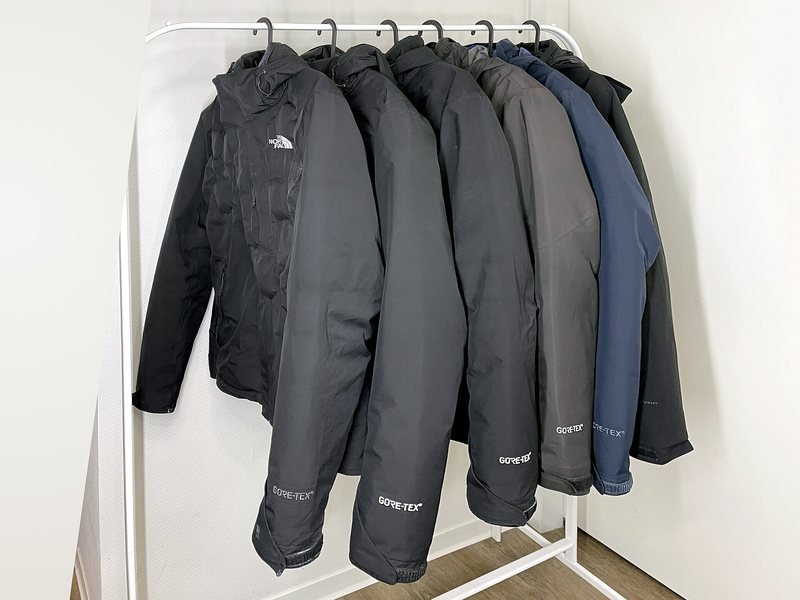
Insulated winter jacket (item type, not the exact product). Photo: Adenosine Triphosphate, CC BY-SA 4.0, via Wikimedia Commons
Columbia Women's Powder Lite Hooded Jacket
Insulated, water-resistant hooded jacket; warm enough for Tokyo and Kyoto, and a good outer layer over thermals for Hokkaido.
Check price on AmazonWaterproof winter boots: If Hokkaido, Nagano or Kanazawa are on your route, an insulated waterproof boot with a grippy outsole, such as the Columbia Bugaboot III, will keep your feet dry in slush and snow.
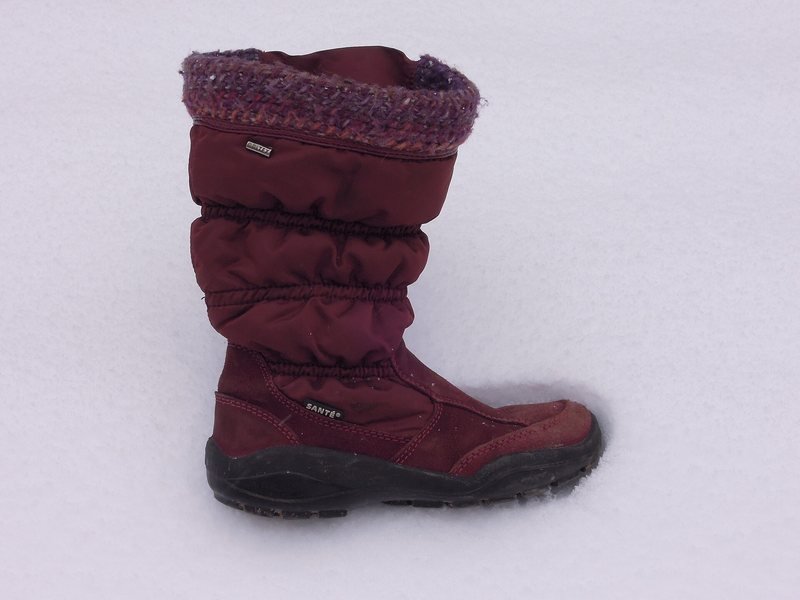
Waterproof snow boot (item type, not the exact product). Photo: Oto Zapletal, CC BY 4.0, via Wikimedia Commons
Columbia Men's Bugaboot III Waterproof Snow Boot
Insulated, waterproof boot with a grippy outsole for slush in Kanazawa and packed snow in Hokkaido and Nagano.
Check price on AmazonSlip-on traction cleats: Sapporo’s packed-ice sidewalks and the snowy trail to the snow monkeys are where stretch-on cleats like Yaktrax Walk can help you stay upright.
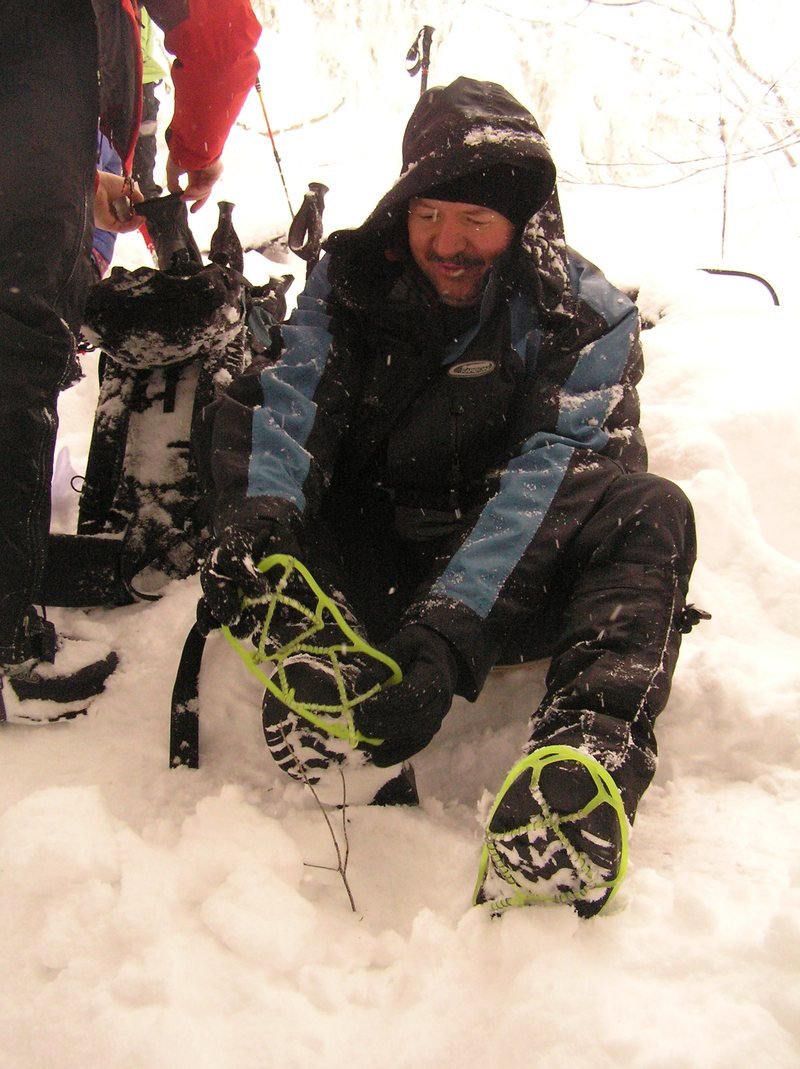
Traction cleats (item type, not the exact product). Photo: Laurel F, CC BY-SA 2.0, via Wikimedia Commons
Yaktrax Walk Traction Cleats
Stretch-on coil cleats that slip over your shoes for icy Sapporo sidewalks and the snowy trail to the snow monkeys.
Check price on AmazonTouchscreen winter gloves: Windproof, insulated gloves with conductive fingertips let you check train times and maps without exposing your hands to the cold.
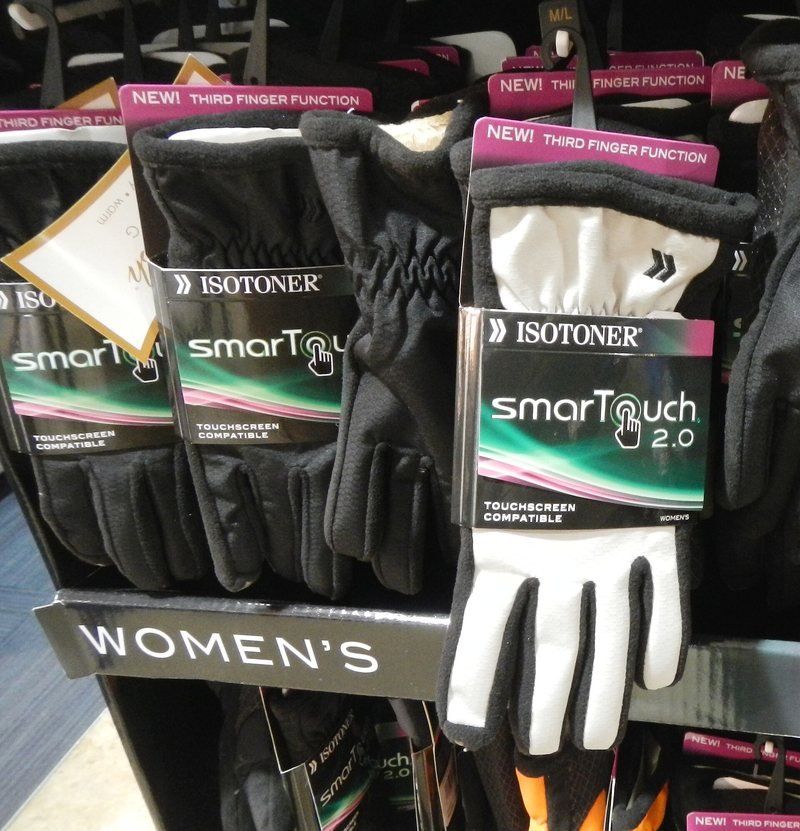
Touchscreen gloves (item type, not the exact product). Photo: Jim.henderson, CC0, via Wikimedia Commons
Cevapro Touchscreen Winter Gloves
Warm gloves with touchscreen fingertips, so you can check maps and train times without taking them off.
Check price on AmazonHand warmers: Japan’s konbini sell kairo everywhere, but a pack of HotHands in your bag means you’re covered from the first cold airport bus or hatsumode queue.
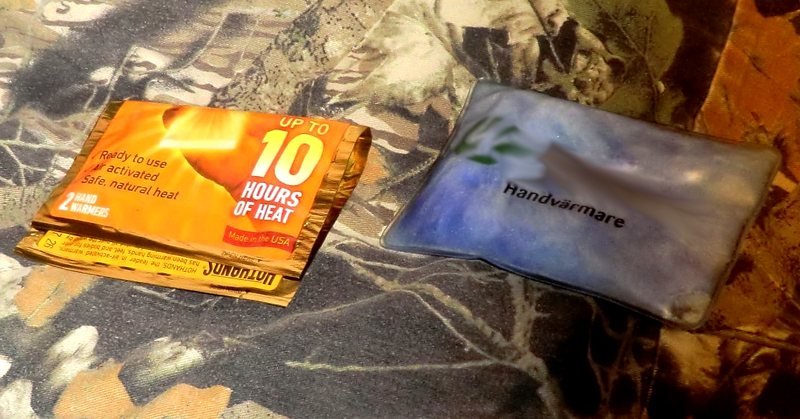
Hand warmers (item type, not the exact product). Photo: Deryni, CC BY-SA 4.0, via Wikimedia Commons
HotHands Hand Warmers Value Pack
Air-activated disposable warmers for pockets and gloves during long outdoor waits, like illuminations or New Year shrine queues.
Check price on AmazonFAQ
Is December a good time to visit Japan?
Yes. On the Pacific side it is dry and sunny, the illuminations are on, Hokkaido’s ski season is starting and the New Year atmosphere is special. The trade-offs are cold weather, short days and heavy crowds and closures from about December 29 to January 3. For a month-by-month comparison, see our best time to visit Japan guide.
Does it snow in Tokyo in December?
Rarely. JMA normals show 0 cm of December snowfall in Tokyo and just 0.6 days with any snow observed. Tokyo’s snow, when it comes, is more likely in January or February.
How cold is Japan in December?
Tokyo, Kyoto and Osaka average highs of 53-54F and lows of 38-42F. Sapporo averages 36F by day and 25F at night, Nagano 44F and 29F, and Naha in Okinawa a mild 71F and 62F.
What should I wear in Japan in December?
In the main cities, wear a warm coat over a sweater and thermal top, with a scarf and gloves for evenings. In Hokkaido and the mountains, you need full winter gear: an insulated coat, hat, gloves and waterproof boots with grip. Layers are best everywhere because indoor spaces are heated.
Where can I see snow in Japan in December?
Sapporo and the rest of Hokkaido are the most reliable, with a December snowfall normal of 113 cm (about 44 in) in Sapporo. Nagano and the Japan Alps ski areas are also good bets, and Kanazawa and the Sea of Japan coast often get snow, mixed with rain.
Is Christmas a holiday in Japan?
No. December 25 is a normal working day in Japan. Christmas is celebrated with lights, Christmas cake, couples’ dinners on Christmas Eve and the well-known KFC tradition, but shops and attractions stay open.
What is closed in Japan over New Year?
Government offices close from December 29 to January 3, and many museums, smaller restaurants and businesses close for some or all of that period. Shrines, temples, convenience stores and most big stores stay open or reopen on January 1 or 2. Check specific opening hours before you go.
What are the best things to do in Japan in December?
Some highlights: see the winter illuminations in Sapporo and Tokyo, visit the snow monkeys in Nagano, soak in an onsen, ski in Hokkaido once the resorts open, see Kenrokuen’s yukitsuri in Kanazawa, and join a hatsumode shrine visit at New Year.
Bottom line
Japan in December rewards travelers who pack properly and plan around the calendar. Expect cold, bright days in Tokyo, Kyoto and Osaka, real snow in Hokkaido and the mountains, and a quiet, festive build-up to New Year. Book trains and hotels early if you are traveling between Christmas and January 4, check opening hours for December 29 to January 3, and bring a coat that actually keeps you warm.
Comment (1)