
As an Amazon Associate, Chasing Cherry Blossoms earns from qualifying purchases. We may also earn from other affiliate links on this page at no extra cost to you.
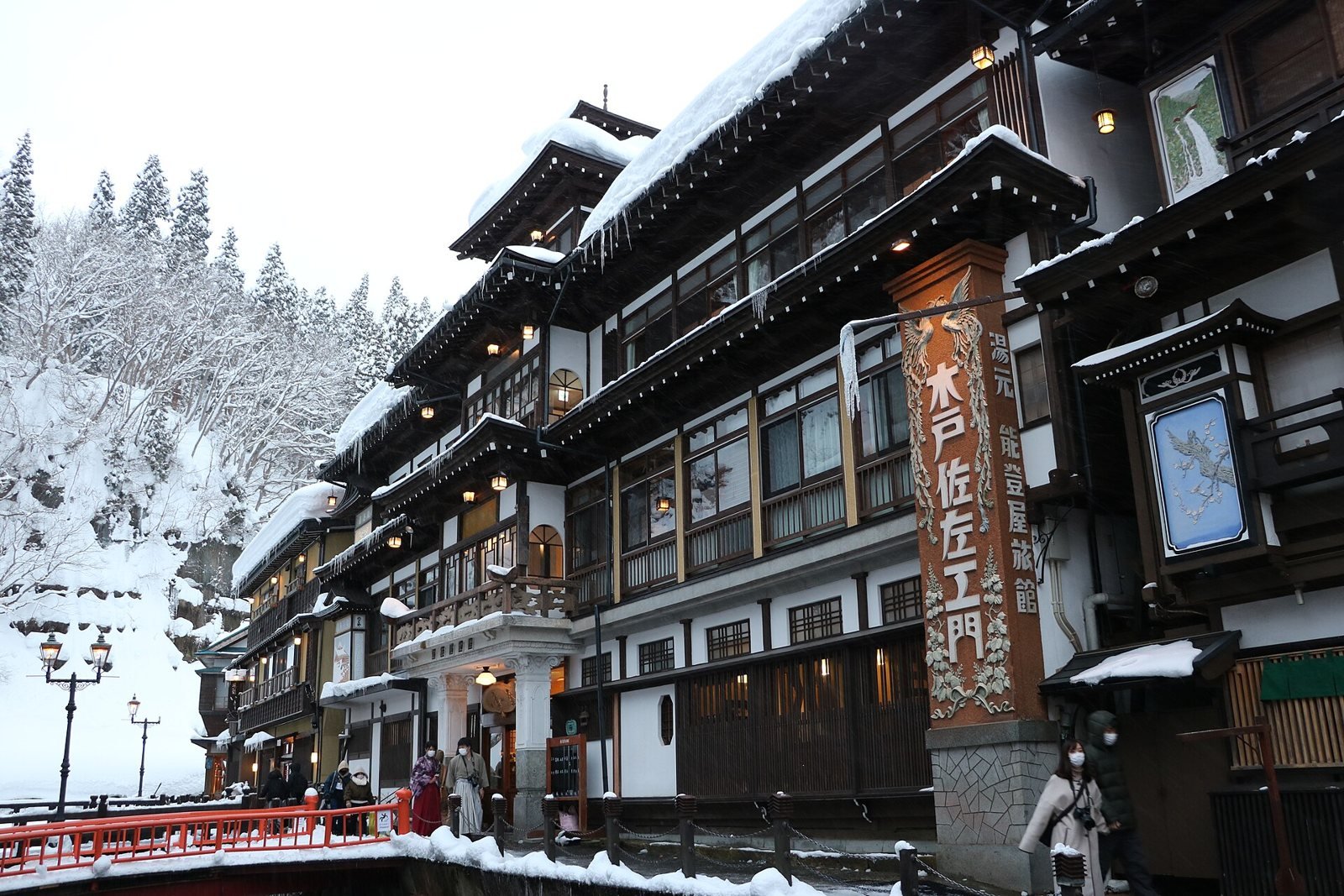
January is Japan at its coldest and, for many travelers, its best value. The New Year rush ends after the first few days, the air on the Pacific side is crisp and sunny, and the mountains and the Sea of Japan coast are deep in snow.
This follows our Japan in December guide, with official weather data, January 2027 events and the Tokyo Disneyland rides closing from January 6.
Quick answer: January is Japan’s coldest month. Tokyo, Osaka and Kyoto average highs of about 48-50F (9-10C) and lows of 34-37F (1-3C), with mostly dry, sunny days. Settled snow in Tokyo is uncommon. For real snow, head to Hokkaido (Sapporo averages about 54 in / 137 cm of snowfall in January), Nagano, Tohoku or the Sea of Japan side around Kanazawa and Shirakawa-go. Okinawa stays mild at about 68F (20C). Many shops, museums and offices close or shorten hours on January 1-3, then the country gets quieter. Pack a warm coat, thermal layers, a hat and gloves, plus waterproof boots if you are heading north. Four Tokyo Disneyland rides close for part of January 2027.
January weather in Japan by city
Official 1991-2020 January averages from the Japan Meteorological Agency. Snowfall is the January total, not depth on the ground.
| City | Avg high F (C) | Avg low F (C) | Precipitation in (mm) | January snowfall | What to wear |
|---|---|---|---|---|---|
| Sapporo | 31 (-0.4) | 20 (-6.4) | 4.3 (108) | About 54 in (137 cm) | Insulated parka, snow boots with grip, hat and gloves |
| Sendai | 42 (5.6) | 30 (-1.3) | 1.7 (42) | About 8 in (21 cm) | Warm coat, thermal layer, boots |
| Nagano | 39 (3.8) | 25 (-3.9) | 2.1 (55) | About 25 in (63 cm) | Parka and waterproof snow boots |
| Kanazawa | 45 (7.1) | 34 (1.2) | 10.1 (256) | About 26 in (67 cm) | Waterproof coat and boots, umbrella |
| Tokyo | 50 (9.8) | 34 (1.2) | 2.4 (60) | About 2 in (4 cm), rarely settles | Wool or down coat, layers, scarf |
| Kyoto | 48 (9.1) | 35 (1.5) | 2.1 (53) | About 2 in (5 cm), flurries common | Warm coat, thick socks for temple floors |
| Osaka | 49 (9.7) | 37 (3.0) | 1.9 (47) | Rare | Warm coat and layers |
| Hiroshima | 50 (9.9) | 36 (2.0) | 1.8 (46) | About 1 in (3 cm) | Warm coat and layers |
| Fukuoka | 50 (10.2) | 39 (3.9) | 2.9 (74) | Under 1 in (1 cm) | Warm coat, windproof layer |
| Naha (Okinawa) | 68 (19.8) | 59 (14.9) | 4.0 (102) | None | Light jacket and long sleeves |
Does it snow in Japan in January?
Yes, but where you are matters far more than the date. Cold northwest winds drop snow on the Sea of Japan side and the mountains, leaving the Pacific side dry. Sapporo sees snow fall on about 29 days of an average January, and Nagano and Kanazawa on about 23-24 days. Tokyo averages under 3 days with any snowfall, and Osaka under 5, so a white Tokyo is a lucky bonus, not something to plan around. Kyoto sees flurries more often (about 16 days), but it rarely sticks for long.
Days are short: in Tokyo the sun sets at 4:38pm on January 1 and 5:07pm on January 31, according to the National Astronomical Observatory of Japan.
Map of places in this guide
- Meiji Jingu (Tokyo) – Hatsumode: packed January 1-3; go early or later in the week Directions
- Tokyo Disneyland (Urayasu, Chiba) – Peter Pan, Jungle Cruise, Splash Mountain and Haunted Mansion close for part of January 2027 Directions
- Jigokudani Yaen-koen snow monkeys (Nagano) – Wild macaques in hot spring pools; January and February are prime time Directions
- Zao Ropeway Sanroku Station (Zao Onsen, Yamagata) – Ride up to the snow monsters (juhyo); night light-ups on set dates Directions
- Shirakawa-go, Ogimachi (Gifu) – Winter light-up Jan 11, 17, 24 and 31, 2027; advance reservation only Directions
- Wakakusayama (Nara) – Wakakusa Yamayaki hillside burning, Saturday January 23, 2027 Directions
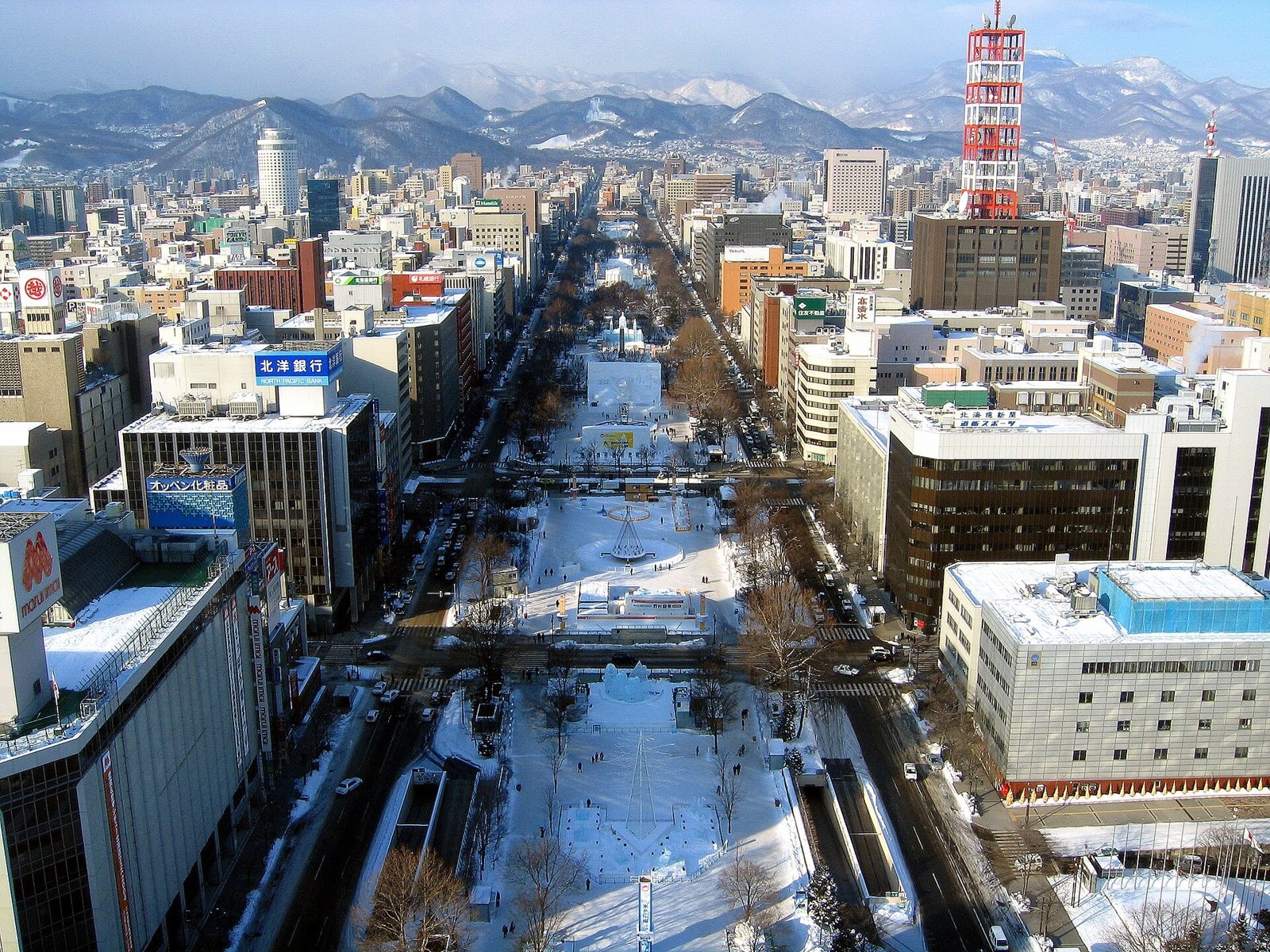
- Odori Park (Sapporo) – Snowy Sapporo; Snow Festival venue February 4-11, 2027 Directions
What to wear in Japan in January
Think layers rather than one huge coat: trains, stores and restaurants are well heated.
- Tokyo, Osaka, Kyoto, Hiroshima and Fukuoka: a warm wool or down coat, a thermal base layer, a sweater or fleece, a scarf, gloves and comfortable shoes you can slip off at temples and ryokan.
- Hokkaido, Tohoku, Nagano and the Japan Alps: an insulated, waterproof parka, a hat that covers your ears, waterproof boots with real tread, and slip-on traction cleats for icy sidewalks in Sapporo.
- Kanazawa and the Sea of Japan coast: it is wet as much as snowy, so prioritize a waterproof shell, waterproof boots and a sturdy umbrella.
- Okinawa: a light jacket and long sleeves are usually enough.
Our November packing guide covers layering in more detail, and heat packs (kairo) are sold at convenience stores and drugstores.
New Year in Japan (January 1-3): what is open
New Year (shogatsu) is Japan’s biggest family holiday. January 1 is a national holiday and government offices close from December 29 to January 3. Many museums, small restaurants and family-run shops close for a few days, while big department stores, malls and convenience stores usually reopen on January 1 or 2. Trains run, but Shinkansen seats are in heavy demand during the early-January return rush, so reserve ahead.
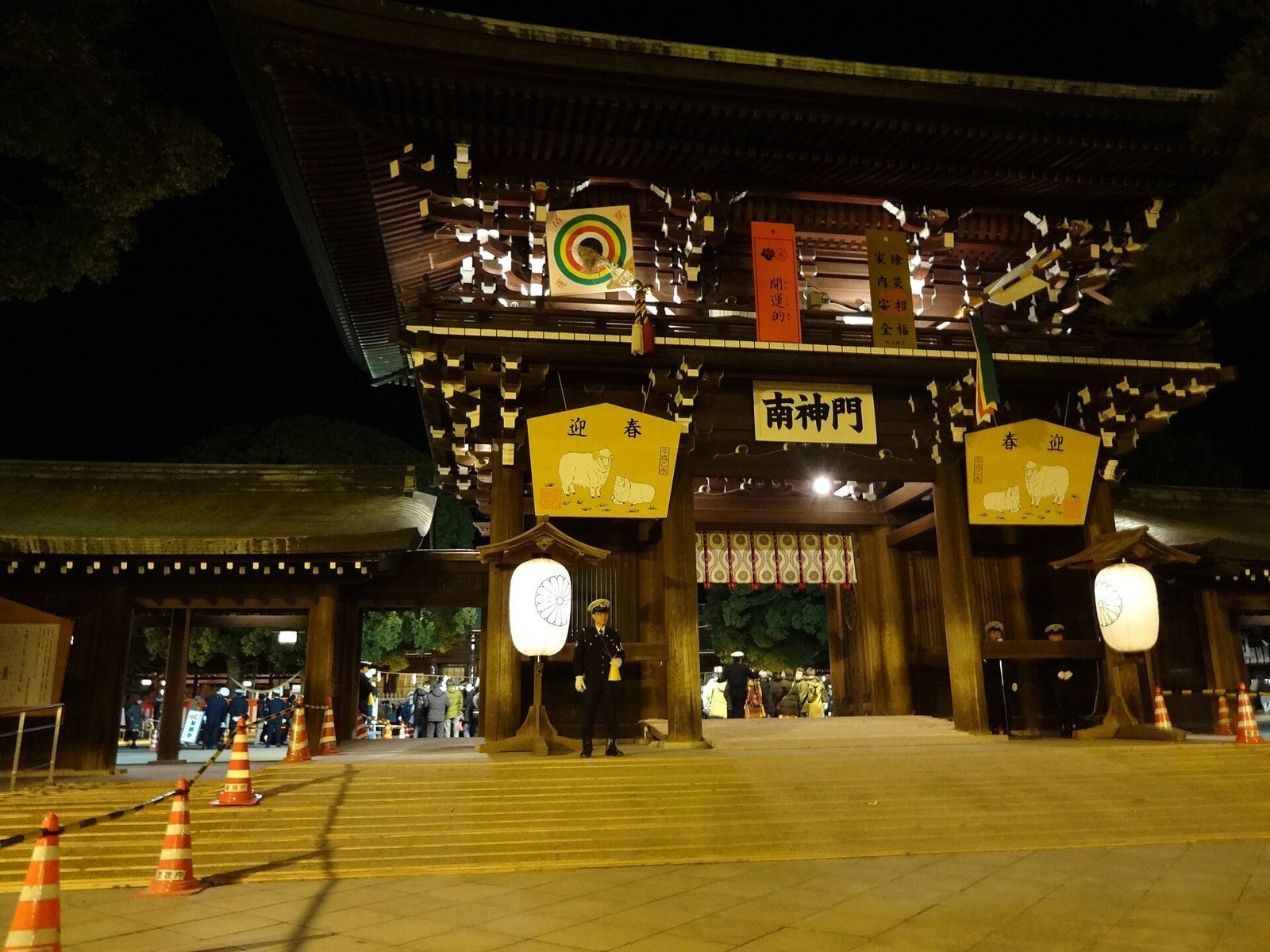
The big event is hatsumode, the first shrine visit of the year. Meiji Jingu in Tokyo is famously packed on January 1-3; go early in the morning or a few days later for a calmer visit. Department stores also sell fukubukuro, sealed lucky bags of goods, in the first days of January. For the traditions behind it all, see our Oshogatsu guide.
Best things to do in Japan in January 2027
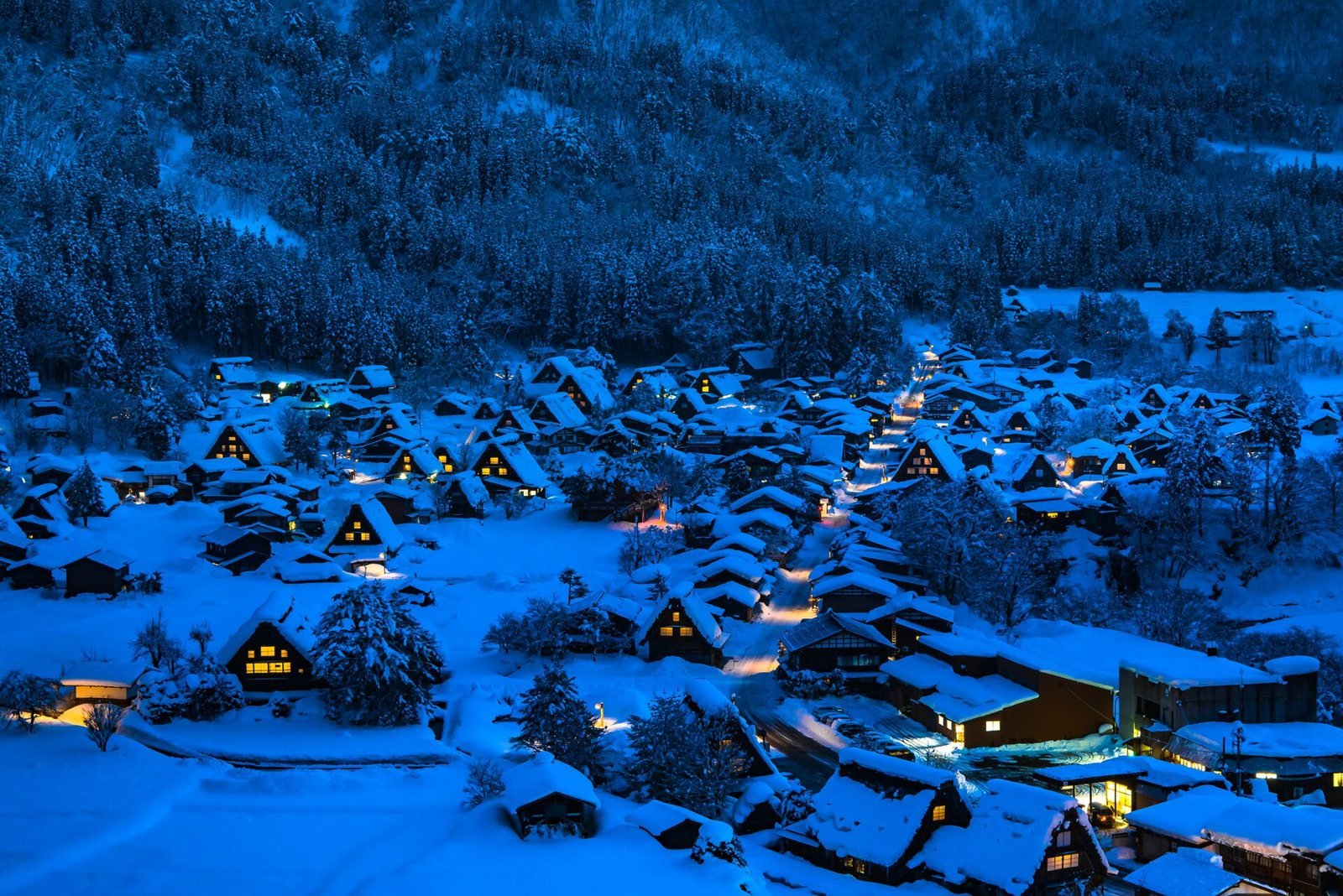
- Shirakawa-go winter light-up: the thatched village is lit on four evenings only, January 11, 17, 24 and 31, 2027, from 5:30 to 7:30pm. Entry is by advance reservation only, so check the Shirakawa-go Tourist Association page now.
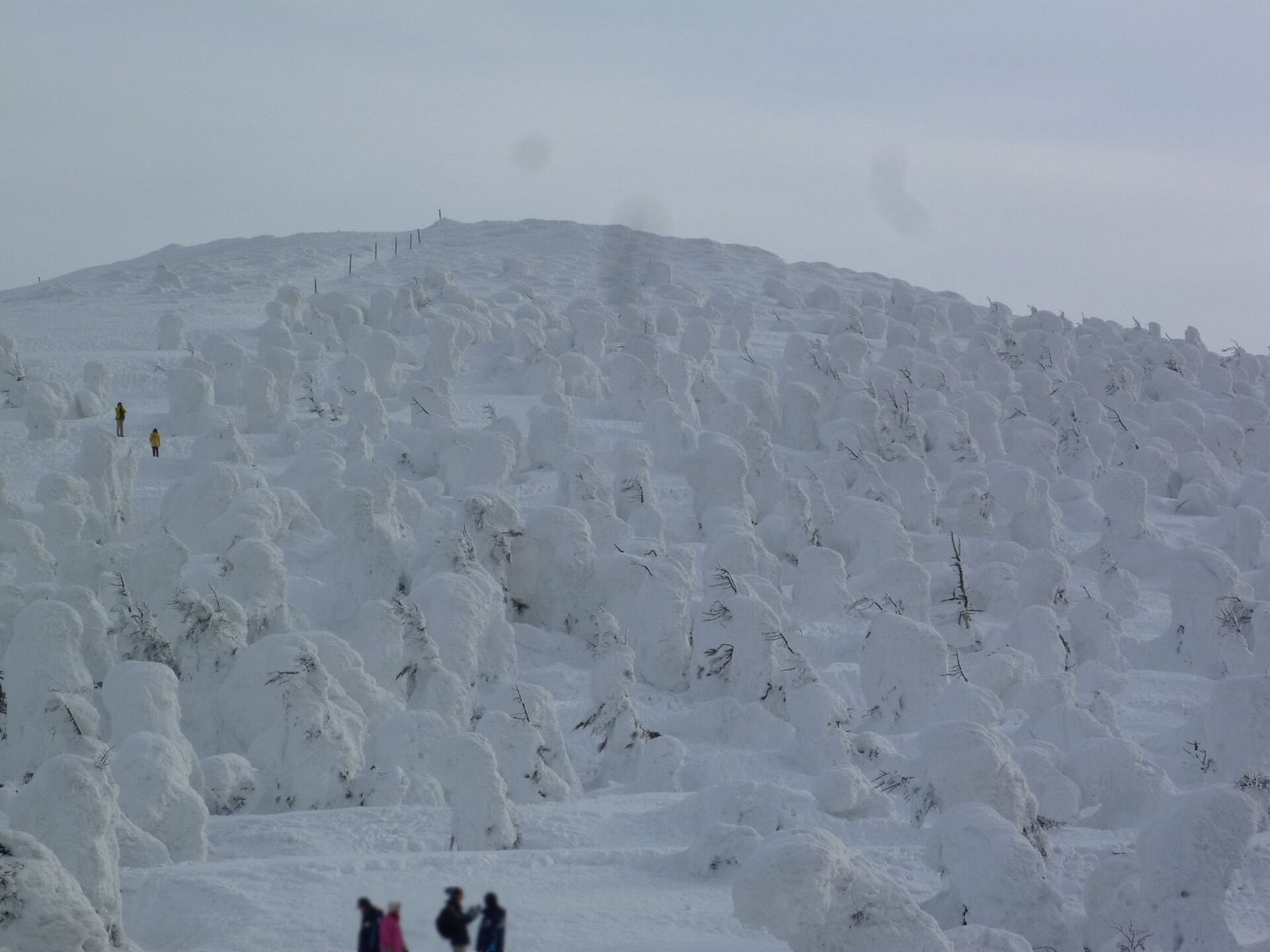
- Zao snow monsters: above Zao Onsen in Yamagata, firs freeze into rime-covered “snow monsters” (juhyo). The Zao Ropeway lights them from 5 to 9pm on set January 2027 nights: 1-3, 9-11, 16-17, 22-24 and 29-31 (bad weather cancels).
- Snow monkeys: January and February are prime time to see wild macaques bathing at Jigokudani in Nagano. Our snow monkey guide covers the snowy trail in.
- Wakakusa Yamayaki, Nara: on Saturday, January 23, 2027, the grassy hillside above Nara Park is set alight after a fireworks show (fireworks from 6:15pm, ignition at 6:30pm, per the official site).
- Skiing: January snow is deep in Hokkaido and Nagano; see our Hokkaido ski and onsen itinerary.
If you are staying into February, the Sapporo Snow Festival runs February 4-11, 2027, according to the official festival site.
Tokyo Disneyland in January 2027: what is closed
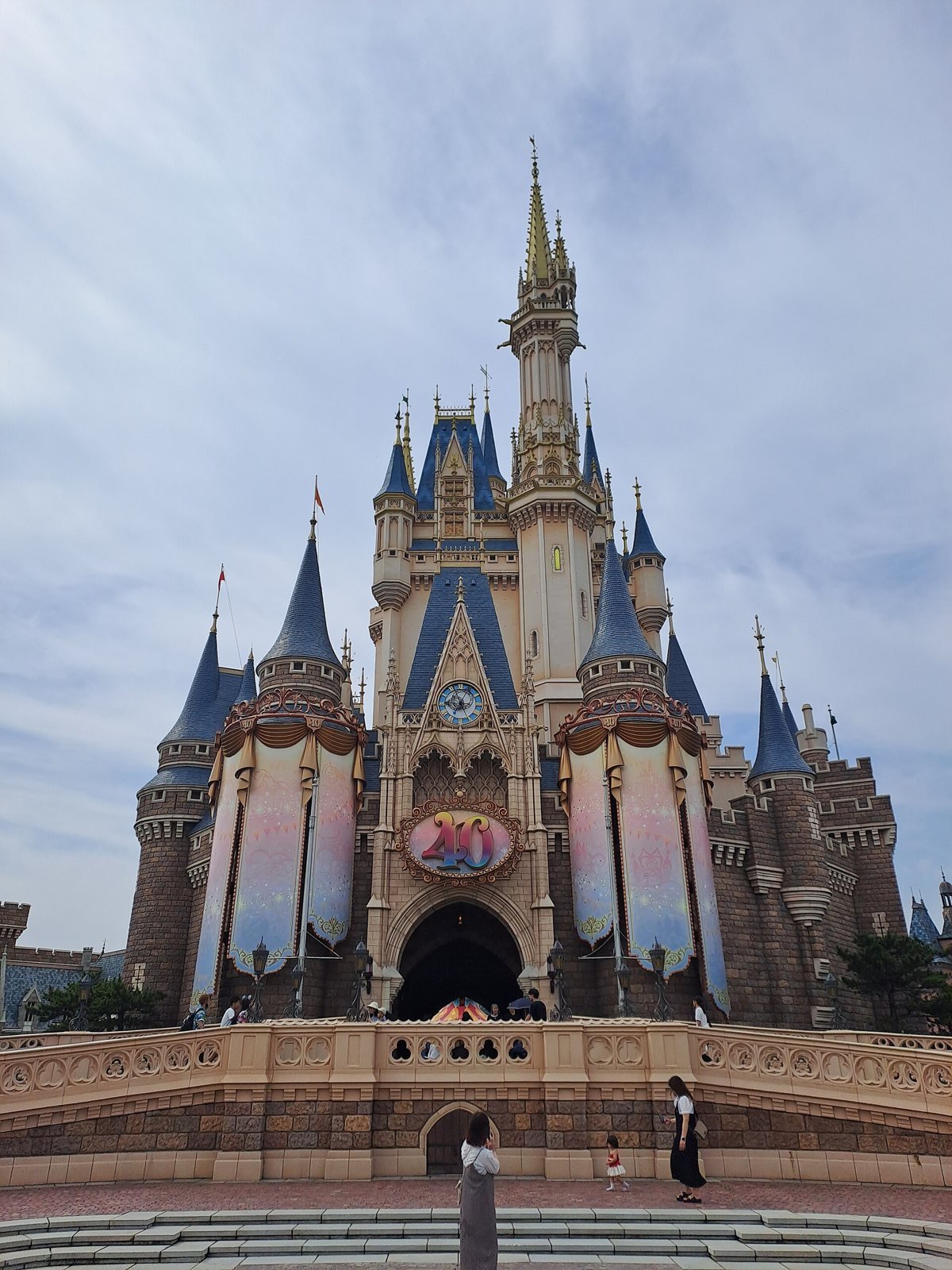
Several classic rides are scheduled for refurbishment in early 2027. The official Tokyo Disney Resort closure page lists these dates as of November 1, 2026 (Tokyo Disneyland only; Tokyo DisneySea has its own list):
| Attraction | Scheduled closure | Note |
|---|---|---|
| Peter Pan’s Flight | Jan 6 – Feb 2, 2027 | Fantasyland |
| Jungle Cruise: Wildlife Expeditions | Jan 6 – Mar 31, 2027 | Longest closure of the group |
| Splash Mountain | Jan 7 – Feb 4, 2027 | Critter Country |
| Haunted Mansion | Jan 8 – Feb 4, 2027 | Fantasyland |
| Star Tours: The Adventures Continue | Feb 5 – 18, 2027 | Tomorrowland |
| Roger Rabbit’s Car Toon Spin | Feb 8 – Mar 2, 2027 | Toontown |
| Swiss Family Treehouse | Closed since 2022 | Reopening TBD |
| Cinderella’s Fairy Tale Hall | From Oct 1, 2026 | Reopening TBD |
The “Sky Full of Colors” fireworks are also paused from November 11, 2026 to January 11, 2027, and the fireworks and Electrical Parade Dreamlights are both off on January 28. The resort can change these dates, so check the official page before you buy tickets. Our Tokyo Disneyland guide covers the rest.
January travel tips
- Mid-January is quieter: once the New Year holiday ends and schools go back, crowds thin out until the February snow festivals and the spring rush. See our best time to visit Japan guide for how January compares.
- Watch the 3-day weekend: Coming of Age Day is Monday, January 11, 2027, so January 9-11 is a long weekend with busier trains and hotels.
- Allow for snow delays: storms can delay flights and trains in the north, so leave slack before your flight home.
- Shopping: Japan’s tax-free system switched to a refund model on November 1, 2026; our tax-free shopping guide explains how the refund works.
Visiting from Singapore, Australia, the UK or Canada
From the tropics, January in Japan feels colder than the numbers suggest; bring winter layers or buy them on arrival (Uniqlo sells them across Japan). For Australians, January is summer school-holiday season, so book flights early. Japan uses Type A plugs at 100V: UK (Type G) and Australian (Type I) travelers need an adapter, while Canadians can use their US-style plugs.
Research-based picks for a January trip
We have not tested these; they are popular examples of the item types that help most in January.
A merino wool base layer keeps you warm outdoors without overheating on crowded trains.

Thermal base layer (item type, not the exact product). Photo: Socksguy, public domain, via Wikimedia Commons
Merino.tech Merino Wool Base Layer (Long Sleeve)
A thin merino thermal top that keeps you warm outside without overheating on heated trains.
Check price on AmazonWarm wool socks matter more than you think, because you will take your shoes off at temples, ryokan and some restaurants.

Wool socks (item type, not the exact product). Photo: Peterdownunder, CC BY-SA 4.0, via Wikimedia Commons
Danish Endurance Merino Wool Hiking Socks
Cushioned merino socks for cold feet on temple and ryokan floors, where shoes come off.
Check price on AmazonA fleece neck gaiter is lighter than a scarf and easy to stuff in a pocket when you step indoors.

Neck gaiter (item type, not the exact product). Photo: Gerolsteiner91, CC BY-SA 2.5, via Wikimedia Commons
Carhartt Force Stretch Fleece Neck Gaiter
A pocketable fleece neck warmer that is easier than a scarf when you keep stepping in and out of the cold.
Check price on AmazonA warm knit beanie that covers your ears makes Sapporo and Zao evenings far more pleasant.
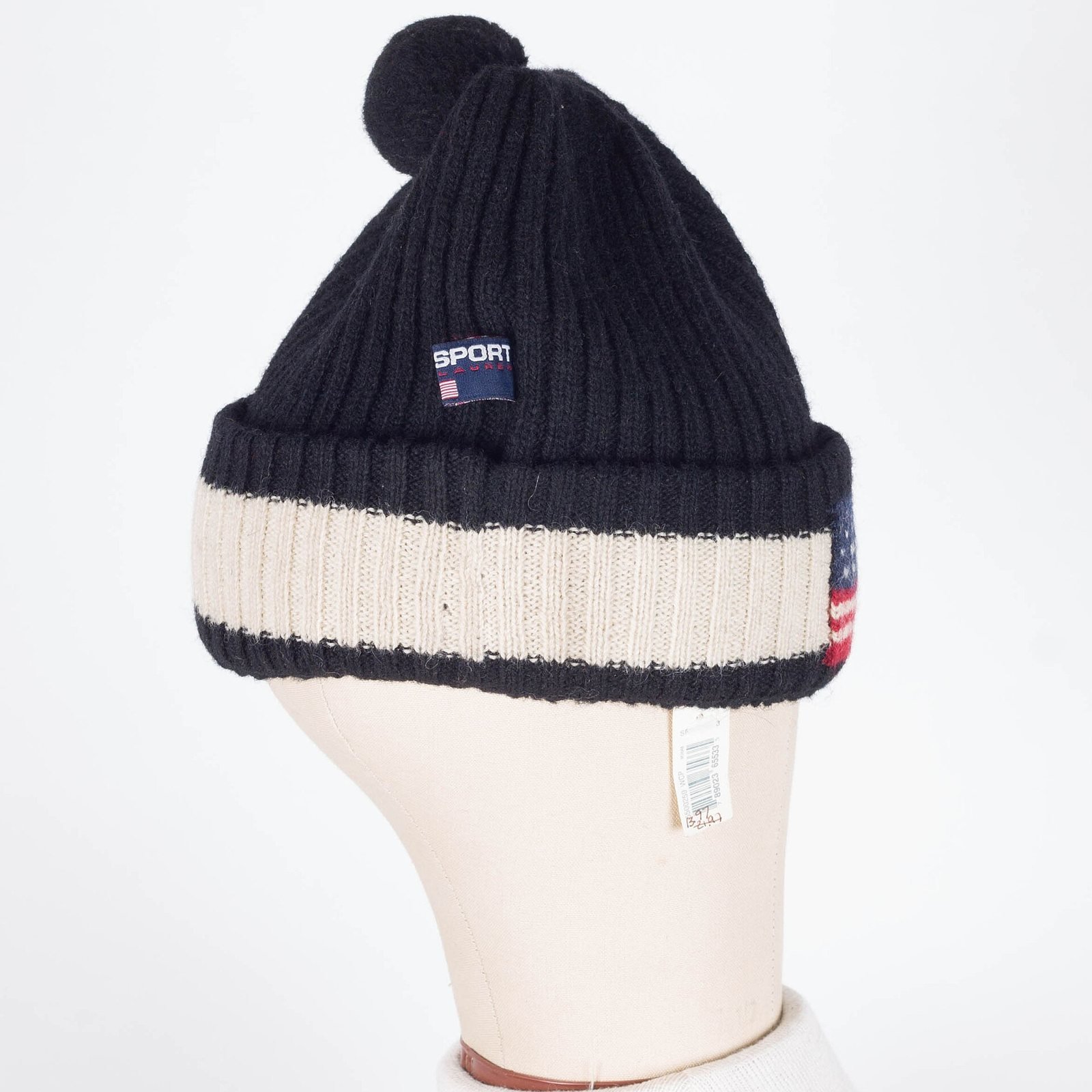
Knit beanie (item type, not the exact product). Photo: Menswear Market, CC BY 2.0, via Wikimedia Commons
Carhartt A18 Knit Cuffed Beanie
A warm acrylic knit watch cap that covers your ears for Sapporo streets and Zao evenings.
Check price on AmazonFAQ
Is January a good time to visit Japan?
Yes, especially after the first few days. Mid-January is quieter, the Pacific side is dry and sunny, and it is peak season for skiing, snow monkeys and winter light-ups.
Does it snow in Tokyo in January?
Occasionally. Tokyo averages under 3 days with any snowfall in January and about 2 in (4 cm) in total, so most January days are cold, dry and clear.
How cold is Japan in January?
Tokyo, Osaka and Kyoto average highs of about 48-50F (9-10C) and lows of about 34-37F (1-3C). Sapporo averages a high of 31F (-0.4C) and a low of 20F (-6.4C). Okinawa is mild at about 68F (20C).
What should I wear in Japan in January?
A warm coat, thermal base layer, sweater, hat, gloves and scarf for the cities. Add an insulated waterproof parka and snow boots with grip for Hokkaido, Tohoku, Nagano and the Sea of Japan side.
What is closed in Japan on New Year’s Day?
Government offices close December 29 to January 3, and many museums and small shops close for some of January 1-3. Convenience stores, trains and most big department stores keep running or reopen by January 1-2.
Is Tokyo Disneyland open in January 2027?
Yes, the park is open, but Peter Pan’s Flight (Jan 6 – Feb 2), Jungle Cruise (Jan 6 – Mar 31), Splash Mountain (Jan 7 – Feb 4) and Haunted Mansion (Jan 8 – Feb 4) are scheduled to close. Check the official closure page before you go.
Where can I see snow in Japan in January?
Hokkaido, Nagano and the Japan Alps, Tohoku (including Zao in Yamagata), and the Sea of Japan side, including Shirakawa-go and Kanazawa. Tokyo, Osaka and Fukuoka rarely have settled snow.
Bottom line
January rewards travelers who pack properly: dry, sunny cities, deep snow a short train ride away, and fewer crowds once New Year is over. Book Shirakawa-go and around the Coming of Age Day weekend early, and check the Disney closure dates if the park is on your list.
Comment (1)