As an Amazon Associate, Chasing Cherry Blossoms earns from qualifying purchases. We may also earn from other affiliate links on this page at no extra cost to you.
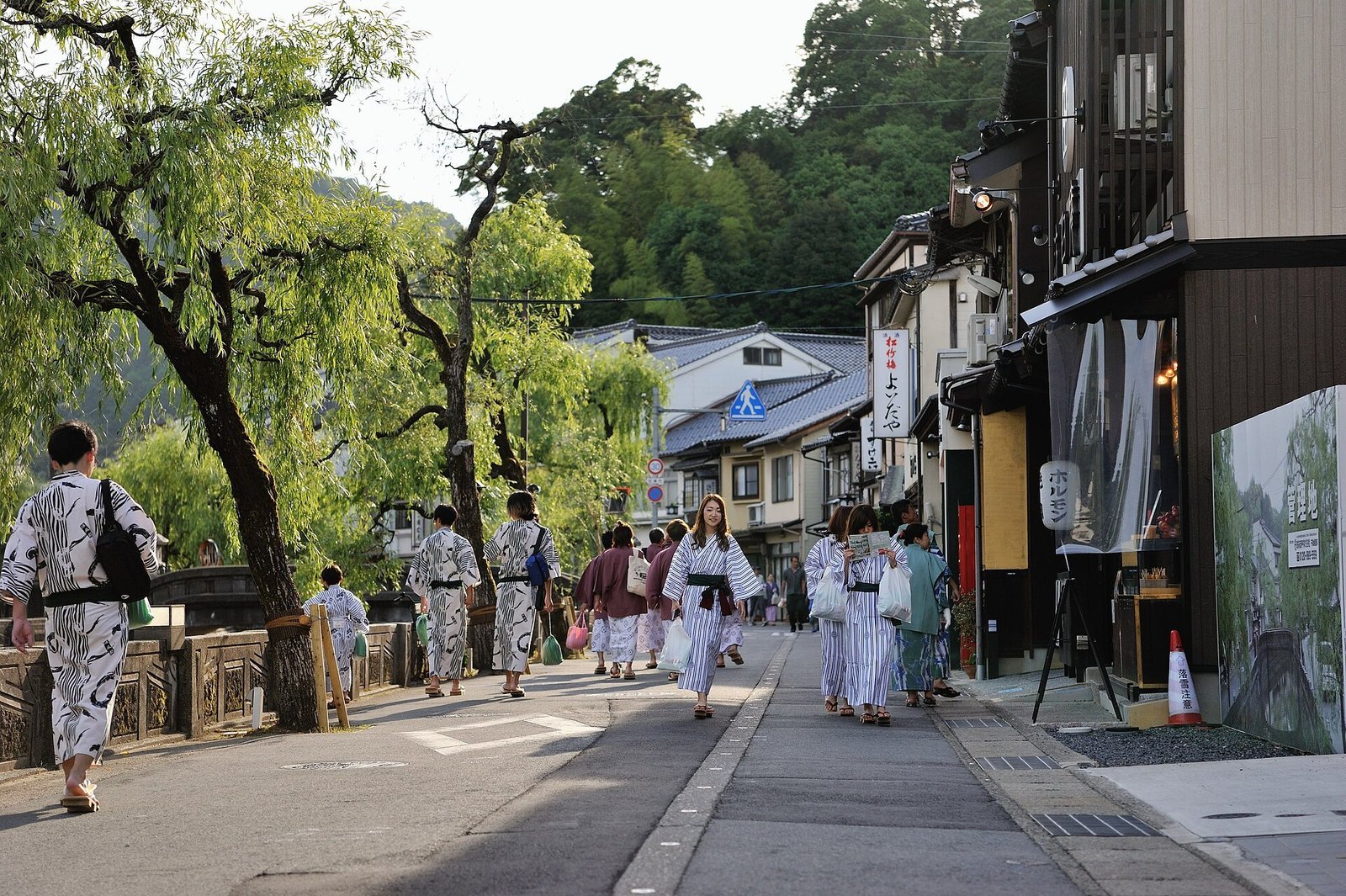
Kinosaki Onsen is a small hot spring town in Toyooka, in the far north of Hyogo Prefecture near the Sea of Japan. What sets it apart is that the bathing happens out on the street. You check into a ryokan, put on the yukata and wooden geta they give you, and walk along the willow-lined Otani River from one public bathhouse to the next.
This guide is for travelers coming from the US. It covers which baths are open in 2026, what they cost, and how to get there from Osaka or Kyoto. Dollar figures assume roughly $1 = 150 yen.
Quick answer: Kinosaki Onsen is about 2 hours 20 minutes from Kyoto or about 2 hours 40 minutes from Osaka on JR limited express trains, and the regular one-way fare is roughly 5,400 to 6,100 yen ($36 to $41). Of the seven public bathhouses, Satono-yu has been closed since April 2024, and Kono-yu, closed for renovation since May 2026, is due to reopen on 28 October 2026. That leaves six baths open from late October. A single bath costs 800 yen (about $5) and the Yumepa all-day pass costs 1,500 yen (about $10). If you stay at a ryokan in town, your bath pass is normally included. Tattoos are allowed at all of the public baths. Stay at least one night. The best time to go is winter crab season, from 6 November to March.
The seven soto-yu at a glance
These are the standard hours and closed days. While Kono-yu was shut for renovation, Mandara-yu opened on its usual Wednesday closed day; expect normal closed days again once Kono-yu reopens. When a closed day falls on a public holiday, the bath usually opens anyway. Closed days can change, so check before you go.
| Bathhouse | Hours | Closed | Single entry | Highlight |
|---|---|---|---|---|
| Satono-yu | – | Closed since April 2024 | – | Next to the station; to be rebuilt, no reopening date |
| Jizo-yu | 7:00-23:00 | Monday | 800 yen (~$5) | Retro building with a shallow kids’ bath |
| Yanagi-yu | 15:00-23:00 | Thursday | 800 yen (~$5) | The smallest bathhouse; foot bath out front |
| Ichino-yu | 7:00-23:00 | Wednesday | 800 yen (~$5) | A cave bath built into the rock |
| Gosho-no-yu | 7:00-23:00 | Thursday | 800 yen (~$5) | The largest bathhouse, with an outdoor bath facing a waterfall |
| Mandara-yu | 15:00-23:00 | Wednesday | 800 yen (~$5) | Small outdoor tubs; the site of the founding legend |
| Kono-yu | 7:00-23:00 | Tuesday | 800 yen (~$5) | Garden outdoor bath by the ropeway; renovated 2026, reopening 28 Oct 2026 |
Map of Kinosaki Onsen: bathhouses and sights
- Kinosaki Onsen Station – JR San-in Line station where the Konotori and Kinosaki limited expresses arrive. Directions
- Satono-yu (closed) – Bathhouse beside the station; closed since April 2024 and due to be rebuilt. Directions
- Jizo-yu – 7:00-23:00, closed Mondays; shallow kids' bath. Directions
- Kinosaki Literature Museum – Shiga Naoya and Kinosaki's writers; closed Wednesdays. Directions
- Yanagi-yu – 15:00-23:00, closed Thursdays; smallest bath, foot bath out front. Directions
- Ichino-yu – 7:00-23:00, closed Wednesdays; cave bath. Directions
- Gosho-no-yu – 7:00-23:00, closed Thursdays; largest bath, outdoor bath facing a waterfall. Directions
- Mandara-yu – 15:00-23:00, closed Wednesdays; site of the founding legend. Directions
- Kono-yu – 7:00-23:00, closed Tuesdays; garden outdoor bath, reopening 28 Oct 2026 after renovation. Directions
- Kinosaki Onsen Ropeway (base station) – Ropeway up Mt. Daishi with a stop at Onsenji. Directions
- Onsenji Temple (main hall) – Guardian temple of the hot springs, by the ropeway's middle station. Directions
The town is compact. From the station to Kono-yu and the ropeway at the far end is about 15 to 25 minutes on foot, and the baths in between are a few hundred meters apart.
Costs and getting there
| Item | JPY (2026) | Approx. USD | Notes |
|---|---|---|---|
| Single soto-yu entry (adult) | 800 | $5 | Child 400 yen |
| Yumepa all-day bath pass (adult) | 1,500 | $10 | Child 750 yen; sold at any open bathhouse |
| Ropeway round trip to summit | 1,200 | $8 | About 750 yen to the Onsenji middle station |
| Onsenji Temple main hall | 300 | $2 | 400 yen with Kinosaki Art Museum |
| Kinosaki Literature Museum | 500 | $3.30 | Closed Wednesdays |
| Osaka to Kinosaki Onsen, Konotori (reserved) | about 6,140 one way | $41 | About 2 hr 40 min |
| Kyoto to Kinosaki Onsen, Kinosaki (reserved) | about 5,370 one way | $36 | About 2 hr 20-30 min |
| JR West Kansai WIDE Area Pass (5 days) | 12,000 | $80 | Covers both limited expresses |
| Ryokan, per person per night with two meals | about 15,000-40,000+ | $100-270+ | Higher in crab season and on Saturdays |
Train fares are regular-season reserved-seat prices. JR adds about 200 yen in busy periods and takes about 200 yen off in quiet ones.
What Kinosaki Onsen is
The Otani River runs down the middle of town, lined with willows, stone bridges and wooden ryokan. In the evening it fills with guests in yukata walking between baths. Kinosaki isn’t a hidden village: it’s well known in Japan and busy on winter weekends. There also isn’t a long list of sights. You come to bathe, eat well and slow down for a night or two.
According to local legend, a priest called Dochi Shonin opened the springs about 1,300 years ago. After 1,000 days of prayer, the story goes, a spring appeared where Mandara-yu now stands. Sources date this to either 717 or 720, and the town marked its 1,300th anniversary in 2020. A second legend says a stork healing its injured leg led people to the spring that became Kono-yu, whose name means stork bath. The later history is better documented. The Edo-period physician Kagawa Shutoku praised Kinosaki’s water as the finest in the land. The writer Shiga Naoya came here in 1913 to recover from being hit by a train, and his short story “At Kinosaki” (Kinosaki nite, 1917) made the town a literary landmark.
The seven public bathhouses
Satono-yu (closed)
Satono-yu is the large bathhouse beside the station. Toyooka City closed it at the end of March 2024 because the building had aged badly, and the city plans to rebuild it. Some sources suggest it may not reopen until around 2030, so don’t plan around it.
Jizo-yu
Jizo-yu is a short walk from the station, which makes it a good first bath if you arrive in the morning. It has a separate shallow, cooler bath for small children. Japan-guide lists a private family bath here at about 3,000 yen ($20) for 40 minutes, but confirm it’s running.
Yanagi-yu
Yanagi-yu is the smallest bathhouse and opens only from 15:00. It has a single wooden tub that runs hot, and a free foot bath on the street out front.
Ichino-yu
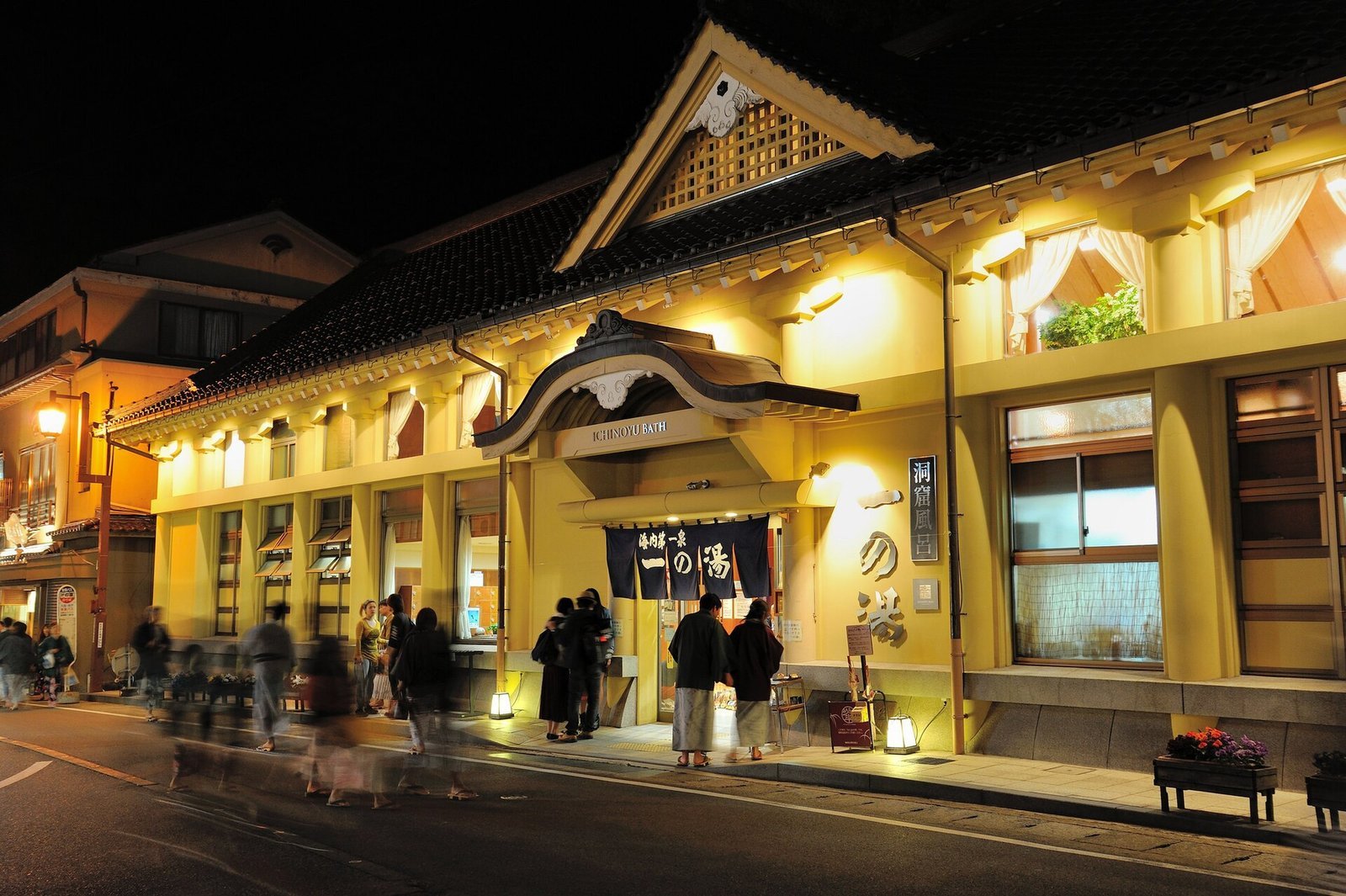
Ichino-yu sits in the center of town behind a grand, theater-style facade. Its signature is a cave bath set into the rock. It’s also listed as having a private family bath.
Gosho-no-yu
Gosho-no-yu is the largest and most photographed bathhouse. Its outdoor bath faces a waterfall on the hillside. The changing room gets crowded on busy evenings, so it’s better first thing in the morning.
Mandara-yu
Mandara-yu sits off the main street and opens from 15:00. It has small outdoor tubs, and this is the site tied to the Dochi Shonin legend. It’s usually quieter than Gosho-no-yu.
Kono-yu
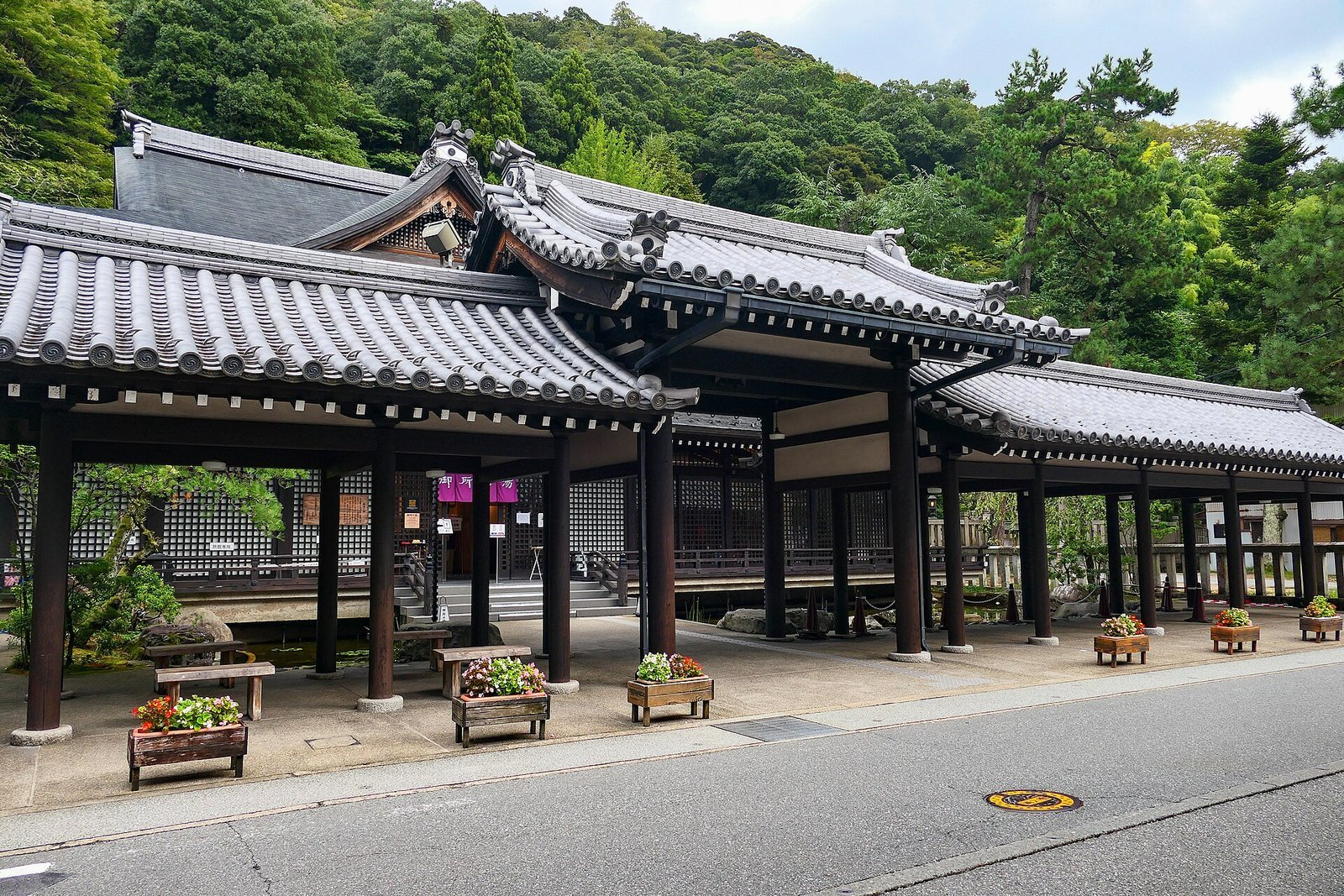
Kono-yu is at the far end of town by the ropeway and has an outdoor bath in a garden setting. It closed for renovation on 11 May 2026. The Yushima property ward that runs the baths lists reopening on 28 October 2026, while some tourism pages still show the closure running to 30 October, so if you visit in the last days of October, ask your ryokan or the station tourist office.
Bath passes, towels and crowds
Yumepa day pass. Day visitors can buy the Yumepa pass (1,500 yen adults, 750 yen children) at the first bath they visit. It gives unlimited entry for the day to every open bathhouse, so it pays for itself at two baths.
Ryokan guests. Most inns in town give guests a free pass, usually a card or code that gets scanned at each bathhouse gate. It’s typically valid from check-in until about midday on check-out day. Formats and hours vary, so ask at check-in.
Towels. Soap and shampoo are provided at the baths. Bring a small towel or use the one from your ryokan, or buy or rent one at the counter. Keep it out of the water.
Crowds. The baths are busiest on weekend evenings, right after check-in (roughly 15:00 to 18:00) and again after dinner. Weekday mornings at 7:00 are the calmest.
How many? Three or four baths in an evening and one or two the next morning is comfortable. The water is hot, around 42 C, so a few minutes per bath is plenty. Drink water between baths.
Etiquette. The usual onsen rules apply. Wash thoroughly before getting in, keep your towel out of the bath, tie up long hair, and keep your voice down. If you’re new to onsen, read our first-timer’s guide to Japanese onsen etiquette.
Tattoos at Kinosaki
This is a big draw for American travelers. Visit Kinosaki, the official tourism site, states that all seven public bathhouses accept tattoos of any size, with no need to cover them. That’s unusual in Japan, where many onsen still turn away anyone with visible ink. The exception is ryokan baths: an inn’s own baths can set their own rules, so ask when you book. Some third-party guides still say tattoos aren’t allowed at Kinosaki, but they contradict the official statement.
Staying in a ryokan
A typical ryokan night includes a tatami room, a yukata and geta for walking around town, a multi-course kaiseki-style dinner, breakfast and your bath pass. Many inns are small and family-run. Dinner is served in your room at some inns and in a dining room at others.
As a rough guide, with two meals and two people sharing a room:
- Budget ryokan: about 15,000 to 22,000 yen ($100 to $150) per person per night
- Mid-range: about 22,000 to 40,000 yen ($150 to $270)
- Luxury: 40,000 to 80,000 yen ($270 to $530) or more
Solo travelers often pay more, and crab-season Saturdays can sell out months ahead. Our guide to Kyoto’s authentic ryokans explains how a stay works. For traditional dress more generally, see our kimono and yukata guide. The ryokan yukata is simple: left side over right, then tie the sash.
Crab and Tajima beef
Winter here means Matsuba crab, the local name for male snow crab from this stretch of the Sea of Japan. The fishing season runs from 6 November to 20 March, and ryokan build their winter menus around it, serving it as sashimi, grilled and in hot pot. Crab plans typically add roughly 5,000 to 15,000 yen ($35 to $100) per person.
The rest of the year, the star is Tajima beef. Tajima cattle are the Hyogo black-wagyu line that Kobe beef also comes from, and many Kinosaki dinners feature it as steak, sukiyaki or shabu-shabu. If beef is your priority, a summer or autumn visit costs less.
Onsenji Temple, the ropeway and the Literature Museum
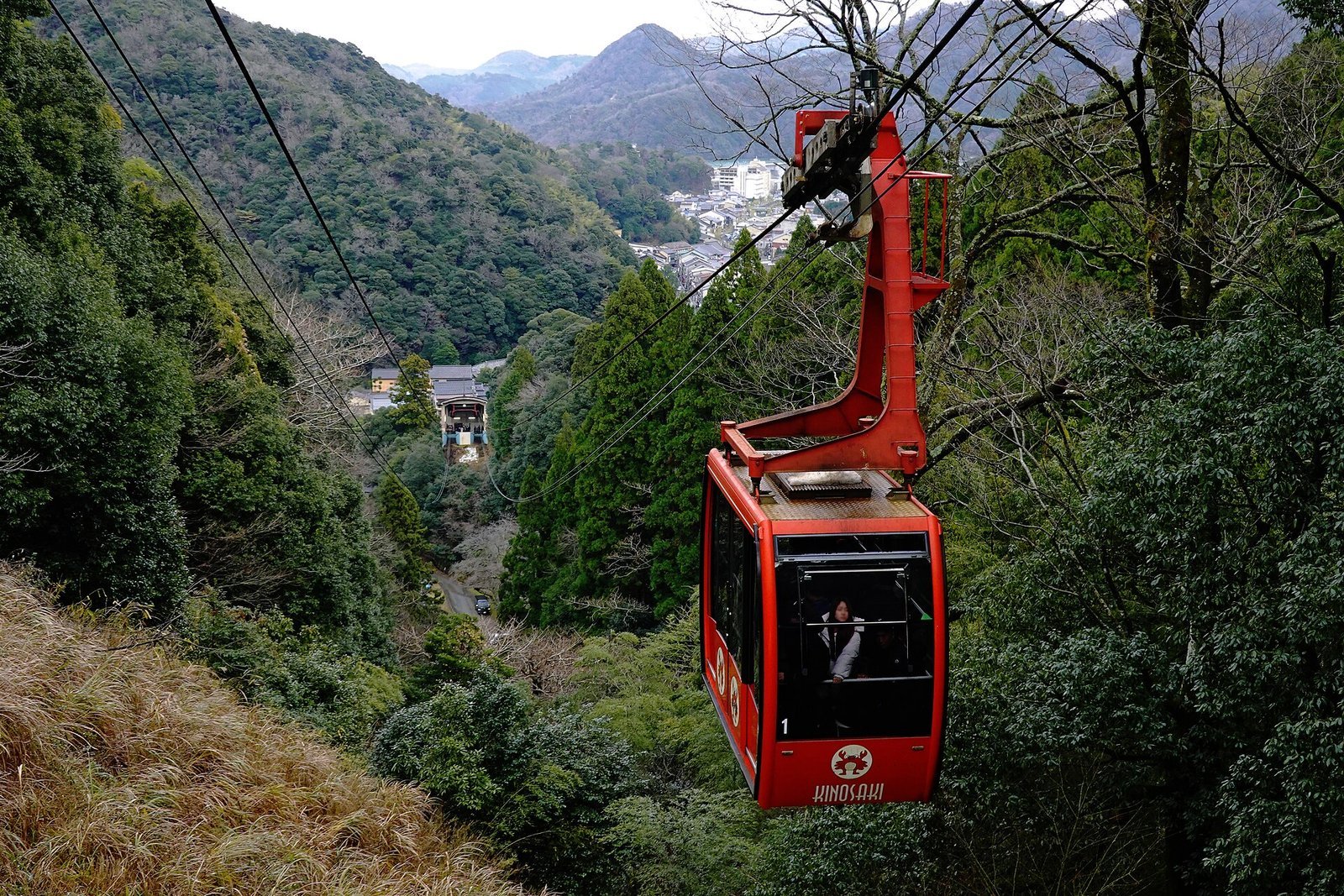
Kinosaki Onsen Ropeway. The ropeway climbs Mt. Daishi, with a middle stop at Onsenji, and gives views over the town and the Maruyama River toward the sea. Round trips cost about 1,200 yen ($8) to the summit and 750 yen ($5) to the middle station. Cars run from about 9:10, the last car up is around 16:50, and the last car down is around 17:10. Sources say it’s closed on the second and fourth Thursday of each month (except holidays), and the last cars run earlier from November to January, so check before you go.
Onsenji Temple. Temple tradition says Dochi Shonin founded Onsenji in 738, and it has long been the guardian temple of the hot springs. The main hall (300 yen, about 9:00 to 17:00) is near the ropeway’s middle station. The principal image, an eleven-headed Kannon, is normally hidden from view, and its shrine is opened during the Onsen Festival on 23-24 April.
Kinosaki Literature Museum. This small museum (500 yen, 9:00 to 17:00, closed Wednesdays) covers Shiga Naoya and the other writers linked to the town, and has English audio guides. It’s a good rainy-afternoon stop.
Side trip: Genbudo Park
Genbudo Park is about 10 minutes by car or taxi south of town. Its cliffs of basalt columns formed more than 1.6 million years ago and were designated a national natural monument in 1931. Since a 2022 renovation, listings show an adult entry fee of about 500 yen, but check the current price. Allow about an hour.
When to go
- November to March: Crab season, with the highest prices and the best atmosphere. Snow is common in January and February but not guaranteed.
- April: The Onsen Festival on 23-24 April honors Dochi Shonin. Cherry blossoms along the river typically peak in early to mid April.
- Summer: Quieter and cheaper. It’s hot for bath-hopping, but the evenings are pleasant.
- 14-15 October: The Danjiri Festival of Shisho Shrine. On day two, the shrine’s mikoshi visits each bathhouse while rival floats clash near the bridge by Ichino-yu.
For how Kinosaki fits into the wider calendar, see our best time to visit Japan guide.
Getting to Kinosaki Onsen
Flying in from the US
Kansai International (KIX) is the easiest airport. From there, take a train to Shin-Osaka, Osaka or Kyoto and change for Kinosaki. Osaka Itami (ITM) works for domestic connections. From Tokyo (HND or NRT), take the Tokaido Shinkansen to Kyoto (about 2 hours 15 minutes) and change to the Kinosaki limited express. That’s roughly five hours in all, so consider a night in Kyoto on the way.
From Osaka or Kyoto
The JR Konotori limited express runs from Shin-Osaka and Osaka stations. Every seat is reserved, so book before you board, even with a rail pass. Some trains run through to Kinosaki, while others need a change at Fukuchiyama or Toyooka. From Kyoto, the Kinosaki limited express takes the San-in Line. Highway buses from Umeda are cheaper, at about 4,100 yen, but take around 3 hours 40 minutes. If you’re spending time in the city first, our Osaka neighborhood guide has ideas.
JR Pass or Kansai WIDE Area Pass?
For most US visitors, the JR West Kansai WIDE Area Pass is the better buy. It costs 12,000 yen (about $80) for five consecutive days and covers both Kinosaki trains, plus Osaka, Kyoto, Kobe, Himeji and Okayama. An Osaka-Kinosaki round trip costs about 12,280 yen on its own, so the pass pays for itself. It doesn’t cover the Tokaido Shinkansen, including the Kyoto to Shin-Osaka stretch. There’s no need to buy it in the US: you can buy it online from JR West or at major stations, including the KIX JR office, with your passport.
The nationwide 7-day Japan Rail Pass rose to 53,000 yen (about $353) through overseas agents on 1 October 2026; the official JR Pass website is still selling it at 50,000 yen (about $333) for a limited time. It only makes sense if Kinosaki is one stop on a longer route, such as a Tokyo-Kansai round trip. For the full maths, see JR Pass vs renting a car in Japan.
By car
From Osaka, the drive takes roughly 2.5 to 3 hours via the Chugoku and Maizuru-Wakasa expressways, then the toll-free Kitakinki Toyooka Expressway. A car helps if you want to add Genbudo or the San-in coast, but you won’t need one in town. US drivers need their state license plus an International Driving Permit from AAA (issued under the 1949 Geneva Convention), arranged before departure. See our guide to renting a car in Japan.
Luggage
Limited express trains have little luggage space, and dragging a big suitcase down the main street to your ryokan isn’t fun. Send large bags ahead to your next hotel and travel with an overnight bag. Our luggage forwarding guide explains how it works.
Day trip or overnight?
A day trip is possible, but it means about five hours on trains. If you go, take an early train (one Konotori leaves Osaka around 8:14 and arrives around 11:00), buy a Yumepa pass, visit three baths, ride the ropeway, and head back in the evening. The last direct Konotori has been leaving around 18:50, but check the timetable. Staying overnight is far better: dinner, the evening yukata walk and the quiet morning baths are the point of Kinosaki.
Money and payments
US Visa and Mastercard cards are widely accepted at ryokan and larger shops, but small eateries and stalls may be cash-only. Bring 10,000 to 20,000 yen in cash, withdrawn from a 7-Eleven or Japan Post ATM before you arrive.
ICOCA or Suica in Apple Wallet is handy for trains and small purchases. JR West says you need an iPhone 8 or later, a device region that supports Apple Pay, and a card issued in an Apple Pay country, which covers US iPhones (some US issuers block top-ups). On limited express trains you still need a reserved-seat ticket.
What to pack
These are research-based picks for a bath-hopping trip; I haven’t tested them.
A thin cotton tenugui weighs almost nothing and dries between baths.
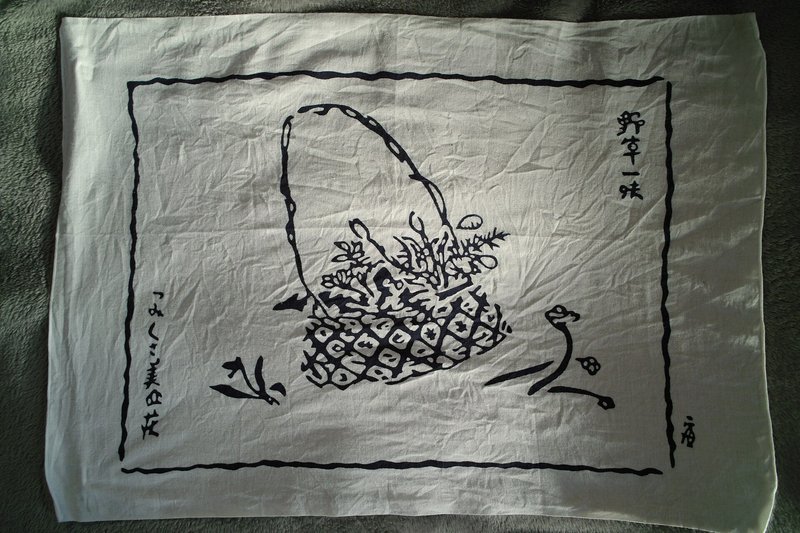
Japanese Cotton Tenugui Towel (Seigaiha)
Thin made-in-Japan cotton towel that dries fast between baths and packs flat.
Check price on AmazonA quick-dry mesh tote keeps your towel, pass and phone together between bathhouses.
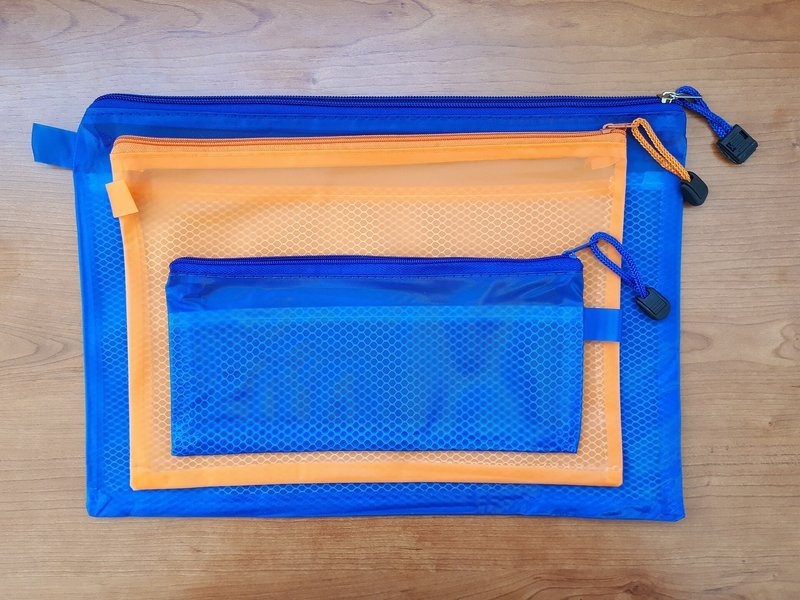
DV Lifestyle Mesh Shower Bag
Quick-dry zip mesh tote with pockets for your towel, bath pass and phone.
Check price on AmazonIf Kinosaki is part of a longer trip, a current country guidebook helps you plan the rest of the route.
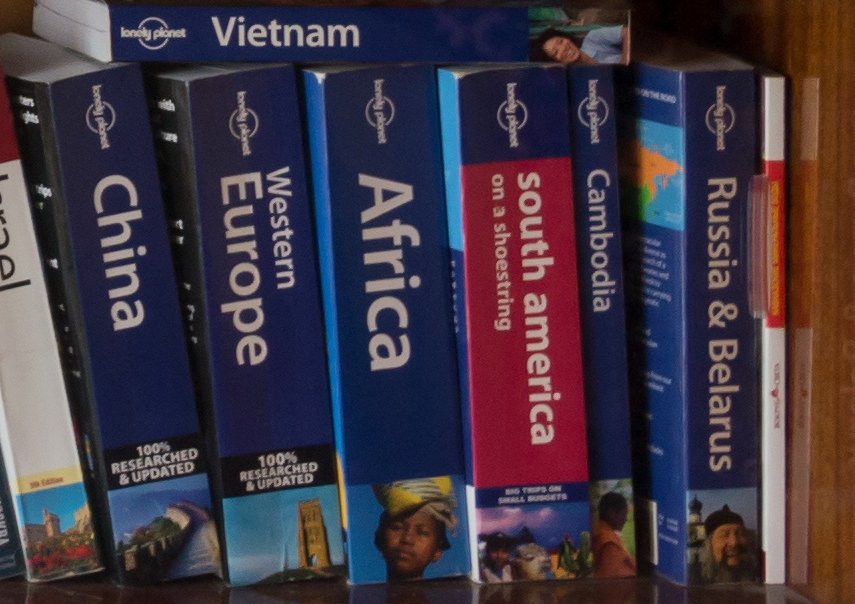
Travel guidebooks (item type, not the exact edition). Photo: Vyacheslav Argenberg, CC BY 4.0, via Wikimedia Commons
Lonely Planet Japan (19th edition, 2026)
Full country guide with Kansai coverage for planning the rest of your route.
Check price on Amazon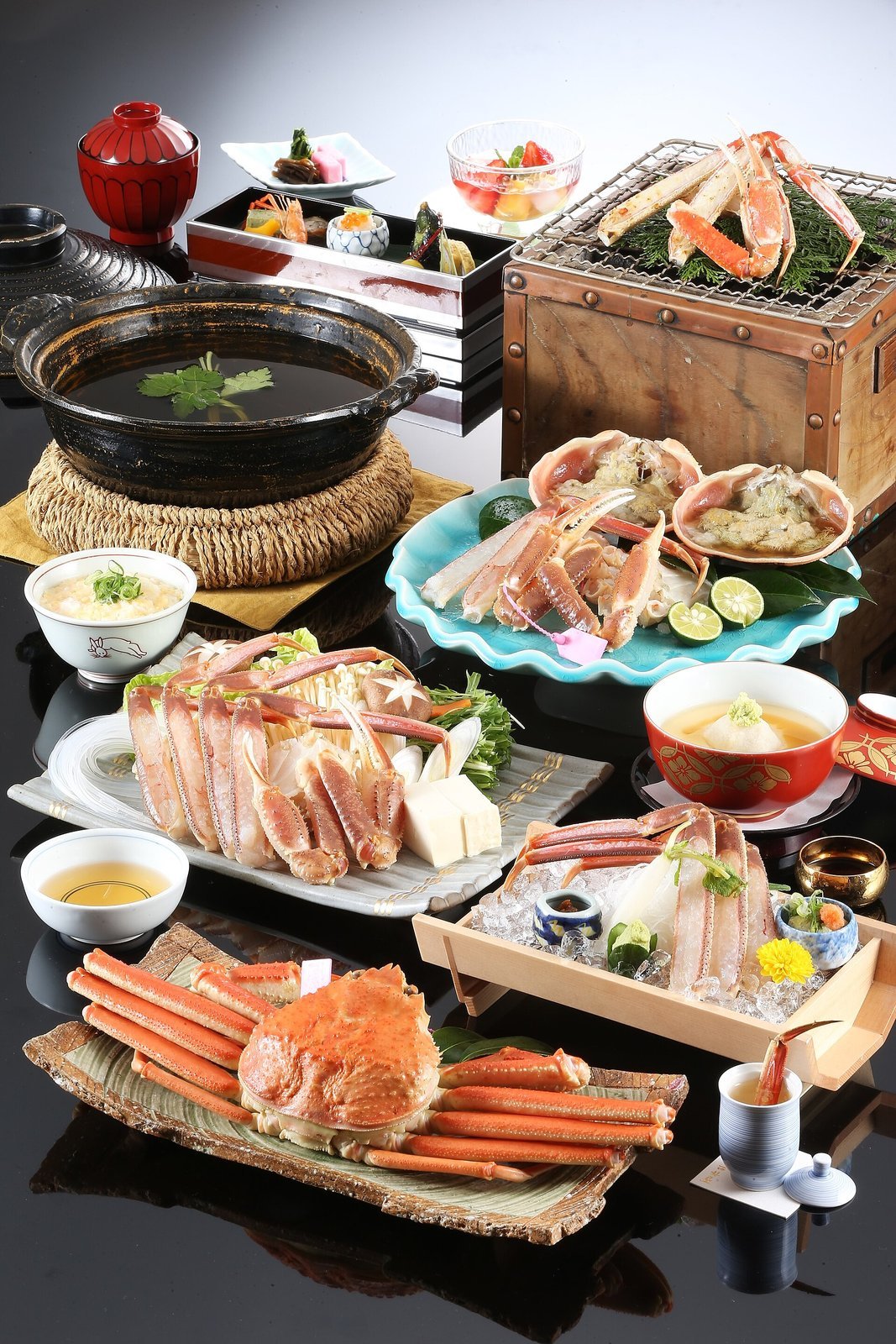
FAQ
Can I do Kinosaki Onsen as a day trip from Osaka or Kyoto?
Yes, but it’s a long day: about 2 hours 20 to 40 minutes each way, leaving five or six hours in town. Book reserved seats both ways, buy a Yumepa pass and aim for three baths. If you can, stay the night.
Are tattoos allowed at Kinosaki’s public baths?
Yes. Visit Kinosaki says all of the public bathhouses accept tattoos of any size, uncovered. Ryokan baths can set their own rules, so ask your inn.
Is the JR Pass worth it for Kinosaki?
Not on its own. The 7-day nationwide pass costs 50,000 to 53,000 yen depending on where you buy it, while a round trip from Osaka is about 12,280 yen. The 12,000-yen Kansai WIDE Area Pass covers the Kinosaki trains and suits a Kansai-focused trip better.
How many baths can I visit in a day?
Three or four in an evening and one or two the next morning is comfortable. With Satono-yu closed, six baths operate once Kono-yu reopens on 28 October 2026, and fewer on Wednesdays and Thursdays, when two baths each take their day off.
When is crab season in Kinosaki?
Matsuba crab season runs from 6 November to 20 March. December to February is peak season for both crab dinners and snow, and also the most expensive time, so book early.
Do I need cash in Kinosaki?
Bring some. Ryokan and larger shops take US credit cards, but small eateries and stalls may be cash-only. About 10,000 to 20,000 yen covers snacks, drinks and extras.
Is Kinosaki good for kids and families?
Yes. The town is flat and walkable, children pay half price at the baths, and Jizo-yu has a shallow kids’ bath. Japan-guide lists family baths at Jizo-yu and Ichino-yu. Ask your ryokan about family rooms when you book.