
As an Amazon Associate, Chasing Cherry Blossoms earns from qualifying purchases. We may also earn from other affiliate links on this page at no extra cost to you.
Planning a winter trip to Japan and wondering how much yen to carry, where to find an ATM that takes your card, and whether the airport desk is worth it? This guide covers the money mechanics in one place, with dollars and yen side by side, so you can sort cash, cards and transport money before you fly.
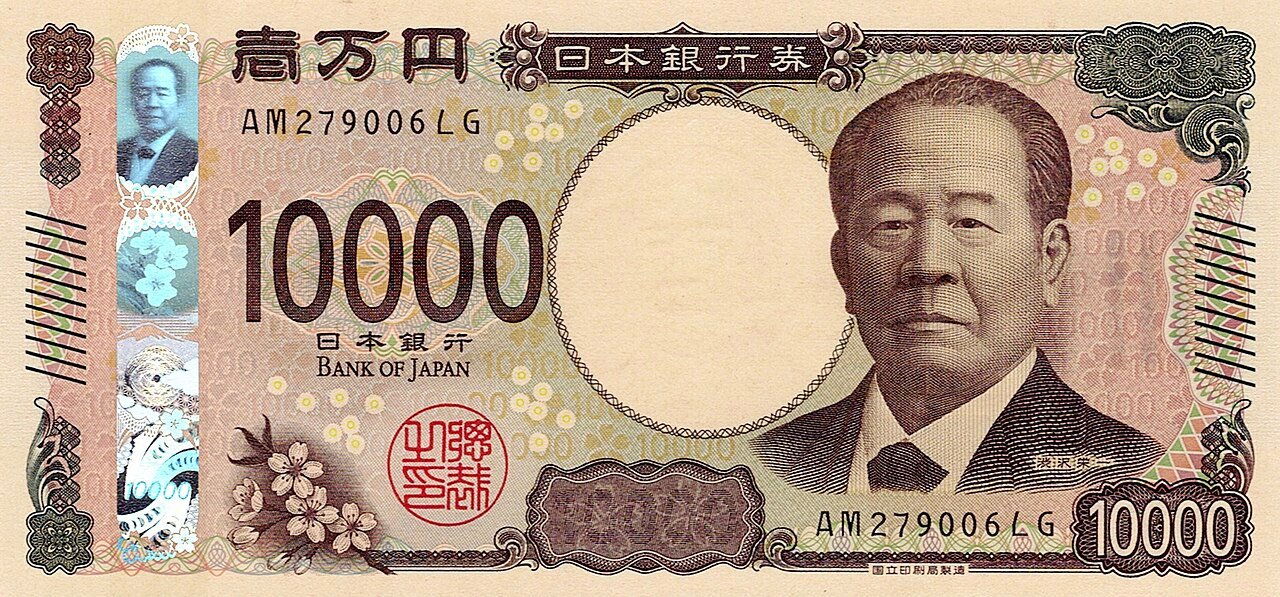
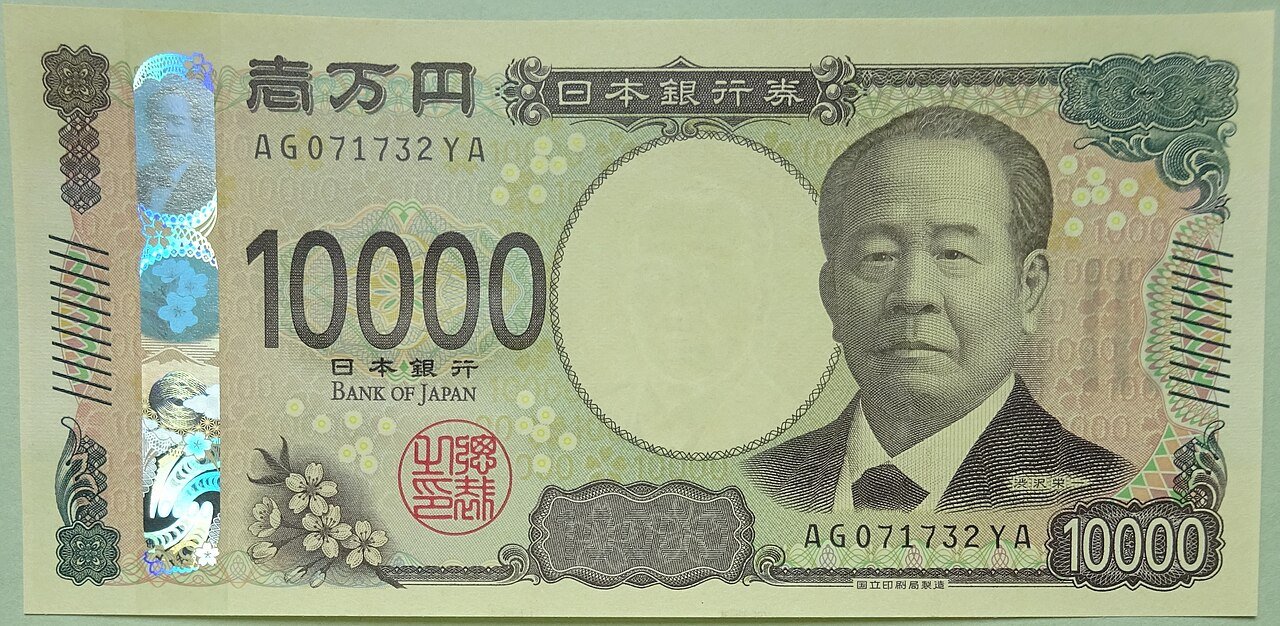
Quick answer: As of 5 Nov 2026, the latest reference rate we could fetch (dated 4 Nov) was about 158 yen per 1 US dollar, so 10,000 yen is roughly $63. Rates move daily, so check before you exchange anything. For cash, Seven Bank ATMs in 7-Eleven stores are usually a better bet than airport exchange desks. Bring a debit card that reimburses foreign ATM fees if possible, plus a backup credit card. As a planning example, a starter float of roughly 10,000-30,000 yen (about $63-$190) suits many first-week trips. Keep your IC transit card top-ups separate from that cash. This is general travel information, not financial advice.
Japan travel money at a glance
| Method | Best for | Typical cost / catch | Tip |
|---|---|---|---|
| Airport currency desk | A small yen float on arrival | Rates vary from desk to desk; check the posted rate and any fee | Exchange only what you need for the first day or two |
| Seven Bank / 7-Eleven ATM | Main source of cash | Seven Bank says fees vary by card brand; your own bank may add fees | Pick your language after inserting the card |
| Japan Post ATM | Backup ATM at post offices and some FamilyMarts | Japan Post Bank notes a usage fee of 220 yen per use may apply to some foreign cards | Hours depend on the machine; check before you rely on it |
| Credit card in shops | Hotels, department stores, chains, many restaurants | Acceptance varies by shop; your bank sets foreign-transaction fees | Carry Visa or Mastercard if you can |
| IC card (Suica/PASMO) | Trains, buses, vending machines, many konbini | Cannot be used everywhere | Treat it as separate from trip cash |
| Cash | Small shops, shrines and temples, local eateries | ATMs can be closed or empty at times | Keep a few hundred-yen coins handy |
Map: handy cash spots for first-time visitors
- Narita Airport Terminal 1 – Exchange counters and Seven Bank / Japan Post ATMs per the airport's site Directions
- Narita Airport Terminal 2 – Exchange, Seven Bank ATMs inside 7-Eleven; hours vary by location Directions
- Haneda Airport Terminal 3 – Exchange, Seven Bank and Japan Post ATMs; airside limit 30,000 yen Directions
- Tokyo Station – Major hub; follow signs to bank and convenience-store ATMs Directions
- Shinjuku Station – Huge hub with many ATMs and shops nearby; check signs Directions
- Kyoto Station – Arrival point for Kyoto; ATMs and shops in and around the station Directions
The pins above are major hubs where visitors commonly start a trip. ATM and exchange locations inside stations change, so follow the signs and the ATM locator on the provider site.
Yen to dollar: what the rate means for your trip
The latest reference rate we could fetch, from the Frankfurter API (ECB-based data), was 158.25 yen per US dollar, dated 4 Nov 2026. The Federal Reserve H.10 release for the week ending 30 Oct 2026 showed yen between about 157 and 158 per dollar. Use roughly 158 as a quick mental conversion: 1,000 yen is about $6.30, and 10,000 yen is about $63.
Your actual rate will differ. ATMs, cards and exchange desks each apply their own rate and fees, and the number shifts daily. Treat anything here as a planning figure and check a live rate before you exchange or withdraw.
How much cash to bring to Japan
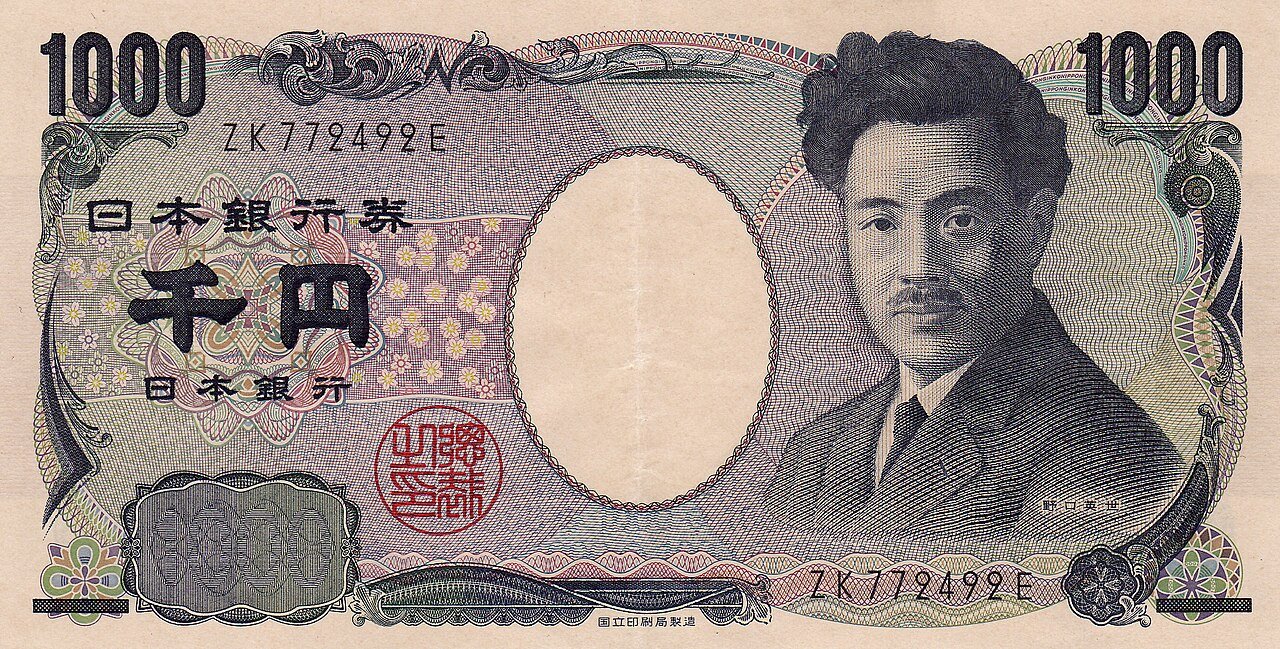
Japan’s tourism board says the country is very much a cash-based society, even though major cities usually accept cards at shops, restaurants and taxis (JNTO). So the answer depends on where you are going. These are planning examples, not advice.
- Tokyo or Osaka with a fee-free ATM card: a starter float of roughly 10,000-30,000 yen (about $63-$190), topped up from ATMs as needed.
- Countryside, small towns and shrine villages: consider a larger float, roughly 30,000-50,000 yen (about $190-$316), because card acceptance is less certain.
- Day trips: add a 5,000-10,000 yen buffer (about $32-$63) for places that may be cash-only.
Example cash float (planning only)
| Scenario | Yen | Approx USD (at about 158) | Notes |
|---|---|---|---|
| City week with cards (Tokyo/Osaka) | 10,000-20,000 yen | $63-$126 | Cards for hotels and big shops, cash for small stops |
| Countryside-leaning week | 30,000-50,000 yen | $190-$316 | More cash for small inns, buses and local restaurants |
| Day-trip buffer | 5,000-10,000 yen | $32-$63 | Extra for a shrine town, market or rural stop |
For full daily budgets, see our Osaka trip cost breakdown. If tax-free shopping is on your list, our 2026 tax-free refund guide covers the process.
ATMs that work with foreign cards
Seven Bank ATMs, mainly in 7-Eleven stores, accept cards with Visa/PLUS, Mastercard/Maestro/Cirrus, UnionPay, American Express, JCB, Discover and Diners Club marks, although the bank notes that some cards with those marks may not be accepted (Seven Bank). Visa and Mastercard are listed at 00:00 to 24:00, and the screens offer English and several other languages. The per-withdrawal limit for overseas cards is 100,000 yen, or 30,000 yen for magnetic stripe cards. Seven Bank says fees vary by card brand and does not list one set amount on the pages we read.
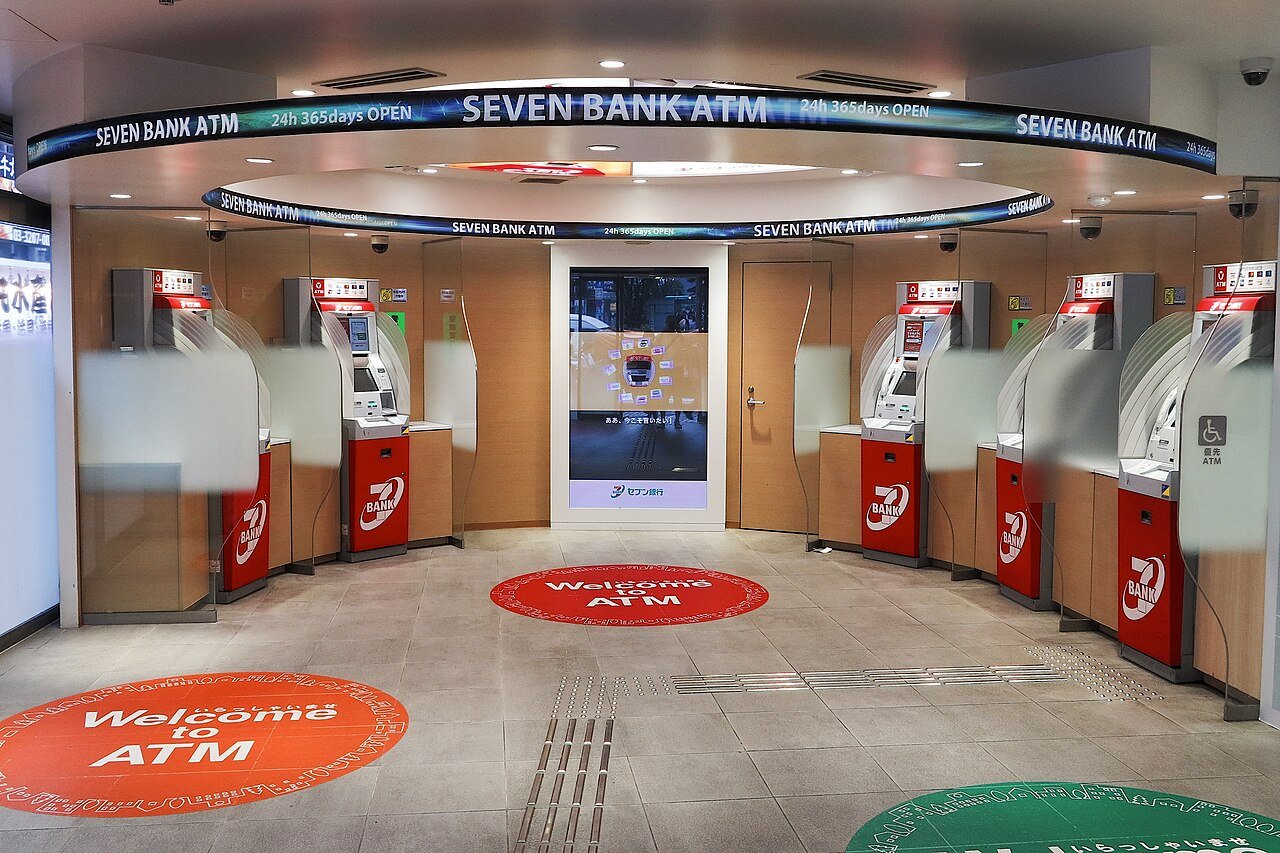
Japan Post Bank is a useful backup. Its International ATM Service lists Visa, PLUS, Mastercard, Maestro, Cirrus, JCB, China UnionPay and Discover. The single-withdrawal limit is 50,000 yen, hours vary by machine, and some foreign cards may incur a 220-yen ATM fee. Your own bank can add charges on top of whatever Japan charges, so ask it before you go. JNTO also notes that some ATMs are not open 24 hours and central-area machines can run out of cash at times.
Credit and debit cards in Japan
JNTO says credit, debit and prepaid cards of international brands are generally accepted across the country, but stores may not display the symbols of the cards they take, so ask before you pay (JNTO). Expect Visa and Mastercard to be the most widely accepted; American Express is accepted at fewer places. Treat that as a general expectation and keep cash as a backup.
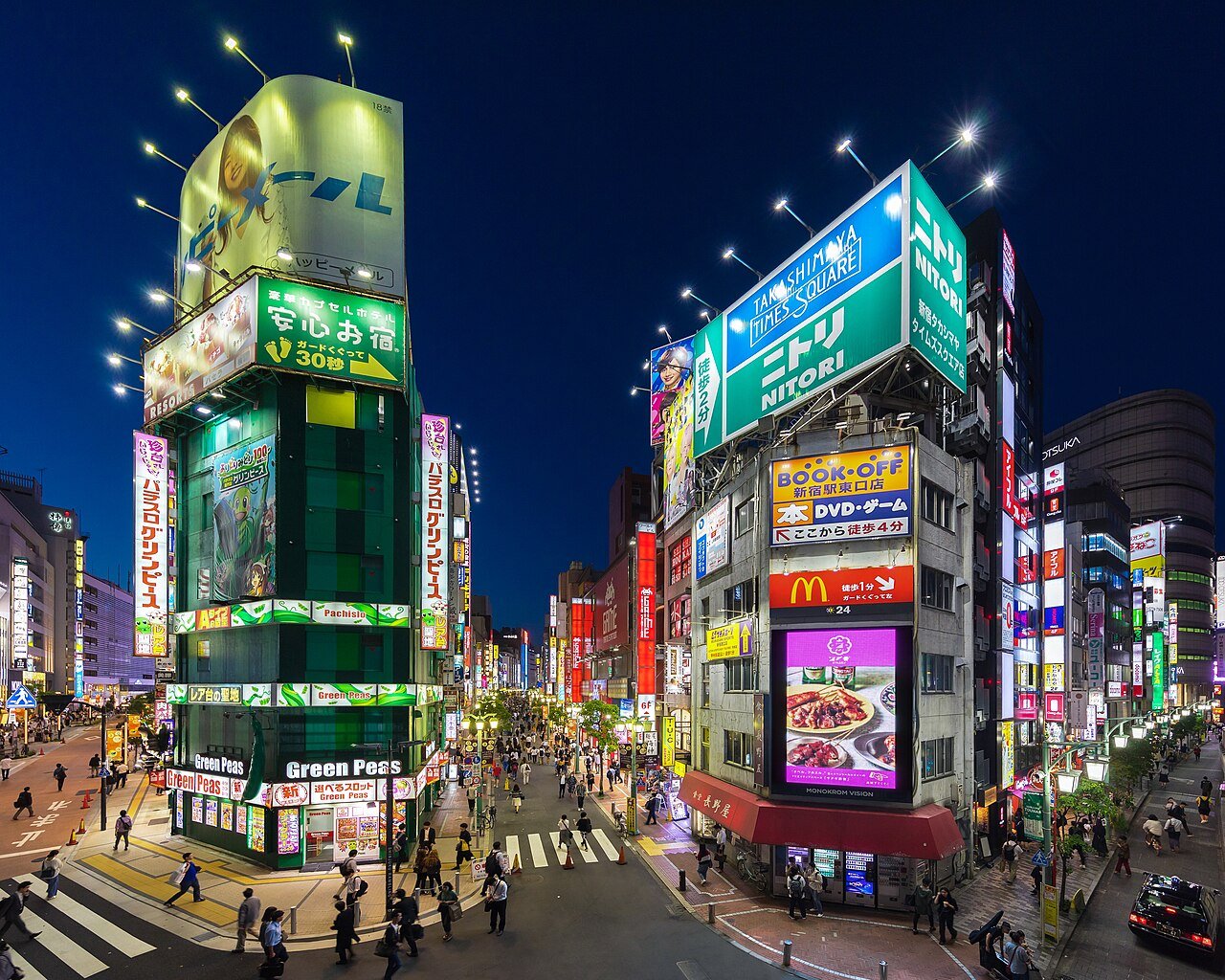
Foreign-transaction fees depend entirely on your card issuer, so check your terms before you travel. If a terminal asks whether to pay in yen or your home currency, picking yen is often the simpler choice, but compare the options on your card. Seven Bank also offers a currency choice at its ATMs for Visa and Mastercard.
IC cards and daily transport money
A Suica or PASMO card covers trains, buses and many vending machines and convenience stores, and it can’t be used everywhere. Keep the balance in your wallet or phone separate from your trip cash. Our Suica guide has the details. For longer rides, see how to ride the Shinkansen, and if you are renting a car, our ETC card guide explains tolls.
Airport exchange vs city ATMs
Narita lists currency exchange and ATMs in Terminals 1, 2 and 3 on its official site. The page says that exchange rates vary from store to store, so check the rate before you hand over cash (Narita Airport). Haneda also lists Seven Bank and Japan Post Bank ATMs in its terminals, and airside ATMs there are limited to 30,000 yen per withdrawal (Haneda Airport).
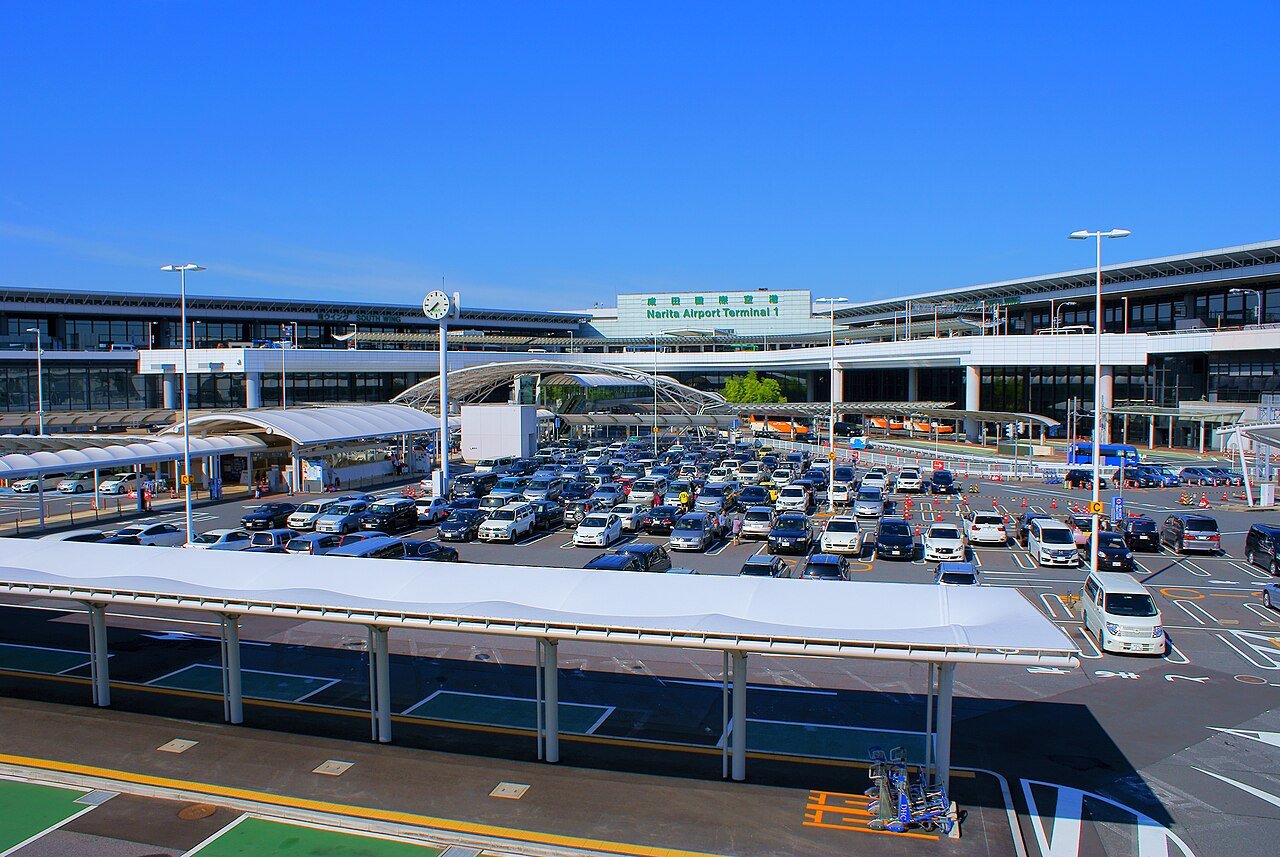
Airport desks often cost more than ATMs or city banks, but that depends on the desk and your card, so compare. A sensible approach is to bring a little yen, or withdraw a small amount on arrival, and use ATMs for the rest. Banks in town often close early, so don’t plan on them for evening needs.
Research-based picks
We have not tested these. They are items that travelers often use to carry cash and cards, picked from brand and retailer descriptions. Japan is generally low-crime for street theft, so treat them as optional.
A slim passport case with RFID-blocking material keeps your passport, cards and some cash in one place.
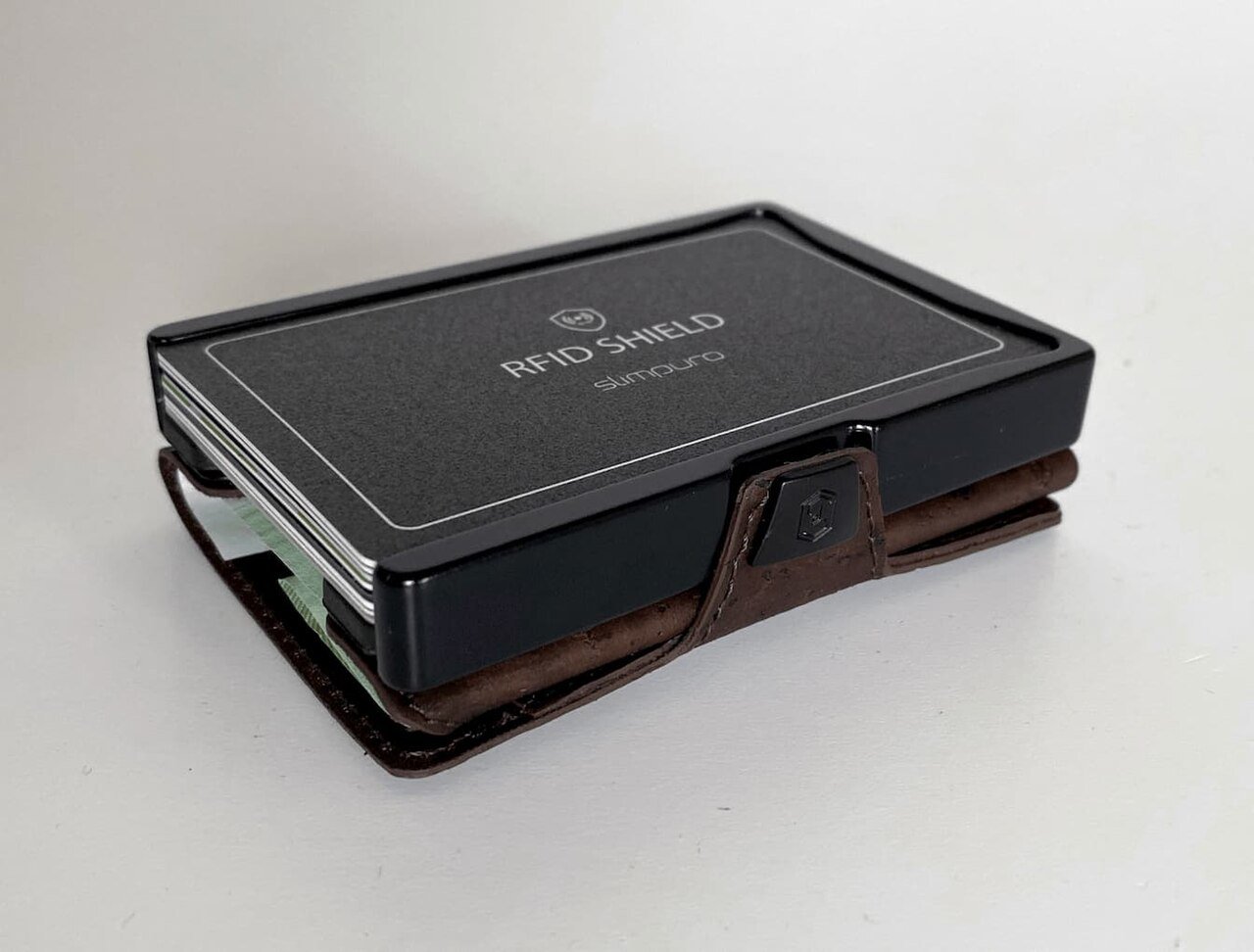
Slim RFID-style wallet (item type, not the exact product). Photo: Kartenetui.info, CC BY 4.0, via Wikimedia Commons
Travelon RFID Blocking Passport Case
Slim RFID-blocking case for passport, cards and a little cash.
Check price on AmazonA slim under-clothing money belt is a low-key way to hold a backup card, spare cash and a passport.
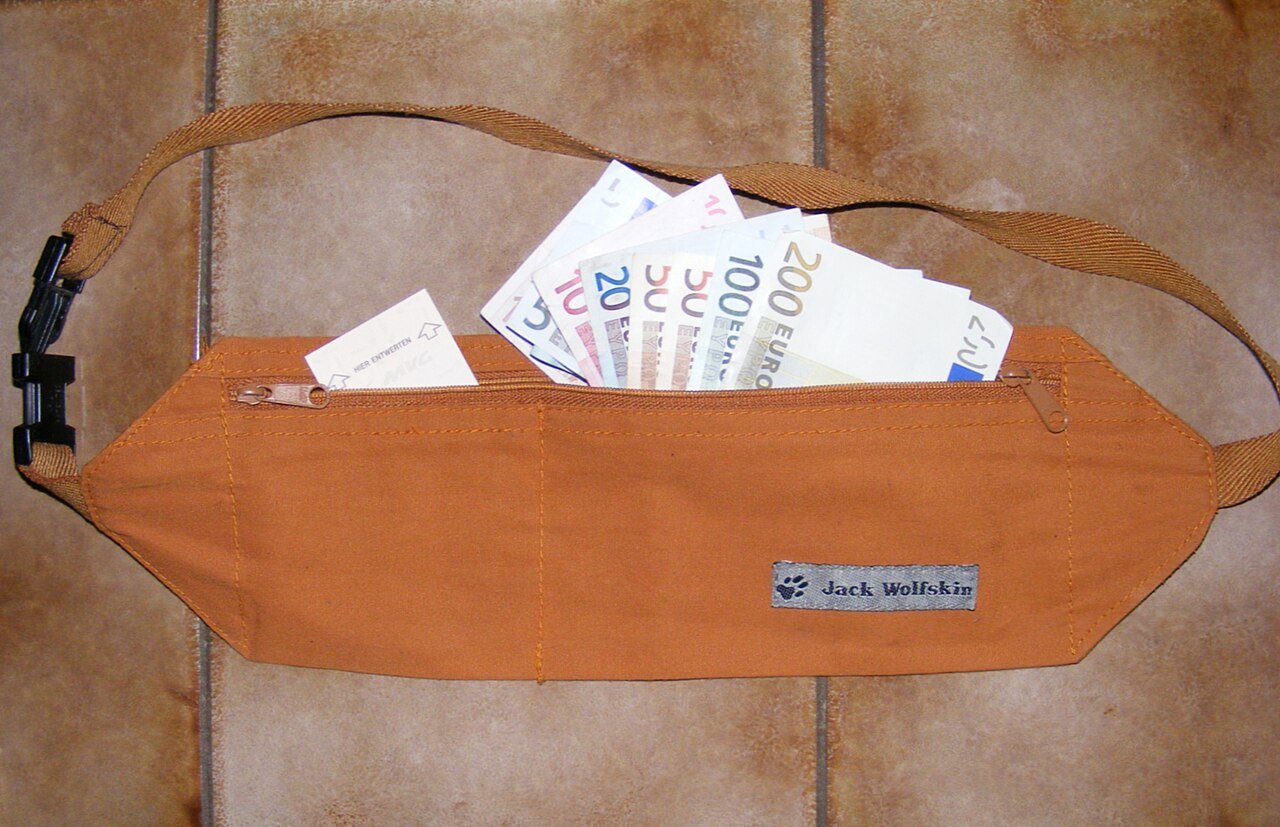
Travel money belt (item type, not the exact product). Photo: Mattes, public domain, via Wikimedia Commons
Eagle Creek Undercover RFID Money Belt
Under-clothing RFID money belt for spare cash, cards and a passport.
Check price on AmazonA small clip stash pouch keeps 100 and 500 yen coins and a spare card close without a full wallet.
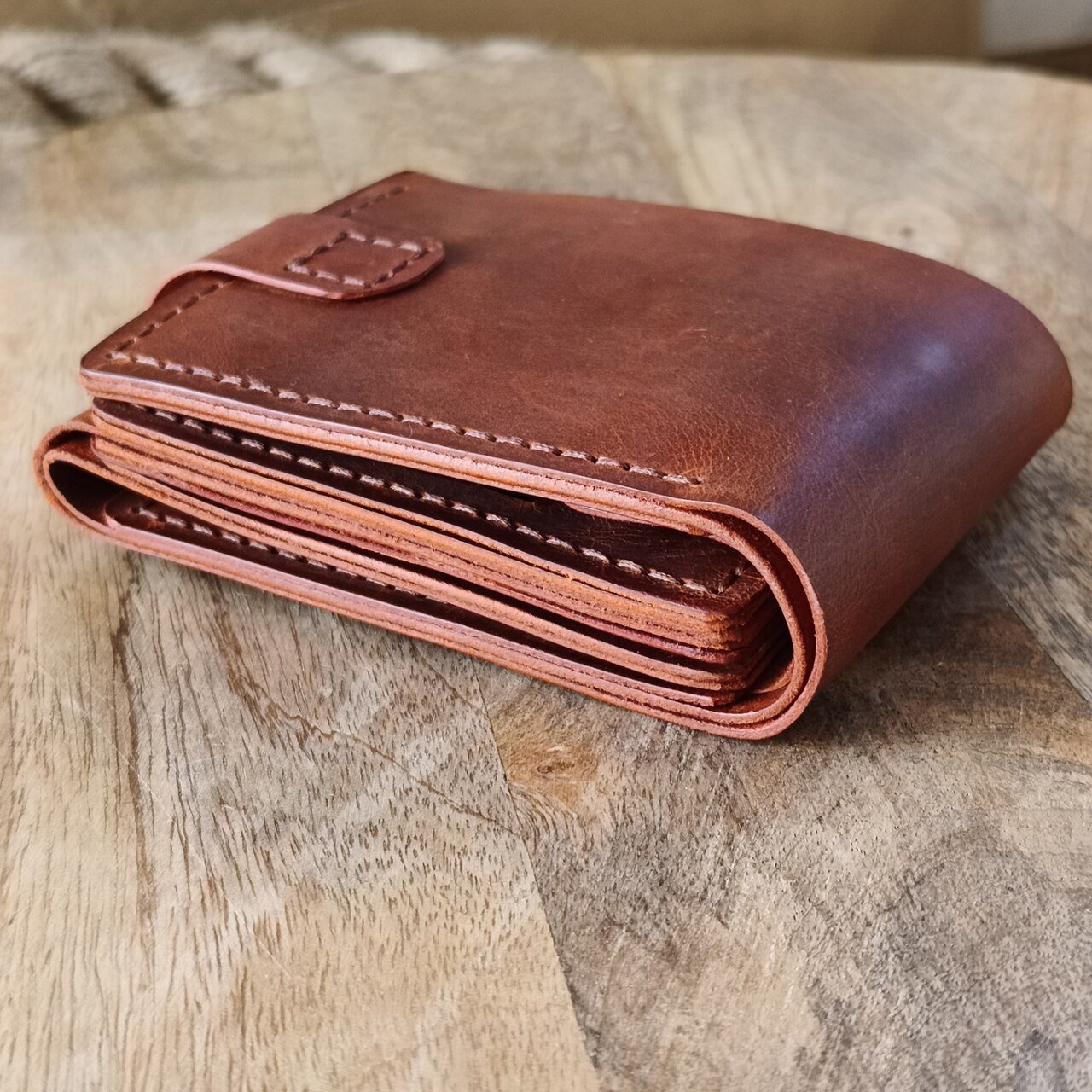
Small card pouch (item type, not the exact product). Photo: Oleksij Kołomijczuk, CC BY-SA 4.0, via Wikimedia Commons
Travelon RFID Blocking Clip Stash Pouch
Clip-on stash for yen coins and a spare card without a full wallet.
Check price on AmazonA small combination lock gives your luggage a bit of extra security in transit.
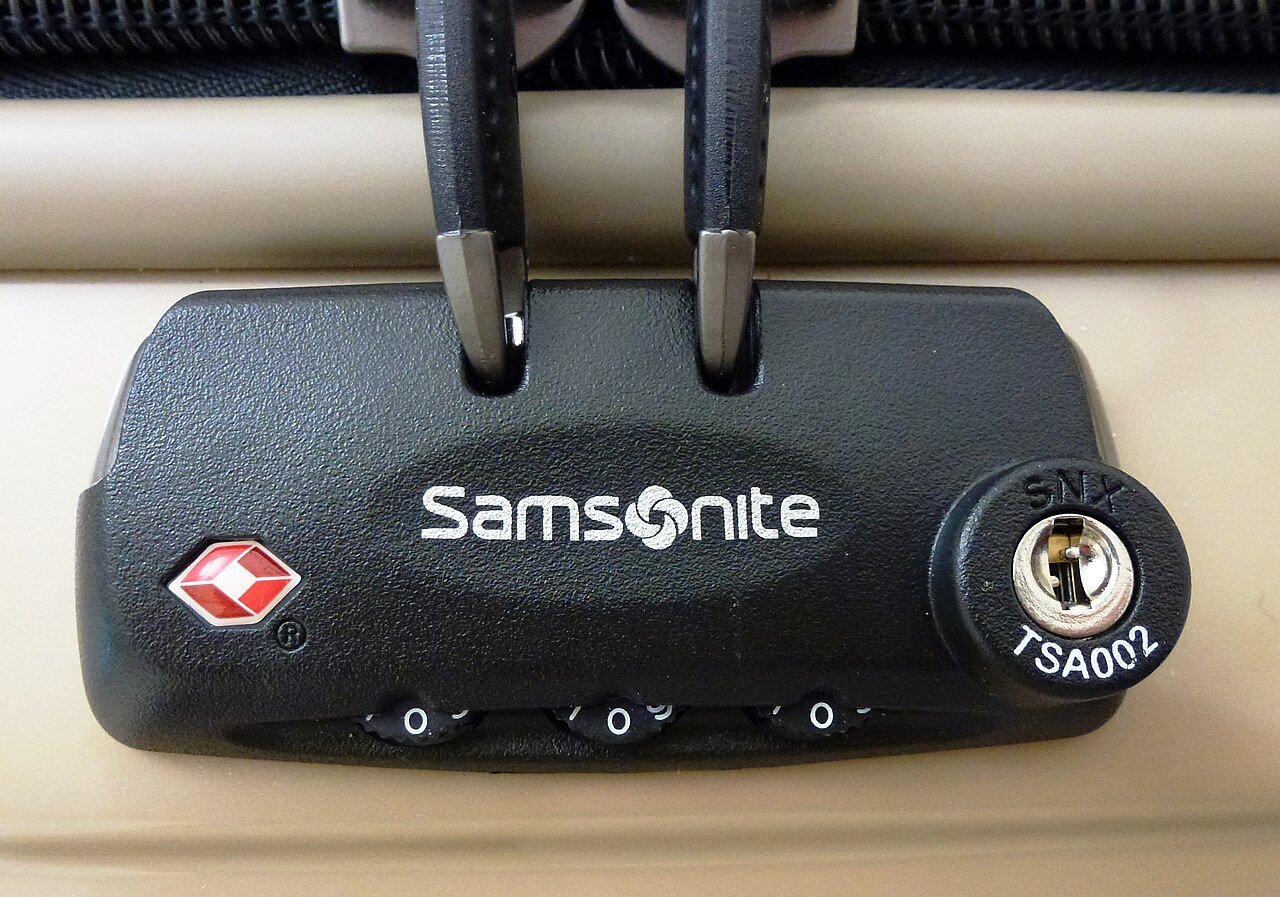
TSA combination lock (item type, not the exact product). Photo: RudolfSimon, CC BY 3.0, via Wikimedia Commons
Master Lock TSA-Approved Combination Luggage Lock
Set-your-own-combination TSA lock for luggage zips.
Check price on AmazonVisiting from Singapore, Australia, the UK or Canada
Many travelers from Singapore, Australia, the UK and Canada use multi-currency accounts or travel cards, such as those from Wise or Revolut, where available in their country, to hold yen and cut conversion costs. Whether a given product suits you depends on your home bank and its terms, so compare before you commit. Visa and Mastercard debit cards are the most common ATM option, and the same Seven Bank and Japan Post Bank notes apply. If you are still choosing dates, our Japan in December and November packing guides may help, and our Black Friday travel deals post is useful for the booking side.
FAQ
What is the yen to dollar rate right now?
The latest reference rate we could fetch was 158.25 yen per US dollar, dated 4 Nov 2026. The rate changes daily and your bank or ATM will apply its own, so check a live rate before you exchange.
How much cash should I bring to Japan?
As a planning example, many first-time city visitors start with roughly 10,000-30,000 yen (about $63-$190) and withdraw more as needed. Consider more if you are heading to the countryside.
Do ATMs in Japan work with US cards?
Seven Bank and Japan Post Bank both list Visa and Mastercard as accepted. Some cards may still be declined, so check with your bank and carry a backup.
Can I use credit cards everywhere in Japan?
No. International cards are generally accepted across the country, but small shops, temples and rural spots may be cash-only. Ask before you order or buy.
Should I exchange money at the airport?
It is convenient for a small amount. Narita notes that rates vary from store to store, so compare the posted rate and any fee, and consider an ATM for larger amounts.
Is Japan still a cash society?
JNTO describes it as very much cash-based, though major cities usually accept cards. Carry both.
Do I need yen coins?
Yes, a handful is useful for lockers, vending machines and small shrine offerings. A small clip pouch makes them easier to manage.
Bottom line
Bring a small yen float, use Seven Bank or Japan Post ATMs for the rest, and carry a backup card. Check the live rate and your bank’s fees before you go, and keep your IC card top-ups separate. Happy travels.