
As an Amazon Associate, Chasing Cherry Blossoms earns from qualifying purchases. We may also earn from other affiliate links on this page at no extra cost to you.
A quick note: this guide is based on official information from Japan Customs, the Japan Tourism Agency and retailer notices as of Oct 22, 2026. Rules and store procedures can change, so check with the shop when you buy. Our gear picks are research-based – we have not hands-on tested them.
Last updated: Oct 22, 2026
By Michael Soo
Here is the short answer: for Japan tax-free shopping, the date you buy decides which rules apply. Anything you buy on or before Oct 31, 2026 follows the old system, where the tax is taken off at the register. Anything you buy on or after Nov 1, 2026 follows the new refund method: you pay the full price, including tax, and get the tax back after a customs check at the airport when you leave. Your departure date doesn’t change that, and according to Japan’s National Tax Agency, there is no overlap period where both systems run at once.
With only days to go before Nov 1, the switch is getting a lot of chatter among Japan travelers on X this week. Plenty of people are wondering whether to buy now or wait, and what the airport step will look like. This guide covers what is changing, how the new refund works step by step, and how to avoid the mistakes most likely to cost you your refund.
What is changing on Nov 1, 2026
Until now, foreign visitors at a tax-free shop in Japan showed their passport and paid the tax-exclusive price right at the counter. Japan Customs explains that for purchases made on or after Nov 1, 2026, the system shifts to the “Refund Method.” You pay the tax-inclusive price in the store. The amount equal to the consumption tax is refunded after a customs inspection at the airport or seaport confirms that the goods are leaving Japan.
For reference, Japan’s consumption tax is 10% at the standard rate and 8% at the reduced rate, which mainly covers food and non-alcoholic drinks (not dining out), according to the National Tax Agency. The new system also simplifies several old rules. The split between “general” and “consumable” goods is gone, the 500,000 yen cap on consumables is gone, and so is the sealed special packaging. The 5,000 yen minimum stays.
Old vs new at a glance
This table sums up the main differences, based on Japan Customs and the Japan Tourism Agency’s “Changes to Tax-Free Goods” notice. If you remember only one row, make it the first one: from Nov 1 you pay full price at the register.
| Item | Until Oct 31, 2026 | From Nov 1, 2026 |
|---|---|---|
| Price you pay at the register | Tax-exclusive (tax exempted at purchase) | Tax-inclusive (full price) |
| Minimum spend | 5,000 yen or more | 5,000 yen or more (tax excluded) per store per day – no change |
| Consumables cap | 500,000 yen maximum | Abolished |
| Sealed special packaging for consumables | Required | Abolished – but items consumed in Japan lose the refund |
| General vs consumable split | Yes, two categories | Abolished |
| Where you get the money | Savings at the register | Refund from the shop or its refund provider after the customs check |
| Departure check | Present passport to customs when leaving; goods may be inspected | Passport at a kiosk or via Visit Japan Web before bag drop; Green or Red result |
| Deadline | Take goods out of Japan when you leave | Customs check within 90 days from the purchase date |
| Quantity rule | Must not be for business use or resale | Limited to what you can personally carry out of Japan when you depart |
Two items are excluded under the new rules: gold and platinum bullion (plus gold and platinum coins), and items that are exempt from consumption tax in the first place. Everything else in a tax-free shop follows the same basic process.
How the new refund works, step by step
The new process has more steps than the old one, but none of them are hard if you plan ahead. Here is the flow for purchases made on or after Nov 1, based on the Japan Tourism Agency’s traveler page and Japan Customs.
- Before your trip. Bring your physical passport. If you are flying out of a major airport, set up Visit Japan Web ahead of time, because it must be ready before you can use it for the customs step. Many stores refund to a credit card, and some require it to be in your own name, so pack one that is.
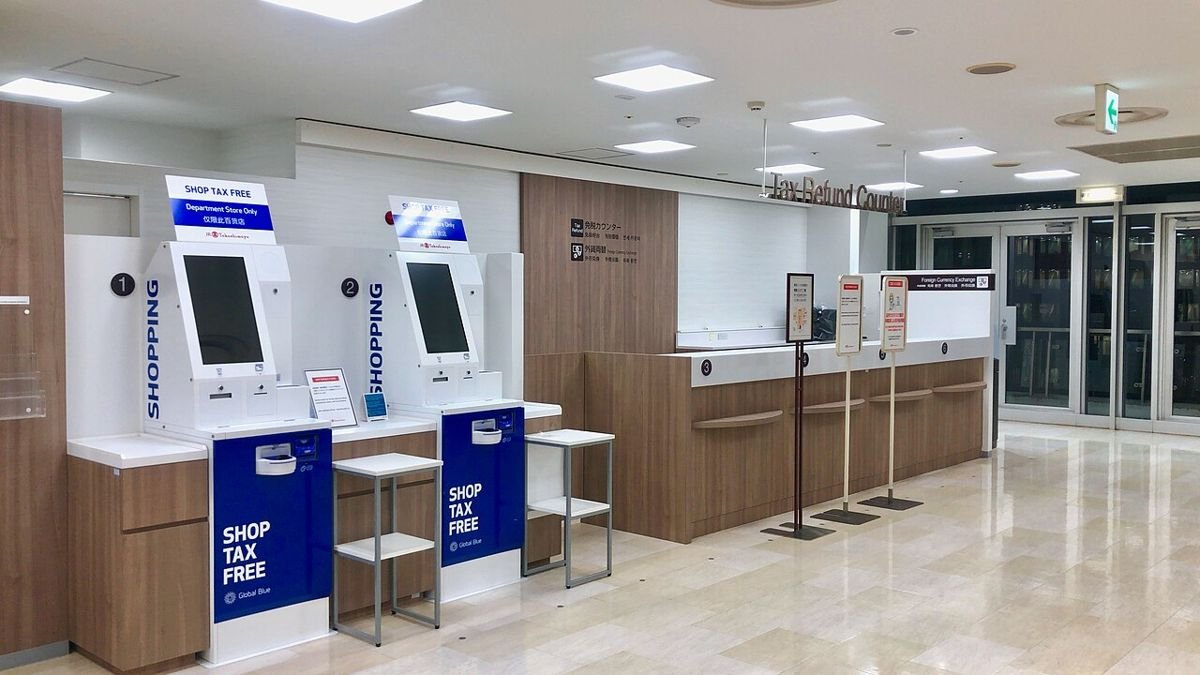
- At the store. Shop at a tax-free store and spend 5,000 yen or more, before tax, at that store on that day. Show your passport and pay the tax-inclusive price. The shop will tell you how to register your refund method. At Takashimaya, for example, you register at the Tax-Free counter on the same day as your purchase, and the tax is not refunded at the counter.
- Keep everything together. Keep each receipt, and every item on it, until you leave Japan. Customs checks goods per purchase transaction, so each receipt counts as a unit.
- At the airport, before bag drop. Go to a tax-free procedure terminal (kiosk) in the international departure lobby, or use Visit Japan Web on the dedicated Wi-Fi at a major airport, and present your passport. A Green Result means you are done. A Red Result means you take your tax-free goods to the designated customs inspection area.
- Get your refund. After customs confirms the export, the shop or the refund provider it uses sends your refund by the method you registered. Depending on the shop, that can be a credit card, an app, a bank transfer or cash at the departure airport.
The kiosk step itself is quick. The Japan Tourism Agency says it takes only a few seconds from scanning your passport to seeing the result. A Red Result takes longer, because you have to show your goods to a customs officer.
Airports and the departure check
Terminals and customs inspection areas sit in the international departure lobby, before baggage check-in. You must have all your tax-free goods with you when you present your passport, so you cannot do the check after checking a bag, and the airline cannot pull a checked bag back out for you. If you run short on time and skip the inspection, it counts as not completed. Neither the airline nor customs will compensate you if you miss your flight because of it. Arrive early. Our Narita Airport guide can help you plan your time there.
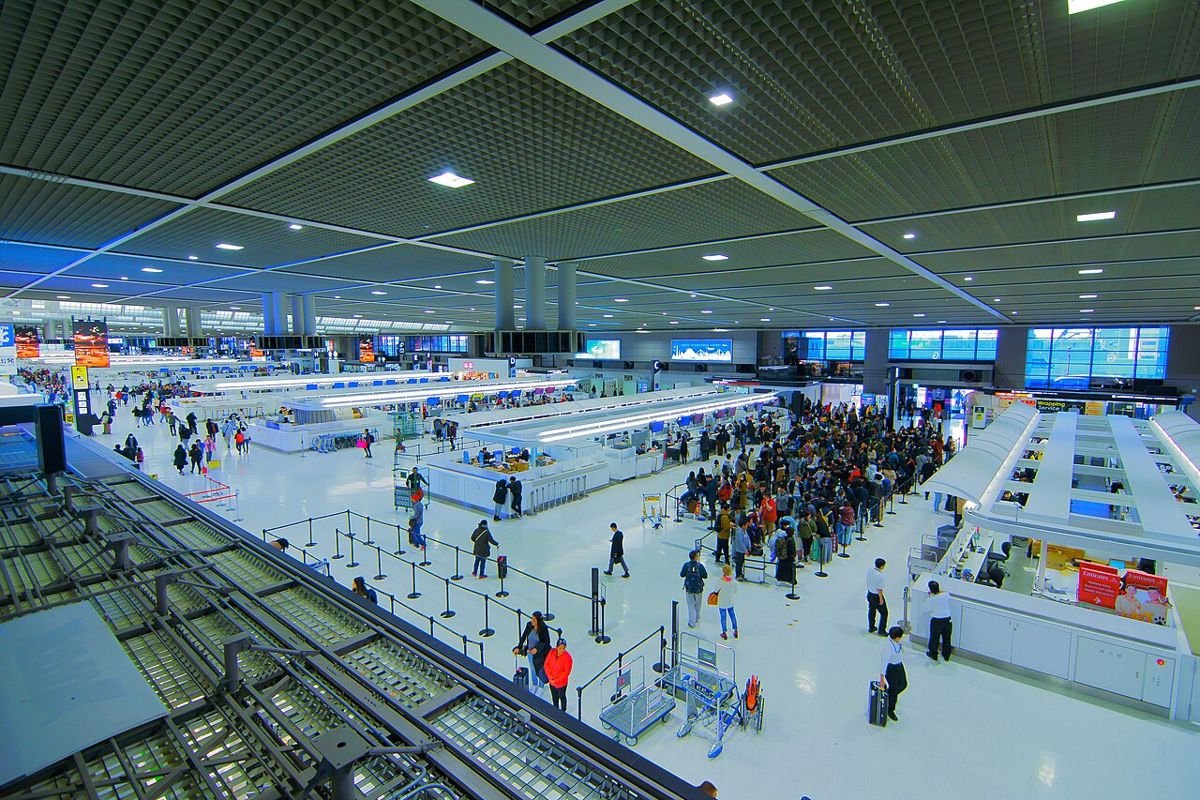
At seven major airports – Narita, Haneda, Kansai, Chubu Centrair, Fukuoka, New Chitose and Naha – you can also do the check online through Visit Japan Web while connected to a dedicated Wi-Fi network in the international departure lobby, before the security checkpoint. If Visit Japan Web doesn’t work for you, use a kiosk instead. At Kansai, Osaka Customs notes the kiosks may get crowded and recommends the Wi-Fi method.
If you connect from a domestic flight to an international one, complete the check at the airport you actually leave Japan from, not your first airport. If you buy an item priced at 1 million yen or more (before tax), customs may ask to see certificates of authenticity or warranties, so keep those with the item.
Food, snacks, cosmetics and other consumables
The sealed tax-free bags are going away for purchases from Nov 1, which sounds like freedom to snack. It isn’t. If you eat, drink or use consumables such as food, beverages or cosmetics in Japan, they no longer qualify for the refund. And because customs inspects per receipt, missing even one item from a receipt makes everything on that receipt ineligible.
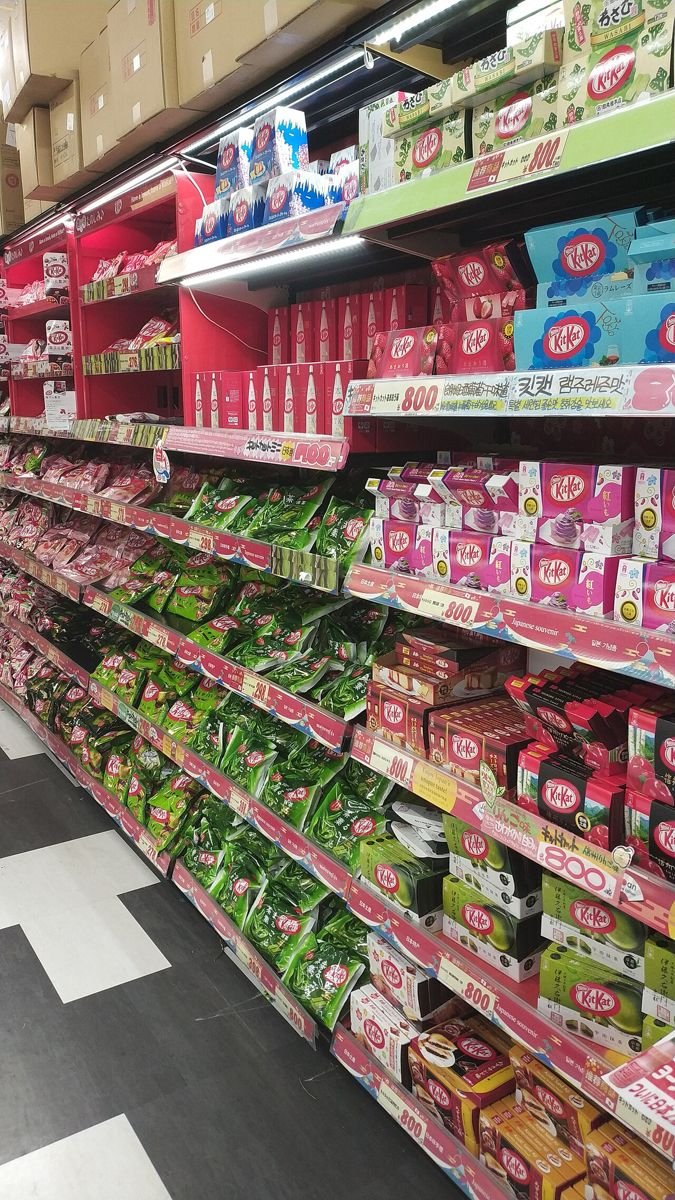
The fix is simple: split your purchases. Buy the snacks you plan to eat during your trip separately at the regular register, and keep your take-home haul on its own tax-free receipt. If you do end up eating or using something from a tax-free receipt, don’t use the kiosk. Report it to a customs officer at the counter instead. Our Tokyo souvenir shopping guide has ideas for gifts worth carrying home.
Shopping in late October vs after Nov 1
If you are in Japan this week, purchases made through Oct 31 still follow the old rules. You get the tax taken off at the register, and consumables still come in sealed special packaging. Keep those bags sealed until you leave Japan. Remember that the purchase date is what counts, so a store visit on Oct 31 and one on Nov 1 can follow different rules on the same trip.
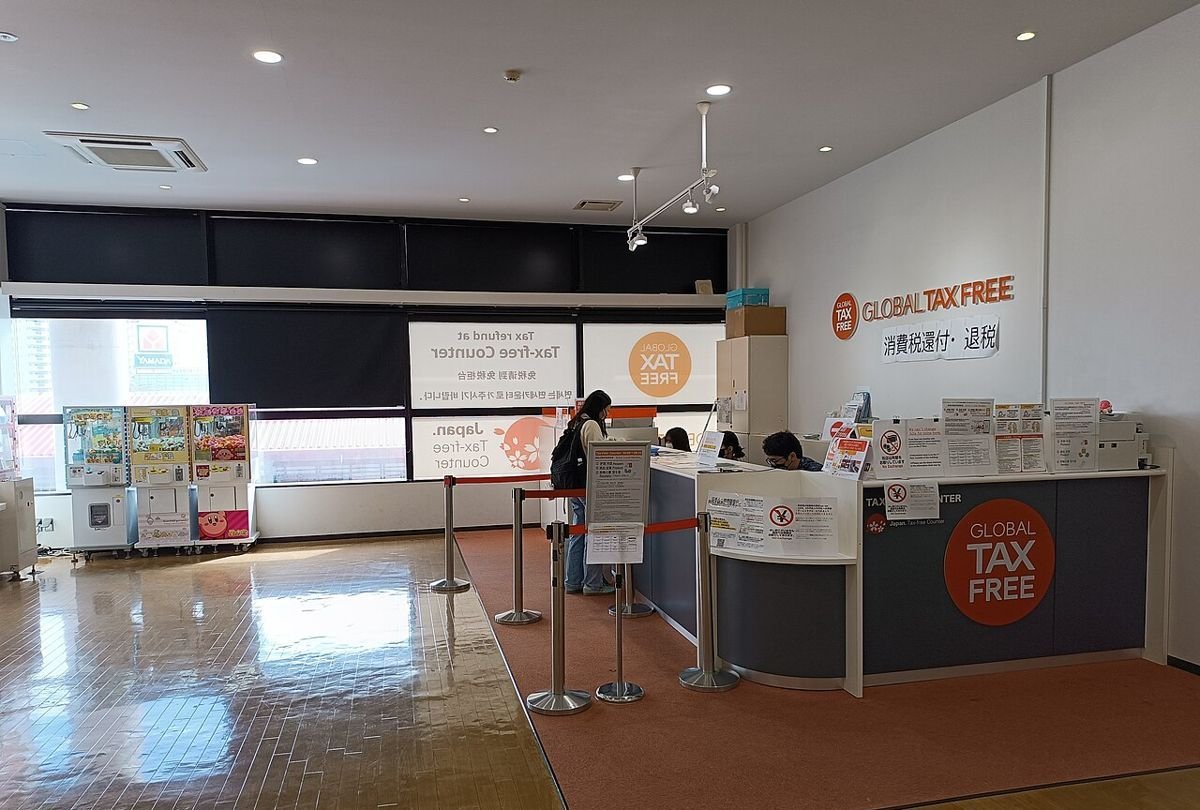
If your trip straddles the change, treat the two groups of purchases separately. Your post-Nov 1 receipts need the airport kiosk or Visit Japan Web step, and the refund is not instant. The Japan Tourism Agency says refunds are generally processed after the customs check confirms the sale, and the shop can tell you the timing. Expect deductions, too: Takashimaya says a designated system handling fee is deducted from the refund. Hankyu Hanshin Department Store lists a 1.55% service fee under its current system and says that rate changes from Nov 1. If your refund goes to a US card, your card issuer may also charge a currency conversion fee. Planning a trip for later in the year? Keep an eye on our Black Friday Japan travel deals tracker.
Smart tips for US travelers
Bring your actual passport, not a photo or photocopy, when you go shopping, since tax-free shops need to see it. Keep one credit card in your own name ready for the refund. Because the 5,000 yen minimum is per store, per day, it helps to group purchases at one store on one day rather than spreading small buys around. Department stores and big chains are good for this. Our guides to Tokyo shopping and Tokyo’s top shopping districts can help you plan.
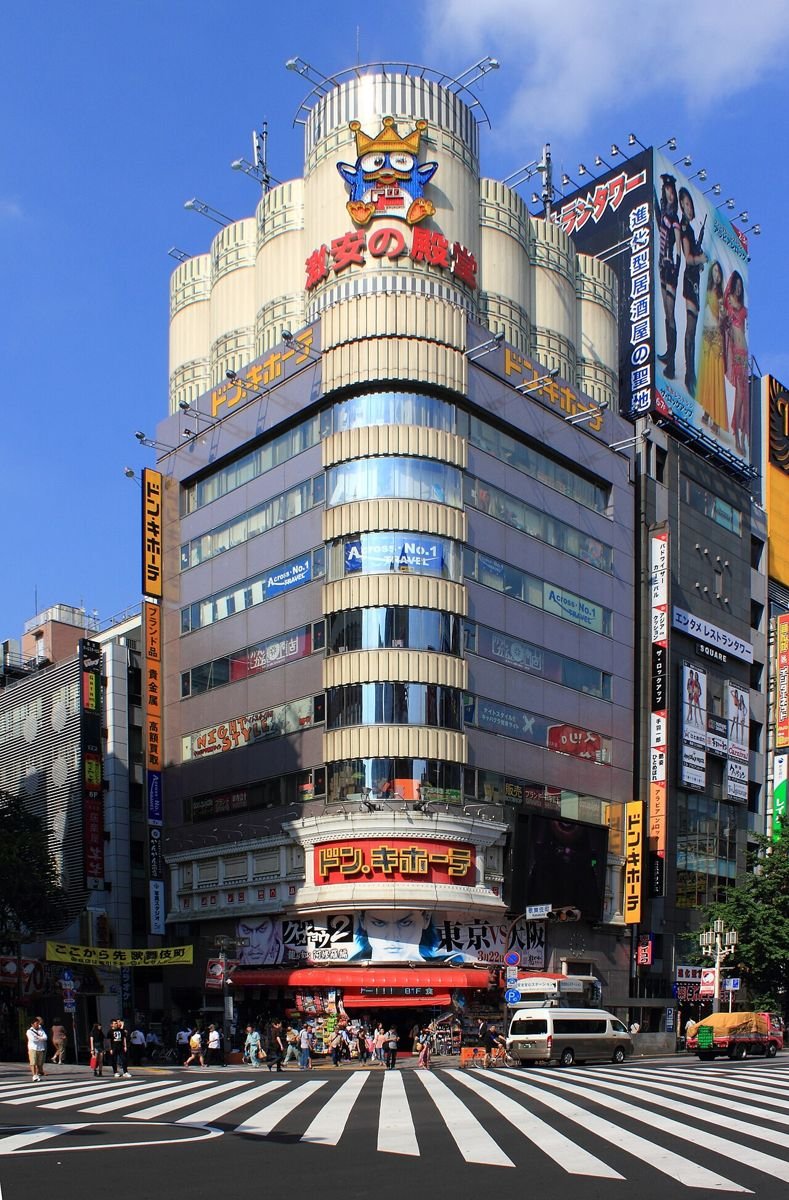
Keep a dedicated pouch for tax-free receipts, and pack tax-free goods where you can reach them until the customs check is done. If you want to ship things home, ask the store, because overseas shipping depends on the shop. The old separate-shipment method, where travelers mailed their own tax-free goods, ended on March 31, 2025. Luggage forwarding is great for suitcases, but your tax-free goods must be with you at the airport check, so don’t forward them ahead. See our luggage forwarding guide for what to send and what to keep.
Research-based picks: gear that makes the refund process easier
None of this gear is required, but a little organization makes the airport step much smoother. We chose these picks based on product listings and their design, not hands-on testing.
Passport holder
Amazon Basics RFID-Blocking Passport Holder keeps your passport and a refund card together, so you always have both for the store and the kiosk.
Receipt and document pouches
Usyios Document Organizer Bag (3 Pcs Zipper Mesh Pouches) gives you a set of zip pouches, so you can keep tax-free receipts in one and boarding passes in another.
Packing cubes
BAGAIL 6 Set Packing Cubes let you keep each receipt’s items together in one cube, which makes a Red Result inspection easier.
Luggage scale
Etekcity Digital Luggage Scale helps you check your bag weight before you leave the hotel, so you don’t end up repacking tax-free goods at the airport.
Carry-on daypack for purchases
Osprey Daylite Plus Commuter Backpack is a roomy daypack that can double as your personal item on the flight home, so tax-free purchases stay with you until after the customs check.
TSA lock
Forge TSA Approved Luggage Locks (2 Cable Locks) add simple security to your suitcase once the tax-free check is done and the bag is checked in.
FAQ
If I buy on Oct 31 and fly out Nov 5, which rules apply?
The old rules. The purchase date decides, so an Oct 31 purchase is tax-exempt at the register. Anything you buy on or after Nov 1 on the same trip follows the refund method.
How long do I have to complete the customs check?
You must complete the customs inspection at departure within 90 days from the date of purchase to get your refund.
Can I get my refund in cash?
Possibly. The Japan Tourism Agency lists bank transfers, credit cards, app-based refunds and cash at the departure port as possible methods, but they vary by shop. Hankyu Hanshin, for example, says cash refunds carry an extra fee and are available at dedicated counters at some airports. Ask the shop.
Do I still need my passport at the store?
Yes. Eligible foreign visitors present their passport, and you will need it again at the airport kiosk or for Visit Japan Web.
Can I eat snacks I bought tax-free?
You can, but you lose the refund. Consumed items aren’t eligible, and one missing item voids its whole receipt. Report anything consumed at the customs counter instead of using the kiosk.
What if I connect through a domestic flight?
Do the procedure at the airport you finally leave Japan from, before checking your bags there.
Is there a fee?
Usually, yes. Takashimaya deducts a designated system handling fee, and Hankyu Hanshin says its fee rate changes from Nov 1. Fees vary by shop and refund method, so check with the shop. Your card may also add a currency conversion fee.
Can I ship purchases home tax-free?
It depends on the store, so ask before you buy. The separate-shipment method where you mailed your own tax-free goods was abolished on March 31, 2025.
Bottom line
Japan tax-free shopping isn’t going away on Nov 1, 2026. It’s moving from a discount at the register to a refund after you leave. If you buy by Oct 31, you get the old in-store exemption. From Nov 1, you pay full price, keep every item and receipt together, and complete the kiosk or Visit Japan Web check before bag drop within 90 days.
Plan a little extra time at the airport, keep trip snacks off your tax-free receipts, and ask each shop about its refund method and fees. For the official details, see the Japan Tourism Agency FAQ for travelers and JNTO’s guide to the new system. Happy shopping, and safe travels.

Comment (2)