
As an Amazon Associate, Chasing Cherry Blossoms earns from qualifying purchases. We may also earn from other affiliate links on this page at no extra cost to you.
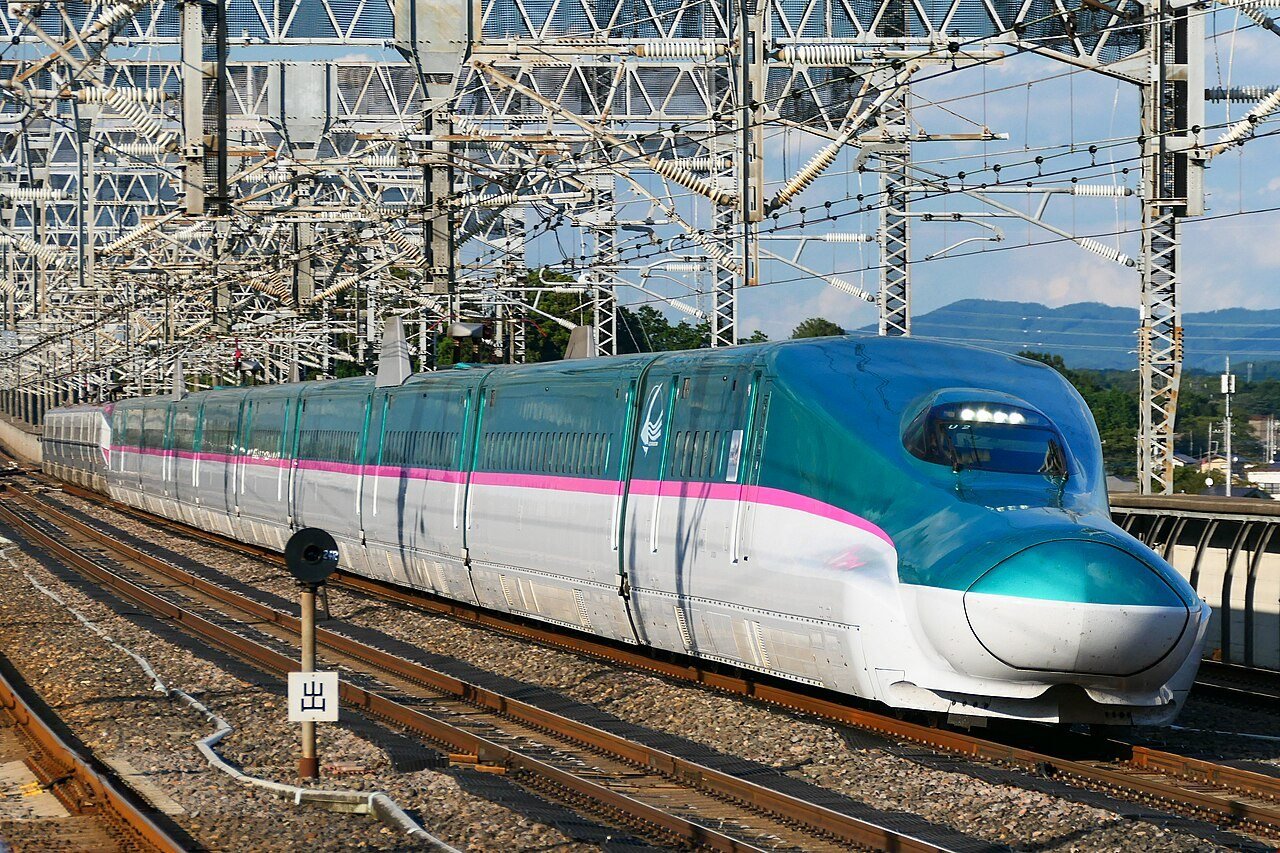
The Shinkansen is the easiest way to cover long distances in Japan, and booking a seat is simpler than it looks once you know which service covers which line. A recent viral video also got people talking about keeping quiet on the Shinkansen, so this guide covers etiquette alongside tickets, routes and luggage.
Quick answer: To book Shinkansen tickets, use the SmartEX app or website for the Tokaido, Sanyo and Kyushu lines, JR-EAST Train Reservation for the northern lines, or JR-WEST Online Train Reservation for Sanyo and Hokuriku. You can also buy at station ticket machines and ticket offices. Reserved seats generally go on sale one month ahead. Reserved cars guarantee a seat; non-reserved cars are first come, first served. On the Tokaido, Sanyo and Kyushu lines, a bag over 160 cm in total dimensions needs a seat with an oversized baggage area. JR Pass holders need a supplement ticket for Nozomi and Mizuho. Keep your voice low and take calls in the deck.
Main Shinkansen lines at a glance
Journey times below are approximate fastest times. They vary by train and timetable, so check the operator’s timetable before you go.
| Line | Main route | Fastest train | Typical fastest time | Book online with |
|---|---|---|---|---|
| Tokaido | Tokyo – Kyoto – Shin-Osaka | Nozomi | Tokyo-Shin-Osaka about 2h30m | SmartEX |
| Sanyo | Shin-Osaka – Hiroshima – Hakata | Nozomi / Mizuho | Shin-Osaka-Hiroshima about 1h30m; Shin-Osaka-Hakata about 2h30m | SmartEX or JR-WEST |
| Kyushu | Hakata – Kagoshima-Chuo | Mizuho / Sakura | about 1h20m | SmartEX or JR-KYUSHU |
| Tohoku | Tokyo – Sendai – Shin-Aomori | Hayabusa | Tokyo-Sendai about 1h30m; Tokyo-Shin-Aomori about 3h | JR-EAST Train Reservation |
| Hokkaido | Shin-Aomori – Shin-Hakodate-Hokuto | Hayabusa / Hayate | about 1h | JR-EAST Train Reservation |
| Hokuriku | Tokyo – Kanazawa – Tsuruga | Kagayaki | Tokyo-Kanazawa about 2h30m | JR-EAST or JR-WEST |
| Joetsu | Tokyo – Niigata | Toki | about 1h40m | JR-EAST Train Reservation |
How to book Shinkansen tickets
There are four routes, and the right one mostly depends on the line you are riding. JR Central says reserved seats go on sale at 10:00 JST one month before departure, which is also the safe rule of thumb for the other operators.
SmartEX (Tokaido, Sanyo, Kyushu)
SmartEX, run by JR Central, has an English website and app. You register once with a credit card, then book, change and cancel online. Its service page says you board with a QR ticket or a registered IC card. The registration page warns that cards without 3D Secure may not work, and that debit or prepaid cards may be rejected, so confirm your overseas card registers before you travel. SmartEX accepts some requests well ahead, but seats are confirmed about one month before the travel date.
JR-EAST Train Reservation (Tohoku, Hokkaido, Joetsu, Hokuriku)
JR East’s English booking site, JR-EAST Train Reservation, covers JR East and JR Hokkaido lines plus the Hokuriku Shinkansen. According to JR East’s FAQ, tickets go on sale from 10:00 JST one month before the boarding date. It takes Visa, Mastercard, American Express, JCB and Diners Club cards in your own name. You either collect paper tickets at a JR East machine or ticket office using your reservation number or QR code and the same card, or link the booking to an IC card such as Suica and tap straight through the gate.
JR-WEST Online Train Reservation (Sanyo, Hokuriku)
JR West runs its own online reservation, and JR Central’s baggage page lists it as a way to book an oversized-baggage seat on the Sanyo line. As with JR East, confirm sign-up and payment details on the JR West site.
Station machines and ticket offices
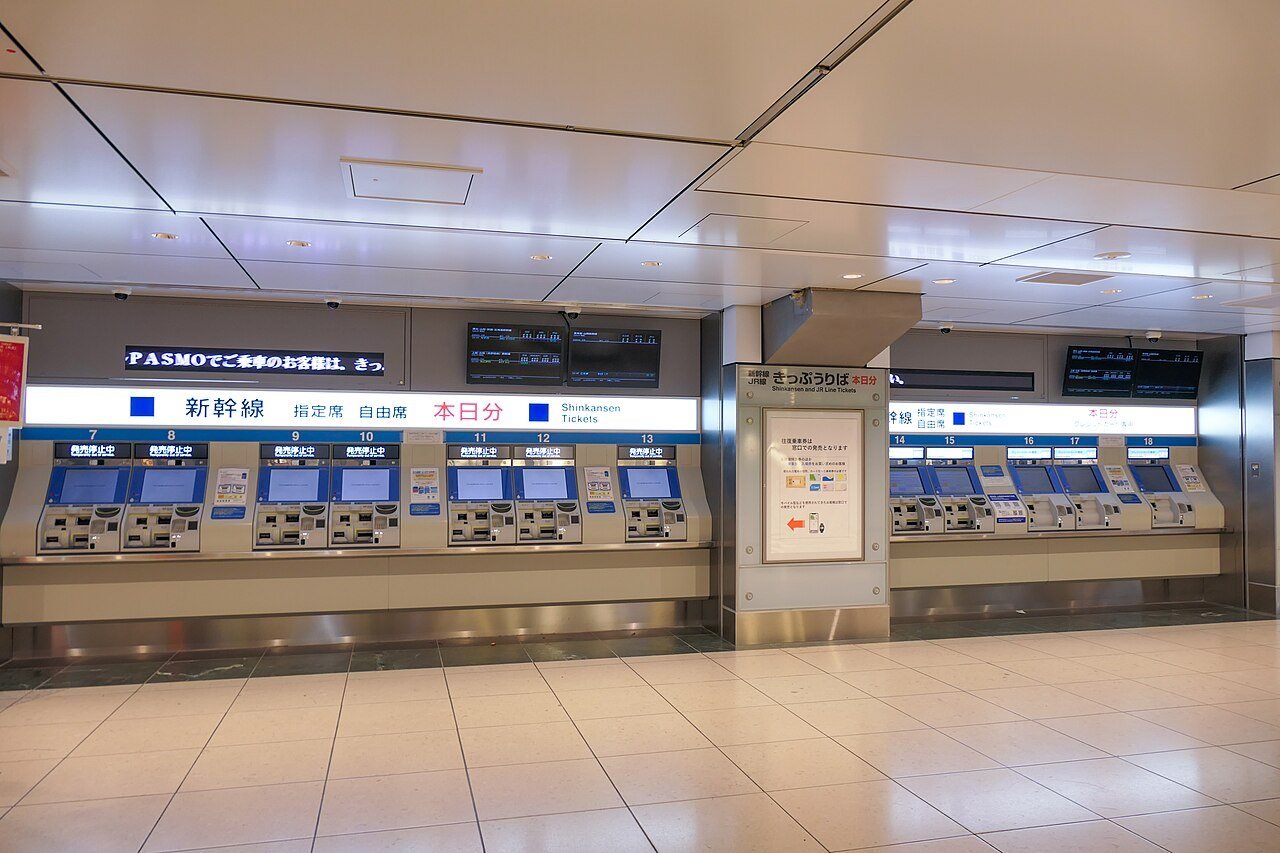
Reserved-seat machines and staffed ticket offices (Midori-no-Madoguchi) sell Shinkansen tickets at the station, and many machines have an English screen. This is the simplest option if you are not sure which train you want, though popular trains can sell out and office queues at big stations can be long, so allow extra time.
Reserved, non-reserved, Green Car and Gran Class
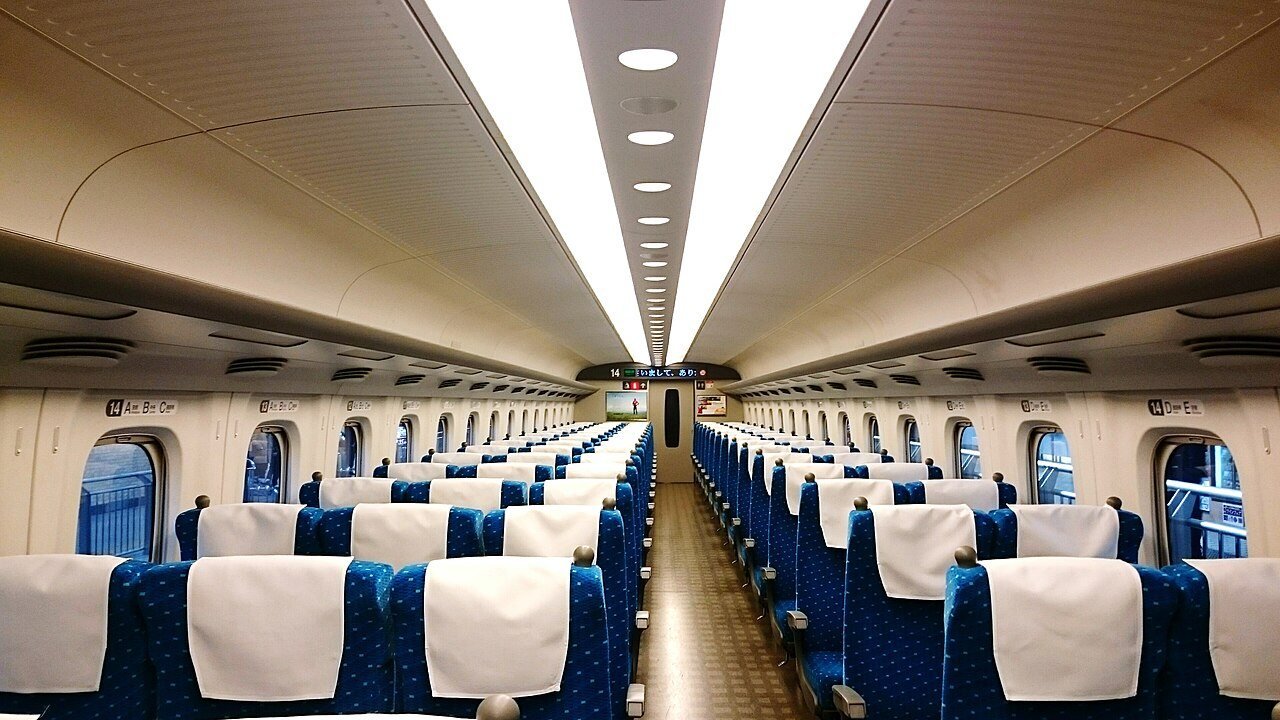
A reserved seat gives you a specific seat on a specific train. Non-reserved (jiyuseki) cars let you sit anywhere that is free, with no guarantee in busy periods. On Nozomi trains, JR Central runs every seat as reserved during its peak periods (it publishes the 2026 dates on its Nozomi page), and non-reserved ticket holders then have to stand. Green Car is first class, with wider seats and more legroom. Gran Class is a step above Green on some Tohoku, Hokkaido and Hokuriku trains; it is not on every service, so check when you book.
Fares and saving money
Fares depend on the season, the train and the seat type, and JR Central has reported surcharge changes ahead, so we do not quote a Tokyo-Osaka fare here. Look up the exact price in SmartEX or at the machine. SmartEX’s service page says reserved seats cost a little less off-peak and a little more in peak seasons.
If you hold a Japan Rail Pass, Nozomi and Mizuho are not covered, but you can ride them by buying a separate ticket before boarding. As of November 2026, japanrailpass.net lists 4,960 yen (about US$31) for Tokyo-Kyoto or Tokyo-Shin-Osaka, 6,500 yen (about US$41) for Tokyo-Hiroshima and 5,150 yen (about US$33) for Hakata-Kagoshima-Chuo, bought each time you ride. Prices can change. Whether a pass pays off depends on your route, so read our JR Pass guide, and see JR Pass vs renting a car if you are weighing driving. For city trains and buses, an IC card is handy; see our Suica guide.
Luggage rules on the bullet train
JR Central’s oversized baggage page sets the rule for the Tokaido, Sanyo, Kyushu and Nishi-Kyushu Shinkansen. Add the three sides of your bag together. Up to 160 cm (about 63 in) needs no reservation. From 161 to 250 cm (about 64 to 98 in) you must reserve a “seat with an oversized baggage area”, at no extra charge. Boarding without one costs a 1,000 yen fee (about US$6), and bags over 250 cm cannot be brought on board.
| Bag size (total cm / in) | Tokaido/Sanyo/Kyushu | JR East lines (Tohoku, Hokkaido, Joetsu, Hokuriku) |
|---|---|---|
| Up to 160 cm / 63 in | No reservation; overhead rack, at your feet or in the deck | No reservation; overhead rack or luggage area |
| 161-250 cm / 64-98 in | Reserve a seat with an oversized baggage area; 1,000 yen fee if you do not | No reservation or fee; luggage areas are first come, first served and not on every train |
| Over 250 cm / 98 in | Not allowed on board | Not allowed on board (also max 30 kg and 2 bags per person) |
These seats are limited and non-reserved cars have none, so book early if you travel with a large case. JR East works differently: its oversized luggage guide says there are no designated luggage seats on its Shinkansen lines, so large bags go in the luggage area or behind the last row on a first-come basis, and some trains have no luggage area at all. To skip the problem, send bags ahead; our train etiquette and luggage forwarding post explains how.
Shinkansen etiquette
A few simple habits keep everyone comfortable:
- Keep voices low in the cars and take phone calls in the deck.
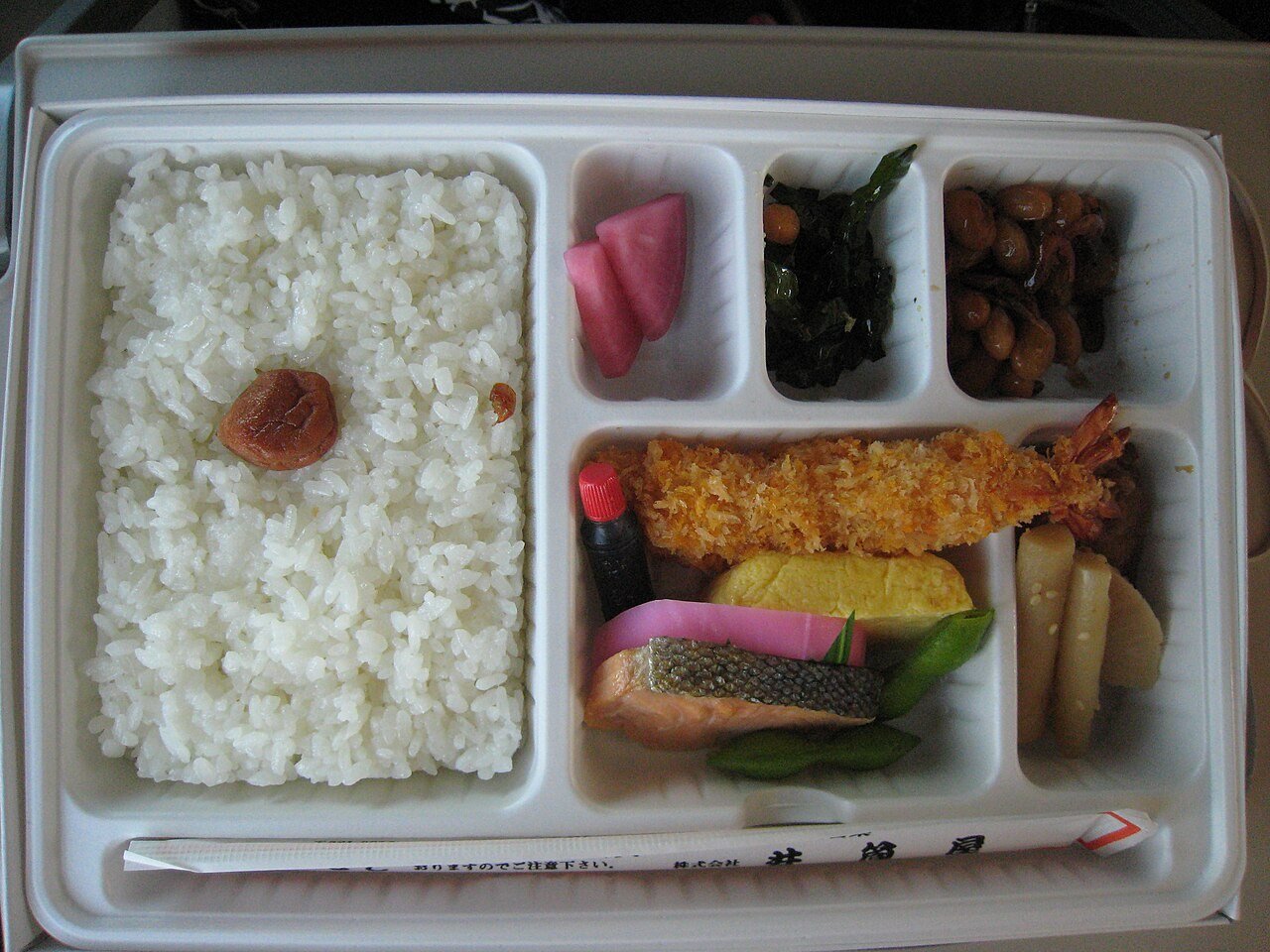
- Eating is fine, and ekiben box lunches are part of the fun. Take your rubbish with you.
- Glance behind or ask before you recline your seat.
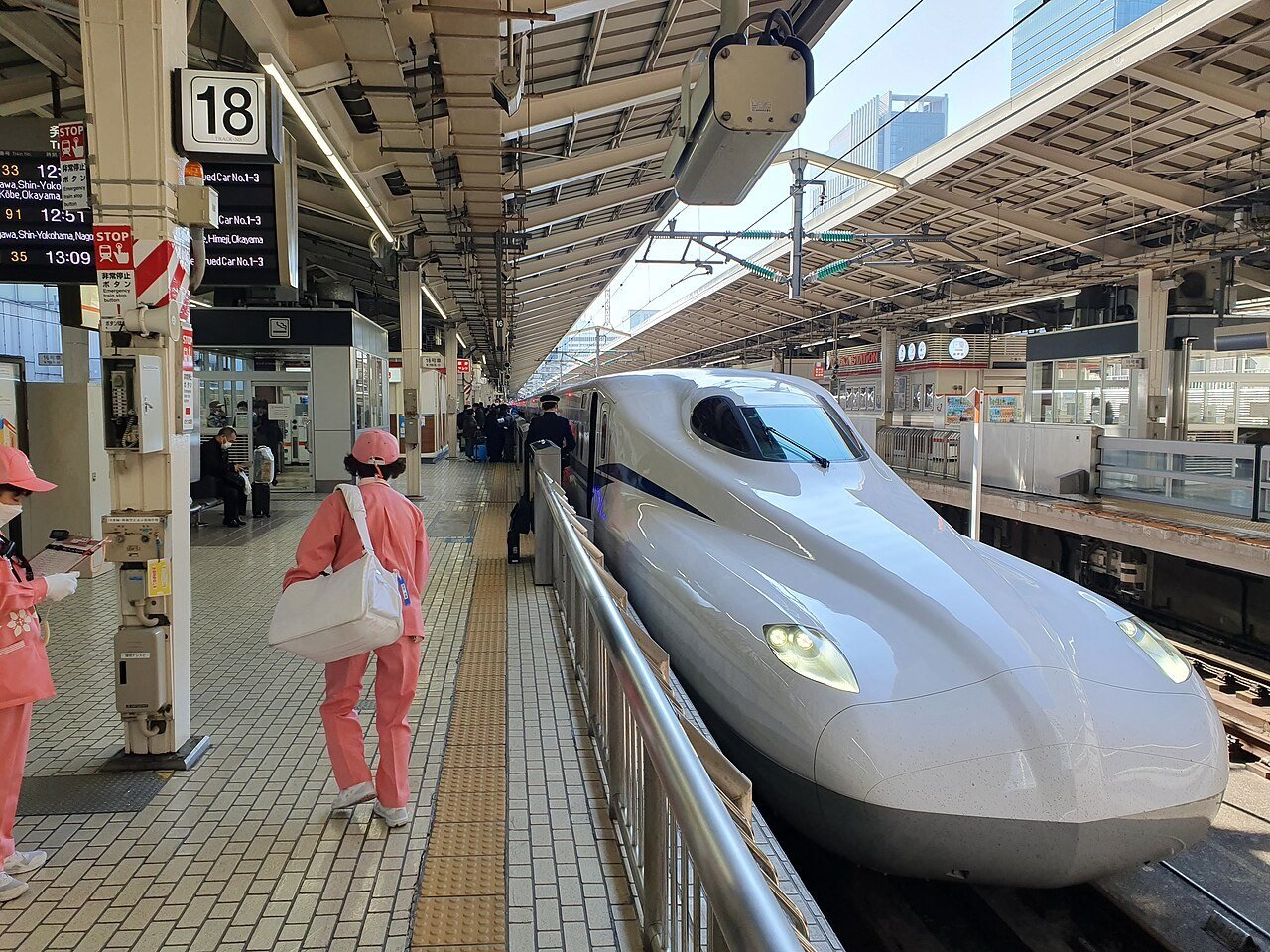
- Queue at the marked door position on the platform.
- Keep bags off seats and out of the aisle.
- No smoking anywhere on board. The last onboard smoking rooms, on the Tokaido, Sanyo and Kyushu lines, closed on 16 March 2024; big stations still have smoking rooms.
On the day: boarding step by step
- Check your car number on the ticket or app, and find the matching number on the platform floor.
- Line up at the marked spot, let passengers get off first, then board.
- Trains stop only briefly at each station, so be ready at the door when you arrive.
- Store your bag in the rack or your oversized-baggage space, then sit.
- Leave extra time for transfers inside Tokyo Station, which is large and busy.
Quick route ideas
- Tokyo to Kyoto or Osaka is the classic Tokaido run. See our Kyoto guide and Osaka guide.
- Hiroshima is a day trip from Osaka on the Sanyo line; read about Hiroshima.
- Tokyo to Kanazawa on the Hokuriku line is covered in our Kanazawa guide.
- Tokyo to Sendai and beyond runs on the Tohoku line.
Visiting from Singapore, Australia, the UK or Canada
JR East’s site lists Visa, Mastercard, American Express, JCB and Diners Club, and SmartEX warns that cards without 3D Secure, and some debit or prepaid cards, may be refused, so test your registration before you fly. For a Japan Rail Pass, japanrailpass.net calls online purchase the easiest option, and passes are also sold through authorised overseas agents as an Exchange Order you swap at a major JR station. Bring your passport, because the pass is tied to it.
Map of the main Shinkansen stations in this guide
- Tokyo Station – Start of the Tokaido, Tohoku, Hokuriku and Joetsu Shinkansen lines Directions
- Kyoto Station – Tokaido Shinkansen stop, about 2h15m from Tokyo on the fastest trains Directions
- Shin-Osaka Station – End of the Tokaido line and start of the Sanyo Shinkansen Directions
- Hiroshima Station – Sanyo Shinkansen stop for Peace Park and Miyajima Directions
- Hakata Station (Fukuoka) – End of the Sanyo line and start of the Kyushu Shinkansen Directions
- Sendai Station – Tohoku Shinkansen hub for northern Japan Directions
- Kanazawa Station – Hokuriku Shinkansen stop for Kenrokuen and the old districts Directions
- Shin-Hakodate-Hokuto Station – End of the Hokkaido Shinkansen, change here for Hakodate Directions
The map marks Tokyo Station, Kyoto Station, Shin-Osaka Station, Hiroshima Station, Hakata Station (Fukuoka), Sendai Station, Kanazawa Station and Shin-Hakodate-Hokuto Station.
Research-based picks for a bullet-train trip
We have not tested these; they are research-based picks only.
A 20-inch carry-on spinner stays well under the 160 cm limit, and this Samsonite is a widely sold example.
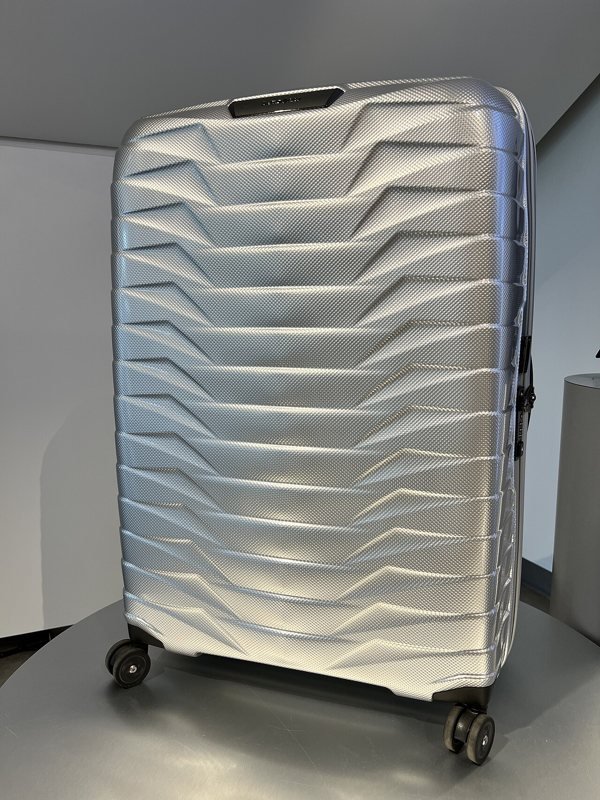
Hardside spinner suitcase (item type, not the exact product). Photo: Joerivho, CC BY-SA 4.0, via Wikimedia Commons
Samsonite Centric Hardside 20-Inch Carry-On Spinner
A 20-inch hardside spinner that stays well under the 160 cm Tokaido/Sanyo/Kyushu luggage limit.
Check price on AmazonPacking cubes make repacking between cities quicker.

Packing cube (item type, not the exact product). Photo: Tony Webster, CC BY 2.0, via Wikimedia Commons
Amazon Essentials 4-Piece Packing Cubes
Zip cubes that keep a small case organised when you repack between cities.
Check price on AmazonSome Shinkansen seats have outlets and some do not, so a power bank is a sensible backup.
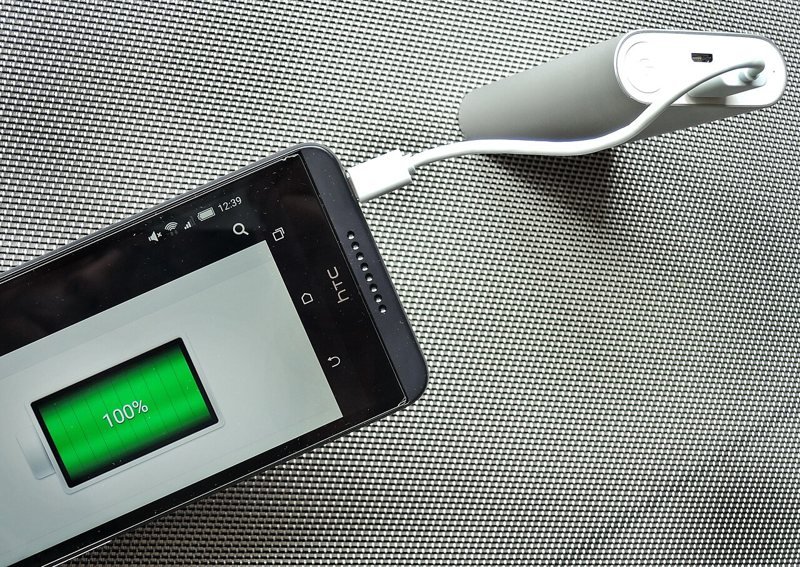
Power bank (item type, not the exact product). Photo: Mk2010, CC BY-SA 4.0, via Wikimedia Commons
Anker Power Bank, 10,000mAh PowerIQ USB-C
A slim 10,000mAh power bank, handy when your seat has no outlet.
Check price on AmazonA compact luggage scale helps you check bag weight before you fly home, and keeps you clear of JR East’s 30 kg per-bag cap.
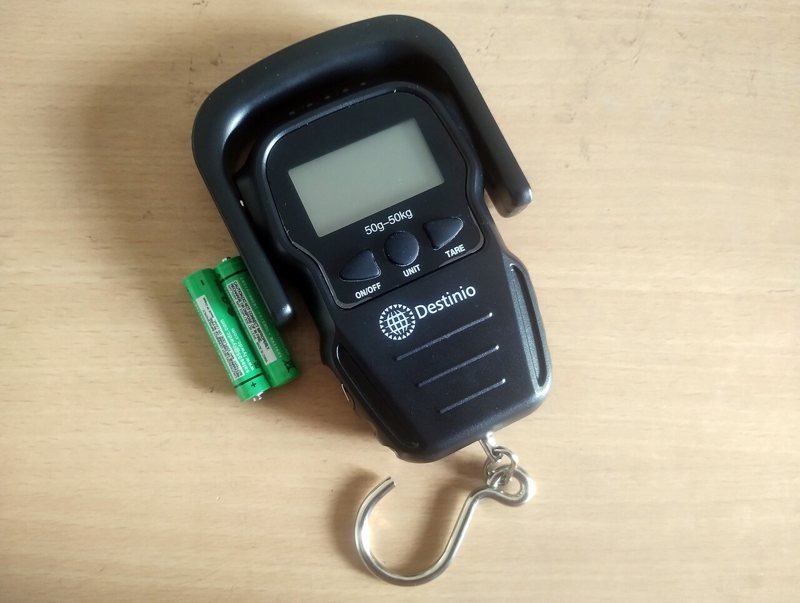
Luggage scale (item type, not the exact product). Photo: Gpkp, CC BY-SA 4.0, via Wikimedia Commons
Etekcity Digital Hanging Luggage Scale
A hanging scale to check bag weight before flights home and against JR East's 30 kg per-bag cap.
Check price on AmazonFAQ
How far in advance can I book Shinkansen tickets?
Reserved seats generally open at 10:00 JST one month before travel. SmartEX takes some requests earlier, but seats are confirmed about a month ahead.
Can I buy Shinkansen tickets at the station on the day?
Yes, at ticket machines or offices, though busy trains can sell out. Non-reserved cars are an option on many trains, but not on Nozomi in peak periods.
Is the SmartEX app worth it for tourists?
It is useful on the Tokaido, Sanyo and Kyushu lines because it has an English interface and lets you skip queues. Make sure your card registers before you rely on it.
Do I need a reservation for a big suitcase on the Shinkansen?
On the Tokaido, Sanyo, Kyushu and Nishi-Kyushu lines, yes, if the total of the three sides is 161 to 250 cm. Up to 160 cm (about 63 in) you do not. On JR East’s lines, including the Tohoku and Hokuriku Shinkansen, there is no luggage reservation; storage areas are first come, first served.
Can JR Pass holders ride the Nozomi?
Yes, by buying a separate Nozomi Mizuho ticket each time you ride, as of November 2026.
Can you eat and talk on the Shinkansen?
You can eat, and ekiben are popular. Quiet conversation with your companions is fine, but take phone calls to the deck.
Which side of the train has the Mount Fuji view?
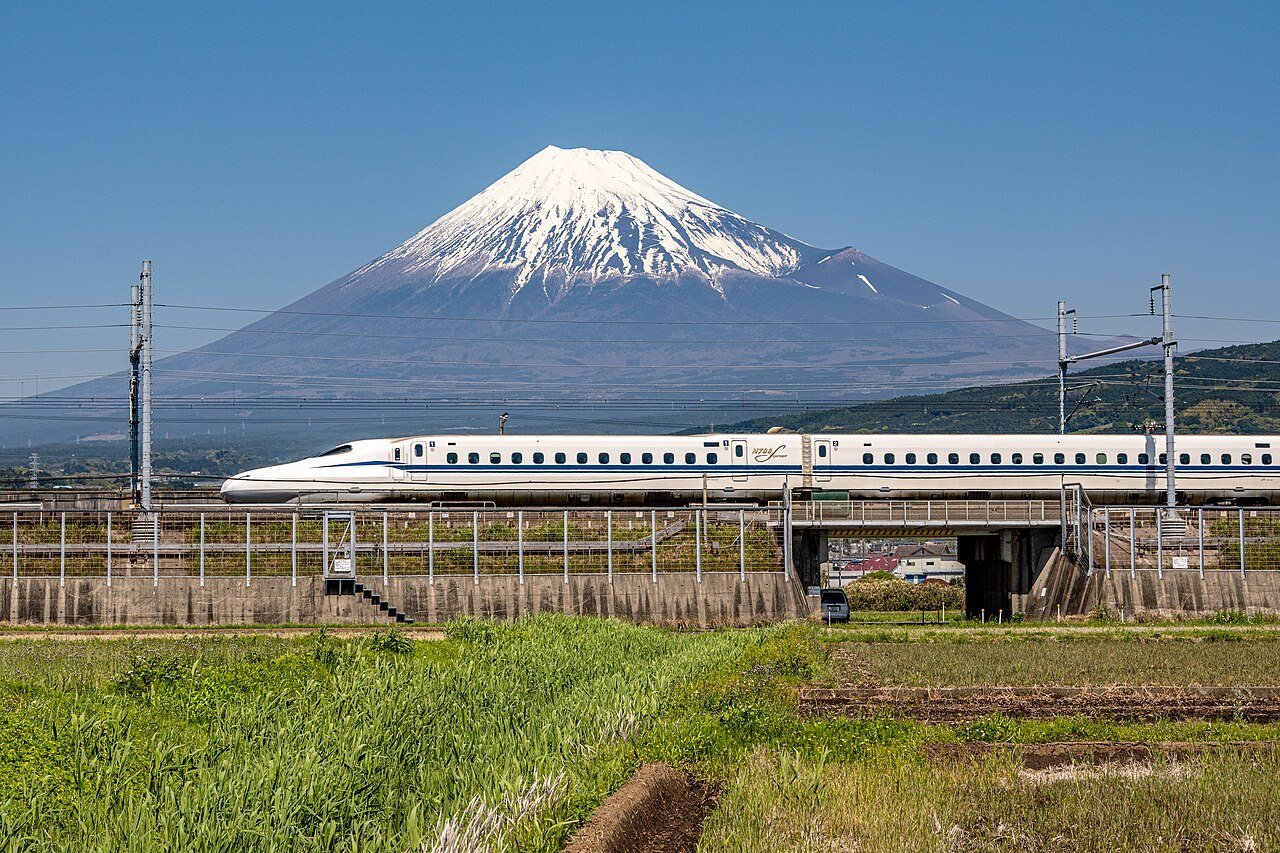
Sit on the right-hand side when heading from Tokyo toward Kyoto and Osaka: seat E in ordinary cars, or seat D in the Green Car. The best views come around Shin-Fuji, weather permitting.
Bottom line
Pick the booking service that matches your line, reserve about a month ahead, and keep bags under 160 cm or reserve a luggage-space seat. Speak softly, and check the operator’s site before you travel.
Top photo: an N700S Shinkansen passing Mount Fuji near Higashi-Tagonoura (April 2023). Photo: Takeshi Aida, CC BY-SA 2.0, via Wikimedia Commons.