
As an Amazon Associate, Chasing Cherry Blossoms earns from qualifying purchases. We may also earn from other affiliate links on this page at no extra cost to you.
Kyoto’s maples are turning right now, and the next two weeks are the busiest stretch of the year for the city’s temples and gardens. This guide covers when to go in 2026, the best spots by area, which ones open at night, and how to avoid the worst of the crowds.
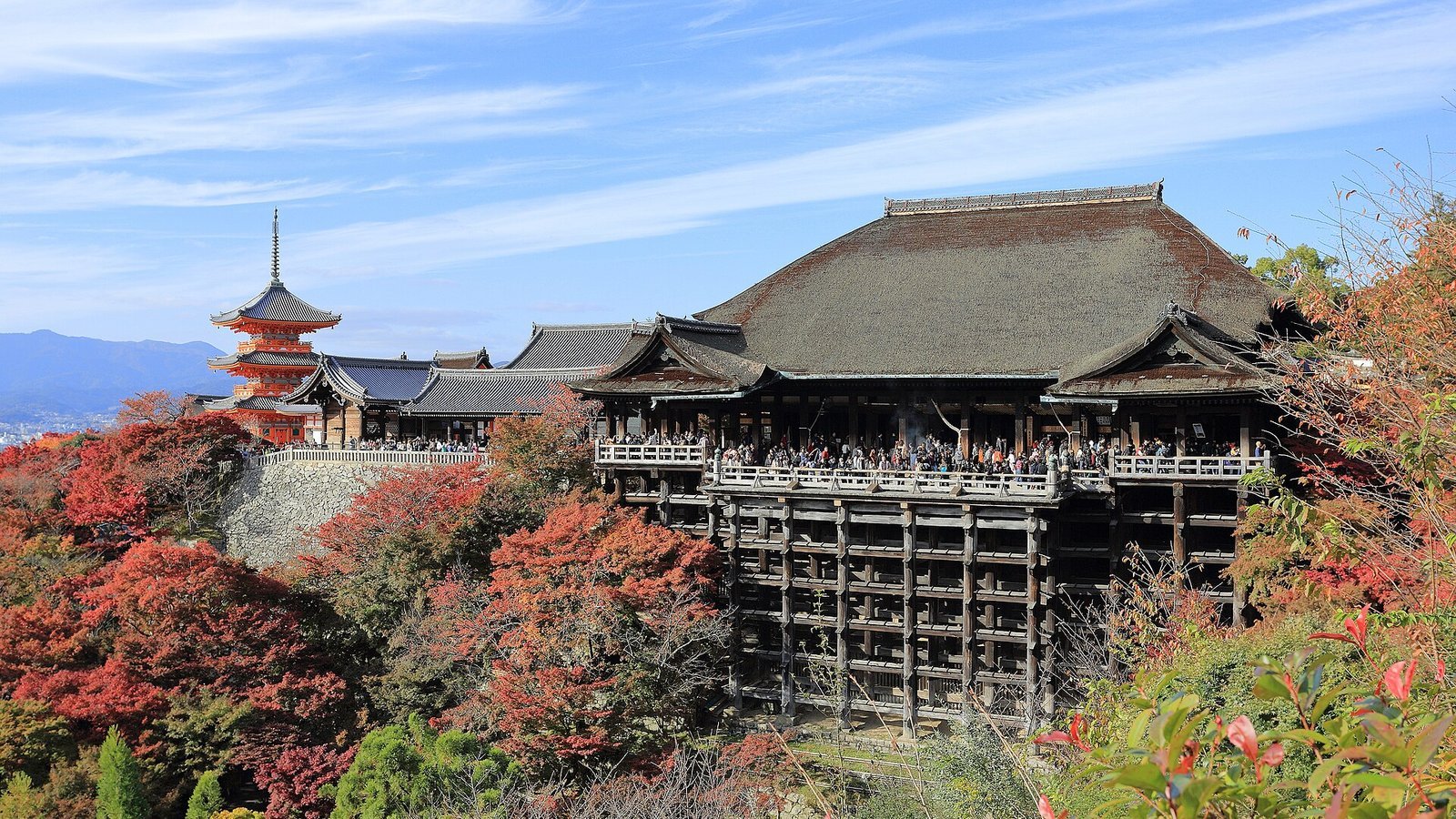
Quick answer: Kyoto’s famous temples usually look best from mid-November to early December. For 2026, tenki.jp’s 14 Nov update puts Arashiyama’s peak around 17 Nov, and Kyoto’s tourism office said on 13 Nov that Arashiyama had reached its peak. The Japan Meteorological Corporation’s 4 Nov forecast gives 14 Dec for red leaves, but that is a different measure (see below). Must-sees: Eikando, Tofukuji, Kiyomizu-dera and Arashiyama. Light-up tip: Eikando (from 20 Nov) and Kiyomizu-dera (21-30 Nov) have 2026 evening openings. Crowd tip: arrive at opening, on a weekday.
Kyoto autumn leaves spots at a glance (2026)
| Spot | Area | Usual peak | Light-up 2026 | Tip |
|---|---|---|---|---|
| Eikando | Eastern Kyoto | Check temple site | 20 Nov – 6 Dec, 5:30-8:30 pm reception (1,000 yen) | No advance tickets; no tripods |
| Nanzen-ji | Eastern Kyoto | Check temple site | Check temple site | Keihan: changing colors on 13 Nov |
| Shinnyodo | Eastern Kyoto | Check temple site | Check temple site | Keihan: changing colors on 13 Nov |
| Kiyomizu-dera | Southern Higashiyama | Mid-Nov to early Dec | 21-30 Nov, 5:30-9:30 pm (last entry 9:00) | No reservation needed; fee: check temple site |
| Kodaiji | Southern Higashiyama | Check temple site | Dates for 2026: check temple site | Evening openings run late Oct to early Dec (year not stated) |
| Tofukuji | Southern Kyoto | Check temple site | No public light-up listed | Autumn season 14 Nov-6 Dec; Tsutenkyo from 8:30 am (1,000 yen) |
| Arashiyama (Togetsukyo) | Western Kyoto | Mid-Nov to early Dec | No 2026 dates confirmed | Free, open-air; go early |
| Sanzen-in (Ohara) | Northern Kyoto | Check temple site | Check temple site | At peak on 13 Nov (Keihan) |
| Kifune Shrine | Northern Kyoto | Check temple site | 7-24 Nov, sunset to 8:30 pm | Free entry to the main shrine |
2026 forecasts and where to check live status
| Source | What it says | Date issued/seen |
|---|---|---|
| tenki.jp (Arashiyama page) | Peak forecast from 17 Nov; status “generally in color” | 14 Nov 2026, 15:00 |
| Kyoto City Tourism Association | Peak reached at Jingo-ji, Toji-in and Arashiyama; rain forecast for Sunday | 13 Nov 2026 |
| Keihan status page | Sanzen-in at peak; Arashiyama, Eikando, Kodaiji, Shinnyodo, Tofukuji, Nanzen-ji “changing colors” | As of 13 Nov 2026 |
| Japan Meteorological Corporation | Kyoto red leaves 14 Dec (average 5 Dec); yellow 30 Nov (average 24 Nov) | 3rd forecast, 4 Nov 2026 |
Map: Kyoto autumn leaves spots in this guide
- Eikando – Autumn night visit 20 Nov – 6 Dec 2026; no tripods allowed Directions
- Nanzen-ji – Keihan listed it as changing colors on 13 Nov 2026 Directions
- Shinnyodo – Keihan listed it as changing colors on 13 Nov 2026 Directions
- Kiyomizu-dera – Evening visit 21-30 Nov 2026, 5:30-9:30 pm; no reservation Directions
- Kodaiji – Evening openings late Oct to early Dec (year not stated) Directions
- Tofukuji – Famous Tsutenkyo bridge; Keihan: changing colors on 13 Nov 2026 Directions
- Togetsukyo Bridge, Arashiyama – tenki.jp (14 Nov 2026) forecasts peak from 17 Nov Directions
- Sanzen-in, Ohara – Listed at peak by Keihan on 13 Nov 2026 Directions
- Kifune Shrine – Foliage light-up 7-24 Nov 2026, sunset to 8:30 pm Directions
When do the leaves peak in Kyoto in 2026?
Several sources describe the same season, and they do not always agree. That is normal: they measure different things, and different parts of Kyoto change at different times.
The Japan Meteorological Corporation’s third and last forecast (4 Nov) lists Kyoto red leaves on 14 Dec, 9 days later than the average of 5 Dec, and yellow leaves on 30 Nov against an average of 24 Nov. Its method follows the JMA sample-tree standard, the first day most of a tree’s leaves have turned. That is a standardized benchmark, not a verdict on any temple. By contrast, tenki.jp gives Arashiyama’s usual peak as mid-November to early December, so famous gardens tend to look their best earlier than the sample-tree date suggests. Treat 14 Dec as a sign of a slower, warmer-autumn year, not as the day to book.
For live checks, use the Kyoto City Tourism Association’s Autumn Leaves Calendar (updated 13 Nov) and Keihan’s status page, which updates every Tuesday and Friday. Keihan’s 13 Nov snapshot showed only Sanzen-in at peak, while the tourism office the same day said Arashiyama, Jingo-ji and Toji-in had peaked. Check both and expect the stages to differ by spot and elevation.
Weather, as forecast on 14 Nov per tenki.jp: rain on Sunday 15 Nov (90% chance), mostly fair on 17 Nov (40% chance of rain) and rain again on 18 Nov (80%). Forecasts change, so look again before you leave.
Eastern Kyoto: Eikando, Nanzen-ji, Shinnyodo
Eikando is the classic choice for a pagoda-and-pond view, and it has the clearest 2026 information of any temple here. The daytime autumn exhibition runs 11 Nov to 6 Dec (adults 1,500 yen, roughly 10 USD, as of Nov 2026), and the night visit starts 20 Nov.
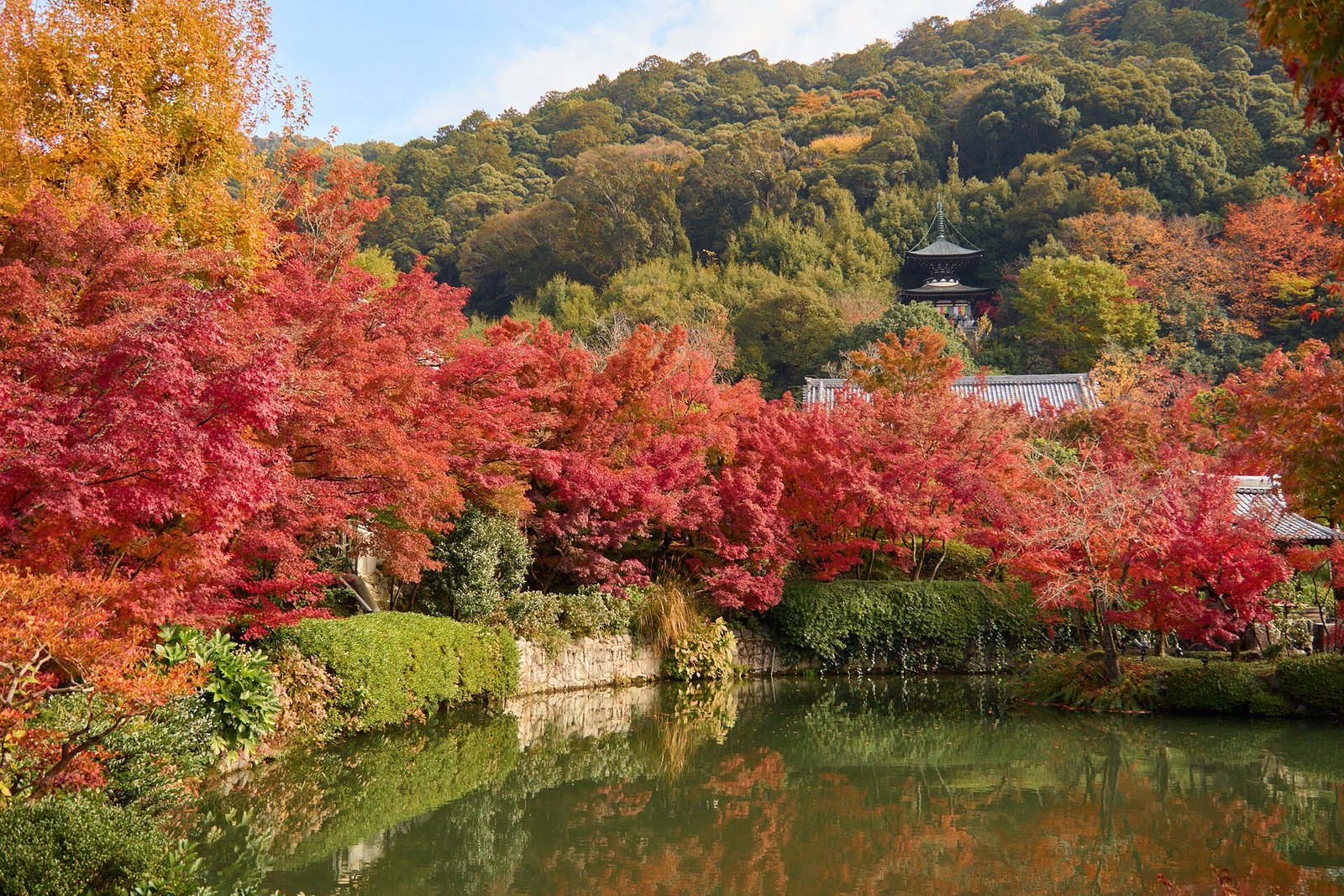
Eikando’s own pages say advance tickets are not sold and that tickets are valid only on the day of purchase. They also say no tripods are allowed on the grounds, and that the reception may close early to ease crowding. Nanzen-ji and Shinnyodo sit nearby, and Keihan listed both as “changing colors” on 13 Nov. Nanzen-ji lists an early-morning autumn visit for 2026 on its site, so check its notices if you want a quieter start.
Southern Higashiyama: Kiyomizu-dera, Kodaiji, Tofukuji
Kiyomizu-dera says its best foliage is mid-November to early December and that the timing varies each year. Kodaiji is a short walk uphill, and its site describes autumn evening openings from late October to early December (5:00-9:30 pm entrance closing), though it states no year. Check the temple’s site for 2026 dates and fees.
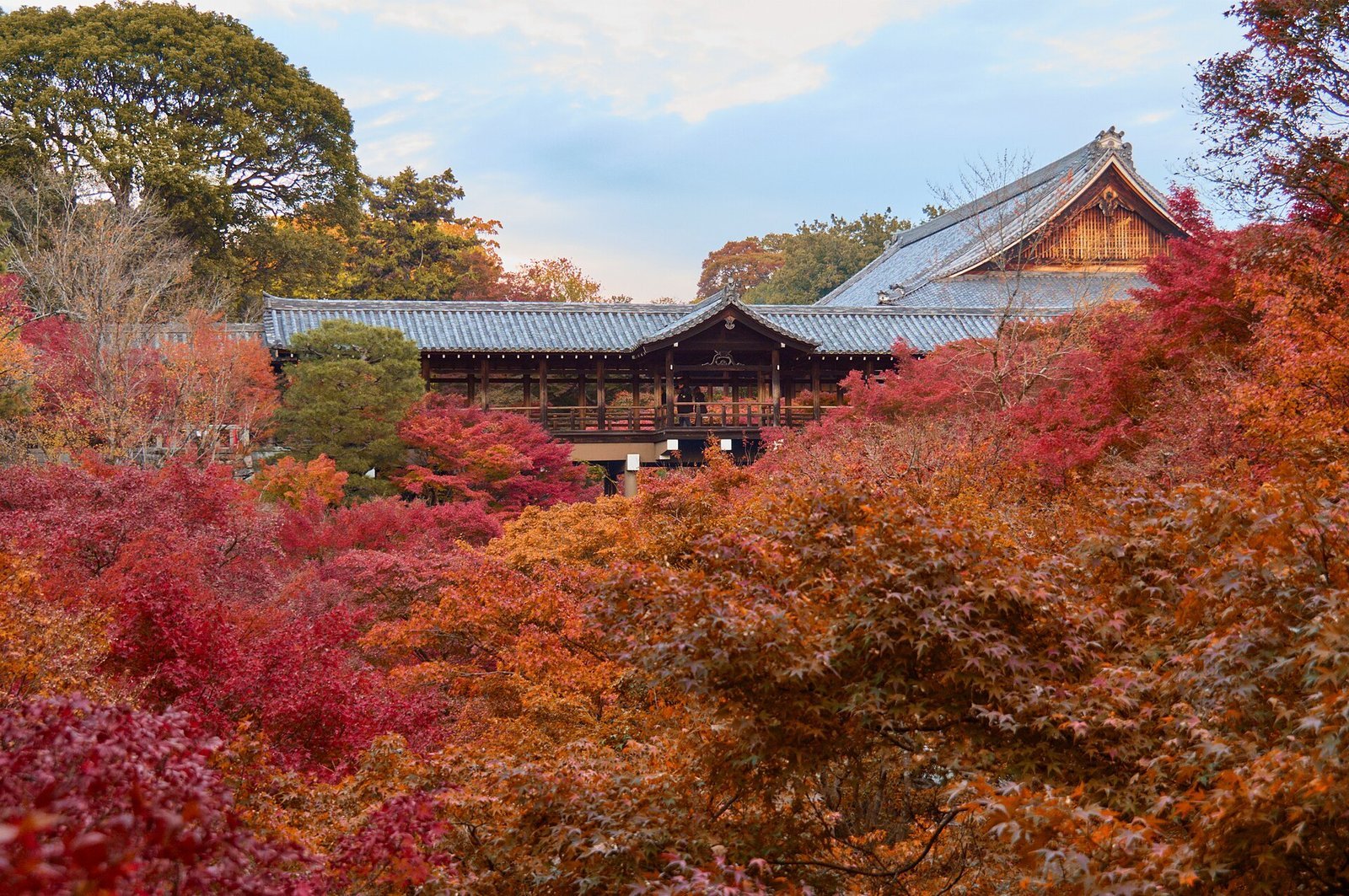
Tofukuji is famous for the Tsutenkyo bridge over a maple valley. Its official visitor page lists an autumn season from 14 Nov to 6 Dec 2026, when the Tsutenkyo and Kaisando area opens at 8:30 am (last entry 4:00 pm) and costs 1,000 yen for adults (roughly 7 USD), with no combined ticket during that period. The temple warns it will be very crowded and that you may be asked not to take photos on the Tsutenkyo and Gaunkyo bridges. Tripod photography is not allowed on the grounds. Keihan listed Tofukuji as “changing colors” on 13 Nov.
Arashiyama
Arashiyama is where the forecasts are most consistent: tenki.jp’s 14 Nov page says it is generally colored and expects the peak around 17 Nov. The area around Togetsukyo Bridge is free and always open, but it is also one of the most crowded places in Kyoto. Pair it with the bamboo grove (see our Kyoto bamboo forest guide) and go early.
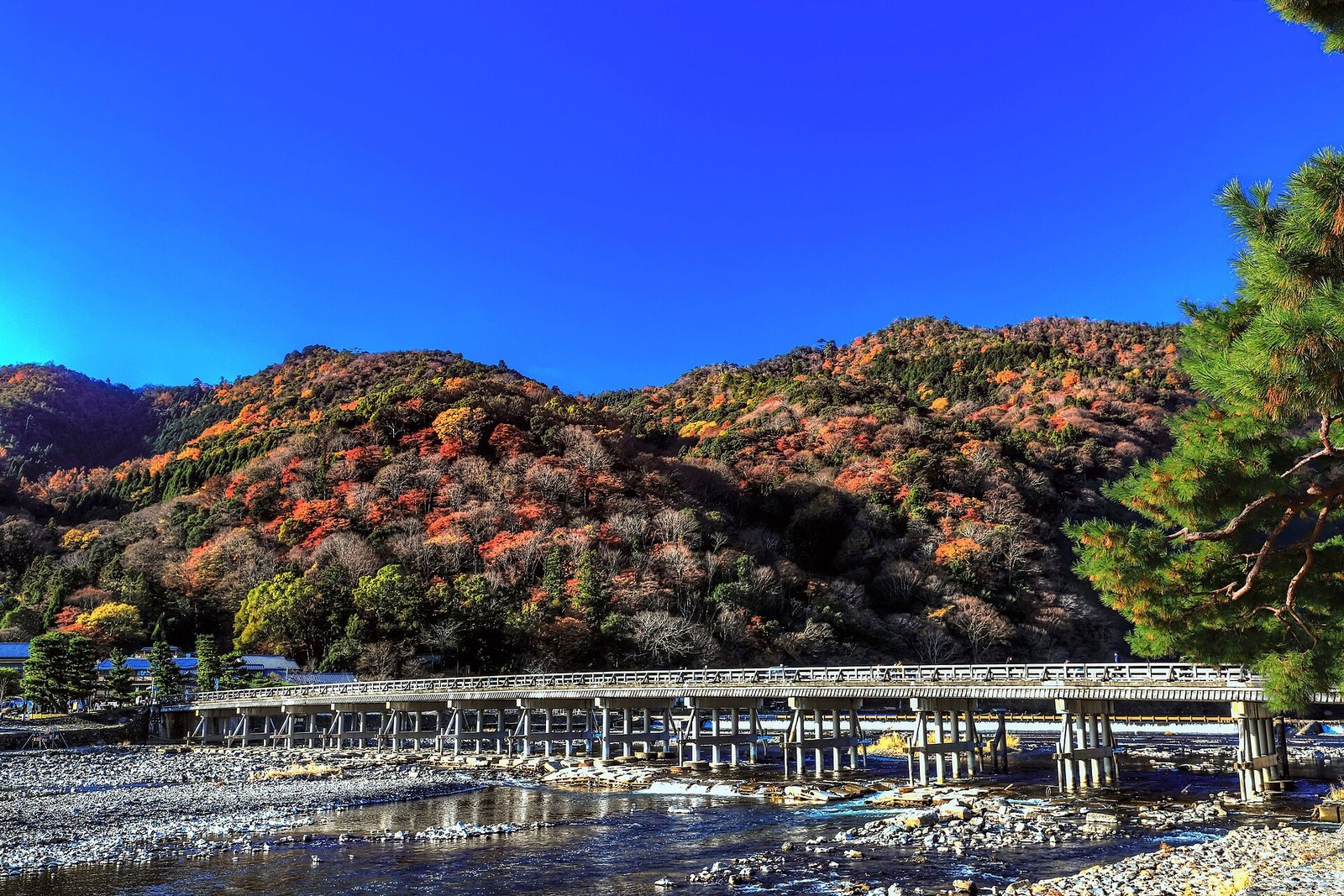
From Kyoto Station, the JR Sagano Line to Saga-Arashiyama takes roughly 15-20 minutes. The Randen tram is a slower, scenic alternative from central Kyoto.
Northern escapes: Ohara, Kifune, Rurikoin
Sanzen-in in Ohara was the one spot at peak on Keihan’s 13 Nov list, so it is worth the trip north if the weather is clear. Kifune Shrine is running a foliage light-up from 7 Nov to 24 Nov, from sunset to 8:30 pm, and its main shrine is free to enter. The shrine has also posted special bus times for the light-up period, so check them before you go.
Rurikoin, famous for its table-top reflection, is reported by third-party guides to need advance online booking in autumn. Its official site could not be checked for this guide, so confirm dates, fees and the booking process there before planning around it.
Night light-ups in 2026
Evening visits are quieter in some places and just as busy in others, and they let you see the maples under lamps. Three are confirmed for 2026:
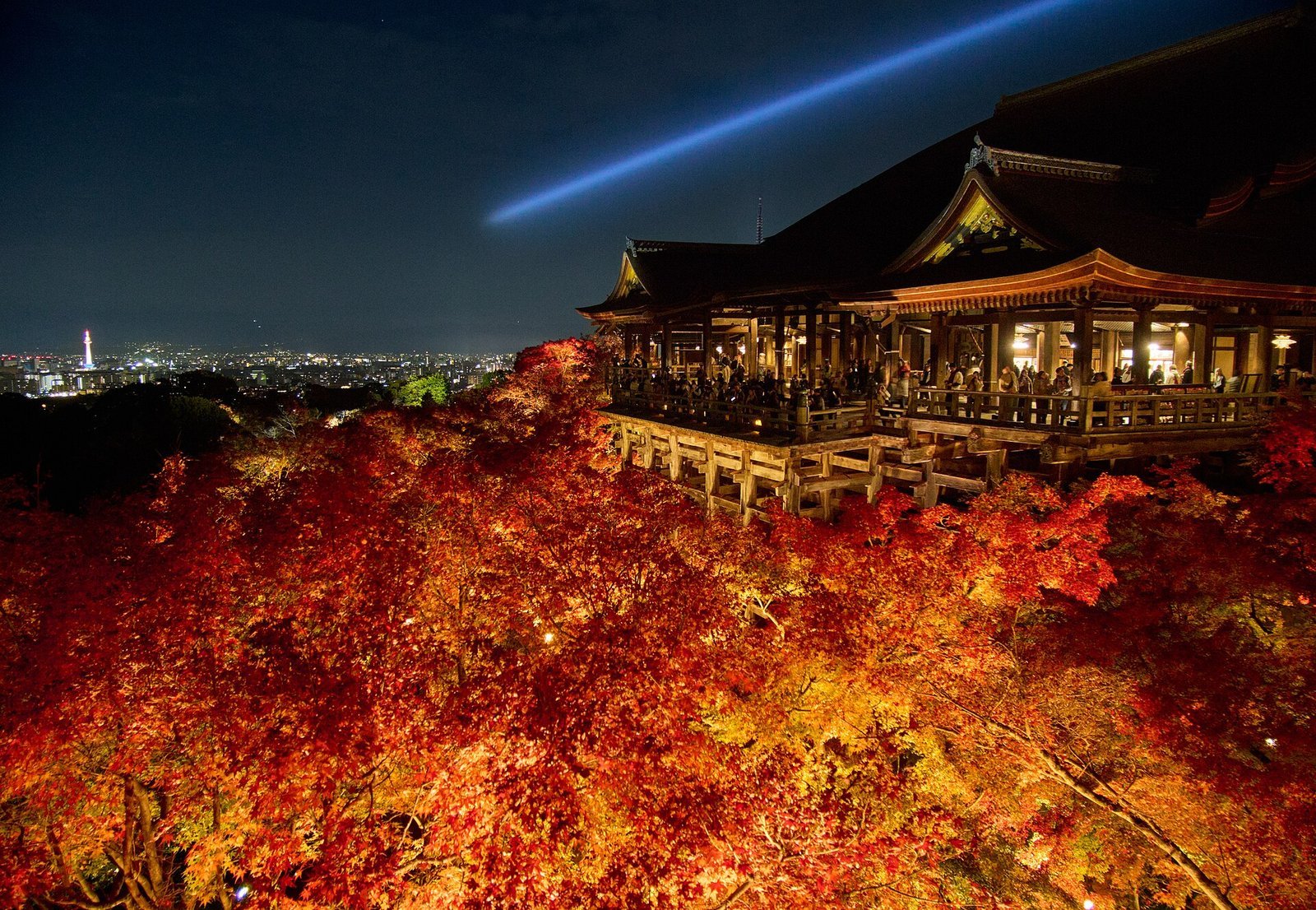
- Eikando: 20 Nov to 6 Dec, reception 5:30-8:30 pm (gates close 9:00), 1,000 yen (roughly 7 USD) as of Nov 2026. One notice page on the same site shows a different end date, so confirm before you go.
- Kiyomizu-dera: 21-30 Nov, 5:30-9:30 pm, last entry 9:00. The temple says no reservation is required. The night fee was not stated on the pages read, so check the temple site.
- Kifune Shrine: 7-24 Nov, sunset to 8:30 pm.
Kodaiji, Shoren-in and others have their own evening programs, but their 2026 dates were not confirmed for this guide. The Kyoto City Tourism Association links a 2026 illumination list from its autumn news page. Eikando and Tofukuji do not allow tripods, and other temples may not either, so a steady grip matters more than a tall stand.
Beating the crowds and getting around
Go at opening on a weekday. Nanzen-ji’s published November hours start at 8:40 am, and Eikando’s daytime reception opens at 9:00. Weekends are the worst, and the 21-23 and 28-29 Nov weekends fall within the likely peak for many central temples.
Buses in autumn are crowded. Where you can, use trains: the subway, Keihan, the Randen tram, and JR to Arashiyama. The Kyoto City Tourism Association’s tips page lists the Subway and Bus 1-Day Pass and does not announce any change to buses or passes for 2026. Its Kyoto Smart Navi shows real-time crowding and foliage conditions without an app or registration.
The same page says a luggage storage and same-day delivery counter near Kyoto Station (in front of Hotel Granvia) operates on 21-23 and 28-29 Nov, 9 am-8 pm. If you are arriving by bullet train, see our guides to how to ride the Shinkansen and train etiquette and luggage forwarding.
Two sample days. For west Kyoto: Arashiyama at 8:00, the bamboo grove, then a late lunch. For east Kyoto: Nanzen-ji at 8:40, a walk to Eikando for 9:00, then Kiyomizu-dera in the evening if you are there between 21 and 30 Nov. For more sights, see our Kyoto attractions guide.
Dress in layers: our Japan in November packing guide covers it, and if you are comparing regions, see Tokyo’s autumn foliage. Leaves can last into December in cooler spots.
Research-based picks
We have not tested these. They are simply sensible items for autumn temple days, and each opens an Amazon search.
A light packable jacket or fleece layers well over a sweater for chilly mornings and evening light-ups.
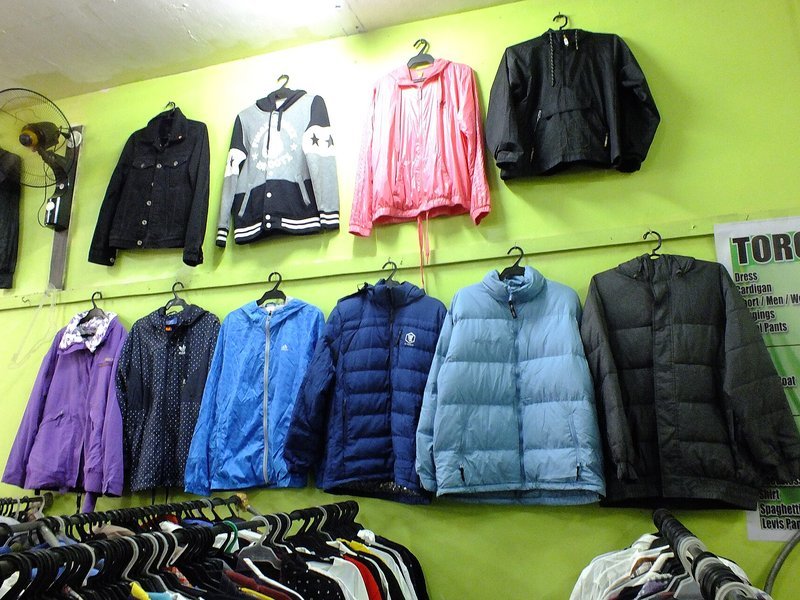
Down jackets (item type, not the exact product). Photo: PaulGorduiz106, CC BY-SA 4.0, via Wikimedia Commons
Packable down jacket
A light layer for chilly temple mornings and evening light-ups; check how small it packs.
Search on AmazonMany temple halls ask you to remove your shoes, and Eikando’s page asks visitors to bring their own shoe bag, so easy slip-ons save time.

Slip-on shoes (item type, not the exact product). Photo: Wiki.cullin, public domain, via Wikimedia Commons
Slip-on walking shoes
Easy on and off for temple halls where shoes come off; check the fit for long walking days.
Search on AmazonBecause Eikando bans tripods, a phone grip with a shutter button is a safer way to steady night shots.
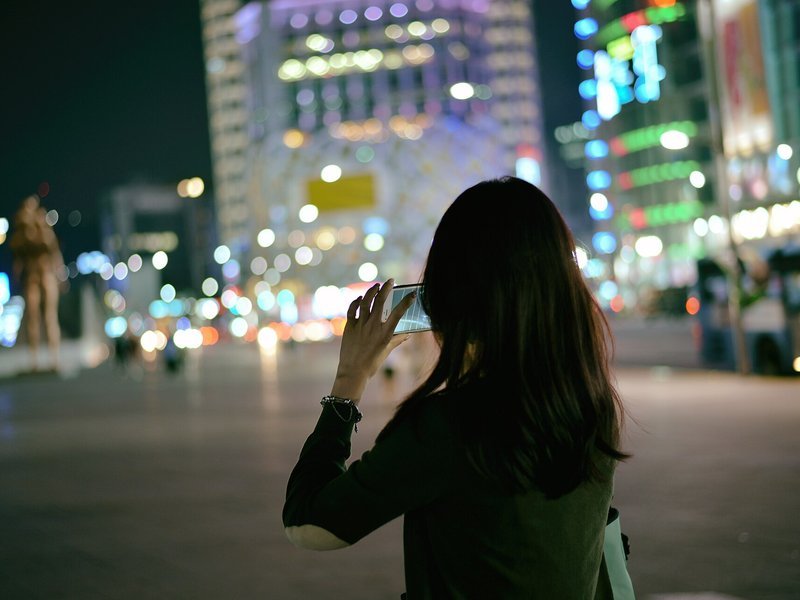
Night phone photography (item type, not the exact product). Photo: chelsom tsai from TAIPEI, Taiwam, CC BY 2.0, via Wikimedia Commons
Phone camera grip
A handheld grip with a shutter button for steadier night shots where tripods are not allowed.
Search on AmazonFAQ
When is the best time to see autumn leaves in Kyoto in 2026?
Mid-November to early December is the usual window for the famous temples. As of 14 Nov, Arashiyama is forecast to peak around 17 Nov, and Eikando and Kiyomizu-dera run evening openings from 20 and 21 Nov.
Is mid-November too early for Kyoto?
Not in 2026. Arashiyama, Jingo-ji and Toji-in were reported at peak on 13 Nov, while many central temples were still changing color. Check the live status pages before choosing.
Which Kyoto temples have night light-ups?
Confirmed for 2026 on official pages: Eikando (20 Nov to 6 Dec), Kiyomizu-dera (21-30 Nov) and Kifune Shrine (7-24 Nov). Kodaiji and others have evening programs; check their sites.
Do I need to book Kyoto autumn light-ups?
Eikando does not sell advance tickets, and Kiyomizu-dera says no reservation is required for its evening visit. Rurikoin is reported to need advance booking, so confirm on its official site.
What is the least crowded autumn leaves spot in Kyoto?
No official source ranks crowds, so use Kyoto Smart Navi for real-time conditions. As a rule, northern areas such as Ohara and early weekday mornings tend to be calmer.
Can I see autumn leaves in Kyoto in December?
Yes. The Japan Meteorological Corporation’s 2026 forecast puts Kyoto’s red-leaf date at 14 Dec, and Eikando’s exhibition runs until 6 Dec. Some spots will be past peak by then, so check live status.
How do I get to Arashiyama from Kyoto Station?
Take the JR Sagano Line to Saga-Arashiyama, roughly 15-20 minutes, then walk to Togetsukyo Bridge. Trains avoid the crowded buses.
Sources
These are the official pages relied on for this guide.
- Kyoto City Tourism Association: autumn leaves calendar update (seen Nov 2026)
- Kyoto City Tourism Association: autumn sightseeing tips (seen Nov 2026)
- Keihan: Autumn Colors 2026 (seen Nov 2026)
- Japan Meteorological Corporation: 2026 foliage forecast (seen Nov 2026)
- tenki.jp: Arashiyama foliage page (seen Nov 2026)
- Eikando: autumn exhibition and night visit (seen Nov 2026)
- Kiyomizu-dera: autumn 2026 evening visit (seen Nov 2026)
- Tofukuji: visiting hours, fees and autumn notes (seen Nov 2026)
- Kifune Shrine: autumn light-up notice (seen Nov 2026)
Bottom line
Kyoto’s leaves are at or near peak in places and still turning in others, so check the live pages and pick your spots by area. Go early on a weekday, and plan evening visits to Eikando or Kiyomizu-dera from 20-21 Nov if you want the light-ups.
Top photo: Kiyomizu-dera and its three-storied pagoda above autumn maples, Kyoto, November. Photo: Martin Falbisoner, CC BY-SA 4.0, via Wikimedia Commons.