
As an Amazon Associate, Chasing Cherry Blossoms earns from qualifying purchases. We may also earn from other affiliate links on this page at no extra cost to you.
Picking the right Shinkansen seat takes about a minute at booking, and it can decide whether you get a Mt Fuji view, a plug for your phone or a place for a big suitcase. This guide explains the seat letters, the Fuji side of the Tokaido line, reserved and non-reserved cars, Green Car and GranClass.
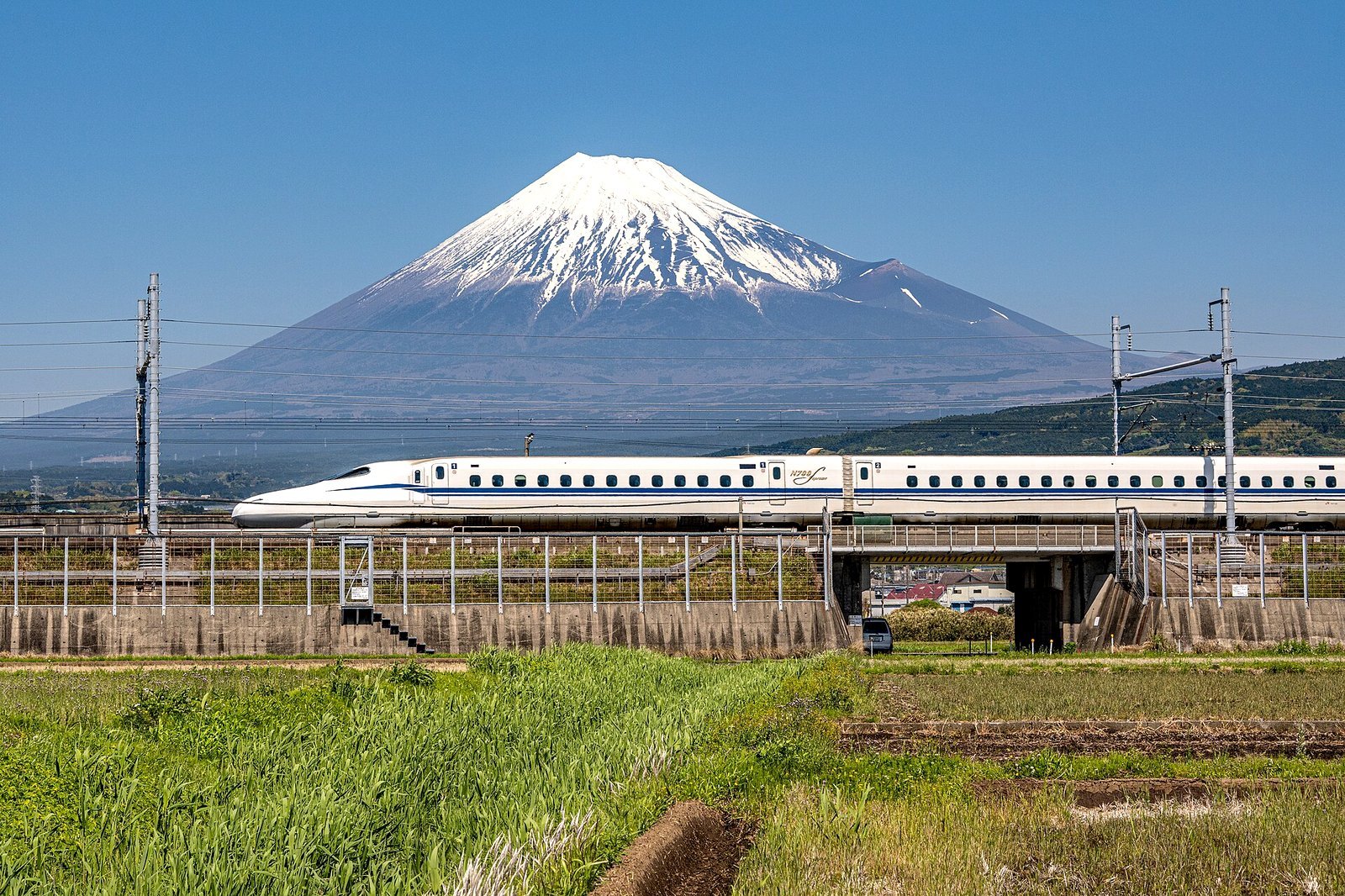
Quick answer: On the Tokaido Shinkansen, JR Central says to book Seat E in Standard Class or Seat D in Green Class for the best Mt Fuji view. Ordinary cars are 3+2 (A-B-C and D-E) and Green Cars 2+2, with E the window seat on the Fuji side. If your bag totals 161 to 250 cm (length + width + height), JR Central requires you to reserve a seat with an oversized baggage area, at no extra charge. Green Car is worth it if you want more room and an outlet at every seat. Nothing is guaranteed for the Fuji view, because weather decides.
Which seat to pick (as of Nov 2026)
Use this table as a starting point. Where a cell says “check JR site”, we could not confirm it from an official page. Layouts and cars can change without notice, so trust the seat map on your booking screen.
| Goal | Best seat/car | Line | Notes |
|---|---|---|---|
| Mt Fuji view, Tokyo to Osaka | Seat E (Standard) or Seat D (Green) | Tokaido | JR Central FAQ. Fuji is on the right-hand side in this direction. |
| Mt Fuji view, Osaka to Tokyo | Seat E (Standard) or Seat D (Green) | Tokaido | Same letters per JR Central; Fuji is on the left-hand side heading east. |
| Window seat | A or E in ordinary cars | Tokaido | Check the seat map; Green Car letters differ. |
| Aisle seat | C or D in ordinary cars | Tokaido | Check the seat map. |
| Traveling as a pair | D-E pair | Tokaido | The two-seat side, and also the Fuji side. |
| Family of 3 | A-B-C row | Tokaido | Three seats together; check the seat map. |
| Big suitcase | Seat with oversized baggage area, last row of some cars | Tokaido, Sanyo, Kyushu | For 161-250 cm total; reservation required, no extra charge. |
| Power outlet | Any seat on N700S; window or end-row seats on N700A/N700 ordinary cars | Tokaido | Green Cars have outlets at every seat. |
| Quiet or work | S Work car, check JR site | Tokaido | Car number not confirmed on a current official page. |
| More space | Green Car, Supreme Class or GranClass | Varies | See Table 2. |
Ordinary vs Green Car vs Supreme Class vs GranClass
Here is how the classes compare. Fares change, so check the JR site for current prices.
| Class | Layout | What you get | Where |
|---|---|---|---|
| Ordinary | 3+2 | Reserved or non-reserved seats; outlets vary by train | All lines |
| Green Car | 2+2 | Wider, quieter cars; outlets at every seat on Tokaido trains | Cars 8 to 10 on the Tokaido Nozomi |
| Supreme Class | Private cabins | Cars 7 and 10; Smart EX membership required; launched 1 Oct 2026 | Tokaido Sanyo Kyushu |
| GranClass | 2+1 | 18 seats in a single car, about 1,300 mm seat pitch (JR East) | Tohoku, Hokkaido, Joetsu, Hokuriku |
Map: key stations for the best Shinkansen views
These stops are the main places along the Tokyo to Kyoto run. The Fuji view is reported to come between Mishima and Shin-Fuji.
- Tokyo Station – Tokaido Shinkansen starting point; Nozomi trains run from here. Directions
- Mishima Station – Tokaido Shinkansen stop; the reported Fuji viewing stretch starts west of here Directions
- Shin-Fuji Station – Tokaido Shinkansen stop near the reported best Mt Fuji viewing stretch (seat E side) Directions
- Nagoya Station – Major Tokaido Shinkansen stop between Tokyo and Kyoto. Directions
- Kyoto Station – Tokaido Shinkansen stop; common endpoint for a Tokyo to Kyoto run. Directions
How Shinkansen seat letters work
Ordinary cars on the Tokaido line are 3+2: seats A, B and C on one side of the aisle and D and E on the other. Rows are numbered from one end of the car, so a seat reads like “12E”. JR Central’s car page uses the same lettering, for example when it notes that seats 12ABDE and 13ABDE in car 11 on the N700S are slightly narrow.
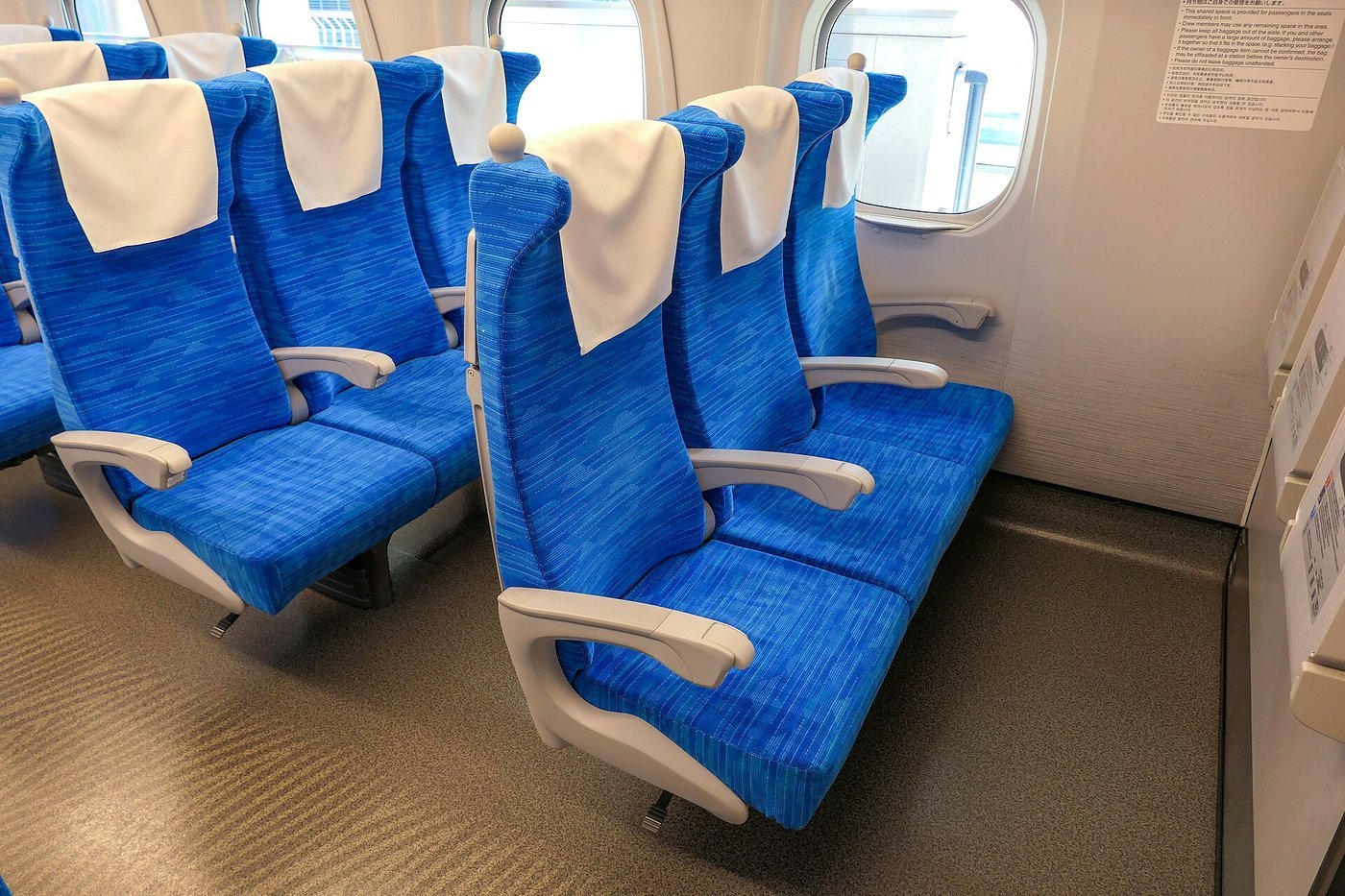
A and E are the windows, C and D sit on the aisle, and B is the middle seat. Green Cars are 2+2 (A-B and C-D), so the Fuji-side window there is D, which matches JR Central’s advice. Always check the seat map when you book, because train sets can differ.
The Mt Fuji side: seat E (and when you can see it)
JR Central’s English FAQ says: “For the best view of Mt. Fuji, choose Seat E in Standard Class or Seat D in Green Class.” The page does not name the side of the train, the direction or the stretch of track.
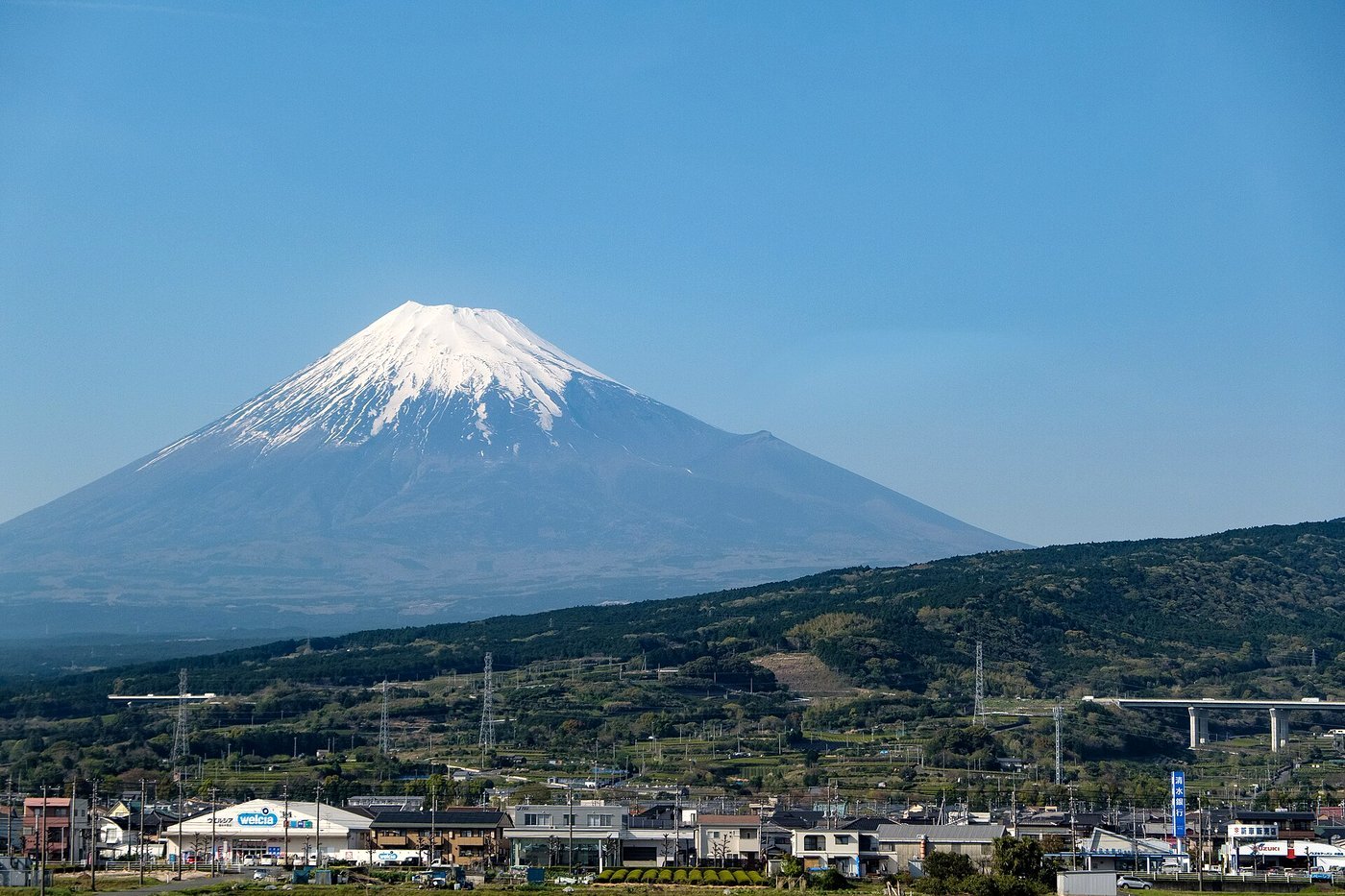
Fuji sits north of the line, so it is on the right going from Tokyo toward Osaka and on the left going back. The best stretch is reported to be between Mishima and Shin-Fuji, and it passes quickly at Shinkansen speed, so have your camera ready after Mishima. Clear air matters more than the date, and many travelers say winter mornings are often better, but no seat can promise it. If Fuji is hidden by cloud, the window still gives you a view of the Shizuoka coast and tea fields.
Seat E stays on the same (north) side of the train whichever way it runs; the seats simply turn to face the direction of travel. That is why JR Central can give one letter for both directions. In ordinary cars, do not book D for Fuji, since that is the aisle seat next to E.
Reserved, non-reserved and the busy seasons
For the full booking basics, see our guide to riding the Shinkansen. For seats, the key facts are these. JR Central’s Nozomi page says Hikari, Kodama, Mizuho, Sakura and Tsubame keep non-reserved seats as usual, but that during the designated peak periods Nozomi trains are all reserved. In those periods, JR Central says non-reserved ticket holders may board Nozomi only by standing in the passageway, excluding Green Cars (cars 8 to 10).
Outside peak periods, Nozomi non-reserved seating is reported to be limited to cars 1 and 2 since March 2025. JR Central’s accommodation page shows this only in images, so check the diagram for your train. The Nozomi page lists the 2026 peak periods as an image too, so look at it before you travel. Travelers with a Japan Rail Pass cannot use Nozomi unless they buy an extra ticket; see our Japan Rail Pass guide.
Big suitcases: the oversized baggage seats
On the Tokaido, Sanyo and Kyushu Shinkansen, bags of 160 cm or less (length + width + height) go at your feet, in the overhead rack or in deck storage. Bags of 161 to 250 cm need a reserved seat with an oversized baggage area, and bags over 250 cm cannot be taken on board.
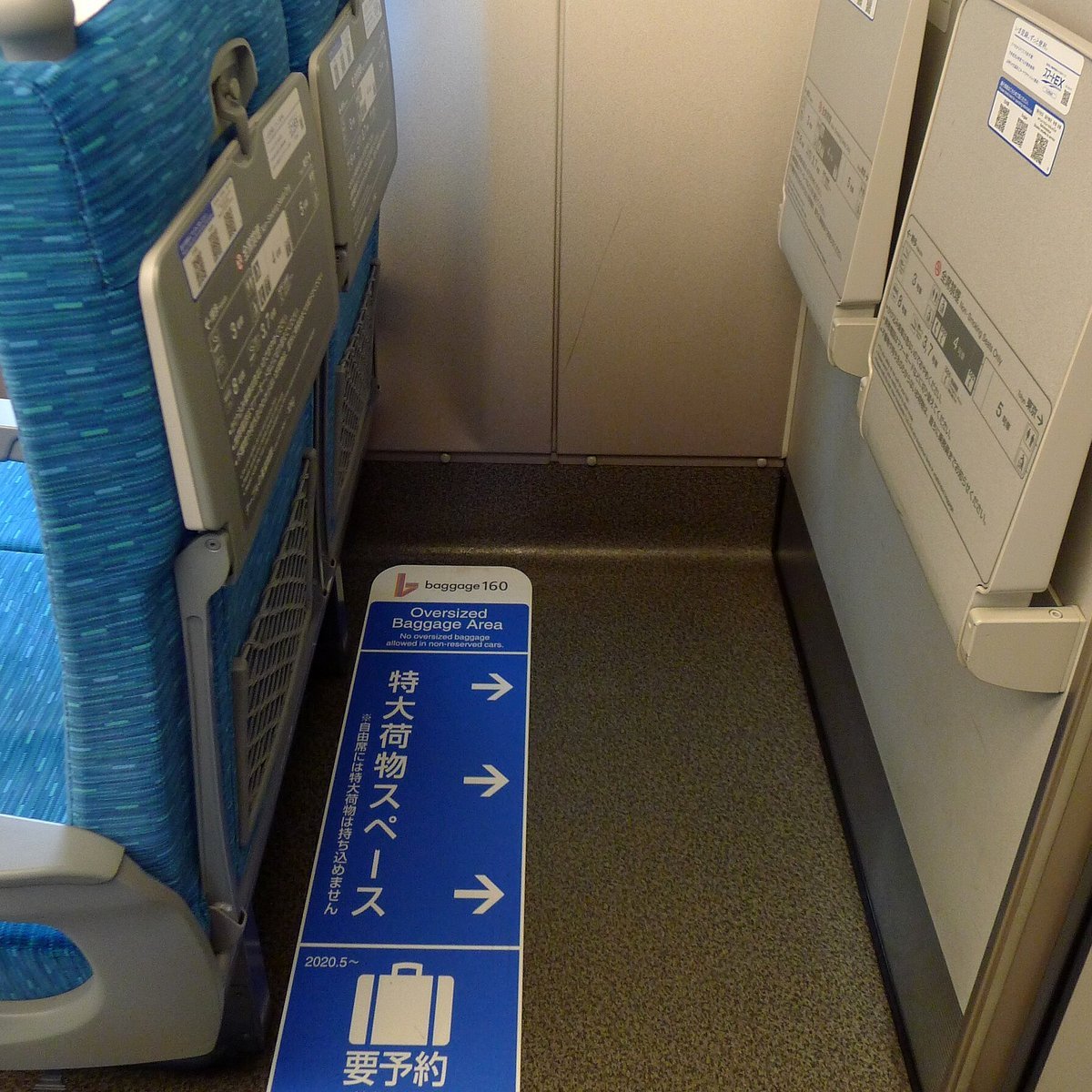
These seats are in the last row of some cars, with the space behind them shared by the back-row passengers. JR Central says the reservation costs the same as an ordinary reserved seat, and without one there is a baggage fee of 1,000 yen including tax. You can reserve online up to one month ahead. Non-reserved cars and some reserved cars do not have these seats. For luggage etiquette and forwarding, read our train etiquette and luggage forwarding guide.
Green Car and GranClass: worth it?
Green Car is worth considering if you want a calmer cabin, wider seats and an outlet at every seat, or if you are traveling during a busy period and want a more comfortable ride. Outside those cases, ordinary reserved seats are fine for most trips. On the Tokaido line, Green Cars are cars 8 to 10 on Nozomi. Japan Rail Pass holders need a Green pass for these cars, and some Sanyo Hikari and Kodama trains have no Green Car at all.
GranClass runs on the Tohoku, Hokkaido, Joetsu and Hokuriku Shinkansen lines. JR East says it is a single car per train with 18 seats in a 2+1 layout, a seat pitch of about 1,300 mm and a powered recline up to 45 degrees. It sells out on popular trains, so book early. The Tokaido line has no GranClass. Since 1 October 2026 it has Supreme Class, with private cabins in cars 7 and 10, booked through Smart EX. Fares are on the JR site.
Picking your seat when you book
Smart EX, the booking service for the Tokaido, Sanyo and Kyushu lines, says you can select your preferred seat from the cabin seat map. We could not open the JR East pages to confirm what the eki-net seat selection looks like, so check as you book. For site-by-site help, see how to buy Shinkansen tickets online.
The Japan Rail Pass site says seat reservations carry no additional charge, and online reservation is limited to passes bought on the official site. It does not say whether pass holders can choose a specific seat, so we cannot confirm that. Speed and timing do not change the seat choice; see how fast the Shinkansen is if you are comparing trains.
Small comforts: outlets, Wi-Fi, ekiben
JR Central says outlets are at every seat on the N700S. On the N700A and N700, they are at every Green Car seat, and in ordinary cars at window seats and at the very front and back seats. Free Wi-Fi is available on Tokaido, Sanyo and Kyushu Shinkansen trains; you pick “Shinkansen_Free_Wi-Fi” and register an email or social account, and you may be asked to log in again every 30 minutes.
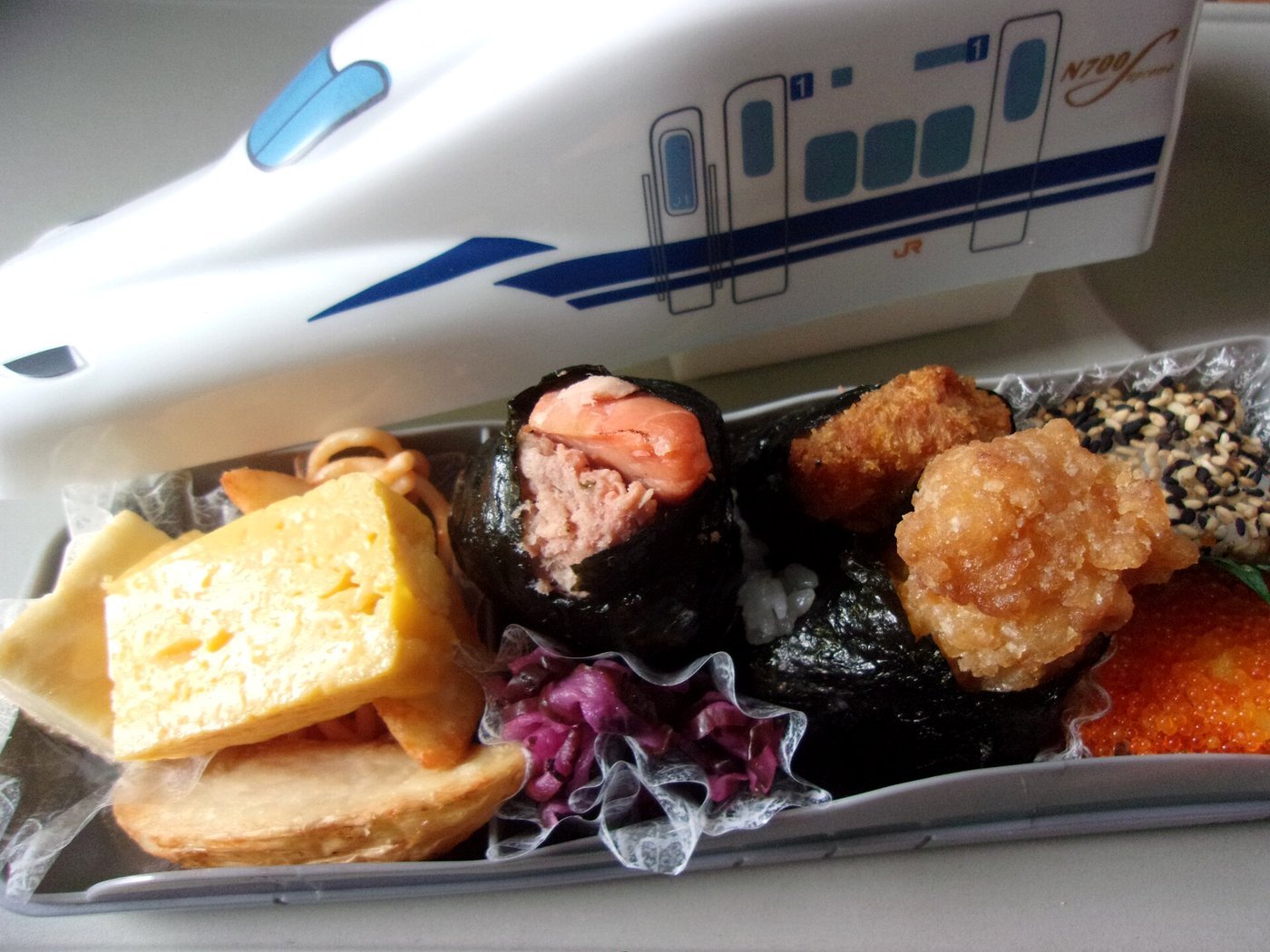
Many travelers pick up an ekiben before boarding. Our bento box guide explains the idea.
Quick tips by route
Tokaido (Tokyo to Kyoto): book seat E for Fuji, or an oversized baggage seat if you carry a big suitcase. Kyoto itself rewards a longer stay; see our Kyoto attractions guide. Tohoku: GranClass is car 10 on the Tohoku route per JR East; check the seat map for ordinary layouts. Hokuriku: GranClass is also offered; check the JR West or JR East seat map for the train you book.
Research-based picks
These are research-based picks. We have not tested them, and the links go to Amazon search results so you can compare options yourself. Japan uses 100V power and Type A plugs, so check your device labels before plugging in.
A travel neck pillow can make a long seat feel kinder, as long as it packs down small.
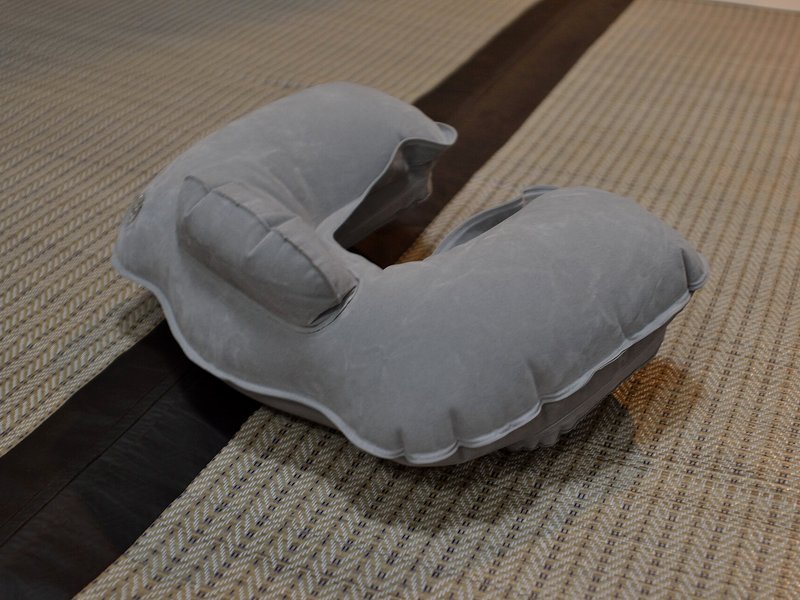
Travel neck pillow (item type, not the exact product). Photo: Takahiro Yamagiwa, CC BY 2.0, via Wikimedia Commons
Travel neck pillow
Compact neck pillow for long seated train rides; check the size and how small it packs.
Search on AmazonA Type A travel adapter with a portable charger is useful if your seat has no outlet, such as an ordinary seat on an older train.
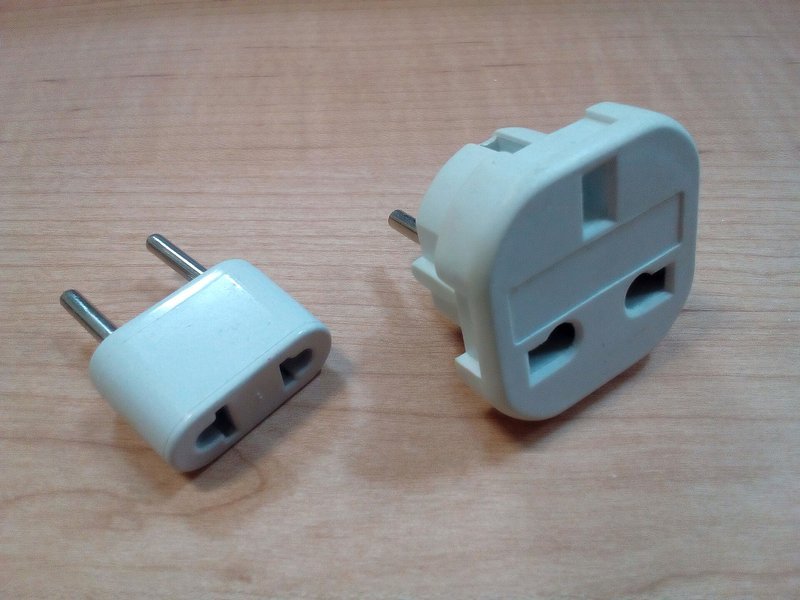
Plug adapters (item type, not the exact product). Photo: Fructibus, public domain, via Wikimedia Commons
Japan travel adapter or portable charger
Type A plug adapter or power bank for seats without an outlet; check your device labels for 100V.
Search on AmazonA packing cube set keeps a carry-on organized and helps you stay under the 160 cm baggage limit.
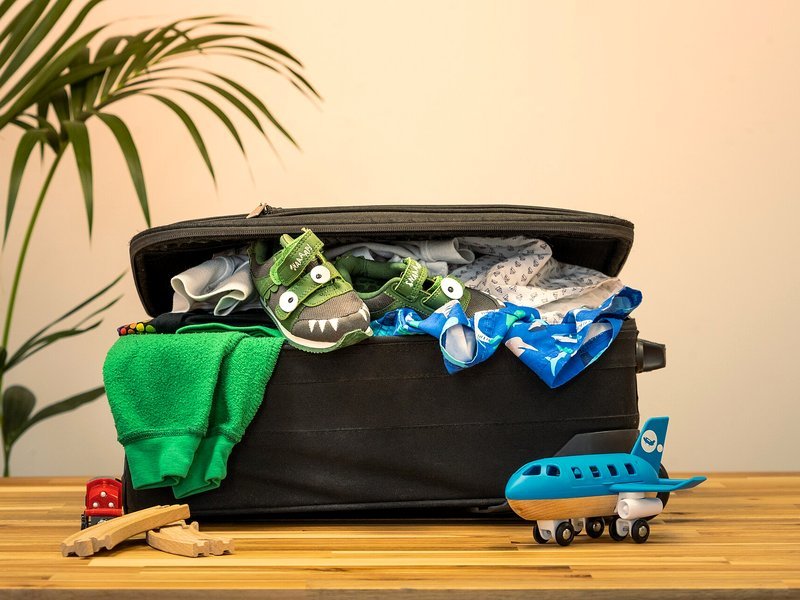
Packed suitcase (item type, not the exact product). Photo: Familydestinationsguide.com Images, CC BY 2.0, via Wikimedia Commons
Packing cube set
Packing cubes to keep a carry-on organised and easier to fit at your feet or overhead.
Search on AmazonFAQ
Which side of the Shinkansen is Mt Fuji on?
It is on the right-hand side going from Tokyo toward Osaka, and on the left going back. JR Central recommends Seat E in Standard Class or Seat D in Green Class.
Is seat E always a window seat?
In 3+2 ordinary cars, yes, E is a window seat. In 2+2 Green Cars the letters stop at D, so confirm on the seat map for your train and class.
Is the Green Car worth it?
It is if you want more space, a calmer cabin and an outlet at every seat. For a short trip on a quiet day, ordinary reserved seats are usually enough.
Can I choose my seat with a Japan Rail Pass?
Seat reservations are free for pass holders, but we could not confirm seat-by-seat choice. Nozomi and Mizuho trains are not covered without an extra ticket.
Where do I put a large suitcase on the Shinkansen?
Up to 160 cm total goes at your feet, overhead or in deck storage. For 161 to 250 cm, reserve an oversized baggage seat at no extra charge.
Which cars are non-reserved on the Nozomi?
Reported as cars 1 and 2 since March 2025, but check your train’s diagram. In peak periods all Nozomi seats are reserved.
Do Shinkansen seats have power outlets?
On the N700S, yes, at every seat. On N700A and N700 trains, they are at Green Car seats, ordinary window seats and the front and back rows.
Sources
These are the official pages we relied on.
- JR Central: Tokaido Shinkansen FAQ (Mt Fuji seat) (seen Nov 2026)
- JR Central: train accommodations and outlets (seen Nov 2026)
- JR Central: oversized baggage seats (seen Nov 2026)
- JR Central: Nozomi reserved peak periods (seen Nov 2026)
- JR Central: free Wi-Fi (seen Nov 2026)
- JR Central: Supreme Class (seen Nov 2026)
- Japan Rail Pass: reserved seats (seen Nov 2026)
- JR East media: GranClass (seen Nov 2026)
Bottom line
Book seat E (or D in Green) on the Tokaido line for the best chance at Mt Fuji, and reserve an oversized baggage seat if your bag is over 160 cm. Check the seat map on your booking screen, since layouts can change. Weather decides the view, so treat Fuji as a bonus.
Top photo: an N700S on the Tokaido Shinkansen with Mt Fuji, Higashi-Tagonoura. Photo: Takeshi Aida, CC BY-SA 2.0, via Wikimedia Commons.