
As an Amazon Associate, Chasing Cherry Blossoms earns from qualifying purchases. We may also earn from other affiliate links on this page at no extra cost to you.
Over the past three months, “cat island japan” has drawn the most US search interest of any quirky Japan animal topic on Google Trends. This week, people online have also been talking about how few residents are left on Aoshima and how animals fare on Japan’s “animal islands”. So here is a practical guide to the two famous cat islands, Aoshima in Ehime and Tashirojima in Miyagi: how to reach them, what the rules are, and which one makes more sense for your 2026-27 trip.
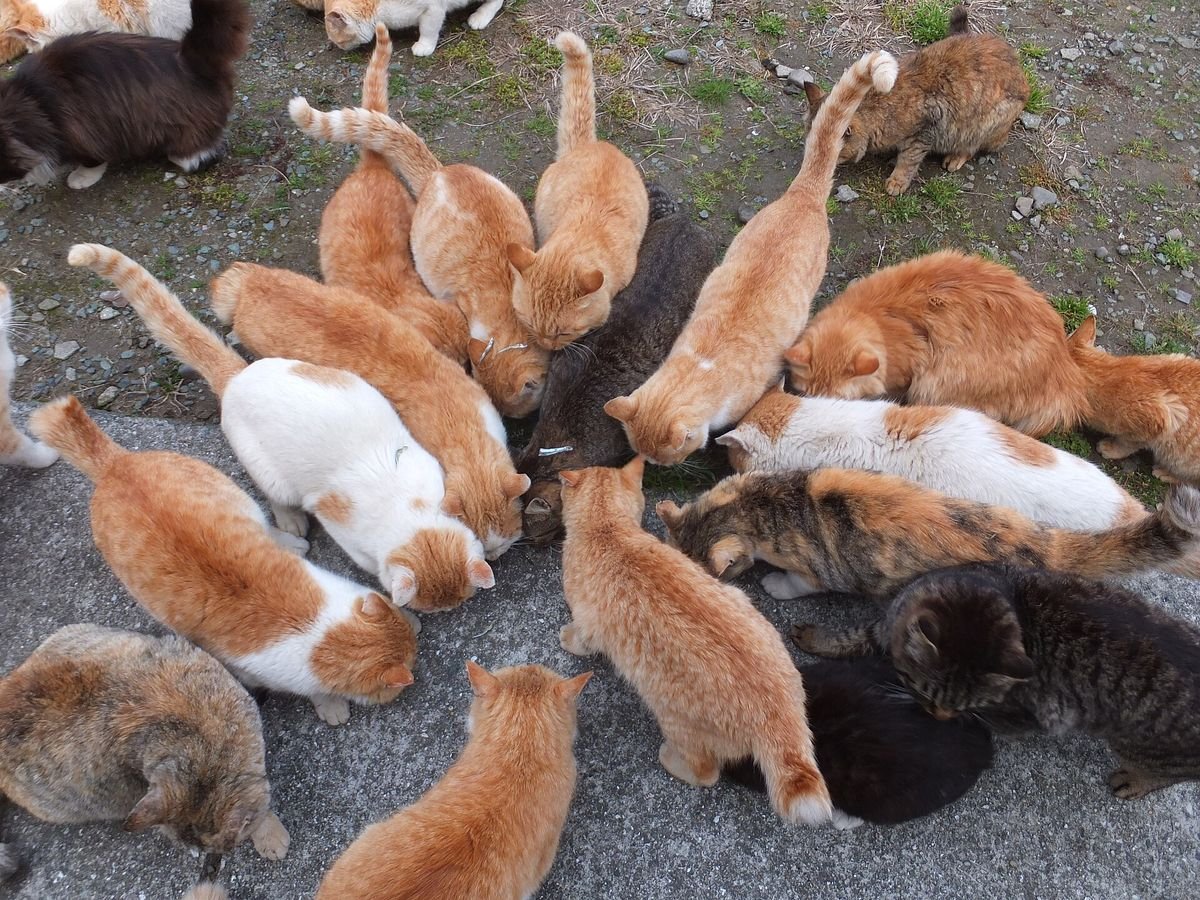
Quick answer: Pick Tashirojima (Ishinomaki, Miyagi) if you want the easier, more flexible cat island. It is about an hour by train from Sendai, ferries from Ishinomaki run several times a day, about 42 people still live there, and you’ll find a cat shrine, a toilet at Nitoda port and a few small food spots that may or may not be open. Pick Aoshima (Ozu, Ehime) only if you’re set on the original “cat island” and can plan around its limits. There are just two boats a day from Nagahama port, a combined daily cap of 34 passengers, and no shops or vending machines. Recent reports put the population at roughly 80 elderly cats and three or four residents. On both islands, bring cash, food and water, take your trash home, feed cats only where the rules allow, and remember that people live there.
Aoshima vs Tashirojima at a glance
Yen-to-dollar figures below use roughly $1 = 150 yen and are rounded. Fares were checked against the operators’ websites on 25 Oct 2026.
| Island | Prefecture | Nearest hub / airport | Ferry (port, time, fare) | Cats & residents (reported) | Facilities | Best for |
|---|---|---|---|---|---|---|
| Aoshima | Ehime (Shikoku) | Matsuyama; Matsuyama Airport | Nagahama port, about 35 min; 700 yen one way, 1,400 yen return (about $5 / $9); 2 sailings a day, 34 seats a day in total | About 80 cats and 4 residents (Dec 2024 press reports); some 2026 reports say 3 residents | No shops or vending machines; no regular lodging | Committed cat fans with a flexible day and a backup plan |
| Tashirojima | Miyagi (Tohoku) | Sendai / Ishinomaki; Sendai Airport | Ishinomaki (Chuo or Kadonowaki terminal) to Odomari or Nitoda, about 30-60 min; 1,250-1,360 yen one way (about $8-9); several sailings a day | 42 residents (city figure, end of March 2026); cat estimates vary widely | Toilet at Nitoda port, waiting rooms, a few small eateries (may be closed), seasonal Manga Island cabins | First-timers, families, and anyone combining with Sendai or Matsushima |
Map: Japan's cat islands and ferry ports
- Aoshima (Cat Island), Ozu, Ehime – Tiny island with about 80 aging cats (Dec 2024 reports); no shops or vending machines. Directions
- Aoshima boat pier, Nagahama – Boat 8:00 and 14:30; 34 passengers a day in total; tickets on board, cash. About 2 min walk from Iyo-Nagahama Station. Directions
- Ajishima Line Ishinomaki Chuo terminal – Main ferry terminal for Tashirojima; cash only, no reservations. Directions
- Nitoda Port, Tashirojima – Southern port near the village; public toilet. 1,360 yen one way from Ishinomaki. Directions
- Odomari Port, Tashirojima – Northern port; 1,250 yen one way from Ishinomaki. Directions
- Neko-jinja (Cat Shrine), Tashirojima – Small shrine in the middle of the island honoring a cat. Directions
- Ainoshima, Shingu, Fukuoka – About 20 min by town ferry from Shingu fishing port. Directions
- Sanagijima, Tadotsu, Kagawa – Roughly 50-60 min by ferry from Tadotsu port; limited sailings. Directions
Aoshima: the tiny “Cat Island” off Ehime
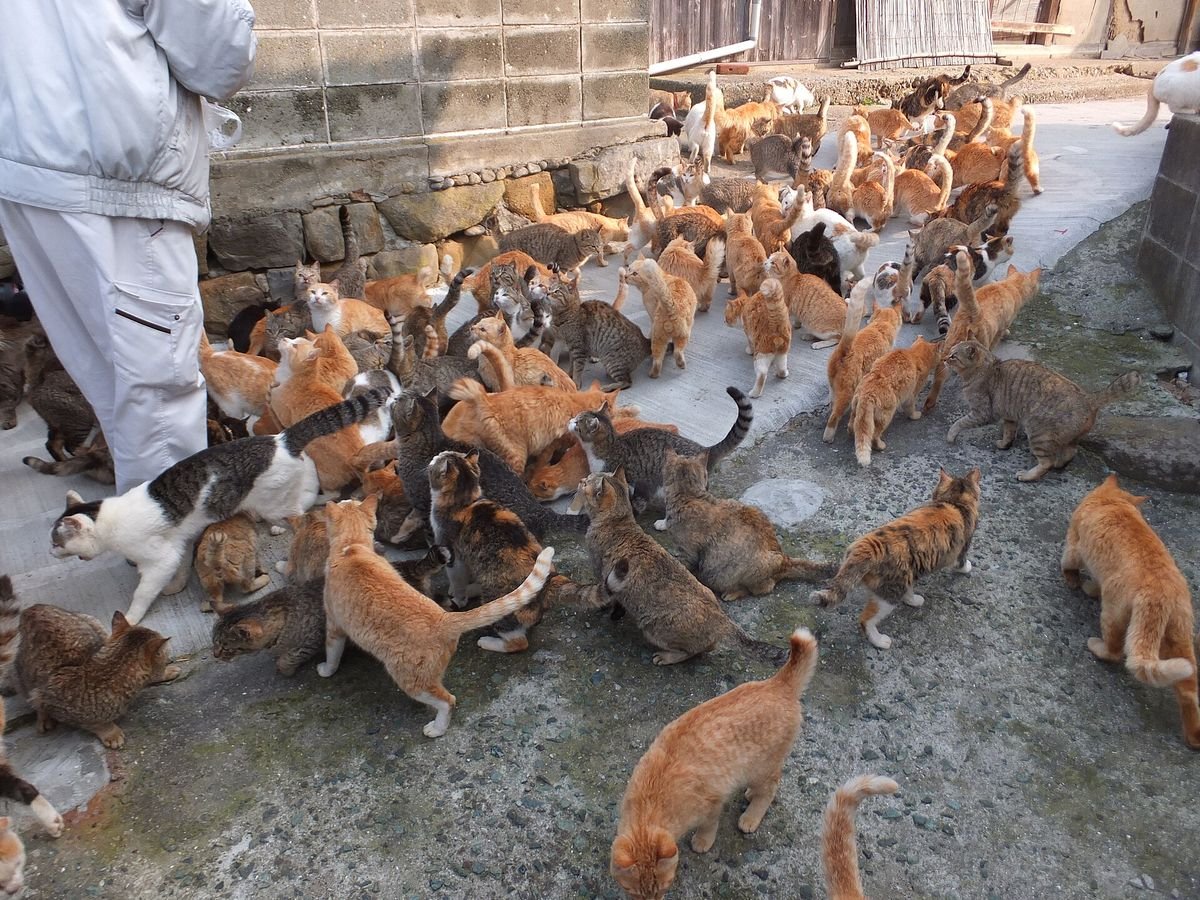
Aoshima is a small island off Nagahama in Ozu city, on the western coast of Shikoku. It became internet-famous in the 2010s for its cat-to-human ratio. Today that story is mostly about decline. The Guardian reported in December 2024 that about 80 cats and only four people remained, all the cats were older than seven, and many had health problems linked to inbreeding. Some 2026 reports put the number of residents at three. Treat every figure here as approximate.
The cats are not multiplying. Local press reported that about 210 cats were spayed or neutered by October 2018, and few or no kittens have been born since. Supporters expect the colony to fade out within a few years. If you go, you are visiting an aging colony cared for by a few elderly residents and volunteers, not a theme park.
The Aoshima ferry: times, fares and the 34-seat catch
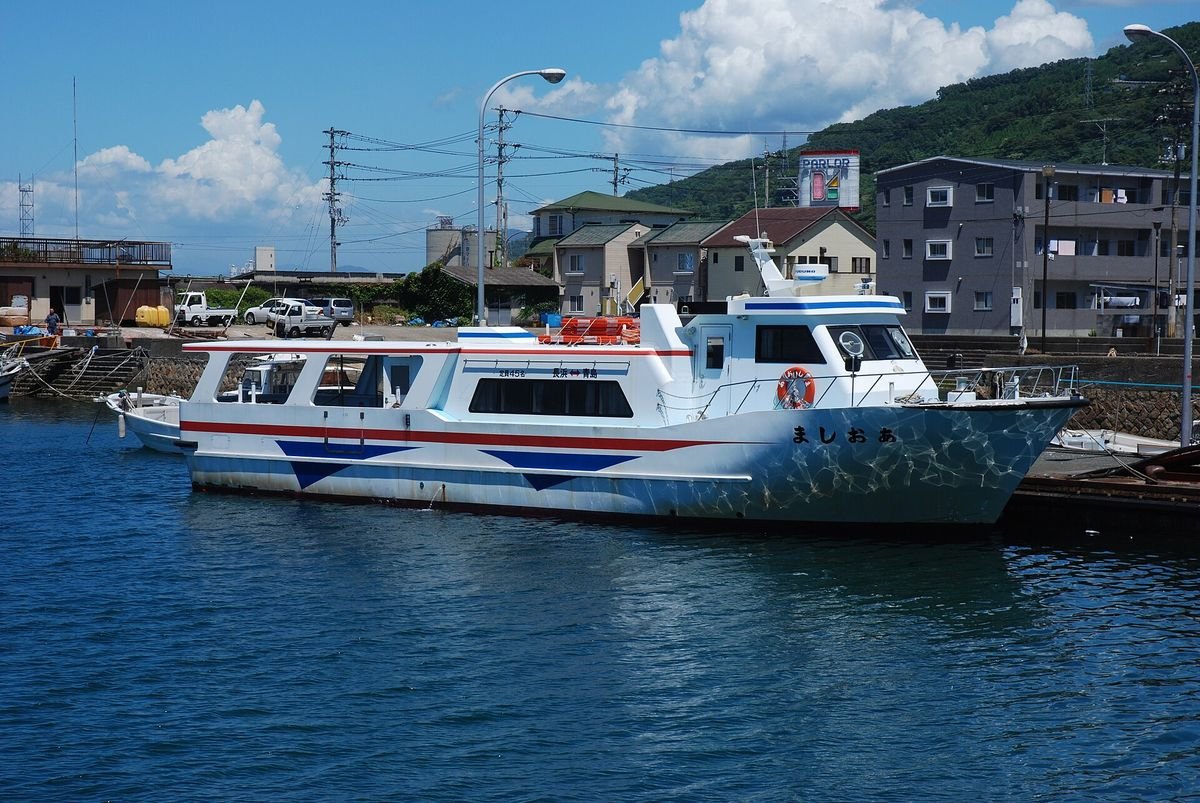
The only scheduled transport is the small passenger boat “Aoshima”, run by Aoshima Kaiun from Nagahama port. The official Ozu city ferry page (updated 14 Oct 2026) lists two year-round sailings:
- Boat 1: Nagahama 8:00 to Aoshima 8:35; Aoshima 8:45 back to Nagahama 9:20
- Boat 2: Nagahama 14:30 to Aoshima 15:05; Aoshima 16:15 back to Nagahama 16:50
The adult fare is 700 yen one way or 1,400 yen return (about $5 / $9). Children 6-11 pay half. Tickets are sold on board, first come, first served. Bring cash, because we found no mention of card or IC payment. The big catch is capacity: both sailings share a combined limit of 34 passengers a day, residents get priority, and the city warns that long holidays and spring and summer breaks often sell out. Boats can be cancelled or retimed without notice, and when a weather advisory is in effect they generally don’t sail. The captain makes the final call at the port.
That leaves two realistic plans: the 8:00 boat out and 16:15 back (about seven and a half hours on an island with no shops), or the 14:30 boat out for roughly 70 minutes ashore. Arrive at Nagahama well before 8:00, and have a plan B in case you don’t get a seat.
Getting to Nagahama port
The boat pier is about a 2-minute walk from Iyo-Nagahama Station, on the JR Yosan Line’s older coastal branch. Ozu city puts the train at about 1 hour 15 minutes from Matsuyama. Only infrequent local trains stop there, so check times carefully. The JR Pass covers the train but not the boat. Making the 8:00 sailing from Matsuyama means a very early train, or a night in Ozu. Driving is the easiest way to combine Aoshima with Ozu, Uchiko and the coast (see our guide to renting a car in Japan). For more ideas in the region, our Shikoku hidden gems guide covers the island more broadly.
Aoshima rules and facilities
Ozu city’s notice for visitors asks you to:
- feed cats only at the set feeding place, and not to overfeed them
- take all your trash home
- avoid disturbing islanders’ daily lives
- be careful not to waste water
There are no shops or vending machines on the island, so the city asks you to bring drinks and supplies with you. We could not confirm public toilet facilities on the island, so use the restroom on the mainland before you board and plan accordingly. Pets have separate boarding rules, and bringing a dog to an island of elderly cats is a bad idea anyway.
Tashirojima: Miyagi’s cat island with a shrine
Tashirojima sits in Ishinomaki Bay off the Miyagi coast. According to Ishinomaki city’s island page, cats were first kept to protect silkworm cocoons from rats, and fishermen came to see them as bringers of good catches. The population was 42 at the end of March 2026, down from 43 in the 2020 census. Cat counts quoted by travel sites range from around a hundred to several hundred, and we couldn’t find an official number.
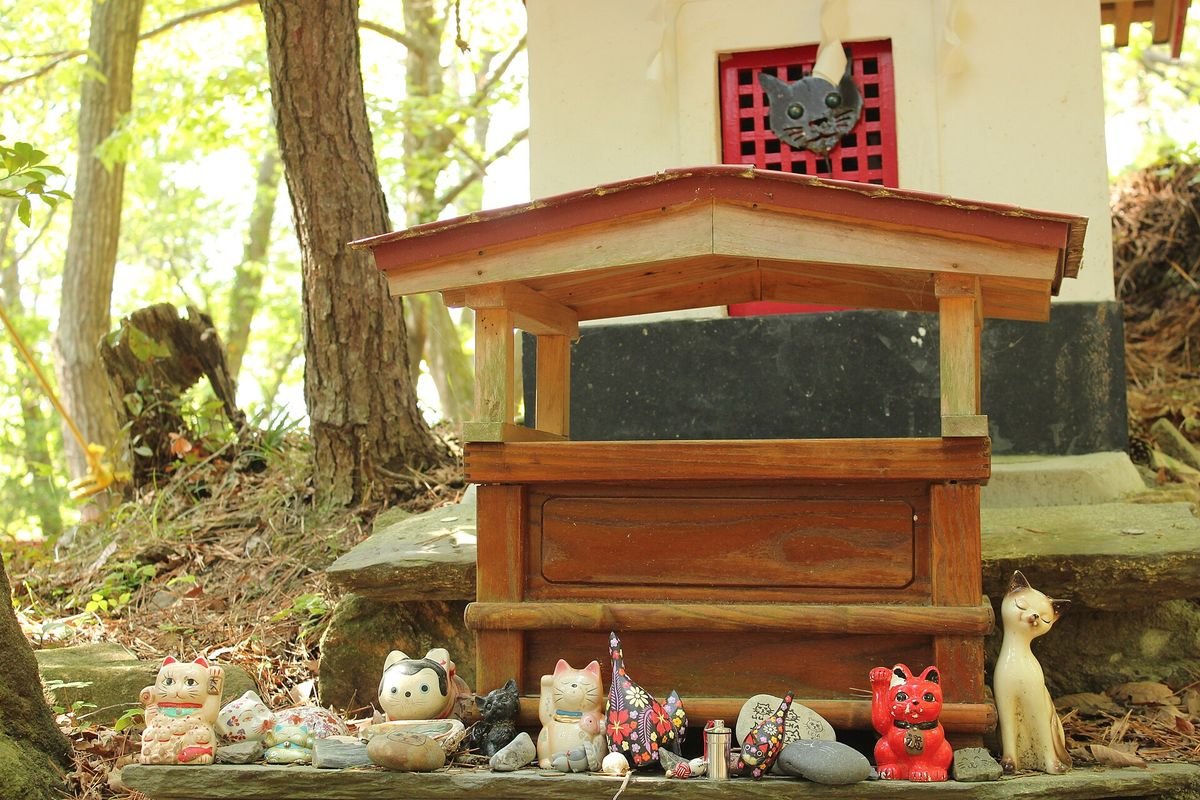
In the center of the island is Neko-jinja, the cat shrine. Local legend says a fishing boss accidentally killed a cat while breaking rocks for his mooring nets, buried it with care, and the grave became the shrine. Toward the southern end is Manga Island, a camping area with cat-shaped cabins, some designed by manga artists Tetsuya Chiba and Machiko Satonaka. It’s seasonal and reportedly closes in winter (roughly November to March), so check with Ishinomaki city before planning an overnight stay. There are also a couple of minshuku guesthouses.
Please be respectful about the past. The March 2011 earthquake and tsunami badly damaged the island’s fishing facilities and some coastal homes, and many residents left afterward. The regular ferry timetable returned in January 2012.
The Ajishima Line ferry to Tashirojima
Ferries are run by the Ajishima Line from two Ishinomaki terminals, Chuo (central) and Kadonowaki. They call at Tashirojima’s two ports, Odomari (north) and Nitoda (south), before continuing to Ajishima. The Ajishima Line fare page lists one-way adult fares of 1,250 yen to Odomari and 1,360 yen to Nitoda (about $8-9). There is also a 3,150 yen (about $21) “free coupon” that covers a return from Ishinomaki plus unlimited hops between Tashirojima and Ajishima for seven days. Payment is cash only, so no cards, smartphone payments or e-money. Tickets are sold first come, first served at the terminal, with no reservations.
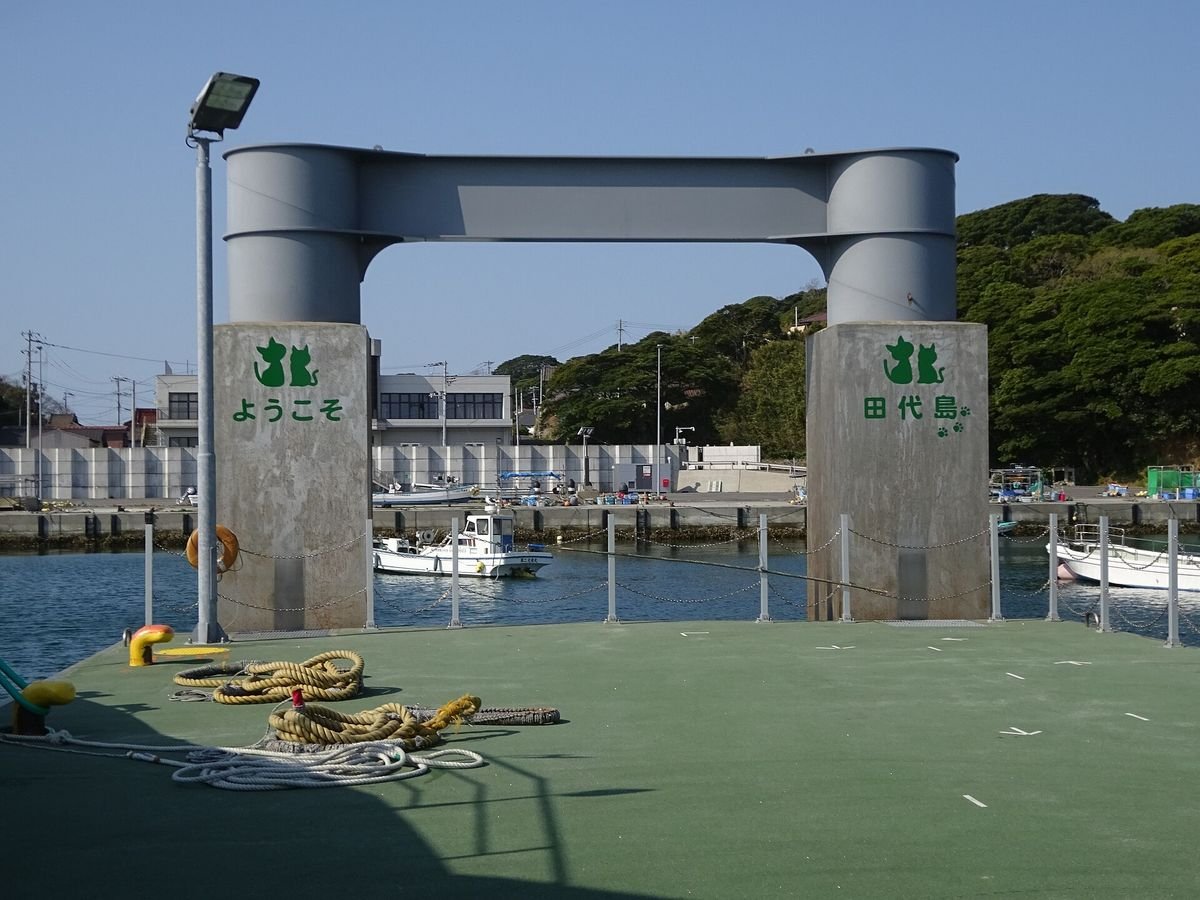
Ishinomaki city puts the crossing at about 40 minutes from Chuo or 30 minutes from Kadonowaki, while JNTO quotes 45-60 minutes and three boats a day. This autumn, the Ajishima Line has posted a special timetable for 26 Oct 2026 and a separate schedule from 27 Oct to about 20 Nov 2026 while one boat is in dock. Always confirm the last return sailing first. JNTO’s Tashirojima page specifically warns about getting stranded. Nitoda is the usual stop for cats near the village.
Getting to Ishinomaki
From Sendai Station, take the JR Senseki-Tohoku Line to Ishinomaki, about an hour, or a highway bus of about 80 minutes. Both trains are JR East and covered by the JR Pass. The ferry is not. From Ishinomaki Station, JNTO says it’s about a 15-minute walk or 5-minute taxi ride to the Ajishima Line terminal. If you’re doing Tashirojima from Tokyo, a night in Sendai makes the day much easier. Our Sendai guide has ideas for the rest of your stay.
Tashirojima facilities
The Ajishima Line’s island page lists waiting rooms at both ports, a public toilet at Nitoda, and a few small food and souvenir spots (Tashiro Shokudo, Kuronekodo and the Shima no Eki), but warns they may be closed, so bring your own food. Dogs (except service dogs), swimming, and camping or fires outside designated areas are not allowed.
Getting there from Tokyo and Osaka
These are rough, one-way figures to the ferry hubs, not including the boat. Fares change, so check before booking. Tokyo figures for Matsuyama and Sendai are from japan-guide.com; the rest are our estimates from standard routes.
| Route | Best option | Rough time | Rough cost | JR Pass? |
|---|---|---|---|---|
| Tokyo to Matsuyama (for Aoshima) | Fly Haneda to Matsuyama | About 90 min flight, about 4 hours door to door | Discount fares often 15,000-25,000 yen (about $100-165); budget fares from Narita can be lower | No (flight) |
| Tokyo to Matsuyama by train | Shinkansen to Okayama + Shiokaze limited express | About 6.5 hours | About 22,000 yen (about $145) | Yes, on Hikari/Sakura (Nozomi needs a supplement) |
| Osaka to Matsuyama | Shinkansen to Okayama + Shiokaze | Roughly 3.5-4 hours | Check current fare | Yes |
| Matsuyama to Iyo-Nagahama | JR Yosan Line (local trains) | A little over 1 hour | Check current fare | Yes |
| Tokyo to Sendai (for Tashirojima) | Tohoku Shinkansen | About 100 min | About 11,000 yen (about $73) | Yes |
| Sendai to Ishinomaki | JR Senseki-Tohoku Line or highway bus | About 1 hour (bus about 80 min) | Check current fare | Yes (train) |
| Osaka to Sendai | Domestic flight to Sendai Airport | Short flight plus airport train to Sendai | Varies by airline and date | No (flight) |
Our Japan Rail Pass guide helps with the pass-or-not math. Both islands are best done with light bags, so consider forwarding big luggage ahead.
Notes for visitors from Singapore, Australia, the UK and Canada
- Flights: From Singapore, Sydney, London or Toronto, most travelers land at Tokyo (Haneda or Narita) or Osaka (Kansai) and connect domestically. Matsuyama and Sendai have a few international routes, mainly to East Asian hubs such as Seoul and Taipei. We found no direct flights to either from these four countries, so check current schedules.
- Driving: If you plan to rent a car (useful for Ozu and Uchiko), you’ll need an International Driving Permit under the 1949 Geneva Convention, obtained before you leave home. It’s issued by the AA in Singapore, your state or territory motoring club in Australia (NRMA, RACV, RACQ and so on), the Post Office in the UK, and CAA in Canada. Americans get theirs from AAA.
- Money: Both ferries are cash only, whatever card you carry. Withdraw yen at a convenience-store ATM in Matsuyama or Ishinomaki before heading to the port.
Responsible visiting: these are people’s homes
The cats on both islands are community cats in places where very few people are left, mostly elderly residents. A few rules of thumb:
- Follow the local feeding rules. On Aoshima, feed only at the set feeding spot and don’t overfeed. If you aren’t sure what’s allowed, don’t feed. Many of Aoshima’s cats are old and some are unwell, and random snacks don’t help them.
- Don’t chase, pick up or corner cats. Let them come to you, and keep children calm around them.
- No flash in cats’ faces, and don’t take photos of residents or their homes without permission.
- Take every scrap of trash home. Don’t expect public bins for visitors on either island.
- Keep your voice down, keep paths and the pier clear, and let residents board first. On Aoshima, the boat is their lifeline.
The same welfare questions come up at Okunoshima, Hiroshima’s “rabbit island”. There, a joint committee of the Ministry of the Environment and the local tourism board asks visitors to put out only what rabbits will finish and take leftovers away, because left-behind food has been feeding a growing wild boar population. There have also been news reports of a man arrested for abusing rabbits on the island. If you enjoy animal encounters, the deer at Nara Park or the capybara onsen are easier to reach and better set up for crowds.
Other cat islands worth knowing
If neither Aoshima nor Tashirojima fits your route, a few other islands are known for their cats:
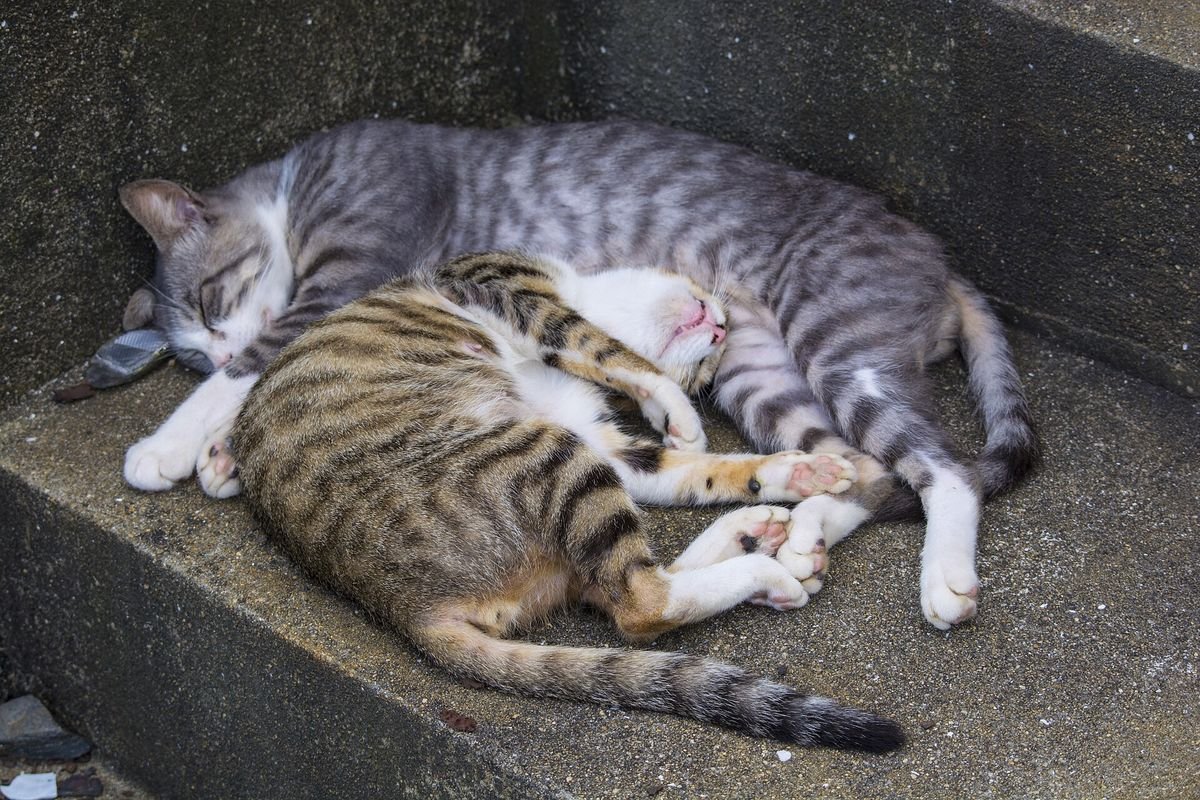
- Ainoshima (Shingu, Fukuoka): a short ferry ride from Shingu fishing port near Fukuoka city, about 20 minutes. Travel listings give an adult fare of 480 yen one way (about $3). It’s the easiest cat island to add to a Kyushu trip.
- Sanagijima (Tadotsu, Kagawa): roughly 50-60 minutes by ferry from Tadotsu port in Kagawa, Shikoku. It’s known for cats leaping between harbor walls. Sailings are limited, so check the current timetable.
When to go and what to bring
Best seasons: Spring (April to May, outside Golden Week) and autumn (October to November) are mildest. Summer is hot with little shade, and typhoons in late summer and early autumn can cancel sailings for days. Crowds peak at Golden Week (late April to early May) and Obon (mid-August), when Aoshima’s 34 daily seats go fast. Winter is quiet, but rough seas cancel more boats, especially on the Aoshima route. Our best time to visit Japan guide covers the bigger picture.
What to pack for a no-shop island day:
- Enough cash in yen for the round trip, plus a little extra
- Water and lunch (more than you think for Aoshima’s long day)
- A trash bag to bring everything home
- Sunscreen, a hat and a light rain layer
- Motion-sickness remedies, such as tablets or an acupressure wristband (the Aoshima boat is small)
- A charged phone and power bank for photos and checking ferry updates
- Allergy medication if you react to cats, plus a lint roller for your clothes afterward
Day trip or overnight? For Aoshima, stay in Matsuyama (Dogo Onsen is the classic choice) or in Ozu itself so you can catch the 8:00 boat. Ozu Castle and the old merchant town of Uchiko are both nearby. For Tashirojima, stay in Sendai or Ishinomaki, and pair it with Matsushima Bay on another day.
Research-based picks for an island day trip
We haven’t tested these ourselves. They’re picked from research for a day on an island with no shops. Please leave cat food at home and follow local feeding rules.
Aoshima has no shops or vending machines, so a large insulated bottle that keeps water cold all day earns its place in your bag.
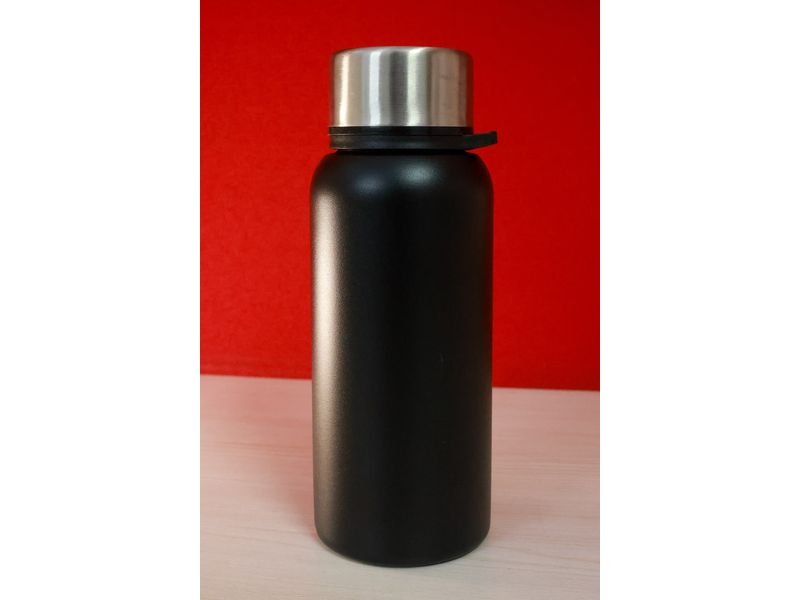
Insulated water bottle (item type, not the exact product). Photo: Gannu03, CC BY-SA 4.0, via Wikimedia Commons
Hydro Flask 32 oz Wide Mouth Bottle
Big insulated bottle for a long island day with no shops or vending machines.
Check price on AmazonA 10,000mAh power bank keeps your phone alive for photos, maps and ferry-cancellation checks on a long island day.
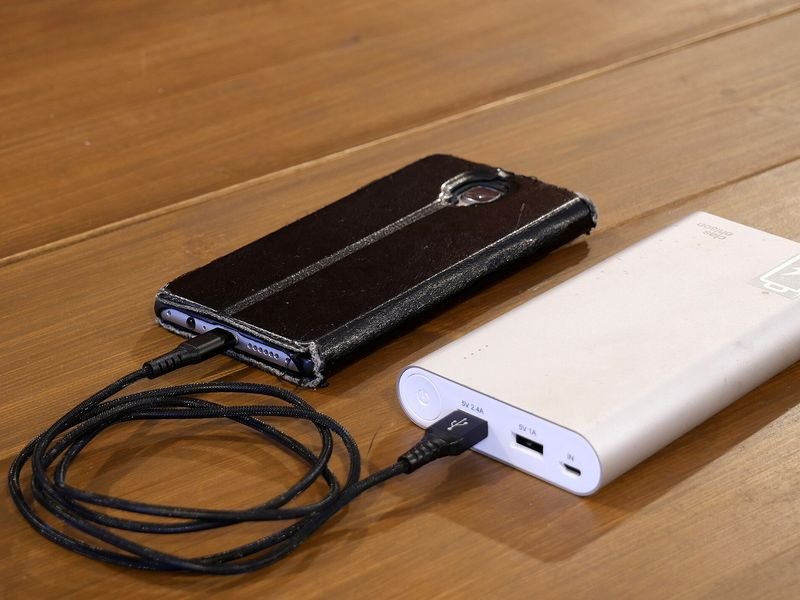
Power bank (item type, not the exact product). Photo: Santeri Viinamäki, CC BY-SA 4.0, via Wikimedia Commons
Anker Nano Power Bank (10,000mAh, 30W)
Compact 10,000mAh battery for photos, maps and ferry-cancellation checks.
Check price on AmazonA compact windproof umbrella handles sudden coastal showers and doubles as shade on hot days.
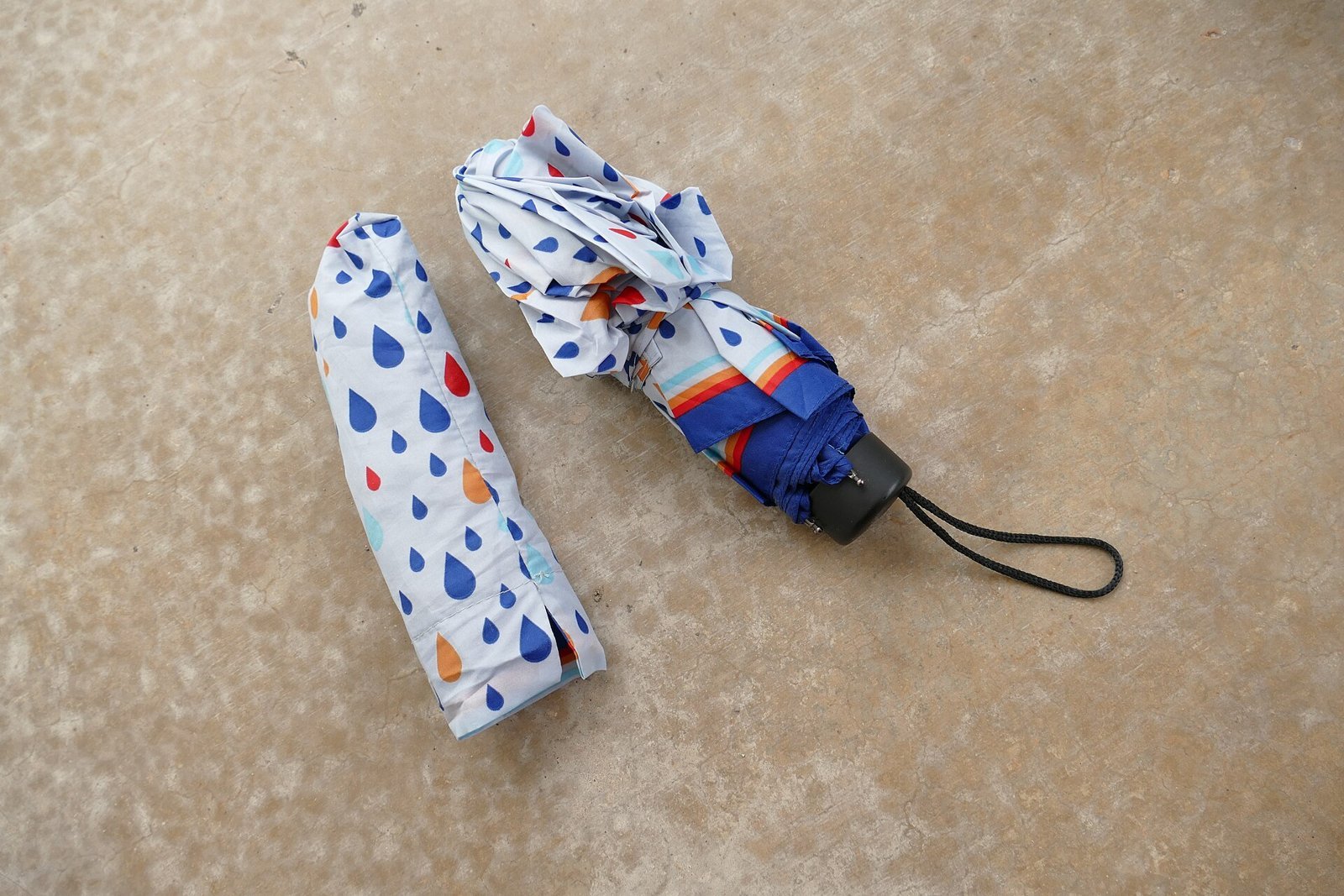
Compact folding umbrella (item type, not the exact product). Photo: Kritzolina, CC BY-SA 4.0, via Wikimedia Commons
Repel Windproof Travel Umbrella
Compact auto-open umbrella for coastal showers; doubles as shade on hot days.
Check price on AmazonA current guidebook helps you plan everything around the islands, from Shikoku to Tohoku.
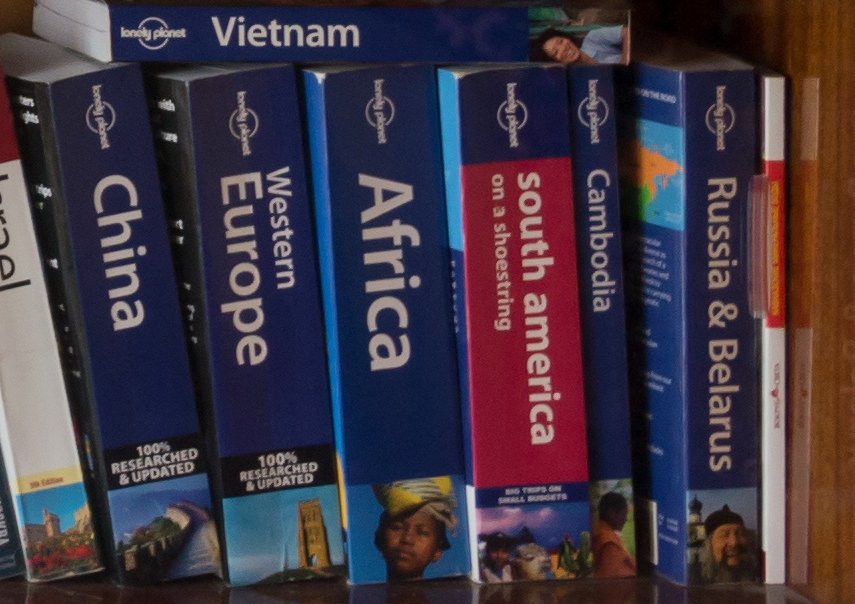
Travel guidebooks (item type, not the exact edition). Photo: Vyacheslav Argenberg, CC BY 4.0, via Wikimedia Commons
Lonely Planet Japan (19th edition)
Current country guide for fitting Shikoku or Tohoku into a wider Japan trip.
Check price on AmazonFAQ
Which cat island in Japan is best to visit?
For most travelers, Tashirojima. It has more sailings, a toilet at Nitoda port, a cat shrine, and an easy connection from Sendai. Aoshima is more remote and more limited, with an aging cat population, so treat it as a bonus if it fits your plans.
Can you stay overnight on Aoshima?
Not in any regular way. We could confirm no lodging and there are no shops, so plan a day trip and stay in Ozu or Matsuyama.
How do I get to cat island from Tokyo?
For Tashirojima: Tohoku Shinkansen to Sendai, JR to Ishinomaki, then the Ajishima Line ferry. For Aoshima: fly to Matsuyama, JR to Iyo-Nagahama, then the boat from Nagahama port.
How many cats are on Aoshima now?
The most recent widely cited figure is about 80 cats as of December 2024, all older than seven. Since the 2018 spay-and-neuter program, few or no kittens have been born, so the number is expected to keep falling.
Can you feed the cats?
On Aoshima, Ozu city asks visitors to feed cats only at the set feeding spot and not to overfeed them. On Tashirojima, follow any posted signs. In practice, the kindest choice is often not to feed at all.
Is cat island ethical, and is it worth it?
It can be, if you visit quietly, follow the rules and take your trash home. It’s worth it for cat lovers who accept that these are small, aging communities.
Are there toilets or shops on the islands?
Aoshima has no shops or vending machines, and we couldn’t confirm public toilets there. Tashirojima has a public toilet at Nitoda port and a few small food spots that may be closed, so bring your own food.
Rabbit island or cat island?
Okunoshima (rabbit island) in Hiroshima is easier to reach and set up for visitors, but it has its own welfare problems, including rules on how visitors feed the rabbits. The cat islands are quieter and more fragile. Pick based on your route, and follow the local rules either way.
Bottom line
If you want one cat island in 2026-27, make it Tashirojima. It’s easier to reach from Tokyo via Sendai, has more boats and a few basic facilities, and the shrine and Manga Island give the day some shape. Aoshima is the famous original, but it’s a fragile place with two boats, 34 seats a day and no shops. Go only with an early start, a full day pack and plenty of patience. Whichever you choose, bring cash, check the ferry on the morning you travel, and leave the island as quiet as you found it.
