
As an Amazon Associate, Chasing Cherry Blossoms earns from qualifying purchases. We may also earn from other affiliate links on this page at no extra cost to you.
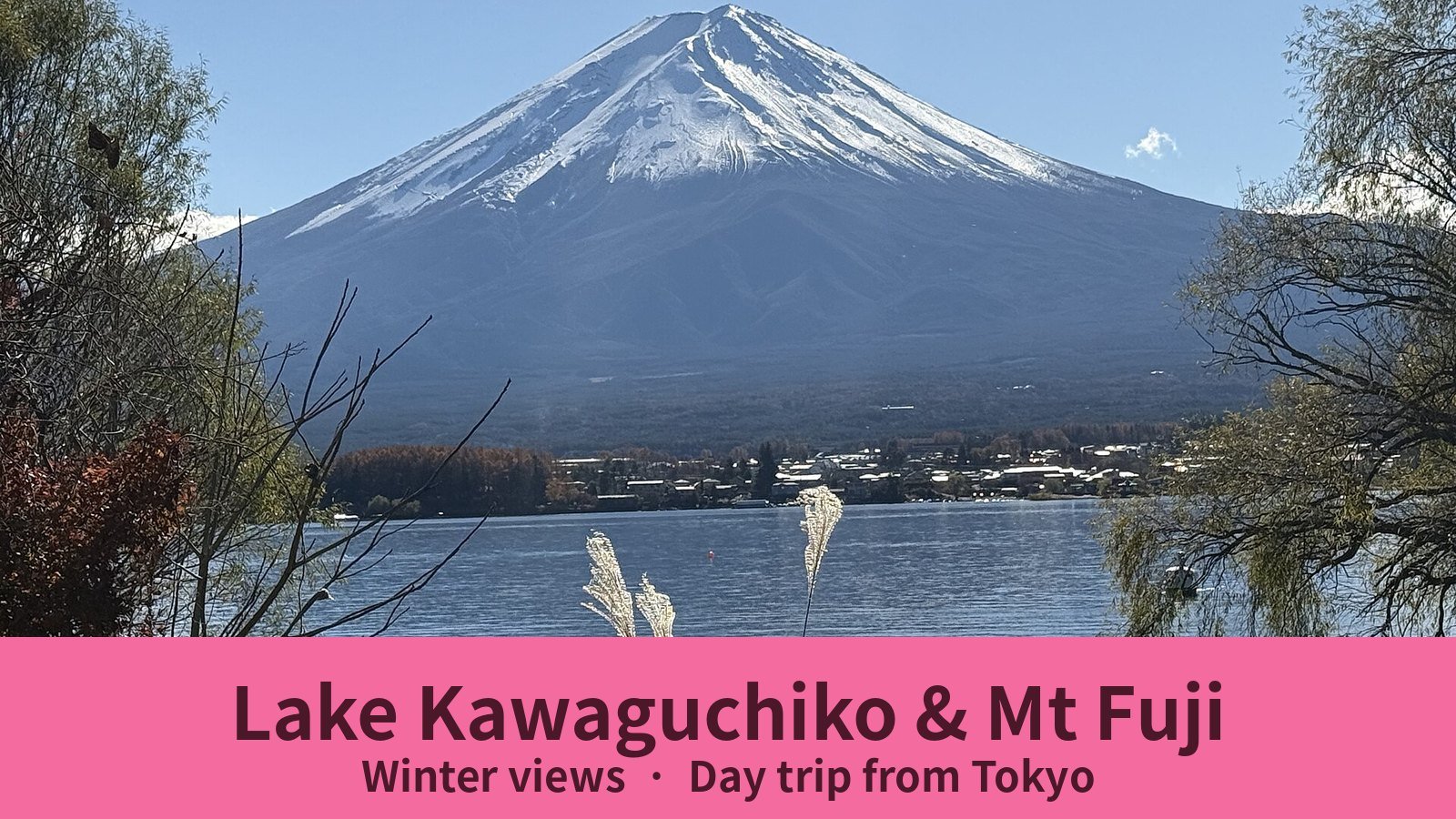
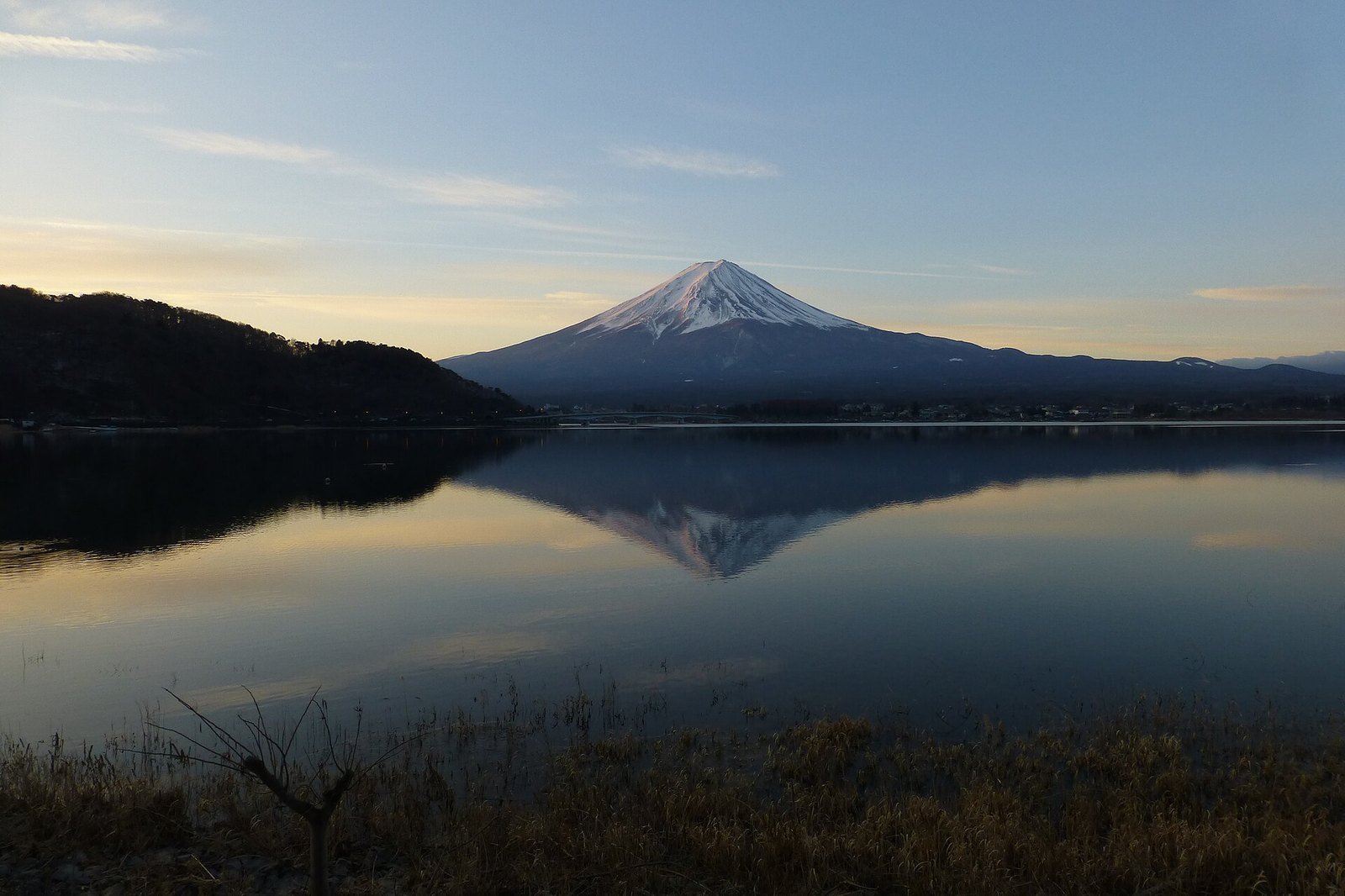
Lake Kawaguchiko is the classic place to see Mt Fuji across open water, and in winter the mountain is often snow-capped above a calm, cold lake. This guide covers how to get there from Tokyo, where to stand for the best views, and a realistic one-day plan.
Quick answer: From Tokyo, the simplest way to reach Lake Kawaguchiko is the reserved-seat Fuji Excursion (Fuji Kaiyu) limited express from Shinjuku, about 1 hour 54 minutes, or the Fujikyu highway bus from Busta Shinjuku, about 1 hour 45 minutes. For views, aim for the north shore (Oishi Park) and the Mt Fuji Panoramic Ropeway. Winter (Dec-Feb) is the sunniest stretch of the year at Kawaguchiko on Japan Meteorological Agency averages, though cloud still happens, and mornings are usually better. Pack real cold-weather layers. A day trip works if you start early; stay overnight if you want a dawn view or an onsen.
Why winter is Fuji season (and the catch)
Japan’s national tourism organization notes that snow-covered Mt Fuji and Lake Kawaguchi are “made even more beautiful each winter”, and that on a few days each winter the sun lines up with the summit at sunrise and sunset (“Diamond Fuji”), which looks striking reflected on the lake (JNTO). The weather records back this up. At the Japan Meteorological Agency’s Kawaguchiko station, the 1991-2020 averages give January the most sunshine of any month (212.3 hours), with December (199.9) and February (190.7) close behind, against just 122.8 hours in June; December is also the driest month, at 49.8 mm of precipitation (JMA climate normals). Sunshine hours are not the same as a cloud-free summit, so treat any ‘visibility percentage’ you see online as a rough guide, not a promise.
The honest catch: clear days are likelier, not guaranteed. Cloud can cover the summit at any time of year, winter days are short, the lakeside wind is cold, and some sights run shorter hours or close in bad weather. Build in a spare day if your schedule allows, and check a live camera before you commit.
Getting there from Tokyo
There are three practical routes. Fares and times below are from the official Fujikyu pages, checked Nov 2026, with rough USD at about 155 yen = 1 USD.
| Option | From | Approx. time | Reservation? | JR Pass? | Notes |
|---|---|---|---|---|---|
| Fuji Excursion / Fuji Kaiyu limited express | Shinjuku Station | About 1 hr 54 min (Fujikyu timetable from 14 Mar 2026) | Yes: reserved seat, or a date-and-section ticket; sold from one month ahead | Japan Rail Pass: JR section only, pay the Fujikyu fare separately. JR TOKYO Wide Pass: whole run covered (seat reservation still needed) | Through fare 4,200 yen (about USD 27): 2,580 basic + 1,620 limited express. Four round trips a day, plus seasonal extras. |
| Highway bus | Busta Shinjuku (4th-floor terminal) | About 1 hr 45 min, traffic dependent | Yes: reserved seats; booking opens one month ahead | No | From 2,200 yen (about USD 14); online fare listed from 2,000 yen. |
| Highway bus | Tokyo Station (Yaesu side) | About 2 hr | Yes: advance purchase required | No | 2,300 yen (about USD 15). No rest stops on this route. Some trips are seasonal. |
| JR Chuo line + Fujikyu line | Shinjuku, change at Otsuki | Varies with connection; check timetable | Not for ordinary trains | Japan Rail Pass: JR section only. JR TOKYO Wide Pass: Fujikyu line covered too | Fujikyu ticket Otsuki to Kawaguchiko 1,170 yen (about USD 8); JR fare extra. |
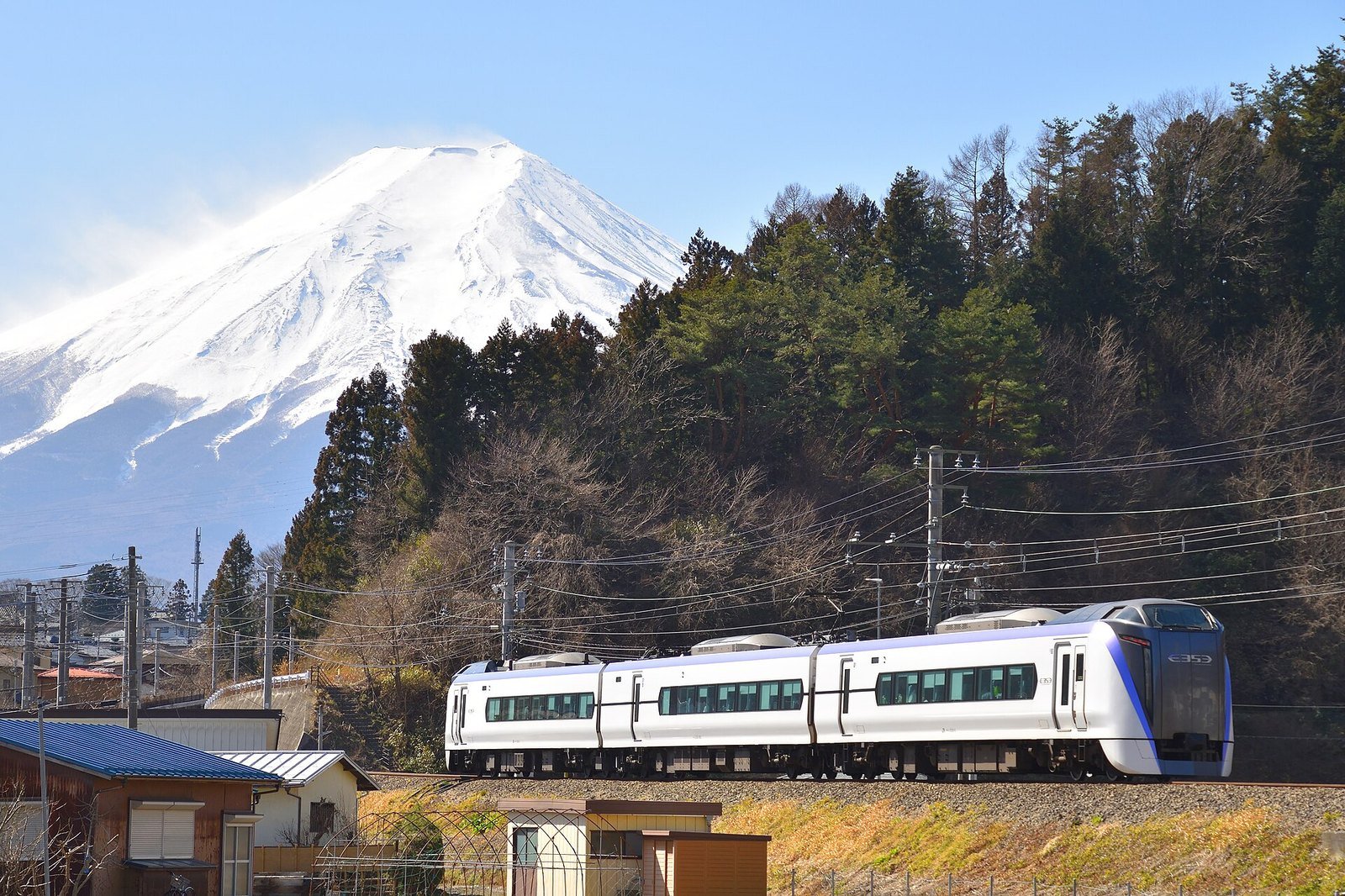
The Fuji Excursion is the easy one: no change at Otsuki, and Fujikyu publishes the through timetable and fare on its Fuji Kaiyu page. Between Shinjuku and Otsuki it runs coupled with another limited express, so board the correct cars. Seasonal extra trains run on some days in winter; check the page for exact dates.
Passes are where people get caught out. JR East’s own Fuji Excursion guide says Japan Rail Pass and JR EAST Pass holders must pay the Fujikyu line fare (buy it at Fujikyu’s Otsuki Station or settle it at your destination), while the JR TOKYO Wide Pass covers the Fujikyu line (JR East Fuji Excursion guide, PDF). The Tokyo Wide Pass costs 16,000 yen for adults (about USD 103) for three consecutive days (JR East), so it only pays off if you also use it for other trips, such as Nikko or GALA Yuzawa, within those days. The Fuji Excursion has no non-reserved seats, so get a seat ticket before boarding whatever you hold. The buses are cheaper and drop you at Kawaguchiko Station; see the official pages for Busta Shinjuku and Tokyo Station. Tokyo Station tickets bought at the stop or on board are cash only, so book ahead. If you are comparing Tokyo excursions, our Best Day Trips from Tokyo roundup lines them up, and a Suica card covers your city legs.
Getting around the lake
Fujikyu runs the sightseeing loop buses. The Red Line circles the north shore, with stops including Oishi Park. A single ride starts at 180 yen (about USD 1.20), and special timetables may run around New Year (Fujikyu Kawaguchiko lines). The Kawaguchiko, Saiko and Lake Motosu pass costs 1,500 yen for one day (about USD 10) or 2,000 yen for two days. The two-day Mt. Fuji & Fuji Five Lakes Passport is 3,300 yen (about USD 21) for buses only (Fujikyu pass page). Do the sums for your own stops before buying a pass. Mobile data helps with live bus info: see our Japan eSIM guide.
The best viewpoints
| Viewpoint | How to get there | Best for | Cost (official) |
|---|---|---|---|
| Oishi Park (north shore) | Fujikyu Red Line bus | Fuji reflected in the lake (“upside-down Fuji”) | Free; open any time |
| Mt Fuji Panoramic Ropeway (Kachi Kachi) | From the Kawaguchiko Station area on the east shore | Raised view over the lake from a 1,075 m deck | 1,200 yen round trip, adult (from 1 Nov 2026) |
| Lakeshore at sunrise or sunset | On foot or by bus along the shore | “Diamond Fuji” on a few winter days (no dates given) | n/a |
| Lawson photo spot, Fujikawaguchiko town | Walk from Kawaguchiko Station area | Street-level view, now restricted (see below) | n/a |
Map: Lake Kawaguchiko viewpoints and stations
- Kawaguchiko Station – Fujikyu Line terminus; Fuji Excursion trains and highway buses arrive here. Directions
- Oishi Park – Free north-shore park for Fuji reflected in the lake; Red Line bus about 30 min. Directions
- Mt Fuji Panoramic Ropeway – About 3 minutes up to a 1,075 m deck; closed 7-18 Dec 2026 for inspection. Directions
- Lake Kawaguchiko Ohashi Bridge – Road bridge across the lake; shown for orientation. Directions
- Fujisan Station – Fujikyu Line station in Fujiyoshida, two stops before Kawaguchiko. Directions
- Otsuki Station – JR Chuo line to Fujikyu Line change point (no change on the Fuji Excursion). Directions
Oishi Park and the north shore
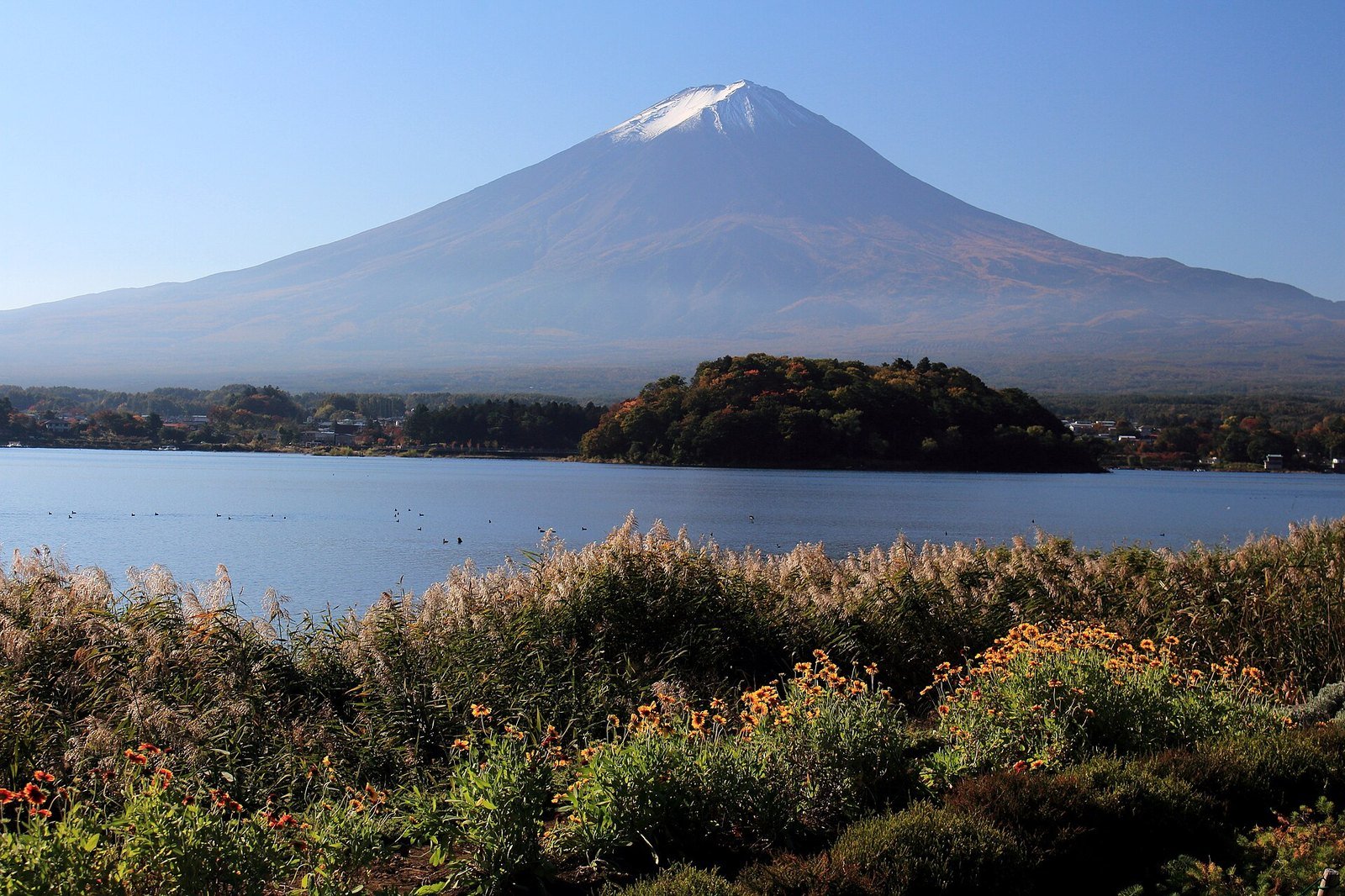
Oishi Park sits on the north bank, which JNTO points to for the reflected “upside-down Fuji” on calm water. Entry is free and the park is open at all times; the Red Line bus from Kawaguchiko Station takes about 30 minutes to the Kawaguchiko Natural Living Center stop beside it. Wind spoils reflections, so early morning is the better bet. In winter there are no flower fields here; the lavender and kochia displays are summer and autumn features.
The ropeway view
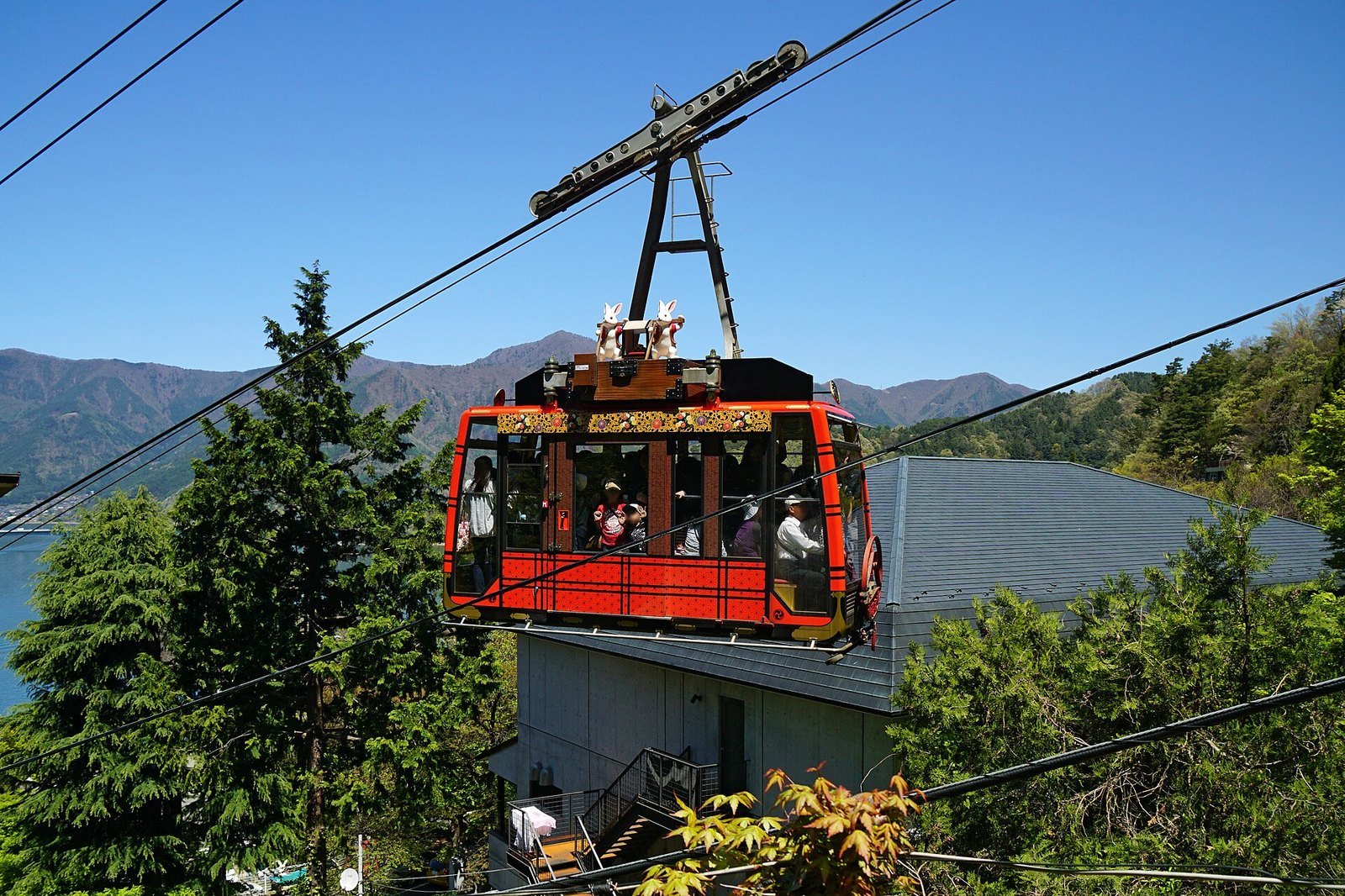
The Mt Fuji Panoramic Ropeway takes about three minutes to climb Mt Tenjo to an observation deck at 1,075 m, with Fuji on one side and the whole lake below. From 1 November 2026 the official round-trip fare is 1,200 yen for adults (about USD 8) and 600 yen for children (official fares page). Two winter dates matter: the operator lists a full closure for annual inspection from 7 to 18 December 2026, and it warns that strong wind can stop the ropeway and that snow or ice can delay opening. Check the official top page on the morning you go.
Winter events 2026-27
As of 21 Nov 2026 we found no official 2026-27 dates for a Kawaguchiko winter fireworks show or a Saiko ice festival. The Yamanashi tourism calendar is updated monthly, so later events may simply not be posted yet (Yamanashi event calendar). Wait for official dates before building a trip around one.
Photo etiquette and local rules
Fujikawaguchiko put up a large black screen at the well-known Lawson photo spot in May 2024 after crowds crossed roads and blocked pavements. It came down that summer, and in August 2025 a lower brown barrier, about 1.4 m high, went up so visitors can still shoot over it. Time Out said it was unclear how long that would stay (Time Out Tokyo, 15 Aug 2025). We could not confirm its status today, so follow whatever signs are posted. In general: stay on the pavement, do not cross against signals, and do not block paths with a tripod.
What to pack, and day trip or overnight?
Kawaguchiko is much colder than Tokyo: JMA’s 1991-2020 averages give January a mean high of 5.5C (42F) and a mean low of -5.7C (22F). Bring a warm coat, thermal layers, hat, scarf, gloves and shoes with grip. For clothing by month, see Japan in December and Japan in January. A day trip is workable with the 7:30 or 8:30 Shinjuku departures, but you arrive mid-morning and leave before dusk. Staying overnight gives you dawn light and, at many ryokan, an onsen bath; read our onsen etiquette guide first. Fuji from a train window is a different option, covered in our Shinkansen seat guide; for another mountain-and-lake trip from Tokyo, see our Hakone guide.
A one-day plan
- 7:30 am: Fuji Excursion from Shinjuku (arrives about 9:28 am on the Fujikyu timetable).
- Late morning: Red Line bus to Oishi Park for the lakeside view and reflections.
- Lunch near Kawaguchiko Station; a warm meal helps in winter.
- Early afternoon: Panoramic Ropeway for the raised view, if open and clear (closed 7-18 Dec 2026).
- Afternoon: stroll the lakeshore, and take a Lawson photo only if allowed and safe.
- Late afternoon: head back. Fujikyu lists return trains from 14:08, the last on the printed timetable leaving at 17:41 (Shinjuku about 19:40 to 19:48).
Research-based picks
We have not tested these; they are research-based picks for common winter-lake conditions. Gloves matter because cold, windy mornings make bare hands miserable, and you will want your phone out.

Touchscreen gloves (item type, not the exact product). Photo: Jim.henderson, public domain, via Wikimedia Commons
Touchscreen winter gloves
Warm hands on a cold lakeside morning, and your phone camera still works.
Search on AmazonDisposable warmers can help while you wait for dawn light or a bus in the cold.
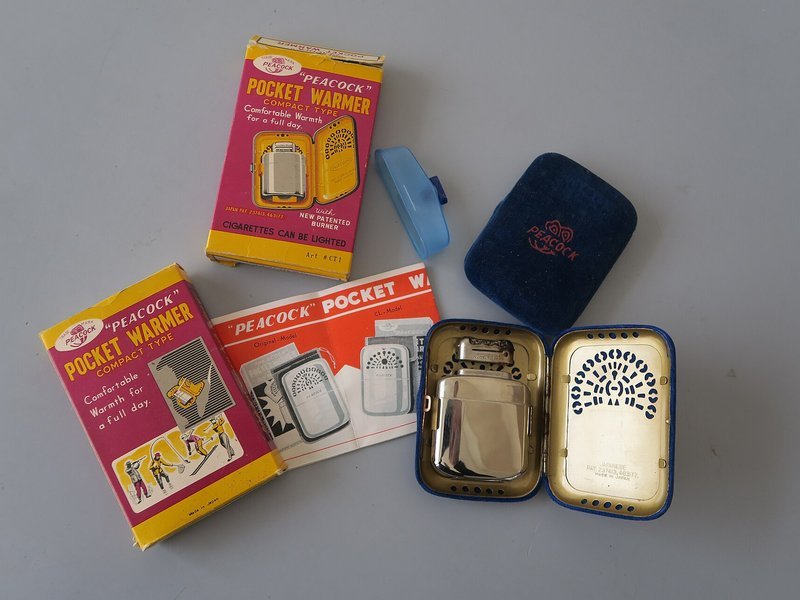
Hand warmers (item type, not the exact product). Photo: Nxr-at, CC BY-SA 4.0, via Wikimedia Commons
Disposable hand warmers
Pocket warmth while you wait for dawn light or a bus at the lake.
Search on AmazonA compact tripod suits low-light or long-exposure shots; follow posted rules and never block paths or roads.
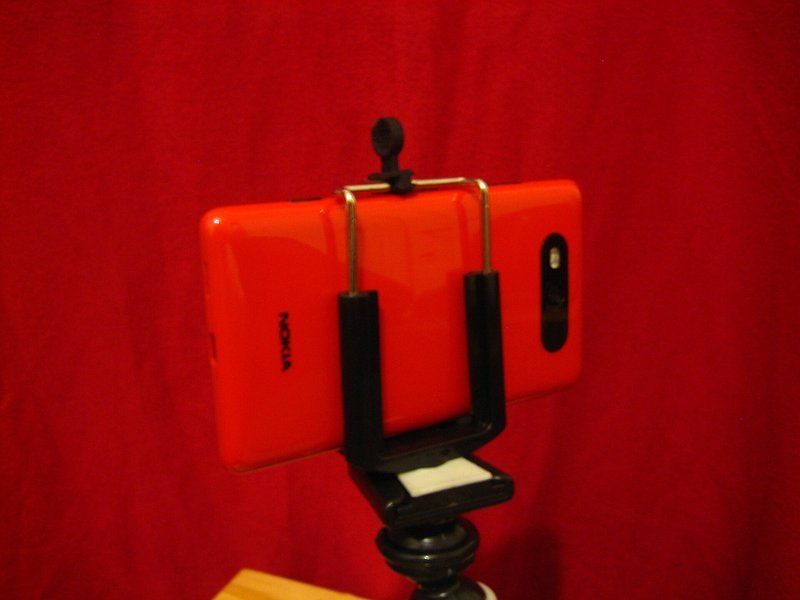
Compact travel phone tripod
Steadier low-light shots of Fuji; follow posted rules and never block paths.
Search on AmazonFAQ
Is Kawaguchiko worth it in winter?
Yes, if Fuji views are the point. Winter is widely cited as the clearest season, with snow on the summit, but cloud can still hide it, so keep expectations realistic.
How do I get from Tokyo to Kawaguchiko?
Take the Fuji Excursion (Fuji Kaiyu) from Shinjuku, about 1 hour 54 minutes, or a Fujikyu highway bus from Busta Shinjuku (about 1 hour 45 minutes) or Tokyo Station (about 2 hours).
Does the JR Pass cover the Fuji Excursion?
Partly. JR East says Japan Rail Pass holders pay the Fujikyu line fare separately, while the JR TOKYO Wide Pass covers the whole Shinjuku to Kawaguchiko run. Either way, you need a seat reservation.
What month has the clearest Mt Fuji views?
On JMA’s 1991-2020 averages for Kawaguchiko, January has the most sunshine (212.3 hours), then December and February. Sunshine is not a guarantee of a clear summit, but winter gives you the best odds.
Is a day trip enough?
Yes for the main viewpoints, if you catch an early train. Stay overnight for dawn light, a relaxed pace and a second chance if it is cloudy.
How cold is Kawaguchiko in winter?
Cold. JMA averages give December highs of 8.5C (47F) and lows of -2.9C (27F), and January highs of 5.5C (42F) and lows of -5.7C (22F). Lake wind makes it feel colder, so dress in layers.
Can I see Mt Fuji from the Shinkansen instead?
Often, on a clear day, from the correct side of the train. It is a quick glimpse rather than a lakeside view; see the Shinkansen seat guide linked above.
Sources
Official and primary pages used for fares, times and rules:
- Fujikyu Railway – Fuji Kaiyu (Fuji Excursion) timetable and fares (seen Nov 2026)
- Fujikyu Bus – Busta Shinjuku to Kawaguchiko (seen Nov 2026)
- Fujikyu Bus – Tokyo Station to Kawaguchiko (seen Nov 2026)
- Fujikyu Bus – Kawaguchiko sightseeing lines and passes (seen Nov 2026)
- Fujikyu Bus – Mt. Fuji & Fuji Five Lakes Passport (seen Nov 2026)
- JR East – Fuji Excursion pass and fare guide (PDF) (seen Nov 2026)
- JR East – JR TOKYO Wide Pass (seen Nov 2026)
- Mt Fuji Panoramic Ropeway – fares and hours (seen Nov 2026)
- Japan Meteorological Agency – Kawaguchiko climate normals 1991-2020 (seen Nov 2026)
- JNTO – Lake Kawaguchi in winter (seen Nov 2026)
- Yamanashi Tourism – event calendar (seen Nov 2026)
- Time Out Tokyo – Lawson barrier, 15 Aug 2025 (seen Nov 2026)
Bottom line
Winter gives you your best odds of a snow-capped Mt Fuji over Lake Kawaguchiko, and the trip from Shinjuku takes under two hours by train or bus. Start early, dress warmly, follow local photo rules, and check the ropeway and event details on official sites before you go.
Top photo: Mt Fuji over Lake Kawaguchiko in December (cropped, title band added). Photo: LMP 2001, CC BY-SA 4.0, via Wikimedia Commons.
Comment (1)