
As an Amazon Associate, Chasing Cherry Blossoms earns from qualifying purchases. We may also earn from other affiliate links on this page at no extra cost to you.
Exploring Tokyo’s Fashion Scene: A Journey Through Bold Trends and Unique Styles
Tokyo’s fashion scene is unlike any other I’ve explored. It blends traditional Japanese aesthetics with cutting-edge streetwear, and it keeps pulling in fashion lovers from all over the world. Whether you’re after limited-edition drops, a perfectly curated vintage jacket, or just people-watching in outrageous outfits, Tokyo has something for you. Here’s my guide to the trends, districts and icons worth knowing before you go.
The Rise of Streetwear in Tokyo
Streetwear became a dominant force in Tokyo from the 1990s, when hip-hop and skate culture began to influence Japanese youth. Brands like A Bathing Ape (BAPE) and Neighborhood built their following on bold designs and an urban aesthetic. Today, international labels such as Supreme and Off-White also have a strong presence in the city, and limited-edition releases can still mean long queues and plenty of excitement.
Streetwear has also reshaped high fashion here. Labels like Comme des Garçons and Sacai have blended street elements into their collections, blurring the line between luxury and casual style. That mix of high-end and everyday is a big part of what makes Tokyo style feel so distinctly Japanese.
Tokyo’s Fashion Districts
Each district has its own personality, so it helps to plan your days by area. Most are easy to reach on the JR Yamanote Line or the Tokyo Metro.
Harajuku
Harajuku is famous for street style and quirky subcultures. Takeshita Street is the must-visit for unique, affordable pieces, and the backstreets (Ura-Harajuku) are where you’ll find the more serious streetwear shops.
Shibuya
Shibuya is the place for trendy boutiques and department stores, with edgy, experimental styles aimed at a younger crowd.
Omotesando and Ginza
Omotesando is often called Tokyo’s Champs-Élysées, a tree-lined avenue of upscale fashion stores. Ginza is the luxury shopping district, lined with high-end designer boutiques and large department stores.
Shimokitazawa
For vintage, head to Shimokitazawa. Its narrow streets are packed with thrift stores and second-hand shops, and it’s a great place to wander for a few hours.
Practical shopping tips
- Opening hours differ widely, so check each shop’s website or map listing for current times. Smaller boutiques often keep shorter hours or close one day a week, so check before you go.
- Many stores carry a limited size range, so if you’re outside typical Japanese sizing, check what’s stocked before you make the trip.
- Tax-free shopping is available for tourists at participating stores. Bring your passport and ask at the till, as the rules have changed. Japan is moving to a refund-at-departure system from 1 November 2026, where you pay the tax-inclusive price and claim the tax back when you leave, so check the current rules before you shop.
- Carry some cash. Cards are widely accepted now, but small vintage shops and market stalls sometimes prefer cash.
If you’re planning a longer trip that takes in other cities, a Japan Rail Pass may be worth comparing against individual tickets. Since the October 2023 price rise, a 7-day ordinary pass bought on the official site costs 50,000 JPY (14-day 80,000; 21-day 100,000), and exchange orders from overseas agents cost slightly more, so it only pays off with a fair amount of long-distance travel. Nozomi and Mizuho trains need an extra ticket for pass holders. For a Tokyo-only fashion trip, a prepaid transit IC card is usually all you need.
The Art of Layering
One of the most distinctive things about Tokyo style is layering. Locals combine textures, patterns and colors into outfits that are eye-catching and often surprisingly practical, since layers help with Tokyo’s changeable weather.
Some popular techniques include wearing a turtleneck under a dress or sweater, pairing a long coat with a shorter jacket, or stacking tops of different lengths. The key is to experiment and have fun until you land on a look that’s your own.
Layering reflects the city’s love of individuality and self-expression, and it produces the eclectic mix of influences you’ll see on any busy street.
Tokyo’s Love Affair with Vintage Fashion
Vintage is hugely popular in Tokyo. Harajuku has several vintage stores covering different eras, from 1950s Americana to 1990s grunge, and Shimokitazawa is the other big hotspot, with its second-hand shops and thrift stores.
What sets Tokyo’s vintage scene apart is the curation. Many shops select and present their stock carefully, which makes it easier to find high-quality, unique pieces. It isn’t just nostalgia, it’s about building a look that’s both timeless and individual.
The Influence of Anime and Manga on Tokyo’s Fashion Scene
Anime and manga have strongly influenced Tokyo fashion. The colorful, exaggerated styles of popular series have crossed into real life, and many people work elements of cosplay into everyday outfits.
Lolita and Gyaru
“Lolita” fashion is known for its doll-like aesthetic and Victorian-inspired clothing. “Gyaru,” which took off in the 1990s, is known for tanned skin, dramatic makeup and flashy clothing. Both reflect Tokyo’s vibrant pop culture and its love of self-expression.
The Role of Fashion in Japanese Culture
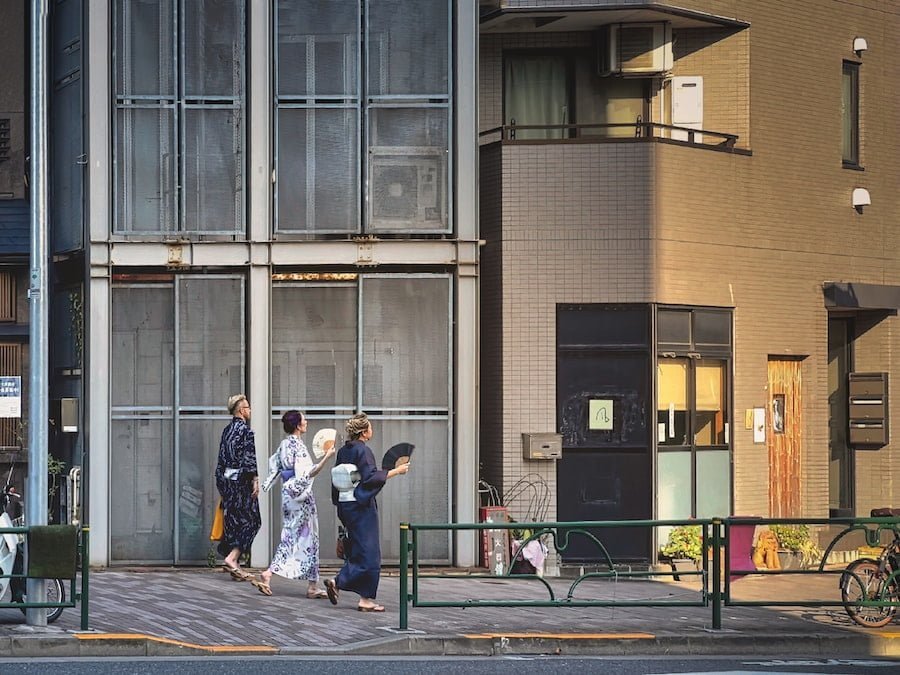
Fashion has long reflected Japan’s values, especially its attention to detail and craftsmanship, as seen in traditional clothing like the kimono. That emphasis on quality continues today, with many designers focused on unique, innovative work.
Traditional garments have also influenced modern design. The clean lines and minimalist feel of classic Japanese clothing can be seen in work by brands like Issey Miyake and Yohji Yamamoto. This fusion of old and new is a big part of why Japanese fashion is so captivating.
Tokyo’s Fashion Industry
Tokyo’s fashion industry has a global impact. The city is home to hugely influential designers, including Rei Kawakubo of Comme des Garçons and Jun Takahashi of Undercover, who have pushed the boundaries of fashion and gained international recognition.
The industry also runs on its own rhythm. Tokyo has an official fashion week, but many designers also choose independent shows and events, which allows plenty of creative freedom and experimentation. If you want to catch a show, check the official Rakuten Fashion Week Tokyo site for current dates and venues before booking travel, as schedules change from season to season.
Tokyo’s Fashion Icons
Hiroshi Fujiwara, often called the “Godfather of Streetwear,” is a designer, DJ and entrepreneur who has collaborated with brands including Nike and Louis Vuitton. His effortless blend of luxury and streetwear made him an icon in Tokyo and beyond.
Another key figure is Yoon Ahn, co-founder of the jewelry and fashion brand Ambush. Her bold, avant-garde designs have earned international attention and have been worn by well-known celebrities.
Both reflect a culture where individuality is celebrated, and both have inspired a new generation of fashion enthusiasts.
The Future of Tokyo’s Fashion Scene
New trends keep emerging. One that looks set to keep growing is sustainable fashion, with more designers and brands focusing on ethical, eco-friendly practices. Another is the reimagining of traditional Japanese clothing and aesthetics in contemporary designs.
Planning Your Fashion Trip
Tokyo is easy to visit year-round, but the weather affects what you’ll want to wear and carry. Spring is lovely for walking between districts, and cherry blossoms in Tokyo usually bloom from late March to early April, though timing shifts by a week or so with the weather, and forecasts are published in the weeks beforehand. Comfortable walking shoes are worth packing for long days between districts. Booking early helps, so compare hotels near Shibuya, Shinjuku or Tokyo Station for easy access to the shopping areas. If you’d like local insight, a guided Harajuku or Shimokitazawa walk can take you to shops you might otherwise miss.
In conclusion, Tokyo’s fashion scene is a vibrant, ever-changing world that’s well worth exploring. From streetwear to vintage, the city offers a huge range of styles that reflect its unique culture. Dive in and experience it for yourself.
If you enjoy Tokyo culture, you might also like our article on the art of the Japanese lunch box. Read about bento boxes as a form of artistic expression.
FAQ
What is Tokyo fashion?
Tokyo fashion refers to the diverse trends and styles that originate from Tokyo, from streetwear and vintage to subcultures like Harajuku, Lolita and Gyaru.
What are some popular Tokyo fashion styles?
Popular styles include Harajuku, Lolita, Gyaru and Kawaii.
What is Harajuku fashion?
Harajuku fashion originated in the Harajuku district. It is characterized by bright colors, bold patterns and a mix of different styles.
What is Lolita fashion?
Lolita fashion is inspired by Victorian-era clothing, with frilly dresses, petticoats and accessories such as bows and lace.
What is Gyaru fashion?
Gyaru is a style that originated in the 1990s, characterized by tanned skin, bleached hair and a mix of different fashion influences.
What is Kawaii fashion?
Kawaii fashion is inspired by cute things, with pastel colors, cartoon characters and accessories such as bows and ribbons.
What are some popular Tokyo fashion brands?
Well-known names include Comme des Garçons, Issey Miyake, Yohji Yamamoto, BAPE and Undercover.
Where is the best place for vintage shopping in Tokyo?
Shimokitazawa is the top choice, with Harajuku a close second.
Do I need data or Wi-Fi while shopping?
It helps a lot for maps, translation and checking shop hours. An eSIM or pocket Wi-Fi is a convenient way to get online as soon as you land.